

Free Vysočina Travel Guide & Mobile App
Explore Vysočina with free travel guides. Discover regional history, expert tips, proposed trips, and audio guides on web or mobile app.


Explore Vysočina in Czechia for UNESCO towns, forested uplands, historic villages, cycling routes and the quiet landscapes between Bohemia and Moravia.
Read more about Vysočina
When is the best time to visit Vysočina?
Best: June–August · 21–24°C| Month | High (°C) | Rainfall (mm) |
|---|---|---|
| January | 1 | 30 |
| February | 3 | 25 |
| March | 8 | 40 |
| April | 13 | 45 |
| May | 18 | 65 |
| June (best) | 21 | 75 |
| July (best) | 24 | 85 |
| August (best) | 23 | 80 |
| September | 19 | 60 |
| October | 14 | 40 |
| November | 7 | 35 |
| December | 2 | 35 |
Getting to and around Vysočina
How to get there
Transportation
Top city travel guides in Vysočina
The cities of Vysočina, and the easiest places to base yourself.
-

-
-


Swipe for more cities
Destinations in Vysočina
Resorts, valleys and scenic spots worth a trip of their own.
-

-


Swipe for more destinations
Best attractions in Vysočina
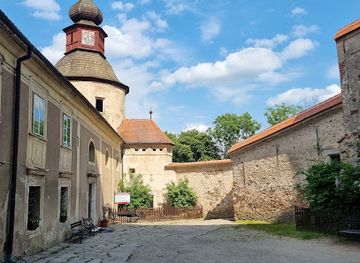
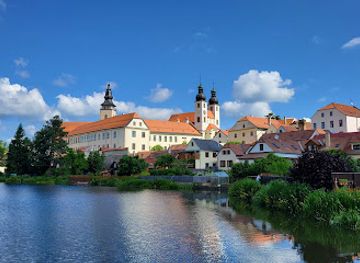
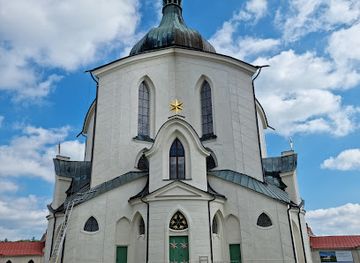
Vysočina’s attractions combine celebrated heritage towns with a large, accessible countryside. Telč’s main square, château and historic streets form the region’s most immediately recognisable urban ensemble, while Třebíč links the Basilica of St Procopius with its preserved Jewish quarter and cemetery. In Žďár nad Sázavou, the former monastery complex and Santini’s pilgrimage church on Zelená hora provide a distinctive encounter with Baroque architecture. Jihlava offers museums, remnants of medieval fortifications and urban culture, while Pelhřimov is known for its historic centre and record-themed museum. Outside the towns, the Žďárské vrchy provide marked walking and cycling routes through forests, meadows and rock formations. The ponds and wetlands around Velké Dářko, the Jihlava and Sázava valleys, and the uplands near Křemešník broaden the region’s appeal for birdwatching, fishing, cycling and quiet walks. Smaller châteaux, village churches, open-air events and local museums reward slower travel, although their opening arrangements can be seasonal. Winter visitors may find cross-country skiing in the higher districts when snow conditions are suitable.
-
Zoo
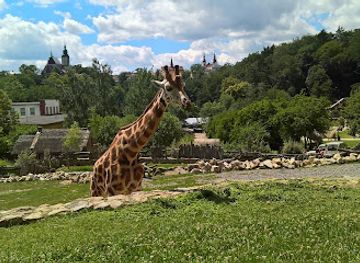
Zoological Garden in Jihlava
Explore diverse wildlife from around the globe at Jihlava Zoo, a conservation-focused zoological garden in the heart of the Czech Republic.
-
Castle
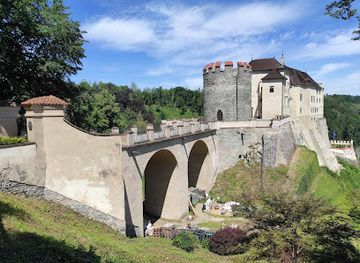
Český Šternberk Castle
Explore a remarkably preserved Gothic castle continuously owned by the Sternberg family for eight centuries.
-
Manor house
Chateau Žleby
Explore the majestic Chateau Žleby, a captivating manor house surrounded by stunning nature, rich history, and picturesque hiking trails in the Czech Republic.
-
Manor house
Zámek Žďár nad Sázavou
Discover the captivating blend of history, architecture, and culture at Zámek Žďár nad Sázavou in the heart of Vysočina.

Best landmarks in Vysočina
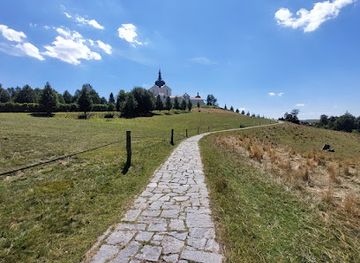
Vysočina’s most important landmarks are concentrated in a series of distinctive historic ensembles. Telč’s long main square is framed by colourful Renaissance and Baroque façades with arcades, creating one of Czechia’s most coherent historic townscapes; the château and its ponds complete the setting. Třebíč’s Basilica of St Procopius, with its Romanesque-Gothic architecture, stands above a remarkably preserved Jewish quarter and cemetery, making the town a landmark of both religious and shared urban history. On Zelená hora at Žďár nad Sázavou, the Church of St John of Nepomuk is Santini-Aichel’s striking star-shaped pilgrimage design and a defining work of Central European Baroque Gothic. Jihlava’s medieval fortification fragments and historic square recall its mining-era importance. Among natural landmarks, the forested and rocky uplands of the Žďárské vrchy, including formations around Devět skal, express the region’s highland character, while Velké Dářko is notable as a large pond landscape within the central Czech uplands.
-
Nature preserve
Zdarski Mountains
Explore the breathtaking landscapes and rich biodiversity of the Zdarski Mountains, a serene nature preserve in the heart of the Czech Republic.
-
Castle
Pernštejn Castle
Explore the stunning Pernštejn Castle, a historical gem of Czechia with breathtaking views and rich cultural heritage, perfect for history lovers and adventurers.
-
Manor house
Telč Chateau
Explore the stunning Renaissance architecture and lush gardens of Telč Chateau, a UNESCO World Heritage site in the heart of the Czech Republic.
-
Manor house
Zámek Žďár nad Sázavou
Explore the historic Zámek Žďár nad Sázavou, a stunning manor house surrounded by nature and steeped in Czech cultural heritage.
Explore Vysočina on the map
Plan your trip on one map. See where the top cities, national parks and sights are, and book hotels and experiences in a few clicks.
Best hotels in Vysočina
Best restaurants in Vysočina
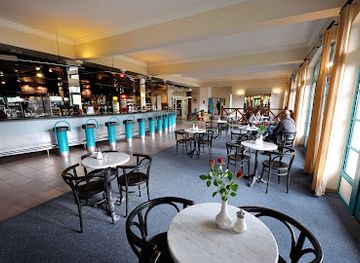
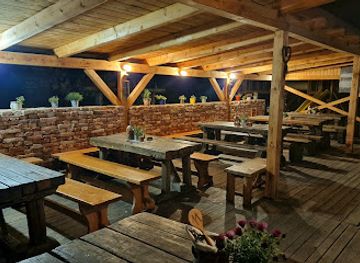
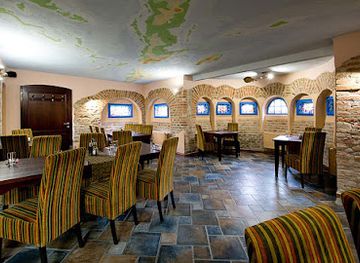
Dining in Vysočina reflects the hearty, practical cooking of Czech upland communities, with potatoes, cabbage, root vegetables, soups, breads, dumplings and pork or poultry appearing frequently on traditional menus. Czech specialities such as potato pancakes, roast dishes and fruit-filled pastries are widely available, although they belong to the broader national culinary tradition rather than exclusively to this region. Town restaurants in Jihlava, Třebíč, Telč and Žďár nad Sázavou range from conventional Czech dining rooms to cafés and contemporary kitchens, while village pubs remain useful places to find filling meals and local beer. Farm shops, seasonal markets and small food producers offer opportunities to buy cheeses, honey, preserves, baked goods and other regional produce. Telč and Třebíč have the broadest choice for visitors, whereas rural dining often requires attention to opening days and transport arrangements. Moravian and Bohemian influences meet across the region, making local menus varied without relying on a single signature dish.
-
Restaurant
Motorest Melikana
Experience authentic Czech cuisine at Motorest Melikana - your perfect roadside stop on the way to Prague.
-
Restaurant
Kolnička
Experience authentic Czech cuisine at Kolnička, where local flavors meet warm hospitality in Luka nad Jihlavou.
-
Cuban
Buena Vista - Restaurant
Savor authentic Cuban cuisine in Jihlava at Buena Vista – where vibrant flavors meet welcoming hospitality.
-
Restaurant
Restaurace Jihlavský Parlament na Terasách
Savor authentic Czech cuisine at Restaurace Jihlavský Parlament na Terasách in Jihlava - where tradition meets modern taste.
Best bars in Vysočina
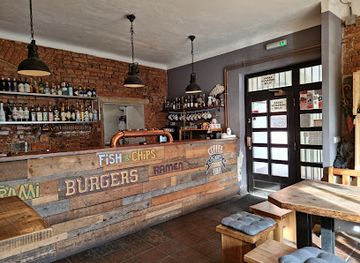
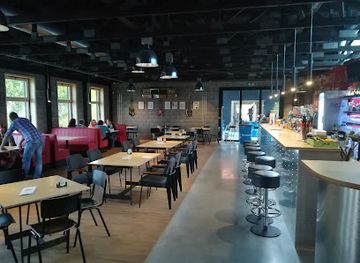
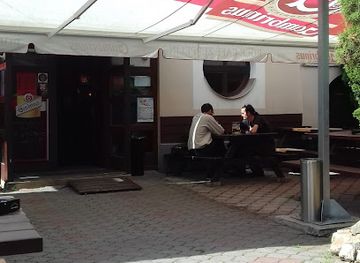
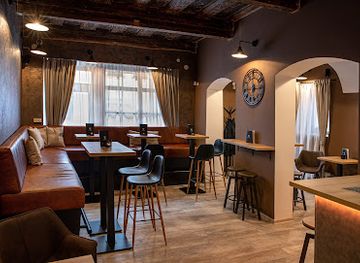
Evening life in Vysočina is generally modest and town-centred rather than built around a large club scene. Traditional pubs remain important social venues, particularly in smaller communities, where the emphasis is on conversation, Czech beer and straightforward food. Jihlava has the widest choice of cafés, bars, cultural venues and occasional live music, while Třebíč, Telč and Žďár nad Sázavou offer quieter evenings around historic centres, restaurants and seasonal cultural programmes. Student and cultural activity gives Jihlava a somewhat broader late-evening character, but opening patterns vary and should be checked locally. Visitors may also encounter breweries, beer-focused establishments and wine selections reflecting Czech and neighbouring Moravian traditions. In the countryside, plan to return before local buses finish or arrange a taxi, and avoid assuming that a small village pub operates every night.
-
Bar
Zverimex BistroBar
Experience the unique blend of bistro dining and bar atmosphere at Zverimex BistroBar in Jihlava, where every meal is a delightful adventure.
-
Bar
Retro pub
Discover the charm of the Retro Pub in Jihlava, where vintage ambiance meets delightful dining and social experiences.
-
Bar
Rock Café Zeppelin
Experience the vibrant nightlife at Rock Café Zeppelin, Jihlava's premier bar for cocktails, live music, and good times with friends.
-
Cocktail bar
Black Wall Caffe & Cocktail Bar
Discover the lively charm of Black Wall Caffe & Cocktail Bar in Jihlava, where exquisite cocktails meet a vibrant atmosphere for a memorable night out.
Best nightclubs in Vysočina
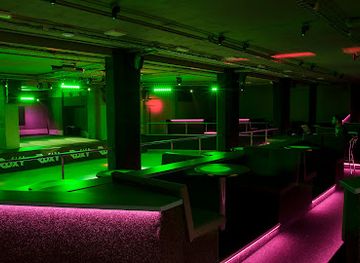
Evening life in Vysočina is generally modest and town-centred rather than built around a large club scene. Traditional pubs remain important social venues, particularly in smaller communities, where the emphasis is on conversation, Czech beer and straightforward food. Jihlava has the widest choice of cafés, bars, cultural venues and occasional live music, while Třebíč, Telč and Žďár nad Sázavou offer quieter evenings around historic centres, restaurants and seasonal cultural programmes. Student and cultural activity gives Jihlava a somewhat broader late-evening character, but opening patterns vary and should be checked locally. Visitors may also encounter breweries, beer-focused establishments and wine selections reflecting Czech and neighbouring Moravian traditions. In the countryside, plan to return before local buses finish or arrange a taxi, and avoid assuming that a small village pub operates every night.
-
Disco club
Roxy Club Třebíč
Experience Třebíč's vibrant nightlife at Roxy Club, where music, dance, and fun come together for an unforgettable evening.
-
Disco club
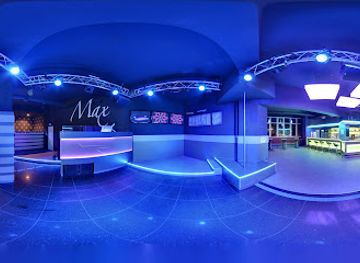
MAX MUSIC CLUB - Žďár nad Sázavou
Dive into the heart of Žďár nad Sázavou's nightlife at MAX MUSIC CLUB, where every night is a celebration of music, dance, and fun.
-
Disco club
Disco Club Starr
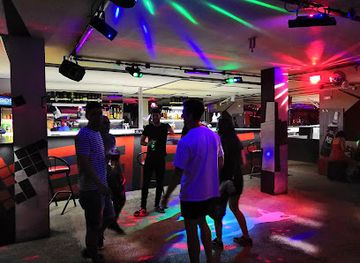
Discover the pulsating energy of Disco Club Starr in Havlíčkův Brod, where unforgettable nights of music and dancing await every visitor.
-
Bar
Polenský klub
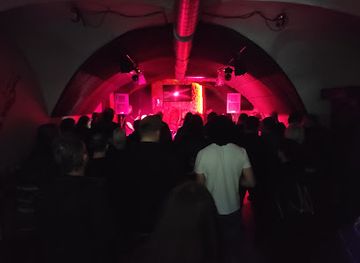
Discover Polenský klub, a vibrant bar and disco in Polná, where music, dance, and local culture come together for an unforgettable night out.
Best shops in Vysočina
Shopping in Vysočina is strongest in historic town centres, where independent food shops, bakeries, cafés, bookshops, galleries and practical high-street stores serve local communities alongside visitors. Telč offers craft-oriented and souvenir shopping around its main square, with ceramics, glass, textile items, prints and regional foods commonly sought by travellers, while Třebíč and Jihlava provide a broader everyday retail selection. Farmers’ markets and seasonal town events are useful for honey, preserves, cheeses, cakes, bread and other Czech produce, although dates and locations vary. Smaller market towns such as Pelhřimov and Havlíčkův Brod are better for local shopping and antiques than for large-scale retail. Visitors interested in regional crafts should look for pottery, woodwork, woven goods and handmade decorations, checking that an item is genuinely locally made. Modern shopping is concentrated in Jihlava and the larger towns; the countryside is more suited to farm shops, occasional markets and small specialist producers.
-
Shopping mall
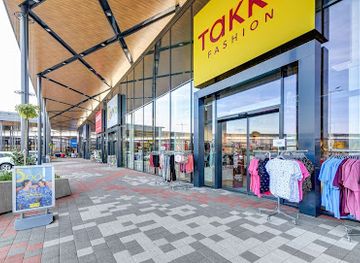
AVENTIN Shopping Jihlava
Discover the ultimate shopping experience at AVENTIN Shopping Jihlava, where style meets convenience in a vibrant setting.
-
Grocery store
COOP družstvo HB - Golčův Jeníkov TIP
Explore local flavors at COOP družstvo HB - your go-to grocery store in Golčův Jeníkov for fresh produce and Czech delicacies.
-
Internet shop
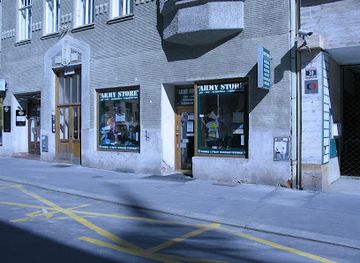
ARMY-STORE.net (Army shop Brno)
Discover top-notch military surplus, airsoft supplies, and outdoor gear at ARMORY-STORE.net in Brno, the ultimate shopping destination for adventurers.
-
Grocery store
MůjObchod Potraviny Vilémov
Explore the authentic flavors of Vilémov at MůjObchod Potraviny, your local grocery store offering fresh produce and traditional Czech products.
Get your free copy of our complete guide to Vysočina, delivered straight to you.
Everything on this page, from attractions and restaurants to essentials and local phrases, in one PDF you can read offline, print or share.
Already have an account? Sign in
Your Vysočina guide is ready.
We'll send it to · Not you? Sign out

Getting your guide ready…
We are putting together a fresh copy of the Vysočina guide. This can take up to a minute.
This can take a few moments. If your browser asks, choose Allow so the download can start. You'll find the guide in your Downloads folder.
Nothing happened? Download it again
Sorry, the guide is taking longer than usual. Please try again in a minute, or get it by email instead.
Vysočina essentials
Currency and Payment
Safety
Emergency Situations
Do's and Don'ts
Local Tips
From Eve
Local phrases worth knowing
You don't need to get them perfect. A few words go a long way, and locals appreciate the effort.
Basics
| English | Local | Say it |
|---|---|---|
| Hello | Ahoj | [ahoy] |
| Goodbye | Nashledanou | [nashledanoh] |
| Yes | Ano | [ahnoh] |
| No | Ne | [neh] |
| Please/You're welcome | Prosím | [proseem] |
| Thank you | Děkuji | [dyekooee] |
| Excuse me/Sorry | Omlouvám se | [omlohvahm seh] |
| How are you? | Jak se máš? | [yak seh mahsh] |
| Fine. And you? | Dobře. A ty? | [dobzreh. ah tee] |
| Do you speak English? | Mluvíš anglicky? | [mluveesh ahnglitskee] |
| I don't understand | Nerozumím | [nehrozeem] |
Eating & Drinking
| English | Local | Say it |
|---|---|---|
| I'd like to see the menu, please | Chtěl bych vidět menu, prosím | [khtyel bikh veedyet menu, proseem] |
| I don't eat meat | Nejím maso | [neyim ma-so] |
| Cheers! | Na zdraví! | [nah zdravyee] |
| I would like to pay, please | Chtěl bych zaplatit, prosím | [khtyel bikh zaplahtit, proseem] |
Emergencies
| English | Local | Say it |
|---|---|---|
| Help! | Pomoc! | [pohmots] |
| Go away! | Jdi pryč! | [jdee prich] |
| Call the Police! | Zavolejte policii! | [zah-vo-ley-teh poh-lits-yee] |
| Call a doctor! | Zavolejte doktora! | [zah-vo-ley-teh dok-toh-ra] |
| I'm lost | Ztratil jsem se | [ztrah-til ysem seh] |
| I'm ill | Jsem nemocný | [ysem ne-mots-nee] |
Shopping
| English | Local | Say it |
|---|---|---|
| I'd like to buy... | Chtěl bych koupit... | [khtyel bikh koopit] |
| I'm just looking | Jen se dívám | [yen seh dee-vahm] |
| How much is it? | Kolik to stojí? | [kohlik toh stoyee] |
| That's too expensive | To je moc drahé | [toh yeh mots drah-eh] |
| Can you lower the price? | Můžeš snížit cenu? | [moozeesh sneezit tsenu] |
Time & Numbers
| English | Local | Say it |
|---|---|---|
| What time is it? | Kolik je hodin? | [koh-lik yeh ho-din] |
| It's one o'clock | Je jedna hodina | [yeh yed-na ho-dee-na] |
| Half past (10) | Půl (10) | [pool (10)] |
| Morning | Ráno | [rah-no] |
| Afternoon | Odpoledne | [od-po-lehd-neh] |
| Evening | Večer | [veh-cher] |
| Yesterday | Včera | [v-cheh-rah] |
| Today | Dnes | [dnes] |
| Tomorrow | Zítra | [zee-trah] |
| 1 | 1 | [1] |
| 2 | 2 | [2] |
| 3 | 3 | [3] |
| 4 | 4 | [4] |
| 5 | 5 | [5] |
| 6 | 6 | [6] |
| 7 | 7 | [7] |
| 8 | 8 | [8] |
| 9 | 9 | [9] |
| 10 | 10 | [10] |
Transport & Directions
| English | Local | Say it |
|---|---|---|
| Where's a/the...? | Kde je...? | [kde yeh] |
| What's the address? | Jaká je adresa? | [yah-kah yeh ah-dres-ah] |
| Can you show me (on the map)? | Můžeš mi to ukázat (na mapě)? | [moozeesh mee toh oo-kah-zat (nah mah-peh)] |
| When's the next (bus)? | Kdy odjíždí další (autobus)? | [kdee od-yees-djee dal-shi (au-to-boos)] |
| A ticket (to ....) | Jeden lístek (do ...) | [ye-den leestek (do ...)] |
History of Vysočina
Early settlement and the Bohemian–Moravian frontier
Vysočina’s uplands were settled more sparsely than the fertile lowlands, with forests and difficult terrain shaping the region’s early development. The area’s position between Bohemia and Moravia gave it long-standing strategic and cultural importance, although it was not a single political territory in the modern sense. Medieval colonisation gradually cleared woodland, established villages and connected market centres. The historic boundary between the two Czech lands passed through the region, and modern visitors can still encounter this border idea in local history, museums and landscape interpretation.
Medieval monasteries, towns and mining
From the twelfth century, monasteries and noble foundations played a major role in organising settlement and agriculture. The Cistercian monastery at Žďár nad Sázavou became one of the region’s most influential religious institutions, while other ecclesiastical and aristocratic estates shaped fields, ponds and villages. Silver mining helped Jihlava expand during the thirteenth century, bringing royal privileges, German-speaking settlers and urban wealth. Mining declined over time, but the city’s medieval street plan and fortification remains preserve the importance of this early commercial centre.
Renaissance prosperity in Telč and the surrounding estates
The sixteenth century brought prosperity to several Vysočina towns and estates. Telč was transformed under the Lords of Hradec, whose rebuilding produced the arcaded houses and Renaissance château that define the town today. Wealth from estate management, trade and urban administration supported ambitious architecture, while ponds and watercourses were incorporated into the town’s defensive and economic landscape. The period also left a broader legacy of manor houses, churches and carefully planned squares across the region, although later wars and economic changes altered many smaller settlements.
The Thirty Years’ War and religious change
The Thirty Years’ War and its aftermath brought demographic disruption, economic hardship and major changes in religious and political life. Catholic renewal shaped the appearance of towns and estates through new churches, repairs and pilgrimage foundations. Žďár nad Sázavou became especially important in the eighteenth century, when the architect Jan Blažej Santini-Aichel created the pilgrimage church of St John of Nepomuk on Zelená hora. Its unusual geometry and symbolic design represent one of the most distinctive expressions of Central European Baroque architecture.
Jewish communities and Třebíč’s shared urban history
Jewish communities were established in a number of Czech towns, including Třebíč, where Jewish and Christian neighbourhoods developed beside one another below the castle and basilica. The Jewish quarter preserves houses, lanes, a synagogue and a cemetery that document everyday communal life, trade and religious practice across several centuries. Its survival is historically significant because many Central European Jewish quarters were substantially rebuilt or destroyed. Together with the Basilica of St Procopius, the quarter forms a complex record of Třebíč’s changing religious and civic landscape.
Industrialisation, railways and modern regional identity
Industrialisation reached Vysočina unevenly, building on local resources, forestry, food production, engineering and textile work rather than creating one dominant industrial belt. Railways and improved roads connected market towns with Prague, Brno and other parts of the Czech lands, reducing the isolation of the uplands. Jihlava developed as an administrative and manufacturing centre, while smaller towns retained strong agricultural functions. In the twentieth century, changing borders, collectivised farming and later economic restructuring reshaped settlement patterns and employment across the region.
The modern Vysočina Region
The present Vysočina Region was established in the Czech Republic’s administrative reorganisation at the beginning of the twenty-first century, with Jihlava as its capital. Its identity links historically different parts of Bohemia and Moravia through a shared upland environment, rural economy and network of medium-sized towns. Conservation of UNESCO sites, historic centres and traditional landscapes now sits alongside forestry, manufacturing, public services and tourism. The region’s contemporary character is therefore neither purely rural nor urban, but a mixture of working countryside, heritage towns and expanding regional infrastructure.
Vysočina in Photos
Browse through our photo collection highlighting the charm and character of the destination.
Neighbouring regions of Vysočina
The closest regions to Vysočina, if you have time for more than one.
-

-

-

-

-


Swipe for more regions
Explore more

Explore more of Czechia
Discover Czechia: A European gem with historic towns, stunning landscapes, and cultural delights. Perfect for travelers seeking charm, history, and adventure.
Explore Czechia