

Free East Bohemia Travel Guide & Mobile App
Explore East Bohemia with free travel guides. Discover regional history, expert tips, proposed trips, and audio guides on web or mobile app.


East Bohemia combines Hradec Králové, Pardubice, Renaissance heritage, mountain landscapes, cycling routes and traditional Czech culture.
Read more about East Bohemia
When is the best time to visit East Bohemia?
Best: June–August · 22–24°C| Month | High (°C) | Rainfall (mm) |
|---|---|---|
| January | 2 | 25 |
| February | 4 | 25 |
| March | 9 | 30 |
| April | 14 | 35 |
| May | 19 | 45 |
| June (best) | 22 | 55 |
| July (best) | 24 | 65 |
| August (best) | 24 | 60 |
| September | 19 | 45 |
| October | 14 | 35 |
| November | 7 | 30 |
| December | 4 | 25 |
Getting to and around East Bohemia
How to get there
Transportation
Top city travel guides in East Bohemia
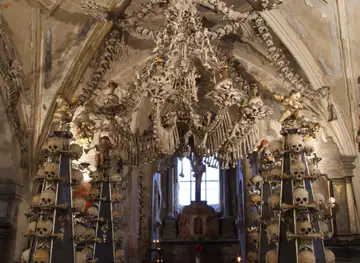
The cities of East Bohemia, and the easiest places to base yourself.
-

-
-


Swipe for more cities
Destinations in East Bohemia
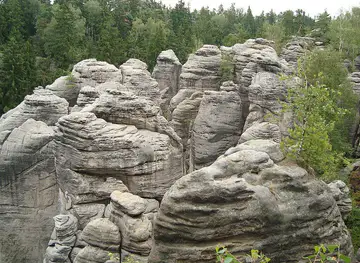
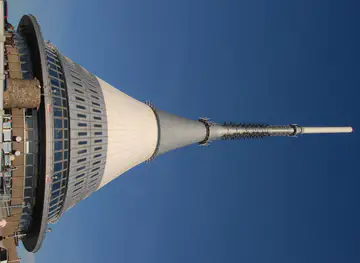
Resorts, valleys and scenic spots worth a trip of their own.
-

-

-
-
-

-


Swipe for more destinations
Best attractions in East Bohemia
East Bohemia offers a varied mixture of historic towns, military heritage, museums, cultural venues and open landscapes. Hradec Králové is notable for its urban architecture, riverside setting and museums, while Pardubice combines a Renaissance château with the cultural institutions of a regional city. Litomyšl is a major heritage stop, and Chrudim provides a compact historic centre with museums and traditional architecture. Near Jaroměř, Josefov presents vast fortifications and underground passages, while the Hradec Králové battlefield offers monuments and interpretive trails across fields and villages. The northern part of the region turns towards hiking, skiing and nature in the Krkonoše and Orlické Mountains, with forest paths, upland meadows and mountain settlements. Lowland cycling routes follow the Elbe and quieter country roads, and family-oriented attractions, galleries and seasonal cultural events are concentrated in the larger towns. The attraction landscape is defined less by one single sight than by the contrast between accessible river plains, historic estates and more demanding mountain terrain.
-
Event venue
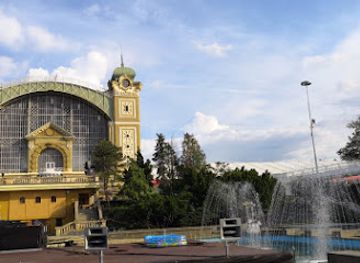
Výstaviště Praha Holešovice
Explore Vystaviste Prague: A vibrant cultural and recreational venue featuring events, parks, and diverse food options that cater to all.
-
Open air museum
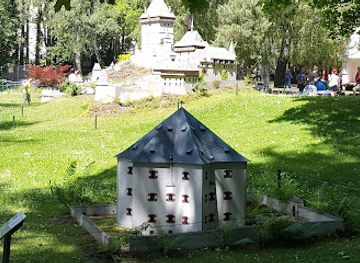
Park Boheminium Mariánské Lázně
Explore the unique Park Boheminium in Mariánské Lázně, showcasing stunning miniature replicas of Czech landmarks in a picturesque open-air museum.
-
Museum
Museum of Papermaking in Duszniki-Zdrój
Explore the rich history of papermaking at the Museum of Papermaking in Duszniki-Zdrój, where art, culture, and craftsmanship come together.
-
Rock
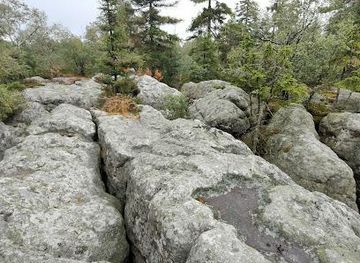
Errant Rocks
Discover the enchanting Errant Rocks in Kudowa-Zdrój, a natural wonder filled with unique rock formations and breathtaking views, perfect for adventurers and families alike.

Best landmarks in East Bohemia
Litomyšl Castle is East Bohemia's most recognisable architectural landmark, distinguished by its Renaissance arcades and patterned sgraffito façades. Pardubice Castle, set within earthwork fortifications, preserves the scale of the former Pernštejn estate and represents the transition from medieval stronghold to Renaissance residence. Hradec Králové's historic centre and river confluence are complemented by twentieth-century buildings associated with the city's carefully planned modern development. Josefov's massive bastions, gates and underground passages form one of the region's most imposing military landscapes. The hill and monuments at Chlum, east of Hradec Králové, mark the 1866 battlefield and connect local geography with a major European conflict. In the uplands, the ridges and valleys of the Krkonoše and Orlické Mountains are natural landmarks in their own right, while the sandstone formations on the eastern side of the Bohemian Paradise introduce a different geological character to the region's northern fringe.
-
Bridge
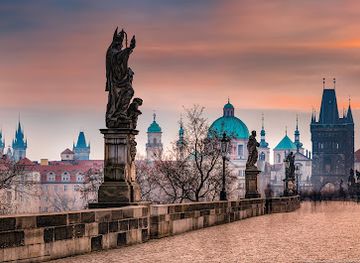
Charles Bridge
Explore the enchanting Charles Bridge in Prague, a historical masterpiece adorned with stunning statues and breathtaking views over the Vltava River.
-
Castle
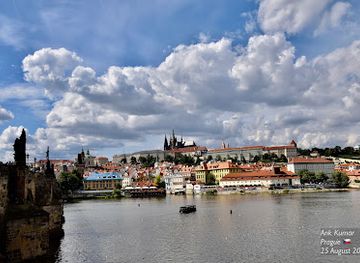
Prague Castle
Discover the grandeur of Prague Castle, a UNESCO World Heritage site, where history meets breathtaking architecture in the heart of the Czech Republic.
-
Tourist attraction
Prague Astronomical Clock
Experience the magic of the Prague Astronomical Clock, a historical marvel showcasing medieval craftsmanship and offering a captivating hourly spectacle.
-
Scenic spot
Petrin Tower
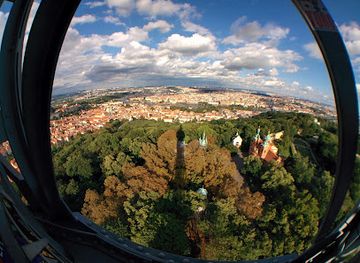
Experience breathtaking views and rich history at Petrin Tower, a must-visit scenic spot in Prague's enchanting landscape.

Explore East Bohemia on the map
Plan your trip on one map. See where the top cities, national parks and sights are, and book hotels and experiences in a few clicks.
Best hotels in East Bohemia
Best restaurants in East Bohemia
East Bohemian dining is grounded in the wider Czech tradition of soups, roast meats, sauces, dumplings and fruit-based baking, with local differences appearing in ingredients and setting rather than in a wholly separate cuisine. Pardubice is strongly associated with gingerbread, sold in constantly changing forms by bakeries and specialist producers, while rural areas offer traditional pubs and simple regional cooking. Hradec Králové, Pardubice and Litomyšl have the broadest choice of cafés, contemporary restaurants and international food, whereas smaller towns tend to centre on hospodas, bakeries and family-run establishments. Farm shops and markets may offer honey, preserves, seasonal fruit, smoked products and other regional produce. In mountain districts, menus often suit walkers and skiers, with hearty soups, potato dishes and hot drinks particularly common. Czech lager remains widely available, but modern restaurants increasingly pair local food with craft beer, Moravian wine or non-alcoholic alternatives.
-
Czech
Lokál Dlouhááá
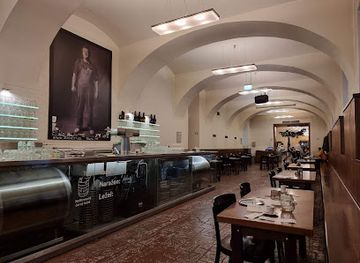
Discover authentic Czech flavors at Lokál Dlouhááá in Old Town – where tradition meets taste in a vibrant setting.
-
Meat
Kantýna
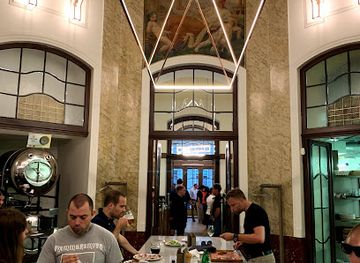
Discover the heart of Czech gastronomy at Kantýna – where exquisite meat dishes meet vibrant atmosphere.
-
Restaurant
Masaryk lodge
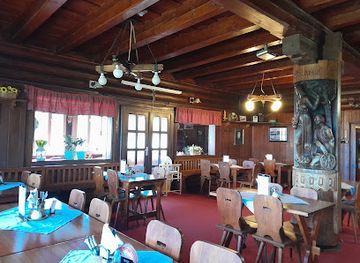
Discover Masaryk Lodge: A delightful restaurant offering traditional Czech cuisine amid stunning landscapes perfect for hiking enthusiasts.
-
Restaurant
Restaurant Mlýnec
Discover culinary artistry at Restaurant Mlýnec, where modern European dishes meet stunning riverside views in Prague's Old Town.
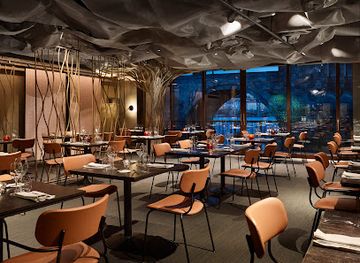
Best bars in East Bohemia
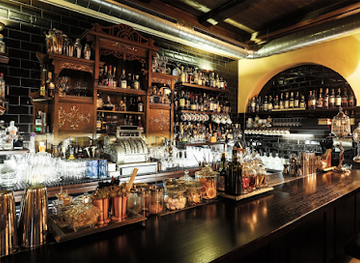
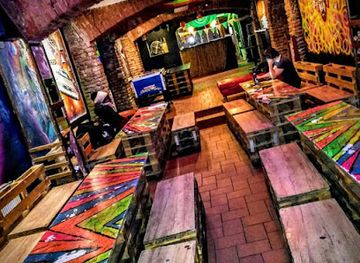
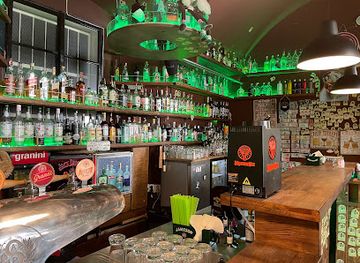
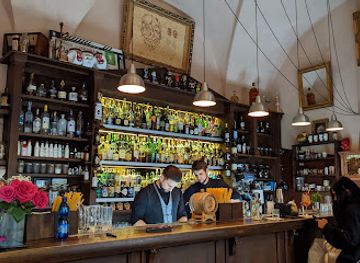
Evening life in East Bohemia is concentrated in Hradec Králové and Pardubice, where students, theatres, concert venues, cafés and bars create the region's broadest selection after dark. Both cities have traditional pubs as well as newer beer bars, cocktail venues and places hosting live music, although individual scenes and opening arrangements change. Litomyšl has a more restrained cultural evening, centred on restaurants, cafés and performances connected with its historic and music-oriented institutions. In smaller towns, the hospoda remains a practical place for a drink and conversation, while mountain resorts add hotel bars, après-ski venues and seasonal entertainment during busy periods. Nightclubs exist but are not the defining feature of the region; visitors should not expect a continuous late-night scene outside the principal cities and resorts.
-
Bar
Hemingway Bar
Discover the charm of Hemingway Bar in Old Town, where literary inspiration meets exquisite cocktails in a cozy atmosphere.
-
Tour operator
Drunken Monkey Pub Crawl & Boat Party
Join the ultimate nightlife adventure at Drunken Monkey Pub Crawl & Boat Party, where bars meet the river in an unforgettable experience.
-
Live music bar
My People Bar
Discover My People Bar in Old Town Prague, a lively gastropub offering fantastic live music, delicious food, and a vibrant atmosphere for all visitors.
-
Cocktail bar
Anonymous Bar
Experience the whimsical charm of Anonymous Bar in Old Town, where innovative cocktails and a vibrant atmosphere await.
Best nightclubs in East Bohemia
Evening life in East Bohemia is concentrated in Hradec Králové and Pardubice, where students, theatres, concert venues, cafés and bars create the region's broadest selection after dark. Both cities have traditional pubs as well as newer beer bars, cocktail venues and places hosting live music, although individual scenes and opening arrangements change. Litomyšl has a more restrained cultural evening, centred on restaurants, cafés and performances connected with its historic and music-oriented institutions. In smaller towns, the hospoda remains a practical place for a drink and conversation, while mountain resorts add hotel bars, après-ski venues and seasonal entertainment during busy periods. Nightclubs exist but are not the defining feature of the region; visitors should not expect a continuous late-night scene outside the principal cities and resorts.
-
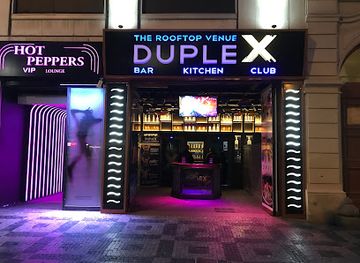
Night club
Duplex
Discover the electrifying nightlife of Duplex in Prague, a top-rated night club offering music, drinks, and an unforgettable atmosphere.
-
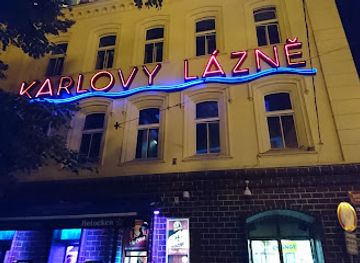
Night club
Karlovy Lazne - Nightclub
Discover the electrifying nightlife of Karlovy Lazne, a stunning nightclub in Prague blending history with modern entertainment.
-
Night club
Chapeau Rouge
Experience the vibrant nightlife at Chapeau Rouge, where music, dance, and affordable drinks unite in the heart of Old Town.
-
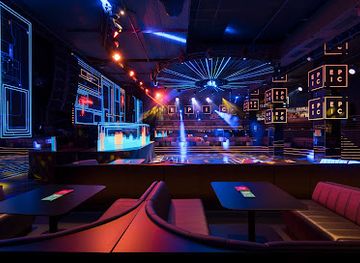
Disco club
Epic Prague
Discover the vibrant nightlife of Prague at Epic Prague, a premier disco club offering an unforgettable dance experience in the heart of the Old Town.

Best shops in East Bohemia
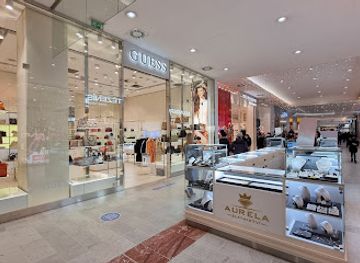
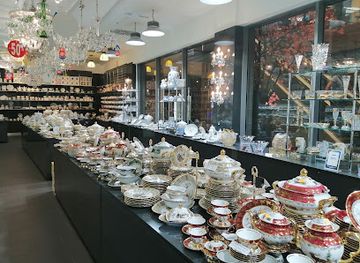
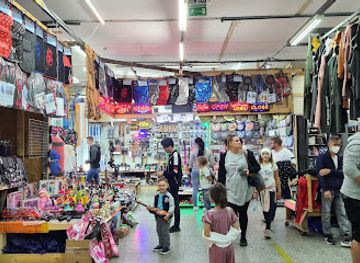
Shopping in East Bohemia is primarily town-based, with Hradec Králové and Pardubice offering the widest range of department stores, high-street retailers, independent boutiques, bookshops and specialist food shops. Historic centres in Litomyšl, Chrudim and smaller market towns are better suited to browsing cafés, galleries, antiques, local crafts and smaller independent businesses than to large-scale retail. Farmers' markets and seasonal town markets may provide honey, preserves, baked goods, fruit, vegetables and regional drinks, though schedules vary. Pardubice gingerbread is the most recognisable edible souvenir associated with the region, while museum shops and castle shops often stock locally themed books, prints and craft items. In mountain resorts, look for practical outdoor goods, woollen products and small souvenirs rather than assuming a large luxury-shopping offer. Check provenance when buying handmade goods, particularly at temporary stalls.
-
Shopping mall
PALLADIUM
Discover PALLADIUM, Prague's premier shopping destination with diverse shops, delightful dining, and a vibrant atmosphere for every traveler.
-
Shopping mall
Nový Smíchov Shopping Centre
Explore the Nový Smíchov Shopping Centre: A vibrant destination for shopping, dining, and entertainment in the heart of Prague.
-
Outlet mall
Fashion Arena Prague Outlet
Explore the ultimate shopping haven with top designer brands at reduced prices at Fashion Arena Prague Outlet, your premier fashion destination.
-
Shopping mall
Excalibur City
Experience a magical blend of shopping and excitement at Excalibur City, where fun and retail come together in Hatě.

Get your free copy of our complete guide to East Bohemia, delivered straight to you.
Everything on this page, from attractions and restaurants to essentials and local phrases, in one PDF you can read offline, print or share.
Already have an account? Sign in
Your East Bohemia guide is ready.
We'll send it to · Not you? Sign out

Getting your guide ready…
We are putting together a fresh copy of the East Bohemia guide. This can take up to a minute.
This can take a few moments. If your browser asks, choose Allow so the download can start. You'll find the guide in your Downloads folder.
Nothing happened? Download it again
Sorry, the guide is taking longer than usual. Please try again in a minute, or get it by email instead.
East Bohemia essentials
Currency and Payment
Safety
Emergency Situations
Do's and Don'ts
Local Tips
From Eve
Local phrases worth knowing
You don't need to get them perfect. A few words go a long way, and locals appreciate the effort.
Basics
| English | Local | Say it |
|---|---|---|
| Hello | Ahoj | [ahoy] |
| Goodbye | Sbohem | [sbohem] |
| Yes | Ano | [ah-no] |
| No | Ne | [neh] |
| Please/You're welcome | Prosím | [pro-seem] |
| Thank you | Děkuji | [dyeh-koo-yee] |
| Excuse me/Sorry | Omlouvám se | [om-loh-vahm seh] |
| How are you? | Jak se máš? | [yak seh mahsh] |
| Fine. And you? | Dobře. A ty? | [dob-zheh. ah tee] |
| Do you speak English? | Mluvíš anglicky? | [mloo-veesh ahn-glits-kee] |
| I don't understand | Nerozumím | [neh-roh-zoo-meem] |
Eating & Drinking
| English | Local | Say it |
|---|---|---|
| I'd like to see the menu, please | Chtěl bych vidět menu, prosím | [htyell beek veed-yet meh-noo, pro-seem] |
| I don't eat meat | Nejím maso | [ney-eem mah-so] |
| Cheers! | Na zdraví! | [nah zdrah-vee] |
| I would like to pay, please | Chtěl bych zaplatit, prosím | [htyell beek zah-plah-teet, pro-seem] |
Emergencies
| English | Local | Say it |
|---|---|---|
| Help! | Pomoc! | [poh-mots] |
| Go away! | Jdi pryč! | [yee preech] |
| Call the Police! | Zavolej policii! | [zah-voh-lay poh-lee-tsi-ee] |
| Call a doctor! | Zavolej doktora! | [zah-voh-lay dok-toh-rah] |
| I'm lost | Ztratil jsem se | [ztrah-teel ysem seh] |
| I'm ill | Jsem nemocný | [ysem neh-mots-nee] |
Shopping
| English | Local | Say it |
|---|---|---|
| I'd like to buy... | Chtěl bych koupit... | [htyell beek koh-pit] |
| I'm just looking | Jen se dívám | [yen seh dee-vahm] |
| How much is it? | Kolik to stojí? | [koh-lik toh stoh-yee] |
| That's too expensive | To je příliš drahé | [toh yeh pree-leesh drah-he] |
| Can you lower the price? | Můžeš snížit cenu? | [moo-zesh snee-zheet tseh-noo] |
Time & Numbers
| English | Local | Say it |
|---|---|---|
| What time is it? | Kolik je hodin? | [koh-lik yeh ho-deen] |
| It's one o'clock | Je jedna hodina | [yeh yed-nah ho-dee-nah] |
| Half past (10) | Půl desáté | [pool deh-sah-teh] |
| Morning | Ráno | [rah-no] |
| Afternoon | Odpoledne | [od-poh-led-neh] |
| Evening | Večer | [veh-cher] |
| Yesterday | Včera | [v-cheh-rah] |
| Today | Dnes | [dnes] |
| Tomorrow | Zítra | [zee-trah] |
| 1 | 1 | [1] |
| 2 | 2 | [2] |
| 3 | 3 | [3] |
| 4 | 4 | [4] |
| 5 | 5 | [5] |
| 6 | 6 | [6] |
| 7 | 7 | [7] |
| 8 | 8 | [8] |
| 9 | 9 | [9] |
| 10 | 10 | [10] |
Transport & Directions
| English | Local | Say it |
|---|---|---|
| Where's a/the...? | Kde je...? | [kdeh yeh] |
| What's the address? | Jaká je adresa? | [yah-kah yeh ah-dreh-sah] |
| Can you show me (on the map)? | Můžeš mi to ukázat (na mapě)? | [moo-zesh mee toh oo-kah-zat (nah mah-peh)] |
| When's the next (bus)? | Kdy jede další (autobus)? | [kdee yeh-deh dal-shee (au-toh-boos)] |
| A ticket (to ....) | Jeden lístek (do ....) | [yeh-den lee-stek (doh)] |
History of East Bohemia
Early Settlement and the Elbe Lowlands
The Elbe basin and adjoining uplands have supported human settlement since prehistoric times, with fertile soils, rivers and routes through the landscape encouraging farming and exchange. Archaeological evidence from East Bohemia records communities from the Neolithic onwards, followed by Celtic and Germanic activity before the emergence of early Slavic settlement. The region's rivers remained important long after prehistory, influencing the location of later towns, estates and roads. Much of the modern landscape, including cultivated lowlands divided by villages and field systems, reflects this long interaction between settlement and the Elbe drainage network.
Medieval Towns and the Přemyslid Realm
During the medieval period, East Bohemia became integrated into the Bohemian state ruled by the Přemyslid dynasty and later by the Luxembourg kings. Hradec Králové grew as a fortified royal town, while Pardubice, Chrudim, Litomyšl and other settlements developed as centres of administration, trade and craft production. Churches, monasteries and castles shaped the region's political and religious geography. Litomyšl also became the seat of an important bishopric in the fourteenth century, reinforcing the town's significance. Surviving street plans, churches and defensive traces reveal the commercial and strategic importance of these medieval foundations.
Noble Estates and Renaissance Culture
From the late Middle Ages into the Renaissance, powerful noble families transformed East Bohemia through estate building, land management and patronage. The Pernštejn family played a particularly important role around Pardubice, where the castle was developed into a substantial Renaissance residence. The construction of Litomyšl Castle in the sixteenth century brought Italianate architectural ideas to the region, its arcaded courtyard and sgraffito decoration making it one of East Bohemia's most distinguished monuments. Religious change, including the spread and later suppression of Protestant movements, also left a lasting mark on towns and estates.
The Thirty Years' War and Baroque Reconstruction
The Thirty Years' War brought warfare, requisitioning, disease and economic disruption to Bohemia, including its eastern districts. In the decades that followed, many damaged towns, estates and churches were rebuilt or remodelled in Baroque forms. Religious institutions and aristocratic landowners sponsored new churches, pilgrimage sites, residences and gardens, while villages were reorganised around renewed estates. The resulting architecture remains visible in East Bohemian town centres and countryside, where Baroque churches and manor complexes often stand alongside older medieval layouts. This period also strengthened the cultural influence of the Habsburg monarchy over the region.
Josefov and Habsburg Military Strategy
The fortress of Josefov, founded as Ples and constructed from the 1780s near the confluence of the Elbe and Metuje, reflected Habsburg efforts to defend Bohemia's approaches against Prussia. Its immense earthworks, underground passages and planned streets were designed according to contemporary principles of military engineering. Although the fortress never fulfilled all the strategic expectations placed upon it, it became one of the most important surviving examples of late eighteenth-century fortification in Czechia. The associated town of Jaroměř and the surrounding landscape still show how military planning affected settlement and transport in East Bohemia.
The Battle of Hradec Králové, 1866
On 3 July 1866, the Battle of Königgrätz, known in Czech as the Battle of Hradec Králové, was fought near Chlum east of the city during the Austro-Prussian War. Prussian forces defeated the Austrian army, contributing decisively to Prussia's dominance in German affairs and altering the balance of power within the Habsburg Empire. The battlefield is now marked by monuments, an educational trail and the Museum of the War of 1866. Its fields and villages provide a tangible setting for understanding how industrial-era weapons, railways and mass armies changed European warfare.
Industrialisation, Railways and Modern East Bohemia
Nineteenth-century industrialisation brought textile production, engineering, food processing and improved transport to East Bohemia. Railways connected Hradec Králové, Pardubice, Česká Třebová and other centres with Prague, Moravia and the wider Habsburg network, turning Pardubice into a significant transport junction. Urban growth encouraged new civic buildings, schools and industrial suburbs, while local manufacturers helped diversify an economy previously dominated by agriculture and estate production. In the twentieth century, the region experienced the political changes of Czechoslovakia, wartime occupation, state socialism and post-1989 economic transformation, all of which remain visible in its architecture and institutions.
East Bohemia in Photos
Browse through our photo collection highlighting the charm and character of the destination.
Neighbouring regions of East Bohemia
The closest regions to East Bohemia, if you have time for more than one.
-

-

-

-

-


Swipe for more regions
Explore more

Explore more of Czechia
Discover Czechia: A European gem with historic towns, stunning landscapes, and cultural delights. Perfect for travelers seeking charm, history, and adventure.
Explore Czechia