
Cape Henlopen Great Dune, Delaware, Cape Henlopen State Park Travel Guide
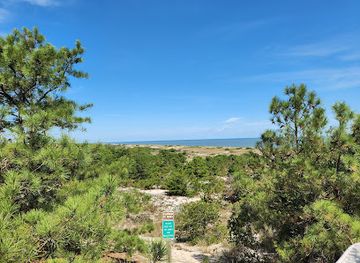
Ascend the Great Dune at Cape Henlopen for panoramic coastal views and a unique blend of natural beauty and military history.
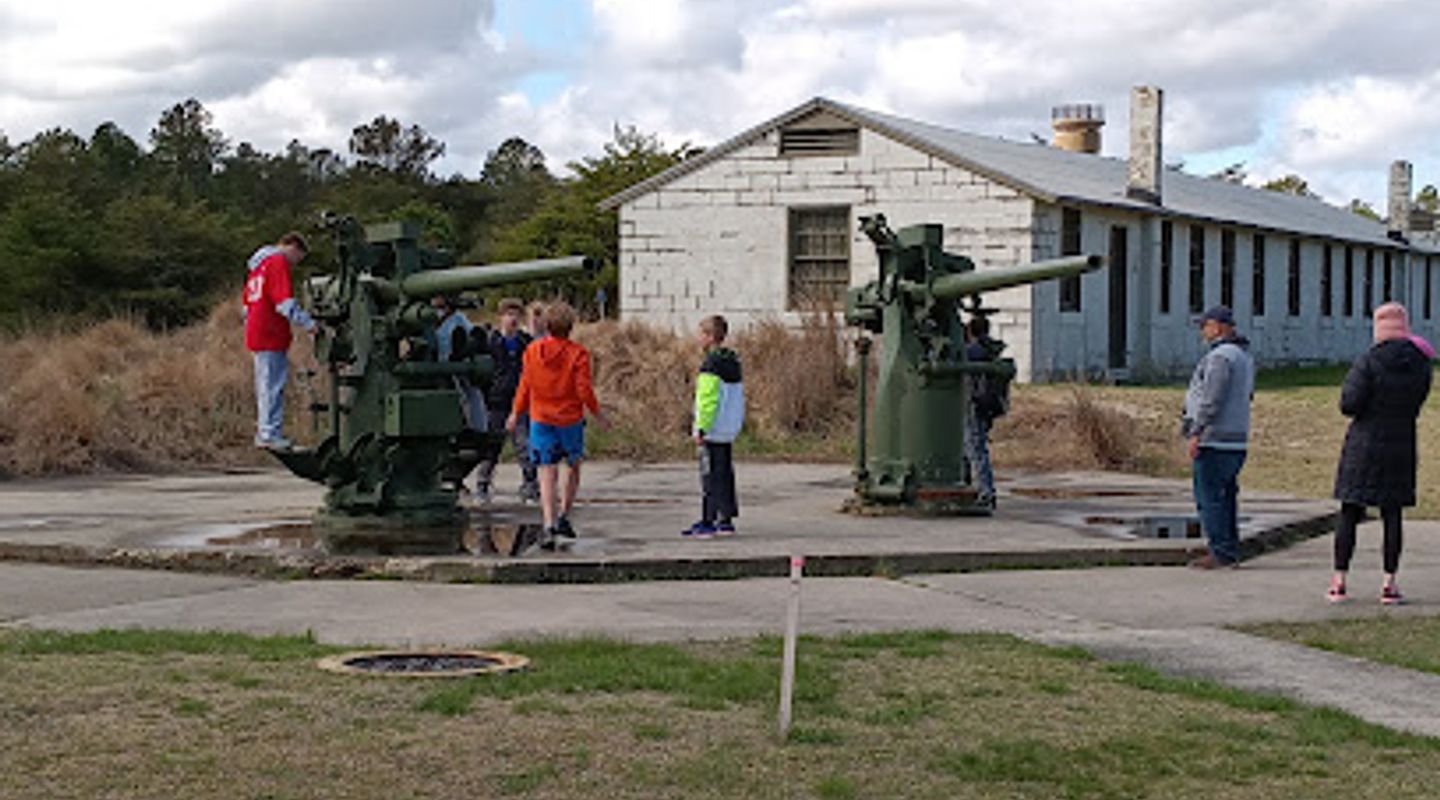
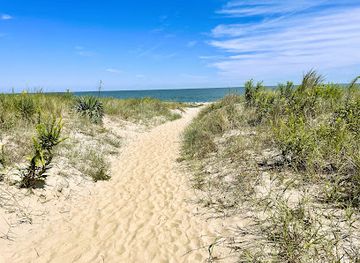
The Great Dune at Cape Henlopen State Park is the largest sand dune between Cape Cod and Cape Hatteras. This natural wonder offers stunning views and a glimpse into the area's geological and military history.
A brief summary to Cape Henlopen Great Dune, Delaware
- Post Ln, Lewes, Delaware, 19958, US
- Click to display

Know before you go
Hi, I'm Eve. Here are a few practical things to know before exploring Cape Henlopen Great Dune, Delaware.
- Bring binoculars for enhanced views of the Delaware Bay, Atlantic Ocean, and surrounding area.
- Visit the nearby Fort Miles Historic Area to learn about the dune's role in World War II.
- Wear comfortable shoes for the sandy climb to the top of the dune.
Do you manage this location?
Take control to get all the benefits, like improved information, better appearance, and stronger visibility across AI-powered discovery. Learn more about listing your business on Evendo
Activate your presenceOther nearby places you may find interesting
The closest places of the same kind, if this one is not quite what you had in mind.

Explore Cape Henlopen Great Dune, Delaware on the Map
A handpicked selection of must-see spots near Cape Henlopen Great Dune, Delaware, mapped for you.
Getting There
-
Driving
From Lewes, follow Cape Henlopen Drive into Cape Henlopen State Park. Continue towards the Fort Miles Historic Area. Parking is available near the Fort Miles Museum. From the parking area, follow the signs to the Great Dune. Park entry fees apply from March 1 to November 30: $5/day for Delaware vehicles, $10/day for out-of-state vehicles.
-
Walking
From the Cape May-Lewes Ferry terminal, it's approximately a 30-minute walk to the Great Dune. Follow the bike path along Cape Henlopen Drive into the park. Continue past the main beach area towards Fort Miles. The Great Dune will be visible on your left.
-
Public Transport
The DART First State Bus Route 204 stops at the DRBA Ferry Terminal. From there, follow the walking directions to the Great Dune (approximately 30 minutes). A one-way bus fare is typically $2.
Discover more about Cape Henlopen Great Dune, Delaware
More to explore near Cape Henlopen Great Dune, Delaware
-

Best experiences near Cape Henlopen Great Dune, Delaware
-

Best hotels near Cape Henlopen Great Dune, Delaware
-

Best landmarks near Cape Henlopen Great Dune, Delaware
-

Best shops near Cape Henlopen Great Dune, Delaware
-

Best restaurants near Cape Henlopen Great Dune, Delaware
-

Best bars near Cape Henlopen Great Dune, Delaware







Your all‑in‑one travel companion app
Explore expert travel guides, compare and book tours, experiences, hotels, and more—all from the palm of your hand. Download now for seamless trip planning wherever your wanderlust takes you.


Explore More of Cape Henlopen State Park
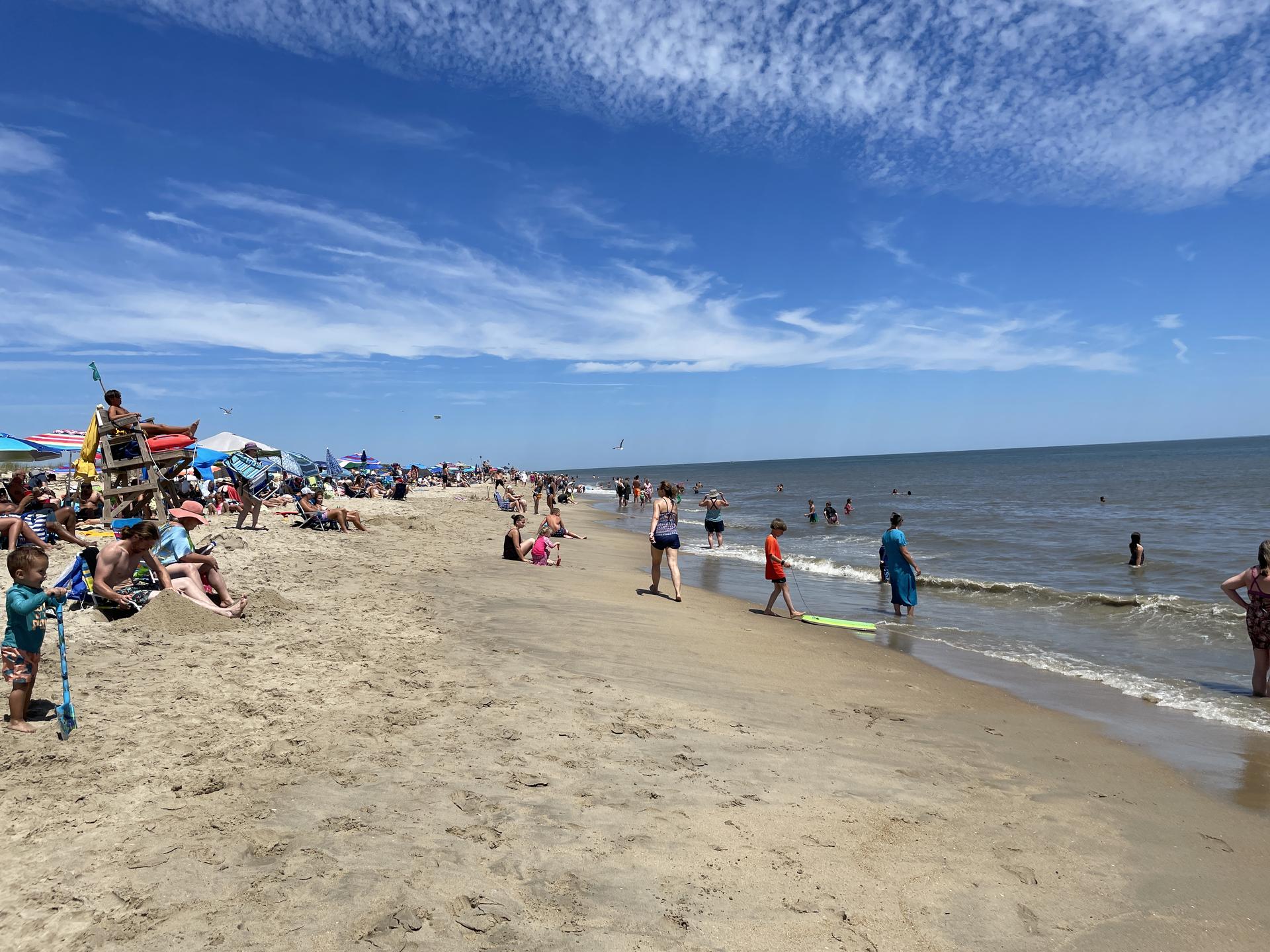
Looking beyond Cape Henlopen Great Dune, Delaware? Discover Cape Henlopen State Park for broader travel guides, local hot-spots, and regional highlights.
Explore Cape Henlopen State Park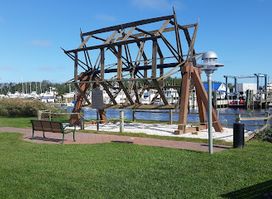
Discover waterfront beauty and maritime history at Lewes CanalFront Park, a vibrant community space in historic Lewes, Delaware.
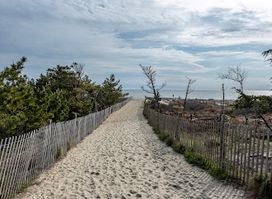
Explore pristine beaches, historic Fort Miles, and scenic trails at Cape Henlopen State Park, where the Delaware Bay meets the Atlantic Ocean.
