

Fyrtårn østmole Travel Guide
Free Guide: A small harbour lighthouse on Ærøskøbing’s eastern mole, Fyrtårn Østmole adds quiet maritime character and wide sea views to this fairytale Danish island port.


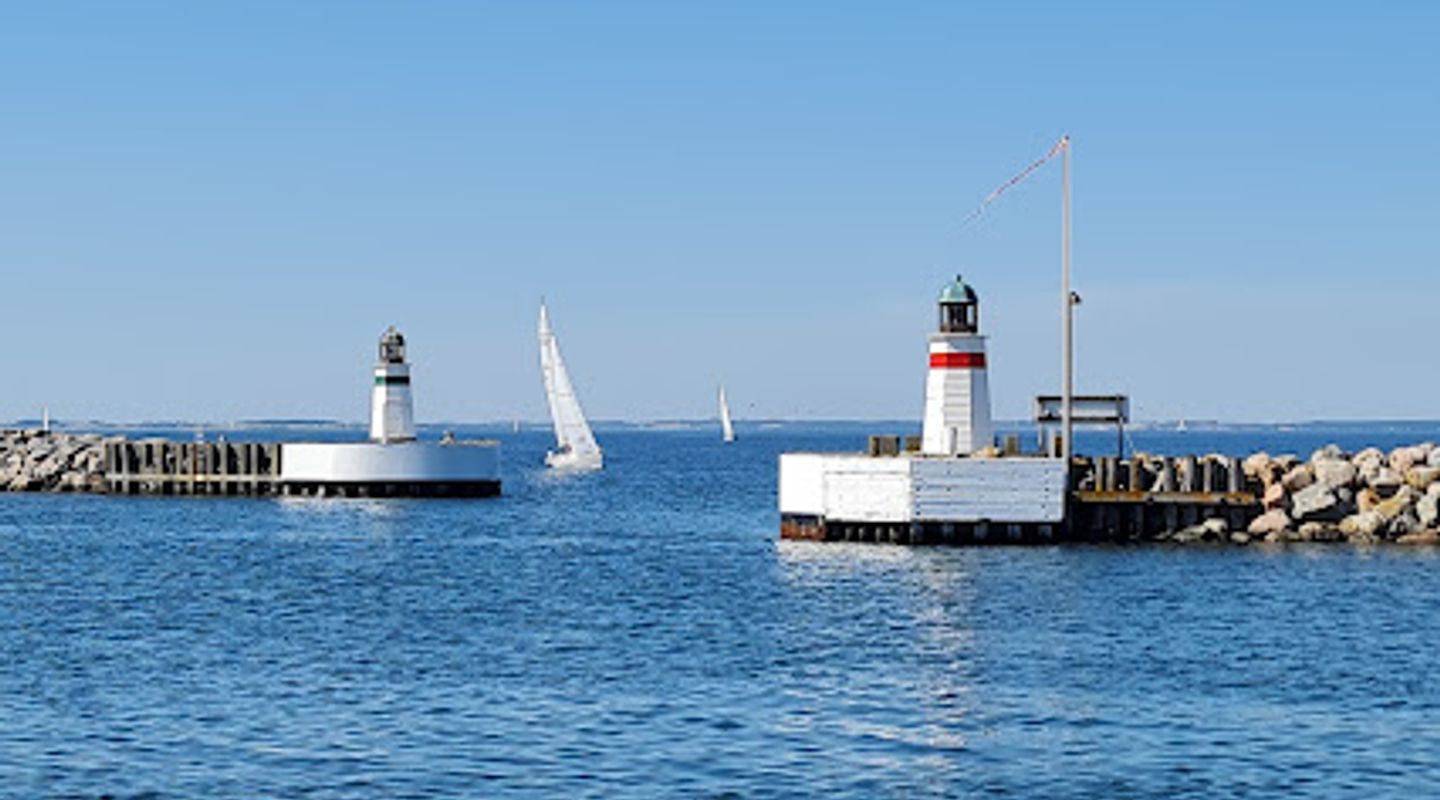
A brief summary of Fyrtårn østmole
A small harbour lighthouse on Ærøskøbing’s eastern mole, Fyrtårn Østmole adds quiet maritime character and wide sea views to this fairytale Danish island port.
Fyrtårn Østmole is the small harbour lighthouse marking the eastern mole of Ærøskøbing on the island of Ærø. This modest beacon guides boats into the fairytale town’s marina, framing views of colorful houses, traditional boats and the South Funen Archipelago. It is less a grand monument than a quiet, characterful spot for waterfront strolls, sea air, and soft evening light over the harbour basins.
On-site amenities
 Restrooms
 Drink options
 Drinking water
 Food options
 Seating areas
 Trash bins
 Information boards
 Visitor centre
- Address
- Ærøskøbing
Getting there
Ferry and On-Foot from Ærøskøbing Ferry Terminal
Bike from Central Ærøskøbing
Local Bus and Short Walk from Elsewhere on Ærø
Discover more about Fyrtårn østmole
A Modest Beacon on a Storybook Harbour
Fyrtårn Østmole is the compact lighthouse that stands at the tip of the eastern breakwater of Ærøskøbing’s harbour, a practical navigational aid in a setting that feels almost theatrical. Boats slip past its light as they enter the marina, with the cobbled streets and colourful facades of Ærøskøbing rising gently behind. Rather than dominating the skyline, the structure works as a subtle exclamation point at the end of the harbour wall, tying together town, sea, and sky.From the mole you look back at one of Denmark’s best-preserved historic towns, its red roofs and timbered houses glowing in low sun. The lighthouse becomes part of a larger maritime tableau: moored yachts, traditional wooden ships and the slow rhythm of ferries linking Ærø to the surrounding archipelago.
Harbour Heritage and Island Navigation
Ærøskøbing has long depended on safe approaches for trading vessels, ferries and fishing boats threading the shallow waters of the South Funen Archipelago. The Østmole light belongs to this working heritage, a small but important marker helping skippers read the harbour entrance, often in concert with the corresponding west mole light and other leading marks around the marina.Though unassuming, the structure reflects a lineage of Danish harbour lights and beacons, catalogued alongside larger coastal lighthouses that once transformed night-time navigation. Here the technology is modern and functional, yet it still tells a story of cautious approaches in strong winds, foggy evenings and winter darkness, when a precise flash pattern can make the difference between a clean landfall and a hazardous shoal.
Waterfront Strolls and Sea-Level Views
For visitors, Fyrtårn Østmole is less about technical details and more about the experience of walking out along the mole. The path leads you between moored boats and low waves, with gulls circling overhead and the smell of seaweed and salt in the air. At the end, the harbour opens into the Little Belt, and you can trace the gentle curve of Ærø’s northern coast.This is an easy, informal place to linger: you might sit on the stones to watch sunset colours over the water, follow the changing silhouettes of masts against the sky, or photograph the small lighthouse with the town as a backdrop. On clear days the views extend across the island-dotted horizon, while blustery weather brings a more dramatic feel as spray hits the outer side of the mole.
Light, Weather and Changing Moods
Because the lighthouse sits fully exposed on the harbour arm, the atmosphere shifts with each change of season and weather. Summer brings long, glowing evenings when the light comes on slowly as the sky fades through pastel tones. In autumn and winter, strong winds and low clouds create a starker palette of grey and steel blue, highlighting the working character of the port.Even on calm days the soundscape is rich: halyards clinking against masts, the low thrum of a departing ferry, children’s voices drifting from the quayside. The lighthouse serves as a fixed point in this moving scene, a place where you can pause for a few quiet minutes and feel the broader rhythm of island life around you.
A Quiet Counterpoint to Ærø’s Larger Icons
Elsewhere on Ærø you will find more imposing landmarks, from Skjoldnæs Lighthouse at the island’s northern tip to impressive sea cliffs and historic manor houses. Fyrtårn Østmole, by contrast, is a small-scale feature that rewards a slower pace. It is ideal as a short detour on a walk through Ærøskøbing or along the coastal path that links the town with other parts of the island.Rather than commanding attention, this little lighthouse invites you to look closely: at the texture of the stones, the colour of the water, and the interplay between a working harbour and a carefully preserved historic town. Taken together, these details make Fyrtårn Østmole a quietly evocative stopping point on any exploration of Ærø.
Evendo Review Centre
 Google
Guest reviews
Best time to go
Quietest: Jan, Feb & Nov · before 7am or from 11pm
Busy times are Evendo estimates for a typical year, to help you plan. Actual crowds vary with events, school holidays and the weather.
Explore Fyrtårn østmole on the map
A handpicked selection of must-see spots near Fyrtårn østmole, mapped for you.
Get your free copy of our complete guide to Fyrtårn østmole, delivered straight to you.
Everything on this page, from opening hours and how to get there to Eve’s tips and the best time to go, in one PDF you can read offline, print or share.
Already have an account? Sign in
Your Fyrtårn østmole guide is ready.
We'll send it to · Not you? Sign out

Getting your guide ready…
We are putting together a fresh copy of the Fyrtårn østmole guide. This can take up to a minute.
This can take a few moments. If your browser asks, choose Allow so the download can start. You'll find the guide in your Downloads folder.
Nothing happened? Download it again
Sorry, the guide is taking longer than usual. Please try again in a minute, or get it by email instead.
Other nearby places you may find interesting
The closest places of the same kind, if this one is not quite what you had in mind.
-
Badehuse ved Vestre Strandvej A ribbon of tiny, colourful wooden bath huts on Ærøskøbing’s Vesterstrand, blending living island tradition with one of Ærø’s most scenic, swimmable beaches.
-
Ærø Museum Step into Ærø’s past inside a 1775 bailiff’s house, where island history, quirky traditions and a time‑capsule garden unfold in the heart of Ærøskøbing.
-
View Point A simple stop on Ærø’s coastal dike with sweeping views of sea, marsh and sky, perfect for a quiet pause, a photo, or a golden-hour moment between towns.
-
Voderup Klint Terraced coastal cliffs where Ice Age geology, open sea views and tranquil island farmland meet in one of Ærø’s most distinctive natural landscapes.
-
Hammerich House • Aero Museum A collector's cabinet of curiosities in a half-timbered cottage, brimming with antiques and artistic treasures.
Swipe for more places
More to explore near Fyrtårn østmole

 Best experiences near Fyrtårn østmole
 Best hotels near Fyrtårn østmole
 Best landmarks near Fyrtårn østmole
 Best attractions near Fyrtårn østmole
 Best shops near Fyrtårn østmole
 Best restaurants near Fyrtårn østmole
 Best bars near Fyrtårn østmole
Do you manage this location?
Take control to get all the benefits, like improved information, better appearance, and stronger visibility across AI-powered discovery.
Explore more

Explore more of Ærø
Discover the enchanting island of Ærø in Denmark, where fairy-tale towns, scenic landscapes, and rich maritime history await to captivate your senses.
Explore Ærø
Explore more of Denmark
Discover Denmark: A perfect blend of history, modern design, and the cozy concept of hygge. Explore vibrant cities, serene landscapes, and world-class cuisine.
Explore Denmark
