

Ærø Museum Travel Guide
Free Guide: Step into Ærø’s past inside a 1775 bailiff’s house, where island history, quirky traditions and a time‑capsule garden unfold in the heart of Ærøskøbing.


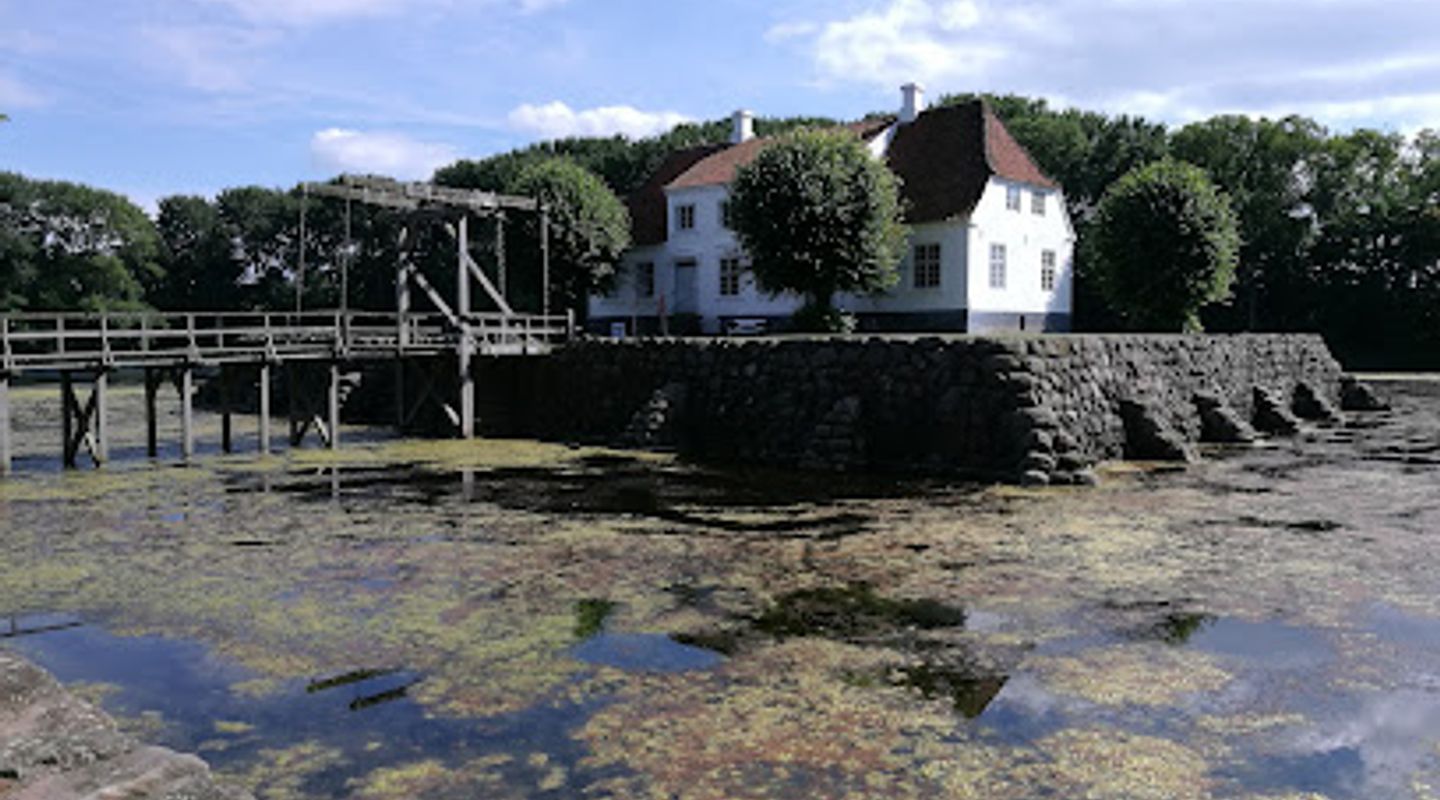
A brief summary of Ærø Museum
Step into Ærø’s past inside a 1775 bailiff’s house, where island history, quirky traditions and a time‑capsule garden unfold in the heart of Ærøskøbing.
Ærø Museum in Ærøskøbing is the island’s main cultural museum, housed in a beautifully preserved former bailiff’s residence from 1775. Inside, thoughtfully curated exhibitions explore life on Ærø from its days under the Duchy of Schleswig to modern wedding tourism, weaving together maritime heritage, everyday objects and island traditions. A charming adjacent market garden, planted in the style of the 1920s, extends the story outdoors and offers a quiet, atmospheric pause in the middle of the old town.
On-site amenities
 Restrooms
 Trash bins
 Information boards
 Seating areas
Opening hours
- Every day11 am–3 pm
Opening hours as listed on the venue’s Google Business Profile. Hours can change for services and special events, so check with the venue before you go.
- Address
- Søndergade 16, 5970 Ærøskøbing
- Phone
- Website
Getting there
Ferry and walk from Ærøskøbing harbor
Local bus within Ærø
Car or bicycle on Ærø
Discover more about Ærø Museum
An island story inside a former bailiff’s house
Ærø Museum occupies a dignified 18th‑century bailiff’s residence in the heart of Ærøskøbing, one of Denmark’s most picturesque small towns. Step through the door and you move from cobbled streets into a sequence of historic rooms that still feel like a lived‑in home rather than a purpose‑built museum. Timber floors creak, light filters through small‑paned windows, and panelled walls frame displays that draw heavily on the island’s own objects and archives.The building itself, dating from 1775, sets the tone for what follows: this is a compact, human‑scale museum that focuses on local lives rather than grand national narratives. Staircases, low ceilings and slightly uneven surfaces all speak of the house’s age and add to the sense of time travel as you explore.
From duchy borderland to wedding island
Exhibitions here trace Ærø’s history from its time as part of the Duchy of Schleswig, through the upheavals of the 19th century and the aftermath of the 1864 defeat at Dybbøl, to the present‑day identity of the island. Themes such as seafaring, agriculture, trade and religion are presented through everyday artefacts, portraits, furniture and documents that once belonged to local families.One strand focuses on how political borders and shifting rulers affected a small island community, while another looks at the more recent phenomenon of wedding tourism that now brings couples from far beyond Denmark to marry in Ærøskøbing’s evocative streets and churches. Together, the displays reveal how an isolated island has continually adapted to wider European events.
Traditions, symbols and island curiosities
Beyond dates and dynasties, Ærø Museum delves into the customs that give the island its distinctive character. You can learn about the Easter Saturday tradition of boiling eggs on the beach, discover the stories behind Ærø’s two local flags and see how festivals, costume and craft have reinforced a strong sense of community.Interpretive panels and objects highlight the islanders’ relationship with the sea, from fishing and shipping to emigration and return. Domestic interiors show how island homes looked in different eras, with clocks, textiles and ceramics illustrating both resourcefulness and an eye for beauty in a relatively remote place.
A 1920s garden preserved in time
One of the museum’s most appealing features lies just outside: a small market garden planted with fruit trees, vegetables and ornamentals to evoke how such a plot would have looked around 1920. Paths lead between beds edged with herbs and traditional varieties, while simple seating invites you to pause and imagine the rhythms of older rural life.This outdoor space quietly expands the museum’s story, showing how food, self‑sufficiency and seasonal work shaped daily existence. On fine days it becomes an open‑air extension of the galleries and a tranquil spot to absorb what you have seen indoors before stepping back into town.
Child‑friendly discoveries and linked historic houses
Families are well catered for, with child‑friendly displays and hands‑on elements that encourage closer inspection rather than hushed observation. A playful cat‑themed treasure hunt, themed around the museum’s resident house cat, helps younger visitors navigate the collection and notice details they might otherwise miss.Ærø Museum is also the gateway to Hammerichs Hus, an almost untouched historic home elsewhere in Ærøskøbing. Combined tickets allow you to explore both sites, contrasting the more formal bailiff’s residence with a more intimate dwelling filled with original interiors and artworks. Together they offer a rich, layered introduction to Ærø’s past in just a few unhurried hours.
Evendo Review Centre
 Google
Guest reviews
Best time to go
Quietest: Jan, Feb & Nov · before 9am or from 4pm
Busy times are Evendo estimates for a typical year, to help you plan. Actual crowds vary with events, school holidays and the weather.
Explore Ærø Museum on the map
A handpicked selection of must-see spots near Ærø Museum, mapped for you.
Get your free copy of our complete guide to Ærø Museum, delivered straight to you.
Everything on this page, from opening hours and how to get there to Eve’s tips and the best time to go, in one PDF you can read offline, print or share.
Already have an account? Sign in
Your Ærø Museum guide is ready.
We'll send it to · Not you? Sign out

Getting your guide ready…
We are putting together a fresh copy of the Ærø Museum guide. This can take up to a minute.
This can take a few moments. If your browser asks, choose Allow so the download can start. You'll find the guide in your Downloads folder.
Nothing happened? Download it again
Sorry, the guide is taking longer than usual. Please try again in a minute, or get it by email instead.
Other nearby places you may find interesting
The closest places of the same kind, if this one is not quite what you had in mind.
-
-
-
-
-


Swipe for more places
More to explore near Ærø Museum

 Best experiences near Ærø Museum
 Best hotels near Ærø Museum
 Best landmarks near Ærø Museum
 Best attractions near Ærø Museum
 Best shops near Ærø Museum
 Best restaurants near Ærø Museum
 Best bars near Ærø Museum
Do you manage this location?
Take control to get all the benefits, like improved information, better appearance, and stronger visibility across AI-powered discovery.
Explore more

Explore more of Ærø
Discover the enchanting island of Ærø in Denmark, where fairy-tale towns, scenic landscapes, and rich maritime history await to captivate your senses.
Explore Ærø
Explore more of Denmark
Discover Denmark: A perfect blend of history, modern design, and the cozy concept of hygge. Explore vibrant cities, serene landscapes, and world-class cuisine.
Explore Denmark
