Gedesby Møllelaug Travel Guide
Free Guide: Denmark's southernmost working windmill—a beautifully restored 1911 heritage landmark and vibrant community gathering place.


A brief summary of Gedesby Møllelaug
Denmark's southernmost working windmill—a beautifully restored 1911 heritage landmark and vibrant community gathering place.
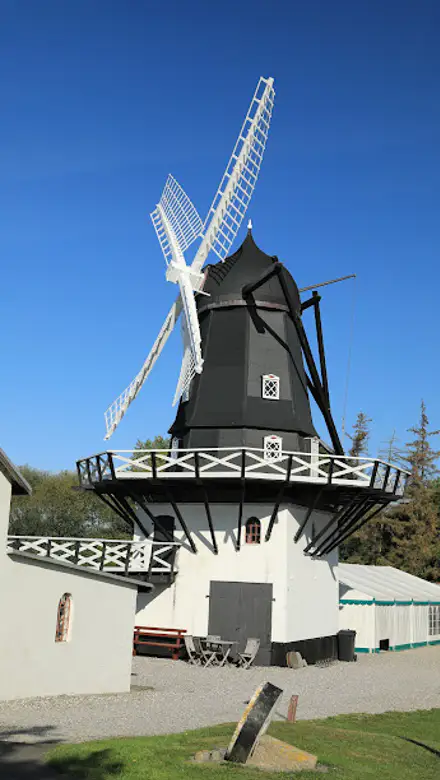
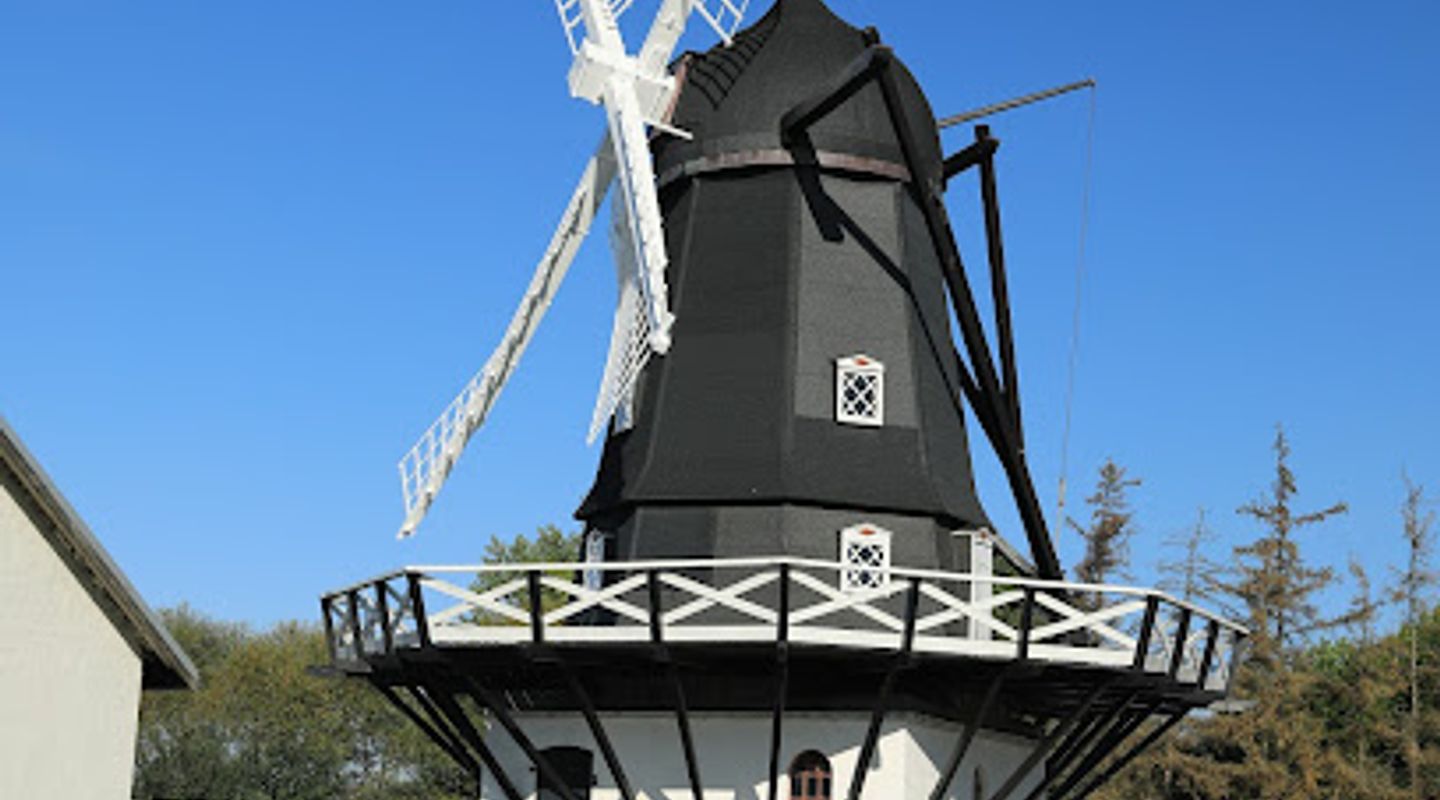
Denmark's southernmost Dutch windmill, beautifully restored and fully functional since 1911, Gedesby Mølle stands as a living museum of agricultural heritage in the tranquil village of Gedesby near Gedser. This meticulously preserved landmark houses original milling machinery and offers visitors a glimpse into traditional Danish milling traditions. The site has evolved into a vibrant community hub, featuring a renowned seasonal flea market, scenic gardens, playground facilities, and peaceful green spaces ideal for families and history enthusiasts alike.
On-site amenities
 Restrooms
 Drink options
 Food options
 Seating areas
 Picnic areas
 Trash bins
 Information boards
 Visitor centre
Opening hours
- MonClosed
- TueClosed
- WedClosed
- ThuClosed
- FriClosed
- Sat10 am–4 pm
- Sun10 am–4 pm
Opening hours as listed on the venue’s Google Business Profile. Hours can change for services and special events, so check with the venue before you go.
- Address
- Kobbelsøvej 1, 4874 Gedser
- Phone
- Website
Getting there
Local Bus
Private Car
Walking
Cycling
Discover more about Gedesby Møllelaug
A Windmill Frozen in Time
Gedesby Mølle represents one of Denmark's most remarkable preservation achievements. Built in December 1911, this Dutch-style smock mill stands as the country's southernmost windmill, a distinction that underscores its historical significance. The structure itself is a masterwork of timber engineering, with its intricate wooden framework and traditional construction methods still visible to visitors who climb the interior stairs. The mill's original machinery remains intact and functional—a rare feat for windmills of this age—allowing the grinding stones to turn and produce flour much as they did over a century ago.The restoration effort has been extraordinary. Over the past 26 years, the volunteer-run Møllelauget organization has invested more than 9 million Danish kroner into the mill's preservation, with approximately 6 million dedicated to comprehensive restoration work. This dedication has transformed what might have become a crumbling ruin into a fully operational heritage site that authentically demonstrates the mechanical ingenuity of early 20th-century milling technology.
The Mechanics of Tradition
Climbing to the upper levels of Gedesby Mølle reveals the intricate systems that powered grain milling. The massive wooden gears, the central rotating shaft, the large sails that once caught the wind, and the grinding stones all work in concert—a symphony of mechanical precision that visitors can observe firsthand. The craftsmanship evident in every joint and beam speaks to the skill of the original builders. From the viewing gallery that circles the mill's interior, visitors gain not only an understanding of how the mill functioned but also panoramic views across the surrounding landscape, encompassing both the agricultural fields that once fed grain to the mill and the distant water that shaped the region's character.
A Social Hub for the Community
What distinguishes Gedesby Mølle from many heritage sites is its evolution from a purely historical project into a genuine community gathering place. The organization has deliberately shifted its mission to create a social center where visitors can experience the site together in beautiful green surroundings. The grounds feature a children's playground, open-air seating areas with tables and benches, and ample space for families to relax and picnic. Local residents and holiday home visitors regularly use the facilities, transforming the mill into a living social space rather than a static museum piece.The site's facilities have expanded to accommodate this broader role. Modern amenities including restrooms and a visitor center now complement the historic mill building, while the surrounding parkland provides shelter and shade. This balance between preservation and accessibility has resulted in a significant increase in daily visitor numbers, making Gedesby Mølle one of the region's most visited attractions.
The Famous Summer Flea Market
Each summer, Gedesby Mølle becomes the setting for a renowned regional flea market that draws visitors from across Lolland and Falster. Operating on weekends from mid-April through mid-September, and during major holidays such as Easter and Christmas, the market fills the mill building, adjacent structures, and a large tent with vintage finds, antiques, and secondhand goods. The market has become legendary throughout the region, attracting both serious collectors and casual browsers seeking bargains. Proceeds from the market directly support the mill's ongoing maintenance and preservation, creating a symbiotic relationship where commerce sustains heritage conservation.
Gateway to Gedesby Village
The mill's location in the historic village of Gedesby adds another layer of appeal. The village itself, first mentioned in written records in 1231, retains the character of a traditional Danish settlement with narrow streets, thatched cottages, well-maintained gardens, and a charming church. A village duck pond, though currently without ducks, adds to the picturesque atmosphere. Visitors often extend their stay to explore the surrounding area, which includes access to some of Denmark's most southerly beaches at Gedesby Strand and Gedser, where migratory birds such as geese, cranes, sea eagles, and eider ducks can be observed, particularly during migration seasons.
Accessibility and Natural Setting
The mill's setting emphasizes accessibility and natural beauty. The site offers free parking, accessible facilities including a handicap bridge to the water at nearby Dillet, and expansive grounds that accommodate visitors of all mobility levels. The peaceful, quiet surroundings provide a stark contrast to busier tourist destinations, making it an ideal stop for those seeking a slower-paced experience. The combination of historical significance, functional heritage machinery, community atmosphere, and natural landscape creates an experience that appeals to families, history enthusiasts, photographers, and anyone seeking an authentic glimpse into Danish rural heritage.
Evendo Review Centre
 Google
Guest reviews
Best time to go
Quietest: Jan, Feb & Nov · before 7am or at 7pm
Busy times are Evendo estimates for a typical year, to help you plan. Actual crowds vary with events, school holidays and the weather.
Explore Gedesby Møllelaug on the map
A handpicked selection of must-see spots near Gedesby Møllelaug, mapped for you.
Get your free copy of our complete guide to Gedesby Møllelaug, delivered straight to you.
Everything on this page, from opening hours and how to get there to Eve’s tips and the best time to go, in one PDF you can read offline, print or share.
Already have an account? Sign in
Your Gedesby Møllelaug guide is ready.
We'll send it to · Not you? Sign out

Getting your guide ready…
We are putting together a fresh copy of the Gedesby Møllelaug guide. This can take up to a minute.
This can take a few moments. If your browser asks, choose Allow so the download can start. You'll find the guide in your Downloads folder.
Nothing happened? Download it again
Sorry, the guide is taking longer than usual. Please try again in a minute, or get it by email instead.
Other nearby places you may find interesting
The closest places of the same kind, if this one is not quite what you had in mind.
-
-
-
-
-


Swipe for more places
More to explore near Gedesby Møllelaug

 Best experiences near Gedesby Møllelaug
 Best hotels near Gedesby Møllelaug
 Best landmarks near Gedesby Møllelaug
 Best attractions near Gedesby Møllelaug
 Best shops near Gedesby Møllelaug
 Best restaurants near Gedesby Møllelaug
 Best bars near Gedesby Møllelaug
Do you manage this location?
Take control to get all the benefits, like improved information, better appearance, and stronger visibility across AI-powered discovery.
Explore more

Explore more of Falster
Discover Falster: A blend of serene beaches, rich history, and lush landscapes in Denmark's southern island treasure.
Explore Falster
Explore more of Denmark
Discover Denmark: A perfect blend of history, modern design, and the cozy concept of hygge. Explore vibrant cities, serene landscapes, and world-class cuisine.
Explore Denmark