
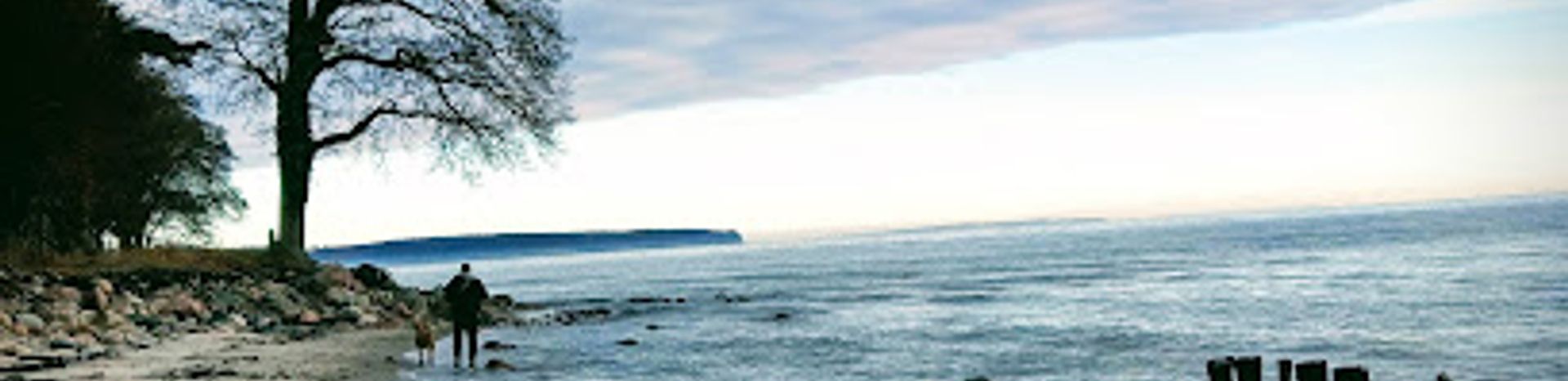
Generalens Lysthus, Tromnæs Forest
An 18th-century thatched summer house in Tromnæs Forest, balancing Baltic sea views and woodland calm on the historic Corselitze estate near Nykøbing Falster.
Tucked between Tromnæs Forest and the Baltic shore on Falster, Generalens Lysthus is a small, whitewashed, thatched summer house built in 1786 for Major General Johan Frederik Classen. This modest pleasure pavilion, once part of the grand Corselitze estate, sits just above the beach near Tunderup Strandvej. Today it offers a quiet glimpse of 18th-century leisure culture, with forest trails, sea views and a peaceful clearing that feels far removed from modern bustle.
A brief summary to Generalens Lysthus
- Tunderup Strandvej, Nykøbing Falster, 4800, DK
- Duration: 0.5 to 1.5 hours
- Free
-
 Outdoor
- Mobile reception: 3 out of 5
- Monday 12 am-12 am
- Tuesday 12 am-12 am
- Wednesday 12 am-12 am
- Thursday 12 am-12 am
- Friday 12 am-12 am
- Saturday 12 am-12 am
- Sunday 12 am-12 am
Local tips
- Bring water and snacks; there are no services at the pavilion, and the spot is best enjoyed as a leisurely pause on a longer walk or bike ride.
- Wear sturdy shoes, as access is via forest and coastal paths that can be uneven, muddy, or sandy after rain or in shoulder seasons.
- Aim for clear or gently overcast weather to appreciate the light over the Baltic and the contrast between the white cottage and the dark forest.

For the on-the-go comforts that matter to you
- Seating Areas
- Trash Bins
- Information Boards
Getting There
-
Car from Nykøbing Falster town centre
Driving from central Nykøbing Falster to the Tromnæs Forest area near Generalens Lysthus typically takes 15–20 minutes, following local roads toward the Corselitze and Tunderup Strand area. Expect simple rural driving with narrow stretches and occasional farm traffic. Parking is usually informal at small forest or beach parking areas, free of charge, but spaces can be limited on warm summer weekends, so arrive early in peak season.
-
Bicycle from Nykøbing Falster
Cycling from Nykøbing Falster to the vicinity of Generalens Lysthus takes around 35–50 minutes each way, depending on pace. The route uses a mix of minor roads and forest or coastal paths with gentle gradients, suitable for most reasonably fit riders. Surfaces vary between asphalt and compact gravel, so a city or touring bike is ideal. This option is free and especially pleasant in spring and summer, but bring lights and warm layers outside daylight hours.
-
Local bus plus walk
From Nykøbing Falster you can use a regional bus toward the Corselitze or eastern Falster area, with journey times typically 20–30 minutes depending on the specific line and timetable. A single adult ticket usually falls in the range of 25–45 DKK within the local fare zones. From the nearest coastal or forest stop, expect a walk of 20–30 minutes on mainly flat rural and forest tracks. Services run less frequently in evenings and on weekends, so check current schedules in advance.
Generalens Lysthus location weather suitability
-
 Clear Skies
-
 Mild Temperatures
-
 Any Weather
-
 Cold Weather
-
 Windy Conditions
Discover more about Generalens Lysthus
A tiny summer house on the edge of sea and forest
Generalens Lysthus sits where Tromnæs Forest thins out toward the Baltic, a compact whitewashed cottage with a thick thatched roof and low, human scale. Surrounded by tall trees and a glimpse of sandy shore through the trunks, it feels almost like a secret discovered at the end of a woodland walk. The path opens suddenly to reveal the building on a small rise, set just back from the shoreline for shelter from wind and spray. The house stands close to Tunderup Strandvej, yet the dominant impressions here are birdsong, rustling leaves and the distant wash of waves. The combination of coastal light and the dark green of the forest gives the site a distinctive, almost stage-like atmosphere, especially on clear days when the sea beyond shimmers between the trunks.Legacy of Major General Classen and the Corselitze estate
The pavilion was built in 1786 by Major General Johan Frederik Classen, the industrialist and landowner who reshaped this part of Falster through his Corselitze estate. He commissioned the little pleasure house as a retreat from the formality of the main manor, a place to enjoy sea air, views and private conversation away from the ceremonial rooms and landscaped gardens. Classen’s wider estate left a deep imprint on the region, from forestry and agriculture to architecture and landscape design. Generalens Lysthus is one of the more intimate remains of that legacy, a reminder that 18th-century landowners also carved out small corners for contemplation and enjoyment at the very edge of their domains.Thatched timber architecture in miniature
Architecturally, the building is a vinkelbygget half-timbered structure with a thatched roof, its walls rendered and painted a bright, reflective white. The plan forms an angled shape, creating a sheltered nook where the veranda sits under the sweep of the roof. From outside, the proportions are simple and sturdy rather than ornate, but the details—the rhythm of the timber framing, the deep eaves of the thatch, the small-paned windows—reward close inspection. Inside, the layout is straightforward: a covered veranda space and a single main room designed as a sitting area. Historically the interior could be opened toward the water, framing the view and drawing in light. Although modest, the building shows how rural materials like thatch and timber were adapted to leisure architecture, blurring the line between farmhouse language and gentleman’s retreat.A quiet coastal pause on walking and cycling routes
Today Generalens Lysthus functions as a scenic waypoint rather than an elaborate attraction. Walkers and cyclists following the coast or exploring Tromnæs Forest use the clearing around the house as a natural pause point. The short path to the nearby beach makes it easy to combine forest shade with a barefoot stroll along the shore, while the open grass beside the pavilion lends itself to informal picnics. There is no staffed facility here and only limited signage, so the experience depends on simply being present: watching clouds move over the Baltic, listening to the forest, tracing the lines of the timber frame. The lack of commercial activity reinforces the sense of stepping into a preserved fragment of 18th-century landscape design.Preservation, thatch and the passage of time
Over the centuries, wind, salt air and the natural decay of organic materials have made maintenance a recurring challenge. The thatched roof in particular has required renewal to keep the structure weather-tight, with recent rethatching work carefully following traditional techniques so that the silhouette and material character remain authentic. The ongoing care reflects the pavilion’s status as part of the cultural environment associated with Corselitze and the forests along Falster’s east coast. Standing beside the cottage, it is easy to read the layers of time: the original 1780s conception as a refined retreat, the long years of changing estate management, and modern efforts to conserve rather than transform. Generalens Lysthus endures not because of grandeur, but because it captures how a single small building can mediate between forest, coast and human presence over more than two centuries.Iconic landmarks you can’t miss

Bellinge House- Bed & Breakfast. Wellness.
3.9 km
Discover tranquility and wellness at Bellinge House, a charming bed & breakfast in Nykøbing Falster, Denmark, offering holistic treatments and serene accommodations.
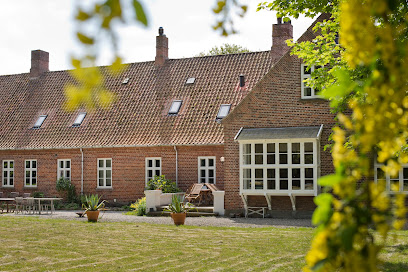
Pomle Nakke Traktørsted
7.2 km
Experience Danish coastal charm at Pomle Nakke Traktørsted, where stunning Baltic Sea views meet locally sourced cuisine for an unforgettable dining experience on Falster.
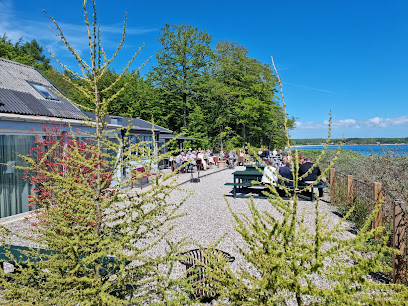
Larsens Plads
9.7 km
Experience the enchanting flavors of Væggerløse at Larsens Plads, where fresh ingredients meet breathtaking coastal views.
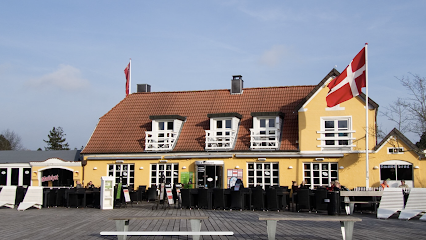
Café Delias
9.7 km
Experience authentic Italian cuisine in the heart of Marielyst at Café Delias, where traditional stone-oven pizzas and a vibrant atmosphere create a memorable dining experience.
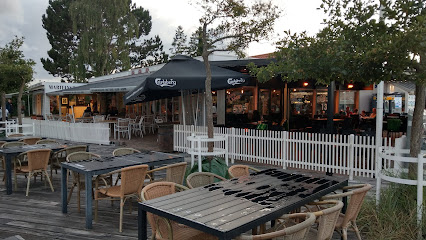
Hotel Falster
11.0 km
Experience Danish hospitality at Hotel Falster in Nykøbing Falster, offering comfortable accommodations, on-site dining, and easy access to local attractions and the South Sea Islands.
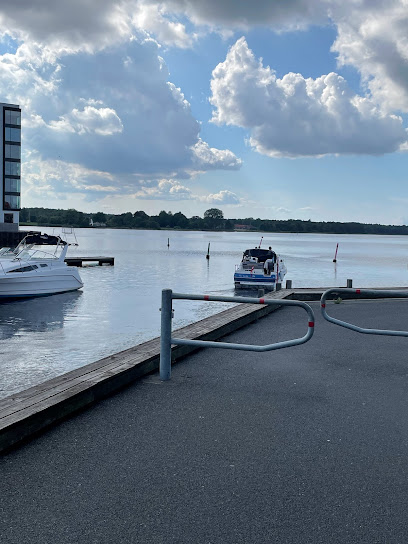
Diocese of Lolland–Falster
11.0 km
Experience the serene beauty and rich history of the Diocese of Lolland–Falster in Nykøbing Falster, a captivating church and cultural landmark.
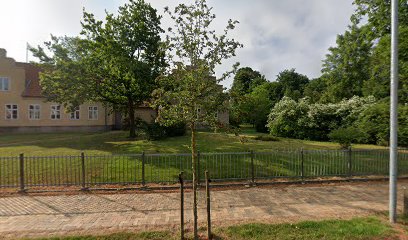
Mindbjergs
11.5 km
Explore a fusion of Danish and Asian flavors at Mindbjergs, a culinary gem in Nykøbing Falster offering unique dishes in a warm atmosphere.
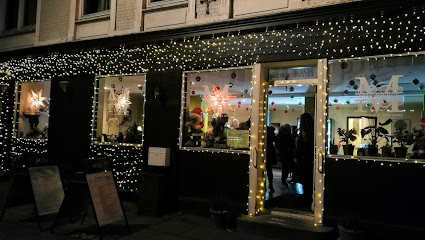
Falster Provsti
11.6 km
Explore the tranquil beauty and historical significance of Falster Provsti, a stunning church in Nykøbing Falster, Denmark.
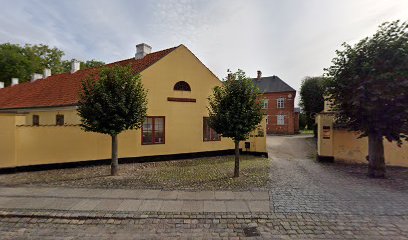
Vandtårnet I Nykøbing F
11.6 km
Historic concrete water tower turned art space and viewpoint, offering 147 steps to sweeping panoramas over Nykøbing Falster, Guldborgsund and the flat fields of Falster.
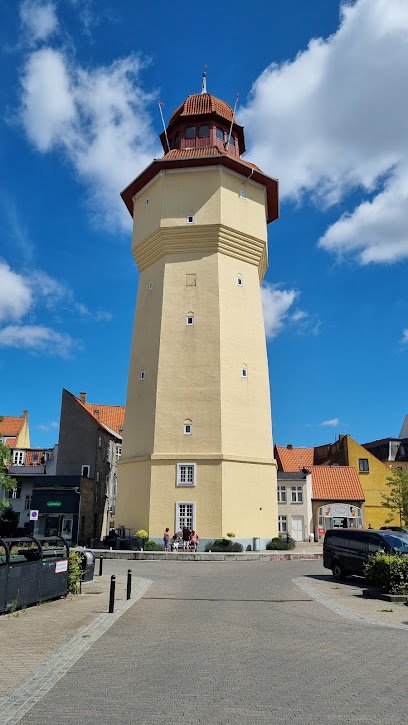
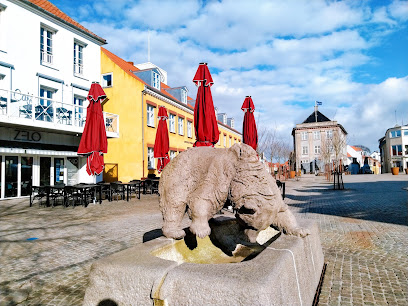
Bjørnebrønden
11.7 km
Granite bear, flowing water and royal history converge in this compact fountain that anchors Nykøbing Falster’s main square and its stories.
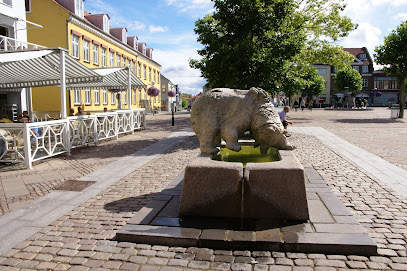
Touristinformation
11.8 km
Explore the charm and rich culture of Nykøbing Falster, a delightful coastal town perfect for your next Danish adventure.
Fuglsang Herregaard - Hotel + Events + Conference
16.8 km
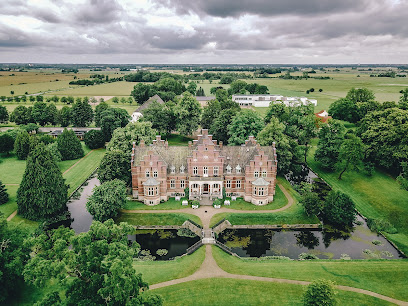
Experience Danish history and culture at Fuglsang Herregaard, a beautifully restored manor offering tranquil stays, gourmet dining, and access to art and nature in Lolland-Falster.
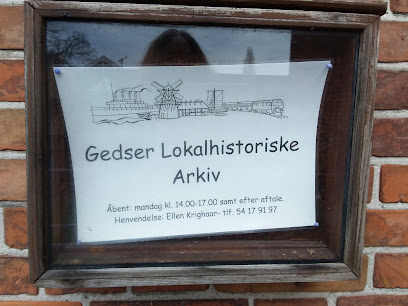
Gedser Lokalhistoriske Arkiv
22.2 km
Explore Gedser Lokalhistoriske Arkiv in Denmark for a deep dive into local history and culture, showcasing the rich heritage of Gedser and its residents.
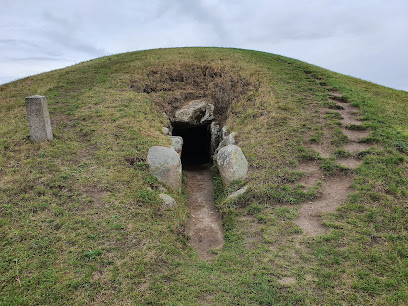
Kong Asgers Høj
22.3 km
Denmark's largest passage grave—a 5,000-year-old Neolithic monument of monumental stone and timeless mystery.
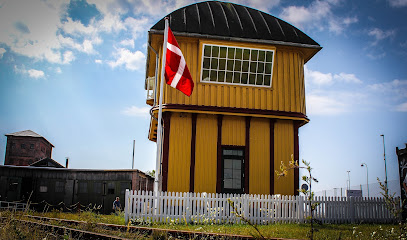
Yellow Palace
22.3 km
Explore the historic Yellow Palace in Gedser, Denmark, where stunning architecture meets captivating local culture amidst beautiful gardens.
Unmissable attractions to see

Corselitze
2.0 km
An immersive open-air museum in Nykøbing Falster where visitors experience 14th-century Danish life through hands-on activities, live jousts, and authentic crafts.
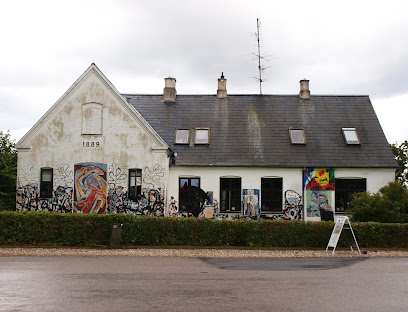
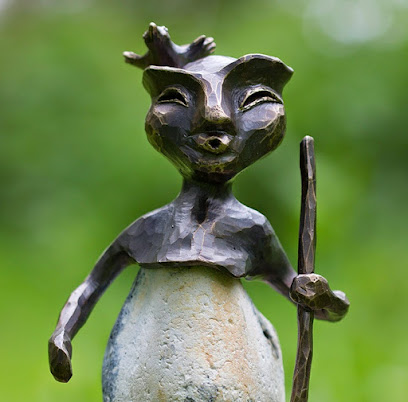
Galleri Syd
3.0 km
Colourful rural gallery and sculpture garden on Falster, blending Cobra-inspired art, changing exhibitions and a relaxed farmhouse setting with free entry.
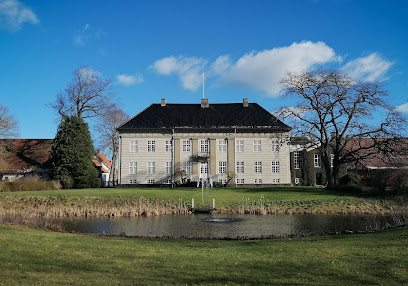
Galleri Arleth v/Anette og Michael Arleth
5.1 km
Intimate countryside gallery and goldsmith studio on Falster, where Anette and Michael Arleth present contemporary art and handcrafted jewelry in a homely farmhouse setting.
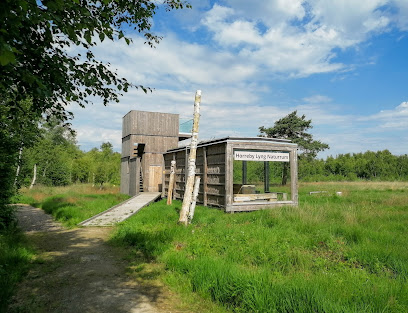
Horreby Lyng
5.9 km
Denmark's enchanting raised bog—a protected wetland of rare plants, ancient history, and boardwalk trails.
Zipline Systofte
7.8 km
Seasonal lakeside adventure park near Nykøbing Falster with a 400 m twin zipline, floating aquapark and high-jump airbag for families and thrill-seekers.
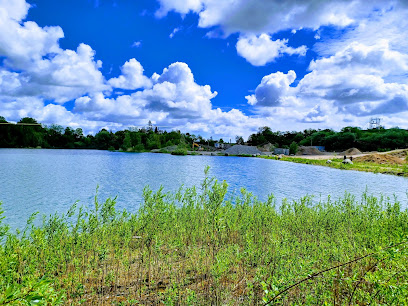
Hesnæs Strand
8.2 km
A softly curving Baltic beach backed by distinctive thatched houses and woodland, Hesnæs Strand is a quietly atmospheric corner of Falster made for unhurried days.
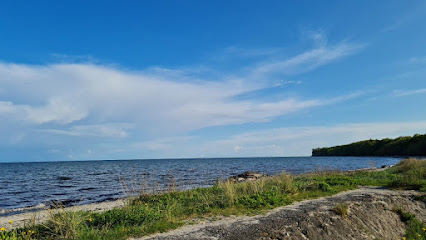
Marielyst
8.9 km
A long, soft ribbon of Baltic sand backed by dunes, dyke path and a cosy holiday town, Marielyst blends easy seaside fun with big skies and quietly beautiful light.
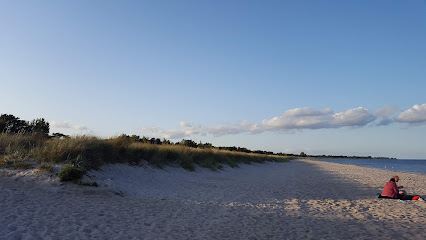
Stouby Mølle
9.3 km
A windswept 18th-century post mill on southern Falster, Stouby Mølle pairs traditional Danish rural craft with wide-sky views over quiet fields.
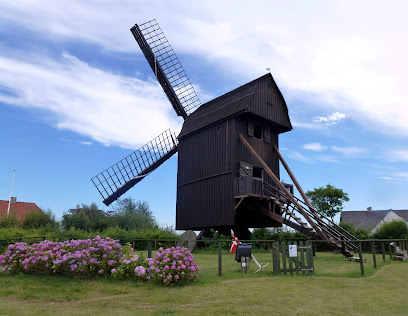
Oldfruen
9.5 km
Cosy rooms, practical apartments and a welcoming café in the heart of Marielyst, just a short stroll from the long, family-friendly sands of Falster’s best-known beach.

Det Falsterske Dige
9.7 km
Long, low and windswept, Det Falsterske Dige is Falster’s coastal backbone: a working sea wall that doubles as a tranquil walking and cycling route with wide Baltic views.
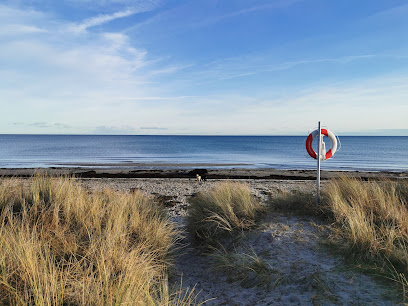
Udkigstårn
9.7 km
Compact coastal lookout tower and modern landmark in the heart of Marielyst, offering easy, free views over the resort town, dunes and holiday landscape.
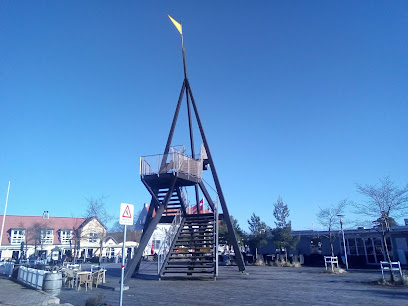
Trebuchet
9.8 km
Iconic red-brick lighthouse at Denmark’s southernmost tip, renowned for sweeping Baltic views, rich birdlife, and a unique natural and scientific heritage.
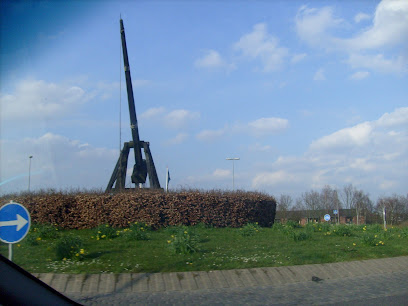
Strandvejstorvet
9.8 km
Small but central, Strandvejstorvet is Marielyst’s relaxed village square, where beach life, everyday errands and seaside treats meet just behind the dunes.
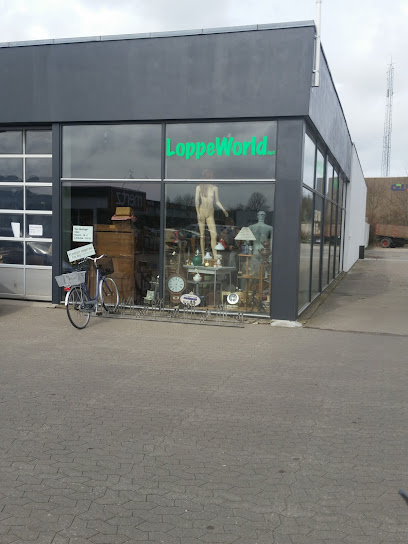
Loppeworld
9.9 km
Atmospheric Bronze Age barrow offering sweeping countryside views and a direct link to Denmark’s prehistoric past in the rural heart of Lolland-Falster.
Falster City Camping
10.0 km
Leafy, old-school camping on the edge of Nykøbing Falster, with cabins, family facilities and easy access to town, coast, forest and nearby tropical water fun.
Essential places to dine

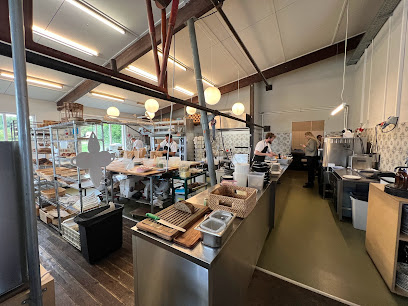
Hesnæs Havn Spisehal, Bageri, Konditori & Kolonial
8.8 km
Rustic harbour hall on Falster where fresh sourdough, pastries and simple seaside dishes meet Baltic views, net-house history and a relaxed marina atmosphere.
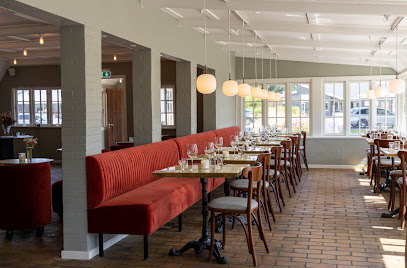
Hotel Nørrevang
9.6 km
Renovated seaside kro-style hotel in central Marielyst, blending Nordic simplicity, local seasonal cuisine, and easy access to Falster’s long white-sand beach.
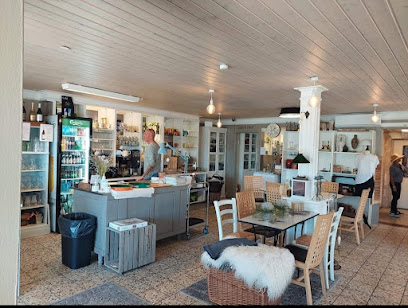
Café Livsstil i Marielyst
9.6 km
Casual beachside café in Marielyst's town centre, serving lunch, coffee, and evening drinks.
Haveje Marielyst
9.7 km
Casual beachside burger bar by the dunes in Marielyst, serving hearty comfort food, cold drinks and easygoing surf vibes just steps from the Baltic Sea.
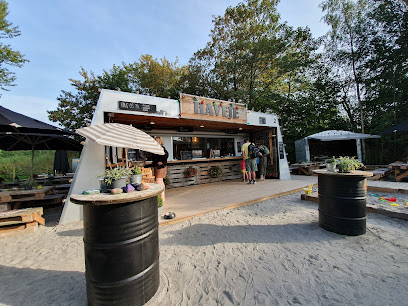
Ny Yaki Sushi
9.7 km
Casual seaside sushi and wok in the heart of Marielyst, perfect for beach-day lunches, easy family dinners and takeaway feasts for nearby holiday homes.
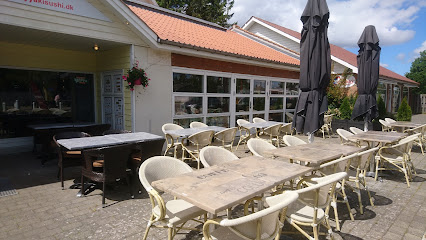
Rutebilen
9.8 km
Cozy evening restaurant on Marielyst’s main beach road, serving hearty Danish and French-inspired classics a short stroll from the dunes and holiday bustle.
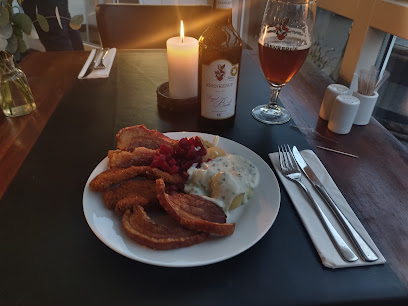
Schou's Restaurant
9.9 km
Hearty Danish comfort food, in-house butcher and easy takeaway a short stroll from Marielyst’s wide sandy beach on the south coast of Falster.
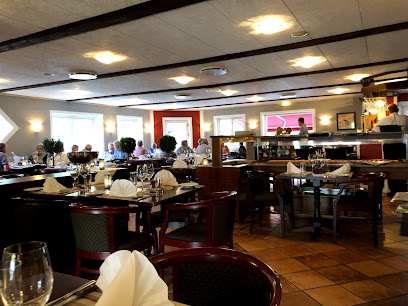
Restaurant Kikko I/S
10.3 km
Casual Chinese and Asian-inspired comfort food with generous portions and a friendly local feel on Nykøbing Falster’s Vendsysselvej.
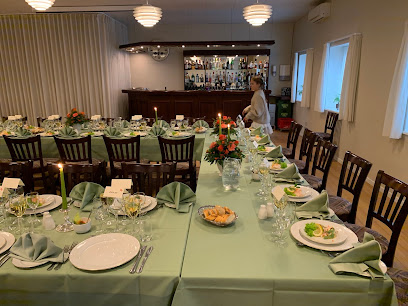
Restaurant Hotel Falster
11.0 km
Relaxed hotel restaurant on Falster blending classic Danish comfort food, seasonal buffets and a generous Nordic breakfast in bright, welcoming surroundings.
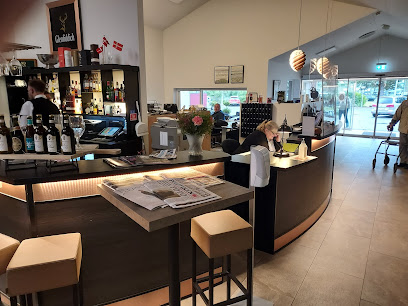
Brovejens Grill
11.2 km
Budget-friendly Danish grill serving hearty burgers, grilled chicken, and pizzas in central Nykøbing Falster.
Admiralen
11.2 km
Homely Danish “mormor” cooking, hearty buffets and relaxed country-inn charm just a short hop from the beaches and holiday houses of Marielyst on Falster.
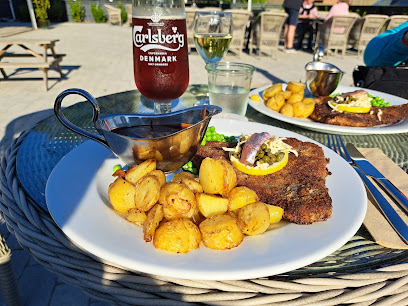
Restaurant Asia
11.4 km
Large, family-oriented Asian buffet in central Nykøbing Falster, serving sushi, wok and classic Chinese dishes with a playful dessert bar and casual atmosphere.
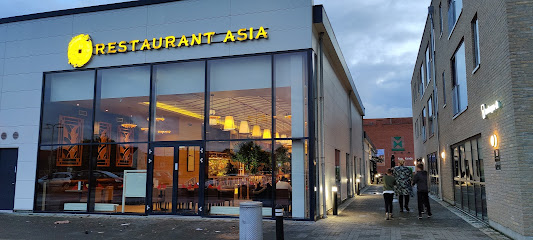
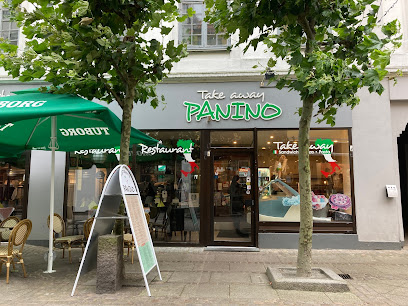
Panino
11.4 km
Authentic Italian pizzas and fresh-baked bread in a warm, welcoming Nykøbing Falster setting.
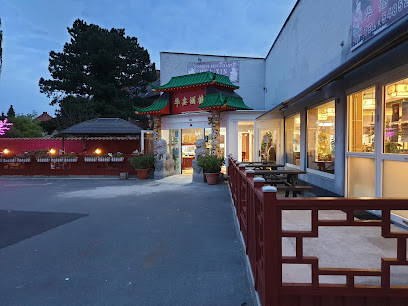
Hua Xin
11.5 km
Big-hearted Chinese buffet with sushi and Mongolian barbecue on Nykøbing Falster’s main street, ideal for relaxed group dinners, families and easygoing takeaway.
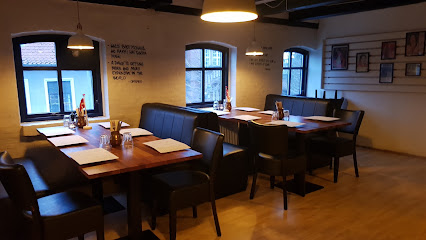
Dhaba Nykøbing
11.7 km
Colourful Indian street food, warm spices and shared plates bring a lively slice of modern India to the heart of Nykøbing Falster’s main square.
Markets, malls and hidden boutiques

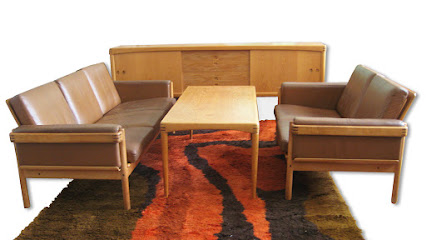
CC Danish Modern
1.9 km
A serene Falster showroom dedicated to classic Scandinavian furniture and objects, where mid‑century originals by Danish design masters are curated in a homely coastal setting.
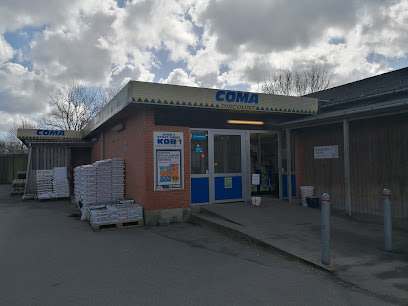
Coma Horreby v/Henrik Jensen
5.8 km
Local discount supermarket on Nykøbingvej, keeping Horreby and passing Falster travelers stocked up with everyday essentials at budget-friendly prices.
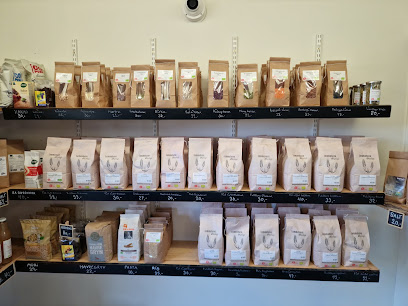
Lammehave Økologi v/Jacob Isling Jørgensen
6.5 km
Organic farm and 24/7 self-service shop on eastern Falster, where diverse crops, home-milled grains and local meat meet a quiet, trust-based countryside atmosphere.
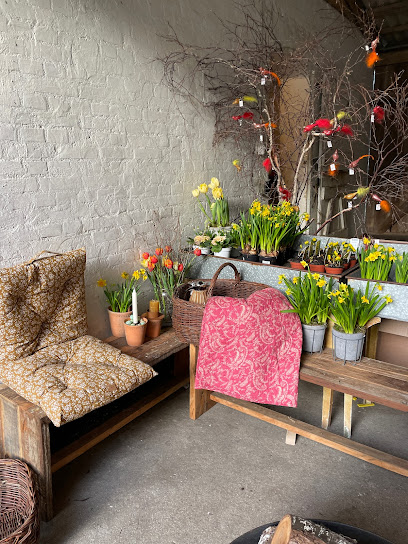
Frisenlund Living
8.5 km
Contemporary Danish farm shop where local produce, Scandinavian design, and rural charm converge in a welcoming modern barn.
Kik Ind
8.9 km
Contemporary fashion retail in the heart of rural southern Denmark.
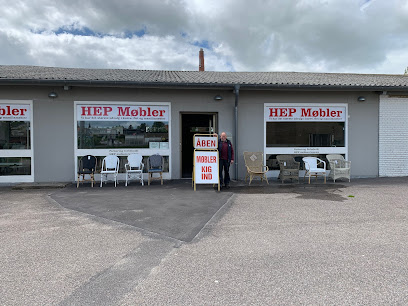
HEP Møbler
8.9 km
Specialist rattan and coastal furniture shop in Marielyst, offering crafted woven pieces, tailored cushions and practical advice for Falster’s many holiday homes.
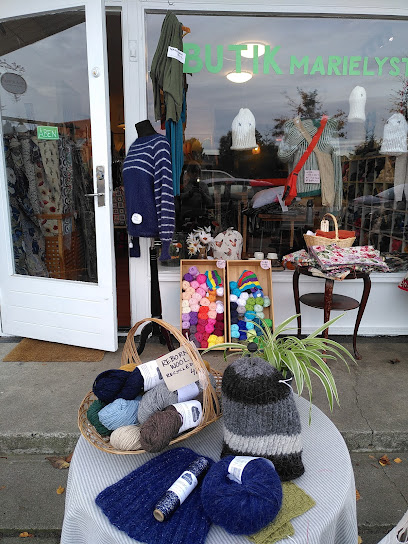
Butik Marielyst
9.5 km
A snug little yarn haven on Marielyst Strandvej, where seaside holiday vibes meet shelves of colorful wool, cotton and Scandinavian knitting inspiration.
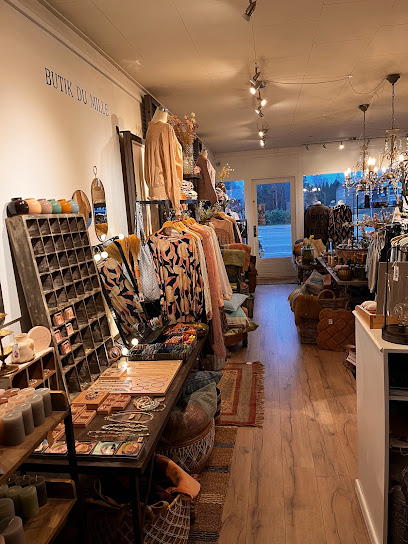
Butik Du Mille
9.5 km
A cozy seaside fashion boutique on Marielyst Strandvej, pairing Scandinavian style with beach-town ease just moments from the wide sands of Falster.
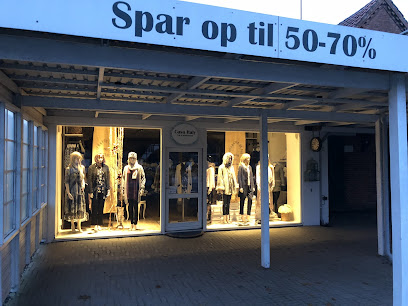
Casa Italy
9.5 km
Relaxed seaside fashion in a 1930s building on Marielyst’s main street, blending easy Scandinavian comfort with a hint of southern European flair.
Nannas Blomster & Kreationer
9.6 km
Homely florist in a historic villa on Tingstedvej, crafting seasonal bouquets, plants and personalised floral designs for everyday gifts and life’s special occasions.
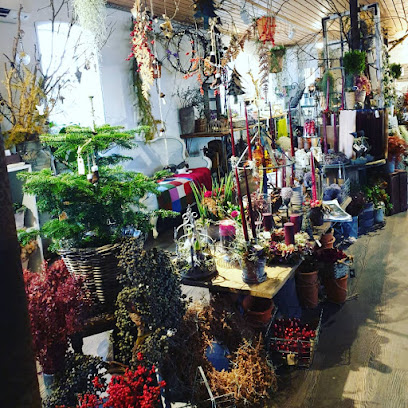
Madame Butterfly
9.6 km
Characterful Danish boutique in Marielyst, blending colourful local fashion, Scandinavian design objects and in-house tailoring just moments from the Baltic beach.
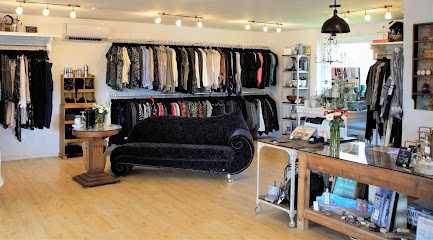
BB By Børup
9.6 km
Boutique women’s fashion and footwear with a relaxed Scandinavian feel on Marielyst’s seaside main street in the holiday town of Væggerløse.
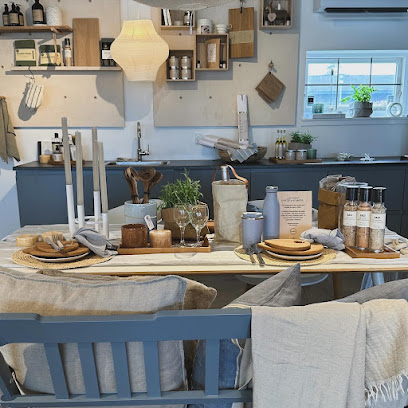
Nordic Home Living
9.6 km
A serene Marielyst boutique where sustainable Nordic interiors, timeless fashion and coastal hygge come together just steps from the Baltic beach.
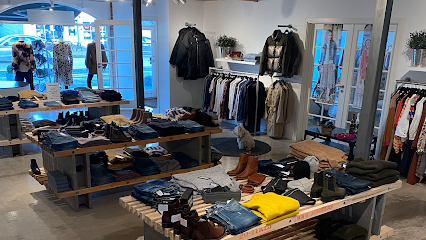
Shoe And Style
9.6 km
Compact women’s fashion and footwear boutique on Marielyst’s main seaside promenade, blending practical coastal style with intimate, small‑town charm.
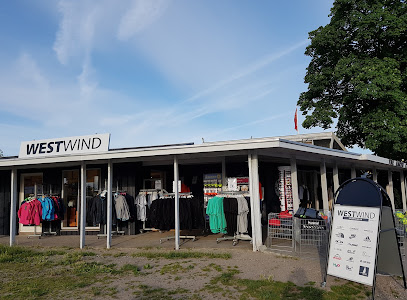
WestWind
9.7 km
Beachside clothing and outerwear shop in Marielyst, equipping visitors with practical Scandinavian style for windy walks, sandy beaches and relaxed seaside days.
Essential bars & hidden hideouts

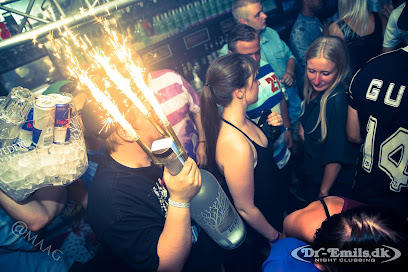
Dr. Emil Laboratory, Marielyst
9.5 km
Experience Marielyst's vibrant nightlife at Dr. Emil's Laboratory, featuring live music, dynamic dance floors, and a lively summer atmosphere.
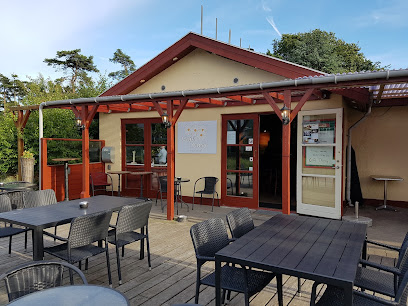
Café Daisy
9.7 km
Laid-back beachfront bar and café on Marielyst’s main strip, ideal for a casual drink or simple meal just moments from the wide sands of Falster’s popular resort.
Blå Stue
9.7 km
Cozy, blue-hued bar in the heart of Marielyst, blending Danish hygge, simple drinks and seaside village atmosphere just steps from the Falster shoreline.
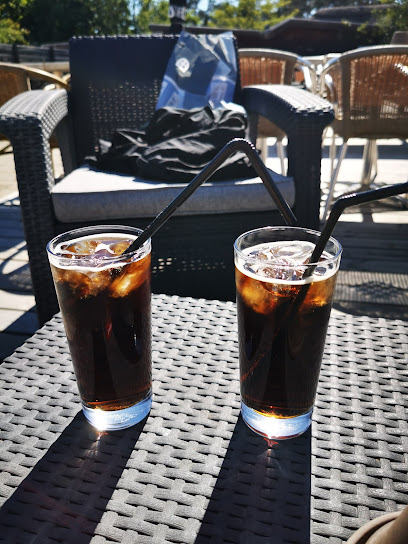
jazz på tværs
11.0 km
Volunteer‑run jazz room bringing serious live music to a small Danish town, with intimate concerts, close‑up sound and a focus on listening over nightlife.
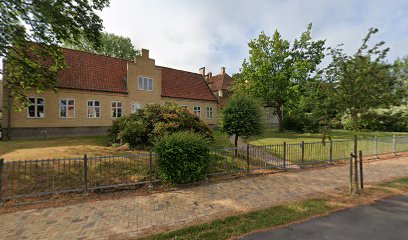
Jernbanecafeen Nykoebing Falster - Denmark
11.2 km
Unpretentious railway-side bar-café in Nykøbing Falster, where locals gather for relaxed evening drinks, conversations and classic, no-fuss Danish hospitality.
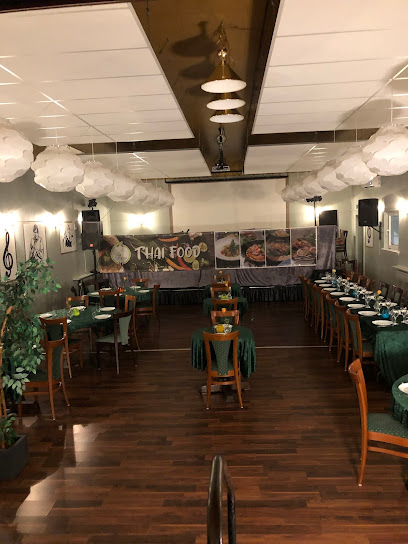
Riverside Jazz Club
11.2 km
Intimate riverside jazz nights in Nykøbing Falster, where volunteer spirit, close-up performances and a cosy bar atmosphere bring live Danish jazz to life.
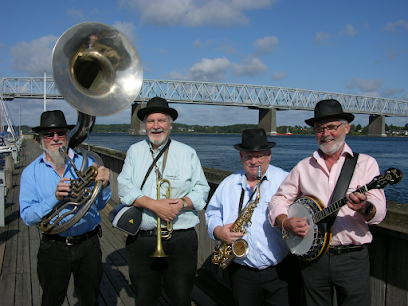
falster falster
11.4 km
Small, social neighborhood bar on Skolegade in Nykøbing Falster, serving cold beers and simple drinks in an unpretentious, intimate Danish pub atmosphere.
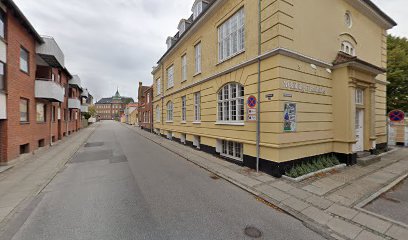
Den Sorte Engel
11.5 km
Moody brick walls, close-up live music and unpretentious Danish pub vibes make Den Sorte Engel the beating heart of Nykøbing Falster’s nightlife.
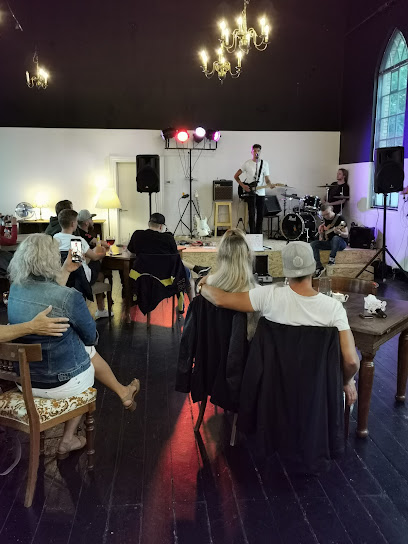
Billie Jean Bar
11.6 km
Authentic Danish smørrebrød and cocktails in the heart of Nykøbing Falster
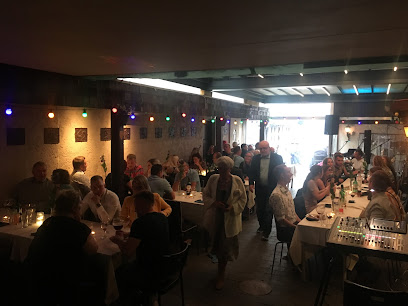
Marinestuen
11.7 km
Characterful sailor-style bar in central Nykøbing Falster, serving inexpensive drinks in a cozy, maritime setting filled with ships, memorabilia and local charm.
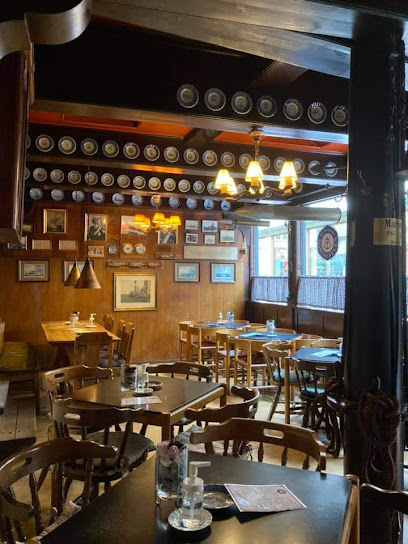
Kontoret V/sonja Madsen
11.8 km
Intimate wine bar in central Nykøbing Falster, blending cozy Danish hygge with relaxed drinks and conversation-friendly ambience on charming Langgade.
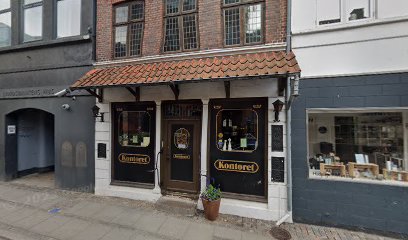
Cafe Slotsgården V/Brian Fog Ipsen
11.8 km
Experience Danish hospitality at Cafe Slotsgården, Nykøbing Falster's cozy beer hall with a rustic charm and diverse beer selection.
Slottet Værtshus
11.8 km
Unpretentious Danish bodega on Slotsgade where locals, regulars and curious visitors share cold beers, billiards games and late‑night jukebox tunes.
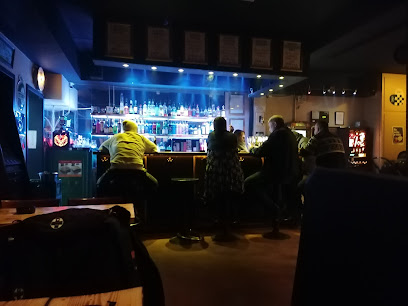
Slap A'
11.8 km
Unpretentious local bar in Nykøbing Falster with pool tables, inexpensive drinks and a relaxed neighborhood vibe from daytime quiet to late-night chatter.
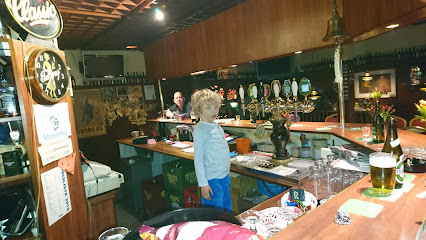
Cafe Nutiden V/ Brian Ipsen
11.8 km
A classic Danish bodega-style bar in central Nykøbing Falster, serving simple drinks and plenty of local atmosphere from midday through the late evening.
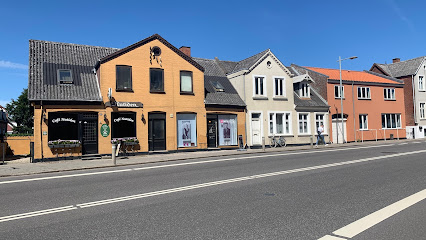
Nightclubs & after hour spots

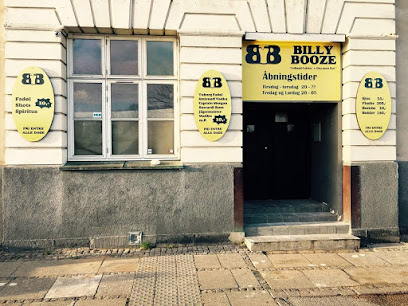
Billy Booze
11.2 km
Compact late-night disco in Nykøbing Falster with inexpensive drinks, loud hits and a casual dance floor vibe from Thursday to Saturday.
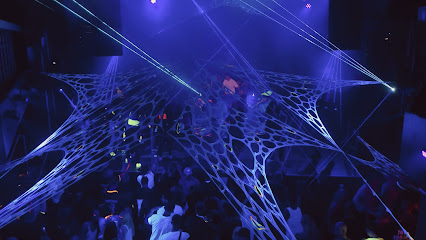
N.Y.K. Event
11.2 km
Compact late-night bar and nightclub in central Nykøbing Falster, mixing strong drinks, loud beats and a sociable dance floor that runs into the early morning.
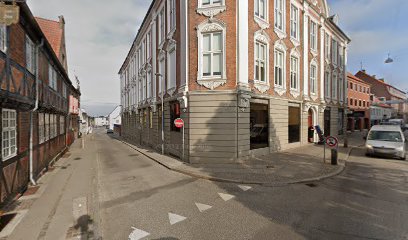
Første sted
11.8 km
Compact, music-driven nightclub on central Slotsgade, offering an intimate, local slice of Nykøbing Falster’s late-night dancing and drinks scene.
Loke MC - Helheim
21.8 km
Rural Danish biker clubhouse with Norse-mythology flair, offering intimate late-night gatherings, loud rock playlists and a no-frills bar far from mainstream nightlife.
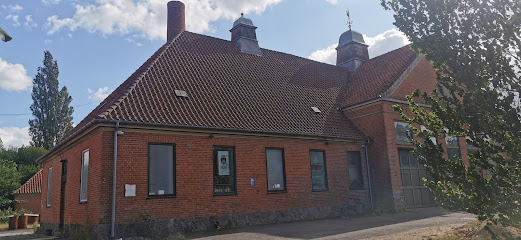
Avenue Næstved
55.1 km
Lively nightspot and flexible event hall in central Næstved, mixing dancefloor energy, festive dinners, stand-up comedy and themed parties under one roof.
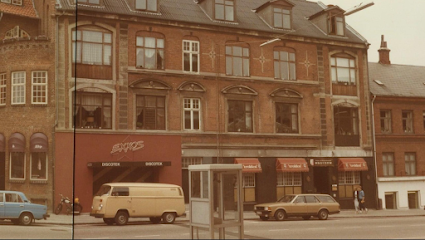
Step Inn I / S
55.1 km
Step Inn I / S is a centrally located Næstved bar offering a relaxed setting for drinks, socializing, and local nightlife with a distinctly Danish twist.
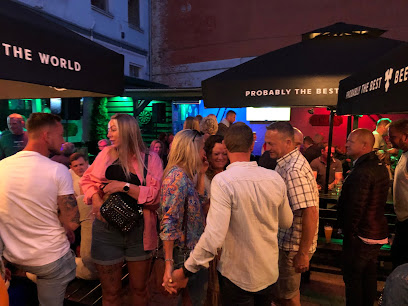
Crazy Daisy Næstved
55.1 km
High‑energy weekend nightclub in central Næstved, packing loud beats, flashing lights and a late‑night local crowd into a compact, classic Danish town‑club setting.
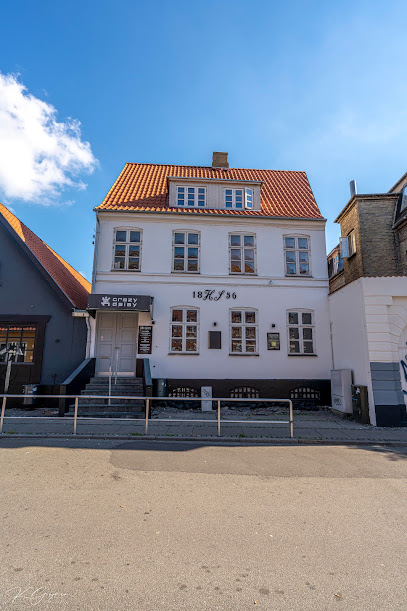
Bar z
55.2 km
Næstved's welcoming nightclub for Thursday-to-Saturday evening gatherings and social entertainment.
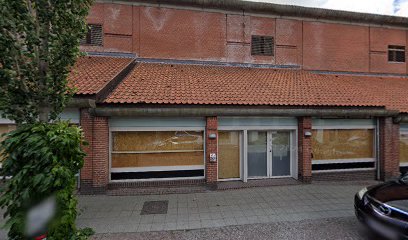
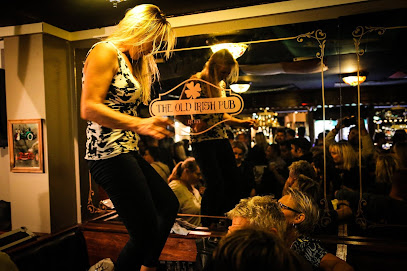
The Old Irish Pub
55.2 km
A vibrant Irish-themed pub in the heart of Næstved, offering live music, sports, draught beer, and a lively atmosphere for both locals and visitors.
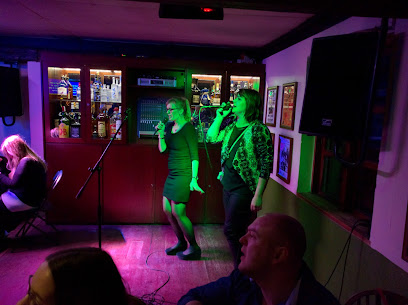
The Beach
55.3 km
The Beach is Næstved’s top karaoke bar, renowned for its vibrant ambiance, creative drinks, and a lineup of crowd-pleasing singalong nights in the city center.
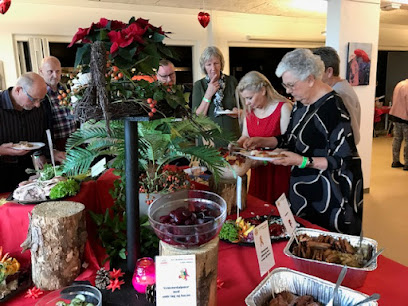
Sct. Jørgens Jazzklub
55.3 km
Experience live jazz in the heart of Næstved at Sct. Jørgens Jazzklub, where music and history harmonize.
CLUB ZANZI
59.4 km
High‑energy waterfront nightclub bringing big‑city beats, flashing lights and late‑night dancing to the heart of coastal Nakskov.
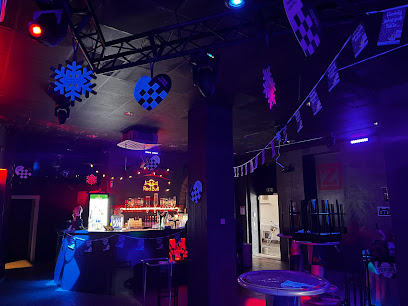
Disco Da Capo
65.0 km
Discover the electrifying nightlife at Disco Da Capo in Rostock - a vibrant disco club with unforgettable music and lively atmosphere.
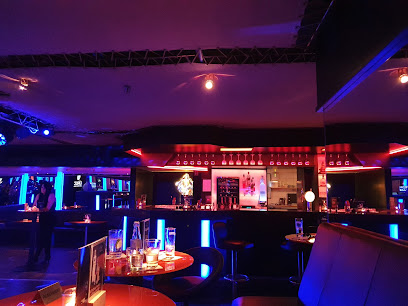
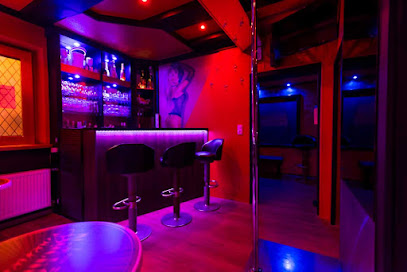
Nachtclub Bienenstock
65.2 km
Experience the vibrant nightlife of Rostock at Nachtclub Bienenstock, a lively girl bar and night club offering unforgettable entertainment.
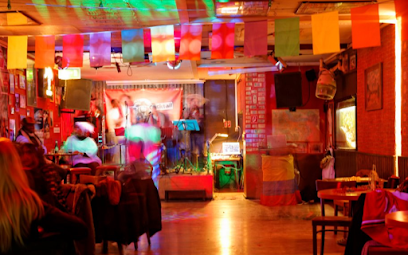
Kulturkombinat Bunker - VEB GmbH Rostock
74.3 km
Discover the electric ambiance and diverse cultural events at Kulturkombinat Bunker, Rostock's premier nightlife destination.
For the vibe & atmosphere seeker
- Tranquil
- Scenic
- Romantic
- Unique
- Casual
For the design and aesthetic lover
- Rustic Designs
- Vintage Styles
For the architecture buff
- Historic
- Landmarks
- Parks & Gardens
For the view chaser and sunset hunter
- Iconic Views
- Panoramas
- Sunrise Spots
- Sunset Spots
- Waterfront
For the social media creator & influencer
- Photo Spots
- Selfie Spots
- Instagrammable
- Architectural Shots
- Reel-Friendly
For the eco-conscious traveler
- Low Impact
- Public-Transport Accessible
- Leave-No-Trace Critical
- Locally Managed
For the kind of experience you’re after
- Cultural Heritage
- Photowalk
- Adventure Photo Shoot
- Nature Escape
- Day Trip
- Roadtrip Stop
- Mindfulness
For how adventurous you want the journey to be
- Easy Access
Location Audience
- Family Friendly
- Senior Friendly
- Child Friendly
- Teen Friendly
- Solo Friendly
- Couple Friendly
- Solo Female Friendly
- Vegetarian Friendly
- Vegan Friendly
- LGBT Friendly


