
Horreby Lyng, Gedser Odde Travel Guide
Denmark's enchanting raised bog—a protected wetland of rare plants, ancient history, and boardwalk trails.
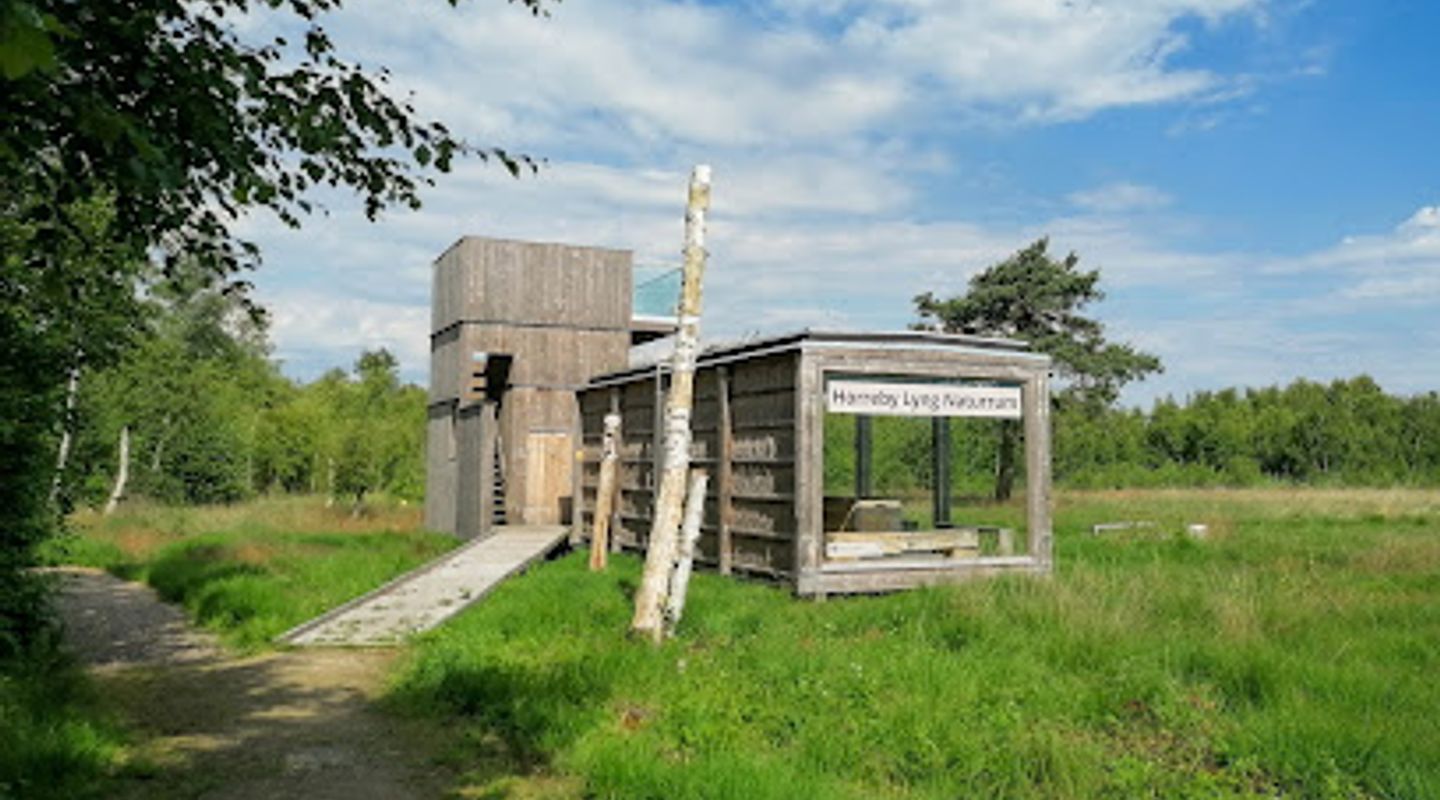
Horreby Lyng is one of Denmark's rare raised bogs, located near Nykøbing Falster on the island of Falster. This protected nature reserve features marked hiking trails, including 300 meters of boardwalk over wetland areas, where visitors can encounter carnivorous plants and diverse wildlife. The bog underwent significant restoration to enhance its ecological and educational value, making it a distinctive destination for nature enthusiasts and those interested in Denmark's unique ecosystems.
A brief summary to Horreby Lyng
- Spangvej, Nykøbing Falster, 4800, DK
- Click to display
- Click to display
- Duration: 1 to 3 hours
- Free
-
 Outdoor
- Mobile reception: 3 out of 5

Know before you go
Hi, I'm Eve. Here are a few practical things to know before exploring Horreby Lyng.
- Wear waterproof footwear and bring insect repellent, especially during warmer months when mosquitoes are active in the wetland environment.
- Visit during late spring or summer to see rare orchids and carnivorous plants in bloom, though the bog is rewarding in all seasons.
- Allow 1.5 to 2 hours for a leisurely walk; the boardwalk sections are particularly photogenic during golden hour light.
- Bring binoculars and a field guide to identify bog plants and bird species; the site is excellent for nature photography and wildlife observation.
- Check weather conditions before visiting; the bog can become muddy after rain, though the boardwalk remains accessible.
Do you manage this location?
Take control to get all the benefits, like improved information, better appearance, and stronger visibility across AI-powered discovery. Learn more about listing your business on Evendo
Activate your presenceOther nearby places you may find interesting
The closest places of the same kind, if this one is not quite what you had in mind.
Explore Horreby Lyng on the Map
A handpicked selection of must-see spots near Horreby Lyng, mapped for you.
Getting There
-
Regional Bus from Nykøbing Falster
Regional buses operate from Nykøbing Falster town centre to the village of Horreby, with journey times of approximately 15–20 minutes depending on route and stops. From the bus stop in Horreby, it is a pleasant 1–1.5 kilometre walk through farmland to the bog entrance at Spangvej. Bus services run several times daily; check local timetables for current schedules. Fares are typically 30–50 Danish krone per journey.
-
Private Car from Nykøbing Falster
Drive east from Nykøbing Falster town centre via Route 287 towards Horreby village, a distance of approximately 10 kilometres taking 12–15 minutes. Follow signs to Spangvej, where a small car park is available at the bog entrance. Parking is free. The route is straightforward on well-maintained roads suitable for all vehicles.
-
Bicycle from Nykøbing Falster
Cycle east from Nykøbing Falster on regional cycling routes towards Horreby, approximately 10 kilometres taking 25–35 minutes depending on fitness and route choice. The Copenhagen-Berlin Bike Route passes through the region and offers scenic cycling infrastructure. Bike racks are available at the bog entrance. This option is ideal for visitors staying in Nykøbing Falster and seeking an active approach.
-
Taxi or Ride-Share from Nykøbing Falster
Taxi services operate from Nykøbing Falster town centre to Horreby Lyng, with journey times of 12–18 minutes covering approximately 10 kilometres. Estimated fares range from 150–250 Danish krone depending on time of day and service provider. Ride-share options may be available through regional apps; book in advance during peak season.
For the on-the-go comforts that matter to you
-
 Information Boards
-
 Trash Bins
Discover more about Horreby Lyng
A Rare Raised Bog in the Danish Landscape
Horreby Lyng stands as one of Falster's most distinctive natural features—a raised bog of considerable ecological importance. Located near the village of Horreby, approximately 10 kilometres east of Nykøbing Falster, this protected reserve represents a vanishing habitat type in Denmark. Raised bogs form over thousands of years through the accumulation of sphagnum moss and plant material, creating an environment fundamentally different from the surrounding agricultural landscape. The site's preservation reflects growing recognition of the need to protect these ancient ecosystems for future generations.Industrial Heritage and Natural Restoration
The bog's history intertwines with human industry and environmental stewardship. During the late 19th and 20th centuries, particularly around and after World War II, the site served as a significant peat extraction area. Workers harvested peat for fuel and agricultural purposes, a labour-intensive occupation that sustained local livelihoods. Today, the landscape tells a different story. A comprehensive restoration agreement transformed the site from an industrial zone into a nature reserve and tourist destination, demonstrating how degraded lands can be rehabilitated to restore ecological function and create spaces for public enjoyment.Flora, Fauna, and Botanical Wonders
The bog supports a specialized community of plants and animals adapted to its unique waterlogged conditions. Visitors may encounter carnivorous plants, including sundews and butterworts, which have evolved to supplement nutrients from the nutrient-poor bog environment. Rare orchids flourish in the protected wetland, their delicate flowers appearing seasonally. The site also harbours Bronze Age archaeological finds, offering glimpses into human settlement patterns thousands of years ago. Insects thrive in abundance, making the bog a haven for entomologists and nature photographers seeking to document the intricate web of bog life.Designed Pathways and Visitor Experience
A carefully planned trail system allows visitors to explore the bog while minimizing environmental impact. The marked routes total approximately 4.5 kilometres, with a distinctive 300-metre boardwalk section constructed over the wettest areas. The boardwalk enables close observation of bog vegetation and wildlife without disturbing fragile plant communities or sinking into waterlogged ground. The trails guide visitors through different bog zones, each revealing distinct ecological characteristics. Interpretive features along the routes help visitors understand the bog's formation, its role in the landscape, and the species that depend on it for survival.Sensory Immersion and Seasonal Rhythms
A visit to Horreby Lyng engages all the senses. The soft ground beneath your feet, the distinctive smell of peat and vegetation, the sounds of birds and insects, and the visual tapestry of mosses, heathers, and wildflowers create a multisensory experience distinct from urban environments. The bog transforms seasonally—spring brings emerging vegetation and returning migratory birds, summer showcases flowering plants and insect activity, autumn displays rich colours and mushroom fruiting, and winter reveals the bog's stark, minimalist beauty. Each season offers different opportunities for observation and photography, making repeat visits rewarding throughout the year.












Your all‑in‑one travel companion app
Explore expert travel guides, compare and book tours, experiences, hotels, and more—all from the palm of your hand. Download now for seamless trip planning wherever your wanderlust takes you.


Explore More of Gedser Odde
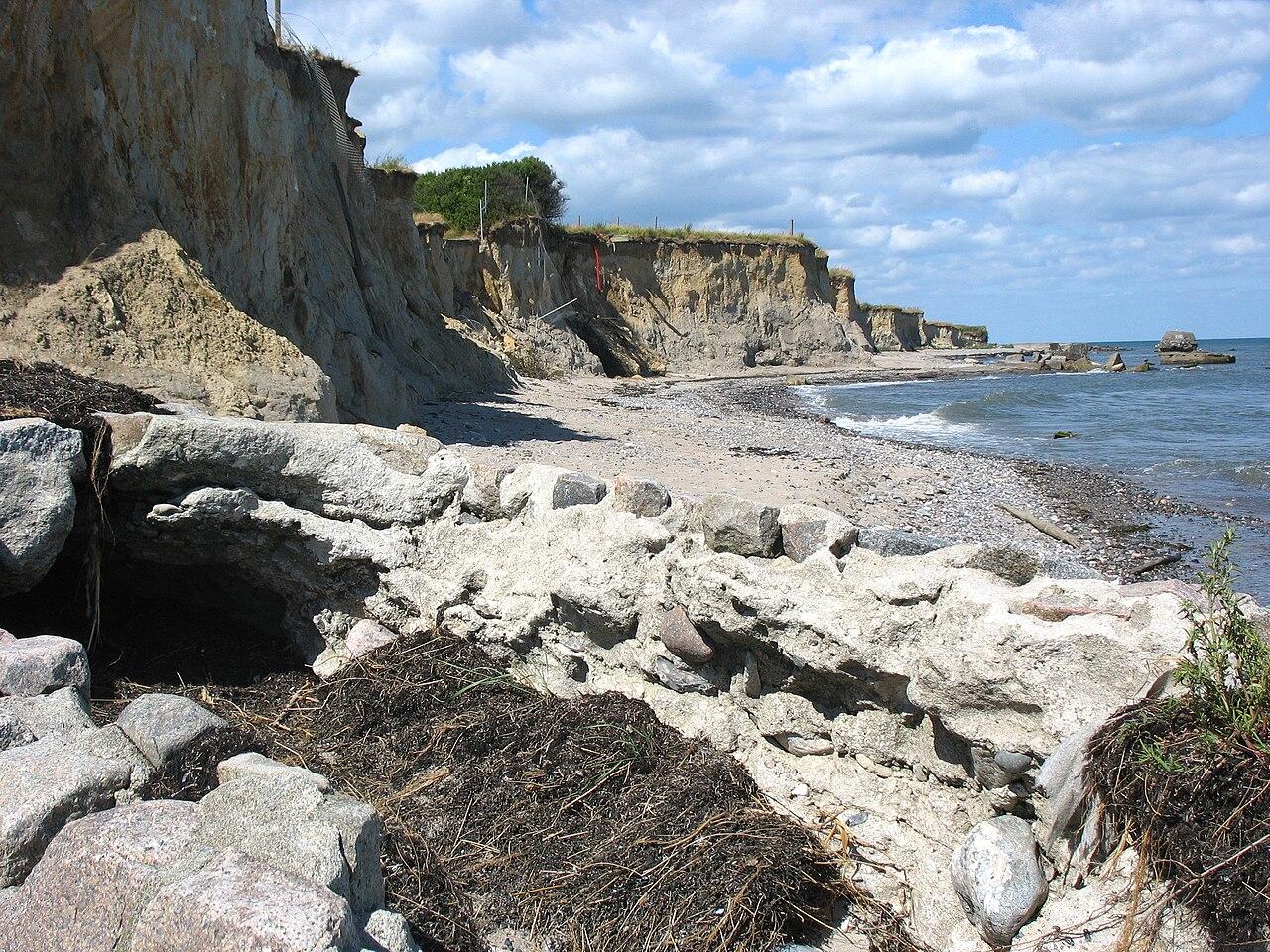
Looking beyond Horreby Lyng? Discover Gedser Odde for broader travel guides, local hot-spots, and regional highlights.
Explore Gedser Odde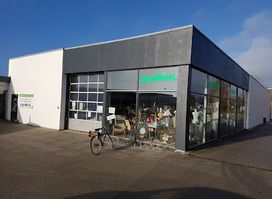
Experience Falster’s vibrant indoor flea market in Nykøbing—Loppeworld offers vintage treasures, local bargains, and a lively atmosphere unique to Danish thrift culture.
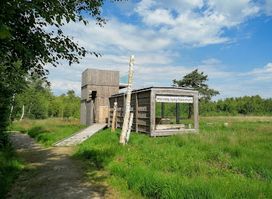
Falster’s only raised bog, where restored peatland, quiet boardwalks and millennia of natural and human history meet in a compact, immersive nature escape.
