

Hesnæs Strand Travel Guide
Free Guide: A softly curving Baltic beach backed by distinctive thatched houses and woodland, Hesnæs Strand is a quietly atmospheric corner of Falster made for unhurried days.


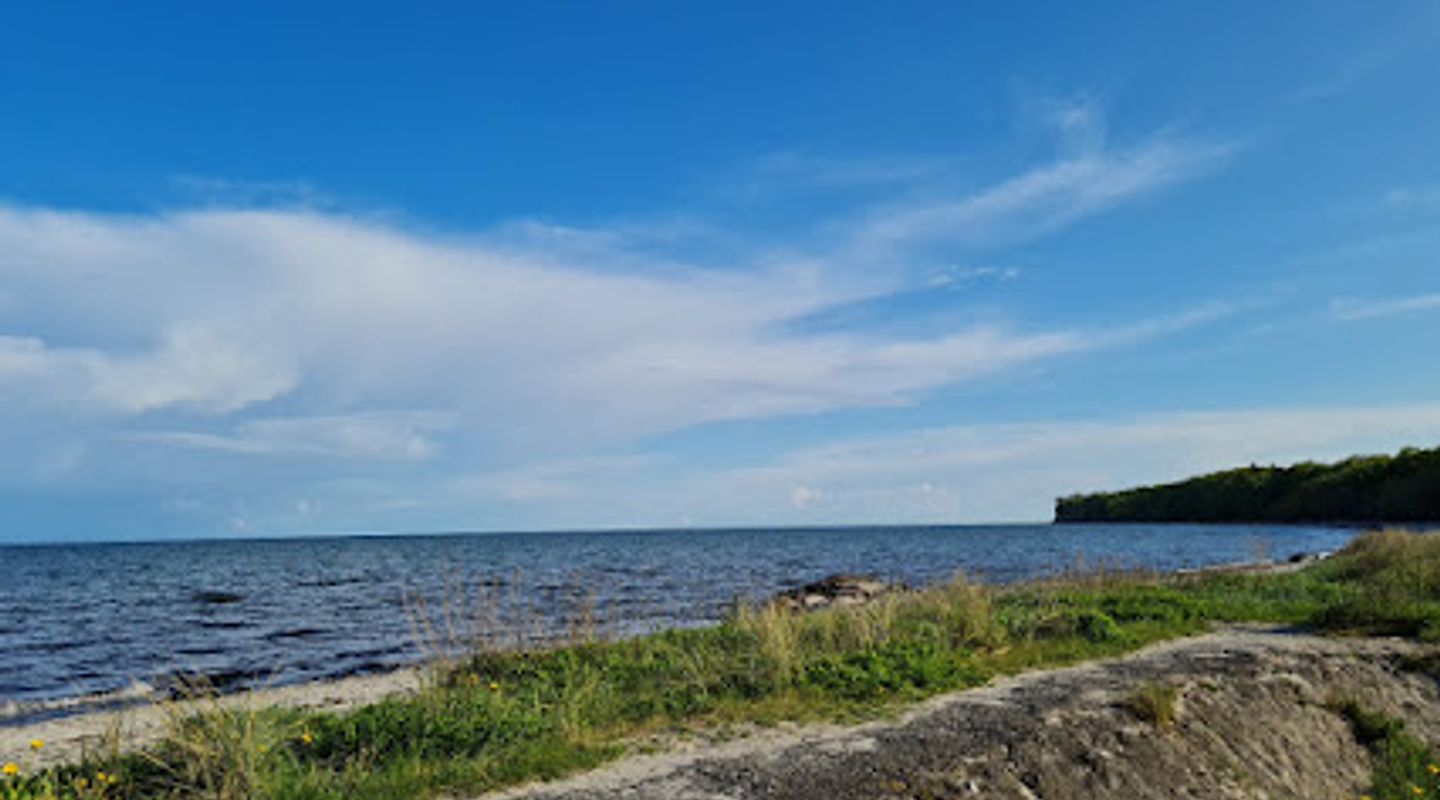
A brief summary of Hesnæs Strand
A softly curving Baltic beach backed by distinctive thatched houses and woodland, Hesnæs Strand is a quietly atmospheric corner of Falster made for unhurried days.
Hesnæs Strand on the east coast of Falster is a quietly beautiful Baltic Sea beach framed by dunes, woodland and the small fishing village of Hesnæs. Known for its sandy shore, shallow water and the nearby harbour with distinctive thatched, timber‑clad houses, it is a classic Danish coastal escape. Come for unhurried swims, long shoreline walks, birdlife and big skies, with only the sound of waves and wind in the reeds to distract you.
On-site amenities
 Trash bins
 Information boards
Opening hours
- Every dayOpen 24 hours
Opening hours as listed on the venue’s Google Business Profile. Hours can change for services and special events, so check with the venue before you go.
- Address
- Bønnetvej, 4871 Horbelev
Getting there
Car from Nykøbing Falster
Car from Stubbekøbing
Cycling from Horbelev area
Discover more about Hesnæs Strand
Baltic shoreline where forest meets the sea
Hesnæs Strand stretches along a gently curving bay on the east coast of Falster, looking straight out across the Baltic Sea. The beach is mostly fine sand with some pebbly patches, backed by low dunes and coastal vegetation that quickly give way to forest and fields. The sea here is often calm, with relatively shallow water close to shore that makes paddling and relaxed swimming inviting in warmer months.Even on brighter days, the light has a soft northern quality: pale blues, muted greens and long horizontal lines of sea and sky. On overcast days it can feel almost monochrome, with the white of breaking waves standing out against steel‑grey water. It is a place made for slow walks rather than spectacle, where detail reveals itself gradually – shells, driftwood, patterns in the wet sand and the calls of seabirds overhead.
The characterful village just behind the dunes
A short stroll from the sand brings you to the small settlement of Hesnæs, known for a building style hardly seen elsewhere in Denmark: low, timber‑framed houses with straw thatch and wooden facades, originally designed to withstand the harsh Baltic winds. Together with the compact harbour, moored boats and simple jetties, they give the area a quietly distinctive personality that feels rooted in working coastal life rather than resort development.Fishing and small‑scale trade once defined this shoreline, and echoes remain in the proportions of the harbour and in old utility buildings dotted near the water. Today, the village feels unhurried and residential, but that historic backbone explains why the beach never seems over‑engineered. There are few large structures on the seafront itself, so the transition from village to dunes to open water stays remarkably gentle and human‑scaled.
A day on the sand: simple pleasures and sea air
Time at Hesnæs Strand tends to revolve around uncomplicated outdoor routines. In summer, visitors spread out along the sand with blankets and windbreaks, pausing for dips in the cool Baltic, building sandcastles or reading with their backs against the dunes. Outside the warmest months, the beach becomes a stage for long, brisk walks, searching for sea‑worn stones or simply filling your lungs with salt air.The shoreline is long enough that you can quickly find space of your own, especially if you wander away from the main access points. Behind the beach, informal paths run along the dike and into the surrounding woodland, offering slightly elevated views back over the bay. The wind can feel strong and bracing at times, but that only sharpens the sense of being out in the elements, with nothing but the sound of waves and rustling reeds for company.
Nature, birdlife and the changing seasons
The wider Hesnæs bay sits within a landscape of coastal meadows, fields and forest that hosts a variety of bird species, from gulls and terns to waders probing the shallows. At quieter times of day, especially early mornings and evenings, you may catch sight of deer on the fringes of the trees or hares crossing open ground behind the dunes. The flat terrain and open horizons also make the weather feel close: clouds sweep in quickly, and you can often watch showers passing out at sea.Each season reshapes the experience. Summer brings mild water, longer days and the brightest palette, ideal for swimming and picnics. Autumn colours the trees and grasses in rust and gold, while stronger winds whip up low waves and sculpt the sand. Winter can feel stark but atmospheric, with frost on the dunes and an almost complete hush. In spring, new growth in the coastal plants and the return of migratory birds animate the shoreline again.
Quiet moments and coastal perspectives
For many, the appeal of Hesnæs Strand lies in its sense of remove. There are no towering cliffs or dramatic rock formations; instead, you get long, open views, the steady rhythm of the sea and a gentle backdrop of village life. It is an easy place to switch off: to sit on a weathered log, listen to wavelets lapping the shore, and watch small boats move slowly on the horizon.Photographers appreciate the clean lines of coast and sky, especially around sunrise, when soft light washes the beach and the harbour buildings behind it glow subtly. Whether you walk the length of the bay, explore the nearby woods or simply linger near the waterline, Hesnæs Strand offers a quietly distinctive corner of Falster where Danish coastal life feels both authentic and deeply restful.
Evendo Review Centre
 Google
Guest reviews
Best time to go
Quietest: Jan, Feb & Dec · before 6am or from 9pm
Busy times are Evendo estimates for a typical year, to help you plan. Actual crowds vary with events, school holidays and the weather.
Explore Hesnæs Strand on the map
A handpicked selection of must-see spots near Hesnæs Strand, mapped for you.
Get your free copy of our complete guide to Hesnæs Strand, delivered straight to you.
Everything on this page, from opening hours and how to get there to Eve’s tips and the best time to go, in one PDF you can read offline, print or share.
Already have an account? Sign in
Your Hesnæs Strand guide is ready.
We'll send it to · Not you? Sign out

Getting your guide ready…
We are putting together a fresh copy of the Hesnæs Strand guide. This can take up to a minute.
This can take a few moments. If your browser asks, choose Allow so the download can start. You'll find the guide in your Downloads folder.
Nothing happened? Download it again
Sorry, the guide is taking longer than usual. Please try again in a minute, or get it by email instead.
Other nearby places you may find interesting
The closest places of the same kind, if this one is not quite what you had in mind.
-
The Medieval Center Experience 15th-century Denmark through living history, trebuchets, tournaments, and authentic medieval crafts.
-
Guldborgsund Zoo & Botanisk Have Intimate town-edge zoo and botanical garden where animal encounters, leafy paths and playgrounds have long shaped family days out in Nykøbing Falster.
-
Horreby Lyng Falster’s only raised bog, where quiet boardwalks, restored peatland and traces of ancient life create a subtle, atmospheric escape into Danish nature.
-
Zipline Systofte Seasonal lakeside adventure park near Nykøbing Falster with a 400 m twin zipline, floating aquapark and high-jump airbag for families and thrill-seekers.
-
Crocodile Zoo, Falster Tropisk, fugtig varme, kæmpekrokodiller og bevaringsprojekter samles i et kompakt, intenst reptilunivers midt på Falster.
Swipe for more places
More to explore near Hesnæs Strand

 Best experiences near Hesnæs Strand
 Best hotels near Hesnæs Strand
 Best landmarks near Hesnæs Strand
 Best attractions near Hesnæs Strand
 Best shops near Hesnæs Strand
 Best restaurants near Hesnæs Strand
 Best bars near Hesnæs Strand
Do you manage this location?
Take control to get all the benefits, like improved information, better appearance, and stronger visibility across AI-powered discovery.
Explore more

Explore more of Falster
Discover Falster: A blend of serene beaches, rich history, and lush landscapes in Denmark's southern island treasure.
Explore Falster
Explore more of Denmark
Discover Denmark: A perfect blend of history, modern design, and the cozy concept of hygge. Explore vibrant cities, serene landscapes, and world-class cuisine.
Explore Denmark
