

Nykøbing Castle Travel Guide
Free Guide: Subtle ruins and cobblestone outlines on Nykøbing Falster’s waterfront reveal the footprint of a vanished royal castle that once rivalled Denmark’s grandest strongholds.


A brief summary of Nykøbing Castle
Subtle ruins and cobblestone outlines on Nykøbing Falster’s waterfront reveal the footprint of a vanished royal castle that once rivalled Denmark’s grandest strongholds.
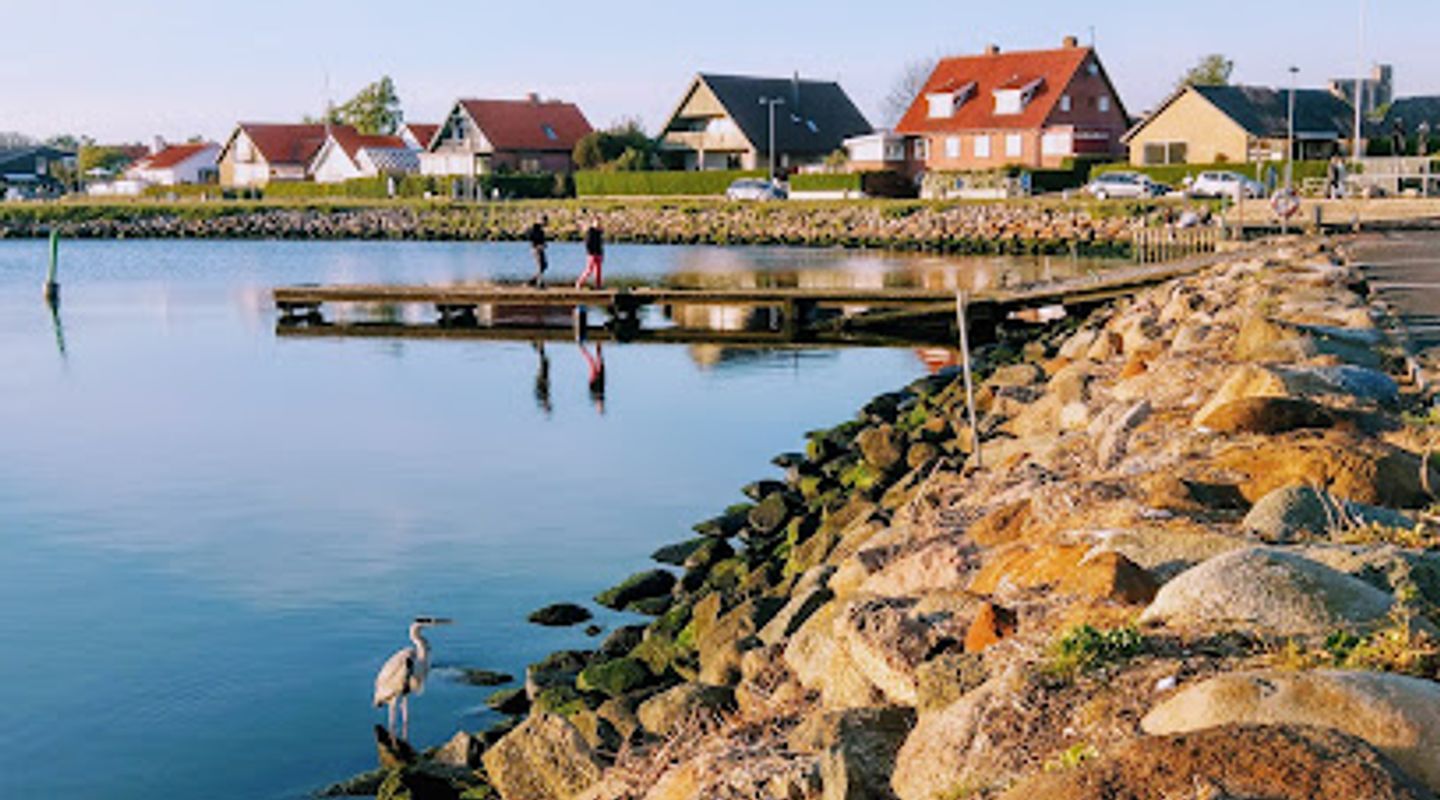
On the quiet Slotsgade waterfront in Nykøbing Falster, the archaeological remains of Nykøbing Castle hint at a royal past that once dominated this stretch of Guldborgsund. Today only fragments of the former stronghold survive, but low stone traces, a solitary tower ruin and subtle cobblestone outlines still mark where one of Denmark’s important royal residences once rose. It is a compact, freely accessible historic site that rewards a slow wander and a bit of imagination.
On-site amenities
 Seating areas
 Trash bins
 Information boards
- Address
- Slotsgade, 4800 Nykøbing Falster
Getting there
Train and short walk from Copenhagen or Næstved
Car from Sjælland and the surrounding region
Local bus within Lolland-Falster
Discover more about Nykøbing Castle
A royal stronghold that shaped a town
Nykøbing Castle once dominated the tip of the peninsula at Guldborgsund, as important in scale and symbolism as Kronborg in Helsingør. For centuries this was a key royal residence, guarding sea routes and anchoring power in southern Denmark. Monarchs lived and died here; Christopher II drew his final breath within its walls in 1332, and later, the castle hosted royal weddings and diplomatic encounters that resonated far beyond Falster.The town of Nykøbing Falster grew up around these fortifications from the late 12th century onward. A defensive position against raiders gradually turned into a bustling market settlement, its streets radiating from the castle grounds. Walking the site today, it takes only a little effort to picture busy courtyards, stables, storehouses and the daily rhythm of a royal household facing the sound.
Queens, prosperity and eventual decline
From the Reformation onward, Nykøbing Castle became closely associated with Denmark’s widowed queens. Queen Sophie, mother of Christian IV, lived here and managed extensive estates on Lolland-Falster, building a fortune that made her one of the wealthiest women in northern Europe. Her economic reforms and estate management helped transform the surrounding countryside, and the castle served as both her home and administrative center.By the 18th century, however, royal priorities shifted, and upkeep of such a large complex became a financial burden. In 1763 the crown sold the castle and its lands to raise funds, sealing its fate. Soon after, the structures were systematically demolished, and the hewn stones were carried away to build manor houses and farms across Lolland-Falster. The great landmark dwindled to scattered remnants, leaving only traces to tell its story.
Reading the ruins in the modern city
Today the archaeological site along Slotsgade feels modest at first glance: a surviving tower stump, sections of old foundations and subtle changes in ground level where walls once stood. Cobblestone markings in the pavement outline parts of the vanished buildings, allowing you to walk the former corridors and courtyards in your mind. Information panels help you interpret what you see, turning fragments of masonry into a legible ground plan of the complex.The setting by the water adds much to the atmosphere. Boats slide along the sound where royal barges once moored, and the breeze carries the hum of the modern town that grew from the castle’s protective shadow. Nearby historic stables and storehouses that once belonged to the complex still stand, hinting at the scale of the original ensemble.
Stories of conflict and foreign guests
The castle’s life was not only about administration and courtly routine. It was repeatedly drawn into broader European conflicts. In the Middle Ages it withstood threats from Hanseatic and Wendish forces; later, during struggles between Denmark and Sweden, Nykøbing’s fortifications became part of the defensive network guarding the approaches to the Baltic.Not all visitors arrived as enemies. In 1716 Peter the Great of Russia came to Nykøbing Falster during a joint Danish-Russian campaign, staying in a nearby inn rather than the castle itself. That building later became known as Czarens Hus, and a fountain in town commemorates his visit. Encounters like this underline how this small coastal town and its castle were woven into the politics of northern Europe.
Visiting a quiet corner of Danish history
A visit to the castle ruins is low-key and unhurried. There are no queues or grand interiors, just open access to an outdoor site where grass, stones and the line of the shore tell their own story. It is an easy place to combine with a stroll through Nykøbing Falster’s old streets, a pause by the harbor or a visit to local museums that display models and artefacts from the former castle.For some, the appeal lies in photography and the interplay of old masonry against the modern townscape; for others, it is a reflective stop, a chance to imagine lost halls and towers and to consider how thoroughly a landscape can change while still holding echoes of its past. Either way, the ruins reward anyone who brings a curious eye and a little time.
Evendo Review Centre
 Google
Guest reviews
Best time to go
Quietest: Jan, Feb & Mar · before 8am or at 9pm
Busy times are Evendo estimates for a typical year, to help you plan. Actual crowds vary with events, school holidays and the weather.
Explore Nykøbing Castle on the map
A handpicked selection of must-see spots near Nykøbing Castle, mapped for you.
Get your free copy of our complete guide to Nykøbing Castle, delivered straight to you.
Everything on this page, from opening hours and how to get there to Eve’s tips and the best time to go, in one PDF you can read offline, print or share.
Already have an account? Sign in
Your Nykøbing Castle guide is ready.
We'll send it to · Not you? Sign out

Getting your guide ready…
We are putting together a fresh copy of the Nykøbing Castle guide. This can take up to a minute.
This can take a few moments. If your browser asks, choose Allow so the download can start. You'll find the guide in your Downloads folder.
Nothing happened? Download it again
Sorry, the guide is taking longer than usual. Please try again in a minute, or get it by email instead.
Other nearby places you may find interesting
The closest places of the same kind, if this one is not quite what you had in mind.
-
The Medieval Center Experience 15th-century Denmark through living history, trebuchets, tournaments, and authentic medieval crafts.
-
Guldborgsund Zoo & Botanisk Have Intimate town-edge zoo and botanical garden where animal encounters, leafy paths and playgrounds have long shaped family days out in Nykøbing Falster.
-
Horreby Lyng Falster’s only raised bog, where quiet boardwalks, restored peatland and traces of ancient life create a subtle, atmospheric escape into Danish nature.
-
Zipline Systofte Seasonal lakeside adventure park near Nykøbing Falster with a 400 m twin zipline, floating aquapark and high-jump airbag for families and thrill-seekers.
-
Crocodile Zoo, Falster Tropisk, fugtig varme, kæmpekrokodiller og bevaringsprojekter samles i et kompakt, intenst reptilunivers midt på Falster.
Swipe for more places
More to explore near Nykøbing Castle

 Best experiences near Nykøbing Castle
 Best hotels near Nykøbing Castle
 Best landmarks near Nykøbing Castle
 Best attractions near Nykøbing Castle
 Best shops near Nykøbing Castle
 Best restaurants near Nykøbing Castle
 Best bars near Nykøbing Castle
Do you manage this location?
Take control to get all the benefits, like improved information, better appearance, and stronger visibility across AI-powered discovery.
Explore more

Explore more of Falster
Discover Falster: A blend of serene beaches, rich history, and lush landscapes in Denmark's southern island treasure.
Explore Falster
Explore more of Denmark
Discover Denmark: A perfect blend of history, modern design, and the cozy concept of hygge. Explore vibrant cities, serene landscapes, and world-class cuisine.
Explore Denmark
