

Free Frederikshavn Travel Guide & Mobile App
Plan your Frederikshavn trip with Evendo. Get free guides to top attractions, restaurants, hotels, and bars. Web access or download the mobile app.


Frederikshavn blends Kattegat beaches, maritime history, Bangsbo heritage and ferry links with Skagen, Aalborg and the North Jutland coastal sights.
A Port Shaped by the Kattegat
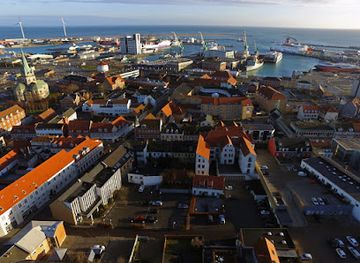
Frederikshavn occupies a sheltered position on Denmark’s northern east coast, facing the Kattegat and looking towards Sweden. Its identity is closely tied to the sea: ferries, fishing boats, naval history and working harbour life remain central to the town’s character. The waterfront is practical rather than monumental, while the compact centre offers pedestrian streets, cafés, shops and traces of the settlement once known as Fladstrand.Read more about Frederikshavn
History, Museums and Coastal Landscapes
A Base for North Jutland
When is the best time to visit Frederikshavn?
Best: June–August · 22–24°C| Month | High (°C) | Rainfall (mm) |
|---|---|---|
| January | 2 | 29 |
| February | 2 | 25 |
| March | 5 | 24 |
| April | 10 | 29 |
| May | 17 | 33 |
| June (best) | 22 | 35 |
| July (best) | 24 | 38 |
| August (best) | 24 | 37 |
| September | 18 | 35 |
| October | 13 | 34 |
| November | 8 | 32 |
| December | 5 | 31 |
Getting to and around Frederikshavn
How to get there
Transportation
Best attractions in Frederikshavn
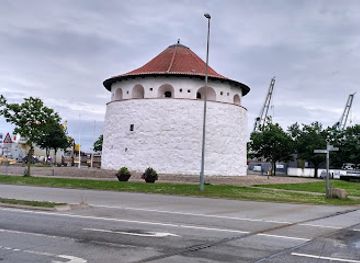
Frederikshavn’s attractions combine maritime history with accessible coastal scenery. Krudttårnet, the former powder magazine, introduces the town’s military past beside the harbour, while Bangsbo Museum south of the centre explores local life, shipping, agriculture and regional heritage. The surrounding Bangsbo area also includes manor grounds, a botanical garden and wooded paths that lead towards Pikkerbakken, a high viewpoint with sweeping views across the town and Kattegat. For a more relaxed seaside outing, Palmestranden has a broad sandy beach and its distinctive rows of palm trees, giving the northern Danish coast an unusual visual character. The central pedestrian streets and harbour are easy to combine with these sites, while nearby coastal paths offer quieter landscape experiences. Frederikshavn can also serve as a base for excursions elsewhere in North Jutland, but Skagen and other regional destinations should be treated as separate trips rather than city attractions.
-
War museum
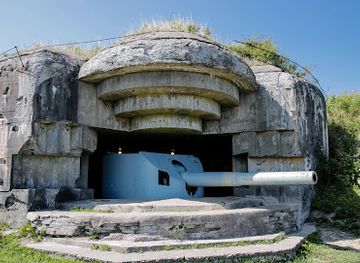
Bangsbo Fort - Bunkermuseum
Hilltop World War II and Cold War fortress overlooking Frederikshavn and the Kattegat, with panoramic views, bunker explorations and immersive coastal history.
11 min drive · 3.8 km from city centre
-
Botanical garden
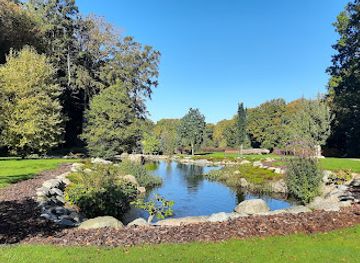
Bangsbo Botaniske Have
Denmark's premier botanical garden where English-style elegance meets Northern Europe's largest alpine crevice garden.
8 min drive · 2.8 km from city centre
-
Scenic spot
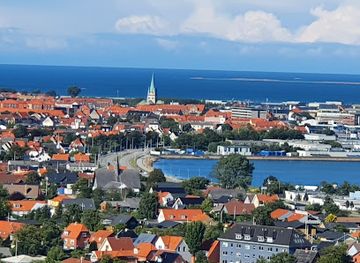
Pikkerbakken
Forest-framed hilltop with a striking airwalk, sweeping Kattegat views and quiet wartime relics above the harbor town of Frederikshavn.
9 min drive · 3.1 km from city centre
-
Beach
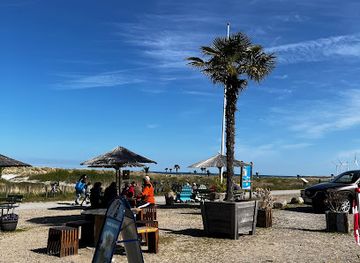
Palm Beach (Frederikshavn)
Denmark's only palm beach—a tropical escape where real palms sway above white sand and Baltic waters.
8 min drive · 2.6 km from city centre
Best landmarks in Frederikshavn
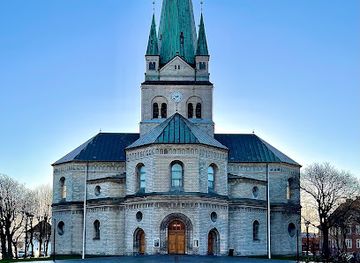
Krudttårnet is Frederikshavn’s defining historic landmark, a sturdy seventeenth-century powder magazine that survives from the coastal fortifications built when Fladstrand occupied a strategic position on the Kattegat. Its military function gives the harbour area a tangible connection with Denmark’s early modern defence system. Bangsbo Manor and its surrounding estate represent a different strand of local history, linking the city to the agricultural and landed landscape south of the centre; the adjacent museum broadens that story through regional collections. Frederikshavn Church, with its prominent position in the town, reflects the civic development that followed the settlement’s rise from Fladstrand to a recognised town. The harbour itself is also a landmark in the broader sense: ferry infrastructure, working quays and maritime traffic express the role that has shaped Frederikshavn more consistently than any single monument.
-
Port
Port of Frederikshavn
A deep-water working harbour where ferries, shipyards and offshore giants share the waterfront, shaping the maritime heart of Frederikshavn.
13 min walk · 1.0 km from city centre
-
Lutheran church
Frederikshavn Church
Frederikshavn’s red-brick landmark church, blending National Romantic architecture, a Michael Ancher altarpiece and war graves into one evocative town centre stop.
3 min walk · 0.3 km from city centre
-
Historical landmark
Bunker Ved Palmestranden
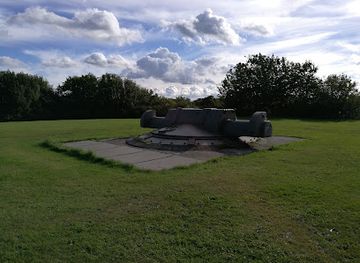
Second World War bunkers half-buried in the dunes behind Frederikshavn’s palm-lined city beach, blending coastal history with a relaxed seaside setting.
6 min drive · 2.1 km from city centre
-
Train station
Frederikshavn St.
Compact, coastal rail terminus linking Frederikshavn’s harbor, ferries and town center, and a relaxed stepping stone to beaches, bunkers and northern Jutland landscapes.
5 min walk · 0.4 km from city centre
Explore Frederikshavn on the map
Plan your Frederikshavn trip on one map. See where the top attractions, landmarks, restaurants, bars and hotels are, find what's near where you're staying, and book hotels and experiences in a few clicks.
Best hotels in Frederikshavn
Best restaurants in Frederikshavn
Frederikshavn’s food culture reflects its position between North Jutland’s farmland and the Kattegat. Fish and seafood are natural features of the local dining scene, with menus often shaped by the day’s supply and by Denmark’s wider tradition of open sandwiches, rye bread, pickled foods and carefully prepared seasonal produce. The centre has cafés, bakeries and casual restaurants suited to daytime eating, while the harbour area provides a maritime setting for meals and refreshments. Bangsbo’s historic surroundings add a more countryside-oriented option, with dining connected to the estate and its green landscape. Visitors will also find familiar Danish staples such as fish cakes, smoked fish and pastries alongside modern Nordic cooking. The strongest local flavour comes less from a single signature dish than from the relationship between port, market produce and the agricultural hinterland of Vendsyssel.
-
Restaurant
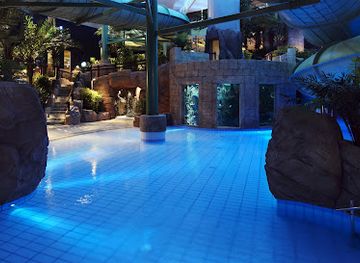
Scandic The Reef
Caribbean-style water world and relaxed family resort vibes in the heart of Frederikshavn, steps from the harbour, beaches and North Jutland’s coastal adventures.
4 min walk · 0.3 km from city centre
-
American
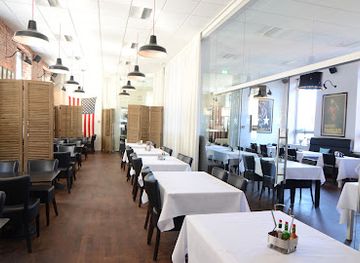
Restaurant Empire
Casual American-style dining in central Frederikshavn, serving hearty comfort food, group-friendly menus and hotel guests in a warm, lively atmosphere.
2 min walk · 0.1 km from city centre
-
Restaurant
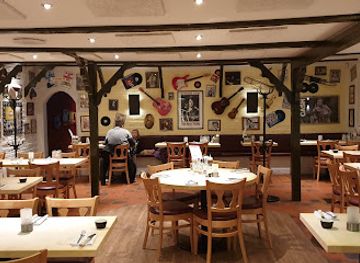
Bone's Frederikshavn
Harborfront American BBQ and hearty comfort food with a salad bar, soft-ice and plenty of space for families, groups and hungry travelers in Frederikshavn.
6 min walk · 0.5 km from city centre
-
Restaurant
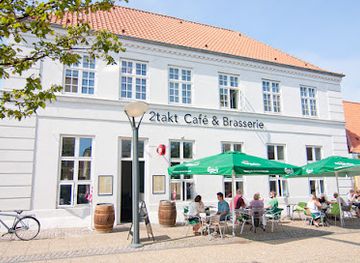
2takt Café & Brasserie
Historic industrial space reimagined as a refined Scandinavian brasserie with exceptional dietary inclusivity.
6 min walk · 0.5 km from city centre
Best bars in Frederikshavn
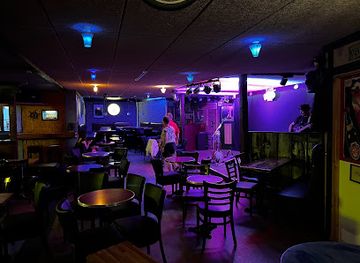
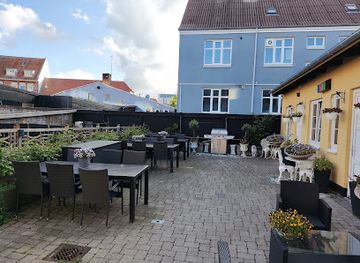
Frederikshavn’s evening scene is modest and locally oriented rather than built around a large club district. Central streets and the harbour area provide cafés, pubs and casual bars where residents meet after work or before a ferry journey, with activity generally livelier at weekends and during the warmer months. Traditional Danish beer culture is present, but evenings may also centre on coffee, conversation and seasonal events rather than late-night drinking. The town’s cultural calendar can include concerts, performances and community activities, while the maritime waterfront offers a quieter setting after dinner. Those seeking a dense concentration of nightclubs will find a more limited choice than in Aalborg, but Frederikshavn’s smaller venues suit an unhurried evening and reflect its character as a working port and regional town.
-
Bar
Freddy´s Bar
Cozy harbourfront bar in Frederikshavn with live music, a generous beer selection, and laid-back Danish pub vibes just steps from the ferry terminal.
5 min walk · 0.4 km from city centre
-
Beer hall
Tordenskjoldskroen
Unpretentious Danish harbor pub pouring cheap beer, local character and maritime atmosphere in the heart of Frederikshavn.
5 min walk · 0.4 km from city centre
-
Beer hall
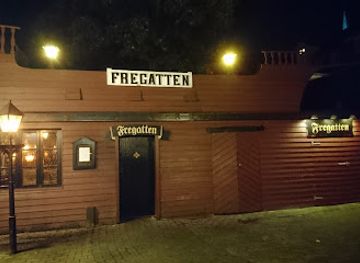
Fregatten frederikshavn
Frederikshavn’s long‑running beer hall where maritime charm, Danish hygge and a lively late‑night bar scene meet in one cozy, wood‑panelled room.
3 min walk · 0.2 km from city centre
-
Pub
John Bull
English-style harbor pub blending maritime character with classic pub hospitality in Frederikshavn's waterfront district.
6 min walk · 0.5 km from city centre
Best nightclubs in Frederikshavn
Frederikshavn’s evening scene is modest and locally oriented rather than built around a large club district. Central streets and the harbour area provide cafés, pubs and casual bars where residents meet after work or before a ferry journey, with activity generally livelier at weekends and during the warmer months. Traditional Danish beer culture is present, but evenings may also centre on coffee, conversation and seasonal events rather than late-night drinking. The town’s cultural calendar can include concerts, performances and community activities, while the maritime waterfront offers a quieter setting after dinner. Those seeking a dense concentration of nightclubs will find a more limited choice than in Aalborg, but Frederikshavn’s smaller venues suit an unhurried evening and reflect its character as a working port and regional town.
-
 Hotel
HotelHotel Jutlandia
Classic harborside hotel in central Frederikshavn, pairing sea‑view rooms and an upper‑floor restaurant with the bustle of the ferry terminal right outside.
6 min walk · 0.5 km from city centre
-
Rock music club
Sportens Venner I Frederikshavn
Unpolished harbor-side rock club in Frederikshavn where locals gather for loud guitars, cold beers, and laid-back, community-style Danish nightlife.
6 min walk · 0.5 km from city centre

Best shops in Frederikshavn
Shopping in Frederikshavn is concentrated around the central pedestrian streets, particularly Danmarksgade and the surrounding town-centre lanes, where independent retailers, cafés and everyday Danish shops create a compact retail area. The selection is practical and local in character, with clothing, homeware, books, gifts and food shops rather than a large luxury-shopping scene. Visitors can look for Danish design, regional food products, confectionery and maritime-themed souvenirs, while bakeries provide a taste of everyday North Jutland shopping culture. Supermarkets and larger retail facilities serve local residents outside the historic centre, and the harbour area has additional convenience shopping connected with ferry traffic. Seasonal markets and town events may bring crafts or local produce into the streets, although their timing varies. Frederikshavn is best approached as a regional shopping town with a personable centre, not as a specialist crafts destination.
-
Clothing store
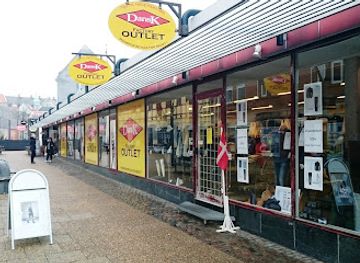
dansk Frederikshavn
Harborfront, budget-friendly clothing store in Frederikshavn, stocking practical styles for babies, kids, tweens, women and men under one bright, efficient roof.
6 min walk · 0.5 km from city centre
-
Toy store
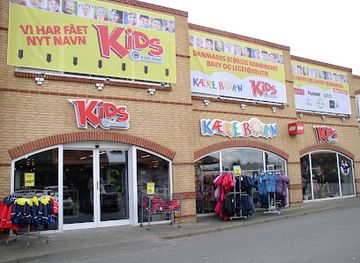
KiDS Cool Shop Frederikshavn
Bright, spacious toy and baby universe in Frederikshavn, where KiDS Coolshop fun meets Kære Børn practicality in a single, family-focused one-stop shop.
5 min drive · 1.7 km from city centre
-
Gift shop
Flying Tiger Copenhagen
Playful Danish design shop in central Frederikshavn, brimming with colourful gifts, party supplies, stationery and clever everyday items at wallet‑friendly prices.
4 min walk · 0.3 km from city centre
-
Gift shop
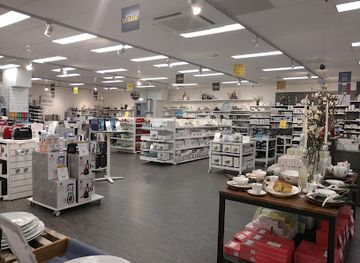
Kop & Kande
A cosy central Frederikshavn homeware store where Danish design, practical kitchen tools and ready-to-wrap gifts make an easy, everyday stop during your town wander.
4 min walk · 0.3 km from city centre
Get your free copy of our complete guide to Frederikshavn, delivered straight to you.
Everything on this page, from attractions and restaurants to essentials and local phrases, in one PDF you can read offline, print or share.
Already have an account? Sign in
Your Frederikshavn guide is ready.
We'll send it to · Not you? Sign out

Getting your guide ready…
We are putting together a fresh copy of the Frederikshavn guide. This can take up to a minute.
This can take a few moments. If your browser asks, choose Allow so the download can start. You'll find the guide in your Downloads folder.
Nothing happened? Download it again
Sorry, the guide is taking longer than usual. Please try again in a minute, or get it by email instead.
Frederikshavn essentials
Currency and Payment
Safety
Emergency Situations
Do's and Don'ts
Local Tips
From Eve
Local phrases worth knowing
You don't need to get them perfect. A few words go a long way, and locals appreciate the effort.
Basics
| English | Local | Say it |
|---|---|---|
| Hello | Hej | [hey] |
| Goodbye | Farvel | [far-vel] |
| Yes | Ja | [ya] |
| No | Nej | [nay] |
| Please/You're welcome | Vær så god | [ver so go] |
| Thank you | Tak | [tahk] |
| Excuse me/Sorry | Undskyld | [oon-skeel] |
| How are you? | Hvordan har du det? | [vor-dan har doo deh] |
| Fine. And you? | Fint. Og du? | [feent oh doo] |
| Do you speak English? | Taler du engelsk? | [tah-ler doo eng-elsk] |
| I don't understand | Jeg forstår ikke | [yah for-stor ee-keh] |
Eating & Drinking
| English | Local | Say it |
|---|---|---|
| I'd like to see the menu, please | Jeg vil gerne se menuen, tak | [yah vil geh-ren seh meh-new-en tahk] |
| I don't eat meat | Jeg spiser ikke kød | [yah spee-ser ee-keh koo] |
| Cheers! | Skål! | [skohl] |
| I would like to pay, please | Jeg vil gerne betale, tak | [yah vil geh-ren beh-tah-leh tahk] |
Emergencies
| English | Local | Say it |
|---|---|---|
| Help! | Hjælp! | [hyelp] |
| Go away! | Gå væk! | [goh veck] |
| Call the Police! | Ring til politiet! | [ring teel po-lee-tee-eh] |
| Call a doctor! | Ring efter en læge! | [ring af-ter en leh-eh] |
| I'm lost | Jeg er gået mig vilde | [yah air goh-et meh veel-deh] |
| I'm ill | Jeg er syg | [yah air sook] |
Shopping
| English | Local | Say it |
|---|---|---|
| I'd like to buy... | Jeg vil gerne købe... | [yah vil geh-ren koo-beh] |
| I'm just looking | Jeg kigger bare | [yah kee-ger bah-reh] |
| How much is it? | Hvor meget koster det? | [vor mayt koh-steh deh] |
| That's too expensive | Det er for dyrt | [deh air for deer] |
| Can you lower the price? | Kan du sænke prisen? | [kan doo sahn-keh pree-sen] |
Time & Numbers
| English | Local | Say it |
|---|---|---|
| What time is it? | Hvad er klokken? | [vah air kloh-ken] |
| It's one o'clock | Klokken er et | [kloh-ken air eht] |
| Half past (10) | Halv ti | [halv tee] |
| Morning | Morgen | [moh-ren] |
| Afternoon | Eftermiddag | [ef-ter-mee-doh] |
| Evening | Aften | [ahf-ten] |
| Yesterday | I går | [ee goh] |
| Today | I dag | [ee dah] |
| Tomorrow | I morgen | [ee moh-ren] |
| 1 | Et | [eht] |
| 2 | To | [toh] |
| 3 | Tre | [treh] |
| 4 | Fire | [fee-reh] |
| 5 | Fem | [fem] |
| 6 | Seks | [seks] |
| 7 | Syv | [soov] |
| 8 | Otte | [oh-teh] |
| 9 | Ni | [nee] |
| 10 | Ti | [tee] |
Transport & Directions
| English | Local | Say it |
|---|---|---|
| Where's a/the...? | Hvor er en/et...? | [vor air en/et] |
| What's the address? | Hvad er adressen? | [vah air ah-dres-sen] |
| Can you show me (on the map)? | Kan du vise mig (på kortet)? | [kan doo vee-seh meeh (poh kohr-teh)] |
| When's the next (bus)? | Hvornår går næste (bus)? | [vor-nor gor nes-te (bus)] |
| A ticket (to ....) | En billet (til ....) | [en bee-let (teel)] |
History of Frederikshavn
Fladstrand and the Early Settlement
Frederikshavn developed from the coastal settlement of Fladstrand, whose position beside a naturally sheltered stretch of the Kattegat made it useful to fishermen and seafarers. The settlement was linked to nearby Bangsbo and to the wider agricultural communities of Vendsyssel, while its harbour facilities gradually supported coastal trade. Unlike older Danish market towns built around a medieval church and market square, Fladstrand’s early importance came primarily from its maritime geography. Fishing, pilotage and shipping shaped the community, and the coastline gave it strategic value as well as commercial potential.
Coastal Defences and Krudttårnet
During the conflicts between Denmark-Norway and Sweden in the late seventeenth century, the Danish crown strengthened Fladstrand as a naval and military position. Coastal batteries and fortifications were established to protect shipping and control access to the Kattegat. Krudttårnet, built in 1688 as a powder magazine, is the most visible surviving reminder of this period. Its substantial masonry construction reflects the importance of storing gunpowder safely within the fortified settlement. The military role continued to influence the town’s layout and reputation long after the immediate threat from Sweden had receded.
From Fladstrand to Frederikshavn
Fladstrand received municipal and commercial privileges in the early nineteenth century, and in 1818 it was granted town status under the name Frederikshavn, honouring King Frederik VI. The change reflected an ambition to formalise the settlement as a port and urban centre rather than a fishing village. Better harbour facilities encouraged more regular trade, and the town became increasingly connected with shipping across the Kattegat. Its new name and civic status marked a turning point: Frederikshavn was now being shaped as an organised maritime town with administrative, commercial and military importance.
Port, Railways and Industrial Growth
Nineteenth-century improvements to the harbour, followed by railway connections in the later part of the century, strengthened Frederikshavn’s role in North Jutland. Rail transport linked the port with the interior and with other towns in Vendsyssel, allowing goods, passengers and agricultural produce to move more efficiently. Shipbuilding, fishing, ferry traffic and port-related trades became increasingly important sources of employment. The town expanded beyond its earlier core, while civic buildings, commercial streets and industrial facilities reflected the growth of a modern transport centre. Its position opposite Sweden gave Frederikshavn particular significance in regional passenger and freight networks.
War, Occupation and Maritime Continuity
Frederikshavn’s strategic harbour made it significant during the Second World War, when Denmark was occupied by Germany from 1940 to 1945. Military activity and coastal defence affected the port and its surrounding landscape, as happened elsewhere along Denmark’s exposed coasts. After liberation, Frederikshavn resumed its civilian maritime functions and continued to develop as a ferry, fishing and industrial town. The post-war decades brought changes in shipbuilding and port employment, yet the sea remained central to the city’s economy and identity. Today, the harbour, ferry traffic and surviving defensive structures connect present-day Frederikshavn with this longer history.
Bangsbo and the City's Cultural Landscape
The history of Frederikshavn is also preserved south of the centre at Bangsbo, an estate and cultural landscape associated with the surrounding countryside. Bangsbo Museum presents aspects of local social, agricultural and maritime history, while the manor grounds, botanical garden and wooded valleys show how the town’s urban development remains closely related to its rural setting. In the twentieth and twenty-first centuries, Frederikshavn has continued to balance port activity with tourism, recreation and heritage interpretation. Beaches, viewpoints and green spaces now form part of the city’s public identity alongside its working waterfront.
Frederikshavn in Photos
Browse through our photo collection highlighting the charm and character of the destination.
Cities near Frederikshavn
The closest cities to Frederikshavn, if you have time for more than one stop.
-
-
-

-

-


Swipe for more cities
Explore more

Explore more of Denmark
Discover Denmark: A perfect blend of history, modern design, and the cozy concept of hygge. Explore vibrant cities, serene landscapes, and world-class cuisine.
Explore Denmark