

Mindesten for de 3, Frederikshavn Travel Guide
Free Guide: A modest stone memorial in Frederikshavn, quietly honouring three wartime lives and adding a reflective note to this busy North Jutland harbour town.


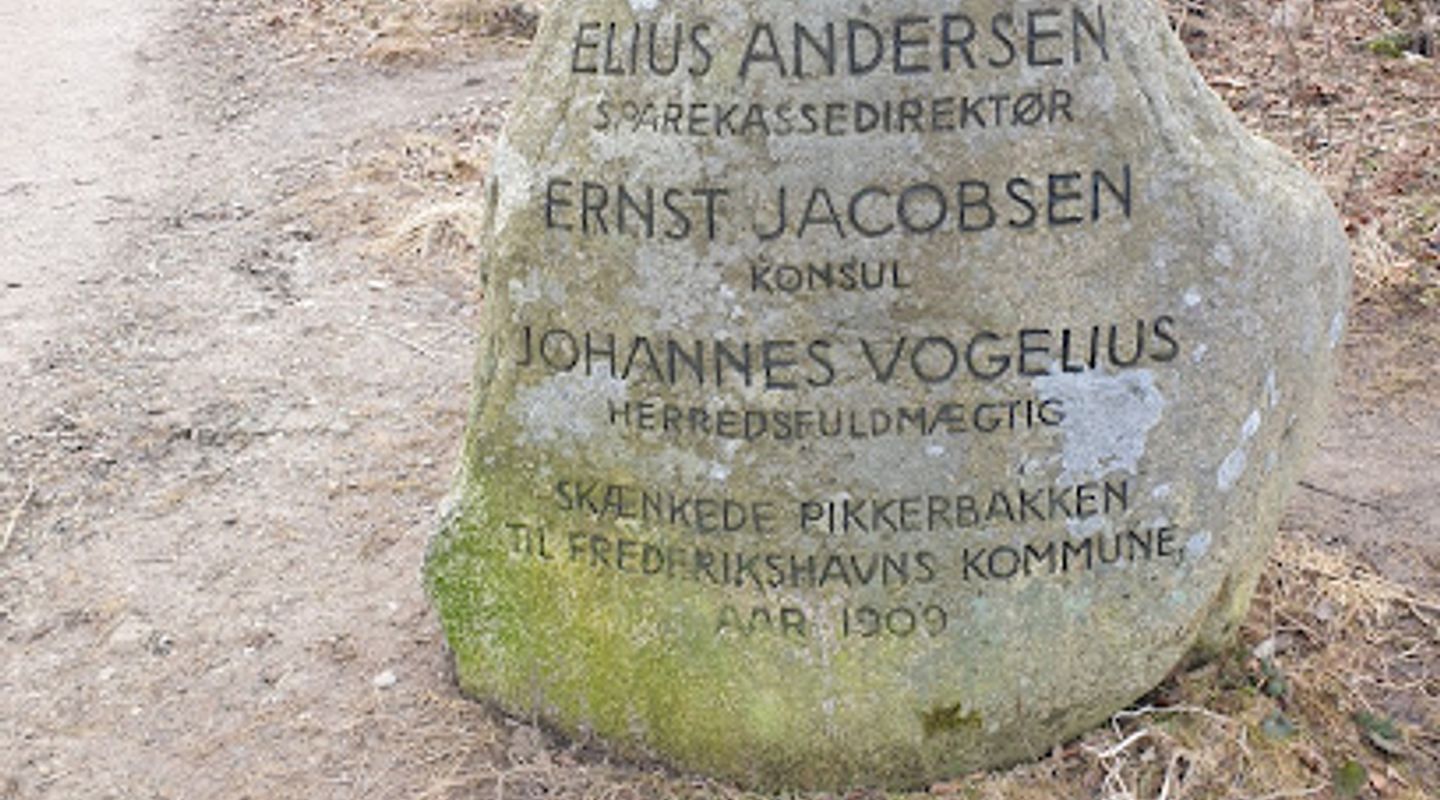
A brief summary of Mindesten for de 3
A modest stone memorial in Frederikshavn, quietly honouring three wartime lives and adding a reflective note to this busy North Jutland harbour town.
Mindesten for de 3 is a modest yet moving war memorial in Frederikshavn, North Jutland. Set in a quiet corner of town, this simple stone monument commemorates three individuals who lost their lives during the turmoil of the Second World War. The setting is contemplative rather than grand, making it a meaningful short stop for travelers interested in local history, remembrance culture, and the stories that shaped this Danish coastal community.
On-site amenities
 Restrooms
 Drink options
 Drinking water
 Food options
 Seating areas
 Trash bins
 Information boards
 Visitor centre
- Address
- 9900 Frederikshavn
Getting there
Local walk from central Frederikshavn
City bus within Frederikshavn
Arrival by train and short onward connection
Discover more about Mindesten for de 3
A quiet memorial in a coastal town
Mindesten for de 3 is a small, solemn memorial tucked within the streets of Frederikshavn, one of North Jutland’s key harbour towns. Rather than dominating a square, it almost blends into the everyday fabric of the city, which is part of its quiet power. You come upon a simple stone monument, often framed by low greenery or paving, carrying an inscription that recalls three people whose lives were claimed by war.Frederikshavn is better known for its ferries, beaches and viewpoints, yet this understated marker adds a layer of depth to the townscape. It hints at stories that are not immediately visible in the bright harbour light: occupation, resistance, loss and rebuilding. Standing here, you are only a short distance from busy streets, but the atmosphere shifts to something more reflective.
Echoes of wartime Denmark
During the Second World War, this stretch of the Danish coast was strategically important. The port was heavily used, the area fortified, and local people lived with the constant presence of war. Memorials like Mindesten for de 3 grew out of that experience, created to ensure that specific names and fates would not be lost in broader history.The stone speaks to a very local story: three individuals, remembered by their community. Although the details of their lives are not narrated on panels, the very existence of the monument roots abstract history in concrete human loss. It invites you to imagine families waiting for news, the tension of occupation, and the relief and sorrow that came with liberation.
The setting and what you see
The monument itself is typically Nordic in its restraint. Expect a block of stone or sculpted form, perhaps with a small metal plaque or carved lettering indicating who is being honoured and why. There are no dramatic statues or large-scale installations; the design is meant to be dignified, not theatrical.Around it, the urban setting is low-key. You might notice the sound of traffic in the distance, the call of gulls from the harbour, and the soft rustle of wind that seems to blow constantly along this part of the Jutland coast. In overcast weather the stone looks somber and dark; in bright summer light it can feel almost gentle, turning the site into a quiet pocket amid everyday life.
Experiencing a moment of reflection
Visitors rarely spend long here, but a few unhurried minutes can be surprisingly affecting. Many people pause in silence, read the names, and take a moment to consider how recent these events really are in the long span of history. The lack of crowds or formal ceremony makes it easy to step into a personal, thoughtful space.If you are exploring Frederikshavn’s churches, harbourfront or fortifications, incorporating this memorial into your walk can help tie the town’s different layers together. It connects the older defensive history of the area with the modern era, reminding you that wars are not just lines in textbooks but stories that played out on these streets.
Linking past and present in Frederikshavn
Mindesten for de 3 is also part of a broader Danish tradition of local memorials, from churchyard stones to plaques on ordinary houses. Together they form a dispersed landscape of memory that stretches across towns like Frederikshavn, Skagen and beyond. Encountering this stone may prompt you to notice similar markers elsewhere during your travels.Though modest, the monument underscores how coastal communities like this one have navigated both prosperity and hardship. Today Frederikshavn is a gateway for travellers heading to Norway or Sweden, yet this small site encourages you to look inward for a moment before moving on. It is not an attraction in the usual sense, but a short, thoughtful stop that adds emotional and historical resonance to your time in North Jutland.
Evendo Review Centre
 Google
Guest reviews
Best time to go
Quietest: Jan, Feb & Nov · before 8am or at 8pm
Busy times are Evendo estimates for a typical year, to help you plan. Actual crowds vary with events, school holidays and the weather.
Explore Mindesten for de 3 on the map
A handpicked selection of must-see spots near Mindesten for de 3, mapped for you.
Get your free copy of our complete guide to Mindesten for de 3, delivered straight to you.
Everything on this page, from opening hours and how to get there to Eve’s tips and the best time to go, in one PDF you can read offline, print or share.
Already have an account? Sign in
Your Mindesten for de 3 guide is ready.
We'll send it to · Not you? Sign out

Getting your guide ready…
We are putting together a fresh copy of the Mindesten for de 3 guide. This can take up to a minute.
This can take a few moments. If your browser asks, choose Allow so the download can start. You'll find the guide in your Downloads folder.
Nothing happened? Download it again
Sorry, the guide is taking longer than usual. Please try again in a minute, or get it by email instead.
Other nearby places you may find interesting
The closest places of the same kind, if this one is not quite what you had in mind.
-
-
-
-
-


Swipe for more places
More to explore near Mindesten for de 3

 Best experiences near Mindesten for de 3
 Best hotels near Mindesten for de 3
 Best landmarks near Mindesten for de 3
 Best attractions near Mindesten for de 3
 Best shops near Mindesten for de 3
 Best restaurants near Mindesten for de 3
 Best bars near Mindesten for de 3
Do you manage this location?
Take control to get all the benefits, like improved information, better appearance, and stronger visibility across AI-powered discovery.
Explore more

Explore more of Frederikshavn
Explore Frederikshavn, Denmark's coastal gem, where history, scenic beaches, and vibrant maritime culture combine to create an unforgettable travel experience.
Explore Frederikshavn
Explore more of Denmark
Discover Denmark: A perfect blend of history, modern design, and the cozy concept of hygge. Explore vibrant cities, serene landscapes, and world-class cuisine.
Explore Denmark
