

Free Kristiansand Travel Guide & Mobile App
Plan your Kristiansand trip with Evendo. Get free guides to top attractions, restaurants, hotels, and bars. Web access or download the mobile app.


Kristiansand blends Norway's southern coast, historic Posebyen, island-fringed beaches, museums, family attractions and relaxed maritime culture.
A Planned Coastal City
Kristiansand occupies Norway’s southern coast, where the Skagerrak opens towards Denmark and a scattering of skerries shelters the harbour. Founded by King Christian IV in 1641, the city was laid out in a remarkably orderly grid known as Kvadraturen. Its broad streets, waterfront squares and compact centre give Kristiansand a more spacious, approachable character than many Norwegian cities, while the sea remains a constant presence.Read more about Kristiansand
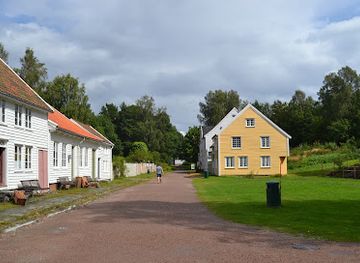
Old Streets and Maritime Heritage
Culture, Beaches and Family Attractions
When is the best time to visit Kristiansand?
Best: June–August · 21–23°C| Month | High (°C) | Rainfall (mm) |
|---|---|---|
| January | 5 | 90 |
| February | 5 | 80 |
| March | 8 | 70 |
| April | 13 | 60 |
| May | 18 | 60 |
| June (best) | 22 | 70 |
| July (best) | 23 | 80 |
| August (best) | 21 | 90 |
| September | 17 | 100 |
| October | 12 | 110 |
| November | 9 | 120 |
| December | 5 | 110 |
Getting to and around Kristiansand
How to get there
Transportation
Best attractions in Kristiansand
Kristiansand’s attractions range from the ordered streets of Kvadraturen to the coastal landscapes around the harbour. Posebyen, the city’s largest surviving concentration of old wooden houses, is rewarding for a slow walk through narrow residential lanes. At Odderøya, former military buildings, sea paths and cultural spaces create a varied outing beside the water, while the Kilden Performing Arts Centre brings theatre, concerts and opera to the waterfront. Christiansholm Fortress offers a compact introduction to the city’s defensive history, and the Kristiansand Museum at Kongsgård preserves buildings and objects from Agder’s rural and urban past. The Natural History Museum and Botanical Garden at the University of Agder provides a quieter experience with collections, plants and landscaped grounds. Families often devote substantial time to Dyreparken, east of the city, a major zoo and theme park with Norwegian wildlife, themed environments and rides.
-
Cathedral
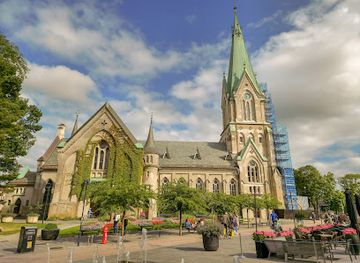
Kristiansand Cathedral
Discover the architectural beauty and historical significance of Kristiansand Cathedral, a must-visit landmark in Norway's charming coastal city.
1 min walk · 0.1 km from city centre
-
Fortress
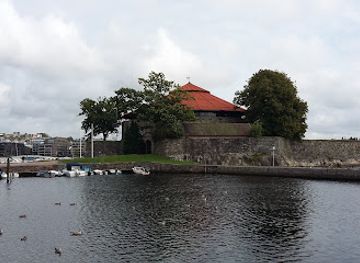
Christiansholm Fortress
Explore the historic Christiansholm Fortress in Kristiansand, a captivating blend of military heritage and stunning coastal views.
7 min walk · 0.5 km from city centre
-
Museum
Kristiansand Museum
Explore the rich heritage of Kristiansand at Kristiansand Museum, where history comes alive through engaging exhibits and interactive experiences.
8 min drive · 2.6 km from city centre
-
Tourist attraction
Høyt & Lavt Kristiansand
Experience the thrill and beauty of Høyt & Lavt Kristiansand, an amusement park offering adventure, climbing courses, and relaxation in stunning Norwegian nature.
11 min drive · 3.6 km from city centre


Best landmarks in Kristiansand
The rectangular street plan of Kvadraturen is itself one of Kristiansand’s defining civic landmarks, expressing the planned seventeenth-century foundation of the town. At the harbour, Christiansholm Fortress preserves the city’s military history in stone and brick, with its position once protecting the approach from the Skagerrak. Posebyen’s continuous runs of white-painted timber houses represent the domestic architecture of the older town and survived fires that destroyed other areas. Kristiansand Cathedral, rebuilt in the late nineteenth century after earlier churches on the site, forms a major focal point within the central grid. Across the water, Kilden Performing Arts Centre introduces a striking modern presence to the harbour, its sculptural façade signalling the city’s contemporary cultural role. The old port, canals and waterfront streets complete a group of landmarks in which defence, religion, commerce and performance are closely connected.
-
Market
Fish Market
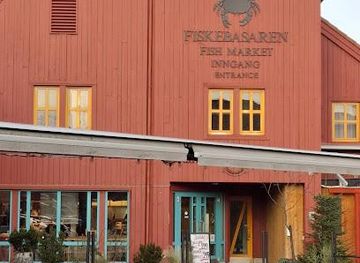
Discover the heart of Kristiansand at the Fish Market, where fresh seafood and local culture come together to create an unforgettable experience.
8 min walk · 0.6 km from city centre
-
Cathedral
Kristiansand Cathedral
Experience the stunning architecture and serene atmosphere of Kristiansand Cathedral, a must-visit cultural landmark in Norway's charming coastal city.
1 min walk · 0.1 km from city centre
-
Fortress
Christiansholm Fortress
Explore Christiansholm Fortress in Kristiansand, Norway – a historic fortress offering stunning coastal views and a peek into maritime history.
7 min walk · 0.5 km from city centre
-
Museum
Kristiansand Museum
Explore Kristiansand Museum, a captivating heritage museum showcasing the rich history and culture of Norway through engaging exhibits and activities.
8 min drive · 2.6 km from city centre
Explore Kristiansand on the map
Plan your Kristiansand trip on one map. See where the top attractions, landmarks, restaurants, bars and hotels are, find what's near where you're staying, and book hotels and experiences in a few clicks.
Best hotels in Kristiansand
Best restaurants in Kristiansand
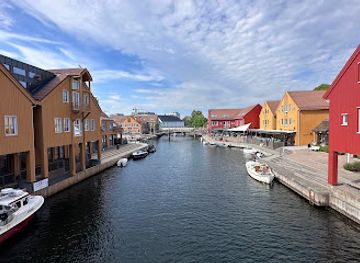
Kristiansand’s dining culture reflects its position on the southern coast, with seafood, seasonal produce and contemporary interpretations of Norwegian cooking prominent on many menus. Fish and shellfish are natural choices, while local restaurants also draw on lamb, game, potatoes, berries and other ingredients from Agder and the wider region. Fiskebrygga is the best-known waterfront dining area, with restaurants and cafés arranged around canals and pleasure boats, though the centre also has independent cafés, bakeries and international kitchens away from the harbour. Southern Norwegian traditions sit alongside modern Nordic cooking, pizza, burgers and dishes shaped by the city’s international connections. Food markets and seasonal stalls may offer baked goods, preserves, seafood or regional specialities, but their presence and opening patterns vary. Breakfast pastries, coffee and an unhurried lunch suit the city’s relaxed coastal pace.
-
Indian
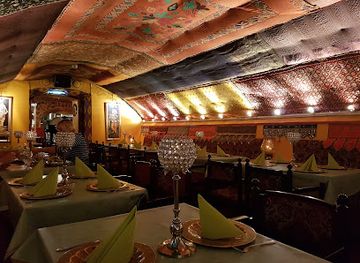
Restaurant Mother India
Experience the essence of Indian cuisine at Restaurant Mother India in Kristiansand—where rich flavors meet vibrant culture.
4 min walk · 0.3 km from city centre
-
Restaurant
Egon Kristiansand
Discover Egon Kristiansand: A culinary haven offering traditional Norwegian dishes and modern delights in the heart of Kristiansand.
4 min walk · 0.3 km from city centre
-
Restaurant
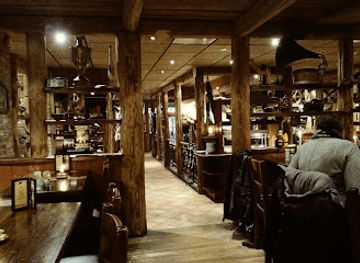
Håndverkeren Restaurant & Pub
Experience authentic Norwegian cuisine and vibrant nightlife at Håndverkeren Restaurant & Pub in Kristiansand.
1 min walk · 0.1 km from city centre
-
Restaurant
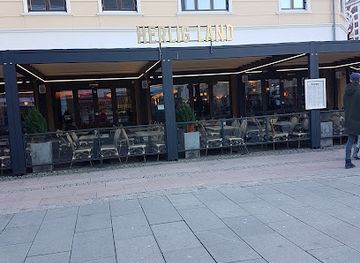
Herlig land
Discover Herlig Land: A culinary haven in Kristiansand blending local flavors with international cuisine.
2 min walk · 0.2 km from city centre
Best bars in Kristiansand
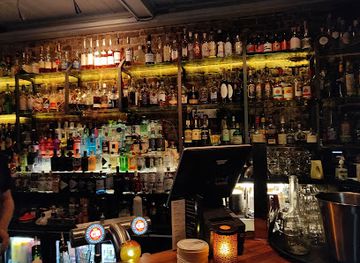
Evenings in Kristiansand tend to centre on cafés, harbour restaurants, pubs, cultural performances and small music venues rather than an extensive club scene. Fiskebrygga becomes a social waterfront setting in warmer months, while bars and restaurants around Kvadraturen provide more varied options throughout the year. The city’s principal cultural evening venue is Kilden Performing Arts Centre, whose programme can include theatre, opera, concerts and dance. Live music and student activity are also associated with venues near the centre and the University of Agder, although the scale and schedule change with the academic calendar. Summer brings longer daylight and outdoor socialising, while winter evenings are quieter and more focused on indoor entertainment. Visitors should remember that Norwegian alcohol regulations influence licensing, service and venue entry, and that many evenings finish earlier than in larger European capitals.
-
Restaurant
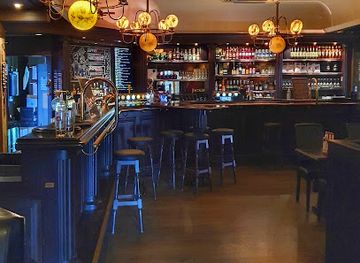
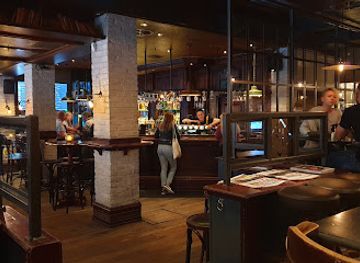
Håndverkeren Restaurant & Pub
Experience the best of Norwegian cuisine and lively entertainment at Håndverkeren Restaurant & Pub in Kristiansand.
1 min walk · 0.1 km from city centre
-
Pub
Patricks Pub
Discover the cozy charm of Patrick's Pub in Kristiansand: Local cuisine, refreshing drinks, and a vibrant atmosphere await you.
3 min walk · 0.2 km from city centre
-
Bar
SkagenPub
Discover the heart of Kristiansand at SkagenPub, where local flavors meet vibrant nightlife in a cozy pub atmosphere.
4 min walk · 0.3 km from city centre
-
Restaurant
Bakgården Bar
Discover the lively Bakgården Bar in Kristiansand, where exquisite cocktails and delicious meals create a memorable dining experience.
2 min walk · 0.2 km from city centre
Best nightclubs in Kristiansand
Evenings in Kristiansand tend to centre on cafés, harbour restaurants, pubs, cultural performances and small music venues rather than an extensive club scene. Fiskebrygga becomes a social waterfront setting in warmer months, while bars and restaurants around Kvadraturen provide more varied options throughout the year. The city’s principal cultural evening venue is Kilden Performing Arts Centre, whose programme can include theatre, opera, concerts and dance. Live music and student activity are also associated with venues near the centre and the University of Agder, although the scale and schedule change with the academic calendar. Summer brings longer daylight and outdoor socialising, while winter evenings are quieter and more focused on indoor entertainment. Visitors should remember that Norwegian alcohol regulations influence licensing, service and venue entry, and that many evenings finish earlier than in larger European capitals.
-
Pub
Victoria Pub
Discover the vibrant atmosphere and local flavors at Victoria Pub in Kristiansand, a perfect blend of food, drinks, and entertainment.
3 min walk · 0.2 km from city centre
-
Sports bar
All Inn
Experience the energy of Kristiansand's nightlife at All Inn, the ultimate sports bar and disco club where fun and excitement never stop.
4 min walk · 0.3 km from city centre
-
Bar
Javel Pub
Discover the lively charm of Javel Pub in Kristiansand, where great drinks and a vibrant atmosphere await every traveler.
4 min walk · 0.4 km from city centre
-
Live music bar
Guard House Cafè
Experience the vibrant nightlife at Guard House Café, Kristiansand's go-to destination for live music and dancing in a lively atmosphere.
9 min walk · 0.7 km from city centre




Best shops in Kristiansand
Shopping in Kristiansand is concentrated in Kvadraturen, where pedestrian-friendly streets combine national chains with independent shops, cafés and small specialist businesses. Markens gate is the principal commercial street, while the surrounding blocks offer fashion, design, books, homeware and everyday Norwegian brands. Sandens shopping centre provides a modern retail setting in the centre, and Sørlandssenteret, near Dyreparken and the E18, is a much larger out-of-town complex with a broad range of shops. For more distinctive purchases, look for Norwegian knitwear, wool goods, ceramics, woodwork, local food products and coastal-themed crafts, checking provenance when authenticity matters. Markets and seasonal stalls may add flowers, produce, baked goods or handmade items to the retail mix. The older houses and lanes of Posebyen are more valuable for atmosphere and architecture than for concentrated shopping.
-
Market
Fish Market
Discover the vibrant flavors of Norway at Kristiansand Fish Market, where fresh seafood meets local culture along the stunning coast.
8 min walk · 0.6 km from city centre
-
Shopping mall
Sandens
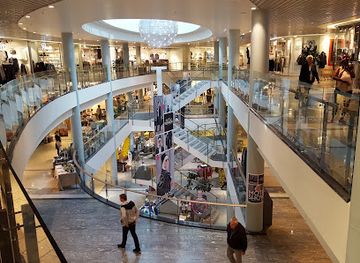
Experience the vibrant shopping and dining scene at Sandens, Kristiansand's premier shopping mall, where local culture meets modern retail.
2 min walk · 0.2 km from city centre
-
Shopping mall
Amfi Vågsbygd
Amfi Vågsbygd: A vibrant shopping mall in Kristiansand, Norway, offering diverse shops, dining, and a welcoming atmosphere for all visitors.
10 min drive · 3.5 km from city centre
-
Shopping mall
Lillemarkens Shopping
Explore Lillemarkens Shopping in Kristiansand for a delightful retail experience with diverse shops and local cuisine.
3 min walk · 0.3 km from city centre
Get your free copy of our complete guide to Kristiansand, delivered straight to you.
Everything on this page, from attractions and restaurants to essentials and local phrases, in one PDF you can read offline, print or share.
Already have an account? Sign in
Your Kristiansand guide is ready.
We'll send it to · Not you? Sign out

Getting your guide ready…
We are putting together a fresh copy of the Kristiansand guide. This can take up to a minute.
This can take a few moments. If your browser asks, choose Allow so the download can start. You'll find the guide in your Downloads folder.
Nothing happened? Download it again
Sorry, the guide is taking longer than usual. Please try again in a minute, or get it by email instead.
Kristiansand essentials
Currency and Payment
Safety
Emergency Situations
Do's and Don'ts
Local Tips
From Eve
Local phrases worth knowing
You don't need to get them perfect. A few words go a long way, and locals appreciate the effort.
Basics
| English | Local | Say it |
|---|---|---|
| Hello | Hei | [hay] |
| Goodbye | Ha det | [ha deh] |
| Yes | Ja | [ya] |
| No | Nei | [nay] |
| Please/You're welcome | Vær så god | [ver so good] |
| Thank you | Takk | [tahk] |
| Excuse me/Sorry | Unnskyld | [oon-shild] |
| How are you? | Hvordan har du det? | [vohr-dan har doo deh] |
| Fine. And you? | Bra. Og du? | [bra oh doo] |
| Do you speak English? | Snakker du engelsk? | [snah-kerr doo eng-elsk] |
| I don't understand | Jeg forstår ikke | [yay for-stor eek-keh] |
Eating & Drinking
| English | Local | Say it |
|---|---|---|
| I'd like to see the menu, please | Jeg vil gjerne se menyen, takk | [yay vil gern-eh seh mayn-yen, tahk] |
| I don't eat meat | Jeg spiser ikke kjøtt | [yay spee-ser ee-keh shøt] |
| Cheers! | Skål! | [skohl] |
| I would like to pay, please | Jeg vil gjerne betale, takk | [yay vil gern-eh beh-tah-leh, tahk] |
Emergencies
| English | Local | Say it |
|---|---|---|
| Help! | Hjelp! | [yelp] |
| Go away! | Gå vekk! | [go vehk] |
| Call the Police! | Ring politiet! | [ring poh-lee-tee-eh] |
| Call a doctor! | Ring en lege! | [ring en leh-geh] |
| I'm lost | Jeg har gått meg vill | [yay har goht may vill] |
| I'm ill | Jeg er syk | [yay air seek] |
Shopping
| English | Local | Say it |
|---|---|---|
| I'd like to buy... | Jeg vil kjøpe... | [yay vil shø-peh] |
| I'm just looking | Jeg bare ser | [yay bar-eh sair] |
| How much is it? | Hvor mye koster det? | [vor mee-eh koss-ter deh] |
| That's too expensive | Det er for dyrt | [deh air for deert] |
| Can you lower the price? | Kan du senke prisen? | [kan doo sen-keh prees-en] |
Time & Numbers
| English | Local | Say it |
|---|---|---|
| What time is it? | Hva er klokka? | [vah air klok-ah] |
| It's one o'clock | Klokka er ett | [klok-ah air ett] |
| Half past (10) | Halv ti | [halv tee] |
| Morning | Morgen | [mor-gen] |
| Afternoon | Ettermiddag | [et-ter-mee-dahg] |
| Evening | Kveld | [kveld] |
| Yesterday | I går | [ee gor] |
| Today | I dag | [ee dahg] |
| Tomorrow | I morgen | [ee mor-gen] |
| 1 | En | [en] |
| 2 | To | [too] |
| 3 | Tre | [treh] |
| 4 | Fire | [fee-reh] |
| 5 | Fem | [fem] |
| 6 | Seks | [seks] |
| 7 | Sju | [shoo] |
| 8 | Åtte | [oh-teh] |
| 9 | Ni | [nee] |
| 10 | Ti | [tee] |
Transport & Directions
| English | Local | Say it |
|---|---|---|
| Where's a/the...? | Hvor er en/et...? | [vor air en/et] |
| What's the address? | Hva er adressen? | [vah air ad-ress-en] |
| Can you show me (on the map)? | Kan du vise meg (på kartet)? | [kan doo vee-seh may (poh kart-eh)] |
| When's the next (bus)? | Når går neste (buss)? | [norr gor nest-eh (booss)] |
| A ticket (to ....) | En billett (til ....) | [en bee-let (teel)] |
History of Kristiansand
Foundation under Christian IV
Kristiansand was founded in 1641 by King Christian IV of Denmark-Norway as part of a strategy to strengthen royal control and commerce along the Skagerrak coast. The new town was positioned beside a sheltered harbour and named Christianssand after its monarch and its sandy shoreline. Unlike many older Norwegian settlements that developed gradually, Kristiansand was deliberately planned. Its rectangular street pattern, later known as Kvadraturen, reflected early modern ideas about defence, administration and orderly urban growth. The city’s location made it a useful port for coastal trade and naval activity, while the surrounding islands and channels offered protection for shipping. This planned foundation remains visible in the centre’s unusually regular streets and broad public spaces.
Trade and the Wooden Town
During the eighteenth and nineteenth centuries, Kristiansand grew through maritime trade, shipping and links with the agricultural districts of Agder. Timber, fish and other regional goods moved through the harbour, while merchants built substantial houses and commercial premises in the expanding town. The city’s prosperity was closely connected to sailing routes across the North Sea and to its position between eastern Norway and continental Europe. Much of the urban fabric remained wooden, with modest workers’ homes existing alongside merchant properties. Posebyen preserves this domestic side of Kristiansand’s history particularly well. Its surviving houses represent the scale and materials of the older town, even though later rebuilding, fires and modern development altered other parts of the centre.
Fortifications and Naval Importance
Kristiansand’s harbour carried military as well as commercial importance. Christiansholm Fortress, completed in the late seventeenth century, guarded the eastern approach to the port and formed part of Denmark-Norway’s coastal defence system. The island of Odderøya also became associated with military installations and later naval functions, taking advantage of its commanding position at the harbour entrance. These defensive works reflected the strategic importance of the Skagerrak, a maritime corridor connecting the North Sea with the Baltic region. Although the fortress no longer serves its original military purpose, its surviving walls and waterfront setting help explain why the town was founded where it was. Odderøya’s former military landscape now sits alongside cultural venues, footpaths and public recreation.
Fire, Rebuilding and Urban Change
Fire has shaped Kristiansand’s appearance, as it has that of many historic Norwegian towns built largely from timber. A major conflagration in 1892 destroyed considerable parts of the city, prompting rebuilding and changes in construction practice. Posebyen survived the fire and consequently became especially important as a concentration of older wooden architecture. Around it, newer commercial buildings and more formal urban structures reflected the changing ambitions of a growing port. Industrialisation, improved transport and the eventual rise of motor traffic altered the relationship between the centre and the waterfront. Yet the basic grid of Kvadraturen endured, providing a clear framework within which historic houses, civic buildings, shops and cultural institutions continue to coexist.
Occupation and Post-war Reconstruction
During the Second World War, Kristiansand was occupied by German forces from April 1940, as Norway’s southern coast was incorporated into Germany’s wider military strategy. The port and surrounding coastline acquired renewed strategic significance, and military infrastructure was expanded in the region. The occupation left physical and social traces that form part of local remembrance, although many wartime sites lie beyond the central sightseeing route. After 1945, Kristiansand participated in Norway’s broader post-war modernisation. Improved roads, expanded public services and changing industry reshaped the city, while the harbour remained central to its economy. Later conservation efforts helped protect Posebyen and other historic structures from wholesale redevelopment.
A Modern Cultural and Regional Centre
In the late twentieth and early twenty-first centuries, Kristiansand developed further as the administrative and cultural centre of Agder. The University of Agder strengthened the city’s educational role, while new cultural institutions broadened its public life. Kilden Performing Arts Centre, opened in 2012 on the harbour at Odderøya, became a prominent symbol of this contemporary phase, placing theatre, music and performance within the city’s maritime landscape. At the same time, waterfront regeneration, improved public spaces and investment in museums and family attractions supported tourism. Kristiansand today combines its seventeenth-century street plan and surviving wooden quarters with a modern cultural offer, an active port and a strong relationship with the surrounding coast.
Kristiansand in Photos
Browse through our photo collection highlighting the charm and character of the destination.
Cities near Kristiansand
The closest cities to Kristiansand, if you have time for more than one stop.
-

-

-

-

-


Swipe for more cities
Explore more

Explore more of Norway
Explore Norway's spectacular fjords, vibrant cities, and natural wonders. Experience the Northern Lights, Midnight Sun, and rich cultural heritage in this Scandinavian gem.
Explore Norway