Blakshøj Jættestue
Vendsyssel’s only preserved Neolithic passage grave, a vast stone chamber hidden in a grassy mound on quiet farmland just outside Frederikshavn.
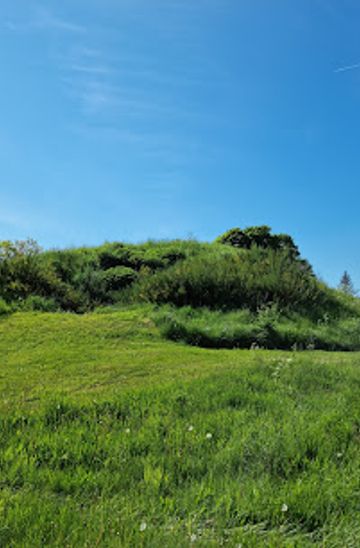
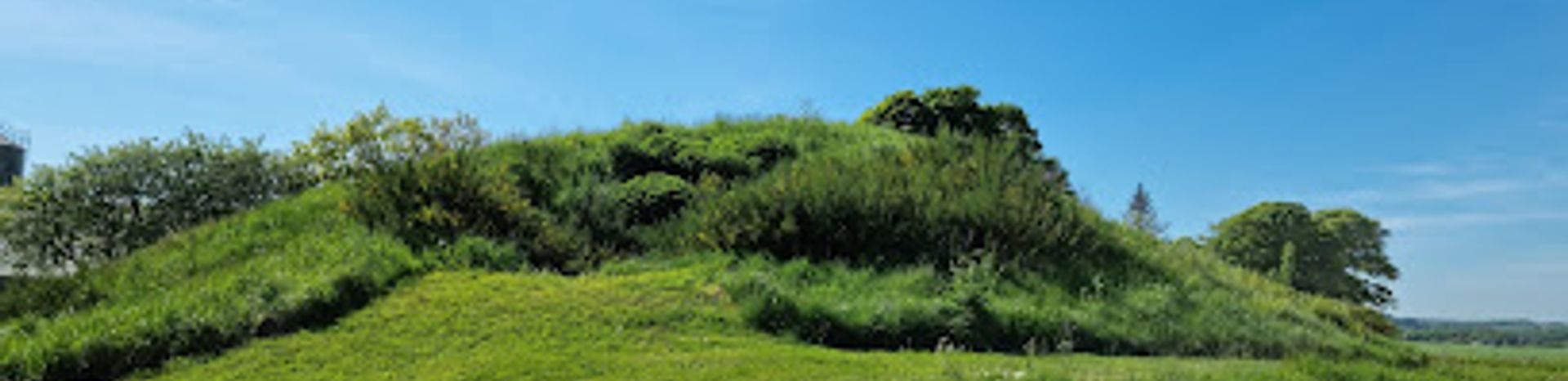
Blakshøj Jættestue is a striking Neolithic passage grave set on farmland just outside Frederikshavn in northern Jutland. Built by the Funnel Beaker culture, this stone chamber tomb is around 4.5 m high and 8 m long, making it one of Denmark’s largest and best-preserved megalithic graves and the only example of its kind in Vendsyssel. Surrounded by a grassy mound with sweeping rural views, it offers an atmospheric window into Stone Age ritual life and an intimate, slightly adventurous crawl into deep prehistory.
A brief summary to Blakshøj Jættestue
- Blakshøjgårdvej 6, Frederikshavn, 9900, DK
- Click to display
- Click to display
- Duration: 0.5 to 1.5 hours
- Free
-
 Outdoor
- Mobile reception: 4 out of 5

Know before you go
Hi, I'm Eve. Here are a few practical things to know before exploring Blakshøj Jættestue.
- Bring a small flashlight or headlamp; natural light inside the 8-metre chamber is limited, especially on overcast days or late afternoons.
- Wear sturdy shoes and clothes you do not mind getting dusty, as the ground is uneven and you may need to crouch or crawl through the low entrance.
- If you are uneasy in confined spaces, enjoy the mound and landscape from outside rather than forcing yourself into the narrow passage.
- Visit in the morning or early evening for softer light on the mound and a quieter, more atmospheric experience in the surrounding fields.
Do you manage this location?
Take control to get all the benefits, like improved information, better appearance, and stronger visibility across AI-powered discovery. Learn more
Activate your presenceOther nearby places you may find interesting
Getting There
-
Car from Frederikshavn
From central Frederikshavn, driving to Blakshøj Jættestue typically takes around 10–15 minutes, following minor country roads toward Blakshøjgårdvej. The route uses paved roads suitable for standard vehicles, and parking is usually informal along the farm area near the mound. There is no entrance fee to visit the passage grave, but visitors should be prepared for limited signage and no marked car park.
-
Bicycle from Frederikshavn
Cycling from Frederikshavn centre to the jættestue generally takes 25–40 minutes, depending on pace. The terrain is gently hilly with a mix of smaller roads and local lanes that can carry some traffic, so reflective gear and lights are recommended outside daylight hours. There is no charge to visit, and you can leave your bicycle along the field edge near the mound, keeping clear of farm access.
-
Regional bus plus walk
A regional bus towards the villages south of Frederikshavn can shorten the journey, with travel times of 10–20 minutes from town to a stop in or near Gærum. From there, expect a country walk of roughly 20–30 minutes along rural roads to reach the mound, on surfaces that may be uneven or muddy in wet weather. Standard local bus tickets usually cost the same as a short regional zone fare within North Jutland, and there is no additional fee to access the site.
For the on-the-go comforts that matter to you
-
 Information Boards
Discover more about Blakshøj Jættestue
A Stone Age Monument in Vendsyssel’s Fields
Blakshøj Jættestue rises from gently rolling farmland south of Frederikshavn, its grassy mound sheltering a remarkably intact Stone Age burial chamber. Dating from the late Neolithic and built by the Funnel Beaker culture, it is the only preserved passage grave of its kind in Vendsyssel and a key reference point for understanding early farming communities in northern Jutland. The mound itself is over 25 metres in diameter and about 4.5 metres high, giving a clear sense of scale even before you approach the entrance.From a distance, the monument appears almost modest – just a rounded rise in the landscape with scattered stones marking its outline. Up close, the massive boulders that hold the structure together become visible, hinting at the engineering ambition of the people who erected it more than 5,000 years ago. In a region of open fields and big skies, the tomb forms a quiet, solitary landmark that has watched over this landscape for millennia.Inside One of Denmark’s Grandest Passage Graves
Blakshøj’s interior chamber is about 8 metres long and roughly 2.2 metres wide, supported by hefty upright stones and capped by great slabs of rock. The proportions place it among the largest and most impressive passage graves in Denmark, with a long gallery-like space that would once have held the remains of many individuals from a single community or lineage. The stones fit together with surprising precision, creating a stable, almost architectural feeling under the mound.The entrance passage is low and narrow, so you must stoop or crawl to reach the main chamber, a physical transition that powerfully sets the mood. Moving from bright daylight into a cool, dim stone room gives an immediate sense of ceremony, echoing the way Stone Age people would have experienced their rituals here. Today, any human remains have long disappeared, leaving only the sculptural beauty of the stonework and the quiet, cave-like atmosphere.Everyday Farming Landscape with Ancient Depth
One of Blakshøj Jættestue’s most striking qualities is its setting amid working fields near Blakshøjgård farm. Tractors may pass in the distance, and birds circle overhead, yet underfoot is a structure older than most written histories in northern Europe. This juxtaposition of modern agriculture and deep prehistory makes the visit feel both grounded and slightly surreal.On clear days the mound offers wide views over the surrounding countryside, with low hedges, grazing land, and the sense of an open, coastal hinterland. There is little in the way of built-up infrastructure at the site itself, which helps preserve its rural character. The approach across grass can be slightly uneven, reinforcing the feeling that you are stepping away from everyday life and toward an older layer of the landscape.Atmosphere, Practicalities and Safety
The experience at Blakshøj is tactile and sensory: the rough chill of the stones, the earthy scent inside the mound, and the muted acoustics when you speak in the chamber. It is an evocative place for quiet contemplation, photography, or introducing children to tangible prehistory, though close supervision is important around the low entrance and interior stones. The passage is a tight squeeze for some visitors and not ideal for those with limited mobility or strong claustrophobia.There is typically no staff presence and minimal facilities, so visitors should arrive prepared with water, suitable footwear, and layers for the cooler interior. Mobile reception in the area is generally good, but once you are inside the chamber the thick stones can weaken signal. The site is most comfortable in dry, mild weather, though the mound can be visited year-round with appropriate clothing.Stories in Stone from the Funnel Beaker Culture
Blakshøj stands as a physical testament to the social organisation and beliefs of the Funnel Beaker culture, one of the first farming societies in the region. Constructing such a tomb required coordinated labour, knowledge of stoneworking, and a shared understanding of ritual space. The chamber’s communal design suggests that burial here reflected group identity more than individual status, turning the mound into a focal point for memory and ceremony.Though the grave is now empty, archaeologists interpret such passage graves as places where the living periodically interacted with the dead – perhaps entering the chamber to add new burials, conduct ceremonies, or deposit offerings. Standing inside Blakshøj today, it is easy to imagine flickering firelight on the stones and the importance this place once held for the surrounding community. The fact that it still shapes the skyline of this small corner of Vendsyssel speaks to the durability of both the monument and the ideas that inspired it.Explore the best of what Blakshøj Jættestue has to offer













More about North Jutland

Discover North Jutland: Denmark's northernmost region, renowned for its stunning coastlines, rich Viking history, vibrant culture, and outdoor adventures.
Tell me more about North Jutland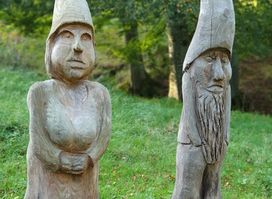
Rustic forest house in Bangsbo Dyrehave where woodland, deer and open-fire meals create a quietly atmospheric escape just outside Frederikshavn.
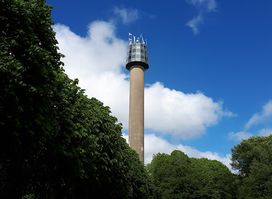
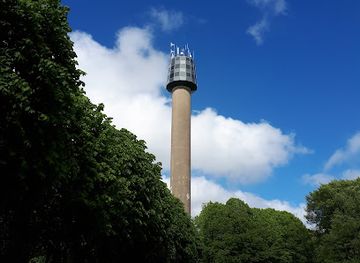
North Jutland’s hilltop lookout: a 60 m tower above beech woods and fields, with sweeping views over Vendsyssel, family-friendly green space and woodland trails.