Port of Frederikshavn, Frederikshavn Travel Guide
Free Guide: A deep-water working harbour where ferries, shipyards and offshore giants share the waterfront, shaping the maritime heart of Frederikshavn.


A brief summary of Port of Frederikshavn
A deep-water working harbour where ferries, shipyards and offshore giants share the waterfront, shaping the maritime heart of Frederikshavn.
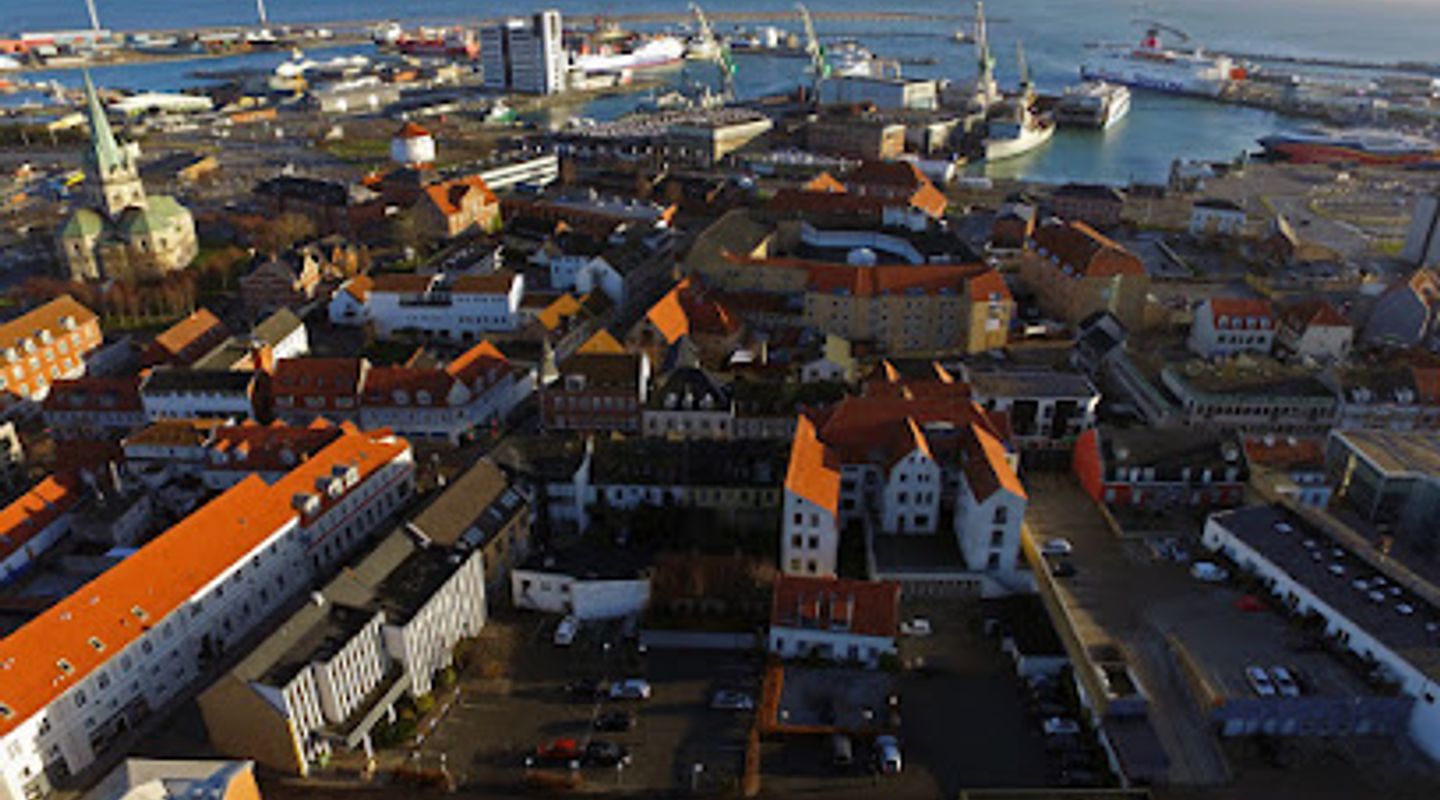
Port of Frederikshavn is a major deep-water harbour on Denmark’s north-eastern coast, serving as a key gateway to the North Sea, Norway and Sweden. More than just a working port, it combines ferry terminals, shipyards, offshore facilities and recycling yards with a waterfront of docks, industrial silhouettes and views over the Kattegat. Travellers pass through en route to ferries, watch the constant choreography of ships and cranes, or simply pause to soak up the authentic maritime atmosphere of one of Denmark’s most important commercial ports.
On-site amenities
 Restrooms
 Drink options
 Drinking water
 Food options
 Seating areas
 Trash bins
 Information boards
 Visitor centre
- Address
- Oliepieren 7, 9900 Frederikshavn
- Phone
- Website
Getting there
Train and local bus from Aalborg
Driving from Aalborg via E45
Regional bus within Vendsyssel
On foot from central Frederikshavn
Discover more about Port of Frederikshavn
Harbour gateway of northern Jutland
Port of Frederikshavn stretches along the town’s eastern shoreline, a broad belt of quays, basins and breakwaters fronting the Kattegat. This is one of Denmark’s key traffic and freight harbours, strategically placed where ferries and cargo ships fan out toward Norway, Sweden and the wider North Sea. Deep-water berths, sheltered waters and minimal tidal variation make the port navigable all year, and expansion projects have added longer quays, wider entrances and large new hinterland areas.Walking along the edge of the harbour you sense how closely town and port are interwoven. Warehouses, workshops and terminals sit just behind the quays, while in the distance ferries glide in and out with clockwork regularity. The scale feels impressive but still human, with long perspectives along the piers and constant activity to watch.
Engines, shipyards and offshore giants
Frederikshavn has built its reputation on maritime service. Around the basins, a dense cluster of specialist companies keeps everything from fishing vessels to offshore installations running. Shipyards handle repairs and conversions, cranes loom above floating docks, and workshops focus on engines, gears, propellers, safety gear and technical training. For visiting travellers, it offers a glimpse into an industry that usually stays hidden behind fences and breakwaters.From many vantage points you can see vessels resting in dry dock or lifted in huge floating structures while welders’ sparks flicker in the shadows. Offshore units and heavy-lift cranes occasionally dominate the skyline, hinting at the port’s role in supporting North Sea oil, gas and other offshore sectors. It is a working landscape where function defines form, and that utilitarian character becomes part of the experience.
Recycling yards and new maritime frontiers
In recent years, a large modern area at the port has been dedicated to ship and offshore recycling. Here, retired rigs and large vessels are dismantled and recycled under strict environmental controls, with advanced drainage, filtration and waste separation systems. This activity adds a dramatic dimension: towering steel structures, cut-up hulls and the slow transformation of massive metal shapes back into raw material.The port’s expansion has provided extra quay length, deeper water and extensive storage and process areas to support this new role. It reflects a broader shift in maritime industries toward circular use of resources. While most of this zone is industrial and not designed as a promenade, its presence underscores how Frederikshavn’s harbour keeps evolving with new demands from shipping and offshore sectors.
Everyday life on the waterfront
Despite the heavy infrastructure, there is an accessible side to the Port of Frederikshavn. Roads and paths pass close to parts of the quays, making it easy to pause and watch ferries manoeuvre or cargoes being handled. The soundscape is a mix of engines, gulls and the slap of water against steel hulls, with diesel, salt and paint in the air. On clear days, low northern light glints off the water and silhouettes cranes against big skies, creating unexpectedly photogenic scenes.For many travellers, the port is primarily a point of transit on the way to or from ferries. Yet those who linger discover layers of detail: markings on bollards, names on hulls, the choreography between tugs and pilots, and the rhythm of shift changes at workshops and yards. It is a place that rewards curiosity about how maritime trade actually works.
Industrial panoramas and coastal atmosphere
Seen from selected viewpoints, the harbour forms a distinctive panorama of masts, gantries and breakwaters stretching out into the sea. The open approaches mean wide horizons and ever-changing light, especially evocative around sunrise or on crisp winter days when the air is clear. Even though this is primarily an industrial environment, the interplay between sea, sky and machinery has its own stark beauty.The port also anchors Frederikshavn’s identity. Ferries, fishing boats, supply vessels and offshore units all share the same waterfront, giving the town a strongly maritime feel. For visitors interested in ships, engineering or working harbours, Port of Frederikshavn offers an engaging, real-world counterpoint to more polished waterfronts, and a vivid reminder of how coastal towns remain tied to the sea.
Evendo Review Centre
 Google
Guest reviews
Best time to go
Quietest: Jan, Feb & Mar · before 3am
Busy times are Evendo estimates for a typical year, to help you plan. Actual crowds vary with events, school holidays and the weather.
Explore Port of Frederikshavn on the map
A handpicked selection of must-see spots near Port of Frederikshavn, mapped for you.
Get your free copy of our complete guide to Port of Frederikshavn, delivered straight to you.
Everything on this page, from opening hours and how to get there to Eve’s tips and the best time to go, in one PDF you can read offline, print or share.
Already have an account? Sign in
Your Port of Frederikshavn guide is ready.
We'll send it to · Not you? Sign out

Getting your guide ready…
We are putting together a fresh copy of the Port of Frederikshavn guide. This can take up to a minute.
This can take a few moments. If your browser asks, choose Allow so the download can start. You'll find the guide in your Downloads folder.
Nothing happened? Download it again
Sorry, the guide is taking longer than usual. Please try again in a minute, or get it by email instead.
Other nearby places you may find interesting
The closest places of the same kind, if this one is not quite what you had in mind.
-
-
-
-
-


Swipe for more places
More to explore near Port of Frederikshavn

 Best experiences near Port of Frederikshavn
 Best hotels near Port of Frederikshavn
 Best landmarks near Port of Frederikshavn
 Best attractions near Port of Frederikshavn
 Best shops near Port of Frederikshavn
 Best restaurants near Port of Frederikshavn
 Best bars near Port of Frederikshavn
Do you manage this location?
Take control to get all the benefits, like improved information, better appearance, and stronger visibility across AI-powered discovery.
Explore more

Explore more of Frederikshavn
Explore Frederikshavn, Denmark's coastal gem, where history, scenic beaches, and vibrant maritime culture combine to create an unforgettable travel experience.
Explore Frederikshavn
Explore more of Denmark
Discover Denmark: A perfect blend of history, modern design, and the cozy concept of hygge. Explore vibrant cities, serene landscapes, and world-class cuisine.
Explore Denmark