Frederikshavn St., Frederikshavn Travel Guide
Free Guide: Compact, coastal rail terminus linking Frederikshavn’s harbor, ferries and town center, and a relaxed stepping stone to beaches, bunkers and northern Jutland landscapes.


A brief summary of Frederikshavn St.
Compact, coastal rail terminus linking Frederikshavn’s harbor, ferries and town center, and a relaxed stepping stone to beaches, bunkers and northern Jutland landscapes.
Frederikshavn Station is the compact rail hub at the heart of this North Jutland port town, a short stroll from the harbor, ferries and pedestrianized shopping streets. Trains link the town with Aalborg and the rest of Denmark, making this an easy gateway for beach breaks at Palmestranden, excursions to Bangsbo’s museums and viewpoints, or onward ferry journeys to Norway and Sweden. The low-rise platforms, simple facilities and maritime setting give the station a relaxed, small-town feel despite its strategic role.
On-site amenities
 Restrooms
 Seating areas
 Sheltered areas
 Trash bins
 Information boards
- Address
- 9900 Frederikshavn
Getting there
Regional train from Aalborg
Long-distance train from Copenhagen
Bus connection within North Jutland
On foot from Frederikshavn harbor and ferries
Discover more about Frederikshavn St.
Gateway to Denmark’s Northern Coast
Frederikshavn Station is the natural arrival point for many visitors heading to Denmark’s far northeast, set in the middle of a compact town shaped by ships, ferries and the sea. Just inland from the busy harbor, the tracks come to an almost ceremonial stop here, marking the end of the railway line and the beginning of the Kattegat and its routes to Norway and Sweden. Step outside and the atmosphere feels distinctly maritime: low buildings, gulls overhead and a hint of salt in the air.The station building itself is modest in scale, aligned with the town’s low skyline rather than trying to dominate it. Instead of a grand concourse, you find a practical, human-sized hall with ticket machines, basic seating and clear signage. It is the kind of place where you can orient yourself at a glance, then walk comfortably to the waterfront, the main pedestrian street or nearby churches and museums within minutes.
Platforms, Facilities and Everyday Rhythm
On the platforms, the rhythm of the day is set by regional trains shuttling south toward Aalborg and beyond. Services are frequent enough to make day trips feasible, but you still feel the pauses between departures, when the station quiets and only the hum of overhead wires and the distant harbor remains. Covered sections along the platforms provide shelter from North Jutland’s wind and rain, while open stretches let you watch trains come and go under clear northern skies.Facilities are simple but functional. You can expect basic seating areas, ticket options via machines or apps, information screens and audio announcements that alternate between Danish and concise international details. Outside, space for bikes reflects how many locals combine cycling with rail travel. Buses stop nearby, creating a small intermodal hub where rail, road and sea connections dovetail.
Surrounded by Harbor Life and Coastal Stories
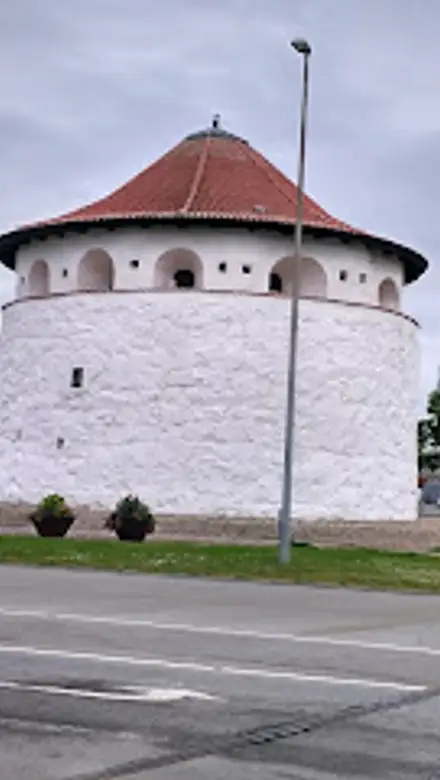
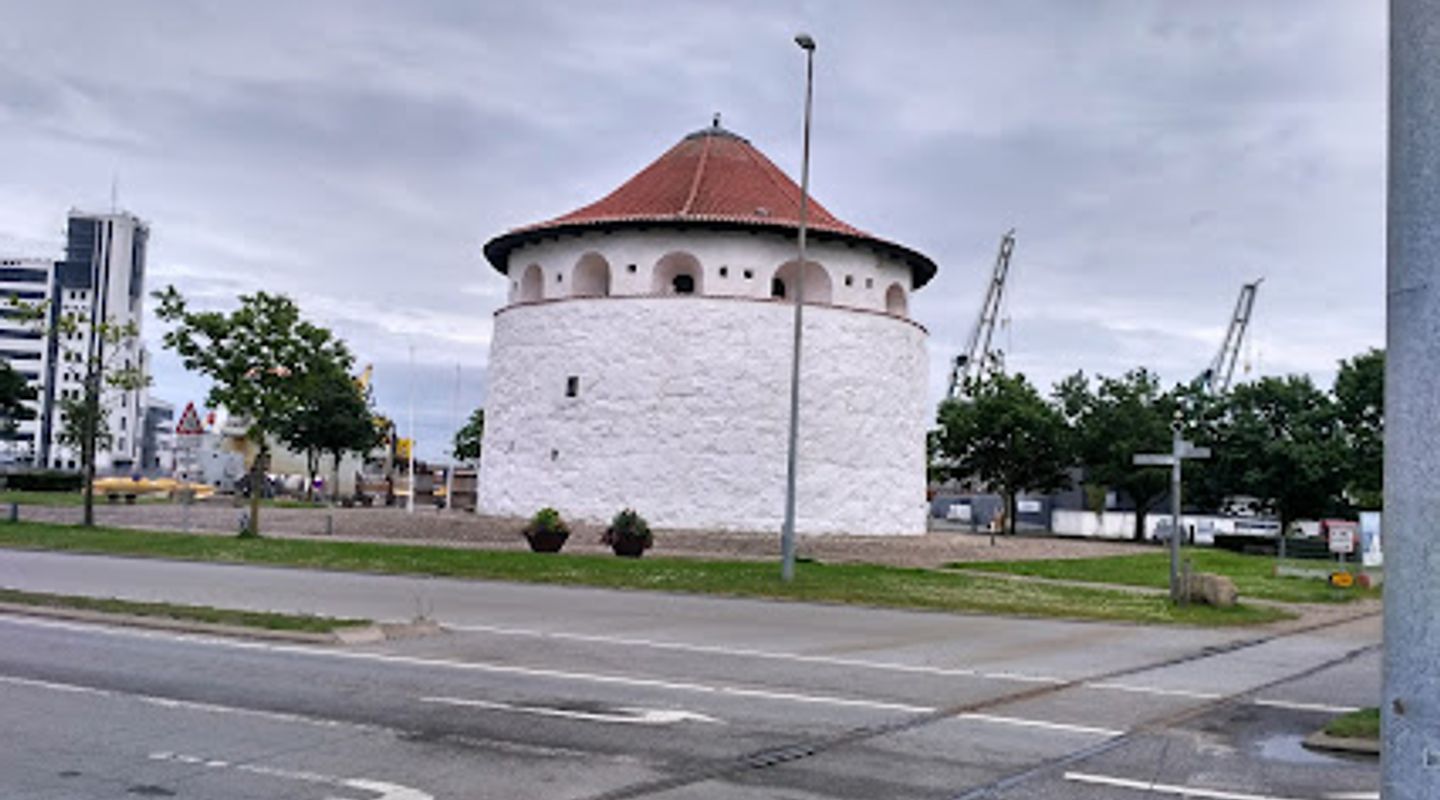
The station’s standout feature is not its architecture but what surrounds it. Within a short walk you move from platforms to the waterfront, where ferries depart for Gothenburg and Oslo and cargo ships share quay space with leisure craft. This proximity makes it easy to pair a rail journey with a sea crossing, using the station as a hinge between Scandinavian countries.Frederikshavn’s long maritime history is never far away. The preserved gunpowder tower by the harbor, remnants of old fortifications and the coastal museum at Bangsbo all lie within reach from here. The station has quietly served as a backdrop for generations of sailors, soldiers, traders and holidaymakers arriving in town, even if it rarely appears in the foreground of their stories.
Starting Point for Town and Nature Excursions
For travelers, Frederikshavn Station doubles as a practical base for exploring both town and nature. The long pedestrian street lined with shops and cafés begins not far from the station, inviting a slow wander toward town hall and the main church. A little farther out, palm-fringed Palmestranden offers an unexpectedly exotic beach scene in summer, while the surrounding coastline brings softer dunes and gentle surf.In the hills behind the town, visits to Bangsbo’s manor, botanical garden, war bunkers and viewpoints can all be woven around rail timetables. Observation points such as Pikkerbakken and the Cloos Tower reveal how the railway, harbor and town knit together in the landscape. Returning to the station at day’s end, you feel how it anchors these experiences in a single, easy-to-find landmark.
Practical Hub with a Relaxed Small-Town Feel
Despite its role in connecting ferries, buses and regional trains, Frederikshavn Station retains a relaxed small-town character. There is no crush of long-distance commuters, no overwhelming tangle of platforms and corridors. Instead, the station works on a manageable scale: clear exits, short walking distances and straightforward transfers.This balance makes it especially convenient for travelers with luggage, families or anyone new to Danish rail travel. You can arrive without prior familiarity, follow simple signage, and be on your way to the harbor, a beachside guesthouse or a hotel near the pedestrian street with little stress. In this sense, the station is less a destination in itself and more a calm, dependable threshold into the wider landscapes and sea routes of northern Jutland.
Evendo Review Centre
 Google
Guest reviews
Best time to go
Quietest: Jan, Feb & Mar · before 3am
Busy times are Evendo estimates for a typical year, to help you plan. Actual crowds vary with events, school holidays and the weather.
Explore Frederikshavn St. on the map
A handpicked selection of must-see spots near Frederikshavn St., mapped for you.
Get your free copy of our complete guide to Frederikshavn St., delivered straight to you.
Everything on this page, from opening hours and how to get there to Eve’s tips and the best time to go, in one PDF you can read offline, print or share.
Already have an account? Sign in
Your Frederikshavn St. guide is ready.
We'll send it to · Not you? Sign out

Getting your guide ready…
We are putting together a fresh copy of the Frederikshavn St. guide. This can take up to a minute.
This can take a few moments. If your browser asks, choose Allow so the download can start. You'll find the guide in your Downloads folder.
Nothing happened? Download it again
Sorry, the guide is taking longer than usual. Please try again in a minute, or get it by email instead.
Other nearby places you may find interesting
The closest places of the same kind, if this one is not quite what you had in mind.
-
-
-
-
-


Swipe for more places
More to explore near Frederikshavn St.

 Best experiences near Frederikshavn St.
 Best hotels near Frederikshavn St.
 Best landmarks near Frederikshavn St.
 Best attractions near Frederikshavn St.
 Best shops near Frederikshavn St.
 Best restaurants near Frederikshavn St.
 Best bars near Frederikshavn St.
Do you manage this location?
Take control to get all the benefits, like improved information, better appearance, and stronger visibility across AI-powered discovery.
Explore more

Explore more of Frederikshavn
Explore Frederikshavn, Denmark's coastal gem, where history, scenic beaches, and vibrant maritime culture combine to create an unforgettable travel experience.
Explore Frederikshavn
Explore more of Denmark
Discover Denmark: A perfect blend of history, modern design, and the cozy concept of hygge. Explore vibrant cities, serene landscapes, and world-class cuisine.
Explore Denmark