

Jelling Mounds, Runic Stones and Church
Viking mounds, royal runestones and a whitewashed church mark the moment Denmark emerged as a unified Christian kingdom in the quiet town of Jelling.
Set in the small town of Jelling in central Jutland, the Jelling Mounds, Runic Stones and Church form one of Denmark’s most important historic sites. Here, in the 10th century, King Harald Bluetooth proclaimed the unification and Christianization of Denmark, commemorated on great granite runestones between two monumental Viking burial mounds. The simple white church, later palisade traces, and surrounding cemetery create a compact, atmospheric ensemble often called Denmark’s “birth certificate.”
A brief summary to Jelling Mounds, Runic Stones and Church
- Thyrasvej 1, Jelling, 7300, DK
- Visit website
- Duration: 1.5 to 3 hours
- Free
-
 Outdoor
- Mobile reception: 4 out of 5
- Monday 12 am-12 am
- Tuesday 12 am-12 am
- Wednesday 12 am-12 am
- Thursday 12 am-12 am
- Friday 12 am-12 am
- Saturday 12 am-12 am
- Sunday 12 am-12 am
Local tips
- Start at the nearby visitor centre or museum to understand the Viking rulers, runes and palisade before you walk among the mounds and stones.
- Climb both mounds for different perspectives on the palisade outline and town; sturdy shoes help on the grassy, sometimes slippery slopes.
- Allow time to step inside the church and look for the subtle floor marking of the royal grave where King Gorm was reburied.
- Visit in the early morning or late afternoon for softer light on the mounds and cleaner photographs of the runestones in their glass cases.
- Respect the active cemetery and church services by keeping voices low and avoiding drone flights or intrusive photography near graves.

For the on-the-go comforts that matter to you
- Restrooms
- Drink Options
- Drinking Water
- Food Options
- Seating Areas
- Sheltered Areas
- Picnic Areas
- Trash Bins
- Information Boards
- Visitor Center
Getting There
-
Regional train from Vejle
From Vejle, take a regional train toward Jelling; the ride typically takes about 15–20 minutes and trains usually run at least once an hour during the day. A one-way adult ticket generally costs around 35–55 DKK in standard class. From Jelling station it is a short, level walk on paved paths through the town to the monument area, suitable for most visitors and pushchairs in most weather conditions.
-
Train from Aarhus with change in Vejle
From Aarhus, use intercity or regional trains to Vejle and change to the local line for Jelling. Total travel time is commonly 1.5–2 hours depending on connections. Expect to pay roughly 120–200 DKK one way in standard class for the full journey. Services operate year-round but can be less frequent late in the evening, so check departure times if you plan a late return.
-
Self-drive from Vejle and central Jutland
Driving from Vejle to Jelling typically takes 15–25 minutes along well-maintained roads. There are signed parking areas in Jelling within walking distance of the monument field; parking is often free or low cost, but time limits may apply at busier times. This option offers flexibility in poor weather or when travelling with children or mobility aids, though spaces can be tighter on summer weekends and holiday periods.
-
Cycling from nearby towns
For a slower approach, cycling from Vejle or nearby villages follows a mix of local roads and dedicated cycle paths typical of Denmark. The route from Vejle can take about 45–75 minutes each way depending on fitness and wind conditions. There is no direct cost beyond any bike rental, which commonly ranges around 100–200 DKK per day for a standard bicycle. Terrain includes some gentle hills, so this option suits reasonably fit riders and is best in dry months.
Jelling Mounds, Runic Stones and Church location weather suitability
-
 Any Weather
-
 Clear Skies
-
 Mild Temperatures
-
 Cold Weather
-
 Hot Weather
-
 Rain / Wet Weather
Discover more about Jelling Mounds, Runic Stones and Church
Where Denmark’s Story Is Carved in Stone
The Jelling Mounds, Runic Stones and Church sit at the heart of a modest Jutland town, yet they represent a turning point in Scandinavian history. In the 10th century this was a royal power centre, associated with King Gorm the Old and his son Harald Bluetooth, the dynasty that first bound Denmark together as a kingdom. Between two grassy mounds, Harald had a monumental granite stone raised, its runes boasting that he “won all of Denmark and Norway and made the Danes Christian.” The larger of the two runestones, often dubbed Denmark’s baptism and birth certificate, bears the earliest near-complete mention of the country’s name. Its carved Christ figure is also the first known depiction of Jesus in Scandinavia, a striking statement of new faith set among enduring pagan traditions. Nearby, the smaller stone raised by Gorm in honour of his wife Thyra calls her “Denmark’s adornment,” an unusually tender tribute in Viking-age Europe.Monumental Viking Landscape in Miniature
The landscape, though compact, is carefully composed. Two almost identical, flat-topped mounds dominate the site, each roughly 70 metres across and up to about 10 metres high, built from layers of turf stacked with geometric precision. The north mound once contained an impressive oak burial chamber cut into an older Bronze Age barrow, while the south mound appears never to have held a grave, leaving archaeologists to debate its symbolic purpose. Climb the mounds and you gain a subtle but powerful view over the monument field, the town, and the line of modern posts marking the vast palisade that once enclosed the royal complex. This combination of earthen architecture, stone monuments and timber traces captures the blend of practical engineering and ritual symbolism characteristic of the Viking period.The White Church and a Thousand Years of Worship
Between the mounds stands Jelling Church, a simple whitewashed Romanesque structure built in stone around the 11th century. It occupies the footprint of at least three earlier wooden churches, likely including the first built by Harald Bluetooth when he embraced Christianity. Inside, the interior is restrained and bright, with plain walls, a few carefully crafted furnishings and the kind of understated craftsmanship typical of rural Danish churches. Beneath the floor, archaeologists uncovered what is believed to be the reburial of King Gorm, moved from the mound into the Christian sanctuary. A discreet inlaid marker on the floor traces this royal grave, quietly linking the pagan burial tradition outside with the new Christian order within. Around the church, an immaculately kept cemetery continues to be used, reinforcing more than a millennium of continuous worship on this exact spot.Palisades, Ship Settings and Archaeological Discoveries
Excavations in recent decades have revealed that the visible monuments once formed part of a far larger royal complex. Evidence of a massive wooden palisade, enclosing a near-rectangular area, suggests an architecturally ambitious statement of power. Traces of a long ship-shaped stone setting stretch across the landscape, echoing the Viking custom of associating rulers with seafaring imagery even in death. Modern concrete posts now mark the scale of this palisade and ship outline, allowing visitors to walk the perimeter and imagine the timber walls, halls and activity that once animated the site. These discoveries broaden Jelling from a cluster of monuments into a planned ceremonial and political centre, reinforcing why it was inscribed as a World Heritage Site for its exceptional testimony to a pivotal cultural transformation.Visiting Today: An Intimate World Heritage Encounter
Despite its global significance, Jelling remains an intimate place to explore. Paths weave between the mounds, church and stones, and you can move at your own pace from windswept hilltop to the hushed interior of the church. Interpretive installations and nearby museum exhibits provide context on the Viking rulers, the runic script and the process of Christianization. Because the monument field is open at all hours, you may find it in different moods: misty and contemplative in the morning, sunlit and lively later in the day. Whether you come for archaeological interest, religious history or simply to trace the outlines of a nation’s beginnings, Jelling offers a concentrated, thought-provoking encounter with the moment when pagan Scandinavia stepped decisively into the Christian medieval world.Iconic landmarks you can’t miss

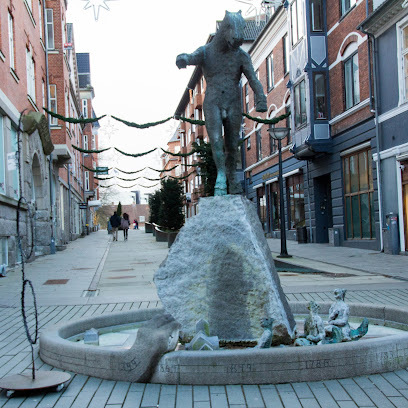
The Midgård Well
8.8 km
A coiled Norse serpent, a quiet city fountain and a whole mythic world wrapped into one small corner of central Vejle.
VisitVejle
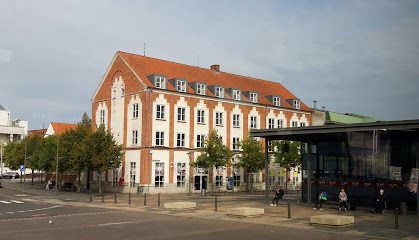
9.2 km
Explore Andelstrappen and Fortællegyngestolen in Odense: A fusion of nature's beauty and rich literary heritage.
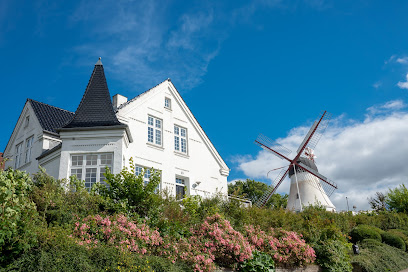
Vejle Vindmølle
9.4 km
Historic windmill turned art gallery with panoramic city views and rotating contemporary exhibitions.
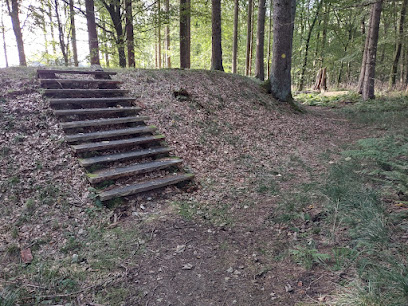
Troldborg Ring
9.9 km
Iron Age refuge fortress on a wooded hilltop, where grassy ramparts, “Devil’s Valley” slopes and wide views over Vejle Ådal bring deep Danish history to life.
Årtusindeskifte Eg
23.7 km
An ancient oak rooted in Horsens' heart, where nature and urban life converge in timeless harmony.
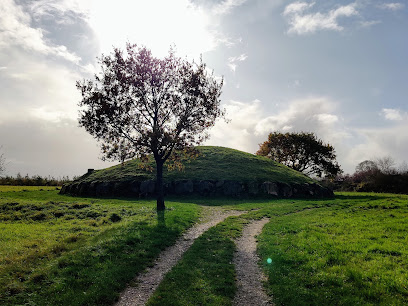
Jættestuen grønhøj
26.3 km
5.000 år gammel jættestue midt i det østjyske kulturlandskab – et stille møde mellem bondestenalderens stenkonstruktioner, skov, marker og Bygholm Sø.
Horsens Tourist Information Centre
29.1 km
Experience the heart of Danish comedy at Odense Comediehuus, where culture and laughter unite in the vibrant city center.
Bilka Horsens
29.2 km
Experience the rich theatrical heritage of Odense at the historic Comediehuus, a cultural landmark since its inception.
Legeparken
29.3 km
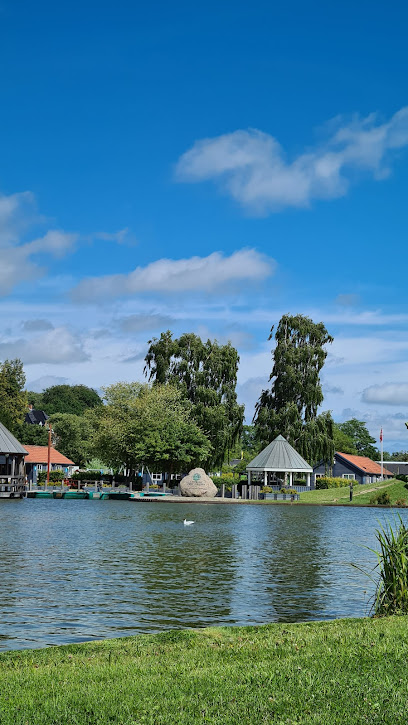
Discover Legeparken in Kolding: A free, year-round playground featuring a lake, boats, moon-cars, and picnic areas for family fun.
The Uncovered Bridge
29.4 km
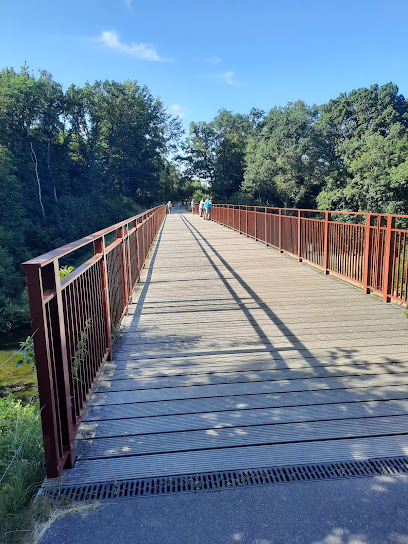
A hidden railway bridge buried for 85 years, spectacularly restored and now one of Denmark's most beloved landmarks.
Fredericia Vold
29.6 km
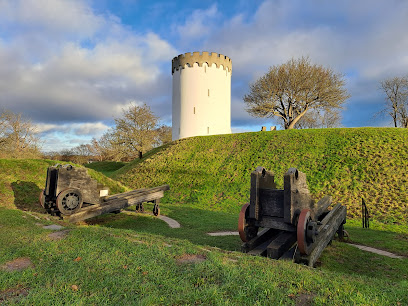
Northern Europe's best-preserved fortress ramparts, where 370 years of Danish military history meets urban parkland.
Koldinghus
29.7 km
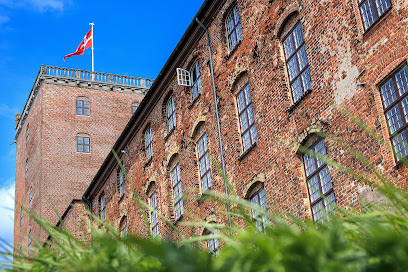
Explore over 750 years of Danish history at Koldinghus, a majestic castle transformed into a dynamic museum showcasing art, architecture, and royal collections in the heart of Kolding.
Saint Nicolas Church
29.8 km
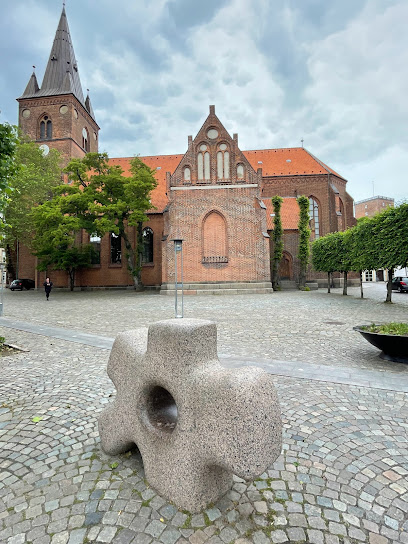
Kolding’s oldest church, where medieval roots, Renaissance artistry, and daily parish life meet under a red-brick neo‑Gothic tower.
Milling Hotel Saxildhus
29.8 km
Neo-Gothic English church set by Copenhagen’s Churchill Park and Kastellet, famed for its stained-glass windows, flint architecture, and tranquil atmosphere.
Kolding St.
29.8 km
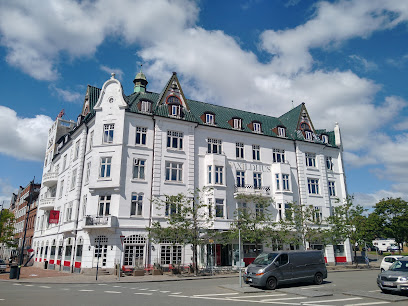
The compact rail and bus hub that delivers you straight into Kolding’s mix of castle-topped history, cobbled streets and fjord-side modern design.
Unmissable attractions to see

Kongernes Jelling
0.1 km
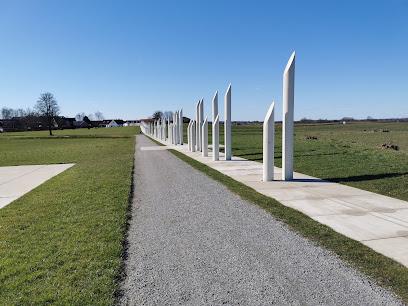
Where Denmark was born: ancient Viking monuments and a thousand-year-old kingdom's legacy.
Haughus Gods, Antik & Kræmmermarked
1.5 km
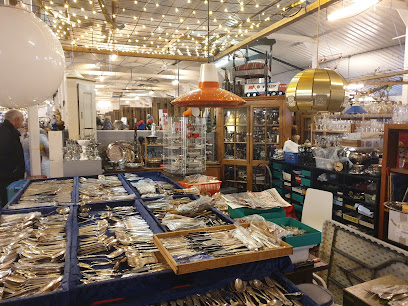
Rural Jutland manor turned weekend treasure market, where antiques, retro finds and a cosy café come together in atmospheric farm buildings and seasonal events.
RAF Mindesten, RAF Memorial
4.7 km
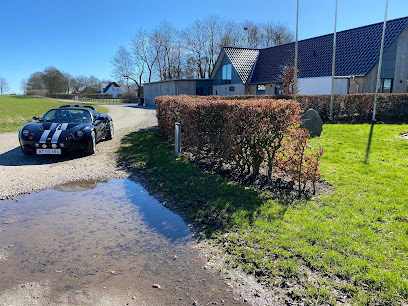
A modest roadside stone in rural Jutland that quietly commemorates a fallen RAF crew and links the peaceful fields near Vejle to the vast air war over Europe.
Stenager Mølle
5.1 km
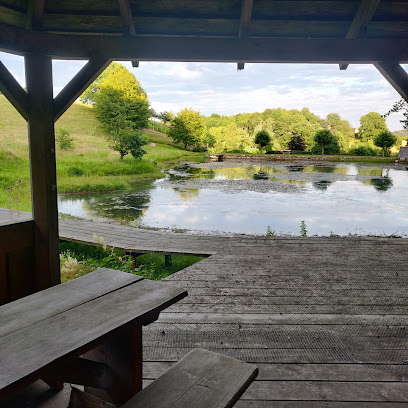
A lovingly preserved 19th‑century brook mill on the edge of Vejle Ådal, where turning waterwheels, old machinery and quiet countryside tell Denmark’s rural story.
Udsigtstårn
5.3 km
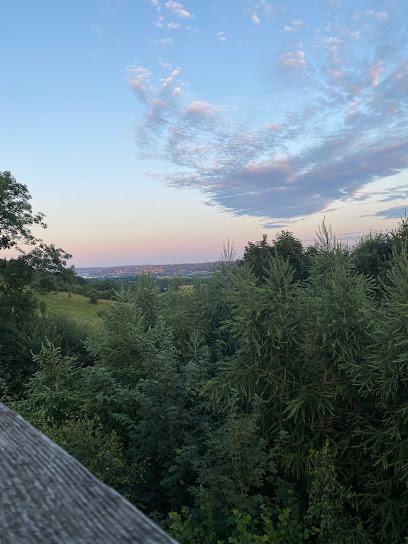
A modest wooden lookout above Østengård with wide, peaceful views over the Vejle River Valley’s forests, meadows and grazed hillsides, just outside Vejle.
Genforeningssten i Skibet
5.9 km
A modest village memorial stone by Skibet Church, quietly marking Denmark’s 1920 Reunification amid the gentle landscape of Vejle Ådal.
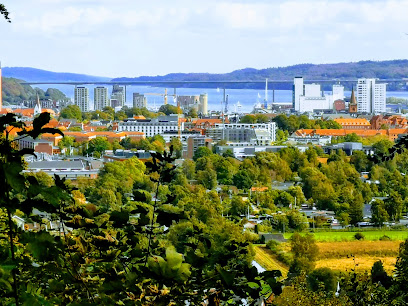
Himmelpind
6.7 km
Steep, wooded hill turned nature reserve, Himmelpind rewards a short climb with wide views over Vejle’s rooftops, river valley and fjord from a tranquil forest clearing.
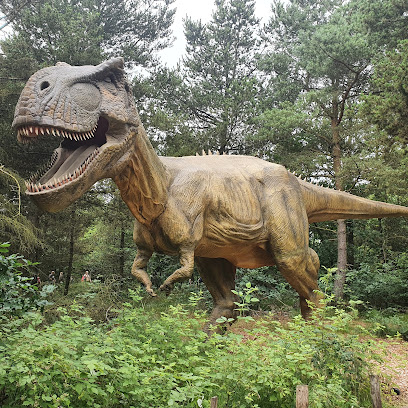
Givskud Zoo Zootopia
7.5 km
Drive-through safari, classic zoo and Denmark’s largest dinosaur park in one spacious, family‑friendly destination in the Jutland countryside.
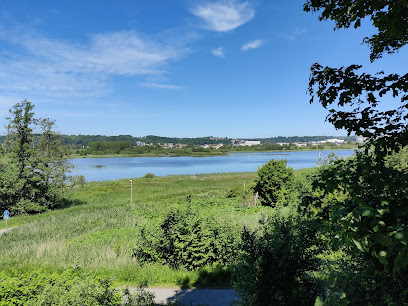
Kongens Kær
7.6 km
A rewilded wetland on Vejle’s edge, where lakes, meadows and birdlife create a tranquil nature escape just a short stroll from the city streets.
Befrielsessten i Vejle
8.0 km
Et stille hjørne af Vejle, hvor en enkel mindesten og et lille grønt anlæg fortæller den store historie om Danmarks befrielse i 1945.
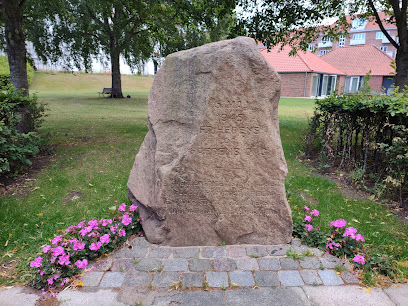
Fugletårn Kongens kær
8.4 km
Hævet over Kongens Kærs søer og våde enge giver fugletårnet ved Vejle en nær, rolig og overraskende vild udsigt til et fuglerigt bynært vådområde.
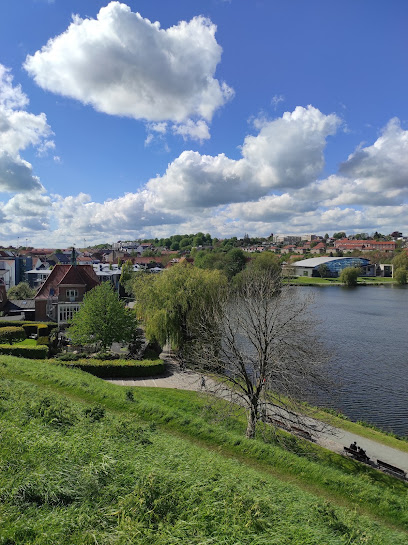
Biblioteksparken
8.4 km
Experience the serene beauty and cultural vibrancy of Biblioteksparken, Vejle's cherished urban oasis.
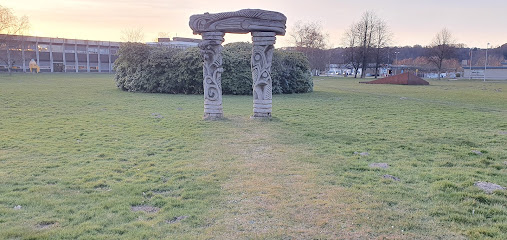
Spinderihallerne
8.4 km
Historic mill reimagined as Vejle's beating heart for art, design, innovation, and creative community.
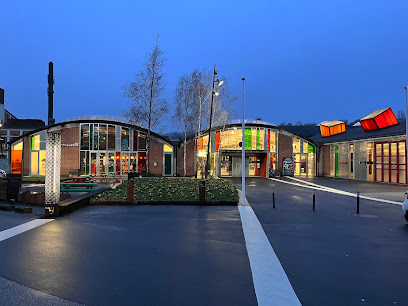
Kulturmuseet
8.4 km
Industrielle spinderihaller forvandlet til et levende museum om Vejles historie – fra moselig og jernalder til natteliv, arbejde og hverdagsliv i dag.
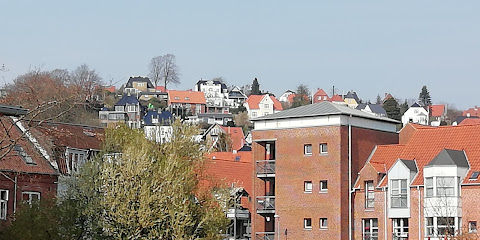
Byparken
8.7 km
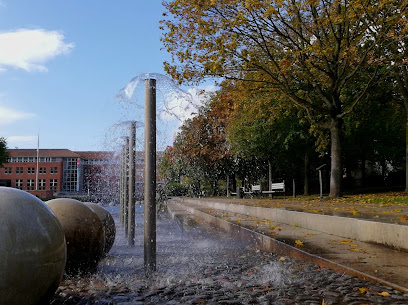
Vejle's cherished urban park: fountains, streams, and tranquil green space in the city heart.
Essential places to dine

Vindelev Kro & Galleri
6.5 km
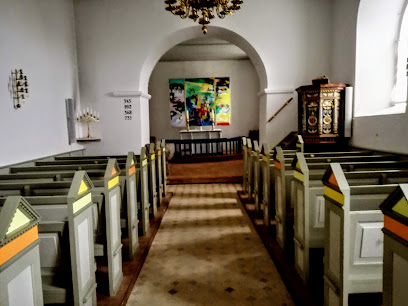
Cosy village inn and intimate gallery where Knud Nielsen’s colourful paintings meet homely Danish fare amid gardens and rural calm near historic Jelling.
Restaurant Shangrila
8.6 km
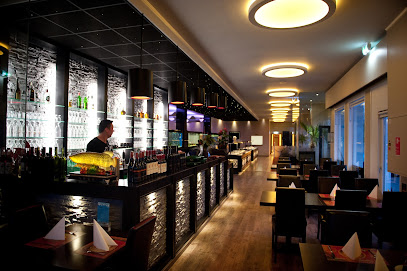
Vejle's expansive Chinese buffet with Mongolian barbecue, sushi, and modern Asian hospitality.
Restaurant Hviid's Vinstue
8.6 km
Family‑run Vejle steakhouse and wine tavern pairing classic Danish and European dishes with cosy, old‑world charm and table‑side flambered steaks.
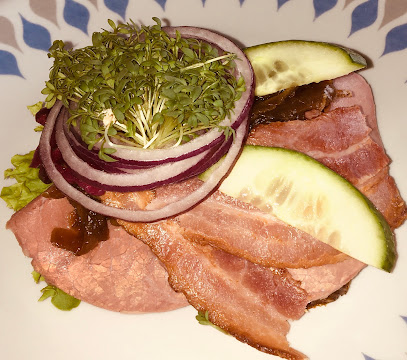
Madkunst v/Jonna Olsen
8.7 km
Artisan sandwiches and fresh smørrebrød in a welcoming Vejle café with genuine local charm.
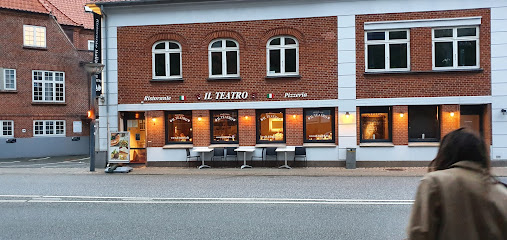
Il Teatro
8.7 km
Family‑run Italian favourite opposite Vejle Music Theatre, serving classic pizzas, homemade pasta and set theatre menus in warm, theatre‑inspired surroundings.
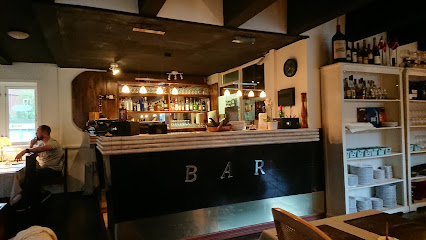
L TORO
8.8 km
Cosy Spanish‑inspired grill restaurant in central Vejle, serving generous, hearty dishes in a warm, rustic dining room ideal for relaxed evenings out.
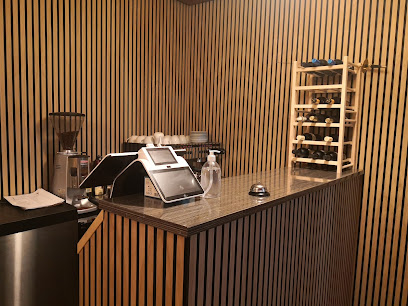
African Kitchen
8.8 km
Cosy African flavours and generous plates in a relaxed Vejle hideaway blending North African spice, Danish comfort and genuinely welcoming hospitality.
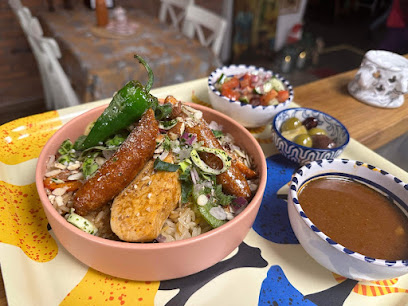
Cocina Latina - Mexicansk spisested
8.8 km
Farverig mexicansk og latinamerikansk comfort food fra bunden midt i Paladspassagen Social Dining i Vejle – uformelt, fleksibelt og fuld af smag.
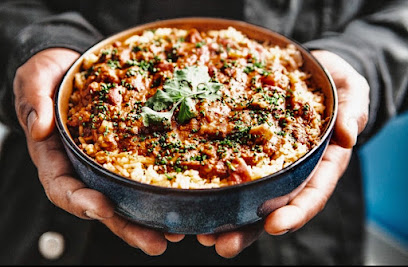
Afro Restaurant
8.8 km
Authentic Ethiopian and Eritrean cuisine in Vejle's vibrant dining scene
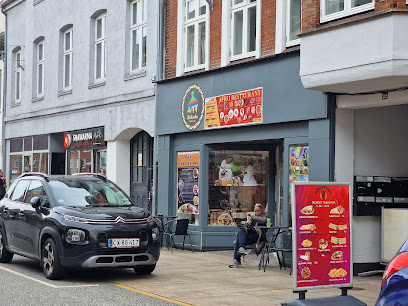
Paladspassagen Social Dining
8.8 km
Multi-cuisine social dining with open kitchens, board games, and retro entertainment under one roof.
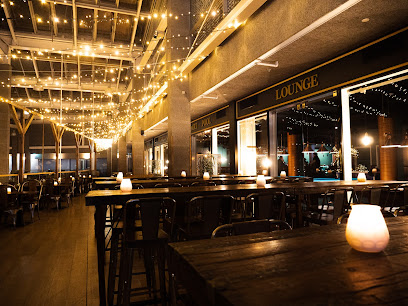
Enzo & C Vejle C
8.8 km
Modern Italian kitchen in the heart of Vejle, serving wood-fired pizzas, hearty pastas and classic comfort dishes in a warm, contemporary setting.
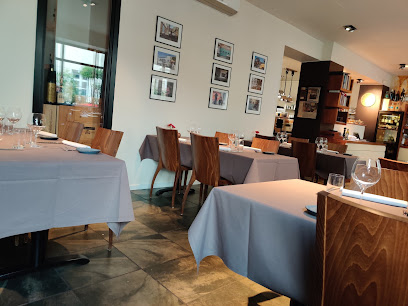
A/S Pse Nr. 2135
8.8 km
Authentic Danish hospitality and traditional cuisine in Vejle's most welcoming neighborhood restaurant.
ONKEL A
8.8 km
Vejle's beloved lunch café serving generous handmade sandwiches, vegan brunches, and seasonal Nordic fare.
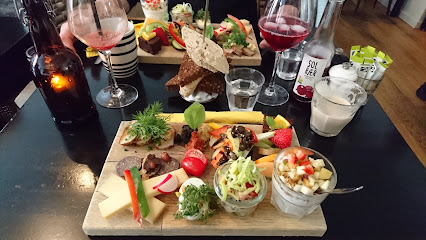
Restaurant PlanB - Tapas Vin & Cocktails
8.8 km
Nordic tapas, curated wines, and craft cocktails in Vejle's most welcoming dining space.
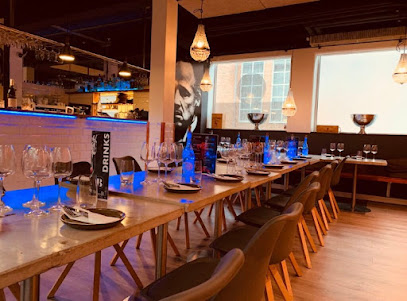
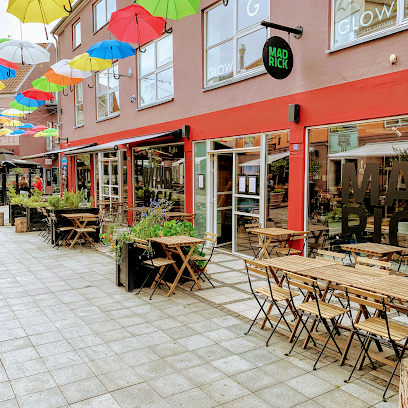
Mad Rick
8.8 km
Modern French–Nordic plates, made from scratch with Danish ingredients, in an intimate Vejle dining room that feels special yet relaxed from lunch through late evening.
Markets, malls and hidden boutiques

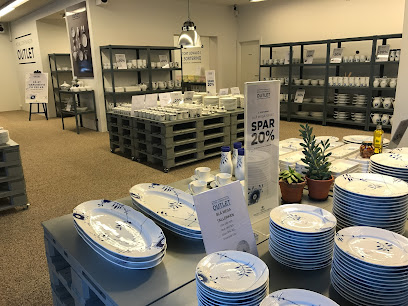
Royal Copenhagen Outlet - Vejle
8.5 km
Authentic hand-painted Danish porcelain at 30% discount—heritage craftsmanship meets accessible luxury.
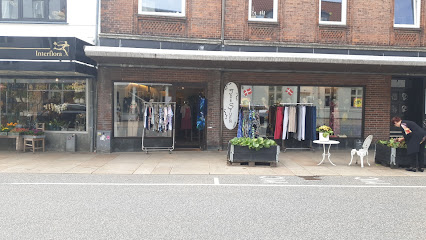
Ide Stuen V/betzy Eykens
8.7 km
A long-running, owner-led clothing shop in central Vejle, Ide Stuen offers classic, comfortable womenswear in an intimate, unhurried setting off Vestergade.
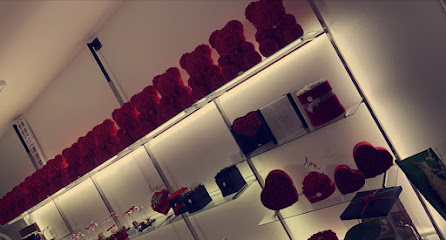
Lavita
8.8 km
A cozy, design-led gift shop in central Vejle, blending Scandinavian hygge, home décor, and easy-to-pack presents in an intimate, welcoming neighborhood setting.
Lavenderland Studio
8.8 km
A calm, design-led children’s clothing studio in central Vejle, offering soft Scandinavian style, curated outfits and thoughtful gifts in an intimate, family-friendly setting.
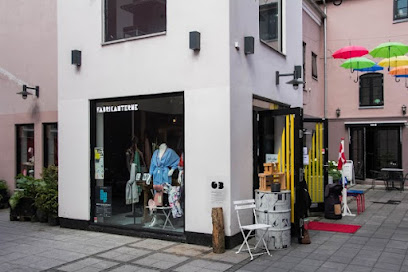
Oscar Butik
8.8 km
Curated Scandinavian fashion in the heart of Vejle's vibrant city center.
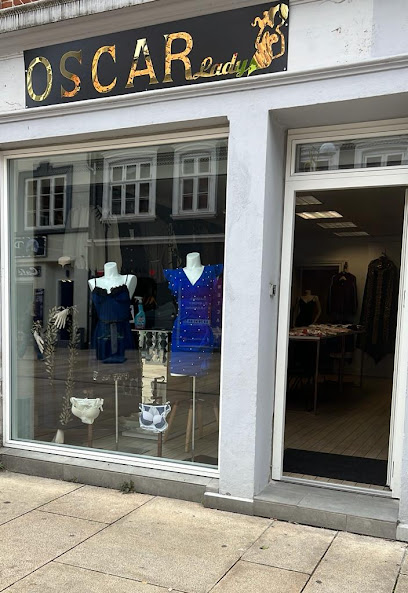
Fabrikanterne
8.8 km
Where Danish designers and makers craft unique, handmade homeware and lifestyle products in a working creative studio.
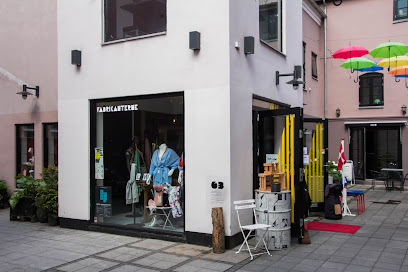
Dark Wolf Gothic & Viking
8.8 km
A compact gothic and Viking haven in central Vejle, blending alternative fashion, Norse-inspired accessories and in-house body art in an intimate, welcoming space.
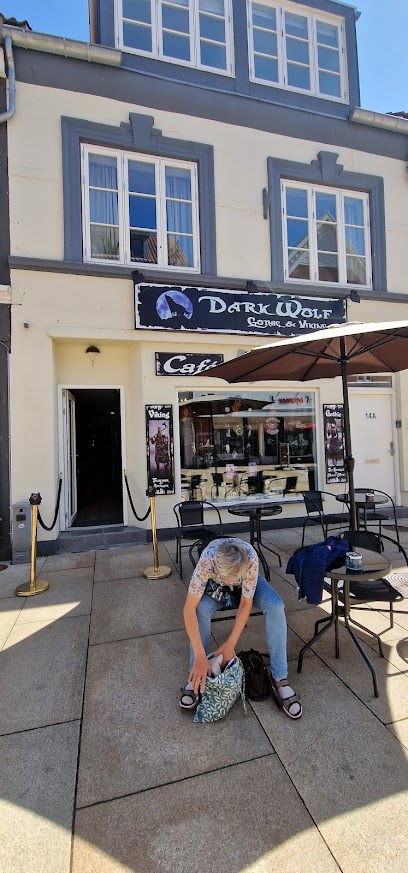
Ny Mundering
8.8 km
A welcoming Scandinavian fashion boutique in Vejle’s Latinerkvarter, combining Danish design, curated labels and personal service in a cozy old-town setting.
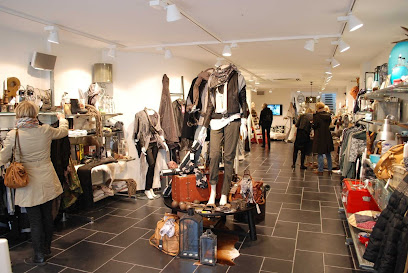
Underground
8.8 km
Compact streetwear and sneaker specialist in Vejle’s central shopping streets, blending skate-inspired labels and everyday urban style in an easygoing setting.
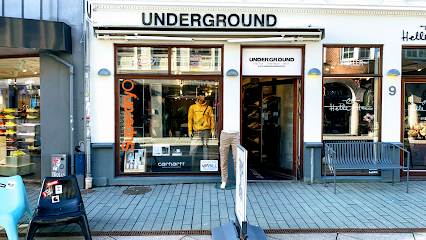
Dansk Tekstil Genbrug - Vejle Butik
8.8 km
Compact, no‑nonsense textile reuse shop in central Vejle, where everyday clothing and fabrics get a practical second life at budget‑friendly prices.

The Body Shop
8.8 km
Compact, cruelty‑free beauty hub on Nørregade in Vejle, packed with nature‑inspired skincare, body treats and ready-to-wrap gifts for quick yet mindful shopping.
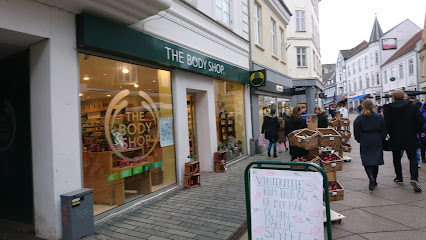
Street One
8.8 km
Casual Northern European womenswear in a compact, easy-to-browse boutique on Vestergade, right in the walkable heart of Vejle’s shopping streets.
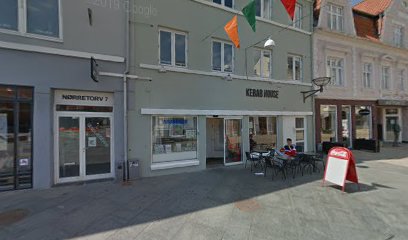
Rosa's Butik
8.8 km
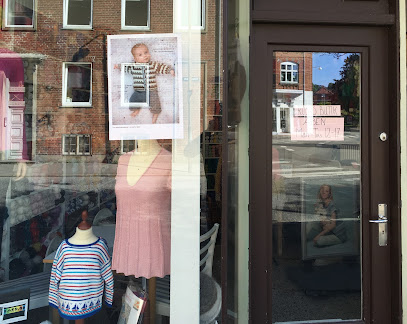
A cosy yarn sanctuary in Paladspassagen, where shelves of colourful Scandinavian fibres and personal advice inspire knitters and crocheters in central Vejle.
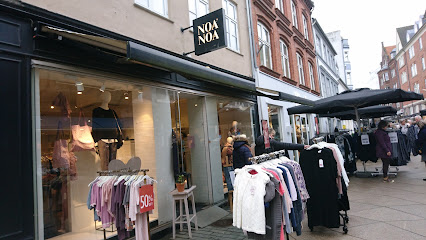
Noa Noa
8.8 km
A calm, Scandinavian fashion boutique in Vejle’s centre, showcasing Noa Noa’s feminine, bohemian-inspired designs in a warm, homely setting on Torvegade.
Only
8.8 km
Central Vejle’s go-to women’s fashion store for trend-focused denim, dresses and everyday styles in a bright, modern high-street setting.

Essential bars & hidden hideouts

Vejle Jazzklub
6.5 km
Volunteer-run village jazz club near Vejle, offering intimate live concerts in a cozy community-style venue surrounded by the fields and quiet of rural Jutland.

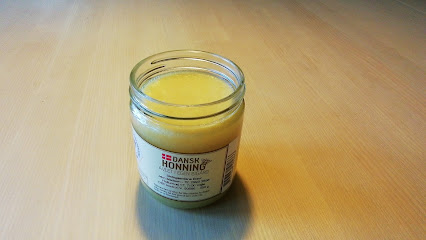
Honning
8.2 km
A modest countryside stand bar on Holtumvej, Honning offers unfussy drinks, rural calm and a relaxed local vibe just beyond Vejle’s town centre.
Granny's Pub
8.3 km
Intimate neighborhood pub on Vesterbrogade in central Vejle, mixing classic bar comfort, cold beers and a laid-back late-night atmosphere.
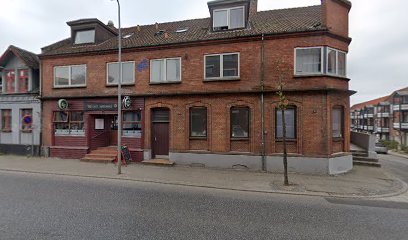
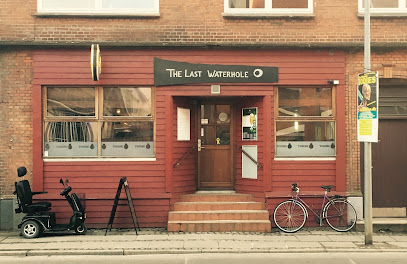
The Last Waterhole
8.3 km
Neighbourly Vejle pub with long hours, inexpensive drinks and a hygge-soaked atmosphere where locals and visitors quickly feel at home.
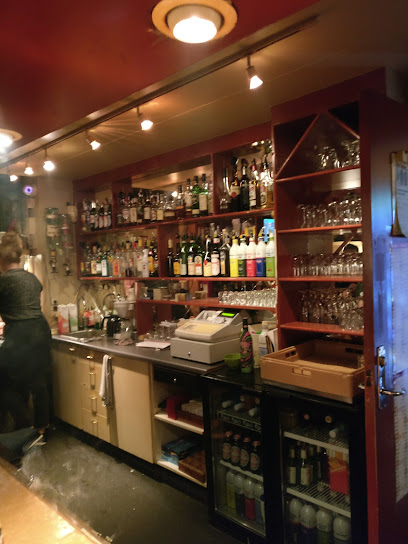
Marys Pub
8.7 km
Cosy, no-frills neighbourhood pub in central Vejle, pouring affordable beers and easygoing Danish hospitality from late morning until late at night.
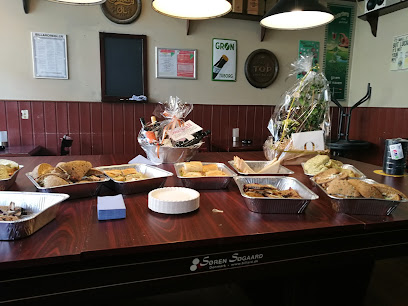
Borgerkroen
8.8 km
A classic Danish neighborhood bar on lively Vestergade in Vejle, serving cold beer, warm conversation and unpretentious pub atmosphere from late morning to midnight.
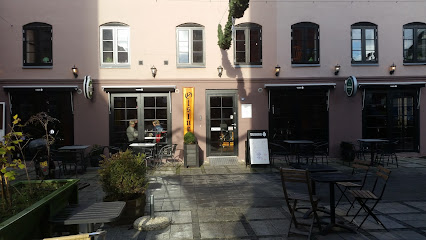
Ølstuen
8.8 km
Authentic Danish pub where locals gather for affordable beer, genuine conversation, and timeless community spirit.
The Cat And Barrel
8.9 km
A warmly lit craft beer pub in central Vejle, blending British-style coziness, Danish microbrews, sports on screen and lively quiz and karaoke nights.
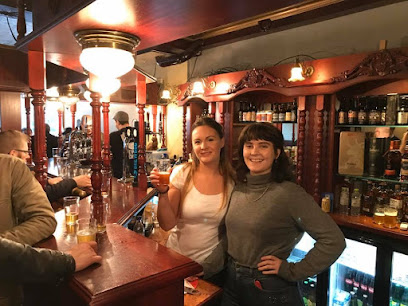
Charly's Pub
9.0 km
Cozy, live-music–driven pub in the heart of Vejle, pouring special beers and cocktails for an adult crowd in a relaxed, late-opening, party-friendly setting.
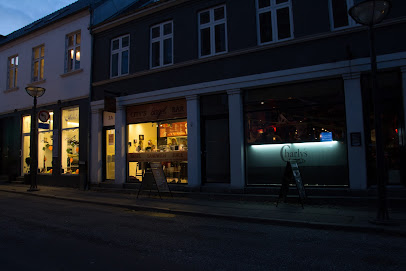
The Old Irish Pub
9.0 km
Lively Irish-themed bar and late-night discotheque bringing music, pints and party vibes to central Vejle’s Dæmningen street.
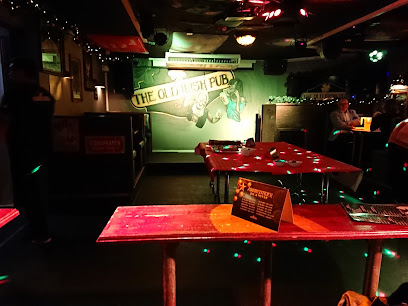
The Knee-high bar
9.0 km
Vejle's beloved underground bar where low ceilings and high spirits create unforgettable nights.
Mi Bar
9.0 km
Vejle's premier cocktail bar crafting quality drinks in a welcoming weekend atmosphere.
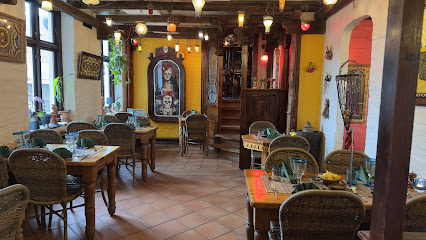
Tartan Pub
9.1 km
Vejle's legendary Scottish pub since 1975—dance, drink, and connect in authentic Celtic charm.
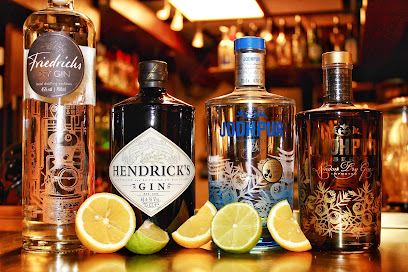
Zwei Grosse Bier Bar Vejle A/S
9.1 km
High-energy Alpine after-ski bar in the heart of Vejle, serving big beers, loud party hits and late-night antics on Dæmningen’s busy nightlife strip.
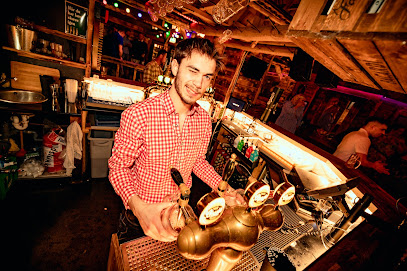
BarMix Vejle
9.1 km
Late‑night energy, chart hits and a mature party crowd in the heart of Vejle’s nightlife strip on Dæmningen.
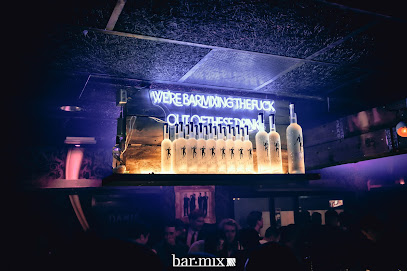
Nightclubs & after hour spots

temabar APS 23-05
9.1 km
Tropical vibes and late-night dancing in Vejle's energetic weekend hotspot.
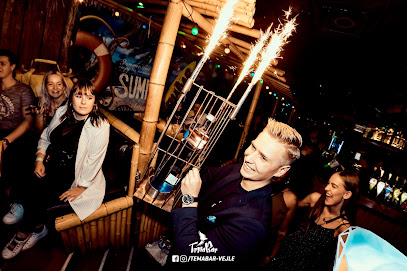
NOX Network Ltd.
13.2 km
Small-city Danish nightclub in Vejle with a central dance floor, upbeat chart music, and a straightforward, late-night party atmosphere.
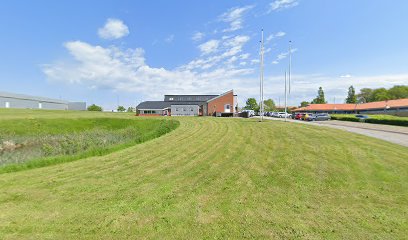
Tucan Swinger & wellness Club
22.4 km
Adults-only swinger and wellness retreat in rural Jutland, blending erotic exploration, spa comforts and themed rooms in a discreet, rules-based environment.
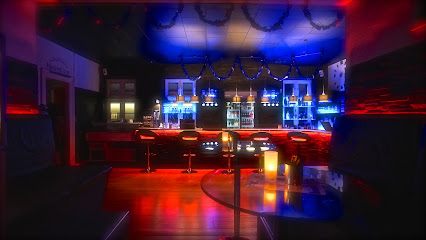
Horsens New Style Dance Club
24.3 km
Horsens' premier line dancing venue where beginners and advanced dancers unite in movement and community.
PDD
28.3 km
Compact, no-frills nightclub on Lindvigsvej in Horsens, offering late-night dancing, simple drinks and an intimate, local-party atmosphere on weekends.
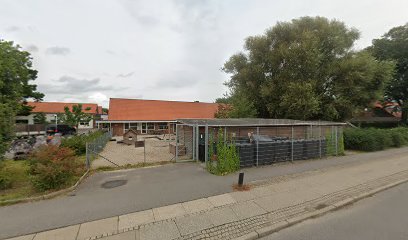
Oskar hossman
29.1 km
Compact, high-energy nightclub in central Horsens, where pulsing beats, colourful lights and a sociable crowd define the city’s after-hours heartbeat.
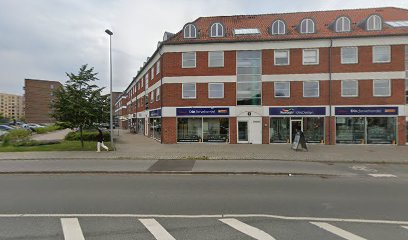
Sölibat Natklub
29.2 km
Late-night, no-frills clubbing in central Horsens, where loud music, simple drinks and a compact dance floor create an unapologetically local party vibe.
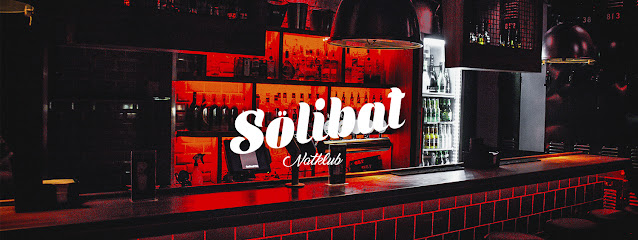
Scandic Opus Horsens
29.7 km
A contemporary Scandinavian hotel in Horsens with spa, dining, and panoramic city-to-nature views—an elegant gateway to both urban and outdoor experiences.
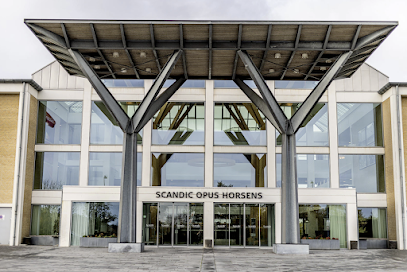
Koldingtivet Engen
29.7 km
Compact Kolding disco where locals pack the dance floor, mainstream hits fill the speakers and late-night energy turns a modest venue into a full-bodied club night.
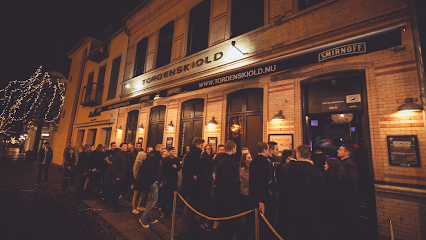
Discoteque Tordenskiold
29.8 km
Kolding's legendary two-floor discotheque and cultural institution since 1973.
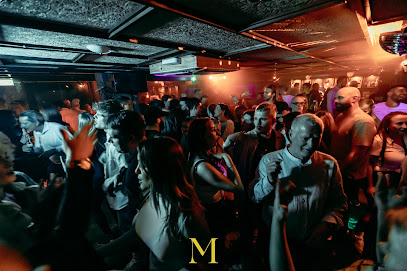
Mørks Kælder
29.8 km
Modern basement nightclub in central Kolding, pouring drinks and classic dance tunes for a grown-up crowd late into the weekend night.
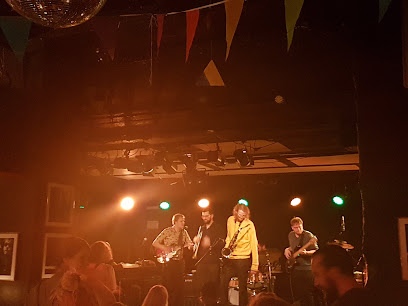
Pitstop
29.8 km
Small, central and loud, Pitstop is Kolding’s alternative live music stronghold, blending intimate gigs, late-night dancing and laid-back bar vibes in a historic building.
AHA Livestage
30.1 km
Intimate live music and cocktail-driven nightlife in the heart of Fredericia, where high-quality sound and curated events turn selected evenings into standout parties.
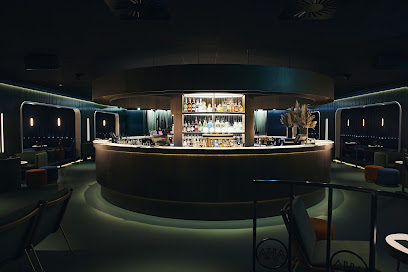
Liglad Day & Nightlife
30.6 km
Compact late-night club on Grindsted’s main street, mixing local vibes, DJs and simple drinks for weekend nights that run into the early hours.
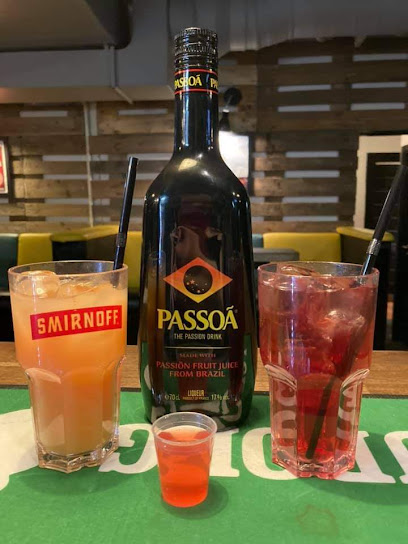
Fishi
31.5 km
Compact, no-frills nightclub in Vejen with loud beats, simple drinks and a friendly small-town crowd that keeps the dance floor moving late into the night.
For the vibe & atmosphere seeker
- Tranquil
- Scenic
- Unique
- Casual
For the design and aesthetic lover
- Minimalist Designs
- Rustic Designs
For the architecture buff
- Historic
- Sacred Sites
- Landmarks
- Heritage Neighborhoods
- Parks & Gardens
- Viewpoints
For the view chaser and sunset hunter
- Iconic Views
- Panoramas
- Sunrise Spots
- Sunset Spots
For the social media creator & influencer
- Photo Spots
- Selfie Spots
- Architectural Shots
- Instagrammable
- Reel-Friendly
For the eco-conscious traveler
- Protected Area
- Locally Managed
- Public-Transport Accessible
- Low Impact
For the kind of experience you’re after
- Cultural Heritage
- Photowalk
- Mindfulness
- Day Trip
- Roadtrip Stop
- Myth & Legends
- Adventure Photo Shoot
For how adventurous you want the journey to be
- Easy Access
Location Audience
- Family Friendly
- Senior Friendly
- Child Friendly
- Teen Friendly
- Solo Friendly
- Couple Friendly
- Solo Female Friendly
- LGBT Friendly
- Business Friendly


