Background

Helsingør Havne – Elsinore’s Twin Harbours

Twin harbours beneath Kronborg Castle, where ferries, yachts and culture share a historic waterfront on the narrow Øresund Strait between Denmark and Sweden.

4.3

Helsingør Havne brings together Elsinore’s busy commercial port, cruise quay and expansive Nordhavn marina right on the Øresund Strait, facing Sweden. With Kronborg Castle and the historic old town as near neighbours, this waterfront area blends working harbour life with culture, sculptures, museums and family‑friendly facilities. Yachts, ferries and cruise ships share the scene with promenades, play areas and easy access to Elsinore’s major attractions.

A brief summary to Helsingør Havne

  • Nordhavnsvej 13, Helsingør, 3000, DK
  • +4549281080
  • Visit website
  • Duration: 1.5 to 4 hours
  • Free
  • Environment icon Outdoor
  • Mobile reception: 5 out of 5

Local tips

  • Allow extra time to walk the full length of the waterfront from Nordhavn marina to the castle side quays; the character of the harbour shifts noticeably along the route.
  • Bring a windproof layer even in summer, as breezes over the Øresund can feel cool when you are out on the exposed piers.
  • If you are travelling with children, look for the outdoor water‑laboratory aquarium and nearby playground, which make easy stops between more formal sights.
  • Photographers should aim for early morning or late evening, when the low light catches Kronborg’s walls and the polished sculptures along the quay.
  • Combine your harbour stroll with visits to Kronborg Castle and the National Maritime Museum, both directly adjacent and accessible on foot.
widget icon

Getting There

  • Train and short walk from Copenhagen

    From Copenhagen Central Station, take a regional train towards Helsingør; departures are frequent throughout the day and the journey takes about 45–50 minutes. A standard adult ticket typically costs around 90–120 DKK each way in standard class. At Helsingør Station, the harbour is directly adjacent: expect a level walk of roughly 5–10 minutes through the town’s waterfront area, suitable for wheeled luggage and mobility scooters.

  • Local bus within Helsingør

    If you are staying in the outskirts of Helsingør or nearby suburbs, use local Movia buses heading towards the central station and harbour area; typical journey times range from 10 to 25 minutes depending on the route. A single adult ticket on local buses usually costs about 24–36 DKK, with tickets purchasable via ticket machines or transport apps. Most buses have low floors, making them practical for travellers with limited mobility.

  • Car or taxi from North Zealand

    Arriving by car from other parts of North Zealand, travel time to Helsingør is usually 20–45 minutes via main regional roads, depending on starting point and traffic. Public parking is available in and around the town centre and near the waterfront, often metered during daytime hours with hourly rates commonly in the 10–25 DKK range. Taxis from nearby coastal towns such as Hornbæk or Hillerød tend to cost from 250–500 DKK depending on distance and time of day.

  • Ferry from Helsingborg, Sweden

    From Helsingborg, board the car and passenger ferry across the Øresund; crossings are frequent and the sailing time is about 20 minutes. Foot passengers generally pay from around 50–100 DKK each way, while vehicles incur higher tariffs depending on size and time. On arrival in Helsingør, the ferry terminal opens directly onto the harbour area, so you can walk out onto the quays within a few minutes without additional transport.

Helsingør Havne location weather suitability

  • Weather icon Any Weather
  • Weather icon Clear Skies
  • Weather icon Windy Conditions
  • Weather icon Mild Temperatures
  • Weather icon Cold Weather
  • Weather icon Hot Weather

Unlock the Best of Helsingør Havne

Buy tickets

    No tickets available

Book tours with entry

    No tours available

Book tours without entry

    No tours available

Discover more about Helsingør Havne

Harbour at the Narrow Gate of Øresund

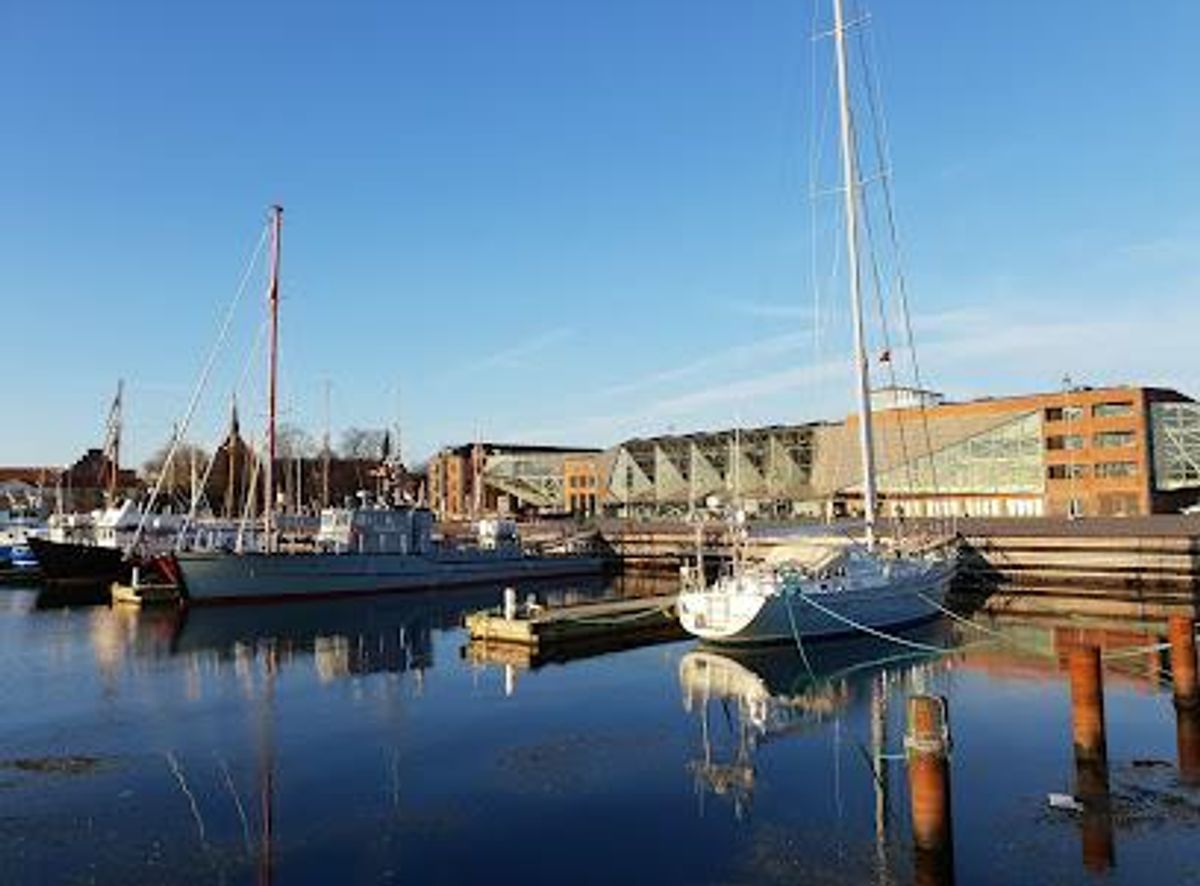
Helsingør Havne occupies a prime position on Denmark’s northeast coast, where the Øresund Strait narrows to just a few kilometres opposite the Swedish town of Helsingborg. Here, the water is rarely quiet; ferries shuttle back and forth, cargo vessels and cruise ships slide past, and leisure boats crisscross one of the world’s busiest sea lanes. The harbours stretch from the culture‑focused Helsingør Havn to the extensive Helsingør Nordhavn marina, together forming a unified waterfront district. The setting is unmistakably maritime. Masts and funnels punctuate the skyline, the clang of rigging and hum of engines drift across the quays, and seabirds wheel overhead. Yet this is not an industrial backwater: the city’s historic core and the ramparts of Kronborg Castle sit just behind the harbour, so centuries of seafaring history feel present in every direction.

Nordhavn Marina and Everyday Waterfront Life

To the north, Helsingør Nordhavn serves as one of Denmark’s largest marinas, with around a thousand berths accommodating everything from local dinghies to substantial cruising yachts. Long piers project into the basin, creating sheltered moorings and a maze of walkways where you can wander among boats flying flags from across Scandinavia and beyond. Green marker signs indicate guest berths, reflecting the harbour’s role as a welcoming stop for visiting sailors. Shore facilities give the marina a lived‑in, practical character. There are slipways, cranes, fuel pumps and marine workshops alongside a chandlery and small service buildings. Between them, you find playground equipment, picnic corners and informal grilling spots that underline the harbour’s social side. For families, a bouncy pillow, play areas and a small beach at nearby Greenhavens Strand turn the waterfront into an easygoing day out.

Culture Harbour and Modern Seaside Architecture

South of the marina, the main port area has evolved into a culture‑rich waterfront sometimes described collectively as Kulturhavn Kronborg. Around the former shipyard basins, contemporary architecture and bold public art sit alongside preserved industrial structures. The National Maritime Museum is built ingeniously around a preserved dry dock, sunken below ground level so that views of Kronborg Castle remain unobstructed above. On the quays you encounter striking sculptures, including the polished‑steel figure “Han”, often called the Little Merman, gazing out towards the water as a contemporary counterpart to Copenhagen’s famous mermaid. Wide promenades encourage slow strolling along the edge of the harbour, where you can pause on benches to watch vintage vessels, pilot boats and ferries moving continuously through the channel.

Kronborg’s Silhouette and Stories of Seafaring

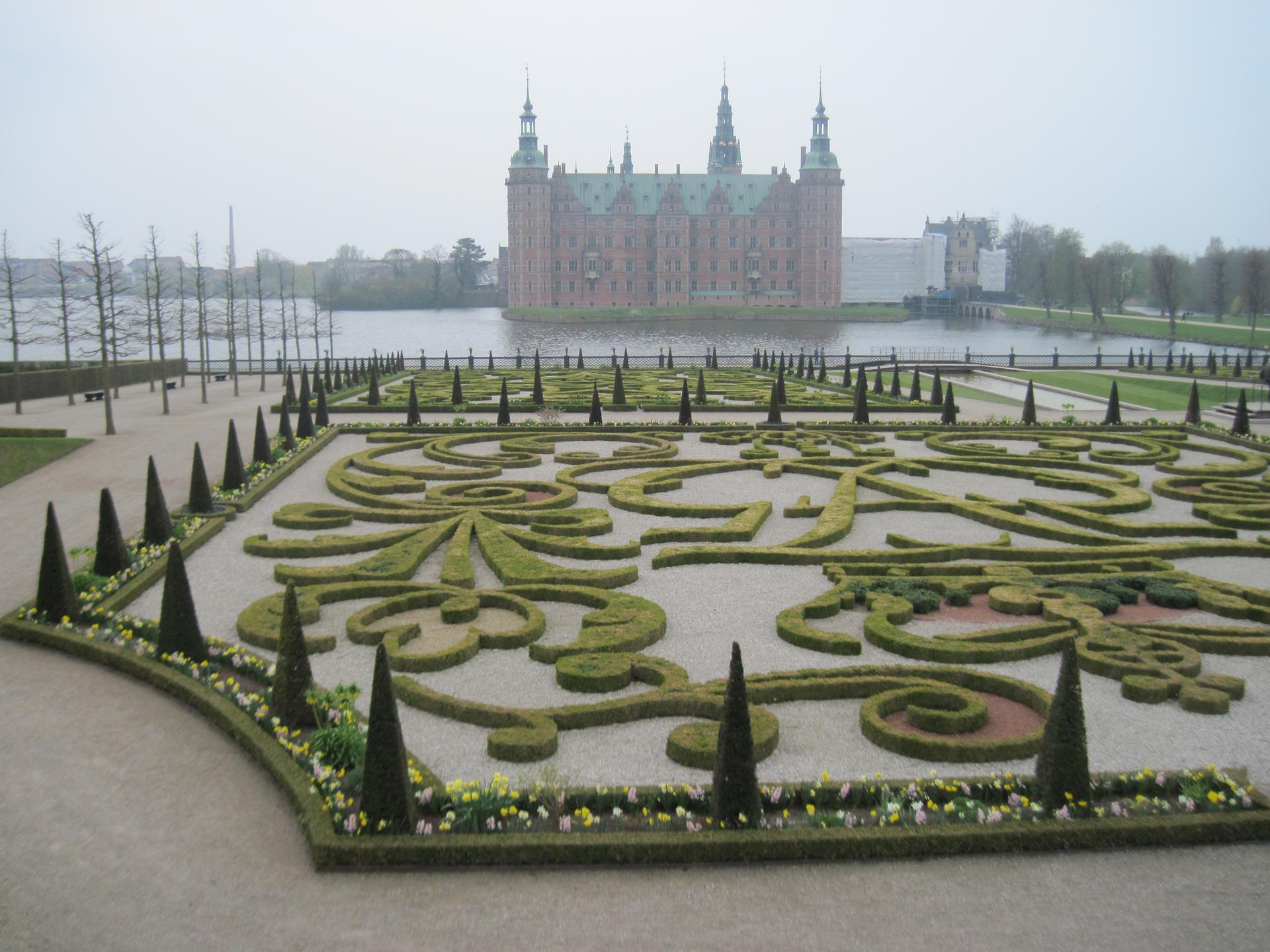
The defining landmark of Helsingør Havne is Kronborg Castle, whose towers and bastions rise directly behind the port. Historically, this fortress controlled passage into the Baltic; ships once stopped here to pay tolls, filling the harbour with international traffic and turning Helsingør into a prosperous trading town. Today those tolls are gone, but the sense of strategic importance lingers as large ships still navigate close to the shoreline. From many points along the harbour you enjoy unbroken views across the sound to Sweden. In clear weather, the pastel facades of Helsingborg form a distant backdrop, and the steady movement of ferries stitches the two shores together. Standing on the pier with the castle on one side and open water on the other, it is easy to imagine sailors, merchants and travellers who have passed this way over the centuries.

Visitor Experience Along the Quays

For travellers on foot, Helsingør Havne offers a compact area with plenty to explore in a few hours. You can wander from the Nordhavn marina down towards the cruise quay without ever losing sight of the sea. Along the way, informal seating spots invite you to linger with an ice cream or coffee from nearby kiosks and cafés, while information boards and museum entrances hint at deeper stories beneath the surface. Children gravitate towards the outdoor “water laboratory” aquarium, where shallow tanks let them peer at crabs and flatfish from the Øresund. In summer, locals swim from designated piers, and the sound of splashing and laughter mixes with the mechanical rhythm of boat engines. On grey or windy days the mood shifts but remains compelling, with waves slapping against the harbour wall and the castle emerging atmospherically through low clouds.

Seasons, Weather and the Changing Light

The character of Helsingør Havne changes with the seasons. In high summer the quays feel almost festive, with yachts jostling for berths, outdoor tables spilling onto the waterfront and long Nordic evenings stretching golden light across the water. In spring and autumn, cooler air and fewer boats create a calmer atmosphere that suits unhurried walks and photography. Winter is quieter but far from empty. Ferries and working vessels continue their routines, and on crisp, clear days the low sun casts dramatic shadows across bastions, cranes and sculptures. Whatever the time of year, the combination of working harbour, cultural institutions and historic backdrop makes Helsingør Havne a rewarding point to pause, observe and absorb the maritime spirit of this corner of Denmark.

Busiest months of the year

Busiest hours of the day

Popular Experiences near Helsingør Havne

Popular Hotels near Helsingør Havne

Select Currency