

Hornbæk, Denmark Travel Guide
Discover Hornbæk, Denmark's coastal jewel, with its sandy beaches, lush forests, and vibrant cultural scene, offering a serene and enriching getaway.
Nestled along the northern coast of Zealand, Hornbæk is a charming beach town that captures the essence of Denmark's serene coastal life. Known for its white sandy beaches and crystal-clear waters, Hornbæk offers a perfect escape from the bustling city life. The town has a rich history, with its roots as a fishing village still evident in its quaint harbor filled with colorful boats. Hornbæk is not just about its beaches; the town is surrounded by lush forests and scenic trails that invite exploration. Whether you enjoy a leisurely walk or prefer cycling, the paths around Hornbæk provide stunning views of the landscape. The town itself is dotted with charming boutiques and cafes, offering a taste of local Danish culture and cuisine. Art and design enthusiasts will find delight in Hornbæk's vibrant creative scene. Local galleries showcase pieces from both established and emerging artists, reflecting the town's artistic spirit. As you stroll through the streets, you'll also notice the unique architecture, a blend of traditional Danish designs with modern touches. In summer, Hornbæk transforms into a lively hub of cultural events and festivals, attracting visitors from all over. From music festivals to art exhibitions, there's always something happening to enrich your visit. Despite its popularity, Hornbæk manages to maintain a laid-back and welcoming atmosphere, making it a beloved destination for both locals and tourists alike.

Know before you go
Hi, I'm Eve. Here are a few practical things to know before exploring Hornbæk.
- Visit during summer to experience local festivals and events.
- Explore the local boutiques for unique Danish crafts.
- Rent a bike to enjoy scenic trails around the town.
- Try the fresh seafood at the harbor's restaurants.
- Check out the local art galleries for a taste of Danish creativity.
Explore Hornbæk: Things to Do, Places to Eat, Hotels & More
Handpicked recommendations for top attractions, local dining, accommodations, and more

Best attractions in Hornbæk
Top-rated picks
Best Attractions

Hornbæk Havn
Hornbæk Havn blends fishing-village heritage with North Zealand’s beach-town glamour—seafood, sailboats, dunes and sunset strolls on Denmark’s ‘Nordic Riviera’.

Rudolph Tegners Museum and Statue Park
Rudolph Tegners Museum & Statuepark in Dronningmølle: a stark concrete art temple in protected heathland, where monumental sculptures stand under open Nordic skies.

Det Fedtede Hjørne
Hornbæk’s iconic “Greasy Corner” reborn as a beachside street-food courtyard—fish & chips, global stalls, cocktails and communal tables steps from the sand.
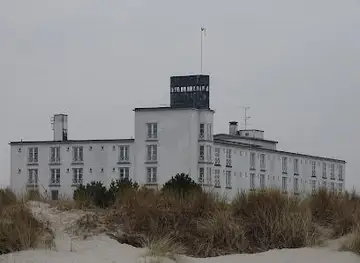
Hornbaek beach
Hornbæk Strand is North Zealand’s classic wide-sand beach: dune-backed swims, harbour-side charm, and an easy day trip that feels like a seaside holiday.

Best landmarks in Hornbæk
Top-rated picks
Best Landmarks

Hornbæk Kirke
Explore Hornbæk’s 1737 village church—whitewashed calm, Eckersberg’s 1838 altarpiece, and coastal history shaped by storms, sand drift, and seafaring life.

Memorial stone for Holger Drachmann
A harbourside pause in Hornbæk: a bronze relief and signature on a natural stone commemorating poet-painter Holger Drachmann, framed by sea air and boats.

Best restaurants in Hornbæk
Top-rated picks
Best Restaurants

Det Fedtede Hjørne
Det Fedtede Hjørne in Hornbæk is a sunny, social street-food courtyard where beach days turn into tacos, fish & chips and cold beers at shared tables.

Hotel Bretagne
A lakeside “badehotel” in Hornbæk, pairing Danish Riviera beach-town energy with panoramic dining views over Hornbæk Sø and soft Øresund light.

Albi's
Albi’s in Hornbæk is a beach-road café stop for espresso, light bites and a breezy North Zealand rhythm—ideal before or after a seaside walk.

Bagt
Bagt in Hornbæk is the essential seaside bakery stop—fresh Danish pastries, bread and coffee that fit perfectly between dunes, swims and summer strolls.


Best shops in Hornbæk
Top-rated picks
Best Shops

SuperBrugsen
Stock up like a local in Hornbæk—beach-picnic groceries, everyday essentials, and easy provisions on Nordre Strandvej for summer-house days.

REMA 1000
Stock up for Hornbæk beach days: Danish picnic staples, cold drinks, and self-catering essentials in an easy, local discount supermarket stop.
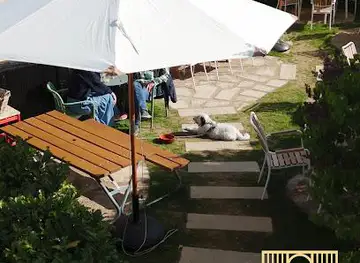
Albi's
A Hornbæk café-and-winebar favorite for ethical coffee, sourdough breakfasts, and house-made cakes—an easy hygge stop between village strolls and dunes.

Netto
Your Hornbæk beach-day stock-up: a fast, budget-friendly Danish supermarket stop for picnic staples, cottage groceries and everyday essentials.

Explore Hornbæk on the Map
A handpicked selection of must-see spots in Hornbæk, mapped for you.
Hornbæk Essentials
-
Hornbæk is located on the north coast of the island of Zealand, Denmark, approximately 50 kilometers from Copenhagen. The most convenient way to reach Hornbæk is by train from Copenhagen. Trains run frequently to Helsingør, where you can transfer to a local train to Hornbæk. The journey takes about 1.5 hours in total. Alternatively, you can drive to Hornbæk via the E47 motorway, which also takes about an hour.
-
Hornbæk is a small town, and most attractions are within walking distance. Bicycles are a popular mode of transportation, and rentals are available locally. For travel beyond Hornbæk, local trains and buses provide connections to nearby towns and cities. Taxis are available but can be expensive, so public transport is recommended for longer trips.
-
The official currency in Denmark is the Danish Krone (DKK). Credit and debit cards are widely accepted in Hornbæk, including in shops, restaurants, and hotels. ATMs are available in the town center. It is advisable to carry some cash for small purchases or in places that might not accept cards.
-
Hornbæk is generally a safe destination for tourists, with low crime rates. However, basic precautions should be taken, such as keeping an eye on personal belongings in crowded areas and avoiding poorly lit areas at night. There are no specific neighborhoods known for targeting tourists.
-
In case of emergency, dial 112 for immediate assistance in Denmark. Hornbæk has a local health clinic and a pharmacy for medical needs. For serious medical emergencies, the nearest hospital is in Helsingør. Ensure you have travel insurance that covers emergencies.
-
Fashion: Do dress casually and comfortably, but avoid overly revealing clothing. Religion: Do respect local customs; although Denmark is largely secular, some people may appreciate modest dress in religious sites. Public Transport: Do respect personal space and keep your voice down. Don't eat on public transport. Greetings: Do shake hands when greeting someone new. Eating & Drinking: Do try local seafood specialties. Don't tip excessively; service charges are usually included.
-
To experience Hornbæk like a local, visit the weekly market in the town center for fresh produce and local goods. Spend a day at Hornbæk Beach, popular among locals for its sandy shores and calm waters. Try to explore the surrounding nature trails and enjoy the scenic views of the Danish coastline. Engage with locals at cafes and restaurants, as they are usually friendly and proud to share insights about their town.
When is the best time to visit Hornbæk?
Useful Local Phrases for Hornbæk
You don't need to speak the language perfectly. Even learning a few simple words can make conversations warmer—and locals usually appreciate the effort.
— Eve

Here are the phrases I use most often in Hornbæk. Try a few—you'll be surprised how far they go! 😊
❤️
-
- HelloHej
[hay] - GoodbyeFarvel
[fare-vel] - YesJa
[yah] - NoNej
[nai] - Please/You're welcomeVær så venlig
[vair so ven-lee] - Thank youTak
[tahk] - Excuse me/SorryUndskyld
[oon-skuld] - How are you?Hvordan har du det?
[vor-den har do deh] - Fine. And you?Fint. Og dig?
[feent. oh dai?] - Do you speak English?Taler du engelsk?
[tay-ler doo eng-elsk?] - I don't understandJeg forstår ikke
[yai for-stor ig-keh]
- HelloHej
-
- I'd like to see the menu, pleaseJeg vil gerne se menuen, tak
[yai vil gar-ne se menu-en, tahk] - I don't eat meatJeg spiser ikke kød
[yai spee-ser ig-keh kød] - Cheers!Skål!
[skawl] - I would like to pay, pleaseJeg vil gerne betale, tak
[yai vil gar-ne be-ta-leh, tahk]
- I'd like to see the menu, pleaseJeg vil gerne se menuen, tak
-
- Help!Hjælp!
[yelp] - Go away!Gå væk!
[gaw vek] - Call the Police!Ring til politiet!
[ring til po-li-ti-et] - Call a doctor!Ring efter en læge!
[ring ef-ter en lay-eh] - I'm lostJeg er faret vild
[yai er fah-ret vil] - I'm illJeg er syg
[yai er sueg]
- Help!Hjælp!
-
- I'd like to buy...Jeg vil gerne købe...
[yai vil gar-ne kue-beh...] - I'm just lookingJeg kigger bare
[yai kee-ger bar-eh] - How much is it?Hvor meget koster det?
[vor my-ed cos-ter deh] - That's too expensiveDet er for dyrt
[deh er for dyert] - Can you lower the price?Kan du sænke prisen?
[kan doo sen-keh pree-sen?]
- I'd like to buy...Jeg vil gerne købe...
-
- What time is it?Hvad tid er det?
[vahd tid er deh] - It's one o'clockKlokken er et
[klok-ken er et] - Half past (10)Halv (10)
[halv (10)] - MorningMorgen
[mor-en] - AfternoonEftermiddag
[ef-ter-mid-dag] - EveningAften
[af-ten] - YesterdayI går
[ee gor] - TodayI dag
[ee dai] - TomorrowI morgen
[ee mor-en] - 11
[1] - 22
[2] - 33
[3] - 44
[4] - 55
[5] - 66
[6] - 77
[7] - 88
[8] - 99
[9] - 1010
[10]
- What time is it?Hvad tid er det?
-
- Where's a/the...?Hvor er en/den...?
[vor er en/den...?] - What's the address?Hvad er adressen?
[vahd er a-dres-sen?] - Can you show me (on the map)?Kan du vise mig (på kortet)?
[kan doo vee-seh mai (po kortet)?] - When's the next (bus)?Hvornår går den næste (bus)?
[vor-nor gor den neste (bus)?] - A ticket (to ....)En billet (til ....)
[en bi-let (til ....)]
- Where's a/the...?Hvor er en/den...?
History of Hornbæk
-
Hornbæk, a picturesque coastal town in Denmark, traces its origins back to the Viking Age. The town's name is derived from the Old Norse words 'horn' meaning 'corner' and 'bæk' meaning 'stream', highlighting its geographical features. Early settlers were primarily fishermen, taking advantage of the rich waters of the Kattegat Sea.
-
In the 16th and 17th centuries, Hornbæk's economy flourished due to its thriving fishing industry. The town became well-known for its herring trade, attracting merchants and traders from across Denmark and beyond. This period saw the construction of numerous fishing cottages, some of which still stand today, preserving the town's maritime heritage.
-
By the late 19th century, Hornbæk had transformed from a humble fishing village into a popular seaside resort. The advent of the railway made the town more accessible, drawing tourists from Copenhagen and other parts of Denmark. This era marked the construction of charming summer villas and guesthouses, many of which continue to accommodate visitors seeking leisure and relaxation by the sea.
-
During World War II, Hornbæk, like much of Denmark, was under German occupation. The town's strategic location along the coast made it significant for military operations. After the war, Hornbæk experienced a period of reconstruction and growth, gradually re-establishing itself as a peaceful retreat for both residents and tourists.
-
In the latter half of the 20th century, Hornbæk became known as a cultural and artistic hub. The town attracted artists, writers, and musicians, inspired by its natural beauty and tranquil atmosphere. This artistic legacy is celebrated through various cultural events and festivals, contributing to Hornbæk's vibrant community life.
-
Today, Hornbæk is a harmonious blend of historical charm and modern amenities. The town remains a favored destination for both domestic and international tourists, offering a wealth of outdoor activities, cultural experiences, and culinary delights. Hornbæk's commitment to preserving its rich history while embracing contemporary developments makes it a unique and compelling place to explore.
Cities near Hornbæk
The closest cities to Hornbæk, if you have time for more than one stop.

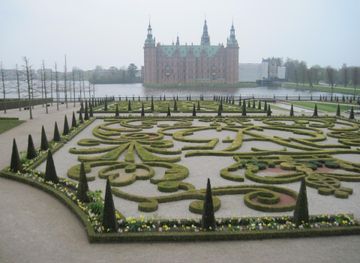


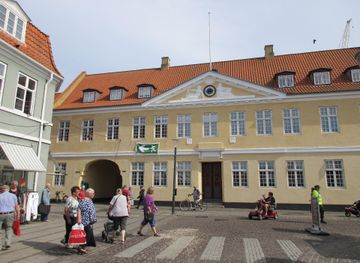

Your all‑in‑one travel companion app
Explore expert travel guides, compare and book tours, experiences, hotels, and more—all from the palm of your hand. Download now for seamless trip planning wherever your wanderlust takes you.


Hornbæk in Photos
Browse through our photo collection highlighting the charm and character of the destination.

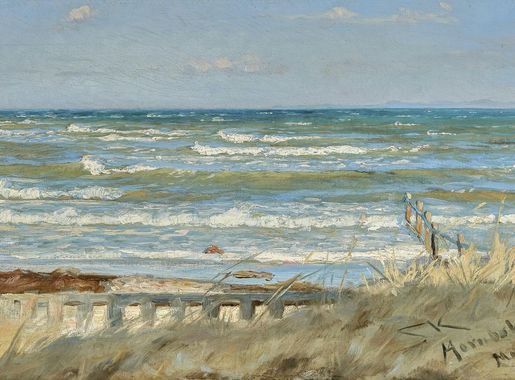


Hornbæk: Denmark's Coastal Gem
Nestled along the northern coast of Zealand, Hornbæk is a charming beach town that captures the essence of Denmark's serene coastal life. Known for its white sandy beaches and crystal-clear waters, Hornbæk offers a perfect escape from the bustling city life. The town has a rich history, with its roots as a fishing village still evident in its quaint harbor filled with colorful boats. Hornbæk is not just about its beaches; the town is surrounded by lush forests and scenic trails that invite exploration. Whether you enjoy a leisurely walk or prefer cycling, the paths around Hornbæk provide stunning views of the landscape. The town itself is dotted with charming boutiques and cafes, offering a taste of local Danish culture and cuisine. Art and design enthusiasts will find delight in Hornbæk's vibrant creative scene. Local galleries showcase pieces from both established and emerging artists, reflecting the town's artistic spirit. As you stroll through the streets, you'll also notice the unique architecture, a blend of traditional Danish designs with modern touches. In summer, Hornbæk transforms into a lively hub of cultural events and festivals, attracting visitors from all over. From music festivals to art exhibitions, there's always something happening to enrich your visit. Despite its popularity, Hornbæk manages to maintain a laid-back and welcoming atmosphere, making it a beloved destination for both locals and tourists alike.
Explore More of Denmark

Looking beyond Hornbæk? Discover Denmark for broader travel guides, local hot-spots, and regional highlights.
Explore Denmark