Troldedyssen, Kalundborg Travel Guide
Free Guide: A modest Stone Age burial mound in the Kalundborg countryside, Troldedyssen offers a quiet, atmospheric glimpse into Denmark’s Neolithic past.


A brief summary of Troldedyssen
A modest Stone Age burial mound in the Kalundborg countryside, Troldedyssen offers a quiet, atmospheric glimpse into Denmark’s Neolithic past.
Troldedyssen is a small, atmospheric Stone Age burial site tucked into the gently rolling coastal landscape west of Kalundborg. This grass-covered mound and its ancient stones hint at Denmark’s Neolithic past, when farming communities raised monumental tombs for their dead. Today it is a quiet, unfenced spot in the countryside, ideal for a short, contemplative pause, a photo stop on a Rosnæs peninsula drive, or a low-key detour for anyone interested in prehistoric sites and rural Zealand scenery.
- Address
- 4400 Kalundborg
Getting there
Car from central Kalundborg
Bicycle from Kalundborg
Taxi from Kalundborg town
Discover more about Troldedyssen
An ancient tomb in the Kalundborg countryside
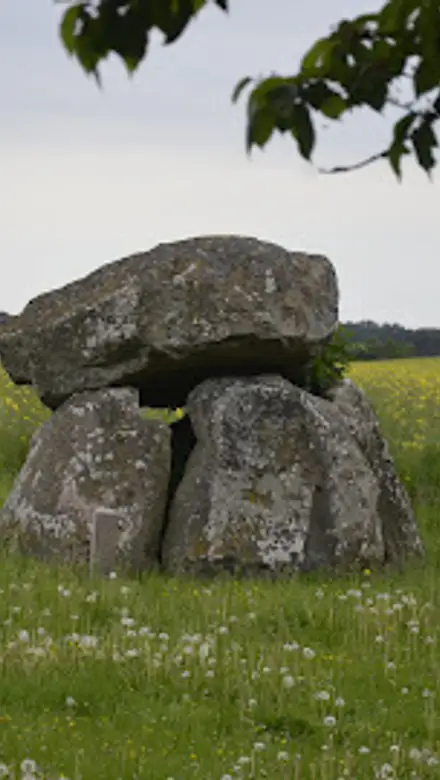
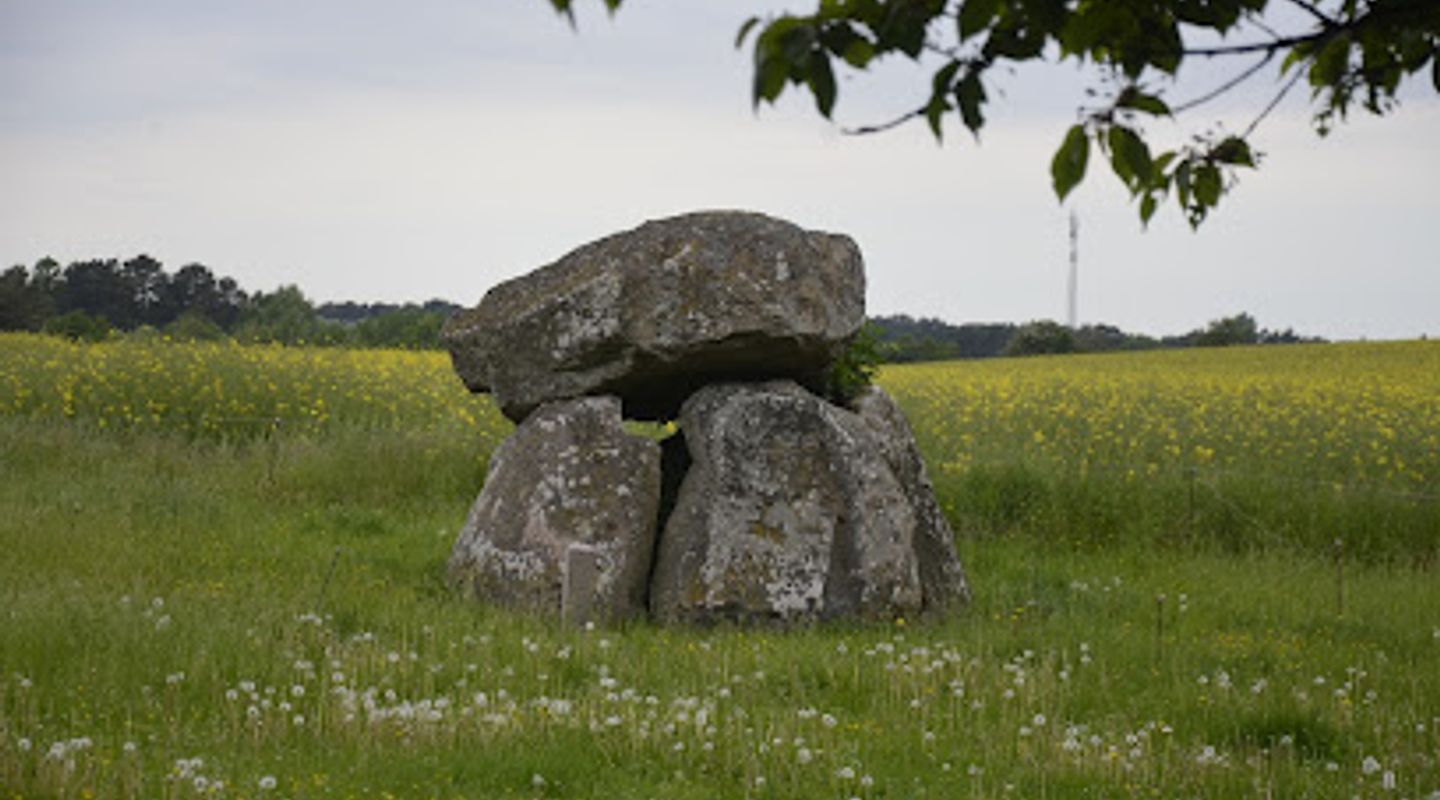
Troldedyssen is a modest but evocative megalithic burial mound just outside Kalundborg, on the western side of Zealand. From a distance, it looks like a low, grass-cloaked rise in the landscape, but as you come closer the outline of ancient stones appears, hinting at a structure that has stood here since the Neolithic period. This is the era, more than 5,000 years ago, when early farmers settled the region and began marking the land with dolmens, passage graves and long barrows.Set back from the main traffic and surrounded by fields and hedgerows, the site feels almost hidden in plain sight. There is no grand entrance or reception building, just the gentle slope of the mound and the rough texture of boulders that have survived countless winters and ploughing seasons.
Echoes of Stone Age ritual and belief
Although Troldedyssen is relatively small compared with some of Zealand’s famous passage graves, it belongs to the same broad tradition of communal burial. The mound once covered a stone-built chamber where the dead were laid to rest, possibly over many generations. The stones you see today formed part of the tomb’s chamber and kerb, carefully positioned by communities who moved huge glacial boulders using only simple tools and teamwork.Archaeologists link monuments like this with the introduction of settled agriculture, when people began investing labour in permanent structures and ritual landscapes. Troldedyssen’s raised profile on a slight rise suggests it was intended to be visible from surrounding land, a quiet but constant reminder of ancestry and belonging.
Landscape, light and a sense of quiet
What Troldedyssen lacks in size it makes up for in setting. The Kalundborg area is defined by open fields, patches of woodland and glimpses of coast, and the mound sits within this gently undulating terrain. On clear days the light can feel almost maritime, shifting quickly as clouds drift in from the Great Belt. The grassy surface of the mound, wildflowers in summer and the rough lichen on the stones all add subtle colour and texture.The atmosphere is generally calm and unhurried. You may hear tractors in the distance, wind in the grass and the calls of birds more than human voices. Because the site is unfenced and simple, it invites a short, reflective pause rather than a tightly scripted visit, and it can pair easily with other prehistoric monuments and the museum in Kalundborg for a fuller picture of the area’s deep past.
Exploring respectfully and making the most of your stop
A visit to Troldedyssen is usually brief, often combined with scenic drives along the Rosnæs peninsula, walks on nearby country lanes or stops at viewpoints over the fjord. Sturdy shoes are a good idea, as access may involve crossing uneven ground, especially in wet weather when grass can be slippery. There are no on-site facilities, ticket office or marked trails; this is very much a self-guided glimpse into prehistory.Because the monument is both old and relatively fragile, it is important not to climb on the stones or damage the mound. Treat it as an outdoor museum object in the middle of working farmland: stay on obvious trodden paths, avoid disturbing crops or fences, and carry out any litter you bring. With a bit of care, Troldedyssen can remain a quietly intriguing waypoint for future travelers tracing Stone Age footprints across Zealand.
Linking Troldedyssen to wider prehistoric Zealand
Troldedyssen is part of a wider cluster of Neolithic sites scattered around Kalundborg and western Zealand, including larger passage graves and finds displayed at the local museum. Seen together, they form a corridor through time, showing how early farmers chose prominent spots in the landscape to anchor their beliefs. A short stop here can therefore act as an introduction, prompting you to seek out more elaborate tombs nearby or exhibits that display tools, ceramics and jewellery from the same communities.In this way, the small mound becomes more than just a curiosity by the roadside. It is a tangible link between modern rural Denmark and the people who first shaped these fields, reminding you that beneath the crops and country roads lies a landscape layered with stories stretching back thousands of years.
Evendo Review Centre
 Google
Guest reviews
Best time to go
Quietest: Jan, Feb & Dec · before 8am or at 8pm
Busy times are Evendo estimates for a typical year, to help you plan. Actual crowds vary with events, school holidays and the weather.
Explore Troldedyssen on the map
A handpicked selection of must-see spots near Troldedyssen, mapped for you.
Get your free copy of our complete guide to Troldedyssen, delivered straight to you.
Everything on this page, from opening hours and how to get there to Eve’s tips and the best time to go, in one PDF you can read offline, print or share.
Already have an account? Sign in
Your Troldedyssen guide is ready.
We'll send it to · Not you? Sign out

Getting your guide ready…
We are putting together a fresh copy of the Troldedyssen guide. This can take up to a minute.
This can take a few moments. If your browser asks, choose Allow so the download can start. You'll find the guide in your Downloads folder.
Nothing happened? Download it again
Sorry, the guide is taking longer than usual. Please try again in a minute, or get it by email instead.
Other nearby places you may find interesting
The closest places of the same kind, if this one is not quite what you had in mind.
-
-
-
-
-


Swipe for more places
More to explore near Troldedyssen

 Best experiences near Troldedyssen
 Best hotels near Troldedyssen
 Best landmarks near Troldedyssen
 Best attractions near Troldedyssen
 Best shops near Troldedyssen
 Best restaurants near Troldedyssen
 Best bars near Troldedyssen
Do you manage this location?
Take control to get all the benefits, like improved information, better appearance, and stronger visibility across AI-powered discovery.
Explore more

Explore more of Kalundborg
Discover Kalundborg, a picturesque Danish town with rich history, stunning landscapes, and a vibrant cultural scene. Perfect for nature lovers and history enthusiasts alike.
Explore Kalundborg
Explore more of Denmark
Discover Denmark: A perfect blend of history, modern design, and the cozy concept of hygge. Explore vibrant cities, serene landscapes, and world-class cuisine.
Explore Denmark