Vestborgen, Kalundborg Travel Guide
Free Guide: Grassy ramparts, low stone traces and harbor views tell the quiet story of Esbern Snare’s vanished 12th‑century fortress above medieval Kalundborg.


A brief summary of Vestborgen
Grassy ramparts, low stone traces and harbor views tell the quiet story of Esbern Snare’s vanished 12th‑century fortress above medieval Kalundborg.
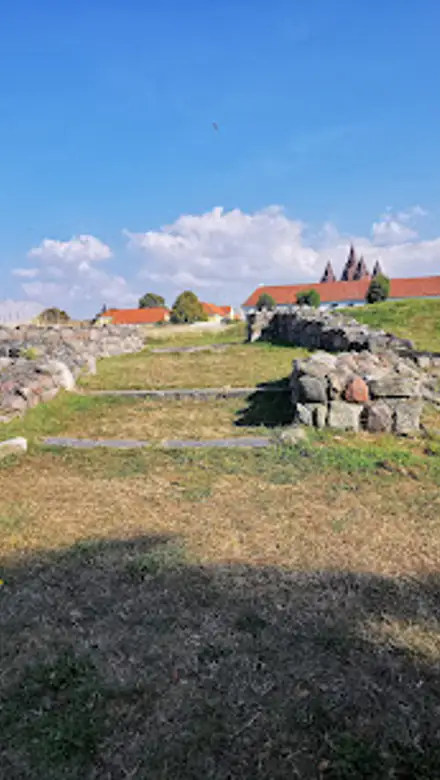
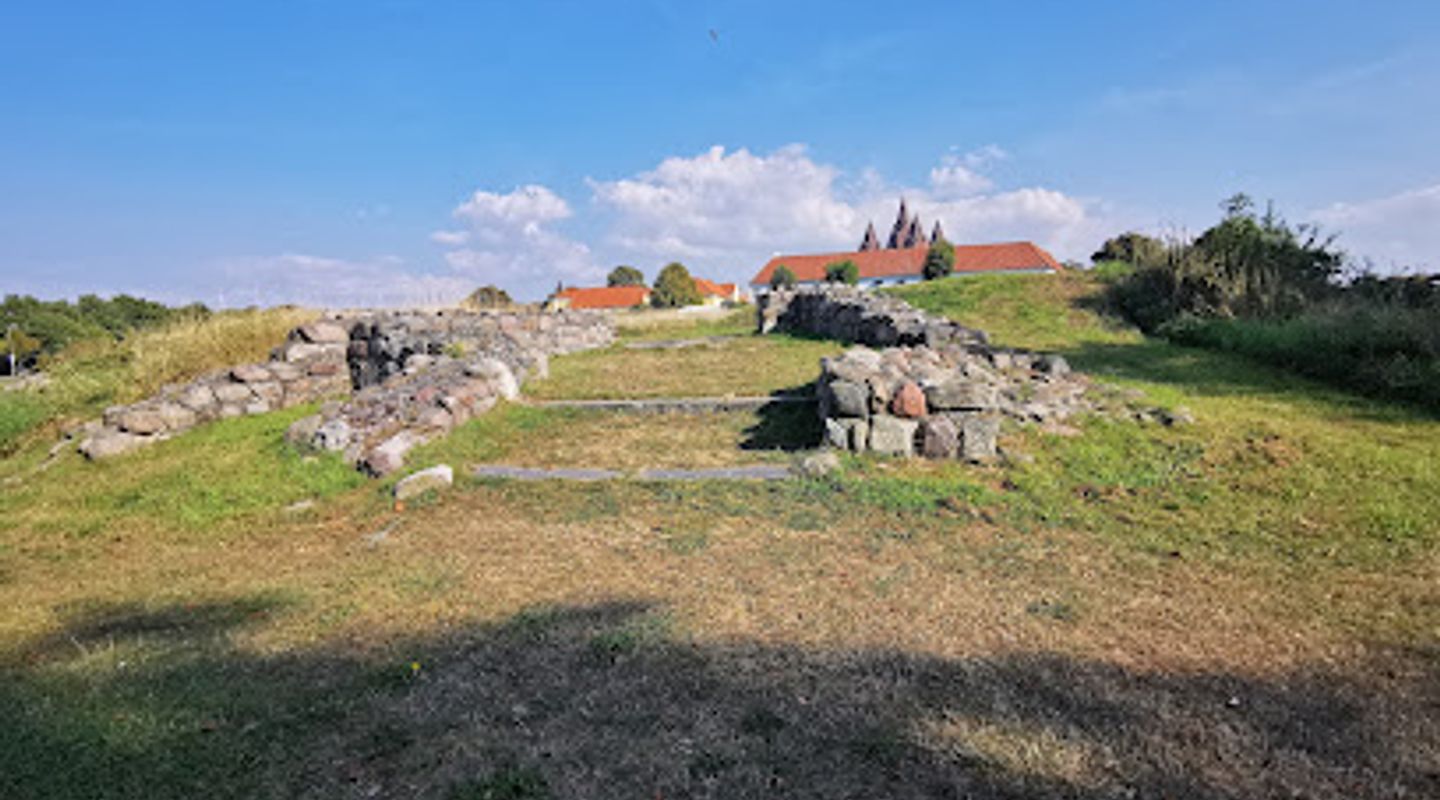
Vestborgen in Kalundborg is the atmospheric ruin of a 12th‑century fortress founded by the famed nobleman and crusader Esbern Snare. Today only low walls, earthworks and foundations remain, tucked behind the historic museum farm in Kalundborg’s medieval quarter. The site invites you to wander through grassy ramparts, imagine timber halls and defensive towers, and connect Saxo Grammaticus’ chronicles with the real landscape of West Zealand’s medieval power center.
On-site amenities
 Restrooms
 Drink options
 Drinking water
 Food options
 Seating areas
 Trash bins
 Information boards
 Visitor centre
Opening hours
- Every dayOpen 24 hours
Opening hours as listed on the venue’s Google Business Profile. Hours can change for services and special events, so check with the venue before you go.
- Address
- J Hagemann-Petersens Alle 22, 4400 Kalundborg
Getting there
Train and short walk from Kalundborg Station
Local bus within Kalundborg
Taxi from within Kalundborg town
Car arrival from elsewhere on Zealand
Discover more about Vestborgen
A medieval stronghold above Kalundborg’s harbor
Vestborgen, or the West Castle, once dominated the headland above Kalundborg’s natural harbor, guarding access to West Zealand and the sailing routes across Storebælt. Raised in the late 12th century by Esbern Snare, a key figure of the powerful Hvide family, the fortress formed the western anchor of a tightly planned medieval town. From here, power, trade and royal alliances were negotiated in timber halls surrounded by stout ramparts and palisades.Today the castle itself is gone, but the contours of the stronghold still frame the landscape. Low stone traces, grassy mounds and clear breaks in the terrain mark where walls, towers and gate structures once stood. Standing here, you look out across the old town and harbor much as medieval watchers would have done, though the clink of armor has long since been replaced by birdsong and the distant hum of everyday life.
Esbern Snare and the story behind the walls
The man behind Vestborgen, Esbern Snare, was not only a local magnate but also a crusader, ship commander and builder of churches and fortifications across Zealand. In the late 1100s he chose this strategic hilltop to establish a castle town that could rival other power centers in the Danish kingdom. Around the fortress, streets were laid out in a near‑geometric pattern, linking the castle to the five‑towered church of Our Lady and to trading plots below.Although the castle fell out of use centuries ago and its materials were reused elsewhere, its foundations preserved clues to high‑medieval life. Archaeological excavations have revealed building traces, postholes, ditches and cultural layers that help reconstruct a complex ensemble of halls, storage buildings and defenses. Even without towering walls, knowing this backstory adds weight to the quiet ground beneath your feet.
Reading the ruin in the landscape
Vestborgen is not a showy castle with turrets and battlements; instead, it rewards a slower, more imaginative visit. As you walk the site, subtle level differences, rounded corners of earthworks and scattered stones begin to resolve into a mental floor plan. Slight ridges hint at curtain walls, while dips and linear depressions indicate moats and drainage.Information panels near the museum farm help you match what you see with the archaeologists’ reconstructions, pointing out where the main hall stood, where gate passages may have been, and how the castle related to the town below. The open grassy setting makes it easy to pause, look back towards the church towers, and understand how deliberately the medieval builders choreographed views and lines of approach.
Atmosphere beside the museum farm
The ruin lies right by the historic museum farm complex, whose timbered buildings and cobbled yards provide a fitting backdrop. Roaming between the farm and the old ramparts, you move through layers of time: medieval fort, later farmstead, and today’s curated heritage landscape. In spring and summer the grass is bright and soft underfoot, and wildflowers dot the embankments; in autumn and winter, bare branches and low light give the site a more austere, almost cinematic quality.It is an easy place to linger. Benches or low stones offer simple seating, and the car‑free surroundings in the core of the old town keep traffic noise at a minimum. From the edges of the ruin you can trace the roofscapes of Kalundborg’s medieval center and the harbor beyond, making Vestborgen an appealing pause on a wider stroll through the town’s historic streets.
Exploring Kalundborg’s medieval ensemble
Vestborgen is best appreciated as part of a broader exploration of Kalundborg’s unique medieval structure. A short walk links the castle site with the distinctive five‑tower church of Our Lady and the lattice of old lanes and merchant plots that grew up under Esbern Snare’s patronage. Seen together, they tell the story of a planned fortress town designed for both defense and commerce.For photographers and history enthusiasts, the interplay of grassy ramparts, half‑timbered museum buildings and distant harbor cranes makes for evocative compositions. Families can let children scramble carefully over the gentle slopes while adults trace the outline of vanished walls. Whether you stay a quarter of an hour or a slow hour, Vestborgen offers a compact but rich window into Denmark’s high‑medieval past.
Evendo Review Centre
 Google
Guest reviews
Best time to go
Quietest: Jan, Feb & Nov · before 8am or at 8pm
Busy times are Evendo estimates for a typical year, to help you plan. Actual crowds vary with events, school holidays and the weather.
Explore Vestborgen on the map
A handpicked selection of must-see spots near Vestborgen, mapped for you.
Get your free copy of our complete guide to Vestborgen, delivered straight to you.
Everything on this page, from opening hours and how to get there to Eve’s tips and the best time to go, in one PDF you can read offline, print or share.
Already have an account? Sign in
Your Vestborgen guide is ready.
We'll send it to · Not you? Sign out

Getting your guide ready…
We are putting together a fresh copy of the Vestborgen guide. This can take up to a minute.
This can take a few moments. If your browser asks, choose Allow so the download can start. You'll find the guide in your Downloads folder.
Nothing happened? Download it again
Sorry, the guide is taking longer than usual. Please try again in a minute, or get it by email instead.
Other nearby places you may find interesting
The closest places of the same kind, if this one is not quite what you had in mind.
-
-
-
-
-


Swipe for more places
More to explore near Vestborgen

 Best experiences near Vestborgen
 Best hotels near Vestborgen
 Best landmarks near Vestborgen
 Best attractions near Vestborgen
 Best shops near Vestborgen
 Best restaurants near Vestborgen
 Best bars near Vestborgen
Do you manage this location?
Take control to get all the benefits, like improved information, better appearance, and stronger visibility across AI-powered discovery.
Explore more

Explore more of Kalundborg
Discover Kalundborg, a picturesque Danish town with rich history, stunning landscapes, and a vibrant cultural scene. Perfect for nature lovers and history enthusiasts alike.
Explore Kalundborg
Explore more of Denmark
Discover Denmark: A perfect blend of history, modern design, and the cozy concept of hygge. Explore vibrant cities, serene landscapes, and world-class cuisine.
Explore Denmark