Kaalund Monastery, Kalundborg Travel Guide
Free Guide: A warm yellow former monastery in Kalundborg’s High Town, where 13th‑century Franciscan roots meet an 18th‑century manor façade and today’s civic life.


A brief summary of Kaalund Monastery
A warm yellow former monastery in Kalundborg’s High Town, where 13th‑century Franciscan roots meet an 18th‑century manor façade and today’s civic life.
Kaalund Monastery, or Kaalund Kloster, is a handsome yellow-and-white former Franciscan house in the medieval heart of Kalundborg’s High Town. Founded as a monastery in 1239 and rebuilt in its present form in the mid‑18th century, it now serves as a municipal office, but its calm courtyard, neat gardens and historic façades still evoke centuries of religious and civic life. It is an easy, low‑key stop while exploring the cobbled streets, Church of Our Lady and other historic buildings nearby.
On-site amenities
 Restrooms
 Drink options
 Drinking water
 Food options
 Seating areas
 Trash bins
 Information boards
 Visitor centre
Opening hours
- Mon10 am–2 pm
- Tue10 am–2 pm
- Wed10 am–2 pm
- Thu10 am–5 pm
- Fri10 am–12 pm
- SatClosed
- SunClosed
Opening hours as listed on the venue’s Google Business Profile. Hours can change for services and special events, so check with the venue before you go.
- Address
- Klosterparkvej 7, 4400 Kalundborg
- Phone
Getting there
Train and walk from Copenhagen
Regional bus within West Zealand
Car from Greater Copenhagen
Discover more about Kaalund Monastery
From Franciscan House to Civic Landmark
Kaalund Monastery stands in Kalundborg’s historic High Town, a short stroll from the five‑towered Church of Our Lady. Founded in 1239 as a Franciscan monastery, it formed part of a dense cluster of religious institutions that shaped this medieval trading town. The monks remained here until the early 16th century, when the Reformation swept through Denmark and monastic life was dissolved.What you see today is not the original cloister, but an elegant 18th‑century estate raised over the medieval foundations. The current building dates from the 1750s and is sometimes referred to as Kalundborg Slots Ladegård, recalling its role in the wider castle estate. Its evolution from monastic house to manor‑like residence and later to public administration mirrors the broader story of Denmark’s shift from church power to royal rule and, eventually, to modern municipal government.
Architecture in Yellow, White and Brick
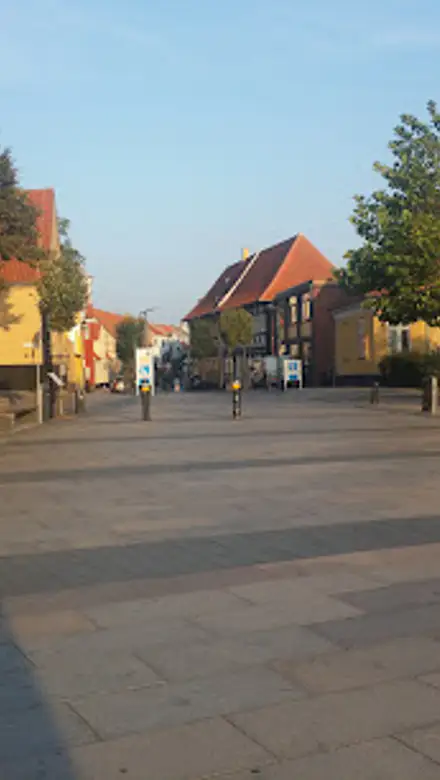
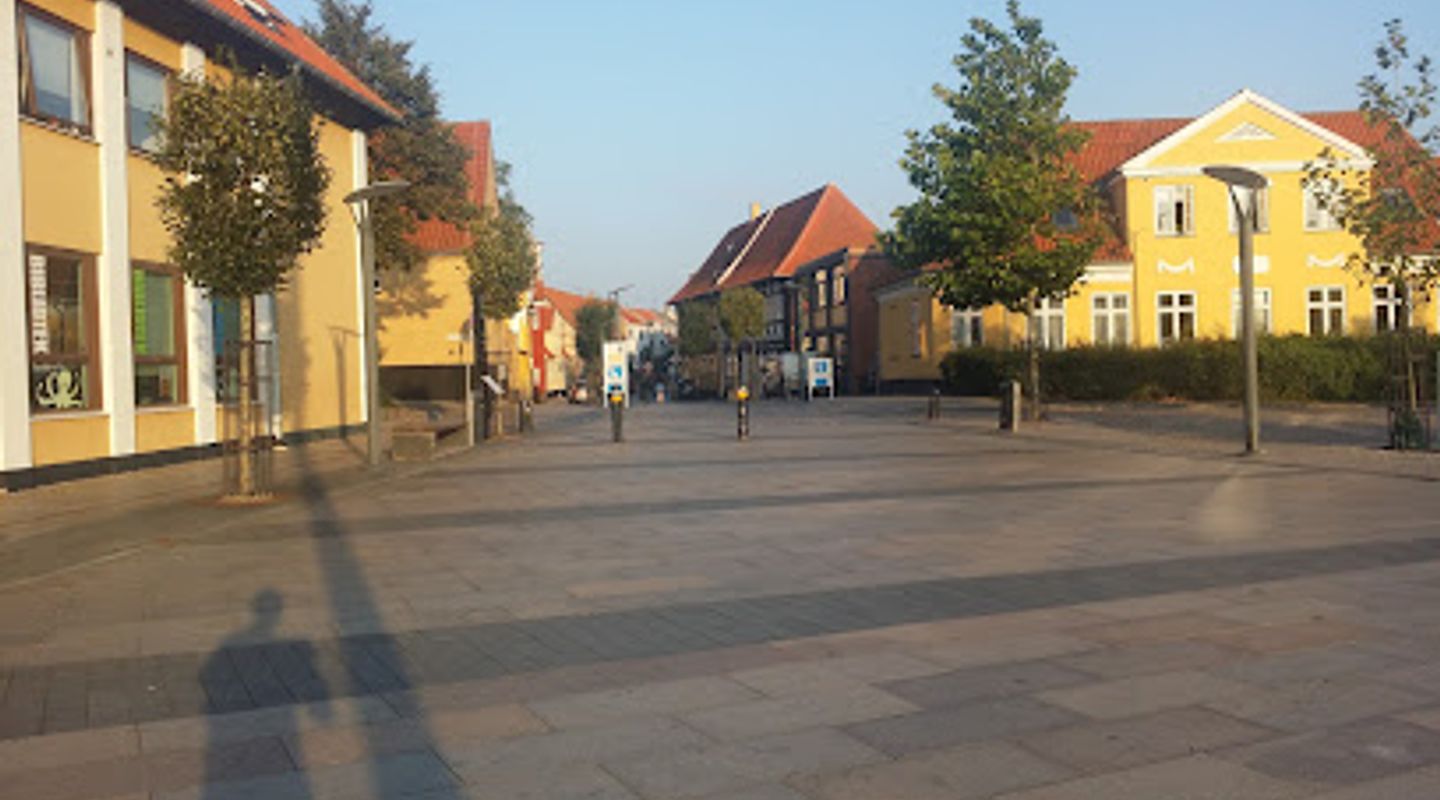
The monastery’s architecture is modest in scale but rich in character. The long, low wings are rendered in a warm yellow, with crisp white corner details and window surrounds that catch the northern light. Tiled roofs, neat dormers and simple brickwork create a restrained, almost rural manor feel in the middle of town.A closer look reveals a carefully composed façade: evenly spaced sash windows, a central entrance with a decorative plaque above the door, and cobblestones or paving that lead your eye into the courtyard. The building frames a small green space with clipped lawns and plantings, softening the formal lines of the masonry. This combination of tidy gardens and classical proportions gives the place a composed, slightly ceremonial ambience without feeling grand or intimidating.
Life Around the Old Cloister
Although it no longer houses monks, Kaalund Monastery remains very much in daily use. Today the complex accommodates municipal offices and citizen services, so you are likely to see residents coming and going on errands, bicycles parked by the walls and staff taking a break in the courtyard. Weekday opening hours reflect its role as an administrative building, and access inside can be limited, but the exterior spaces can be appreciated at any time from the surrounding streets.This pragmatic reuse is characteristic of Kalundborg’s High Town, where medieval foundations support a modern working community. The monastery forms one point in a tight cluster of heritage buildings: the Church of Our Lady with its distinctive towers, former bishop’s and minister’s houses, and old hospital structures. Together, they create a compact ensemble where centuries of ecclesiastical, political and everyday life overlap in the same few streets.
A Quiet Pause on a Kalundborg Stroll
For visitors, Kaalund Monastery is less about elaborate interiors and more about mood. It is an inviting pause on a walk through the old town: a place to stand back, frame the yellow wings against the skyline and imagine the cloistered courtyards that once echoed with chanting friars. The tidy garden and small square in front offer a calm spot to sit for a moment between church visits and museum stops.Photographers are drawn to the color contrasts and clean lines, especially on bright days when the façades glow against a deep blue sky. Others simply enjoy the sense of continuity: a building that has quietly adapted to new roles over nearly eight centuries. In a town known for its five‑towered church and medieval street grid, Kaalund Monastery adds a softer, more domestic counterpoint—an understated landmark that rewards unhurried exploration.
Stories Beneath the Surface
Beneath the 18th‑century plaster, the site still carries the memory of the 13th‑century Franciscan foundation. The monks who once lived here helped shape the surrounding landscape, from teaching new farming methods to caring for the sick. After they were expelled in the 1530s, the buildings were gradually repurposed, stones reused and wings rebuilt, yet the name "Kaalund Kloster" endured.Standing by the walls, it is easy to picture earlier layers of history: medieval cloisters tucked around a refectory, later noble residents overseeing estates, and today’s local officials drafting decisions that affect the wider municipality. Kaalund Monastery may no longer be a spiritual center, but it remains a quiet anchor in Kalundborg’s story, linking the town’s medieval origins with its present‑day life.
Evendo Review Centre
 Google
Guest reviews
Best time to go
Quietest: Jan, Feb & Nov · before 7am or at 6pm or at 7pm
Busy times are Evendo estimates for a typical year, to help you plan. Actual crowds vary with events, school holidays and the weather.
Explore Kaalund Monastery on the map
A handpicked selection of must-see spots near Kaalund Monastery, mapped for you.
Get your free copy of our complete guide to Kaalund Monastery, delivered straight to you.
Everything on this page, from opening hours and how to get there to Eve’s tips and the best time to go, in one PDF you can read offline, print or share.
Already have an account? Sign in
Your Kaalund Monastery guide is ready.
We'll send it to · Not you? Sign out

Getting your guide ready…
We are putting together a fresh copy of the Kaalund Monastery guide. This can take up to a minute.
This can take a few moments. If your browser asks, choose Allow so the download can start. You'll find the guide in your Downloads folder.
Nothing happened? Download it again
Sorry, the guide is taking longer than usual. Please try again in a minute, or get it by email instead.
Other nearby places you may find interesting
The closest places of the same kind, if this one is not quite what you had in mind.
-
-
-
-
-


Swipe for more places
More to explore near Kaalund Monastery

 Best experiences near Kaalund Monastery
 Best hotels near Kaalund Monastery
 Best landmarks near Kaalund Monastery
 Best attractions near Kaalund Monastery
 Best shops near Kaalund Monastery
 Best restaurants near Kaalund Monastery
 Best bars near Kaalund Monastery
Do you manage this location?
Take control to get all the benefits, like improved information, better appearance, and stronger visibility across AI-powered discovery.
Explore more

Explore more of Kalundborg
Discover Kalundborg, a picturesque Danish town with rich history, stunning landscapes, and a vibrant cultural scene. Perfect for nature lovers and history enthusiasts alike.
Explore Kalundborg
Explore more of Denmark
Discover Denmark: A perfect blend of history, modern design, and the cozy concept of hygge. Explore vibrant cities, serene landscapes, and world-class cuisine.
Explore Denmark