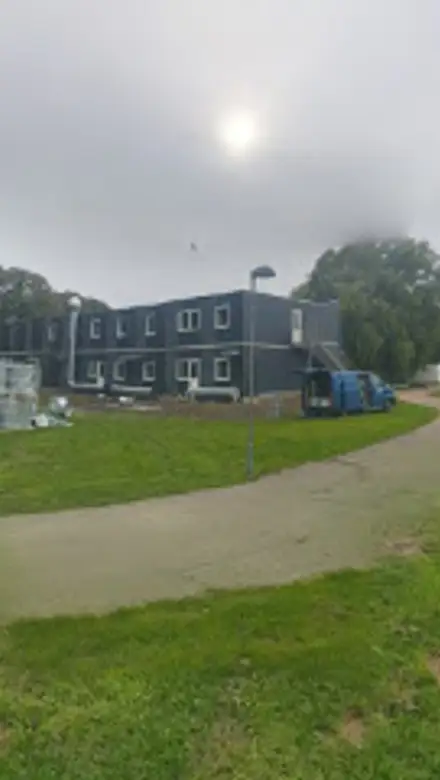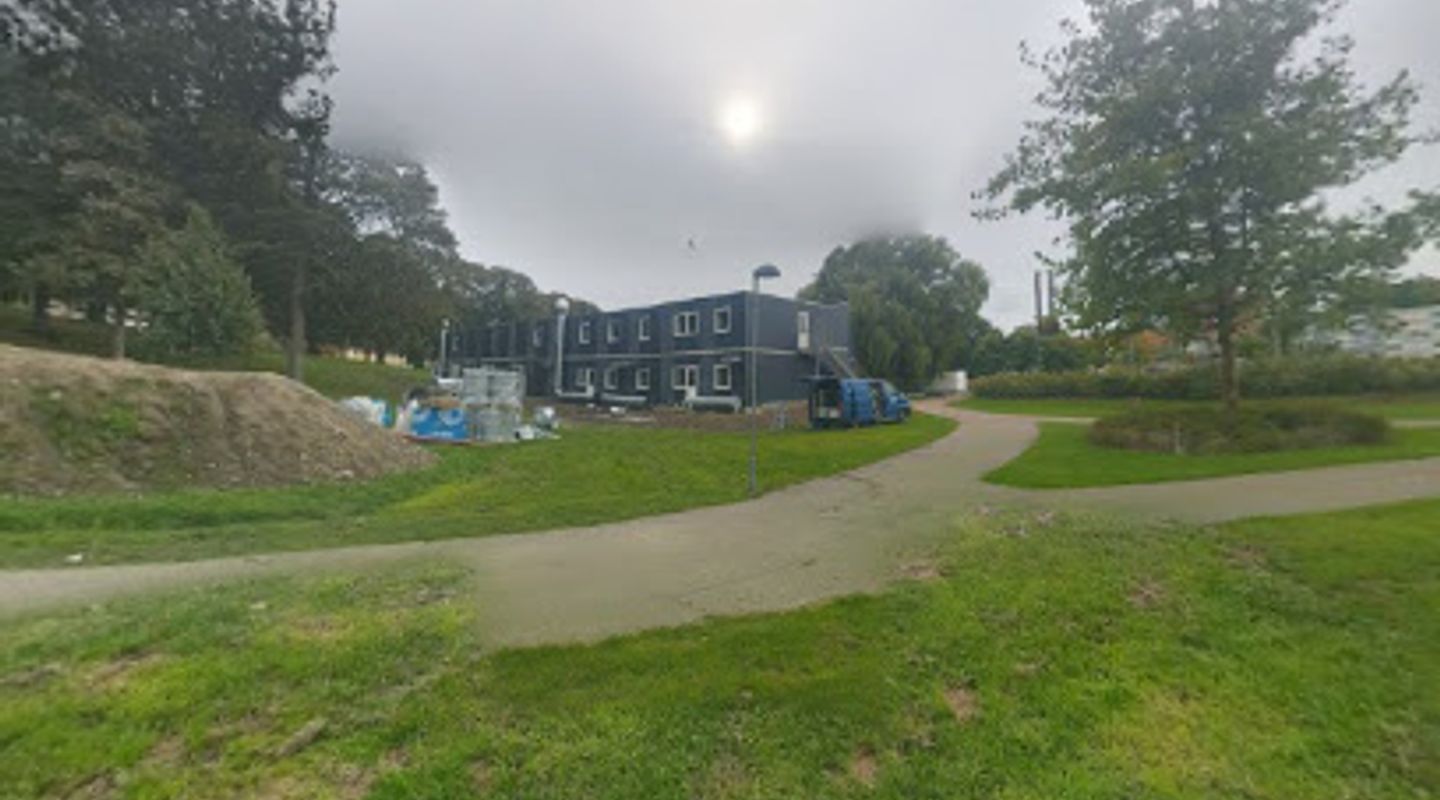
1501 Klosterparken, Kalundborg Travel Guide
Discover the atmospheric Røsnæs Strandpark Jættestue, a Neolithic burial chamber set in scenic coastal meadows near Kalundborg, where ancient history meets wild Nordic landscapes.
Step into Danish prehistory at Røsnæs Strandpark Jættestue, a Neolithic passage grave nestled in the rugged coastal landscape near Kalundborg. Surrounded by the wind-sculpted grasses and the fresh Baltic air, this well-preserved burial chamber offers an evocative glimpse into Stone Age ritual life and the mystery of Denmark’s ancient past.
A brief summary to 1501 Klosterparken
- Munkesøparken 13, Kalundborg, 4400, DK
- Click to display

Know before you go
Hi, I'm Eve. Here are a few practical things to know before exploring 1501 Klosterparken.
- Bring a small flashlight to explore the passage and interior chamber safely.
- The ground around the jættestue can be uneven and slippery—sturdy footwear is highly recommended.
- Combine your visit with a walk along the Røsnæs coastline for expansive views of the Great Belt.
- There are no on-site facilities; consider packing snacks or a picnic for a break in the adjacent park.
- Birdlife is abundant in the area, especially in spring and autumn—bring binoculars if interested in birdwatching.
Do you manage this location?
Take control to get all the benefits, like improved information, better appearance, and stronger visibility across AI-powered discovery. Learn more about listing your business on Evendo
Activate your presenceOther nearby places you may find interesting
The closest places of the same kind, if this one is not quite what you had in mind.
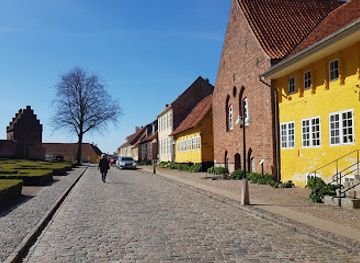
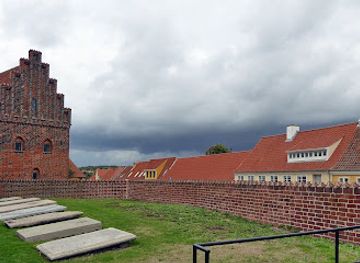
Explore 1501 Klosterparken on the Map
A handpicked selection of must-see spots near 1501 Klosterparken, mapped for you.
Getting There
-
Driving
From the heart of Kalundborg town, the Røsnæs peninsula extends westward along a winding coastal road. Drivers reach Røsnæs Strandpark in about 15–20 minutes, following signs for the peninsula and then to designated parking areas near the park’s entrance. Parking is typically free, and from the lot it’s a short walk across meadows and dunes to the jættestue. During weekends or holidays, spaces may be limited, so arrive early if you want a spot close to the main trailheads.
-
Public Transport
Regional buses operate from central Kalundborg to Røsnæs, traveling along the scenic winding coast. Alight at a stop near Røsnæs Strandpark—journey times usually range from 20–30 minutes. A regular single ticket costs around 24–30 DKK for adults. From the bus stop, footpaths lead through grassy fields toward the burial mound, visible as a low, rounded hill in the open meadow.
-
Cycling
The cycle route from Kalundborg to Røsnæs draws cyclists for its gentle hills, sea breezes, and rural scenery. Expect a 30–40 minute ride, with clear cycle paths most of the way and beautiful views over Kalundborg Fjord. Bicycles can be rented in town, and there are bike racks by park entrances. No tolls or fees apply, making this an adventurous and eco-friendly option.
Discover more about 1501 Klosterparken













Your all‑in‑one travel companion app
Explore expert travel guides, compare and book tours, experiences, hotels, and more—all from the palm of your hand. Download now for seamless trip planning wherever your wanderlust takes you.


Explore More of Kalundborg
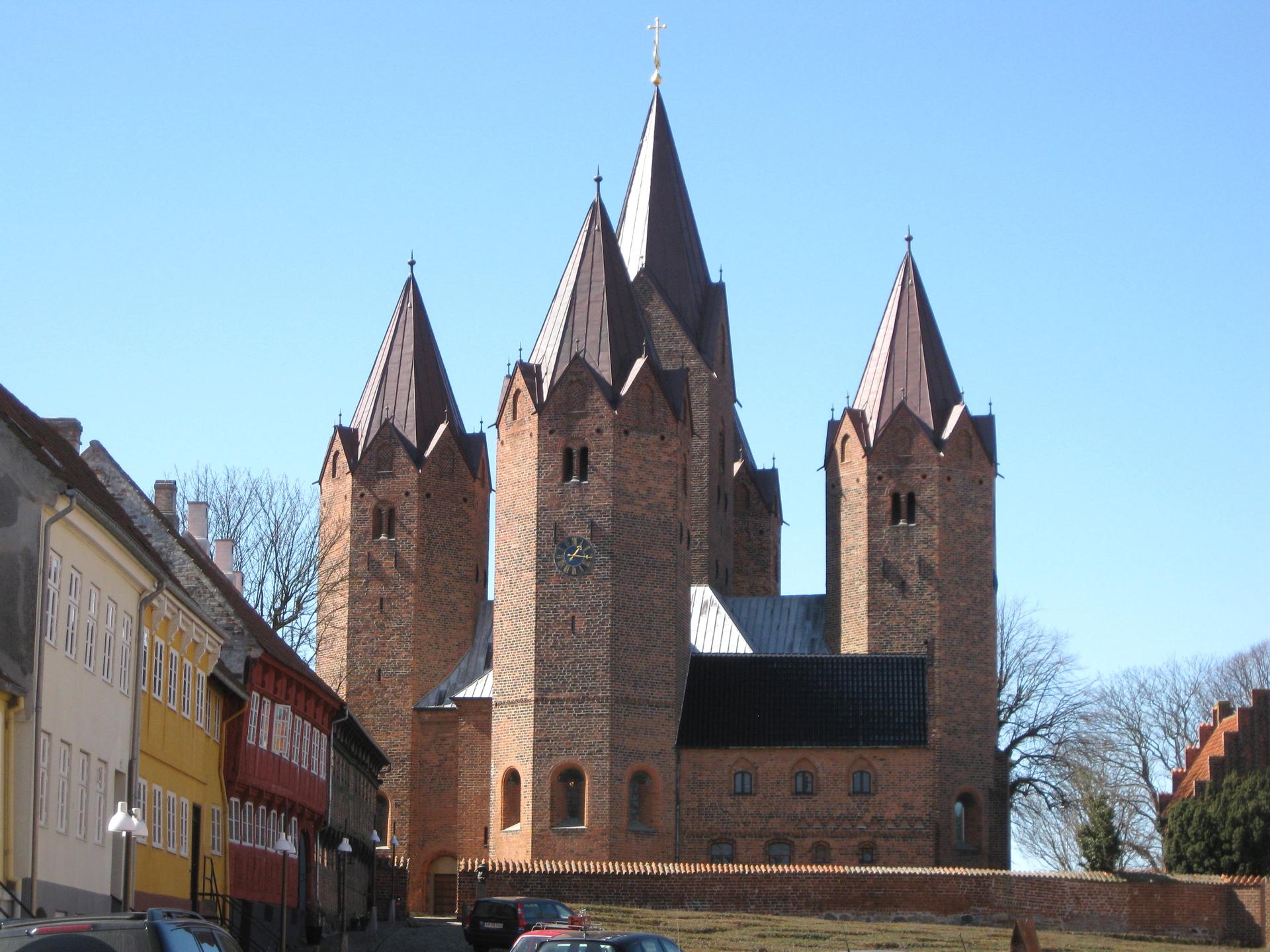
Looking beyond 1501 Klosterparken? Discover Kalundborg for broader travel guides, local hot-spots, and regional highlights.
Explore Kalundborg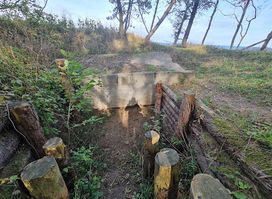
Atmospheric WWII-era searchlight remains on windswept Røsnæs, where stark concrete and sweeping sea views reveal the strategic role of Kalundborg’s coastline.
Preserve and explore Kalundborg's rich medieval heritage through centuries of local documents and historical collections.