Kalundborg Slot, Kalundborg Travel Guide
An invisible castle at the centre of Kalundborg, where streets, stories and subtle traces reveal the outline of a vanished medieval stronghold.
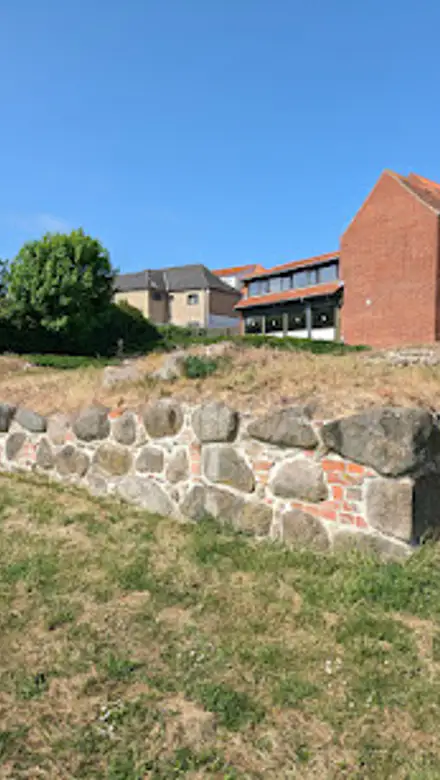
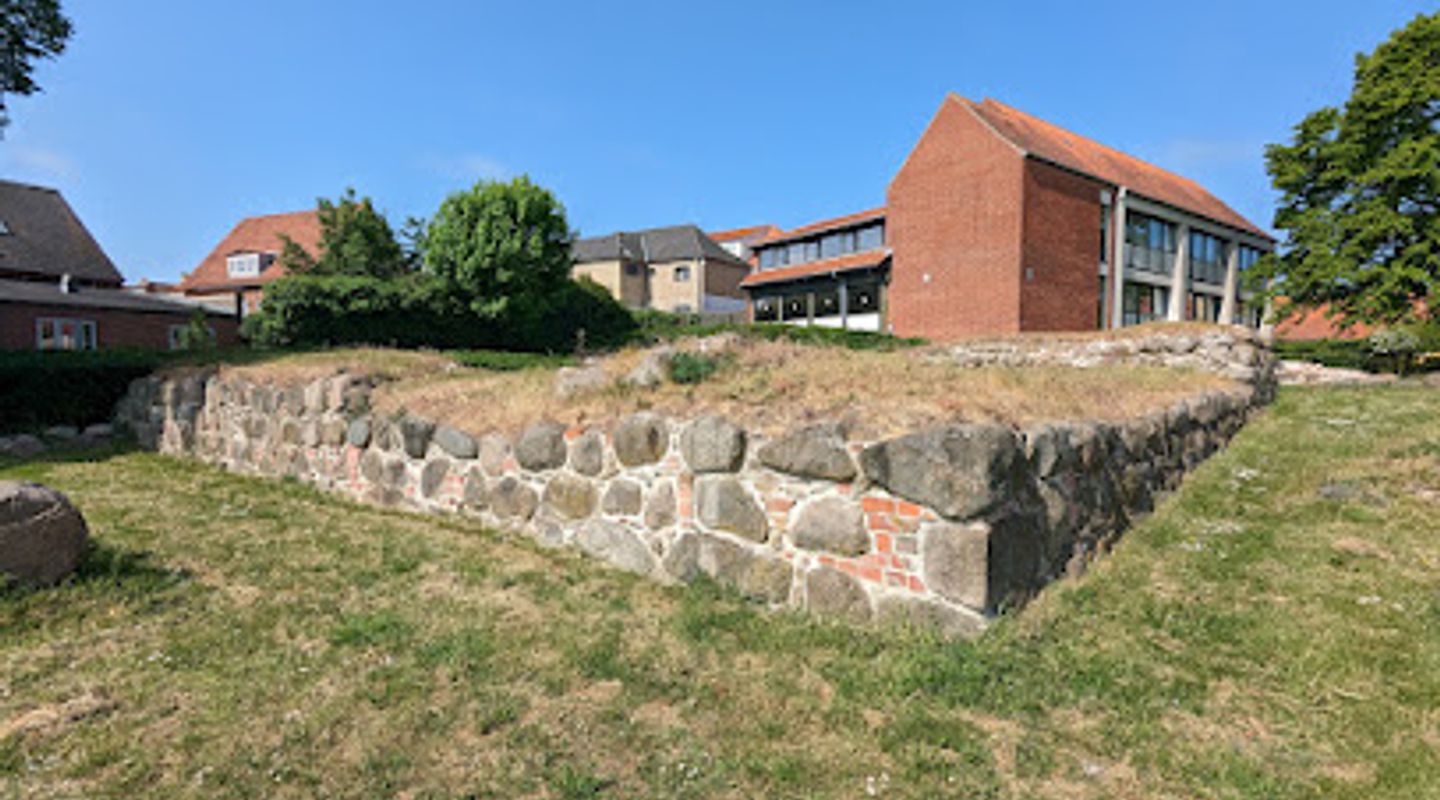
Once one of Denmark’s most important royal strongholds, Kalundborg Slot has largely vanished from the skyline, but its story still anchors the medieval heart of Kalundborg. Here, where fortifications once guarded the fjord and kings and nobles plotted politics, you now trace subtle earthworks, fragments, and street lines that echo the vanished castle. Combined with the nearby five-towered Church of Our Lady and the old town’s cobbled lanes, this is a site best appreciated through imagination, history and a slow wander rather than monumental walls.
A brief summary to Kalundborg Slot
- Bredgade 2, Kalundborg, 4400, DK
- Duration: 0.5 to 1.5 hours
- Free
-
 Outdoor
- Mobile reception: 4 out of 5

Know before you go
Hi, I'm Eve. Here are a few practical things to know before exploring Kalundborg Slot.
- Pair a stop at the Kalundborg Slot site with a visit to Kalundborg Museum to see exhibits and interpretations that help you visualise the lost fortress.
- Bring a historical map or download one in advance to compare the former castle layout with today’s streets while you are standing on the site.
- Allow time to walk between the slot site and the five-towered Church of Our Lady to appreciate how both once dominated the medieval townscape.
Do you manage this location?
Take control to get all the benefits, like improved information, better appearance, and stronger visibility across AI-powered discovery. Learn more about listing your business on Evendo
Activate your presenceOther nearby places you may find interesting
The closest places of the same kind, if this one is not quite what you had in mind.
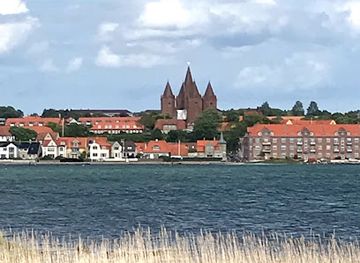
Explore Kalundborg Slot on the Map
A handpicked selection of must-see spots near Kalundborg Slot, mapped for you.
Getting There
-
Train and short walk from Copenhagen
From Copenhagen, take a regional train to Kalundborg Station; the journey typically takes about 75–90 minutes and runs at least once an hour during the day. A standard adult ticket usually costs in the range of 110–150 DKK one way, depending on time and ticket type. From Kalundborg Station, expect a gentle walk of around 15–20 minutes through town on mostly level, paved surfaces to reach the Kalundborg Slot area near Bredgade; the route is suitable for most visitors but may include some cobblestones in the historic centre.
-
Bus within Kalundborg town
If you are already in Kalundborg and prefer not to walk from the station, local buses connect residential districts and the harbour area with stops in or near the historic centre. Typical journeys within town are short, around 10–20 minutes including waiting time, and tickets generally cost about 20–30 DKK for a single ride. Services are less frequent in the evening and on weekends, so it is worth checking the timetable in advance and allowing a little extra time to stroll the remaining few hundred metres through the old streets.
-
Car from elsewhere on Zealand
Arriving by car from other parts of Zealand, travel times to Kalundborg are usually around 60–90 minutes from larger towns in the central and eastern part of the island, depending on traffic. There is no entrance fee for the castle site itself, but you should plan for possible parking charges in central Kalundborg, typically in the range of 10–20 DKK per hour in paid zones. Streets in the old town can be narrow and sometimes one-way, so many drivers choose to park slightly outside the medieval core and walk 5–15 minutes to explore the former castle area on foot.
For the on-the-go comforts that matter to you
-
 Restrooms
-
 Drink Options
-
 Drinking Water
-
 Food Options
-
 Seating Areas
-
 Trash Bins
-
 Information Boards
Discover more about Kalundborg Slot
A vanished fortress at the heart of Kalundborg
Kalundborg Slot was once a powerful royal castle dominating the head of Kalundborg Fjord, guarding the natural harbour that made this town strategically vital from the 12th century onward. Built up over the Middle Ages and associated with Danish monarchs and nobles, the fortress formed a key part of the defensive system that protected Zealand and the approaches to the Great Belt. Today, the castle itself has disappeared, but the streets and plots around Bredgade still follow lines shaped by its walls, moats and outer works.Standing here, you need to picture high ramparts, internal courtyards and stout towers overlooking the water. The site tied directly into Kalundborg’s unusual pentagonal medieval layout, a street plan that radiated from the castle and the nearby Church of Our Lady, giving the town its distinctive star-like form. What is now a modest urban corner once stood at the very centre of power on the fjord.From royal power base to historical memory
For centuries, Kalundborg Slot served not only as a fortress but also as a residence and administrative hub for rulers and their officials. Key figures in Danish history were connected to Kalundborg, and the castle’s presence underlined the importance of the town as a trading and military base. Over time, political priorities shifted, warfare changed, and maintaining large stone fortresses became less essential.By the modern era, the castle’s buildings were dismantled, with stone and brick reused for other construction projects in the growing town. Little by little, the silhouette that had defined the skyline vanished. What remained was the memory of Kalundborg Slot in chronicles, maps and local place names, and in the way the urban fabric continued to wrap itself around the former stronghold.Reading the traces in the old streets
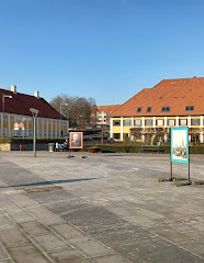
Visiting Kalundborg Slot today is largely an exercise in reading subtle signs. Look carefully at the curves and junctions of nearby streets and the way plots are aligned; many of these follow lines that once corresponded to outer walls and ditches. The gentle changes in ground level, the way the town seems to step down toward the fjord, and the orientation of buildings are all clues to the vanished fortress beneath your feet.The surrounding medieval quarter, with its cobbled surfaces and close-packed houses, helps your imagination along. A short walk brings you to the five-towered Church of Our Lady, whose massive brick architecture hints at the kind of robust, defensive-minded building that would once have complemented the castle’s presence. Together, church and castle defined the medieval skyline, one spiritual and one secular, both asserting authority.Linking castle ruins with Kalundborg’s wider story
Although you no longer see ramparts or towers rising above Bredgade, the story of Kalundborg Slot continues in the town’s museums and heritage sites. Exhibitions in Kalundborg Museum, housed in the historic Lindegården estate, trace the area’s development from Viking Age harbour to fortified medieval town, filling in the gaps left by the missing stone walls. Objects, models and the famous tapestry devoted to local history help explain why a castle was built here and how it shaped daily life.The castle’s absence also draws attention to the resilience of the town around it. While the fortress disappeared, Kalundborg evolved into a modern trading and industrial centre, its history marked by everything from medieval crusades to pioneering industrial symbiosis projects. The site of the slot becomes a quiet reminder that landscapes of power change, but their outlines linger in unexpected ways.A quiet pause amid layers of Danish history
What you find at Kalundborg Slot today is not a grand ruin but a layered sense of place. It is a spot for a short, reflective pause in the middle of town: to consider how a major fortress can all but vanish, to imagine the clatter of hooves and armour where cars and bicycles now pass, and to connect the understated present with a far more dramatic past.Take a moment simply to stand and look around at rooflines, church towers and the sweep of the land toward the fjord. With a little curiosity—and perhaps a visit to the nearby museum—you can reconstruct an entire castle in your mind, letting Kalundborg Slot live again as an invisible but still potent presence in the town’s historic core.












Your all‑in‑one travel companion app
Explore expert travel guides, compare and book tours, experiences, hotels, and more—all from the palm of your hand. Download now for seamless trip planning wherever your wanderlust takes you.


Explore More of Kalundborg
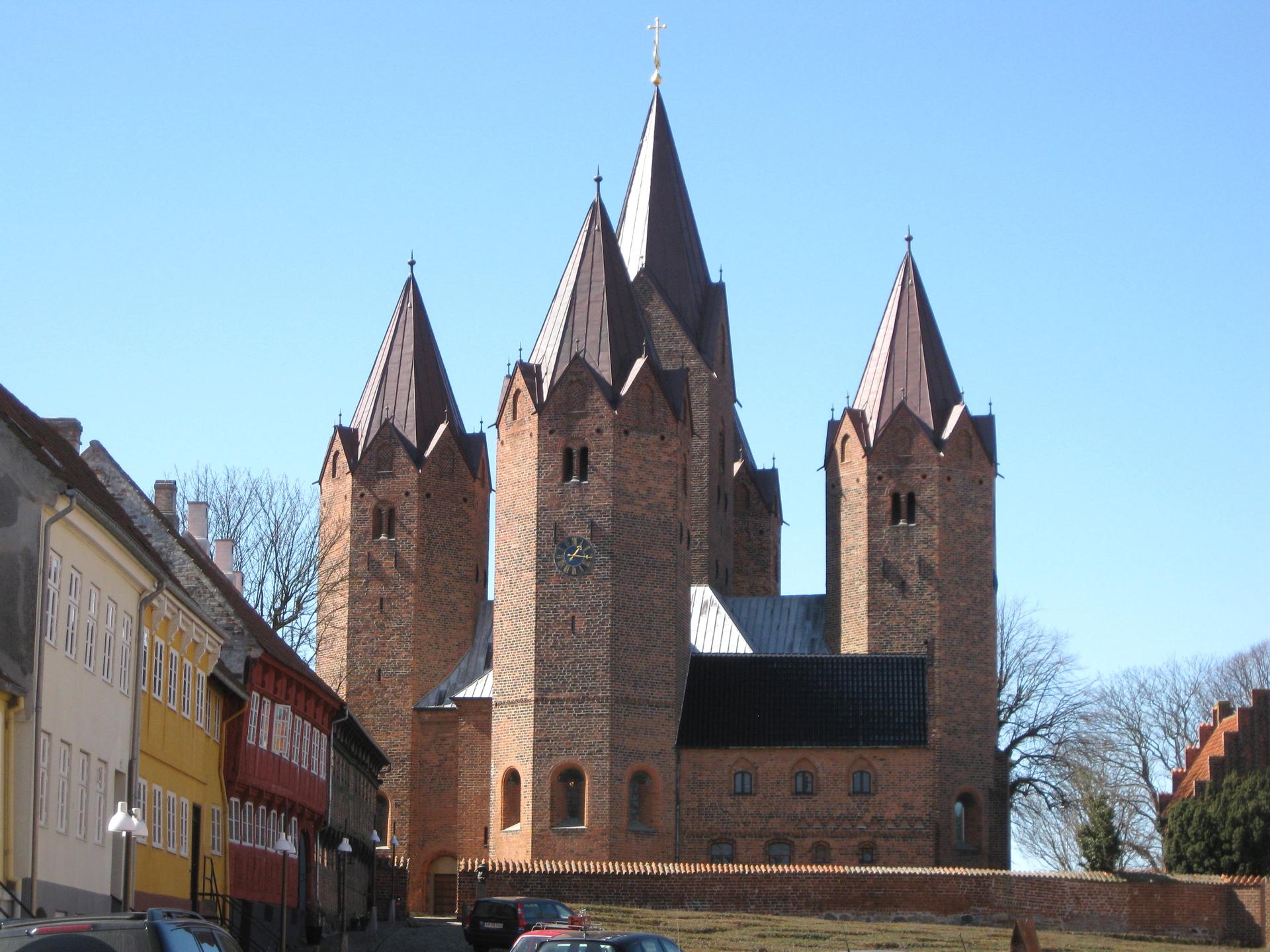
Looking beyond Kalundborg Slot? Discover Kalundborg for broader travel guides, local hot-spots, and regional highlights.
Explore Kalundborg