Højbyen Kalundborg, Kalundborg Travel Guide
Free Guide: Medieval Kalundborg on a hilltop: a lens-shaped upper town of cobbles, colorful houses and a unique five-towered church overlooking the fjord.


A brief summary of Højbyen Kalundborg
Medieval Kalundborg on a hilltop: a lens-shaped upper town of cobbles, colorful houses and a unique five-towered church overlooking the fjord.
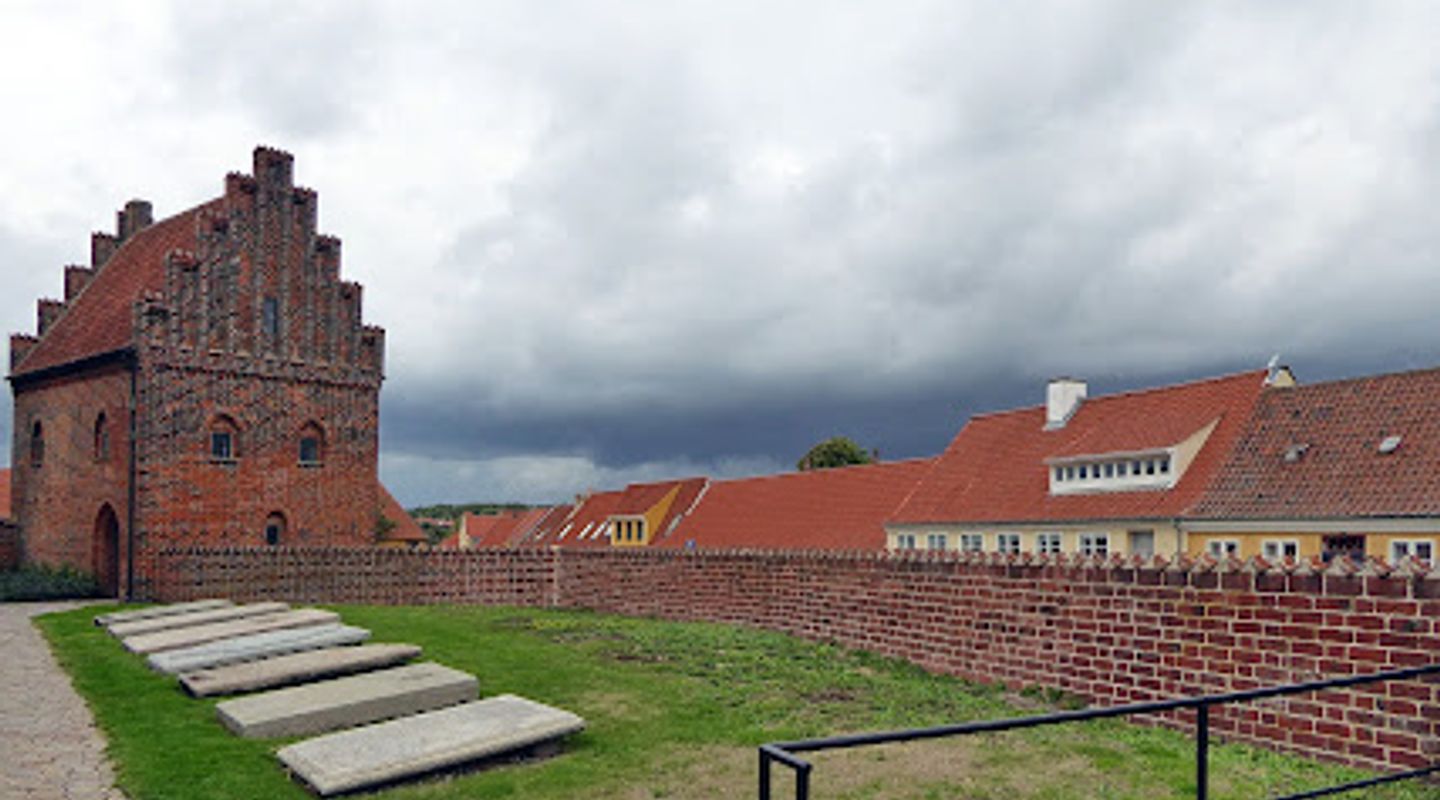
Højbyen is the atmospheric medieval upper town of Kalundborg, perched above the modern city on Zealand’s west coast. Planned in the late 12th century, its lens-shaped street grid gathers around the unique five-towered Church of Our Lady and a cluster of historic houses, cobbled lanes and half-timbered facades. This compact hilltop quarter offers a rare, intact glimpse of Denmark’s Middle Ages, with quiet streets, harbor views and layers of trading, crusading and ecclesiastical history.
On-site amenities
 Restrooms
 Drink options
 Drinking water
 Food options
 Seating areas
 Sheltered areas
 Trash bins
 Information boards
 Visitor centre
Opening hours
- Every dayOpen 24 hours
Opening hours as listed on the venue’s Google Business Profile. Hours can change for services and special events, so check with the venue before you go.
- Address
- Adelgade 18, 4400 Kalundborg
- Phone
- Website
Getting there
Train and short uphill walk from Kalundborg Station
Local bus within Kalundborg and gentle walk
Car or taxi within Kalundborg
Discover more about Højbyen Kalundborg
A Medieval Hilltop Quarter Above the Harbor
Højbyen – literally “the High Town” – crowns a low hill above Kalundborg’s harbor, forming the city’s medieval heart. Laid out in the late 12th century as a planned fortified town, it still follows a distinctive lens-shaped street pattern that sets it apart from surrounding neighborhoods. Narrow lanes such as Adelgade and Præstegade curve softly along the hilltop, edged by closely packed houses whose gables step down toward the water.From here you sense how the upper town once controlled both land and sea approaches. Glimpses of the fjord between rooftops underline Højbyen’s historic role as a Baltic trading hub, while the compact scale and enclosed feel hint at its former life behind ramparts and castle walls.
The Five-Towered Church at the Center
At the core of Højbyen stands the Church of Our Lady, Kalundborg’s extraordinary five-towered brick church. Built in the early 13th century, it rises like a compact fortress-cathedral, with a central tower ringed by four corner towers arranged in a Greek cross ground plan. The design is often linked to the Biblical vision of the Heavenly Jerusalem, and remains unique in Denmark.The church’s warm red brick, heavy buttresses and narrow, high windows give it a distinctly Romanesque character. Step back along Adelgade and you see the towers assembling into an almost castle-like silhouette above the roofs. Inside, when open, the high nave, simple decoration and cool light emphasize the building’s medieval origins and the wealth and ambition that shaped Kalundborg in the age of crusades.
Cobbled Streets, Half-Timbered Houses and Quiet Corners
Wandering Højbyen’s streets is like walking through a concentrated anthology of Danish town architecture from the 15th to 17th centuries. Cobbles underfoot lead past plastered houses in muted yellows and pinks, classic red brick facades and occasional half-timbered walls with dark beams and white infill. In summer, hollyhocks and climbing roses soften doorways and stone steps.Among the most striking buildings are former clergy residences, merchants’ homes and later civic buildings, many with steep roofs and intricate door surrounds. Around the church you find the former vicarage and other ecclesiastical properties, while nearby stands Lindegården, housing Kalundborg Museum, which delves deeper into local history when open. Small details – carved lintels, old wooden gates, uneven brickwork – reward slow, observant exploration.
Traces of Fortifications and Forgotten Castles
Højbyen was once protected by walls and dominated by the stronghold of Vestborgen, a castle founded by Esbern Snare, an influential 12th-century nobleman. Although the fortifications and much of the castle were dismantled in the 15th century and their stone reused elsewhere in the town, the hilltop topography and street pattern still echo this defensive past.Archaeological work in the 20th century rediscovered the ruins of Vestborgen beyond the church and museum area. While the remains are modest, knowing that a long-lost castle stood here adds an extra layer of imagination to any walk through the upper town. The sense of a once-strategic place, later partly forgotten and then quietly preserved, is part of Højbyen’s charm.
A Calm, Lived-In Quarter in Today’s Kalundborg
Despite its historical importance, Højbyen remains a residential neighborhood as much as a sight. You are likely to share the streets with locals walking dogs or carrying groceries rather than tour groups. This everyday calm, especially outside peak summer weekends, makes the quarter feel authentic and unforced.From select spots near the church and along the hill’s edges, you can look down over the modern town, harbor installations and the fjord beyond, linking Kalundborg’s medieval past to its contemporary role as a port and industrial center. Visiting Højbyen is less about ticking off a single monument and more about absorbing the atmosphere of an unusually intact Danish medieval townscape in a compact, easily explored setting.
Evendo Review Centre
 Google
Guest reviews
Best time to go
Quietest: Jan, Feb & Mar · before 8am or at 9pm
Busy times are Evendo estimates for a typical year, to help you plan. Actual crowds vary with events, school holidays and the weather.
Explore Højbyen Kalundborg on the map
A handpicked selection of must-see spots near Højbyen Kalundborg, mapped for you.
Get your free copy of our complete guide to Højbyen Kalundborg, delivered straight to you.
Everything on this page, from opening hours and how to get there to Eve’s tips and the best time to go, in one PDF you can read offline, print or share.
Already have an account? Sign in
Your Højbyen Kalundborg guide is ready.
We'll send it to · Not you? Sign out

Getting your guide ready…
We are putting together a fresh copy of the Højbyen Kalundborg guide. This can take up to a minute.
This can take a few moments. If your browser asks, choose Allow so the download can start. You'll find the guide in your Downloads folder.
Nothing happened? Download it again
Sorry, the guide is taking longer than usual. Please try again in a minute, or get it by email instead.
Other nearby places you may find interesting
The closest places of the same kind, if this one is not quite what you had in mind.
-
-
-
-
-


Swipe for more places
More to explore near Højbyen Kalundborg

 Best experiences near Højbyen Kalundborg
 Best hotels near Højbyen Kalundborg
 Best landmarks near Højbyen Kalundborg
 Best attractions near Højbyen Kalundborg
 Best shops near Højbyen Kalundborg
 Best restaurants near Højbyen Kalundborg
 Best bars near Højbyen Kalundborg
Do you manage this location?
Take control to get all the benefits, like improved information, better appearance, and stronger visibility across AI-powered discovery.
Explore more

Explore more of Kalundborg
Discover Kalundborg, a picturesque Danish town with rich history, stunning landscapes, and a vibrant cultural scene. Perfect for nature lovers and history enthusiasts alike.
Explore Kalundborg
Explore more of Denmark
Discover Denmark: A perfect blend of history, modern design, and the cozy concept of hygge. Explore vibrant cities, serene landscapes, and world-class cuisine.
Explore Denmark