Københavns Synagoge, Koge Travel Guide
Historic heart of Jewish Copenhagen, this discreet 1833 synagogue blends neoclassical brickwork with Egyptian‑inspired interiors and a powerful story of resilience.
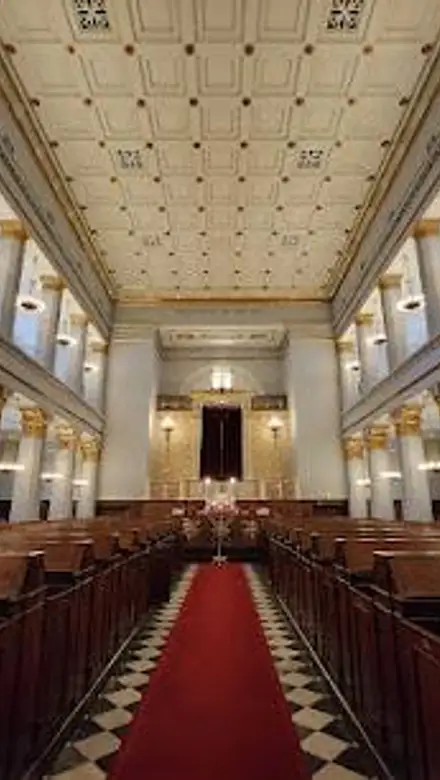
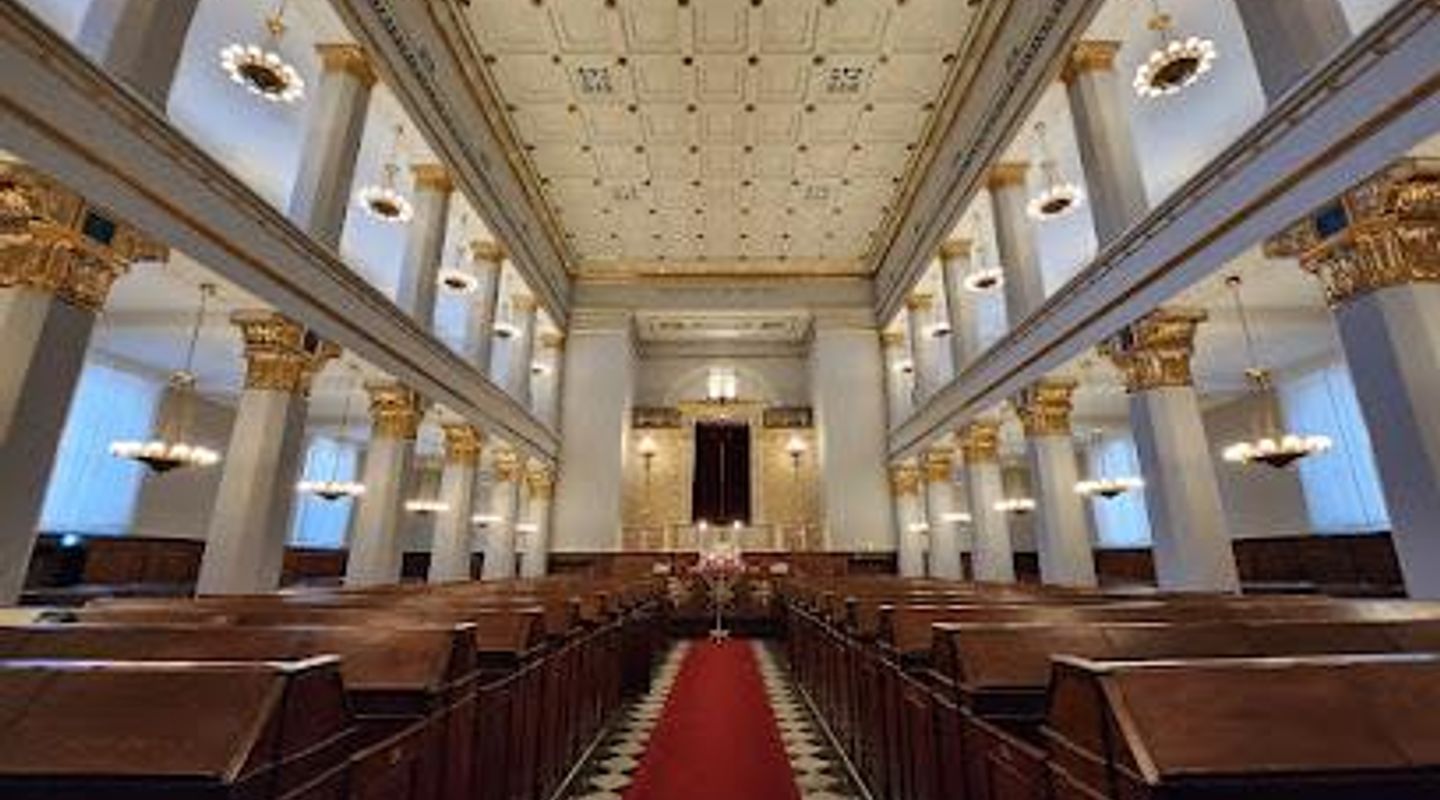
Tucked discreetly into Krystalgade in Copenhagen’s Old Town, Københavns Synagoge is the historic heart of Denmark’s Jewish community. Completed in 1833 and designed by architect G.F. Hetsch, the yellow-brick basilica blends neoclassical lines with Egyptian-inspired interior details, octagonal columns and a striking ark wall. Beyond its calm, light-filled sanctuary, the synagogue embodies stories of religious emancipation, resilience during war and the long, complex history of Jews in Denmark.
A brief summary to Københavns Synagoge
- Krystalgade, Copenhagen, Indre By, 12, DK
- Click to display
- Click to display
- Duration: 0.5 to 1.5 hours
- Mid ranged
-
 Indoor
- Mobile reception: 5 out of 5
- Monday 10 am-2 pm
- Tuesday 10 am-2 pm
- Wednesday 10 am-2 pm
- Thursday 10 am-2 pm

Know before you go
Hi, I'm Eve. Here are a few practical things to know before exploring Københavns Synagoge.
- Check in advance for guided tour times; access is often limited to set visiting hours outside of religious services and may require prior registration and security screening.
- Dress modestly, with covered shoulders; men may be offered a kippah near the entrance if attending during prayer times or joining a group visit.
- Allow time to study interior details such as the Egyptian‑style ark, Hebrew inscriptions and octagonal columns; bring a small pair of binoculars to see the gallery decorations.
- Security around the synagogue is high; carry photo ID and avoid photographing guards, cameras or barriers to respect local regulations.
Do you manage this location?
Take control to get all the benefits, like improved information, better appearance, and stronger visibility across AI-powered discovery. Learn more about listing your business on Evendo
Activate your presenceOther nearby places you may find interesting
The closest places of the same kind, if this one is not quite what you had in mind.
Explore Københavns Synagoge on the Map
A handpicked selection of must-see spots near Københavns Synagoge, mapped for you.
Unlock the Best of Københavns Synagoge
Buy tickets
-
No tickets available
Book tours with entry


Getting There
-
Metro
From central Copenhagen, the most convenient option is the metro to Nørreport Station, which is served by all city metro lines and several S‑trains. The ride from Kongens Nytorv or Copenhagen Central Station typically takes 3–8 minutes, with frequent departures every few minutes. A single zone‑based ticket costs roughly 20–30 DKK depending on distance, or you can use a travel card. From Nørreport, it is a short, level urban walk through the Inner City; pavements are generally smooth and suitable for wheelchairs, though cobblestones appear on some side streets.
-
City bus
Multiple city bus routes run through the Inner City and stop near Nørreport or along fiolstræde and Købmagergade, within 10–15 minutes’ walk of Krystalgade depending on the exact stop. Typical travel times from other central districts are 10–20 minutes, with buses running every 5–15 minutes during the day. A standard bus ticket costs around 20–30 DKK and can be bought via ticket machines or travel apps. Most buses are low‑floor and wheelchair‑accessible, but note that the final approach involves walking on mixed cobblestone and paving.
-
Bicycle
Cycling is a popular way to reach the synagogue from anywhere in central Copenhagen, usually taking 5–15 minutes from most downtown neighbourhoods. The city has extensive cycle lanes, but the final blocks in the medieval core share space with pedestrians and slower traffic. You can rent city bikes or standard bikes; typical rental costs range from 100–200 DKK per day. Secure bike parking is limited directly by the synagogue due to security measures, so plan to lock your bike slightly further away on marked stands.
-
Taxi
Taxis provide a direct option from hotels or the main railway station to the streets around Krystalgade, usually taking 5–15 minutes depending on traffic. Daytime fares within central Copenhagen commonly range from 80–170 DKK, with higher rates in the evening and at weekends. Vehicles can drop passengers close to the synagogue, but may not be able to stop directly at the entrance because of security barriers, so expect a short walk on level pavements from the nearest permitted set‑down point.
For the on-the-go comforts that matter to you
-
 Restrooms
-
 Seating Areas
-
 Information Boards
Discover more about Københavns Synagoge
A discreet landmark of Danish–Jewish history
Københavns Synagoge stands slightly set back from Krystalgade, a reminder that when it was built in the early 1800s, Jewish life in Denmark was tolerated but still cautious. The community had worshipped in smaller synagogues and private homes since the 1600s, but the great city fire of 1795 destroyed their earlier house of prayer. Only after legal equality in 1814 and years of negotiation did the Jewish congregation secure permission to build this new, purpose‑made synagogue on what was then a modest side street.Completed in 1833, the building quickly became the central spiritual and cultural anchor for Copenhagen’s Jews. It has witnessed emancipation, integration, waves of migration and the trauma of 20th‑century persecution, yet remains an active Orthodox synagogue. Every element, from Hebrew inscriptions to spatial layout, speaks to a community determined to root itself firmly in Danish society while preserving its traditions.Architect G.F. Hetsch and the Egyptian revival interior
The exterior is relatively restrained: a near‑square basilica in pale yellow brick with tall round‑arched windows and a rhythm of twelve columns symbolising the twelve tribes of Israel. Architect Gustav Friedrich Hetsch followed the neoclassical taste of his day, keeping the street facade harmonious with surrounding townhouses while still signalling the building’s special purpose through proportion and ornament.Inside, the tone changes. Hetsch embraced an Egyptian revival style around the ark wall, with stylised lotus and papyrus motifs, bold cornices and a richly painted ceiling. Octagonal columns divide the central nave from narrow side aisles, their forms and capitals subtly echoing ancient temples. The coffered ceiling replaces the barrel vault originally requested by the congregation, a choice that improves acoustics and light while adding geometric order overhead.Ritual space, gendered seating and sacred objects
The synagogue’s plan follows traditional Orthodox practice. Men sit on the main floor of the nave, while women occupy galleries along the side aisles and a balcony at the western end, reached by staircases added and refined during later 19th‑century alterations. This vertical separation shapes the way sound, sightlines and community dynamics are experienced during prayer.At the eastern wall, steps rise to the elevated ark where the Torah scrolls are kept behind an ornate curtain and doors. Above it, in gilded Hebrew letters, a line admonishes worshippers to "know before whom you stand", focusing attention on the sanctity of the moment. In front sits the bimah, a raised platform with a reading desk where the Torah is chanted and the cantor leads the service, turning the central space into both stage and gathering place.War, rescue and resilience in the 20th century
The synagogue is entwined with Denmark’s remarkable wartime story. During the Nazi occupation, community leaders and sympathetic officials moved quickly to protect sacred objects. Torah scrolls were secretly transferred for safekeeping to a nearby church, while many Danish Jews were helped across the Øresund to neutral Sweden. The building itself survived these years but later, in 1985, was damaged by a bomb attack linked to Middle Eastern tensions, a sobering reminder of the vulnerability of Jewish institutions.Despite these threats, Københavns Synagoge has continued to function as a living house of worship and memory. Renovations in recent decades have repaired war and age‑related damage, upgraded seating and lighting, and restored painted surfaces without erasing patina. The result is a space that feels both carefully preserved and actively used, especially on major holidays when its role as communal heart becomes most evident.Visiting today: calm interior and layered stories
From the street, the synagogue can seem almost hidden, yet stepping through the gate and into the quiet courtyard shifts the mood from city bustle to reflective calm. Inside, warm light filters through high windows onto painted walls, polished wood benches and the richly decorated ark, encouraging visitors to sit, look closely and absorb details rather than rush.Guided visits, when offered, typically explain ritual objects, Hebrew inscriptions and the history of Jews in Denmark, placing the building within a broader narrative of religious freedom and minority life. Security is visible and entry procedures are controlled, but once inside, the atmosphere is welcoming and contemplative. For architecture lovers, history enthusiasts and anyone curious about Jewish heritage in Scandinavia, Københavns Synagoge offers a nuanced, quietly powerful insight into the city beyond its royal palaces and museums.












Your all‑in‑one travel companion app
Explore expert travel guides, compare and book tours, experiences, hotels, and more—all from the palm of your hand. Download now for seamless trip planning wherever your wanderlust takes you.


Explore More of Koge
Looking beyond Københavns Synagoge? Discover Koge for broader travel guides, local hot-spots, and regional highlights.
Explore Koge
Experience world-class music and visionary architecture at DR Koncerthuset, a cultural icon blending innovative design with top-tier performances in Copenhagen.
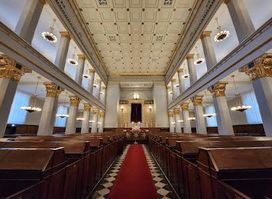
Discreetly set back on Krystalgade, Copenhagen’s Great Synagogue blends restrained Neoclassical architecture with rich Jewish history and a still‑vibrant congregation.