
Kultorvet, Copenhagen Travel Guide
Historic coal market turned lively pedestrian square, Kultorvet blends layered architecture, fountain-side cafés and everyday city life in the heart of Copenhagen.
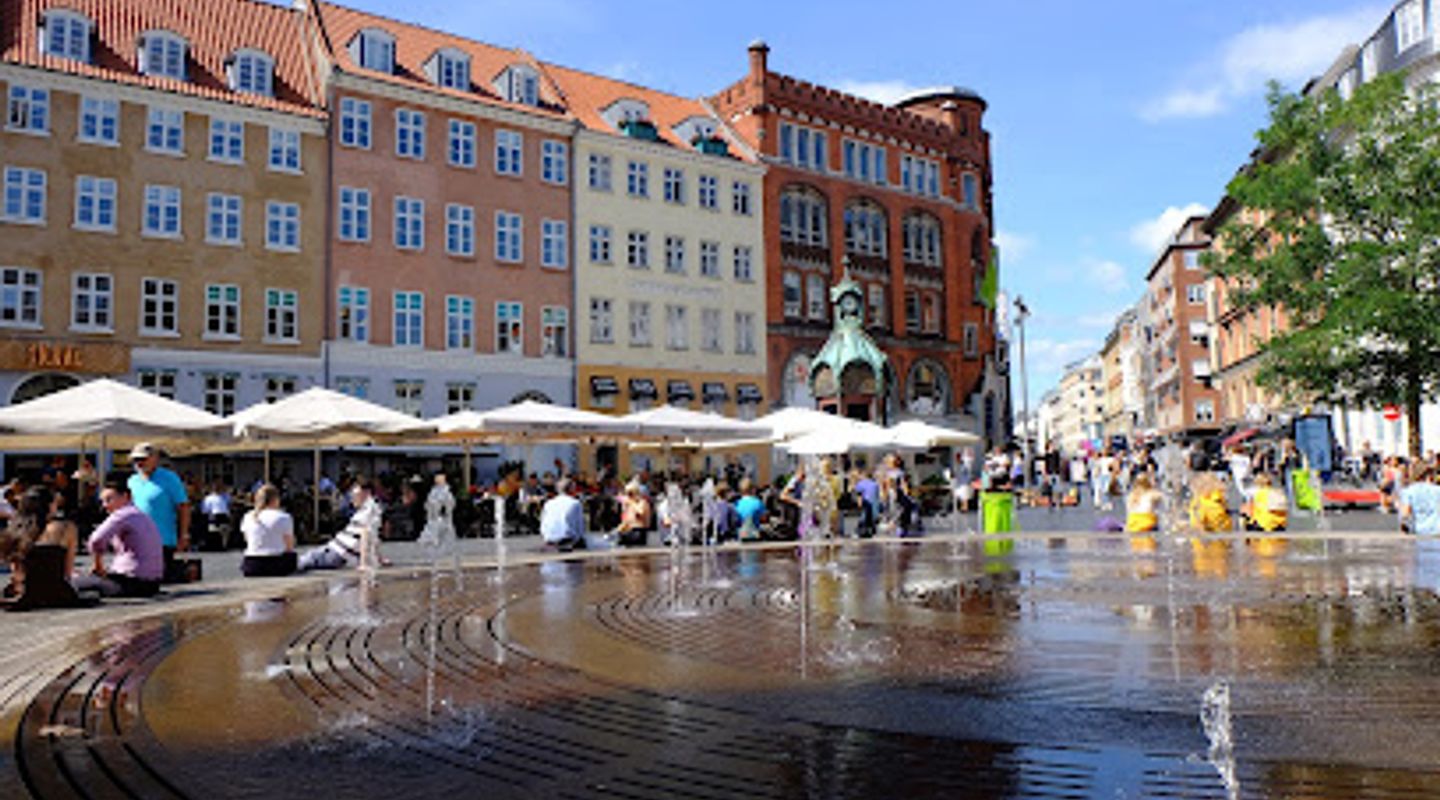
Kultorvet is a historic cobbled square in the very heart of Copenhagen’s Old Town, midway between Nørreport Station and the famous Strøget shopping street. Once the city’s bustling coal market after the great fire of 1728, it is now a lively pedestrian plaza framed by colorful facades, cafés, shops and a striking circular water feature that doubles as a bandstand during summer concerts and events.
A brief summary to Kultorvet
- Kultorvet 9B, Copenhagen, København K, 1175, DK
- Duration: 0.5 to 2 hours
- Free
-
 Outdoor
- Mobile reception: 5 out of 5

Know before you go
Hi, I'm Eve. Here are a few practical things to know before exploring Kultorvet.
- Time your visit for late afternoon or early evening in summer, when café terraces are full, the fountain is active and you are most likely to encounter live music or small events.
- Bring a light layer even on warm days; the open square can feel breezy, especially if you plan to sit outside at one of the cafés into the evening.
- Combine a stop at Kultorvet with nearby sights such as the Round Tower and Købmagergade for an easy half-day exploring Copenhagen’s Old Town on foot.
- Look for the green historic telephone kiosk and the bronze sculpture “The Elder Mother” to appreciate some of the square’s more subtle historical details.
- In wet or icy weather, take care on the cobblestones, which can become slippery; footwear with good grip makes wandering the area more comfortable.
Do you manage this location?
Take control to get all the benefits, like improved information, better appearance, and stronger visibility across AI-powered discovery. Learn more about listing your business on Evendo
Activate your presenceOther nearby places you may find interesting
The closest places of the same kind, if this one is not quite what you had in mind.

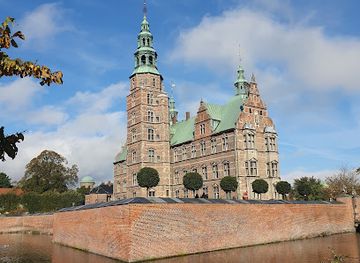
Explore Kultorvet on the Map
A handpicked selection of must-see spots near Kultorvet, mapped for you.
Getting There
-
Metro and S-train
From Nørreport Station, which is served by metro lines M1–M4 and several S-train routes, reach Kultorvet in about 5–10 minutes including walking time. Trains run every few minutes throughout most of the day, and a single-zone ticket within central Copenhagen typically costs around 20–30 DKK. Platforms and station concourses are step-free, but the final stretch across the pedestrian streets involves cobblestones that may feel uneven for some wheelchairs or strollers.
-
City bus
Multiple city bus lines stop at or near Nørreport Station, from where it is a short 5–10 minute walk to Kultorvet through the pedestrianized Old Town. Buses generally operate every 5–15 minutes during the day, with reduced frequency in late evenings and on weekends. Standard bus fares within the central zones are usually in the 20–30 DKK range, and low-floor vehicles make boarding straightforward, though the cobbled approaches to the square require some care for those with mobility challenges.
-
Bicycle
Cycling is a popular way to reach Kultorvet from most central neighborhoods, with dedicated bike lanes leading towards Nørreport and the surrounding streets. Expect 5–20 minutes of riding from most inner districts, depending on distance. You can use a personal bike or one of the city’s rental or shared bikes, often priced from about 20–40 DKK per half hour. Bicycles must be walked once you enter the pedestrian square itself, and be prepared for busy intersections at peak commuter times.
-
Walking within the Old Town
From central Old Town landmarks such as City Hall Square or Kongens Nytorv, allow 10–20 minutes on foot to reach Kultorvet at a relaxed pace. The route leads through largely level but often cobbled pedestrian streets with frequent shopfronts, cafés and occasional mild crowding, especially in summer and around weekends. The area is suitable for most visitors, though those with limited mobility may wish to plan extra time for navigating the uneven surfaces.
For the on-the-go comforts that matter to you
-
 Restrooms
-
 Drink Options
-
 Drinking Water
-
 Food Options
-
 Seating Areas
-
 Sheltered Areas
-
 Trash Bins
-
 Information Boards
Discover more about Kultorvet
From Coal Market to City Living Room
Kultorvet, whose name translates as “The Coal Market”, was created after the devastating Copenhagen Fire of 1728 cleared swathes of this part of the city. The new square provided a convenient place for colliers, peat cutters and farmers from North Zealand to sell charcoal, firewood and peat to the growing capital. For generations, this was one of the city’s most essential marketplaces, supplying the fuel that kept homes warm and workshops running.Over time, the square grew beyond its original footprint as surrounding buildings were demolished and rebuilt, mirroring Copenhagen’s gradual shift from medieval market town to modern city. Trams once rattled across the cobbles and carts jostled for space; today, the traffic is almost entirely on foot, but Kultorvet still feels like a crossroads where everyday life naturally converges.Architecture Written in Layers of Stone
Look up from the cobbles and you can read the square’s history in its facades. At one corner, early post-fire houses from the 1730s hint at the first wave of rebuilding. Nearby stand more imposing early 19th-century structures in the sober, classical style associated with architect Christian Frederik Hansen, whose work helped define Copenhagen’s look after the fires.On another side, the former Kultorvet Pharmacy, a Historicist building from the 1890s, shows off richly detailed brickwork and traces of the tall spire it once carried. The old main building of Copenhagen’s Central Library also fronts the square; its halls now serve as a campus for Niels Brock Copenhagen Business College, continuing the tradition of public use in a new form.A Pedestrian Heart Between Nørreport and Strøget
Kultorvet forms part of a continuous pedestrian zone that links busy Nørreport Station with the elegant shopping streets of Strøget. Together with Købmagergade and the southern stretch of Frederiksborggade, it acts as a hinge between transport hub and historic core. The square was formally pedestrianised in the 1970s, following Copenhagen’s pioneering experiment with car-free streets.Throughout the day, commuters, shoppers, students and visitors drift through, pausing at flower stalls, browsing bookshops or grabbing a coffee to go. Despite the constant movement, the square manages to feel relaxed rather than rushed, with plenty of space to sit, watch and let the city flow around you.Fountains, Concerts and Everyday Atmosphere
A major redesign in 2013 gave Kultorvet its defining modern feature: a broad circular water element that doubles as a stage for performances. In summer, the fountain’s low sprays and reflective surface act as a magnet for children, street musicians and sun-seekers. During concerts, the circle becomes a natural focus point, turning the square into a small, open-air venue hemmed in by historic facades.One of Copenhagen’s surviving green telephone kiosks adds a nostalgic touch, hinting at an era when public telephones were essential fixtures in the urban landscape. At ground level, outdoor seating from surrounding cafés and restaurants spills onto the paving, creating an almost continuous band of terrace life in good weather.Stories in Bronze and Cobblestones
Among the square’s quieter details is Hanne Varming’s bronze sculpture “The Elder Mother”, inspired partly by Hans Christian Andersen’s tale of the same name and partly by the artist’s own great-grandparents. The seated elderly couple, rendered with great tenderness, brings a note of intimacy and reflection to a space otherwise dominated by bustle and commerce.Pause beside the statue or by the fountain and it is easy to imagine earlier versions of Kultorvet: the cries of coal traders, the ringing of tram bells, the murmur of library visitors. Today, the sounds are more likely to be clinking glasses, bicycle bells and snatches of music, but the square remains what it has been for centuries—a stage on which Copenhagen’s daily life plays out in the open air.












Your all‑in‑one travel companion app
Explore expert travel guides, compare and book tours, experiences, hotels, and more—all from the palm of your hand. Download now for seamless trip planning wherever your wanderlust takes you.


Explore More of Copenhagen
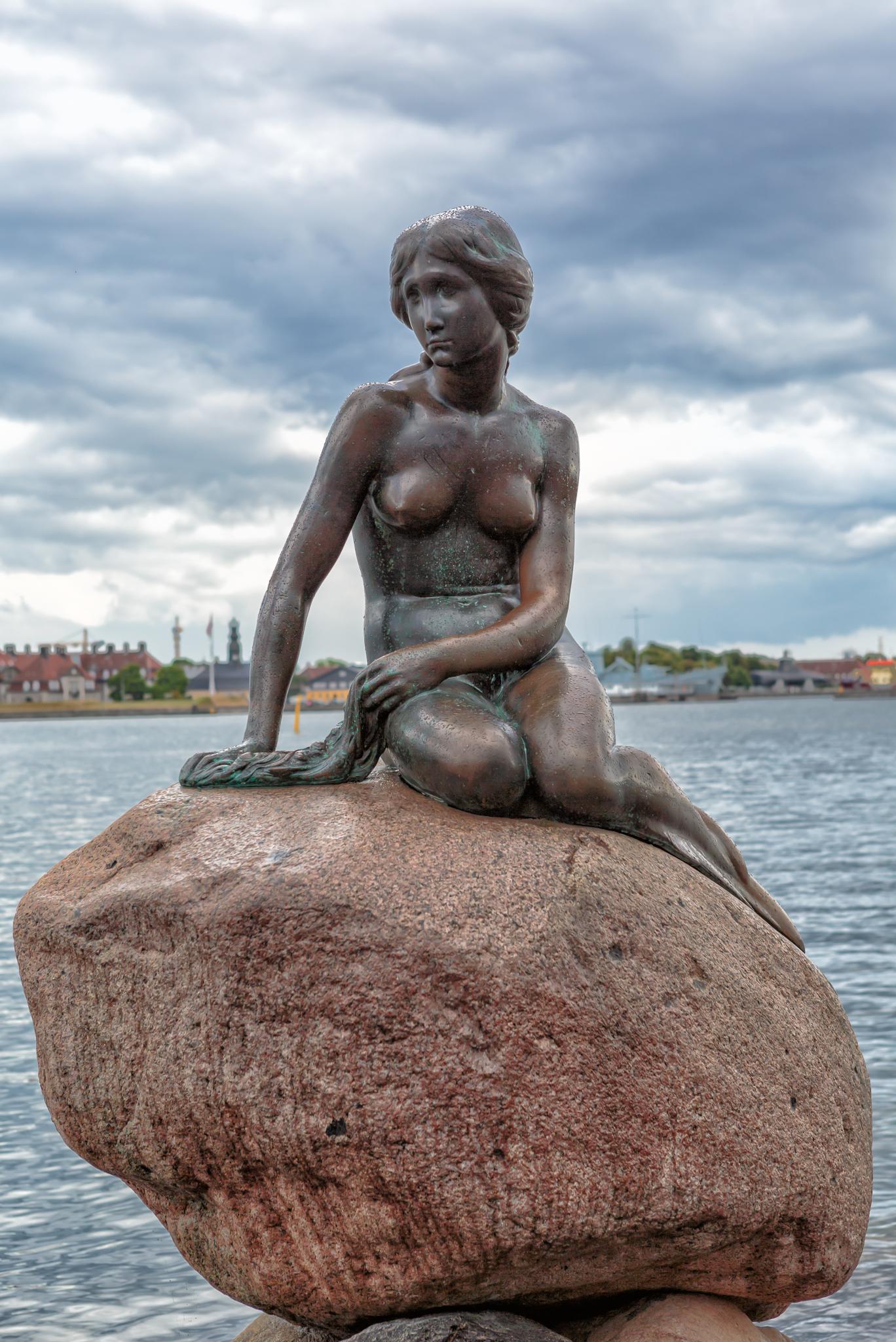
Looking beyond Kultorvet? Discover Copenhagen for broader travel guides, local hot-spots, and regional highlights.
Explore Copenhagen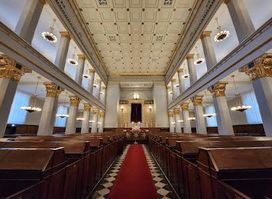
Discreetly set back on Krystalgade, Copenhagen’s Great Synagogue blends restrained Neoclassical architecture with rich Jewish history and a still‑vibrant congregation.

Award-winning modernist concert hall in Copenhagen’s Ørestad, famed for acoustic excellence, innovative design, and unforgettable live music experiences.
