

Aalborg by Travel Guide
Free Guide: Step into a 55‑million‑year‑old seabed on the island of Mors, where world‑class fossils, hands‑on hunts and mo‑clay landscapes bring Denmark’s deep past to life.


A brief summary of Aalborg by
Step into a 55‑million‑year‑old seabed on the island of Mors, where world‑class fossils, hands‑on hunts and mo‑clay landscapes bring Denmark’s deep past to life.
Set in the rolling mo-clay landscape of northern Mors, Fossil- og Molermuseet is a compact but remarkable museum devoted to the island’s 55‑million‑year‑old marine past. Inside, you encounter exquisitely preserved fish, birds, insects and plants found in the local moler (mo‑clay), alongside dramatic stories of how this soft, layered earth was formed on an ancient seabed. Outside, trails lead into former clay pits where you can search for your own fossils, making this one of Denmark’s most hands‑on natural history experiences.
On-site amenities
 Restrooms
 Drinking water
 Food options
 Seating areas
 Sheltered areas
 Picnic areas
 Trash bins
 Information boards
 Visitor centre
- Address
- Skarrehagevej 8, 7900 Nykøbing Mors
Getting there
Car from Nykøbing Mors town
Regional bus from Nykøbing Mors
Bicycle from Nykøbing Mors area
Discover more about Aalborg by
Ancient Ocean Stories in the Hills of Mors
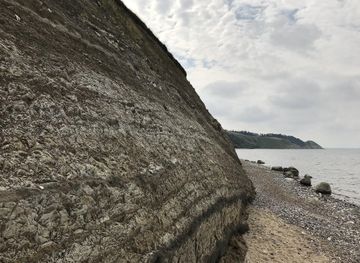
Tucked into the gentle countryside north of Nykøbing Mors, Fossil- og Molermuseet explores a time when this quiet corner of Denmark lay beneath a warm ocean. The local moler, or mo‑clay, formed around 55 million years ago as microscopic algae and fine clay slowly settled on the seabed, building up in pale, banded layers. Today those layers are exposed in dramatic cliffs and pits, and the museum tells the story of how geological forces, ice ages and human quarrying have revealed this deep past.The museum takes full advantage of its setting. Large windows and outdoor exhibits connect what you see in the display cases with the actual landscape where it all came from. On a clear day, the undulating terrain and distant views of the Limfjord underline that you are walking on an ancient seafloor turned island.
World-Class Fossils in a Rural Museum
Inside, Fossil- og Molermuseet presents an unusually rich collection of fossils found almost entirely within a short radius of the building. Delicate fish with visible fins, insects with gossamer wings, leaves, branches and even birds are preserved in astonishing detail in flat slabs of moler. Among the local stars are a fossil sea turtle nicknamed “Luffe” and examples of giant ikaite crystal molds, reminders of strange mineral formations that once grew in the seabed.The displays mix scientific explanation with clear, accessible storytelling. Panels describe how animals and plants ended up in the sediment, how oxygen-poor waters helped preserve them and how the layered structure of moler records volcanic ash falls and climate shifts. Specimens are arranged so you can compare different species and see how varied life in the Eocene ocean really was.
Hands-On Fossil Hunting and Microscopes
One of the museum’s great appeals is its emphasis on participation. A dedicated area invites you to sit at tables with microscopes, lenses and small tools, examining chips of moler for tiny fossils. Staff demonstrate how to split stones carefully to reveal the sharp silhouettes of fish, insects or feathers hidden within.Just outside, a nature trail leads into a former moler pit. Here you can look for fossils at the bottom of the excavation, where loose material is both safe and rewarding to search. Clear signs explain where collecting is allowed and why the steep walls are off-limits due to landslide risk. The combination of indoor interpretation and outdoor exploration makes it easy to connect each fragment you find with the wider geological story.
Mo-Clay, Industry and the Island’s Identity
Beyond natural history, the museum also addresses how moler has shaped Mors in more recent centuries. Panels and objects show how this lightweight, heat-resistant material has been quarried and processed, from simple early pits to industrial-scale extraction. Bricks, insulation products and diatomite-based items illustrate how a substance born on an ancient seabed became a modern resource.Photographs and models trace how clay pits altered the landscape, leaving scars that have since turned into lakes, nature reserves and walking areas. The museum sits within this transformed environment, and its stories help explain why the northern part of Mors looks the way it does today, with steep-cut slopes, open water and grazing meadows.
Linked Museums and Time-Travel Across Mors
Fossil- og Molermuseet is part of Museum Mors, a network of local museums that together cover everything from medieval monastic life to rural farming and industrial casting. Entry here typically grants access to sister sites such as Dueholm Priory, Skarregaard farm museum and the Danish Foundry Museum, allowing you to stretch your visit into a full day of time-travel across the island.This connection enriches the experience: you might spend the morning among fossils and mo‑clay, then later stand in historic farm buildings or cloistered rooms in town, tracing how landscapes, resources and people have interacted on Mors over many centuries.
Practical Visit in a Quiet Countryside Setting
The museum sits in a peaceful rural area near Sejerslev, surrounded by fields, hedgerows and the low silhouettes of former clay pits. The building is compact and mostly level, making it convenient for visitors with limited mobility. Outside seating allows you to pause between the indoor galleries and the nature trail.Most travellers spend between one and three hours here, more if they combine indoor exhibits with thorough fossil hunting and a gentle walk along the trail. The setting encourages a slower pace: a place to linger over the fine details of a fossil fish, listen to birdsong drifting over the pits and imagine the warm sea that once covered this quiet corner of northern Jutland.
Evendo Review Centre
 Google
Guest reviews
Best time to go
Quietest: Jan, Feb & Dec · before 8am or at 7pm
Busy times are Evendo estimates for a typical year, to help you plan. Actual crowds vary with events, school holidays and the weather.
Explore Aalborg by on the map
A handpicked selection of must-see spots near Aalborg by, mapped for you.
Get your free copy of our complete guide to Aalborg by, delivered straight to you.
Everything on this page, from opening hours and how to get there to Eve’s tips and the best time to go, in one PDF you can read offline, print or share.
Already have an account? Sign in
Your Aalborg by guide is ready.
We'll send it to · Not you? Sign out

Getting your guide ready…
We are putting together a fresh copy of the Aalborg by guide. This can take up to a minute.
This can take a few moments. If your browser asks, choose Allow so the download can start. You'll find the guide in your Downloads folder.
Nothing happened? Download it again
Sorry, the guide is taking longer than usual. Please try again in a minute, or get it by email instead.
Other nearby places you may find interesting
The closest places of the same kind, if this one is not quite what you had in mind.
-
-
-
-
-


Swipe for more places
More to explore near Aalborg by

 Best experiences near Aalborg by
 Best hotels near Aalborg by
 Best landmarks near Aalborg by
 Best attractions near Aalborg by
 Best shops near Aalborg by
 Best restaurants near Aalborg by
 Best bars near Aalborg by
Do you manage this location?
Take control to get all the benefits, like improved information, better appearance, and stronger visibility across AI-powered discovery.
Explore more
Explore more of Limfjord
Discover Limfjord in Denmark: A serene waterway offering a blend of nature, culture, and history with charming villages, Viking sites, and vibrant arts scenes.
Explore Limfjord
Explore more of Denmark
Discover Denmark: A perfect blend of history, modern design, and the cozy concept of hygge. Explore vibrant cities, serene landscapes, and world-class cuisine.
Explore Denmark
