Feggeklit Travel Guide
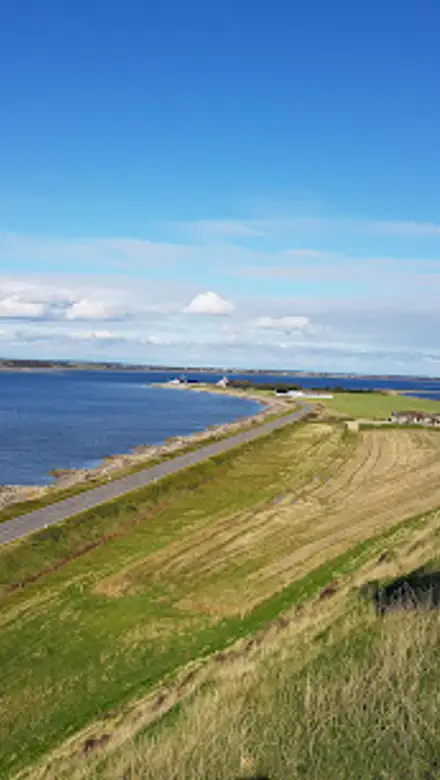
Free Guide: Wind-swept moler cliffs, Viking legend and wide Limfjord views combine at Feggeklit, a small but atmospheric headland on the northern tip of Mors.


A brief summary of Feggeklit
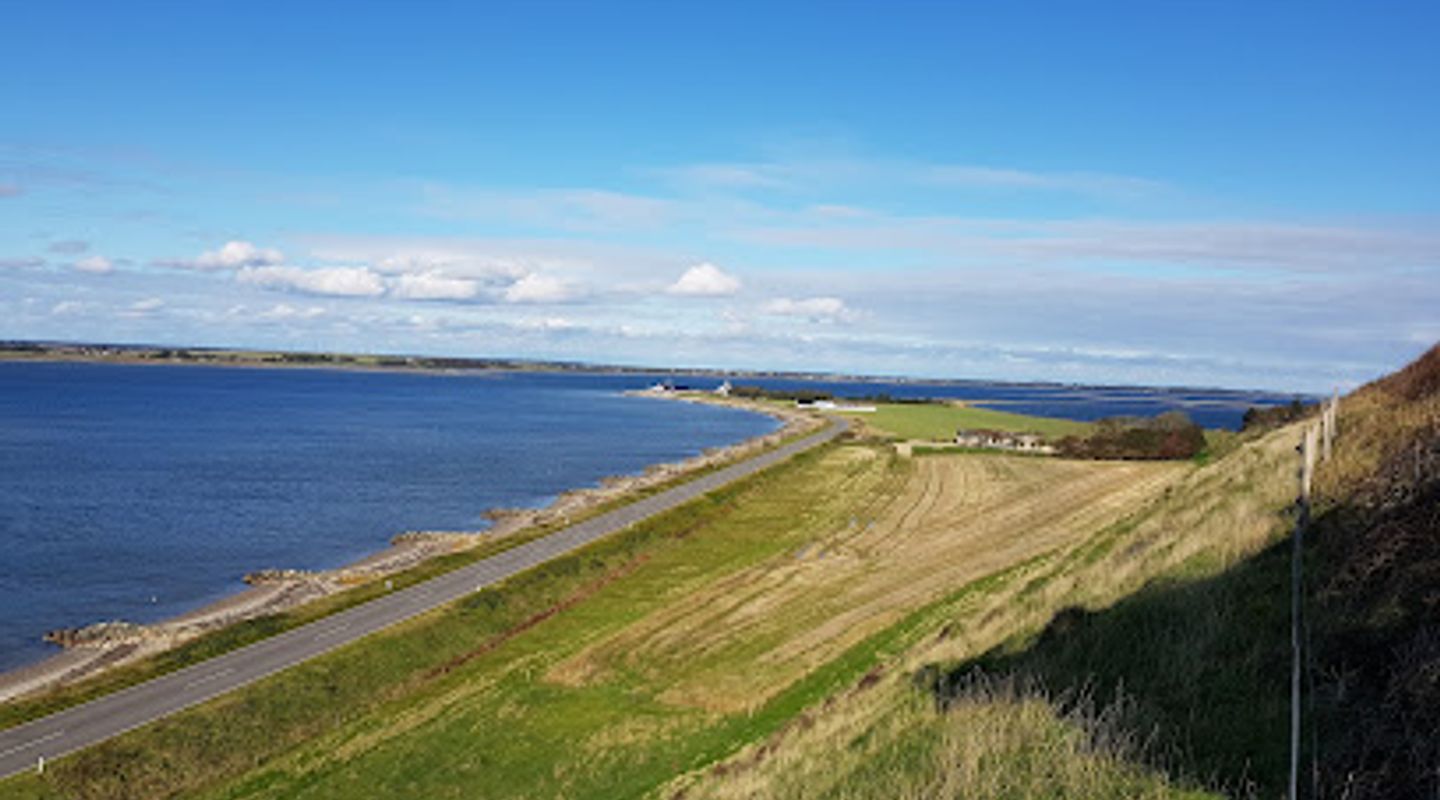
Wind-swept moler cliffs, Viking legend and wide Limfjord views combine at Feggeklit, a small but atmospheric headland on the northern tip of Mors.
Feggeklit is a striking 25 m moler cliff on the northern tip of Mors in the Limfjord, famous both for its layered fossil-rich clay and the Viking legend of King Fegge. Once a standalone island, this protected headland now forms part of the coastline, with grassy slopes on one side and sheer faces on the other. Visitors come for sweeping Limfjord views, coastal walks, angling spots and the atmospheric burial mound known as Kong Fegges Grav on the plateau above.
On-site amenities
 Trash bins
 Information boards
Opening hours
- Every dayOpen 24 hours
Opening hours as listed on the venue’s Google Business Profile. Hours can change for services and special events, so check with the venue before you go.
- Address
- Feggeklit, 7900 Nykøbing Mors
Getting there
Car from Nykøbing Mors
Bicycle from Nykøbing Mors
Regional bus plus walk
Discover more about Feggeklit
A dramatic moler cliff on the Limfjord
Feggeklit rises sharply from the northern shore of Mors, a 25 m high moler embankment that tells a geological story millions of years in the making. Once an island standing alone in the sea, it has since been tied to the mainland, yet still feels distinctly separate from the farmed landscapes behind it. The cliff is formed of soft, pale diatomite and clay, banded with darker layers of ash, giving it a striped appearance where erosion has cut into the face.From the top of the headland, the Limfjord opens out in a broad sweep of water and sky. To one side, you see low-lying coastline and scattered farms; to the other, the narrow sound towards Feggesund. On clear days, the views can feel almost cinematic, especially when wind ruffles the water into shifting patterns of light.
King Fegge and the burial mound on the hill
Feggeklit is inseparable from the legend of Kong Fegge, a Viking king said to have ruled the surrounding waters. On the grass-covered plateau above the cliff lies an oval burial mound known as Kong Fegges Grav, traditionally associated with this local ruler. Whether or not the story is historically accurate, the long, low mound and its commanding position give the site a distinctly mythic atmosphere.Standing here, it is easy to imagine longships passing below, sails taut in the fjord winds. The combination of early Scandinavian history, oral tradition and the stark landscape has made the hill a touchstone for stories about power, betrayal and seafaring life, echoed in local retellings and connections to medieval sagas.
Layers of fossils and coastal nature
The moler of Feggeklit is famous on Mors for its fossil content and subtle coloration. The cliff face reveals thin layers formed from microscopic algae and volcanic ash, deposited in a quiet seabed over vast spans of time. In many places on Mors this material has been quarried, but here the embankment remains as an exposed natural wall.Around the base of the headland, the shoreline shifts between narrow stony stretches and patches of sand and mudflat, hosting wading birds, gulls and occasional seals further out in the fjord. The grassy western side of Feggeklit offers a gentler landscape, dotted with wildflowers in late spring and summer. The breeze is almost constant, carrying the scent of saltwater mixed with vegetation from the fields inland.
Walking, viewpoints and coastal angling
Visitors usually explore Feggeklit on foot, following informal paths that climb up to the plateau and trace the contours of the headland. The path up to Kong Fegges Grav is short but can be a little steep and uneven, especially after rain, so sturdy shoes are useful. Once on top, you can stroll along the ridge to take in different perspectives of the fjord and coastline.Along the water’s edge, Feggeklit is known as a scenic angling spot, with the cliff providing some shelter from wind depending on direction. Anglers cast for sea trout and other coastal species, typically wading in shallow water or fishing from the shoreline. Even if you are not fishing, the presence of rods and lines, the quiet focus of anglers and the occasional splash adds a lived-in feel to the otherwise open landscape.
Atmosphere through changing seasons
The character of Feggeklit shifts with weather and season. In bright summer light, the pale clay contrasts sharply with the blue-grey fjord, and the grassy slopes become inviting picnic spots. On overcast days, the colors flatten and the site can feel introspective, with the burial mound and wind-sculpted grass giving a slightly austere mood.Autumn often brings dramatic skies and livelier winds, when waves slap harder at the shore and migrating birds pass overhead. In winter, dustings of frost or snow can pick out the contours of the mound and the ledges of the cliff, while visibility across the fjord varies from crystal clear to misty and mysterious. Whatever the conditions, the exposed setting, expansive views and overlay of myth and geology make Feggeklit a quietly memorable corner of Mors.
Evendo Review Centre
 Google
Guest reviews
Best time to go
Quietest: Jan, Feb & Dec · before 8am or at 8pm
Busy times are Evendo estimates for a typical year, to help you plan. Actual crowds vary with events, school holidays and the weather.
Explore Feggeklit on the map
A handpicked selection of must-see spots near Feggeklit, mapped for you.
Get your free copy of our complete guide to Feggeklit, delivered straight to you.
Everything on this page, from opening hours and how to get there to Eve’s tips and the best time to go, in one PDF you can read offline, print or share.
Already have an account? Sign in
Your Feggeklit guide is ready.
We'll send it to · Not you? Sign out

Getting your guide ready…
We are putting together a fresh copy of the Feggeklit guide. This can take up to a minute.
This can take a few moments. If your browser asks, choose Allow so the download can start. You'll find the guide in your Downloads folder.
Nothing happened? Download it again
Sorry, the guide is taking longer than usual. Please try again in a minute, or get it by email instead.
Other nearby places you may find interesting
The closest places of the same kind, if this one is not quite what you had in mind.
-
-
-
-
-


Swipe for more places
More to explore near Feggeklit

 Best experiences near Feggeklit
 Best hotels near Feggeklit
 Best landmarks near Feggeklit
 Best attractions near Feggeklit
 Best shops near Feggeklit
 Best restaurants near Feggeklit
 Best bars near Feggeklit
Do you manage this location?
Take control to get all the benefits, like improved information, better appearance, and stronger visibility across AI-powered discovery.
Explore more
Explore more of Limfjord
Discover Limfjord in Denmark: A serene waterway offering a blend of nature, culture, and history with charming villages, Viking sites, and vibrant arts scenes.
Explore Limfjord
Explore more of Denmark
Discover Denmark: A perfect blend of history, modern design, and the cozy concept of hygge. Explore vibrant cities, serene landscapes, and world-class cuisine.
Explore Denmark