The Holy source Travel Guide
Free Guide: A timeless medieval spring flowing steadily through Danish countryside since 1360.


A brief summary of The Holy source
A timeless medieval spring flowing steadily through Danish countryside since 1360.
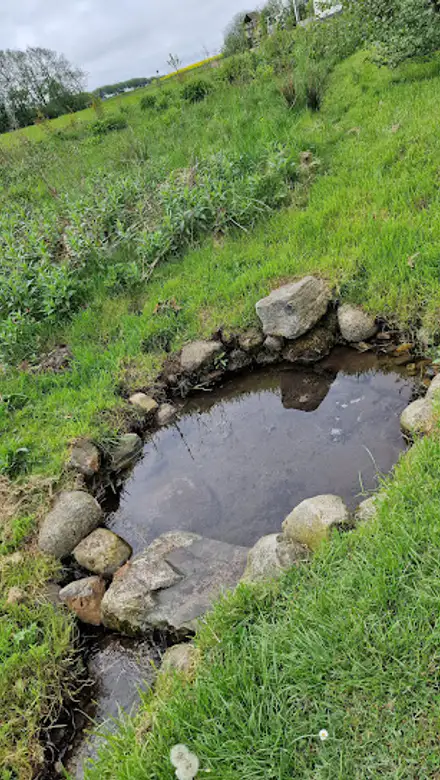
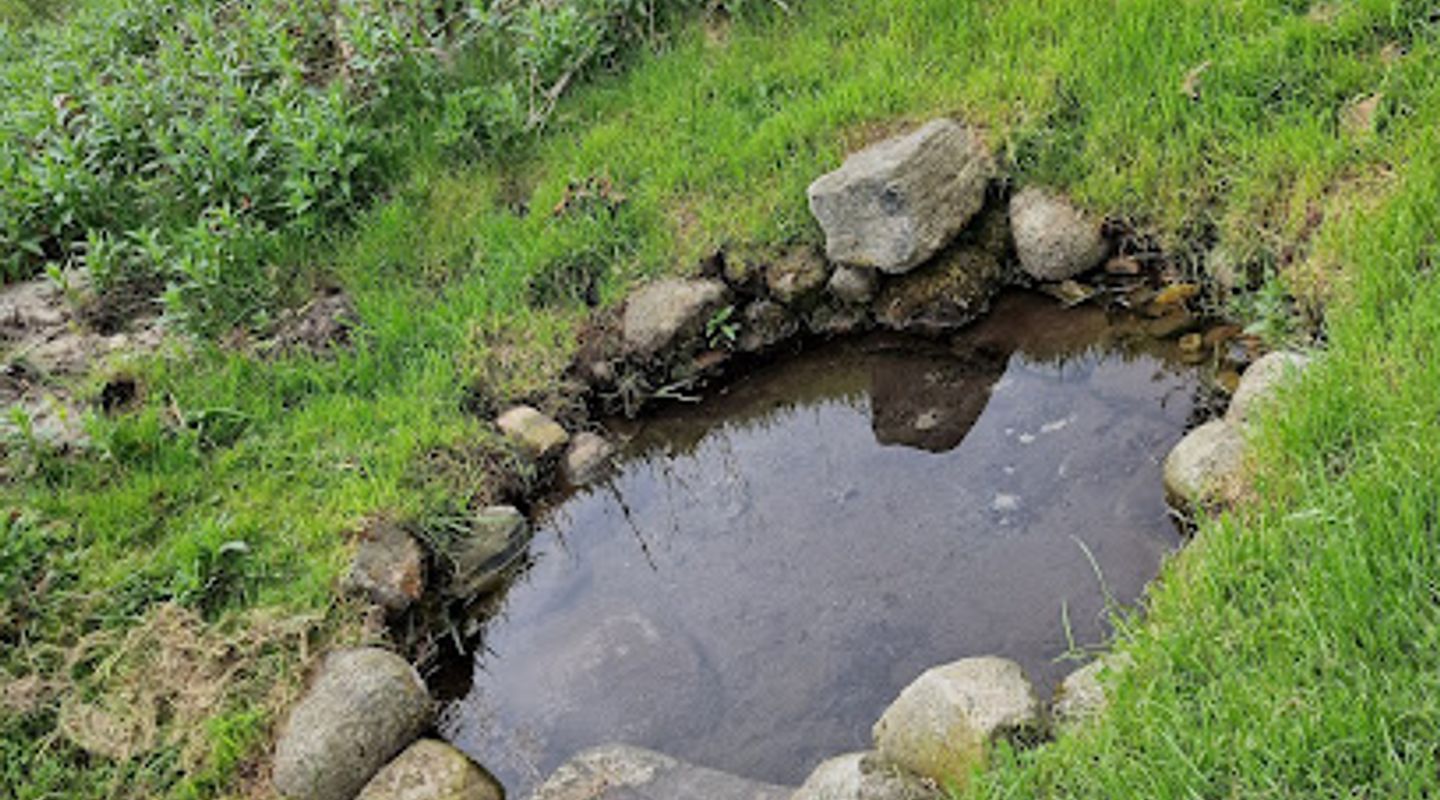
The Holy Source is a historic natural spring in Thyholm, Denmark, flowing continuously since ancient times. First documented in 1360, this serene site has served as a vital gathering place for centuries. The spring produces clear, cold water year-round, even during droughts, and was beautifully restored in 1976. Located southeast of Hvidbjerg on the Thyholm Peninsula, it offers visitors a peaceful connection to Denmark's medieval past and natural heritage.
On-site amenities
 Picnic areas
 Information boards
Opening hours
- Every dayOpen 24 hours
Opening hours as listed on the venue’s Google Business Profile. Hours can change for services and special events, so check with the venue before you go.
- Address
- Munkevej 11, 7790 Thyholm
Getting there
Driving from Struer
Driving from Thisted
Cycling from Hvidbjerg
Walking from Hvidbjerg
Discover more about The Holy source
A Spring with Medieval Roots
The Holy Source, known locally as Helligkilde, is a natural spring situated on the Thyholm Peninsula in North Jutland, Denmark. First documented in written records in 1360, the spring likely dates back much further—possibly to the time when the first hunters and fishers arrived in the region after the Ice Age. Its continuous flow of clear, cold water has made it a significant landmark throughout Danish history, serving as both a practical resource and a place of spiritual importance to local communities.The spring's power was once substantial enough to operate a full watermill at the nearby Helligkildegård, where the millpond still exists as evidence of its historical utility. As recently as 1880, people continued to gather at the spring, demonstrating its enduring role in the life of the region. After centuries of use, the site underwent careful restoration in 1976, which included the construction of an accessible path for visitors.
The Landscape and Setting
Located at Munkevej 11, southeast of the town of Hvidbjerg, the spring emerges from the ground in a peaceful rural setting characteristic of the Thyholm Peninsula. The area is marked by fertile farmland interspersed with small villages and historic churches, creating a landscape that reflects Denmark's agricultural heritage. The spring flows year-round with remarkable consistency, maintaining its output even during periods of drought—a testament to the deep groundwater sources that feed it.The restored site includes a well-maintained path that allows visitors to approach the spring safely and comfortably. The surrounding landscape offers views of the pastoral Danish countryside, with the Limfjord visible in the distance. The quiet, contemplative atmosphere makes it an ideal destination for those seeking a connection to nature and history away from busier tourist areas.
Historical and Cultural Significance
The spring holds deep cultural significance within Danish history and local tradition. Its mention in medieval records places it within the broader context of Thyholm's development during the Middle Ages, a period when the region was Christianized and began to establish the settlements and institutions that would shape it for centuries. The spring's reliability and purity made it a valued resource in an era when clean water sources were essential for survival and prosperity.The restoration of the site in 1976 represented a recognition of its historical importance and a commitment to preserving it for future generations. Today, the spring stands as a tangible link to Denmark's past, offering visitors an opportunity to experience a landscape and resource that has sustained human communities for over 600 documented years and likely much longer.
Visiting the Spring
The site is freely accessible to visitors year-round, with the restored path providing safe access to the spring itself. The peaceful setting and modest scale of the location make it suitable for quiet contemplation, photography, or simply enjoying the natural surroundings. The spring's consistent flow and clear water remain its defining characteristics, much as they were in medieval times. Nearby towns such as Hvidbjerg offer shops, eateries, and other amenities for visitors exploring the broader Thyholm Peninsula.
Evendo Review Centre
 Google
Guest reviews
Best time to go
Quietest: Jan, Feb & Dec · before 6am or at 8pm
Busy times are Evendo estimates for a typical year, to help you plan. Actual crowds vary with events, school holidays and the weather.
Explore The Holy source on the map
A handpicked selection of must-see spots near The Holy source, mapped for you.
Get your free copy of our complete guide to The Holy source, delivered straight to you.
Everything on this page, from opening hours and how to get there to Eve’s tips and the best time to go, in one PDF you can read offline, print or share.
Already have an account? Sign in
Your The Holy source guide is ready.
We'll send it to · Not you? Sign out

Getting your guide ready…
We are putting together a fresh copy of the The Holy source guide. This can take up to a minute.
This can take a few moments. If your browser asks, choose Allow so the download can start. You'll find the guide in your Downloads folder.
Nothing happened? Download it again
Sorry, the guide is taking longer than usual. Please try again in a minute, or get it by email instead.
Other nearby places you may find interesting
The closest places of the same kind, if this one is not quite what you had in mind.
-
-
-
-
-


Swipe for more places
More to explore near The Holy source

 Best experiences near The Holy source
 Best hotels near The Holy source
 Best landmarks near The Holy source
 Best attractions near The Holy source
 Best shops near The Holy source
 Best restaurants near The Holy source
 Best bars near The Holy source
Do you manage this location?
Take control to get all the benefits, like improved information, better appearance, and stronger visibility across AI-powered discovery.
Explore more
Explore more of North Jutland
Discover North Jutland: Denmark's northernmost region, renowned for its stunning coastlines, rich Viking history, vibrant culture, and outdoor adventures.
Explore North Jutland
Explore more of Denmark
Discover Denmark: A perfect blend of history, modern design, and the cozy concept of hygge. Explore vibrant cities, serene landscapes, and world-class cuisine.
Explore Denmark