

Bispehuen & Stendal Quarry, Fur
A solitary “Bishop’s Hat” of folded diatomite rising from Fur’s largest quarry, where volcanic ash layers, fossils and sculpture meet in an open-air lesson in deep time.
Bispehuen, “The Bishop’s Hat”, is a striking column of folded diatomite rising from Stendalgraven, Fur’s largest clay quarry in the Limfjord. Here volcanic ash and moler layers lie exposed in steep walls, telling a 55-million-year story of seabeds, eruptions and shifting climates. Above the quarry, the bronze sculpture Molermanden gazes across the fjord, while simple paths, viewpoints and picnic spots make this an easy but impressive geological stop on Denmark’s most distinctive little island.
A brief summary to Bispehuen
- Fur, 7884, DK
- Visit website
- Duration: 1 to 2 hours
- Free
-
 Outdoor
- Mobile reception: 4 out of 5
- Monday 12 am-12 am
- Tuesday 12 am-12 am
- Wednesday 12 am-12 am
- Thursday 12 am-12 am
- Friday 12 am-12 am
- Saturday 12 am-12 am
- Sunday 12 am-12 am
Local tips
- Wear sturdy, closed shoes; quarry paths can be uneven, dusty in dry weather and slippery after rain, especially if you venture below the rim.
- Bring a windproof layer even on bright days; the open quarry catches the breeze from the Limfjord and can feel cooler than the rest of Fur.
- Allow time to view Bispehuen both from the rim and from lower down; the bishop’s‑hat silhouette and the folded layers show very differently at each angle.
- If you are interested in fossils, combine your visit with other marked clay pits on Fur and check local guidelines on where and how collecting is permitted.
- Pack water and a snack; there are picnic tables near Molermanden, but no café or kiosk directly at the quarry.

For the on-the-go comforts that matter to you
- Picnic Areas
- Information Boards
- Trash Bins
- Seating Areas
Getting There
-
Car and ferry from mainland Jutland
From the Salling side of the Limfjord, drive to the Branden ferry terminal and take the short car ferry to Fur, a crossing of a few minutes that typically runs at least every 15 minutes during the day. A standard car ticket including passengers usually costs around 120–150 DKK, while foot passengers pay roughly 20–30 DKK per person. Once on Fur, follow the island’s main roads inland to the Stendal quarry area; the drive across the island generally takes 10–20 minutes, and parking is on simple gravel areas near the viewpoints.
-
Public transport with bus and ferry
From the regional hub in Skive, local buses connect to the Branden ferry terminal on the Salling side of the fjord, with journey times typically around 30–40 minutes depending on route and time of day. The bus fare is usually in the range of 30–50 DKK. As a foot passenger, board the Fur ferry for the short crossing, then use the island’s roads on foot or by bicycle to reach Bispehuen; walking from Fur Harbour to the quarry area can take around 45–60 minutes at a steady pace on gently rolling terrain.
-
Cycling route on Fur
Fur is well suited to cycling, with modest hills and relatively light traffic. Many visitors bring bicycles on the ferry from Branden for a small additional fee, typically around 10–20 DKK per bike on top of the passenger fare. From Fur Harbour, allow 20–30 minutes to cycle to the Stendal quarry area on paved and gravel roads. Be prepared for occasional wind from the Limfjord and some short climbs near the island’s northern side; a basic multi‑gear bike and a water bottle are usually sufficient.
Bispehuen location weather suitability
-
 Clear Skies
-
 Mild Temperatures
-
 Any Weather
-
 Cold Weather
-
 Hot Weather
-
 Windy Conditions
Discover more about Bispehuen
A sculpted pillar in a man‑made amphitheatre
Bispehuen is one of Fur’s most eye‑catching landmarks: a slender, knotted pillar of pale diatomite standing almost theatrically in the floor of Stendalgraven, the island’s largest moler quarry. Its nickname, “The Bishop’s Hat”, comes from the outline of the rock, which resembles the folded peak of a mitre when you view it from the edge of the pit. Against the quarry’s broad grey and cream walls, this isolated column feels almost like a natural sculpture left on a stage after the curtain has fallen. The surrounding basin is entirely man‑made, carved out by decades of extracting moler clay for industrial use. As the quarry expanded, this particular stack was spared because of its dramatic folds and the way it hints at the original height of the terrain before extraction began. Today it stands as a reference point: look from Bispehuen up to the rim of the pit and you see, in one glance, how much material has been removed from Fur’s interior.Reading millions of years in layers of ash and clay
What makes Bispehuen more than a curiosity is the story locked into its layers. The cliff faces around you are banded with alternating seams of light diatomite and darker volcanic ash, each line representing an ancient event on a seabed that once covered this part of Denmark. Here, at close range, you can pick out sharp ash bands from distant eruptions and softer, chalky beds formed from the microscopic skeletons of diatoms settling slowly through the water column. The folds that give Bispehuen its unusual shape came later, when movements in the Earth’s crust gently crumpled these once‑flat sediments. In the pillar’s twisted bands, geologists read shifts in pressure and time; you simply see elegant stripes curling around a solitary tower. Stendalgraven is also a classic fossil‑hunting area on Fur, and while collection is regulated, it is common to find impressions of fish, plants and tiny organisms that once swam or drifted above this very spot.From working pit to open‑air viewpoint
Although Stendalgraven began life as a working industrial site, the area around Bispehuen has been carefully reshaped with visitors in mind. Edges have been softened, access paths laid out, and some viewpoints graded to make them easier to reach on foot. Information boards on the rim explain the geology in clear language and help you decode what you are seeing in the quarry walls below. From the upper edge you can trace the gentle rise of Fur’s landscape, caught between heath, scrub and low agricultural fields. The contrast between the raw, hollowed‑out pit and the tidy farmland beyond is part of the experience: a reminder that modern industry and deep time intersect here. Simple picnic tables invite you to linger, watch the light move across the terraces and listen to the wind as it funnels around the quarry.Molermanden and the wider Fur landscape
Just above Bispehuen stands Molermanden, a bronze figure planted on the slope, gazing steadily across the quarry and towards the Limfjord and the island of Livø. He represents the workers who quarried moler on Fur, but also acts as a kind of guardian of the landscape, connecting the human story of extraction with the natural story of clay, ash and fossils. Seen from the quarry floor, Molermanden is another vertical accent above the pillar; from the rim, he becomes a companion as you look out over water and islands. Bispehuen is only one stop in a chain of dramatic sites along Fur’s northern side. A short drive or bike ride away, the coastal cliffs around Knudeklinten expose the same layered story directly to the sea. Many visitors combine a circuit of the island’s cliffs and pits with a break at Fur Bryghus or a café near the harbour, turning this geological detour into a relaxed day out.Planning your visit among ash bands and quiet paths
Bispehuen is an open, unsupervised site with no formal entrance gate, so there are no tickets to buy and no set visiting hours. The quarry environment is generally calm and exposed, which means big skies, changing cloudscapes and, at times, a brisk wind sweeping across the open ground. Underfoot, paths can be dusty in dry weather and slightly muddy after rain, so sturdy shoes are recommended if you plan to explore beyond the main viewpoints. Most travellers allow between one and two hours here, enough time to walk the rim, read the signs, descend partway into the quarry and pause by the sculpture. Families often pair a stop at Bispehuen with fossil hunting elsewhere on the island, while geology enthusiasts can easily linger longer, tracing ash layers with their eyes and imagining the ancient ocean that once lay above Fur.Iconic landmarks you can’t miss

SOLTEGNET af billedhugger og professor Bjørn Nørgaard
11.9 km
A radiant sculpture of oyster shells celebrating art, sustainability, and fjord culture.
Eshøj gravhøj
19.7 km
A Bronze Age burial mound preserving 3,000 years of Danish prehistoric heritage on a windswept Jutland plateau.
Thisted Vandtårn
24.4 km
A glowing beacon of Thisted's industrial heritage, this iconic 1939 water tower illuminates the night sky.
Museum Salling
33.8 km
Dive into Denmark's past at Museum Salling, where Limfjord's heritage comes alive through interactive exhibits, ancient artifacts, and engaging storytelling in scenic Skive.
Battery Hanstholm 1
39.4 km
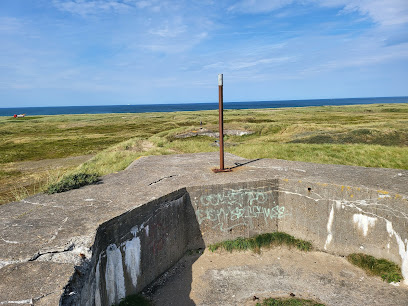
Wind-beaten dunes, concrete giants and sweeping sea views meet at Battery Hanstholm 1, an open-air World War II strongpoint on Denmark’s remote northwest coast.
Svinkløv Strand
40.4 km
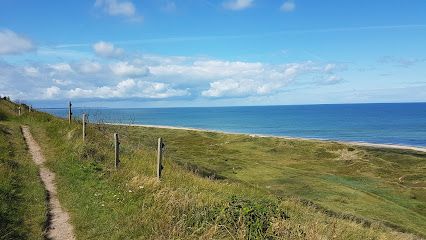
Windswept sands, wild dunes, and dramatic North Sea views define Svinkløv Strand, the secluded natural escape at the edge of Jammerbugten in Denmark’s Limfjord region.
Nøddedalen
40.6 km
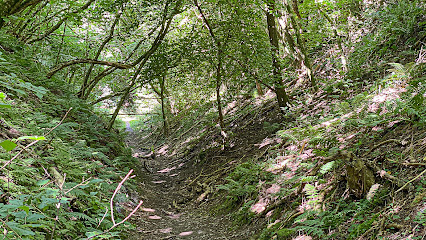
A hidden ravine of ancient forest, lush ferns, and rare mosses—a tranquil ‘rain forest’ escape near Limfjord, perfect for peaceful walks and nature immersion.
National Park Center Thy
41.1 km
Discover Denmark's first National Park: Explore unique landscapes, diverse wildlife, and rich history at the gateway to Thy's coastal wilderness in Vorupør.
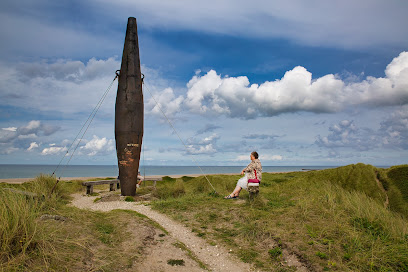
Vorupør-cigaren - udsigtspunkt og skulptur
41.3 km
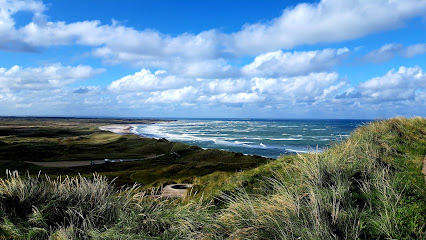
A striking cigar-shaped sculpture offering panoramic North Sea views from Thy's windswept cliffs.
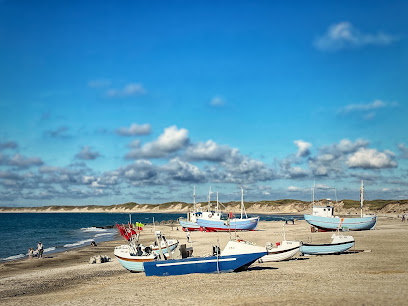
The beach in Vorupør
41.3 km
Discover Vorupør: Where coastal charm meets North Sea beauty in Denmark's first National Park, offering surfing, history, and stunning landscapes.
Havbad
41.4 km
Experience the invigorating waters of the North Sea in a safe and accessible environment at Havbad in Thisted, Denmark, a coastal gem offering year-round enjoyment and community spirit.
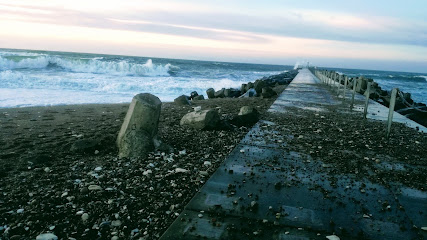
Nationalpark Thy, visitor centre Stenbjerg Landingsplads
41.9 km
Discover the charm of Stenbjerg Landingsplads in Thy National Park: a historic fishing village with picturesque houses, a visitor center, and access to stunning coastal landscapes.
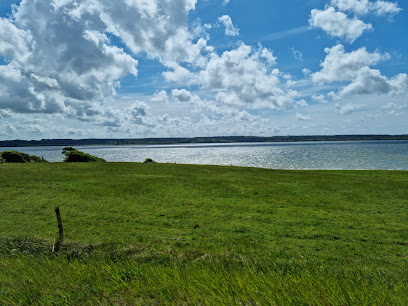
Mønsted Kalkgruber
43.4 km
Explore the world's largest limestone mine in Mønsted, Denmark: a subterranean adventure with stunning lakes, multimedia shows, and fascinating bat colonies, offering a unique glimpse into geological history.
Daugbjergskiltet
45.3 km
Dramatic limestone cliffs offering panoramic views and geological wonders near Viborg
Lodbjerg Fyr, National Park Thy Visitor centre
45.3 km
Historic lighthouse beacon offering North Sea views, organic café, and access to Denmark's largest wilderness trails.
Unmissable attractions to see

Molermanden
0.1 km
Bronze tribute to Fur’s moler workers, standing above the quarries with sweeping views across the Limfjord, where industrial heritage meets ancient geology and open skies.
Fur
1.3 km
A compact Danish island where ancient moler cliffs, fossil-rich clay pits and soft Limfjord horizons create a quietly dramatic landscape for slow exploration.
Fur Museum
2.3 km
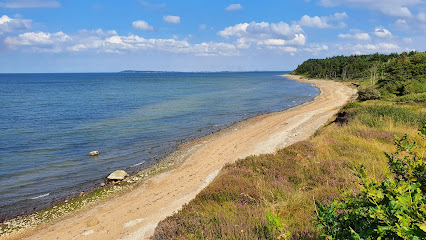
Dive into deep time and island life at Fur Museum, where world‑class fossils and intimate local history meet in a charming Limfjord village setting.
Smalsporslokomotiver
2.6 km
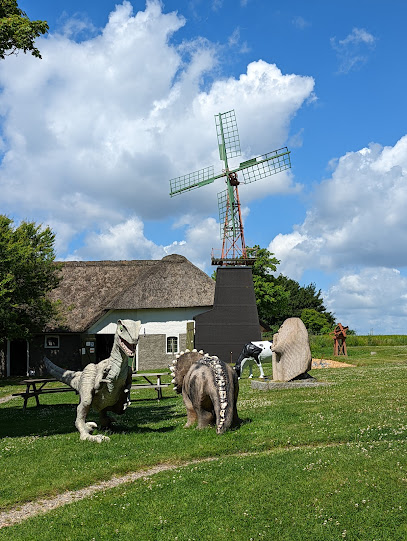
Vintage narrow-gauge steam locomotives preserving Denmark's industrial railway heritage on scenic Fur Island.
Nedlagt smalsporsbane
2.6 km
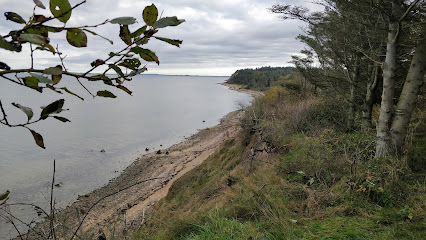
Lindholm Høje—Denmark’s largest Viking burial site and museum—offers breathtaking views over Limfjord, awe-inspiring ancient graves, and immersive insights into Viking life.
Gammel Havn
3.1 km
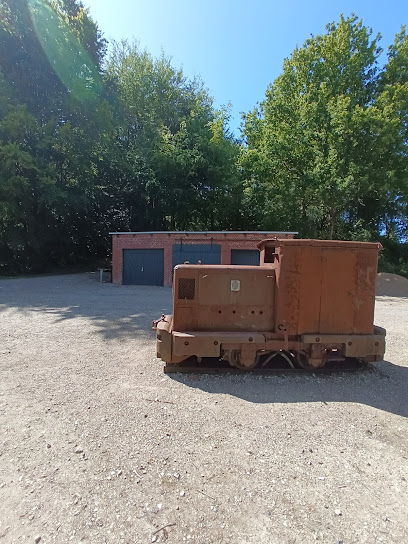
A modest 1911 harbour on Sydfur where a short coastal loop, wide Limfjord views and quiet maritime history create a gentle, atmospheric stop.
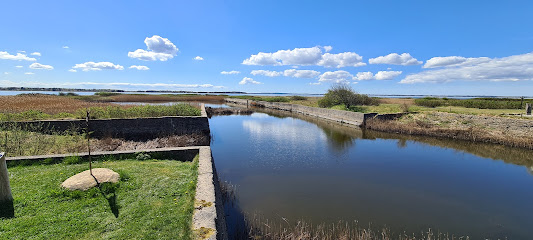
Troldeskoven Fur - Skattejagt for børn og fantasifulde voksne
3.7 km
A small Danish pine forest on Fur transformed each summer into a troll-filled treasure-hunt universe for curious kids and playful grown-ups.
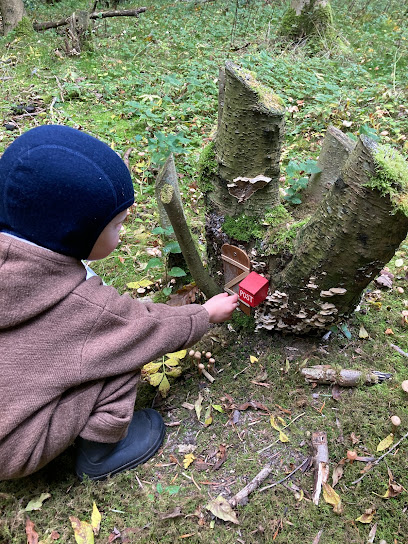
Udsigtstårn - Vest
7.3 km
Simple wooden lookout on Livø’s wild west coast, offering wide Limfjord views, dramatic eroding cliffs, seabirds and seals in a quiet, wind-swept setting.
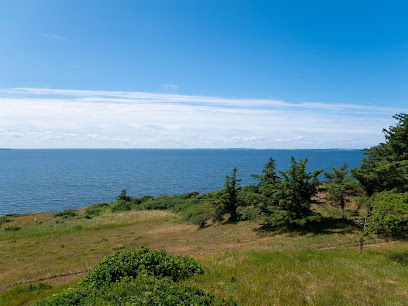
Hultræet
7.9 km
Et gammelt egetræ med hul i stammen, hvor folketro, trolde og helbredende ritualer møder Livøs vilde, fredede skovlandskab i hjertet af Limfjorden.
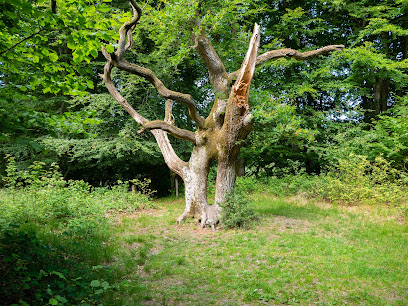
Skulpturlandsby Selde
8.3 km
A tiny Limfjord village transformed into a free, open-air gallery where contemporary sculptures mingle with everyday life in streets, gardens and fields.
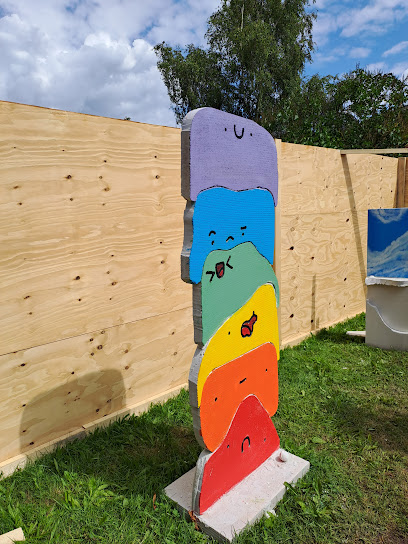
Udsigtstårn - Nord
8.5 km
A simple wooden tower on Livø’s wild northern tip, offering big‑sky Limfjord panoramas, seabirds, and distant seal banks in a tranquil, wind‑washed setting.
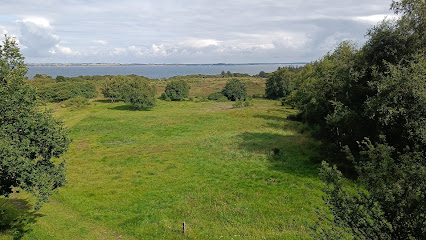
Østerstrand
9.0 km
Family-friendly fjord beach with shallow waters, forest surroundings, and excellent facilities near Nykøbing Mors.
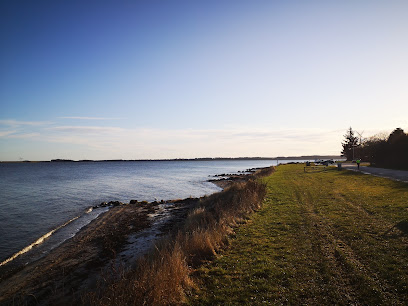
Østerspigen
9.3 km
Graceful bronze statue at Stadion Allé, honoring Nykøbing Mors’ centuries-old oyster heritage and the island’s enduring bond with the Limfjord.
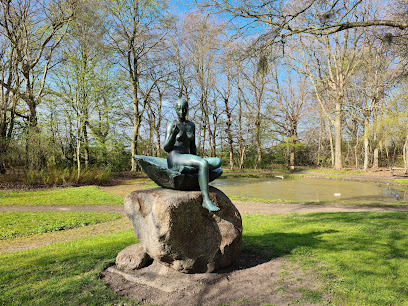
“Sælen” Skulptur
9.4 km
Intimate bronze-and-granite seal by Constantin Sørensen, gazing over the Limfjord and celebrating Nykøbing Mors’ quiet, everyday bond with the sea.
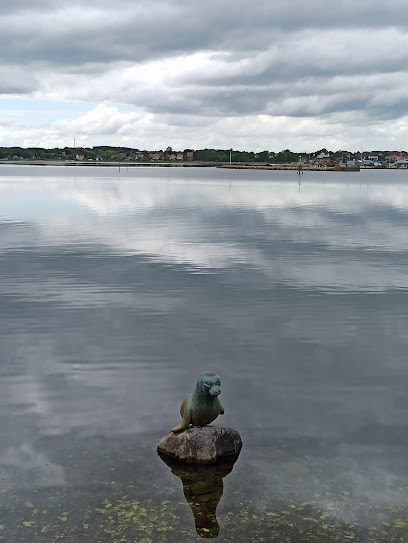
Bjørndrup Strand
9.6 km
A quietly beautiful Limfjord bathing beach on Mors, where shallow waters, open skies and simple coastal scenery invite unhurried swims, walks and peaceful pauses.

Essential places to dine

Fur Bryghus
2.7 km
Craft beer, local Nordic cuisine and Limfjord views come together in a historic red brewery on the tiny island of Fur.
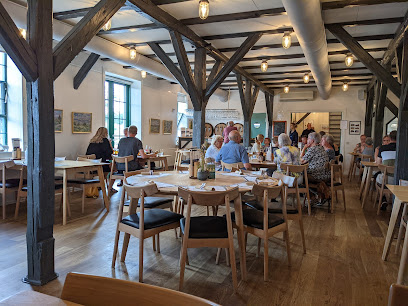
Livø Kro & Købmandscafe
8.0 km
Cozy island inn and café at the heart of car-free Livø, serving comforting Danish fare, simple treats and fjord views to walkers, sailors and overnighters.
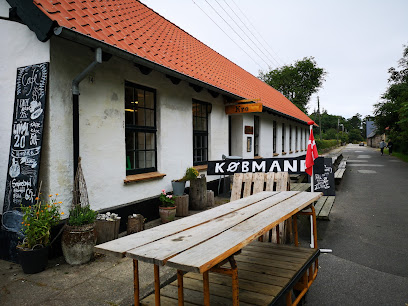
Limfjorden
9.5 km
Casual fjordside dining on the island of Mors, where local seafood, simple Nordic comfort and wide Limfjorden views meet at the edge of the water.
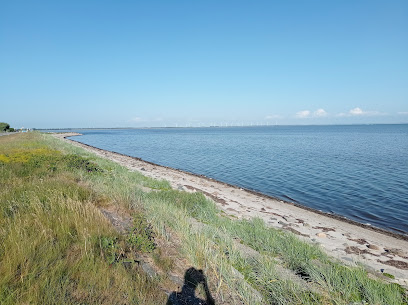
Restaurant Limfjorden - Byens Bøfhus
9.9 km
Grilled perfection and fresh seafood by the harbor in charming Nykøbing Mors.
Cafe Sult
9.9 km
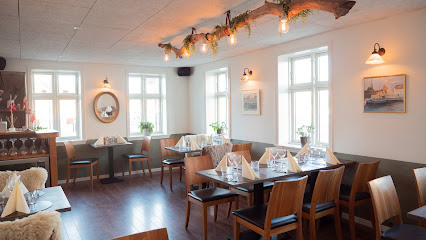
Harbourside brasserie in the heart of Nykøbing Mors, serving modern comfort food, vegetarian options and seasonal dishes in a relaxed Nordic-style setting.
Cafe Holmen
10.0 km
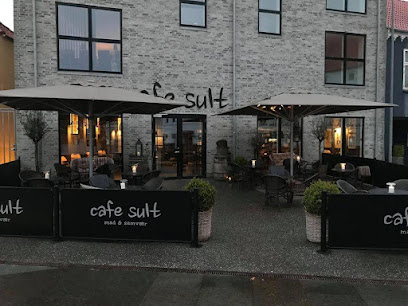
Historic waterfront café in a charming old station building with Mediterranean summer terrace and homemade Danish cuisine.
No.1 cafe og bistro
10.2 km
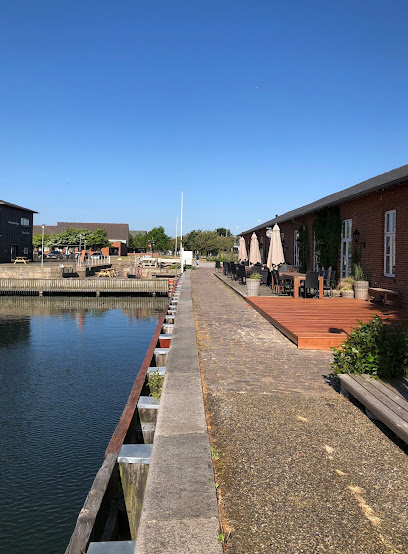
Cosy French-inspired bistro on Lilletorv in Nykøbing Mors, pairing Limfjord seafood and classic dishes with candlelit charm and a carefully chosen wine list.
Den Blå Lagune
10.5 km
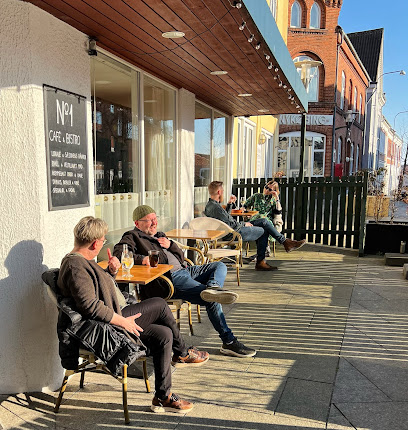
Waterfront dining where Kurdish spices meet Nordic ingredients, framed by a stunning blue lagoon and ancient moler cliffs.
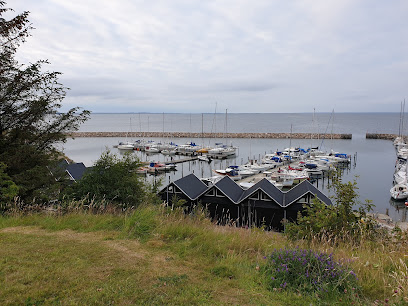
Limfjordens Pizzaria og Grill
11.9 km
Authentic waterfront pizzeria with harbor views and warm Danish hospitality in charming Glyngøre.
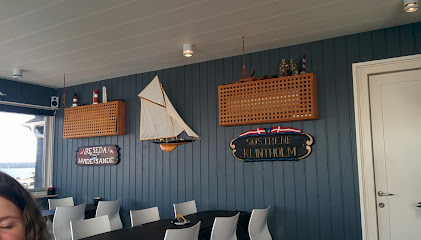
Kjøwenhavner Kokken
11.9 km
Casual harborfront barbecue and Danish comfort food with generous portions, sea air and Limfjord views in the small coastal town of Glyngøre.
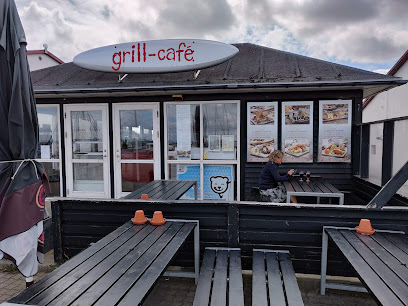
Danish Oyster Bar - Østersbar & Glyngøre Shellfish
11.9 km
A tiny Limfjord-side oyster bar where wild Danish shellfish, working harbour life and fjord views come together in a quietly memorable tasting experience.
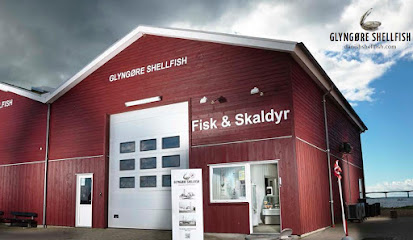
Limfjordens hus
11.9 km
Modern Nordic coastal dining on the very tip of Glyngøre, where Limfjordens Hus pairs local seafood and fjord produce with sweeping views of water, sky and Mors.
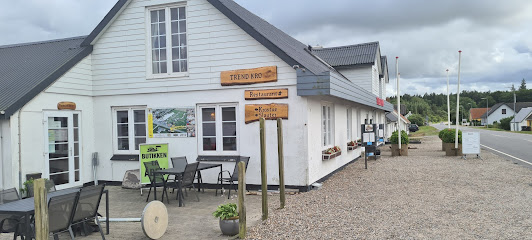
Trend Kro
12.4 km
Traditional Danish roadside inn near the Limfjord, famed for hearty stegt flæsk, a cosy converted-stable krostue and simple motel rooms for easy overnight stays.
Næsbydale Badehotel
13.5 km
Historic Limfjord badehotel in a secluded valley, blending nostalgic charm, fjord views and ambitious Nordic dining in Baronens Hus above the shoreline.
Gullerup Strand Kro
17.6 km
Classic Danish coastal inn on the Limfjord, blending simple rooms, hearty regional cooking and wide-open views towards Hanklit and Thisted.
Markets, malls and hidden boutiques

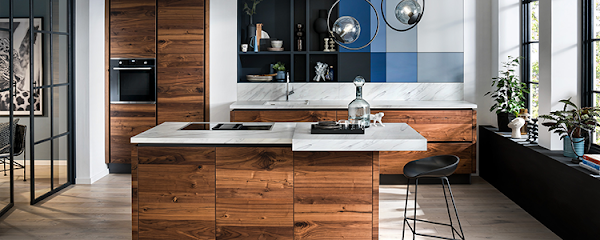
Køkkencenter Mors-Thy ApS
12.2 km
Compact Danish kitchen showroom in rural Mors, offering quiet inspiration, personal design advice and a glimpse of everyday Scandinavian home life.
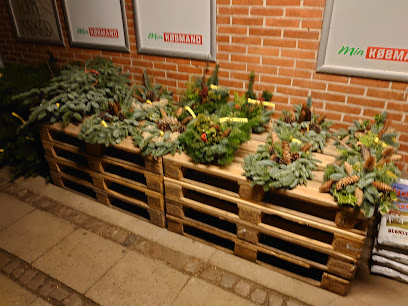
MIN KØBMAND
12.8 km
A small but essential village supermarket on Mors, Min Købmand Sejerslev keeps locals and visitors supplied with everyday groceries and a glimpse of rural Danish life.
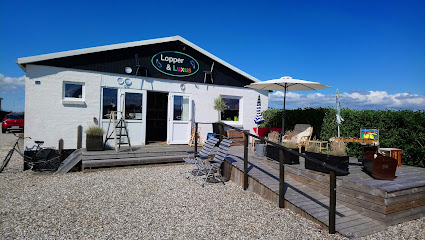
Muslingebyens Lopper og Luxus
21.3 km
Characterful thrift and vintage shop in maritime Løgstør, where Limfjord charm meets second-hand treasures and quirky, affordable finds with real local stories.
HomeHearts
30.2 km
Thoughtfully curated furniture and home décor for contemporary living spaces in Aars.
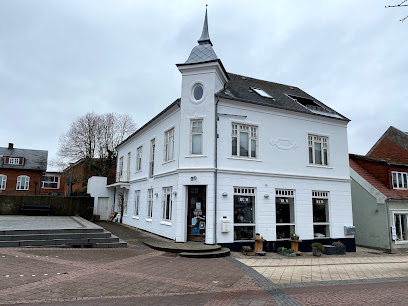
Rum by Kri-stense
30.4 km
Cosy mother–daughter interior and lifestyle boutique in Aars, blending Scandinavian design, hygge-inspired styling and welcoming advice for your home.
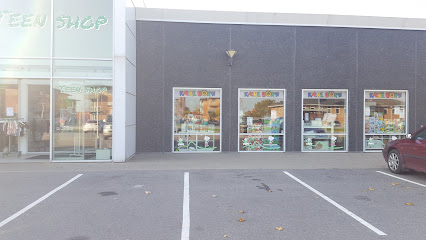
Teen Shop
30.9 km
Trendy teenage fashion in the heart of Aars—where style meets community.
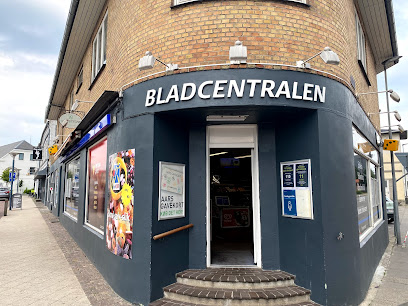
Bladcentralen
31.0 km
Your neighborhood convenience stop in central Aars, open early to late with newspapers, snacks, and everyday essentials.
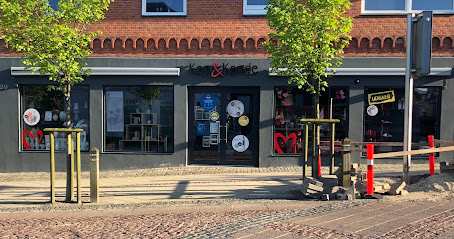
Kop & Kande Aars
31.1 km
Homeware and gifts for creating warmth and comfort in your Danish home.
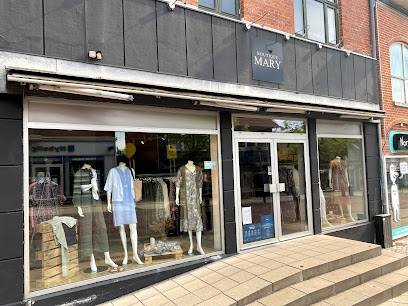
Boutique Mary Aars
31.2 km
A cosy women’s fashion boutique in central Aars, offering Scandinavian-inspired everyday style and plus-size options in a friendly, personal setting.
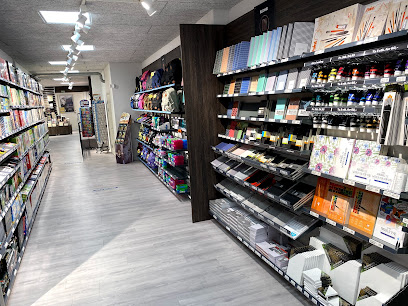
Bog & idé
31.2 km
Bookshop, gift store and stationery hub on Aars’ main street, offering books, games and everyday essentials in a calm, local-friendly atmosphere.
Aktiv Hobby
31.3 km
Cosy local hobby and gift shop on Aars’ main street, offering Danish-style décor, seasonal ornaments and personal service in a compact, welcoming space.
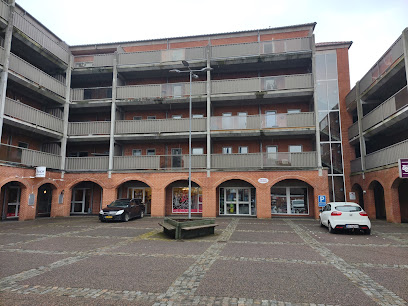
Imerco
31.3 km
Compact Danish homeware store in central Aars, blending practical kitchen tools, stylish tableware and gift‑ready design pieces in a relaxed, small‑town setting.
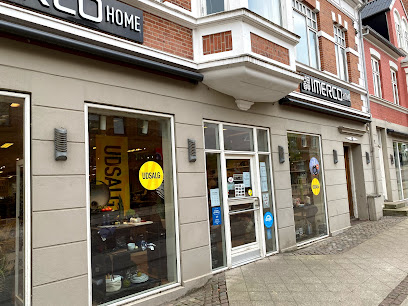
Forever Aars
31.4 km
A cozy countryside herb shop on the edge of Aars, where Nordic wellness traditions, dried plants and quiet conversation create a gentle pause in your Himmerland journey.
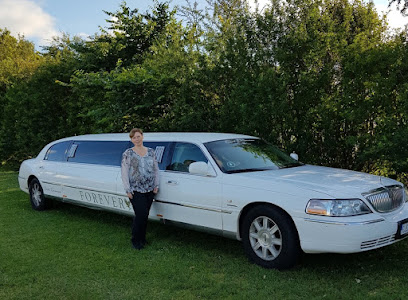
Vesthimmerlands Cykelcenter
31.4 km
Premier cycling shop and workshop serving Vesthimmerland with expert service and quality bikes.
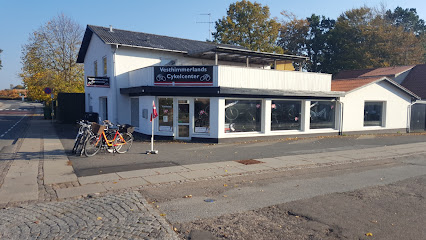
Nørhå Antik og Retro
34.9 km
A sprawling countryside antiques and retro design haven with orangery, garden pavilions and a cozy café overlooking fields and Nørhå Lake in Thy.
Essential bars & hidden hideouts

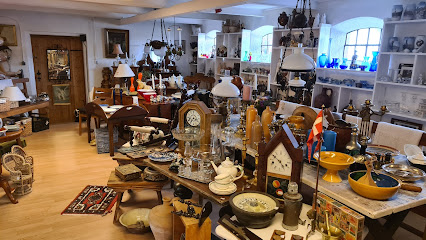
FJORD Bryggeri og Destilleri
9.9 km
Harbourfront microbrewery and distillery in Nykøbing Mors, serving small-batch beer and gin that capture the flavour of Mors in a cosy historic setting.
Don Muss
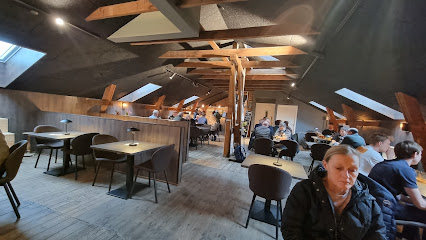
9.9 km
Cozy harborfront bar in Nykøbing Mors, blending everyday beers, late-night live music and local Limfjord charm in one unpretentious hangout.
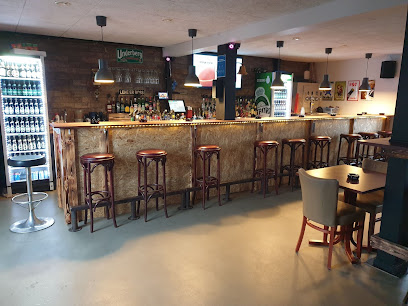
Farmors Bodega
10.0 km
Authentic Danish bodega where locals gather for beers, aquavit, and genuine Limfjord hospitality.
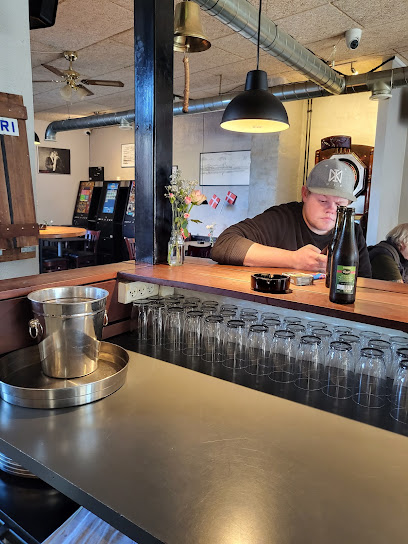
Nabo
10.2 km
Cozy neighbourhood wine bar on Nykøbing Mors’ Lilletorv, pouring characterful wines, easygoing drinks and relaxed hygge in an intimate, candlelit setting.
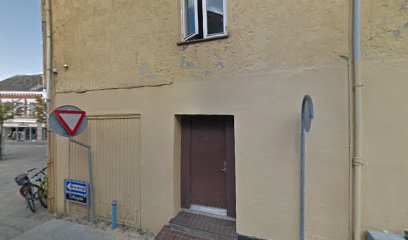
SwagHouse
14.2 km
Casual nightlife hub in the heart of Nykøbing Mors, where locals and travelers gather for drinks and social connection.
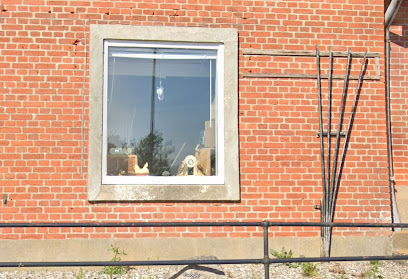
Hjørnet
15.1 km
Casual Italian beer hall in Ranum's town center—affordable, welcoming, and open late on weekends.
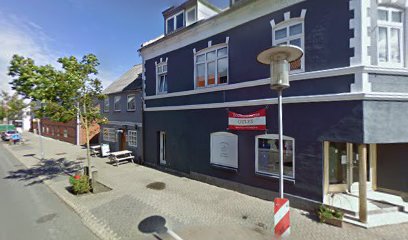
si
15.3 km
Low-key neighborhood bar in the small North Jutland town of Ranum, offering simple drinks, local character, and an unhurried village atmosphere on Vestergade.
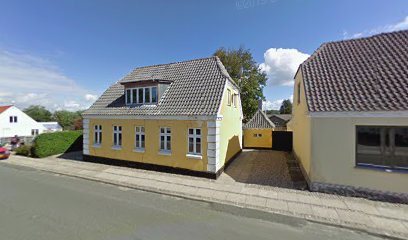
Kanal Jazz
20.6 km
Intimate Limfjord jazz hub in Løgstør, blending cozy club nights with a waterfront summer festival atmosphere and close-up performances by Danish and international artists.
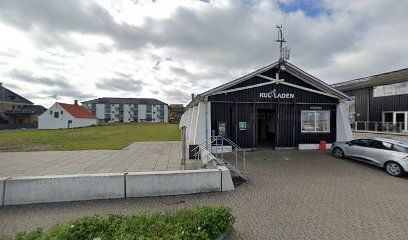
Nr 2c
20.8 km
Community-owned coffee, bar, and wine room bringing hygge, live events, and local flavour to the very heart of Løgstør.
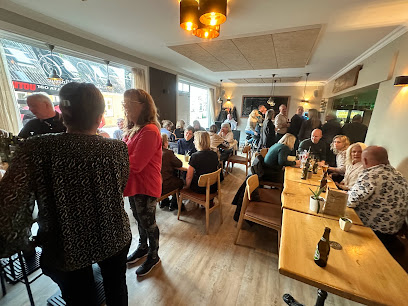
Tinget
20.9 km
Cosy local pub and wine bar in central Løgstør, pouring classic beers and wines with games, music and small‑town warmth from morning until late night.
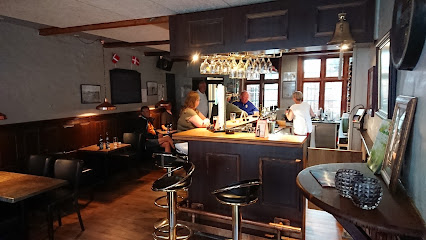
Tordenkalven
21.6 km
Cozy, no-frills bar in central Farsø, serving cold beer, simple drinks and plenty of small-town atmosphere in the heart of Himmerland.
Heidi's Bier Bar
23.0 km
Loud, lively and drenched in Tyrolean après‑ski flair, Heidi’s Bier Bar Thisted turns coastal North Jutland nights into all‑season Oktoberfest parties.
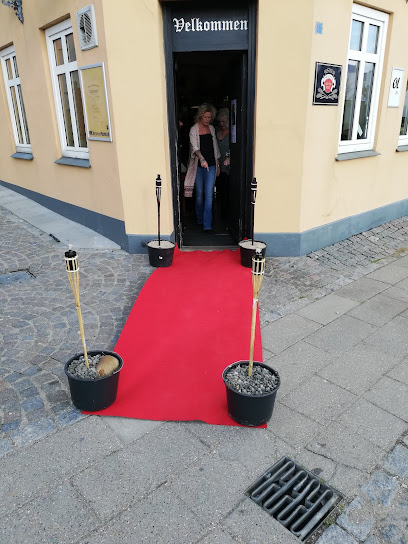
Harmonien
23.1 km
Thisted's welcoming bar and restaurant serving generous brunches and curated drinks in the town centre.
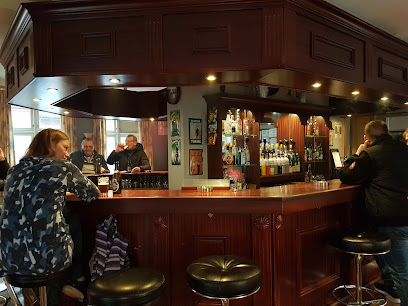
Café Børsen
23.2 km
Casual harbor-side café where locals gather for drinks and genuine Danish social warmth.
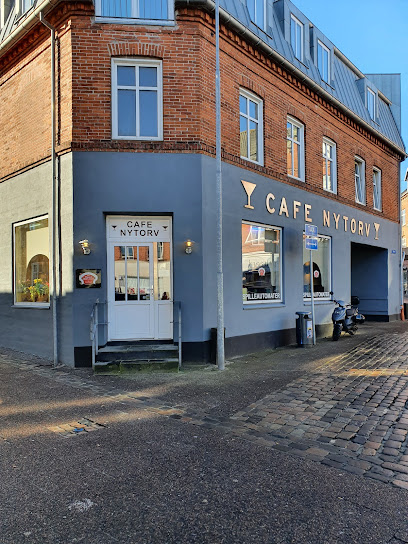
Cafe Nytorv v/ John Nielsen
23.2 km
Unpretentious bodega-style bar on Thisted’s central square, serving cold beers, simple drinks and everyday hygge from late morning to late night.
Nightclubs & after hour spots

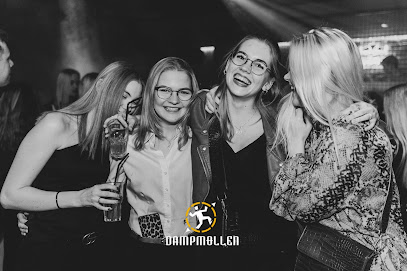
Dampmøllen Thisted
23.0 km
Late-night Thisted institution in a former steam mill, with multiple dance floors, bars and a distinctly Danish small-town party atmosphere.
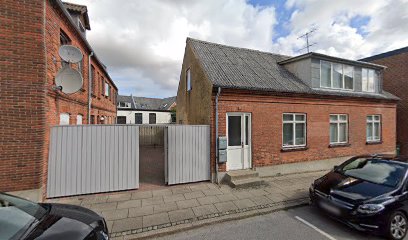
HQ-CSI
23.5 km
Intimate late-night club in coastal Thisted, where locals bring small-town North Jutland energy to a compact dance floor and an easygoing bar scene.
Diskotek Showoff
24.1 km
Thisted’s late-night disco club, where colorful lights, loud beats, and a compact dancefloor bring big-city party energy to this small coastal town.
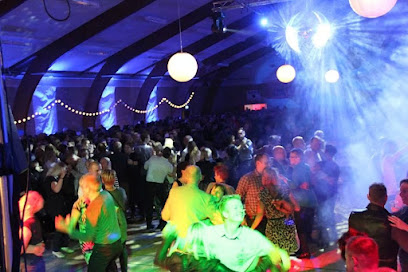
Mjølner
36.9 km
Small-town Nibe’s late-night heartbeat, where a compact dance floor, loud party tunes and local crowds turn a quiet fjord town into a lively night out.
Der Kuhstall Mønsted
44.8 km
Rural barn vibes meet late-night beats at this countryside nightclub near Viborg, where casual crowds, strong drinks and a compact dance floor power the weekend.
ANDERS LAUSTSEN A/S
47.3 km
Compact, casual late-night bar and dance spot in Viborg, offering simple drinks, music, and a local Danish nightlife vibe just beyond the historic center.
Buddy Holly
52.8 km
Late-night disco hub in central Hobro, where locals and visitors pack the dance floor to chart hits, lights and drinks until the early hours.

Rold Skov Orienteringsklub
53.2 km
Embark on an orienteering adventure with Rold Skov Orienteringsklub in Denmark's captivating Rold Skov forest.
Jazz Hobro
53.3 km
Experience the soulful melodies of live jazz in the heart of Hobro at Jazz Hobro.
Skørping Bodega
53.6 km
A friendly local bodega near Rold Skov, Skørping Bodega captures the spirit of Danish bar culture with its authentic charm, inviting atmosphere, and vibrant community.
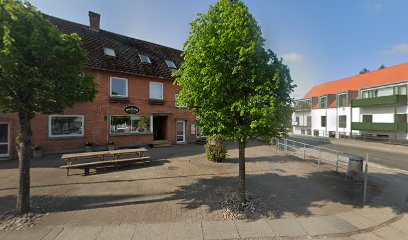
East End Holstebro
58.2 km
High-energy disco club in central Holstebro, where DJs, flashing lights, and a packed dance floor keep the party going into the early morning hours.

Club Stygge
60.1 km
Compact, late-night Aalborg nightclub with loud party hits, simple cocktails and a tightly packed dance floor on bustling Vesterå.
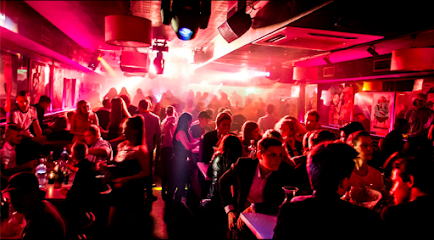
LouLou Aalborg
60.1 km
Polished cocktails and high-energy club vibes collide at this compact, late-night hotspot on Aalborg’s legendary Jomfru Ane Gade.
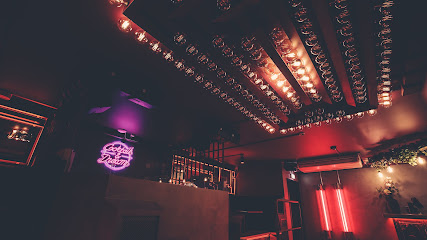
Under Buret
60.2 km
Aalborg's vibrant party hub with disco energy, DJ beats, and neon-lit celebration on every level.
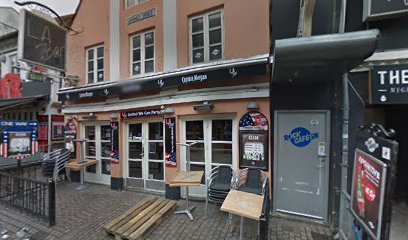
Club Wolf
60.2 km
Compact, late-night nightclub on Aalborg’s Jomfru Ane Gade, blending chart hits, strong weekend energy and a tightly packed dance floor in the city’s bar street hub.

For the vibe & atmosphere seeker
- Scenic
- Unique
- Tranquil
- Adventurous
For the design and aesthetic lover
- Minimalist Designs
- Rustic Designs
For the architecture buff
- Viewpoints
- Parks & Gardens
- Landmarks
For the view chaser and sunset hunter
- Iconic Views
- Panoramas
For the social media creator & influencer
- Photo Spots
- Architectural Shots
- Reel-Friendly
- Instagrammable
For the eco-conscious traveler
- Low Impact
- Public-Transport Accessible
- Leave-No-Trace Critical
- Locally Managed
For the kind of experience you’re after
- Cultural Heritage
- Photowalk
- Adventure Photo Shoot
- Nature Escape
- Day Trip
- Roadtrip Stop
- Myth & Legends
For how adventurous you want the journey to be
- Easy Access
Location Audience
- Family Friendly
- Senior Friendly
- Child Friendly
- Teen Friendly
- Solo Friendly
- Couple Friendly
- Solo Female Friendly


