Fossil- og Molermuseet Travel Guide
Free Guide: Step into a 55‑million‑year‑old seabed on Mors, where delicate fossils, mo‑clay cliffs and hands‑on digs turn Denmark’s deep geological past into a vivid day out.


A brief summary of Fossil- og Molermuseet
Step into a 55‑million‑year‑old seabed on Mors, where delicate fossils, mo‑clay cliffs and hands‑on digs turn Denmark’s deep geological past into a vivid day out.
Fossil- og Molermuseet on the island of Mors is Denmark’s showcase for the unique 55‑million‑year‑old mo‑clay deposits that have made this corner of Limfjorden a fossil hotspot. Housed in converted farm buildings amid former clay pits, the museum displays exquisitely preserved fish, birds, insects, plants and the famous turtle “Luffe”, alongside giant ikaite crystals. Hands-on microscopes, outdoor nature trails and nearby fossil quarries invite you to become a fossil hunter for a day.
On-site amenities
 Restrooms
 Drink options
 Drinking water
 Food options
 Seating areas
 Picnic areas
 Trash bins
 Information boards
 Visitor centre
Opening hours
- MonClosed
- Tue11 am–3 pm
- Wed11 am–3 pm
- Thu11 am–3 pm
- Fri11 am–3 pm
- Sat11 am–3 pm
- SunClosed
Opening hours as listed on the venue’s Google Business Profile. Hours can change for services and special events, so check with the venue before you go.
- Address
- Skarrehagevej 8, 7900 Nykøbing Mors
- Phone
- Website
Getting there
Car from Nykøbing Mors town centre
Regional bus within Mors
Bicycle from Nykøbing Mors
Discover more about Fossil- og Molermuseet
An ancient seabed revealed on a Danish island
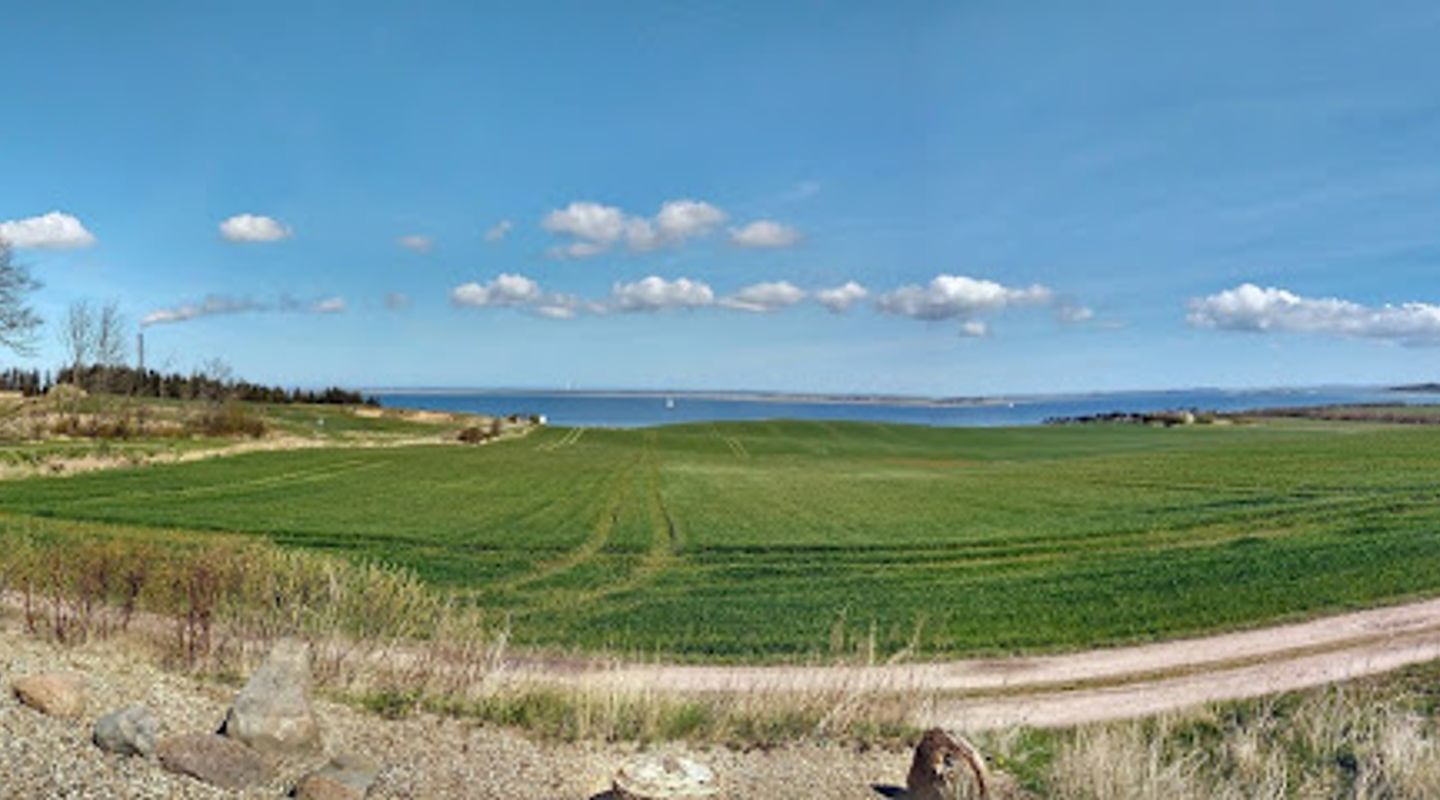
Fossil- og Molermuseet sits in rolling countryside north of Nykøbing Mors, where steep pale cliffs and open quarries expose layers of mo‑clay laid down on a seabed some 55 million years ago. Inside the museum you step into that vanished ocean world, surrounded by delicately preserved fish, birds, insects, plants and tree trunks that sank to the bottom and were sealed in fine clay and microscopic diatoms.The museum is part of Museum Mors, which has turned former farm buildings close to the historic clay pits into a compact but content-rich geological centre. Quiet rural surroundings and views across the moler landscape make it easy to imagine the area as it once was: a warm sea dotted with volcanic ash clouds that now appear as dark bands in the cliffs.
World-class fossils and record-breaking finds
The permanent exhibition is built around a remarkably complete collection from the local moler, regarded among the richest fossil sites in Denmark. Glass cases hold wafer-thin slabs of clay where fish lie with visible scales and fins, birds still show feather outlines, and insects appear with intricate wings and legs. Several specimens are scientific firsts, including an early songbird and one of the world’s oldest known day butterflies.Among the showpieces is “Luffe”, a fossil turtle whose skeleton gives a striking sense of scale and three-dimensionality compared with the flatter impressions in nearby cases. Another highlight is a huge ikaite crystal, close to a metre long, illustrating how unusual mineral formations developed alongside the fossils in this marine environment.
Understanding mo-clay and the story in the layers
Interpretive displays explain how mo‑clay formed here over about three million years as countless diatoms sank to the seabed, mixing with fine clay particles. Volcanic eruptions scattered ash across the sea surface, later compressed into thin dark horizons between pale layers. Today these curves and folds are visible in local pits and cliffs, recording both ancient eruptions and the later reshaping of the landscape during the Ice Age.Text panels, diagrams and models show how geologists read these layers like pages in a book, tracing climate shifts, sea life and geological upheavals. A section also describes how moler has been quarried and used in modern times, for example as an industrial absorbent and insulation material, linking deep time to contemporary life on Mors.
Hands-on exploration and fossil hunting opportunities
Fossil- og Molermuseet is designed to be tactile and exploratory as well as scholarly. In one area, microscopes let you examine tiny fragments of moler and discover the delicate structures of diatoms and minuscule fossil remains. Simple tools and demonstration blocks show how to split stones safely to reveal hidden impressions inside.Next to the museum and in nearby pits, visitors can head out on supervised or independent fossil hunts in designated safe zones. With a hired hammer and some patience, you might uncover the silhouette of a fish, a fragment of plant or even part of a turtle shell. Staff can help identify finds, and the excitement of cracking open a stone no one has seen inside for tens of millions of years is a core part of the experience.
Trails, landscapes and a sense of place
Outside, marked nature paths run through a moler pit and across the surrounding countryside, giving close-up views of exposed layers and the broader Limfjord landscape. Panels along the route describe geological features and point out excavated remains of houses from the Viking Age and the Middle Ages, placing the deep fossil past alongside more recent human history.The museum shop extends the visit with regional books, minerals, fossil specimens and jewellery made from polished mo‑clay stones. Simple refreshments such as ice cream, coffee and soft drinks are available, and there is space to pause and take in the rural quiet. Combined with admission to Museum Mors’ other departments, a visit here anchors a broader exploration of Mors’ geology, culture and coastal scenery.
Planning your visit to this compact geological gem
Fossil- og Molermuseet is a relatively small museum, but its concentration of rare fossils, clear storytelling and access to real dig sites make it easy to spend a few focused hours. Exhibitions are arranged largely on one level with gentle ramps, and outdoor areas include reasonably even paths, so visitors with limited mobility can engage with much of what is on offer.Seasonal opening hours vary, with more extensive schedules in summer, and guided fossil hunts are typically offered on selected days or by arrangement. Tickets also grant entry to other Museum Mors sites, encouraging a full-day exploration of the island’s industrial heritage, monastic history and agricultural past alongside its extraordinary fossil record.
Evendo Review Centre
 Google
Guest reviews
Best time to go
Quietest: Jan, Feb & Nov · before 8am or from 6pm
Busy times are Evendo estimates for a typical year, to help you plan. Actual crowds vary with events, school holidays and the weather.
Explore Fossil- og Molermuseet on the map
A handpicked selection of must-see spots near Fossil- og Molermuseet, mapped for you.
Get your free copy of our complete guide to Fossil- og Molermuseet, delivered straight to you.
Everything on this page, from opening hours and how to get there to Eve’s tips and the best time to go, in one PDF you can read offline, print or share.
Already have an account? Sign in
Your Fossil- og Molermuseet guide is ready.
We'll send it to · Not you? Sign out

Getting your guide ready…
We are putting together a fresh copy of the Fossil- og Molermuseet guide. This can take up to a minute.
This can take a few moments. If your browser asks, choose Allow so the download can start. You'll find the guide in your Downloads folder.
Nothing happened? Download it again
Sorry, the guide is taking longer than usual. Please try again in a minute, or get it by email instead.
Other nearby places you may find interesting
The closest places of the same kind, if this one is not quite what you had in mind.
-
-
-
-
-


Swipe for more places
More to explore near Fossil- og Molermuseet

 Best experiences near Fossil- og Molermuseet
 Best hotels near Fossil- og Molermuseet
 Best landmarks near Fossil- og Molermuseet
 Best attractions near Fossil- og Molermuseet
 Best shops near Fossil- og Molermuseet
 Best restaurants near Fossil- og Molermuseet
 Best bars near Fossil- og Molermuseet
Do you manage this location?
Take control to get all the benefits, like improved information, better appearance, and stronger visibility across AI-powered discovery.
Explore more
Explore more of Limfjord
Discover Limfjord in Denmark: A serene waterway offering a blend of nature, culture, and history with charming villages, Viking sites, and vibrant arts scenes.
Explore Limfjord
Explore more of Denmark
Discover Denmark: A perfect blend of history, modern design, and the cozy concept of hygge. Explore vibrant cities, serene landscapes, and world-class cuisine.
Explore Denmark