

Fuglsang Kunstmuseum Travel Guide
Free Guide: A light-filled Danish art museum on a historic Lolland estate, where modern architecture, national masterpieces and open fields blend into a quietly powerful escape.


A brief summary of Fuglsang Kunstmuseum
A light-filled Danish art museum on a historic Lolland estate, where modern architecture, national masterpieces and open fields blend into a quietly powerful escape.
Fuglsang Kunstmuseum is a strikingly modern art museum set on a historic manor estate in rural Lolland. Inside the light-filled galleries you’ll find an impressive collection of Danish art from around 1780 to today, alongside changing exhibitions that spotlight both national classics and contemporary voices. Outside, vast fields, grazing sheep and the nearby Fuglsang manor park create a rare fusion of cultural depth and quiet landscape, perfect for unhurried exploration and reflection.
On-site amenities
 Restrooms
 Drink options
 Drinking water
 Food options
 Seating areas
 Sheltered areas
 Trash bins
 Information boards
 Visitor centre
Opening hours
- Every day10 am–5 pm
Opening hours as listed on the venue’s Google Business Profile. Hours can change for services and special events, so check with the venue before you go.
- Address
- Nystedvej 71, 4891 Guldborgsund
- Phone
- Website
Getting there
Car from Nykøbing Falster
Car from Copenhagen via bridges
Train and taxi from Copenhagen
Cycling from nearby towns
Discover more about Fuglsang Kunstmuseum
A contemporary museum on a historic estate
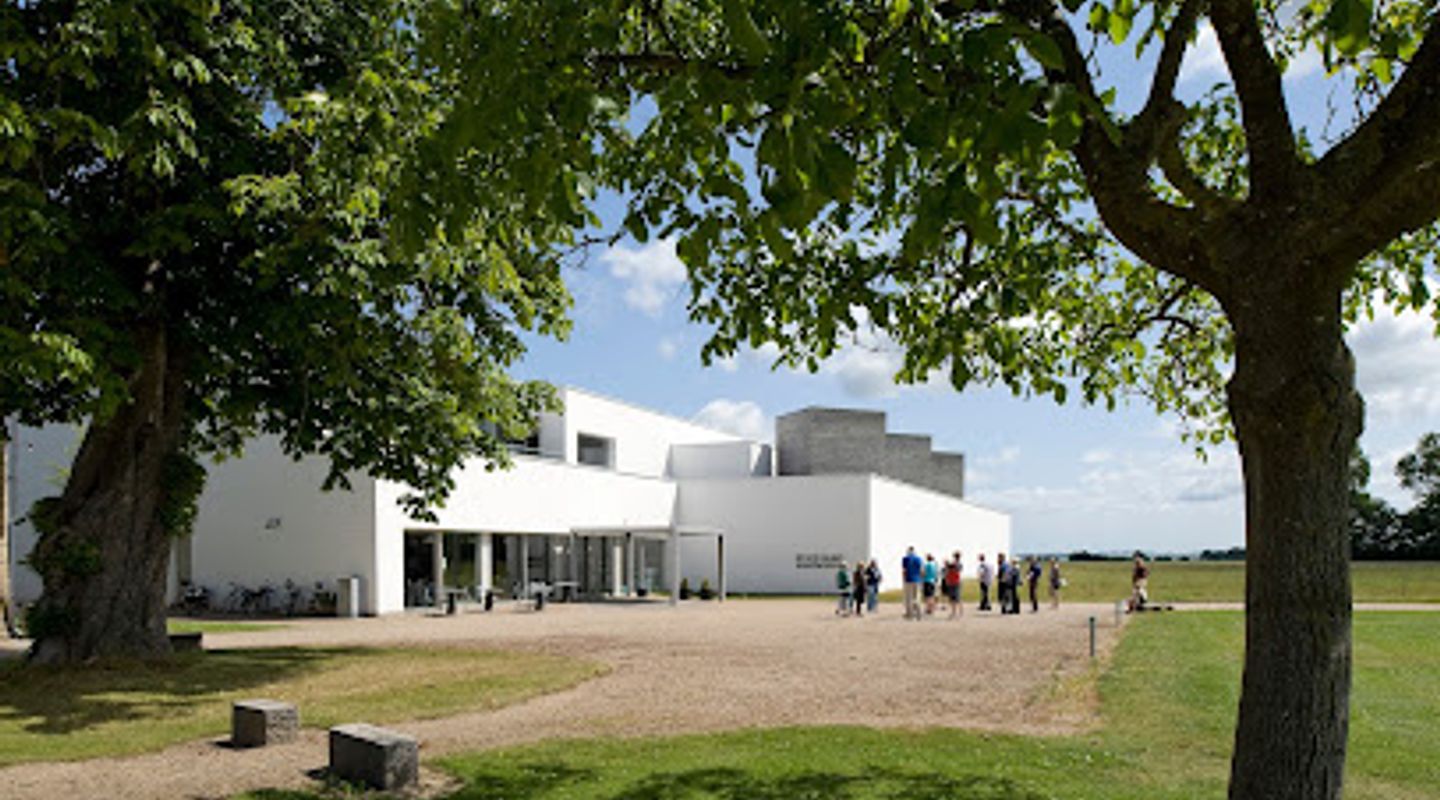
Fuglsang Kunstmuseum sits on the grounds of Fuglsang Manor, surrounded by open farmland on south-eastern Lolland. The museum building itself is a low, elongated structure of pale brick and glass, designed to blend into the flat landscape rather than dominate it. Approaching it, you sense more of a sculpted pavilion than a traditional museum, with clean lines, sheltered courtyards and long views pulling the horizon indoors.Step through the entrance and you move into a calm, uncluttered world of generous corridors and carefully proportioned rooms. Natural light is a defining feature here; skylights and tall windows are tuned to Denmark’s often soft, shifting daylight, giving artworks a gentle, even glow. The spacious foyer opens toward the museum shop and café, forming a relaxed social hub before you branch off into the main collection.
Danish art from golden age to modern experiments
The core collection focuses on Danish art from around the late 18th century up to contemporary pieces, giving a broad sweep of national art history under one roof. Landscapes play a particularly strong role: paintings that capture the low skies, coastal light and agricultural life of Denmark feel especially at home in this rural setting. Portraits, interiors and more experimental modern works round out the picture, showing shifting ideas about identity, society and form across two centuries.Temporary exhibitions bring in new perspectives, sometimes highlighting overlooked artists, sometimes staging thematic shows that connect past and present. Installations, photography and newer media appear alongside more traditional painting and sculpture, so even repeat visitors tend to find something unexpected. Interpretive texts are concise and informative, making it easy to follow the artistic developments even if you are not familiar with Danish art.
Architecture that frames the landscape
One of the museum’s signature features is the way its architecture actively frames the surrounding countryside. Long internal vistas end in picture windows that open onto fields, grazing animals and the distant shoreline. A famous end gallery culminates in a trio of seats facing a large window, almost like a living painting of the landscape outside. Sitting here, you sense how the building is designed as a viewing instrument as much as a container for art.Materials inside are kept restrained and tactile: pale walls, smooth floors and a subtle acoustic dampening that keeps the atmosphere hushed without feeling formal. This quiet simplicity gives artworks and views equal importance. Even transitions between galleries are carefully staged; turning a corner, you may suddenly catch a glimpse of water or a shifting band of sky that reorients you beyond the museum walls.
Between gallery rooms and manor park
Stepping back outside, the experience naturally extends into the grounds of Fuglsang Manor. Paths lead toward the historic park with its old trees, small lakes and views toward the Guldborgsund strait. The contrast between curated interiors and the loose, slightly windswept landscape is part of the appeal: you might spend an hour with canvases of Danish fields and then walk straight into the real thing.The surrounding area remains largely agricultural, so the sense of space is striking if you’ve arrived from a city. Birds call across the fields, and in cooler months the wind can sweep across the flat terrain with some force, adding a raw edge to an otherwise gentle setting. On calmer days, the estate feels almost meditative, encouraging slow walks and quiet pauses.
A welcoming, accessible cultural escape
Despite its rural location, Fuglsang Kunstmuseum is set up as a comfortable, inclusive cultural stop. The building is level-access throughout, with an accessible toilet and mobility aids available to borrow. Clear signage, a friendly foyer area and a human-scale layout make it easy to navigate, whether you are here for a focused art visit, a family outing or a short cultural break on a wider Lolland–Falster trip.Many visitors pair time in the galleries with a visit to the on-site café, which looks out toward the landscape, or with longer walks around the estate and nearby coastline. With its thoughtful architecture, strong art collection and quietly dramatic surroundings, the museum feels both distinctly Danish and pleasantly out of the way—an ideal place to slow down, look closely and let art and landscape echo each other.
Evendo Review Centre
 Google
Guest reviews
Best time to go
Quietest: Jan, Feb & Mar · before 9am or from 6pm
Busy times are Evendo estimates for a typical year, to help you plan. Actual crowds vary with events, school holidays and the weather.
Explore Fuglsang Kunstmuseum on the map
A handpicked selection of must-see spots near Fuglsang Kunstmuseum, mapped for you.
Get your free copy of our complete guide to Fuglsang Kunstmuseum, delivered straight to you.
Everything on this page, from opening hours and how to get there to Eve’s tips and the best time to go, in one PDF you can read offline, print or share.
Already have an account? Sign in
Your Fuglsang Kunstmuseum guide is ready.
We'll send it to · Not you? Sign out

Getting your guide ready…
We are putting together a fresh copy of the Fuglsang Kunstmuseum guide. This can take up to a minute.
This can take a few moments. If your browser asks, choose Allow so the download can start. You'll find the guide in your Downloads folder.
Nothing happened? Download it again
Sorry, the guide is taking longer than usual. Please try again in a minute, or get it by email instead.
Other nearby places you may find interesting
The closest places of the same kind, if this one is not quite what you had in mind.
-
-
-
-
-


Swipe for more places
More to explore near Fuglsang Kunstmuseum

 Best experiences near Fuglsang Kunstmuseum
 Best hotels near Fuglsang Kunstmuseum
 Best landmarks near Fuglsang Kunstmuseum
 Best attractions near Fuglsang Kunstmuseum
 Best shops near Fuglsang Kunstmuseum
 Best restaurants near Fuglsang Kunstmuseum
 Best bars near Fuglsang Kunstmuseum
Do you manage this location?
Take control to get all the benefits, like improved information, better appearance, and stronger visibility across AI-powered discovery.
Explore more

Explore more of Lolland-Falster
Discover Lolland-Falster: Denmark's serene southern islands with stunning beaches, historic castles, and charming coastal towns offering a perfect blend of nature and culture.
Explore Lolland-Falster
Explore more of Denmark
Discover Denmark: A perfect blend of history, modern design, and the cozy concept of hygge. Explore vibrant cities, serene landscapes, and world-class cuisine.
Explore Denmark
