
Nykøbing Castle, Lolland Travel Guide
Medieval fortress ruins where Danish kings ruled and a Russian emperor once dined.
The haunting ruins of Nykøbing Castle stand as a testament to medieval Danish power and royal history. Originally built in the 12th century to defend against the Wends, this fortress once rivaled Kronborg Castle in scale and grandeur. Today, only the iconic tower known as Fars Hat (Father's Hat) remains visible, along with cobblestone markings and archaeological remnants scattered across Slotsgade. The castle's demolition in 1763 marked the end of an era, but its legacy permeates the charming town that grew around it.
A brief summary to Nykøbing Castle
- Slotsgade, Nykøbing Falster, 4800, DK
- Duration: 0.5 to 1.5 hours
- Free
-
 Outdoor
- Mobile reception: 4 out of 5

Know before you go
Hi, I'm Eve. Here are a few practical things to know before exploring Nykøbing Castle.
- Visit the Lolland-Falster Museum in town to see a detailed scale model of the original castle, which helps visualize the fortress's impressive former size and architecture.
- Walk the cobblestone route marking the castle's original perimeter along Slotsgade to understand the fortress's scale and layout.
- Combine your visit with Czarens Hus, the 1580s inn where Peter the Great stayed in 1716, now a museum and tourism office nearby.
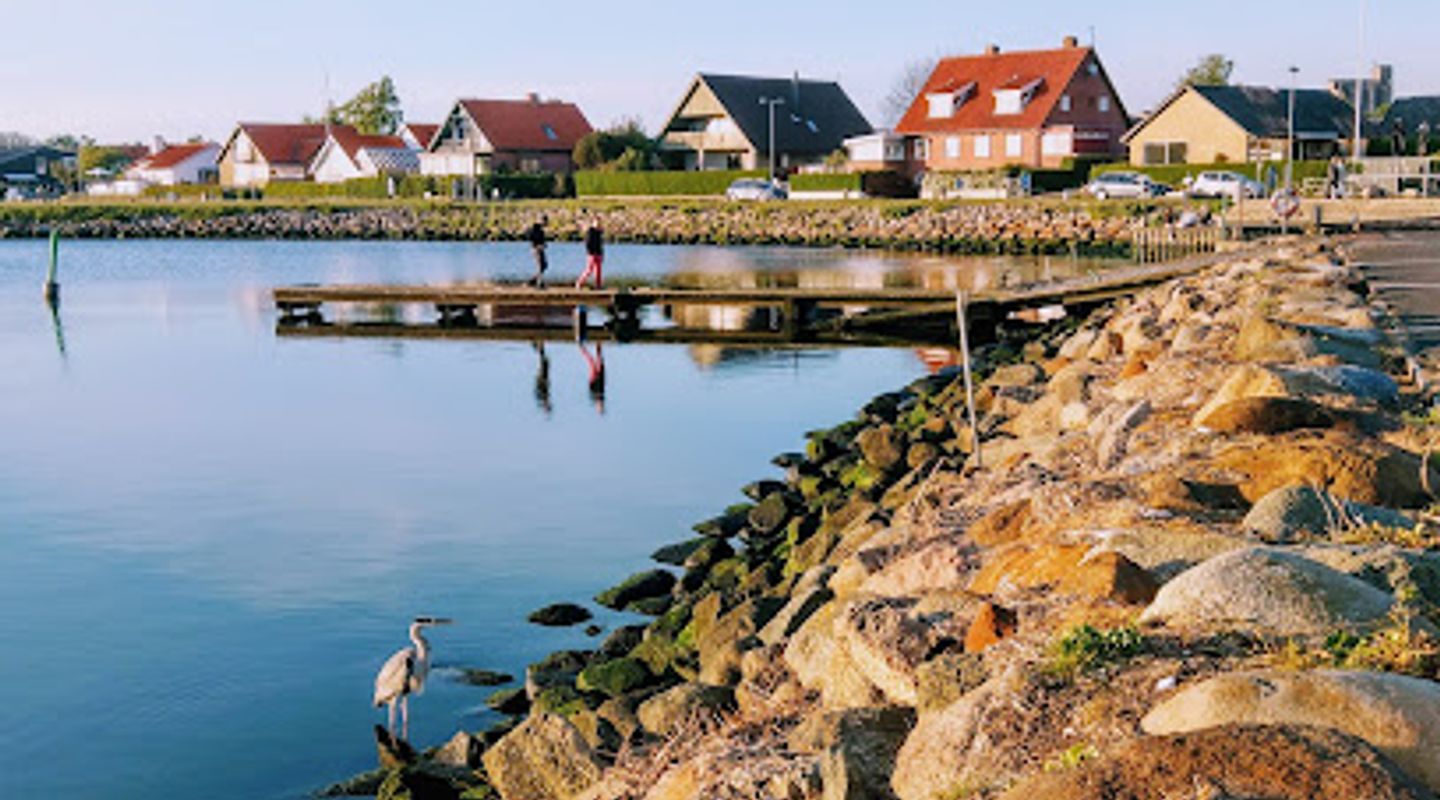
- Photograph Fars Hat tower near Slotsbryggen (The Castle's Dock) during golden hour for the best lighting of this iconic surviving structure.
- Follow the 'In the Footsteps of Queen Sophie' walking route through town to explore the castle ruins alongside other heritage sites connected to this remarkable businesswoman.
Do you manage this location?
Take control to get all the benefits, like improved information, better appearance, and stronger visibility across AI-powered discovery. Learn more about listing your business on Evendo
Activate your presenceOther nearby places you may find interesting
The closest places of the same kind, if this one is not quite what you had in mind.

Explore Nykøbing Castle on the Map
A handpicked selection of must-see spots near Nykøbing Castle, mapped for you.
Getting There
-
Bus from Nykøbing Falster Town Centre
Local buses serve Slotsgade regularly from the town centre, approximately 5–10 minutes travel time. Buses run throughout the day with varying frequency depending on the route. No entrance fee required for the ruins themselves.
-
Walking from Nykøbing Falster Town Centre
The castle ruins are approximately 800 metres from the town square, a pleasant 10–15 minute walk through Nykøbing Falster's historic streets. The route is flat and accessible, passing through the town centre and along Slotsgade. No fees apply.
-
Bicycle from Nykøbing Falster Town Centre
Cycling to the ruins takes approximately 5 minutes from the town centre. Falster is relatively flat and bicycle-friendly, with parking available near Slotsgade. No entrance fee required.
-
Car from Nykøbing Falster Town Centre
Driving takes approximately 3–5 minutes from the town centre. Street parking is available along Slotsgade near the ruins. No entrance fee or parking charge applies to the archaeological site.
For the on-the-go comforts that matter to you
-
 Information Boards
-
 Trash Bins
Discover more about Nykøbing Castle
A Fortress Born from Medieval Necessity
Nykøbing Castle emerged in the second half of the 12th century as a strategic fortification designed to protect the emerging settlement against Wend raiders from across the Baltic. The castle's construction marked the beginning of Nykøbing itself—the town developed organically around these defensive walls, creating a symbiotic relationship between fortress and settlement. By the 13th century, the castle had become significant enough to attract the attention of the powerful Lübeck merchants, who occupied and burned the settlement in 1253, demonstrating the strategic importance of this Baltic outpost.Royal Residence and Seat of Power
Throughout the medieval and early modern periods, Nykøbing Castle served as more than a military installation—it became a royal residence of considerable prestige. King Christopher II died within its walls in 1332, and centuries later, King Christian V was married there in 1667, cementing the castle's status as a venue for momentous royal occasions. The castle achieved its greatest prominence under Queen Sophie, widow of Frederick II and mother of Christian IV. This remarkable businesswoman transformed herself into the wealthiest woman in Northern Europe, using the castle as her base of operations while she skillfully managed vast estates and commercial enterprises throughout Lolland-Falster. Her entrepreneurial legacy shaped the region's development for generations.The Castle's Physical Grandeur
At its peak, Nykøbing Castle rivaled Kronborg Castle in Helsingør in both size and architectural ambition. The fortress dominated the landscape for approximately 200 years, its imposing silhouette visible across Guldborgsund. The castle complex included not merely defensive structures but also residential quarters befitting royal occupation, administrative buildings, stables, and storehouses that supported the castle's extensive operations. German queens and their entourages brought continental architectural influences and cultural refinement to the fortress, creating a cosmopolitan atmosphere unusual for provincial Denmark.A Visitor of Imperial Consequence
In 1716, Nykøbing Castle hosted one of history's most remarkable guests: Peter the Great, Czar of Russia. The Russian emperor dined at a local inn—a half-timbered house dating to 1580—during a joint Danish-Russian military campaign against Sweden in the Great Nordic War. This fleeting but momentous visit left an indelible mark on the town's identity. The inn where Peter stayed was subsequently renamed Czarens Hus (The Czar's House) in his honor and remains one of Nykøbing's most cherished landmarks, now housing a local museum and tourism information office.Demolition and Transformation
The castle's fate changed dramatically in 1763 when the Danish crown, facing severe financial difficulties, put the fortress and its surrounding lands up for sale. Rather than find a private buyer, the decision was made to demolish the structure entirely. The castle's stone and materials were systematically repurposed to construct manor houses throughout Lolland-Falster, transforming the ruins into building blocks for the region's aristocratic estates. This practical recycling of medieval masonry meant that fragments of the castle's grandeur were scattered across the landscape, embedded in structures that still stand today.Ruins and Remembrance
Today, only one tower survives as a visible reminder of the castle's former magnificence: Fars Hat (Father's Hat), a distinctive structure that stands near Slotsbryggen (The Castle's Dock) in front of the Nordisk Film cinema. The castle's footprint is marked by cobblestones embedded in Slotsgade, creating a walking route that traces the fortress's original perimeter. Preserved stables and storehouses associated with the castle complex still dot the area, their half-timbered construction evoking the castle's era. A scale model displayed in the Lolland-Falster Museum provides visitors with a tangible sense of the castle's original architectural splendor, allowing modern observers to mentally reconstruct what once stood on this historic ground.












Your all‑in‑one travel companion app
Explore expert travel guides, compare and book tours, experiences, hotels, and more—all from the palm of your hand. Download now for seamless trip planning wherever your wanderlust takes you.


Explore More of Lolland
Looking beyond Nykøbing Castle? Discover Lolland for broader travel guides, local hot-spots, and regional highlights.
Explore Lolland
A full-size medieval trebuchet rising from a modern roundabout, linking everyday traffic in Nykøbing Falster with the siege engines of the Middle Ages.
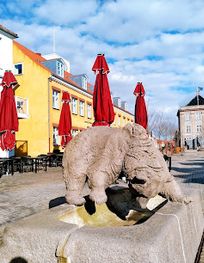
Granite bear, flowing water and royal history converge in this compact fountain that anchors Nykøbing Falster’s main square and its stories.
