
Fyrkat Viking Museum
Walk the grassy ramparts of Harald Bluetooth’s UNESCO‑listed ring fortress, step into reconstructed longhouses and meet the Viking world up close at Fyrkat.
Set in rolling North Jutland countryside just outside Hobro, Fyrkat Viking Museum brings the Viking Age vividly to life. Here an earthen rampart traces the outline of King Harald Bluetooth’s 10th‑century ring fortress, once enclosing 16 longhouses. A full‑scale timber longhouse reconstruction stands beside the ramparts, while a nearby chieftain’s farm of nine recreated buildings, exhibition spaces and a myth‑inspired playground reveal everyday life, power and belief in Viking Denmark, now recognised as UNESCO World Heritage.
A brief summary to Fyrkat Viking Museum
- Fyrkatvej 37B, Hobro, 9500, DK
- +4599824175
- Visit website
- Duration: 1.5 to 3 hours
- Mid ranged
-
 Mixed
Mixed
- Mobile reception: 4 out of 5
- Tuesday 10 am-4 pm
- Wednesday 10 am-4 pm
- Thursday 10 am-4 pm
- Friday 10 am-4 pm
- Saturday 10 am-4 pm
- Sunday 10 am-4 pm
Local tips
- Allow at least two to three hours so you can visit the ring fortress, the exhibition at Møllegård and the chieftain’s farm without rushing between them.
- Wear sturdy shoes and bring layers; much of the experience is outdoors and the walk between farm and fortress can feel windy even on bright days.
- Check seasonal opening dates before you go; the museum closes over winter and hours vary between spring, summer and autumn.
- If you are visiting with children, plan extra time at the mythological playground next to the Viking farm and consider bringing a picnic.
- Join one of the scheduled guided tours during the main season to hear deeper stories about Harald Bluetooth, the völva grave and fortress construction.

For the on-the-go comforts that matter to you
- Restrooms
- Seating Areas
- Picnic Areas
- Trash Bins
- Information Boards
- Visitor Center
- Drinking Water
Getting There
-
Regional train and local bus
From Aalborg, take the regional train to Hobro Station; the journey usually takes 50–60 minutes with frequent departures. From Hobro, use a local bus towards the Fyrkat area, with a ride of about 10–15 minutes depending on route and time of day. A combined one‑way trip typically costs around 80–120 DKK per adult in total, using standard public‑transport tickets or travel cards. Services run more often on weekdays and in the daytime, while evening and weekend frequencies are reduced.
-
Train and walking from Hobro
Arrive by regional train to Hobro Station from cities such as Aarhus or Aalborg; travel times are usually 45–75 minutes depending on route and connections. From the station, you can walk to Fyrkat through town and out into the countryside in roughly 30–40 minutes at a moderate pace. The route uses pavements and mixed surfaces with some gentle inclines, making it manageable for most visitors with comfortable footwear, though it may be tiring for very young children or those with limited mobility.
-
Car or rental vehicle
Driving from central Hobro to Fyrkat typically takes about 8–12 minutes via local roads through suburban and rural areas. From Aalborg or Aarhus, plan on 45–70 minutes depending on traffic and departure point. There is free parking near both the ring fortress and the Viking farmstead, but spaces can feel busy on sunny summer days and during school holidays. Fuel and rental costs vary, but for planning purposes expect a small rental car to cost from around 400–700 DKK per day, plus petrol.
Fyrkat Viking Museum location weather suitability
-
 Clear Skies
-
 Mild Temperatures
-
 Any Weather
-
 Cold Weather
-
 Hot Weather
Discover more about Fyrkat Viking Museum
Ring Fortress on a Viking Frontier
Around the year 980, Denmark’s king Harald Bluetooth ordered a network of precisely engineered ring fortresses to secure his newly unified kingdom, and Fyrkat is one of the best known of these. Today, the original timber structures are gone, but the circular earthwork still cuts a bold line through the landscape, with a 120‑metre inner diameter that becomes clear as you walk the grassy ramparts. The geometry is striking: four gateways at the cardinal points once divided the interior into four neat quarters, each holding four identical longhouses around a central courtyard. Instead of buildings, white stones now mark where those 16 longhouses stood, turning the fortress into an open‑air blueprint of Viking military planning. Standing on the bank, you can imagine the ring as it was: timber palisades, smoke rising from roof vents and warriors watching the approaches across wetlands and fields. The site’s inclusion on the UNESCO World Heritage List underlines how exceptional these fortresses are as evidence of state formation in the Viking Age.Stepping Inside a Rebuilt Longhouse
Just outside the circular rampart, a full‑scale reconstructed longhouse offers a tangible sense of Viking architecture. Built in massive oak with gently curving walls and a steep roof, the hall feels both monumental and intimate when you step through the doorway. Inside, long central hearths, raised sleeping platforms and wooden furnishings suggest how life revolved around firelight, feasting and craftwork. Details are drawn from finds across Denmark: iron tools, simple pottery, weaving equipment and replica weapons illustrate the mix of domestic routine and readiness for conflict. Interpretive panels explain construction techniques, from split planks and wattle‑and‑daub infill to the way smoke filtered through the roof rather than a chimney. The longhouse also helps decode the stone outlines back inside the fortress, turning abstract archaeology into something immediately understandable.Chieftain’s Farm and Living Viking Culture
About a kilometre from the ring fortress, the Viking farmstead spreads across a gentle slope, laid out as a chieftain’s estate. Nine reconstructed buildings – dwellings, workshops and storage houses – cluster around open yards where animals and people once mingled. Heavy oak frames, clay‑plastered walls and thatched roofs give the farmstead a rugged, authentic character that changes with the light and weather. In the main hall and smaller houses, objects and displays show how a high‑status household might have operated: from textile production and metalworking to cooking, trade and hospitality. During the summer season, costumed interpreters often demonstrate skills such as blacksmithing, woodcarving or bread baking over open fires, filling the air with the sounds and smells of a working Viking community. A small visitor area and museum shop round off the experience, while a mythological playground nearby lets younger visitors clamber through dragon heads and god‑inspired structures.Exhibition, Völva and Finds at Møllegård
A short stroll away at Fyrkat Møllegård, a modern exhibition space adds another layer to the story. Here, atmospheric lighting and scenography frame original artefacts from the area, including items associated with a richly furnished grave of a völva, a seeress from Viking religion. Staff and texts explain how such women were believed to mediate between worlds, using staffs, amulets and ritual garments in ceremonies that combined magic, prophecy and politics. The exhibition sets Fyrkat within a broader network of power, trade and belief. Maps, models and multimedia show how the fortress related to other ring fortresses, nearby waterways and distant contacts across the North Sea. For many visitors, this is where the big picture comes into focus: Fyrkat is not just an isolated ruin in a meadow, but a key piece of evidence for how a Viking king organised, defended and symbolically claimed his realm.Exploring the Landscape Between Farm and Fortress
Part of Fyrkat’s appeal lies in its setting. The walk between the chieftain’s farm, the exhibition and the ring fortress leads through open fields and gentle slopes, giving time for the story of the site to settle. Information boards along the way pick out views and explain how the surrounding landscape once supported the fortress with farmland, grazing and access to transport routes. Benches and picnic tables invite you to pause, watch clouds drift over the ramparts and listen to wind in the grass. It is easy to imagine wagons creaking along the same route a thousand years ago, bringing supplies, people and news to the king’s garrison. In this mix of reconstructed buildings, earthworks and quiet countryside, Fyrkat offers both an engaging historical attraction and a contemplative corner of rural North Jutland.Planning Your Visit Through the Seasons
Fyrkat Viking Museum operates a defined season, typically opening from early spring through October, with extended hours in July and August and closures in winter months. Within that period, one admission ticket covers the ring fortress, the exhibition at Møllegård and the chieftain’s farm, and often includes short guided tours in Danish and English on set daily schedules. Paths between the sites are generally level and suitable for wheelchairs and strollers, and restrooms are provided at both the fortress area and the farm, including accessible facilities at the visitor centre. Outdoor areas mean conditions change with the weather, so layered clothing and sturdy footwear are recommended. With a couple of unrushed hours, you can comfortably explore all parts of the museum and still leave time simply to stand on the ramparts and picture Harald Bluetooth’s Denmark stretching away on every horizon.Iconic landmarks you can’t miss

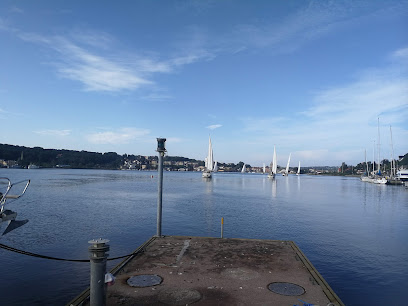
Hobro Lystbådehavn
2.8 km
Denmark's premier fjord marina with historic charm and modern comfort.
Hotel BramslevGaard
6.1 km
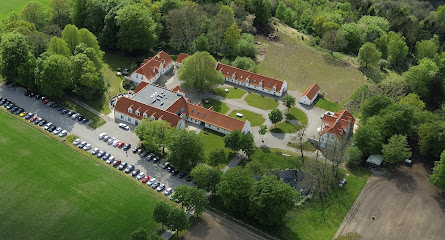
Experience tranquility and history at Hotel BramslevGaard, nestled in the scenic Bramslev Bakker by Mariager Fjord, offering gourmet dining, spa retreats, and easy access to Northern Jutland's natural wonders.
Restaurant BramslevGaard
6.1 km
Experience Danish history and gastronomy at BramslevGaard, a charming manor house nestled in the scenic Bramslev Bakker near Hobro, offering stunning views and French-inspired cuisine.
Mariager Church
12.3 km
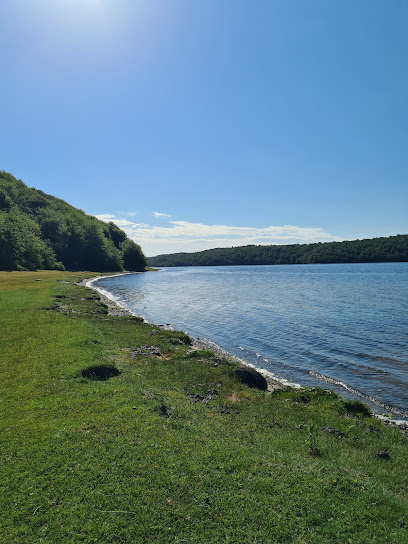
A towering former abbey church above Mariager Fjord, where Gothic brickwork, noble tombs and a distinctive Aubertin organ keep centuries of faith and history alive.
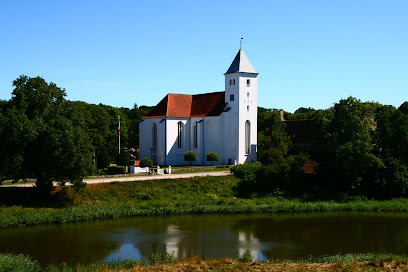
Mariager Kirke
12.4 km
A lofty Bridgettine abbey church turned parish landmark, where Gothic stone, noble tombs and organ music tell Mariager’s story above the fjord.
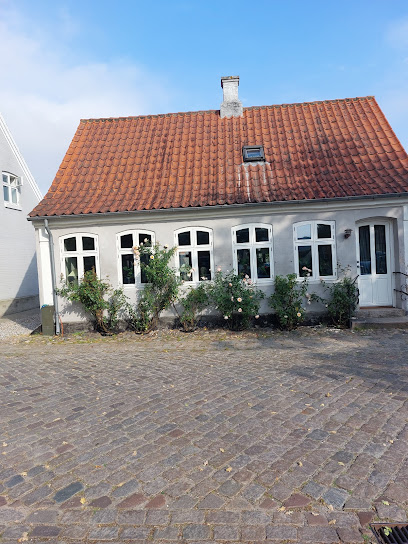
Hotel Postgaarden Mariager
12.6 km
Experience historic Danish charm and modern comfort at Hotel Postgaarden Mariager, nestled in the heart of the 'City of Roses' with easy access to Mariager Fjord's natural beauty.

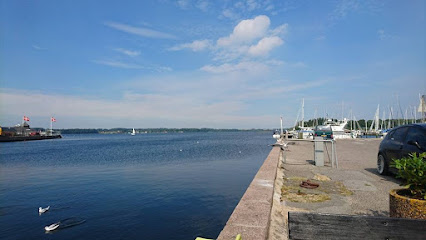
Mariager Lystbådehavn
12.7 km
Denmark's most beautiful fjord meets a thriving sailing community in this welcoming maritime harbor.
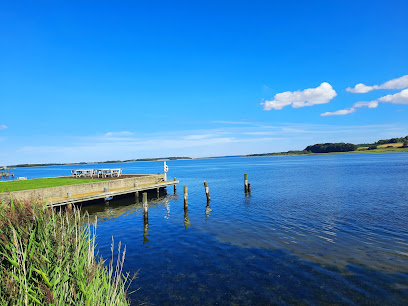
Mariager Fjord
13.9 km
Denmark's longest fjord winds through pristine Jutland landscapes, offering unspoilt nature, charming villages, and exceptional outdoor adventures.
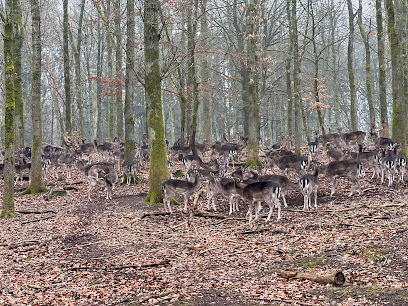
Gravhøjen i Fladbro Dyrehave
23.1 km
Stone Age burial mound in a serene deer forest, where ancient history meets wild nature.
Rebild National Park
23.3 km
Discover Denmark's Rebild National Park: Rolling hills, lush forests, and a vibrant Danish-American history await in this scenic and culturally rich natural escape.
RebildPorten
23.3 km
Discover RebildPorten, your essential guide to exploring Denmark’s Rebild National Park and the cultural gems of Skørping.
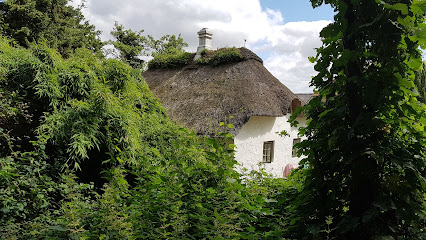
Rebild Bakker Information
23.3 km
Discover the rolling hills and heathlands of Rebild Bakker, where Danish-American history meets stunning natural beauty in the heart of Northern Jutland.
Randers St.
23.4 km
Historic East Jutland railway hub connecting Denmark's east coast with modern InterCity services and comprehensive traveler amenities.
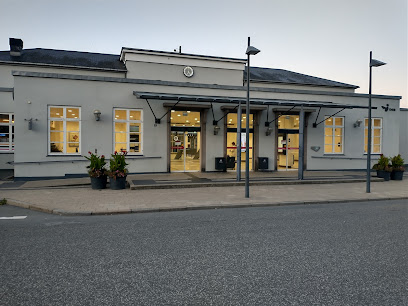
Randers Railwaystation
23.4 km
Historic rail gateway of Randers, linking East Jutland’s river town with Aarhus, Aalborg and Copenhagen from a compact, practical 19th‑century station hub.
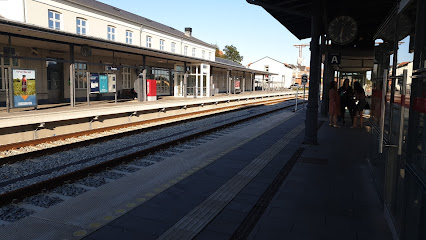
Danhostel Rebild
23.4 km
Experience Danish nature and hospitality at Danhostel Rebild, your budget-friendly gateway to Rebild Bakker National Park and the enchanting Rold Skov forest, perfect for outdoor adventures.
Unmissable attractions to see

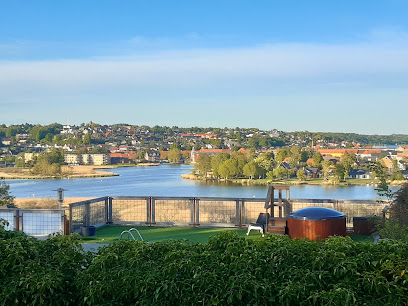
Hobro Camping
1.2 km
Terraced hillside camping above Hobro, blending fjord views, green surroundings and easy city access in a relaxed, family-friendly setting.
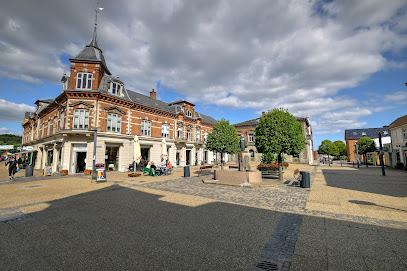
Torvekonen
1.7 km
Marvel at the Shell House, a one-of-a-kind museum in Thyborøn where seashell mosaics adorn every inch, blending Danish coastal art and maritime heritage.
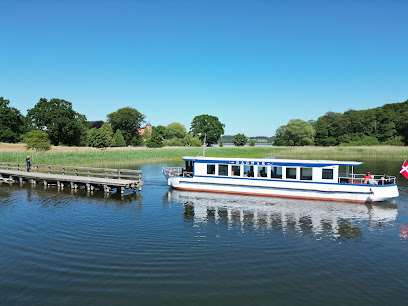
FjordTours
1.8 km
Mariager Strandpark offers sandy beaches, grassy picnic spots, and serene fjord views—a perfect blend of nature and relaxation on the shores of scenic Mariager Fjord.
Pleasure craft museum
1.9 km
Intimate maritime museum in a historic Hobro harbor warehouse, showcasing classic wooden pleasure craft, local fjord stories, and Danish leisure sailing culture.
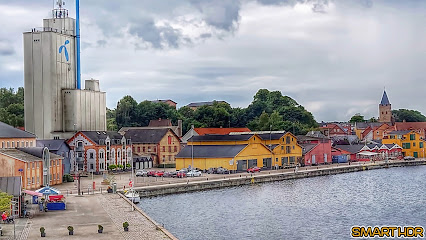
Panorama Walking Route
2.8 km
A 10 km premium hillside-and-fjord loop near Hobro, weaving through meadows, juniper slopes and shoreline for some of Denmark’s most evocative panoramic views.
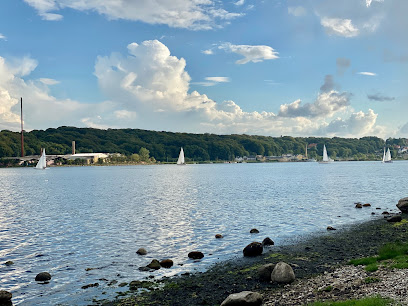
Sildehagen
2.9 km
A calm slice of Mariager Fjord where a circular bridge, productive fishing waters and easy shoreline walks bring everyday fjord life to Hobro’s edge.
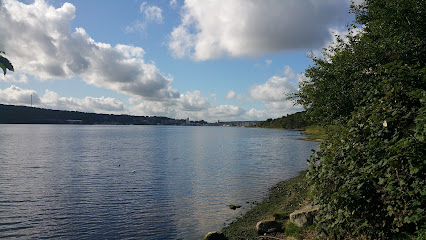
Hotel Amerika
3.5 km
Scandinavian forest hotel near Hobro combining woodland calm, thoughtful gastronomy and well-equipped conference facilities on the edge of Mariager Fjord.
Øls Skæppe
4.0 km
A quiet, dramatic earthfall hollow on Hobro’s outskirts, where steep grassy slopes form a natural amphitheatre and reveal the subtle power of shifting ground.
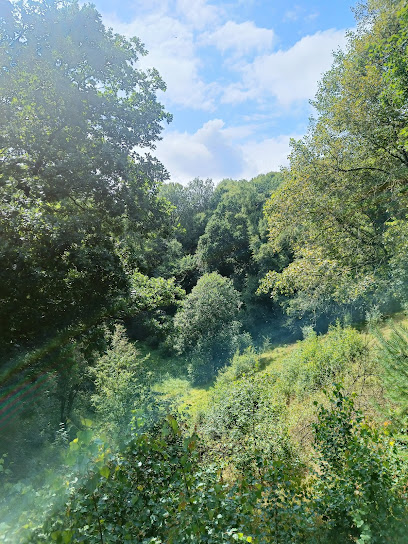
Hjerritsdal Mølle
5.3 km
Historic watermill farmstead in a green tunnel valley, where running water, old buildings and quiet paths reveal centuries of rural life near Mariager Fjord.
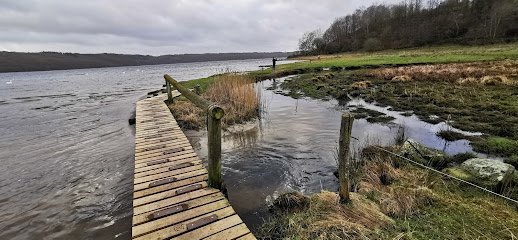
Mindesten
5.4 km
Mariager Strandpark is a peaceful waterfront park offering idyllic fjord views, swimming areas, and open lawns—an inviting escape at the heart of Mariager’s natural beauty.
Bramslev Bakker
6.1 km
Steep green hills tumbling to Mariager Fjord, Bramslev Bakker blends premium hiking, shoreline calm and big-sky views in one of Denmark’s most scenic corners.
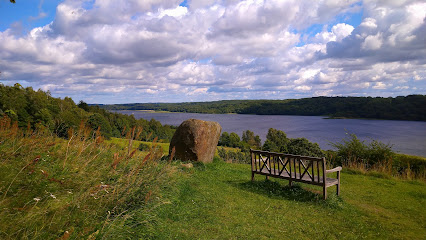
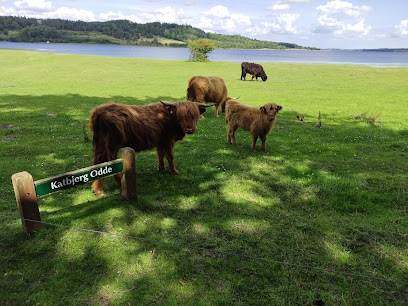
Katbjerg Odde, Mariager fjord
7.9 km
Quiet peninsula on Mariager Fjord with sea trout fishing, birdlife, fossils and big-sky views, ideal for slow walks, simple picnics and peaceful nature escapes.
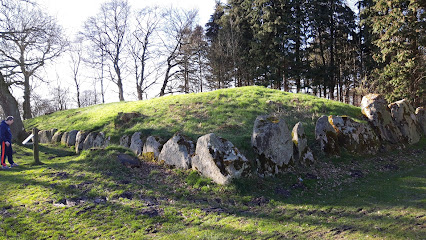
Kings Hill | Megalithic tomb
8.7 km
Discover Denmark’s most whimsical museum: a creative coastal house spectacularly covered in shells, folk art, and maritime antiques in scenic Thyborøn.
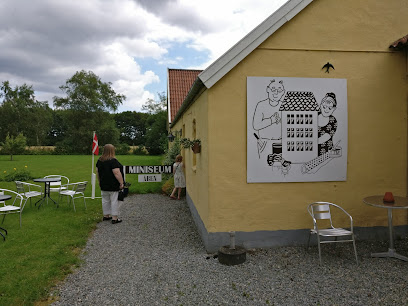
Miniseum
8.7 km
Enchanting 1:12 scale miniatures and dioramas celebrating artistry in Denmark's countryside.
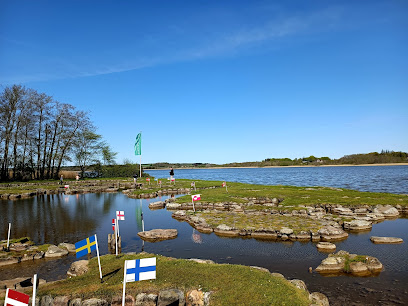
Worldmap at Klejtrup Lake
9.4 km
Walk the world in an afternoon on a lakeside, stone-and-grass atlas where continents, flags and family-friendly fun turn geography into a playful countryside escape.
Essential places to dine

Esja Bistro
1.6 km
Casual Nordic comfort food with Icelandic flavours, served in a cosy bistro on Hobro’s Adelgade where North Atlantic ingredients meet relaxed Danish dining.
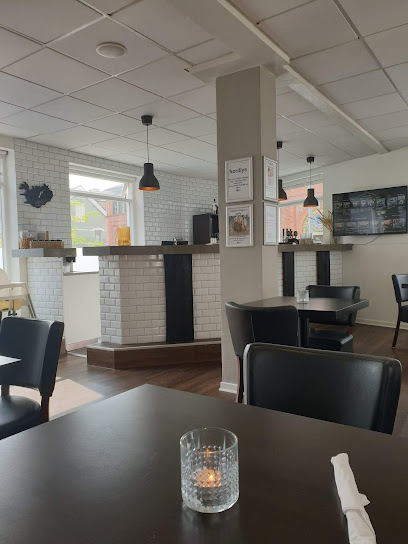
Nida's food
1.7 km
Casual harborfront fast-food joint in Hobro serving pizzas, burgers and grill favorites just steps from the marina on Havnegade.
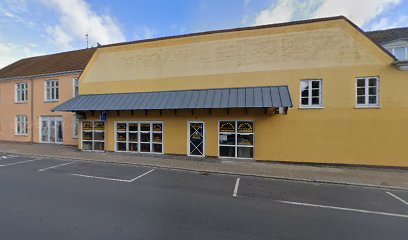
Restaurant Bies Bryghus
1.7 km
Historic Hobro brewery-restaurant serving classic Danish dishes with a modern twist in a warm, brick-and-beam setting on the town’s central street.
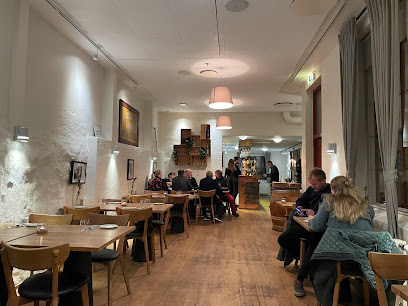
Matios Det Italienske Spisehus
1.8 km
Cosy Italian trattoria-style dining on Hobro’s central square, serving generous pizzas, pasta and classic desserts in a warm, candlelit atmosphere.
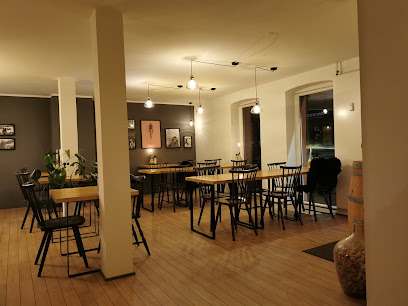
Restaurant The Grill Hobro
2.3 km
All-you-can-eat grill buffet and brunch inside Hobro’s Bowl’n’Fun, bringing hearty classics, soft-ice desserts and family-friendly dining under one lively roof.
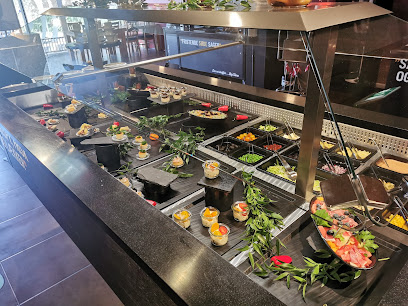
Restaurant Uafhængig
3.5 km
Ambitious Nordic cooking in a calm, forest‑edge dining room at Hotel Amerika, blending seasonal Danish flavors with a relaxed, modern atmosphere near Hobro.
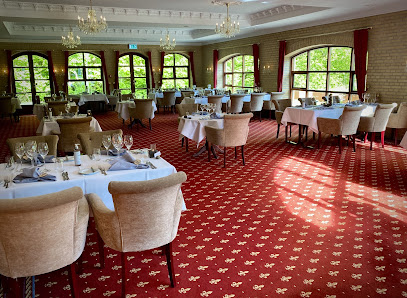
Restaurant Bramslev Bakker
6.1 km
Countryside Danish cooking with sweeping fjord views, where Bramslev Bakker’s rolling hills meet a relaxed, modern restaurant above Mariager Fjord.
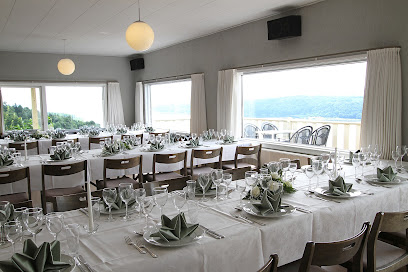
Mariager Bistro & Konditori
12.5 km
Casual harborfront bistro and konditori in Mariager, serving unfussy Danish café dishes and cakes just steps from the town’s quiet fjord marina.
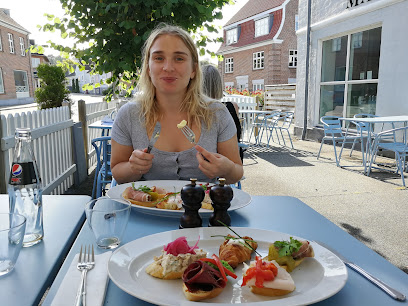
A'porta
12.5 km
Unpretentious Danish cooking, a lively bodega-style bar and simple rooms under one roof in the old fjord town of Mariager.
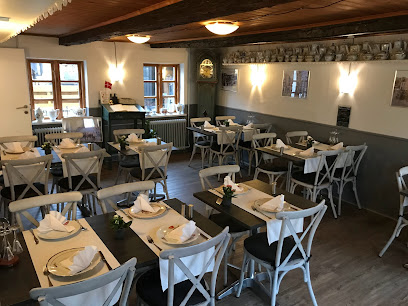
Havnens Grill & Pølsebod
12.6 km
Casual waterfront grill serving Danish classics with fjord views and motorcycle tradition.
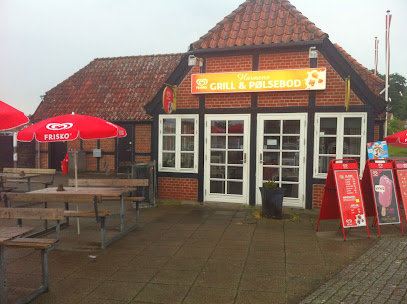
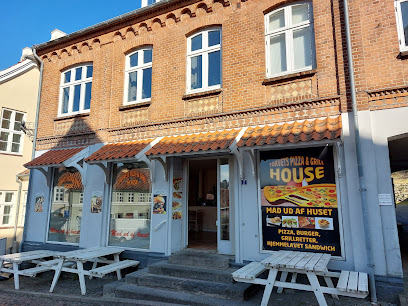
Torve Pizza Mariager v/Kenan Atas
12.6 km
Casual, central pizzeria and grillhouse on Mariager’s main square, serving generous, affordable comfort food to locals and visitors from afternoon through evening.
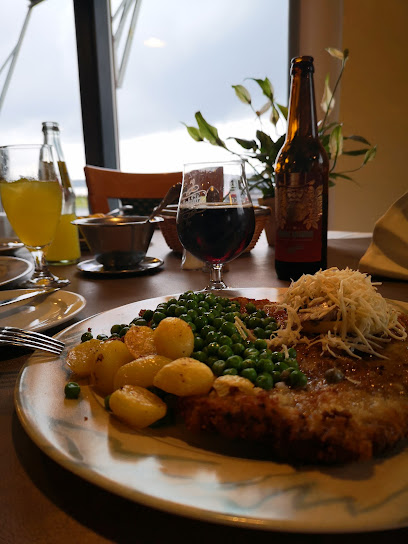
Landgangen
13.1 km
Homely Danish comfort food and generous plates served with wide-open views over Mariager Fjord on the quiet edge of this charming North Jutland town.
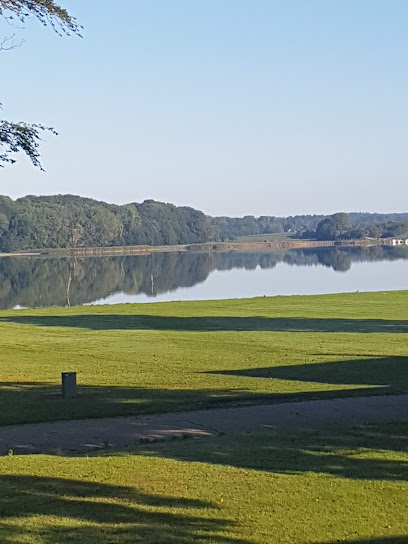
Restauration Orkidee Dania - Mad som man kender
18.0 km
Relaxed fjordside restaurant and event venue at Dania, serving classic Danish dishes, buffets and catering in cozy banquet rooms with wide views over Mariager Fjord.
Star Pizza & Grill
18.2 km
Straightforward pizzas and grill favorites in the heart of Mariager, offering easy takeaway and no-frills dining after a day by the Danish fjord.
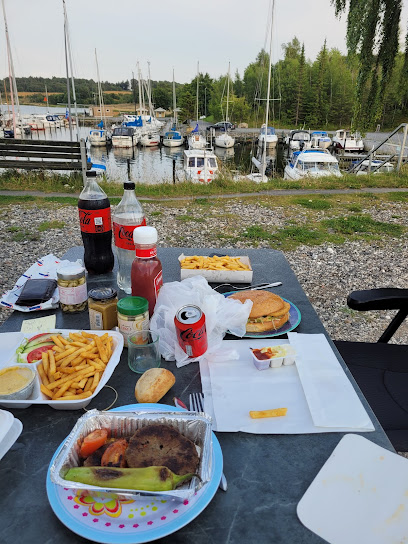
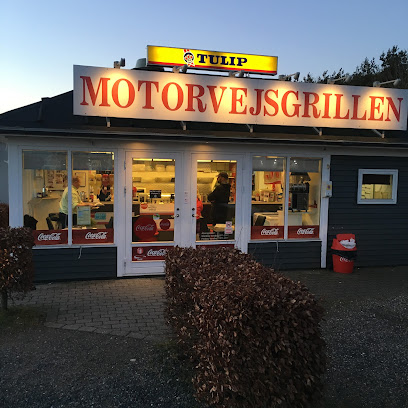
Motorvejsgrillen
18.4 km
Old-school Danish roadside grill off the Nørager motorway, serving hearty burgers, fries and classic fast food to drivers, locals and truckers all week.
Markets, malls and hidden boutiques

PetitePeople
9.5 km
Personalized children's clothing and baby essentials in central Hobro, Denmark.
REMA 1000
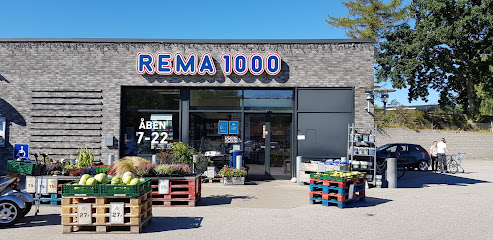
12.1 km
Mariager’s handy REMA 1000 on Gl. Hobrovej is a no‑frills discount supermarket, perfect for stocking up on groceries, snacks and picnic supplies near the historic town.
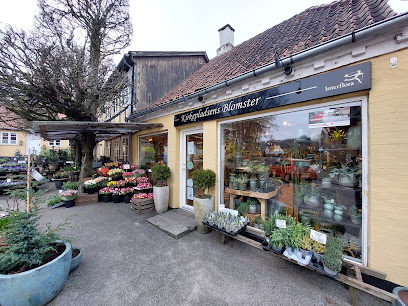
Kirkepladsens Blomster Mariager ApS
12.5 km
Century-old florist crafting premium arrangements for weddings, celebrations, and heartfelt moments.
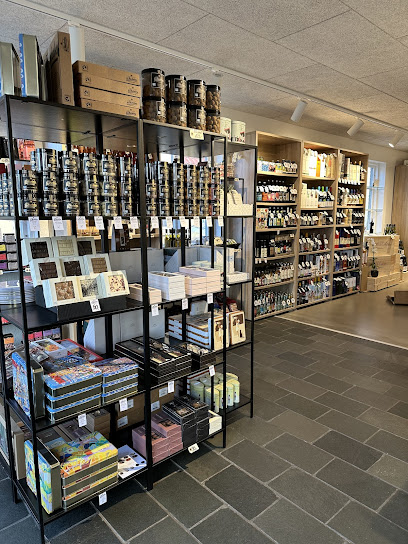
Vinspecialisten Mariager
12.5 km
Intimate specialist wine shop in the heart of Mariager, pairing personal advice with carefully chosen bottles, fine spirits and gift-ready treats for any occasion.
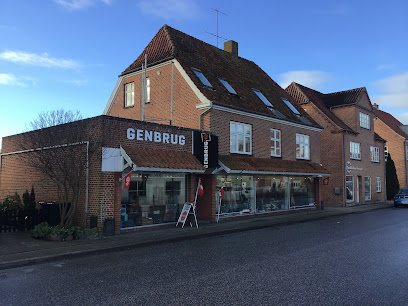
Folkekirkens Nødhjælp Genbrug
12.5 km
Cosy waterfront charity shop in Mariager, where curated second-hand finds, local community and global relief work meet under ét genbrugstag.
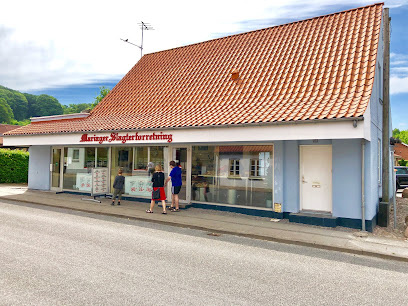
Mariager Slagterforretning
12.5 km
Classic Danish butcher shop by Mariager’s harbour, offering house-made specialties, fresh cuts and deli favourites ideal for picnics, grilling and cosy self-catered meals.
Helga Winther Smykkedesigner
12.6 km
Handcrafted jewelry artistry in the heart of Mariager, where bespoke designs meet timeless elegance.
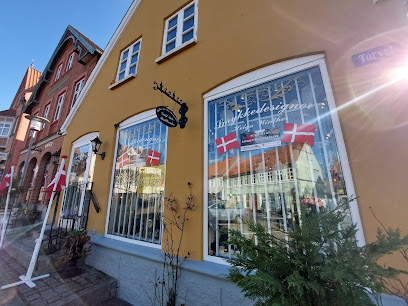
Vaffelbageren i Mariager
12.6 km
Experience handmade Danish ice cream and fresh-baked waffles on Mariager’s historic square—Vaffelbageren captures the taste and spirit of hygge along the fjord.
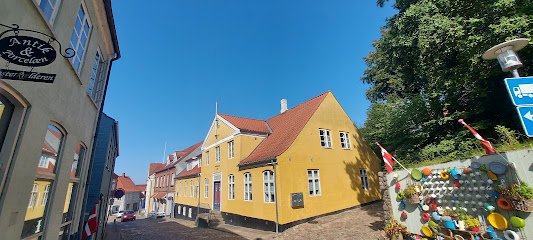
JamerAntik.dk
12.6 km
Intimate Mariager antiques shop specializing in Danish porcelain, ceramics and decorative treasures, where each shelf reveals another chapter of Scandinavian design history.
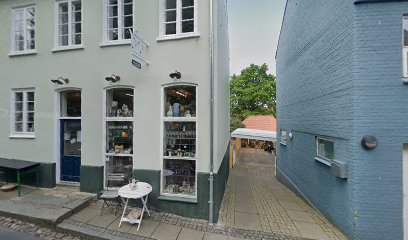
Klosterkaelderen.dk Antiques & Porcelain
12.6 km
Denmark's premier destination for authentic Danish and European antique ceramics and porcelain.
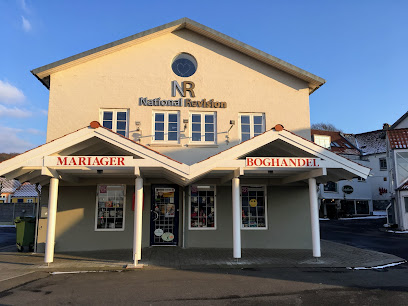
Mariager Boghandel
12.6 km
Cosy village bookshop and service hub in the heart of Mariager, combining books, gifts, toys and practical everyday services in one welcoming stop.
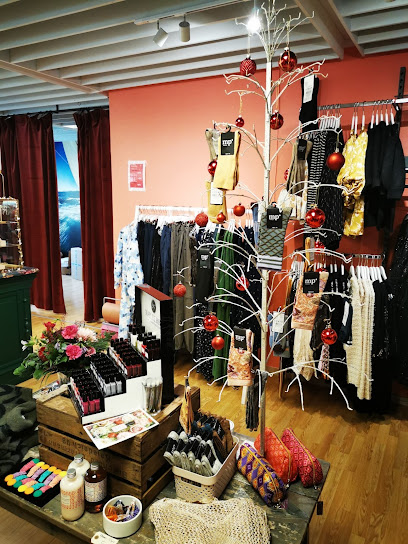
Klæd Dig - Mariager
12.6 km
Cosy, owner-run fashion boutique on Østergade in Mariager, offering curated Scandinavian-style womenswear in a relaxed, personal and distinctly local setting.
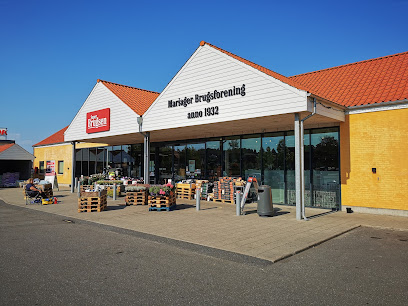
SuperBrugsen
12.6 km
Modern cooperative supermarket and deli hub in small‑town Mariager, ideal for stocking up on Danish groceries, picnic supplies and prepared local dishes every day.
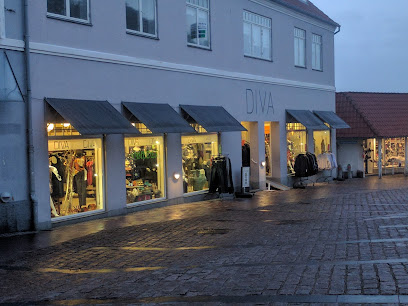
Diva
12.7 km
Curated women's fashion in the heart of historic Mariager's charming town center.
Jørgensen Sko
12.7 km
A long-standing local shoe shop and cobbler in Mariager, offering practical footwear, repairs and traditional service on cosy Østergade near the historic town centre.
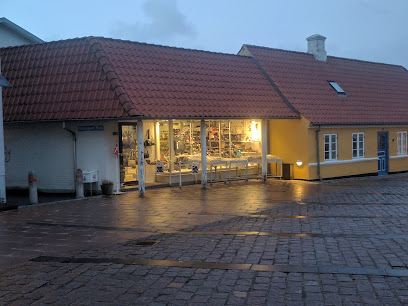
Essential bars & hidden hideouts

Madam Blå's Vandhul
1.5 km
A cozy, day‑time neighborhood bar-café in Hobro where locals linger over coffee, beer and small talk in an easygoing, homely atmosphere.
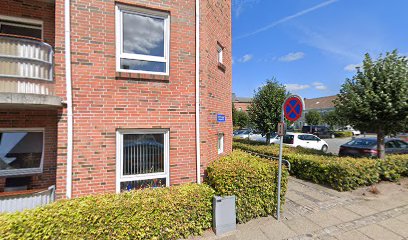
Bræddehytten Bar & Pub
1.6 km
Unpretentious local bar on Hobro’s main street, pouring cold beer and warm hygge in a classic Danish pub setting with friendly, small-town atmosphere.
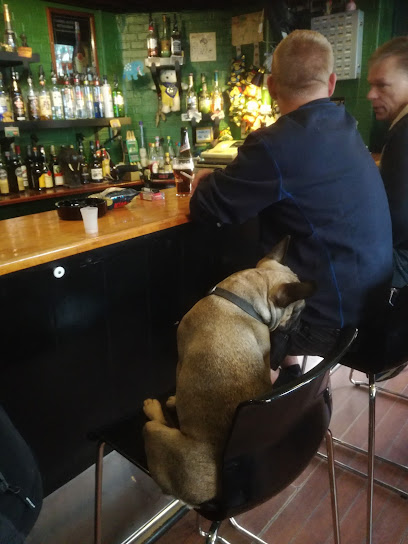
Torvebaren
1.7 km
Classic Danish bodega in central Hobro, serving traditional beers, darts and down‑to‑earth local atmosphere from morning coffee to late‑night rounds.
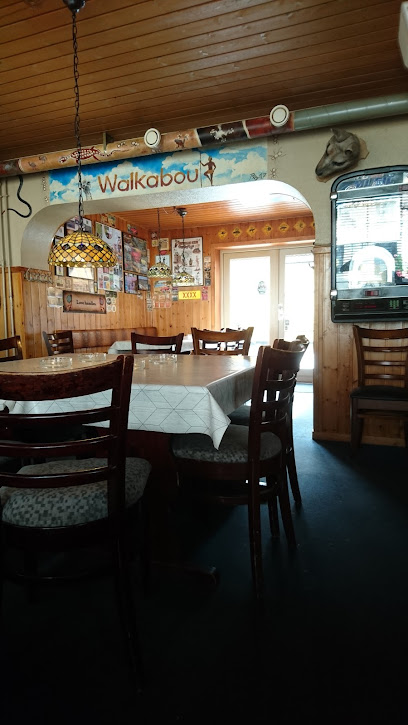
Jazz Hobro
1.7 km
Northern Denmark's premier jazz venue, celebrating tradition and innovation through live performances.
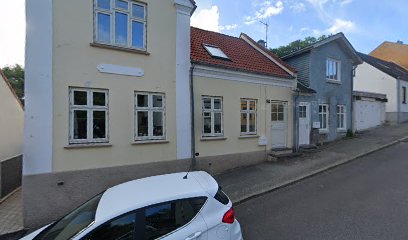
Vognhjulet Pub
1.9 km
Hobro's legendary rock pub where authentic Danish hospitality meets decades of local tradition.
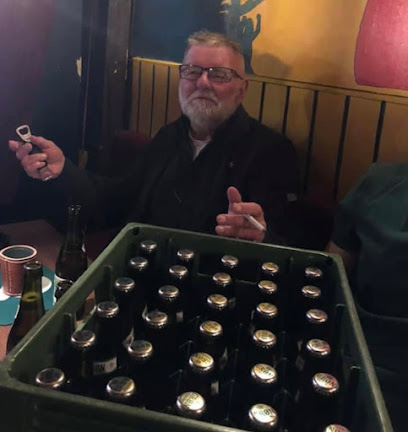
Olivia
18.2 km
Casual Danish beer hall where locals gather for drinks, conversation, and authentic small-town hospitality.
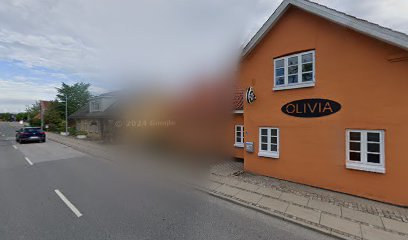
My Way Pub
19.1 km
A cosy small-town Danish pub where darts, pool, bingo and the occasional live band create easygoing evenings in the heart of Aalestrup.
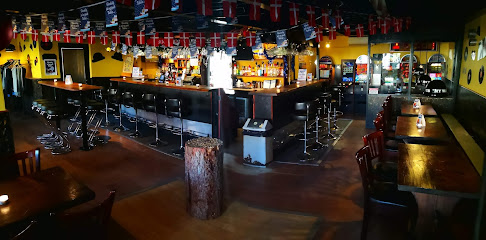
Rottehullet / Bodega
20.0 km
Laid‑back Danish bodega in quiet Arden, where cold beer, worn wood and easy conversation create a timeless neighborhood hangout.
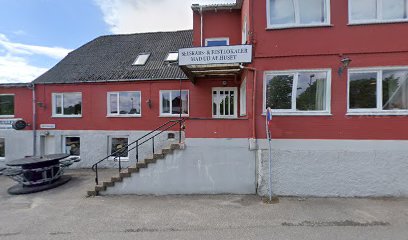
Jagtstuen
22.6 km
Traditional Danish bodega-style bar in central Hadsund, known for its cozy atmosphere and pioneering dementia-friendly approach to everyday social life.
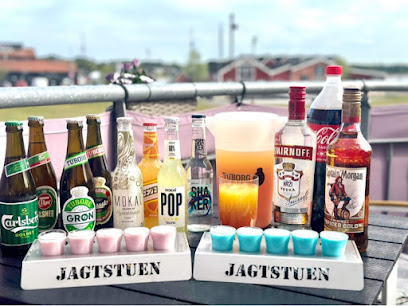
Kælderen
22.8 km
Intimate basement bar at the heart of Hadsund's town square, open for evening gatherings Thursday through Sunday.
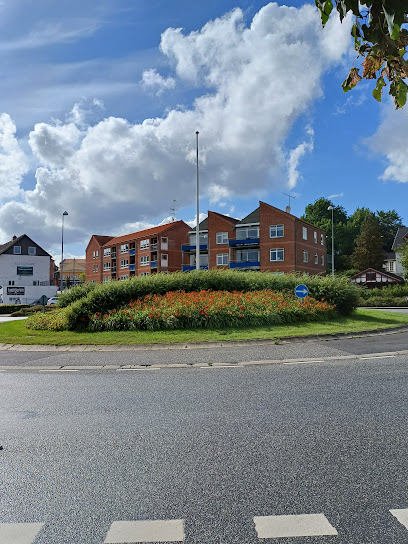
Den Graa Kok Vinkælderen
22.9 km
Refined wine bar and cellar in North Jutland offering curated selections and elegant dining.
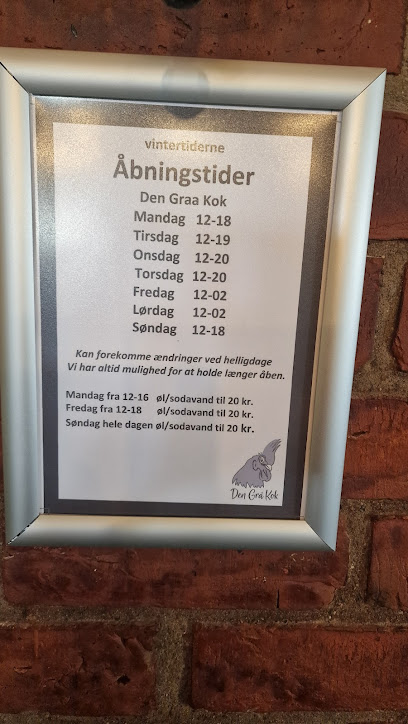
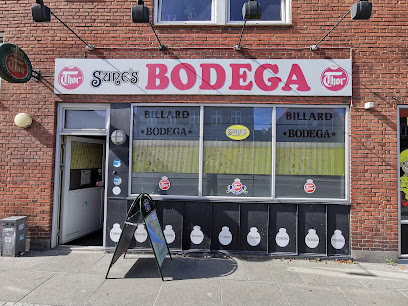
Sunes Bodega
23.2 km
A classic Randers neighbourhood bodega serving cold beers, local stories and uncomplicated hygge from morning until late evening.
ar
23.5 km
Unpretentious waterfront bar on Ved Stranden in Hadsund, where simple drinks, fjord views and small-town atmosphere create an easygoing evening stop.
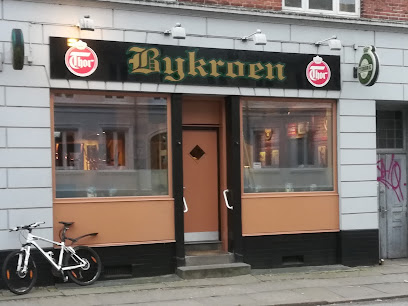
Bykroen
23.5 km
Traditional Randers bodega with cold beer, simple smørrebrød and everyday hygge in the heart of Vestergade’s city-centre streets.
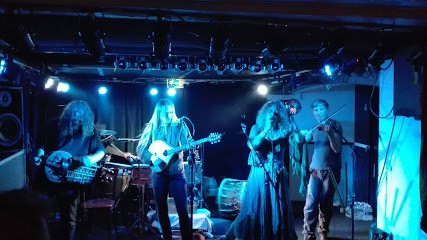
Café von Hatten
23.9 km
Intimate volunteer-run bar and music den in the heart of Randers, where underground sounds, candlelit tables and community spirit create a distinctly local night out.
Nightclubs & after hour spots

Buddy Holly
1.7 km
Late-night disco hub in central Hobro, where locals and visitors pack the dance floor to chart hits, lights and drinks until the early hours.

Randers Rave
22.5 km
Compact, bass-heavy nightclub in Randers NØ, where an unassuming façade hides a late-night dance floor fueled by rave-inspired lights, DJs and high energy.
Rold Skov Orienteringsklub
24.3 km
Embark on an orienteering adventure with Rold Skov Orienteringsklub in Denmark's captivating Rold Skov forest.
Terminalen I/S v/Carl Erik Agnskov M.Fl.
30.2 km
Lively, affordable bar at Viborg’s historic center—Terminalen offers all-day drinks, local vibes, and Danish hygge for city explorers and socializers.
Vesterbro Pub
30.4 km
Vesterbro Pub offers an authentic slice of Danish bodega culture in central Viborg, where locals gather for affordable drinks, lively chats, and classic pub games.
ANDERS LAUSTSEN A/S
31.8 km
Compact, casual late-night bar and dance spot in Viborg, offering simple drinks, music, and a local Danish nightlife vibe just beyond the historic center.
Mjølner
39.4 km
Small-town Nibe’s late-night heartbeat, where a compact dance floor, loud party tunes and local crowds turn a quiet fjord town into a lively night out.
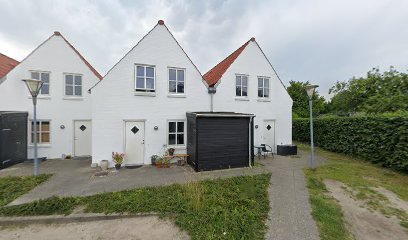
Der Kuhstall Mønsted
41.6 km
Rural barn vibes meet late-night beats at this countryside nightclub near Viborg, where casual crowds, strong drinks and a compact dance floor power the weekend.
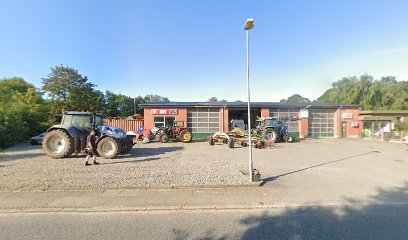
Night Cirque
47.7 km
Compact, high-energy nightclub in central Aalborg, where pulsing beats, bold lighting and a stylish crowd keep the dance floor alive late into the night.
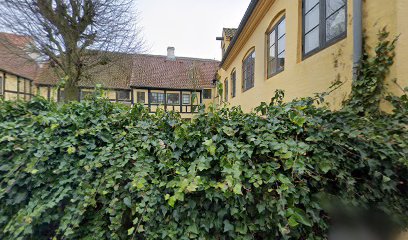
LouLou Aalborg
47.9 km
Polished cocktails and high-energy club vibes collide at this compact, late-night hotspot on Aalborg’s legendary Jomfru Ane Gade.
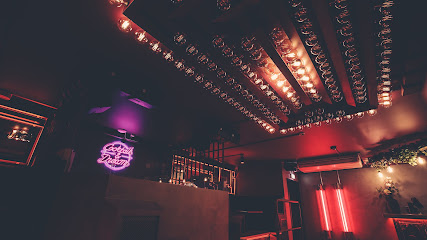
Club Stygge
48.0 km
Compact, late-night Aalborg nightclub with loud party hits, simple cocktails and a tightly packed dance floor on bustling Vesterå.
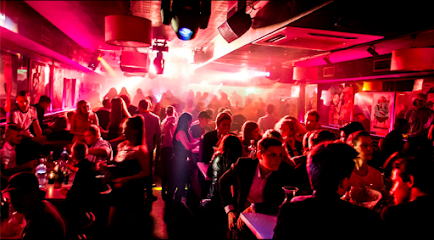
Under Buret
48.0 km
Aalborg's vibrant party hub with disco energy, DJ beats, and neon-lit celebration on every level.
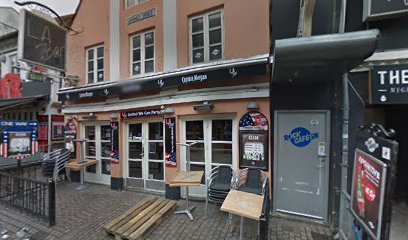
ESCAPE CLUB & Shisha Lounge
48.0 km
Intimate nightclub and shisha lounge in the heart of Aalborg’s Jomfru Ane Gade, mixing DJ-driven dancing, drinks and hookah corners late into the night.
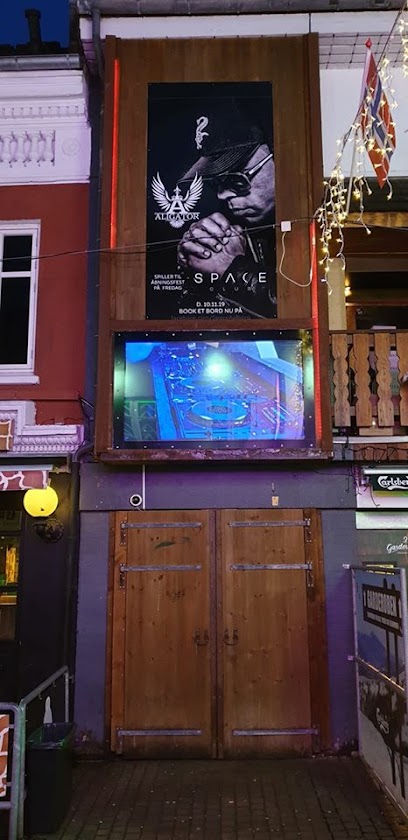
Club Wolf
48.0 km
Compact, late-night nightclub on Aalborg’s Jomfru Ane Gade, blending chart hits, strong weekend energy and a tightly packed dance floor in the city’s bar street hub.

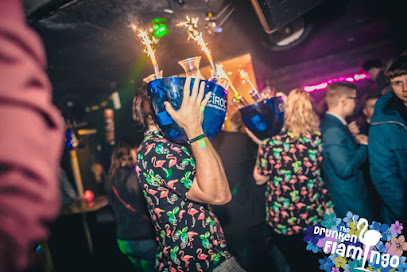
The Drunken Flamingo
48.0 km
Colorful cocktails, neon vibes, and electrifying nights—The Drunken Flamingo is Aalborg’s playful party hotspot in the heart of Denmark’s most famous bar street.
For the vibe & atmosphere seeker
- Scenic
- Fun-filled
- Unique
- Casual
- Tranquil
For the design and aesthetic lover
- Rustic Designs
- Vintage Styles
For the architecture buff
- Historic
- Landmarks
- Parks & Gardens
- Heritage Neighborhoods
- Viewpoints
For the view chaser and sunset hunter
- Iconic Views
- Panoramas
- Sunset Spots
For the social media creator & influencer
- Instagrammable
- Photo Spots
- Selfie Spots
- Reel-Friendly
- Architectural Shots
For the eco-conscious traveler
- Low Impact
- Public-Transport Accessible
- Locally Managed
For the kind of experience you’re after
- Cultural Heritage
- Photowalk
- Adventure Photo Shoot
- Roadtrip Stop
- Day Trip
- Mindfulness
- Myth & Legends
For how adventurous you want the journey to be
- Easy Access
Location Audience
- Family Friendly
- Senior Friendly
- Child Friendly
- Teen Friendly
- Solo Friendly
- Couple Friendly
- Solo Female Friendly


