
Jernhatten – The Iron Hat of Djursland
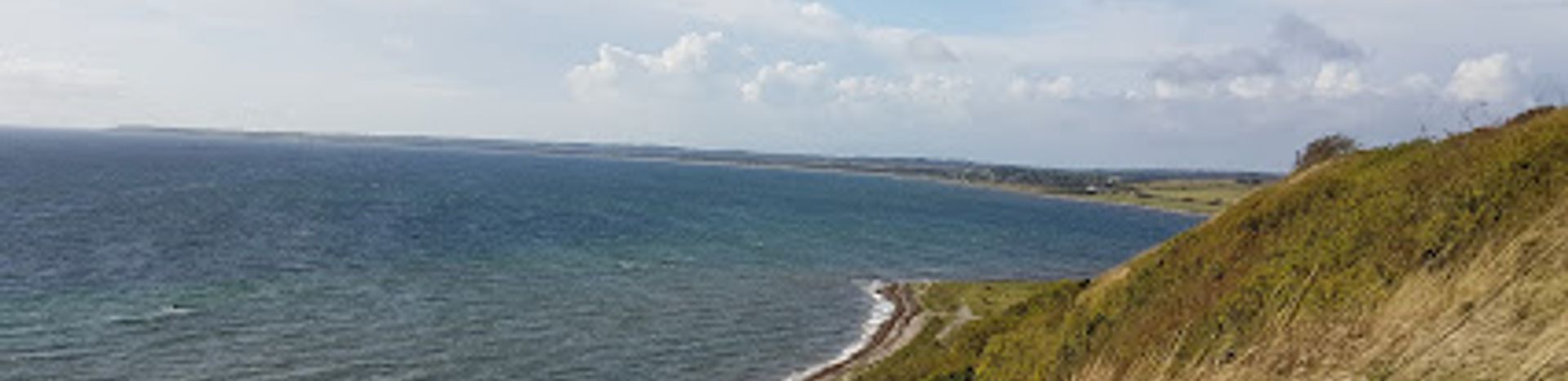
Sun‑baked coastal hill in Mols Bjerge National Park with ice‑age scenery, rare plants and sweeping views over Hjelm Dyb and the island of Hjelm.
Jernhatten, the so‑called “Iron Hat”, is a 49 m coastal hill on Djursland’s south coast near Ebeltoft. Part of Mols Bjerge National Park, it offers a short but fairly steep forest climb to a clifftop viewpoint with sweeping vistas over Hjelm Dyb and the island of Hjelm. Thanks to an unusually dry, sunny microclimate, the slopes host plants more typical of south‑eastern Europe, while a narrow path and stairway lead down to a wild pebble beach for a scenic shoreline walk.
A brief summary to Jernhatten - Djursland
- Havmøllevej, Ebeltoft, 8400, DK
- Duration: 1 to 2.5 hours
- Free
-
 Outdoor
- Mobile reception: 4 out of 5
- Monday 12 am-12 am
- Tuesday 12 am-12 am
- Wednesday 12 am-12 am
- Thursday 12 am-12 am
- Friday 12 am-12 am
- Saturday 12 am-12 am
- Sunday 12 am-12 am
Local tips
- Wear sturdy shoes; the forest path can be uneven and the stairway down to the beach is steep and demanding in wet or icy conditions.
- Aim for clear weather or mild haze for the best panorama of Hjelm and Hjelm Dyb; fog or low cloud drastically reduces the otherwise wide views.
- Bring water and snacks, especially in summer, as there are no facilities on site and the sunny microclimate can feel warm on the exposed slopes.
- If you descend to the beach, consider doing a loop: climb up through the forest, go down the steps to the shore, then follow the strand back along the base of the hill.
- In windy weather, keep hats and loose items secured at the summit; the exposed crest funnels gusts coming in from the open water.

For the on-the-go comforts that matter to you
- Trash Bins
- Information Boards
Getting There
-
Car from Ebeltoft
From central Ebeltoft, driving to Jernhatten typically takes 15–20 minutes through the rural south coast of Djursland. The route follows paved country roads suitable for standard cars, with a small free parking area near the trailhead on Havmøllevej. In peak summer weekends the parking can fill up, so arriving earlier in the day often makes it easier to find a space. There are no entrance fees for visiting the hill or beach.
-
Regional bus and short walk
Outside peak hours it is possible to reach the area using regional buses that run along the south coast between Ebeltoft and Grenaa, with travel times of around 25–40 minutes depending on the departure. Services are less frequent than urban routes, especially in evenings and on Sundays, and the nearest bus stops require a walk of at least 1–2 km along quiet rural roads and tracks. Standard regional bus tickets in this part of Denmark generally cost in the range of 25–40 DKK one way for an adult.
-
Cycling from local villages
Fit cyclists often combine a visit to Jernhatten with a coastal ride from Ebeltoft or nearby villages. Expect 30–45 minutes of cycling each way from Ebeltoft on gently undulating terrain, mostly on paved roads with occasional narrow sections where cars also travel. There are no dedicated bike facilities at the trailhead, so you simply secure your bicycle along the roadside or by the parking area. Strong coastal winds can make the ride more demanding, particularly on exposed stretches.
Jernhatten - Djursland location weather suitability
-
 Clear Skies
-
 Mild Temperatures
-
 Windy Conditions
-
 Any Weather
-
 Cold Weather
-
 Hot Weather
Discover more about Jernhatten - Djursland
A solitary hill above the wild south coast
Jernhatten rises abruptly from the Baltic shore east of Ebeltoft, a freestanding coastal hill that locals call the “Iron Hat” for its compact, dome‑like shape. At just 49 metres high it sounds modest on paper, yet because it stands almost alone on the coastline, the summit feels surprisingly lofty. From the top you look straight out across the open water of Hjelm Dyb, with the low silhouette of the island of Hjelm breaking the horizon. Despite its small size, Jernhatten has the drama of a headland: steep flanks, an exposed crest and the sense that sea and sky are all around you. The hill forms part of Mols Bjerge National Park, where ice age landscapes were left sculpted in ridges, hollows and isolated knolls. Here, the glacial story is easy to read in the terrain – a compact mound pushed and shaped by ancient ice, then undercut on its seaward side by waves.Sun‑drenched microclimate and rare plants
The south‑facing slopes of Jernhatten sit in one of Denmark’s driest, sunniest corners, and that extra warmth has quietly transformed the ecology. Botanists have long noted that plants normally associated with south‑eastern Europe thrive here, clinging to the thin, dry soils. In spring and early summer, patches of grassland between the scrub can be full of delicate wildflowers, attracting butterflies and insects that relish the sheltered, sun‑baked niches. Much of the hill is cloaked in light woodland and scrub, but along the narrow ridge path the vegetation opens out into low, wind‑trimmed growth. Here you can feel how the constant breeze shapes the plant life, keeping trees stunted and creating small, open glades. It is an excellent place to slow down, notice textures and colours and appreciate how small changes in aspect and exposure create different habitats over just a few metres.Views that reach into myth and storytelling
From the top, the eye is drawn first to Hjelm Dyb, the deep channel between Djursland and the island of Hjelm. The island itself is privately owned and uninhabited, a low, dark line in the water that adds a sense of mystery to the panorama. The seascape has inspired more than everyday imagination: modern historical research has suggested that names and stories from this coast influenced J.R.R. Tolkien when he created the place called Helm’s Deep, weaving the real‑world Hjelm Dyb into fantasy. Looking back inland, the view changes character completely. Instead of open sea you see a quilt of fields, hedgerows and small woods, with the gentle hills of the Djursland peninsula rolling away towards the interior. Jernhatten becomes a natural balcony between two landscapes – rural Denmark on one side, wide northern waters on the other.Short, steep paths and a rewarding beach loop
Most visits begin with a relatively short but fairly steep walk through the forest from the roadside towards the hill. The path is narrow and can be rooty or uneven, especially after rain, so it calls for sensible footwear rather than city shoes. As you gain height, glimpses of blue water appear between the trunks, hinting at the view waiting above. From the crest, a set of steep steps drops down the seaward face to a shingle and pebble beach. The descent is demanding for anyone with knee or mobility issues, but for many walkers it is a highlight: a quick transition from airy viewpoint to wave‑washed shoreline. Once on the beach, you can stroll along the water’s edge beneath the wooded slopes, watching how the hill meets the sea in low bluffs and stony outcrops.Moments of quiet and changing seasons
Jernhatten lends itself to unhurried visits. On a clear day, you can simply sit on the grass at the top and watch the light move across Hjelm Dyb, ships passing in the distance and cloud shadows sliding over the water. Wind is a constant companion; some days it is a gentle breeze, on others it can be strong enough to make you brace as you stand near the edge. Each season brings a slightly different atmosphere. In bright summer weather, the hill feels almost Mediterranean, with dry paths and buzzing insects. Autumn brings softer light over the water and warm colours in the scrub and woodland. Winter days can be stark and invigorating, with bare branches framing big skies and clear views, while spring gradually returns colour to the slopes. Whatever the time of year, the combination of a brief climb, open views and a wild strand below makes Jernhatten one of Djursland’s most characterful coastal viewpoints.Iconic landmarks you can’t miss

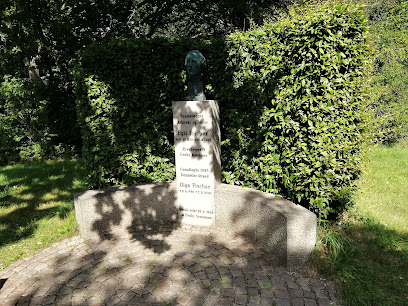
Mindesten for Egil Fischer
11.4 km
A quiet memorial honoring Denmark's visionary architect and pioneer of planned communities.
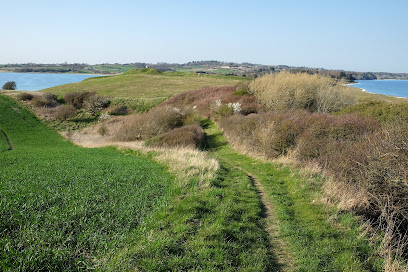
Olaf Ryes Skanse
18.3 km
A 19th-century Danish military fortification honoring a war hero with commanding views across the Jutland landscape.
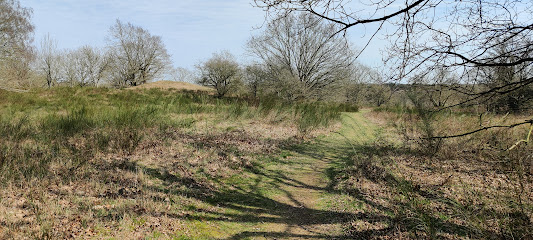
Skovgårde Voldsted
33.2 km
Medieval earthwork fortifications revealing Denmark's feudal past in rural Djursland.
Mindesten - Morten Madsen
34.5 km
A modest memorial stone set in Samsø’s quiet countryside, offering a brief, reflective pause amid open fields, island sky and centuries of local history.
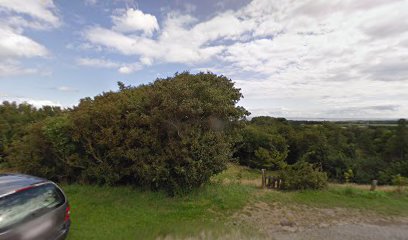
Oasen Samsø
35.4 km
Discover tranquility and island charm at Oasen Samsø, a unique retreat offering comfortable accommodations, natural beauty, and a rich cultural experience on Denmark's sustainable island.
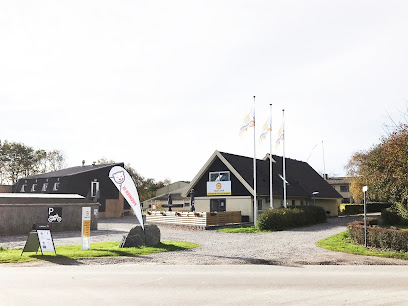
Udsigtspladsen
35.9 km
Experience breathtaking city, harbor, and bay vistas from one of Aarhus C’s most beloved scenic viewpoints, perfect for relaxation and panoramic photography.
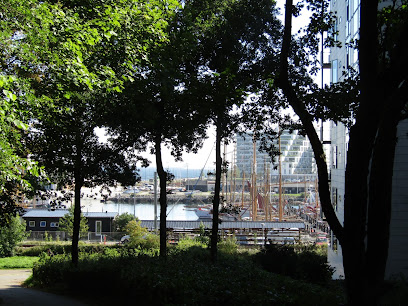
Nordisk Film Cinemas Trøjborg
36.3 km
Experience local Danish cinema culture at Nordisk Film Cinemas Trøjborg—an atmospheric neighborhood movie house blending modern comfort with classic charm in Aarhus.
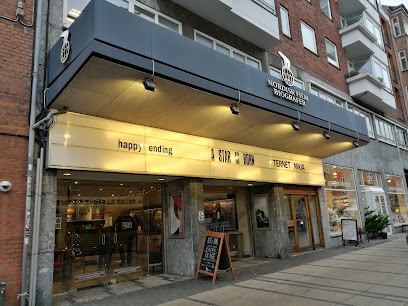
Trøjborg Beboerhus
36.3 km
Experience the vibrant community spirit of Aarhus at Trøjborg Beboerhus, a hub for cultural events, workshops, and local gatherings.
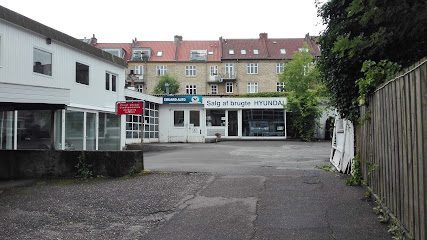
Folkehuset Trøjborg
36.5 km
Folkehuset Trøjborg blends Danish hygge, vibrant community life, and affordable culture, making it a beloved gathering place in the heart of Aarhus’ Trøjborg district.
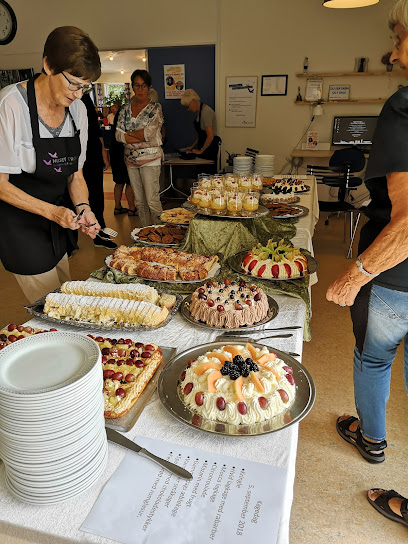
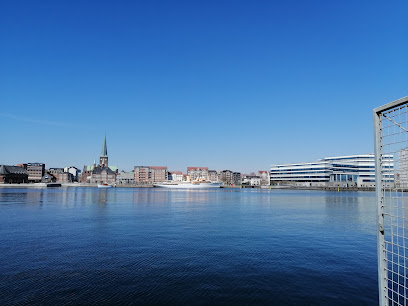
Aarhus waterfront
36.7 km
Aarhus Waterfront blends urban vibrancy, Nordic design, and harbor heritage with panoramic sea views and lively promenades, making it a quintessential Danish experience.
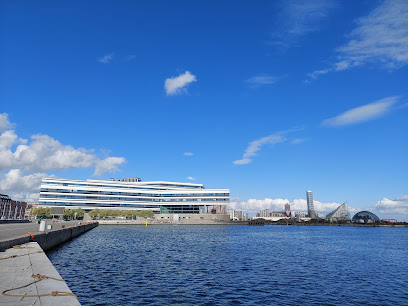
Endless Connection
36.8 km
Experience the dynamic interplay of art and water at Aarhus's Endless Connection, an interactive fountain by Jeppe Hein.
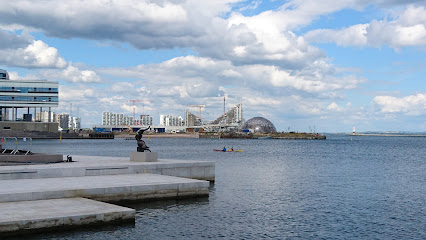
Herman Sallings Plads
36.8 km
Aarhus’s vibrant harborfront plaza, bridging the historic city and the modern waterfront, alive with urban energy, culture, and panoramic views.
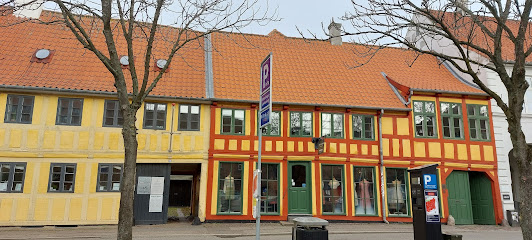
Latin Quarter
36.9 km
Winding cobblestone streets, historic facades, and a creative spirit fill Aarhus’s Latin Quarter, the city’s oldest district and its cultural heartbeat.
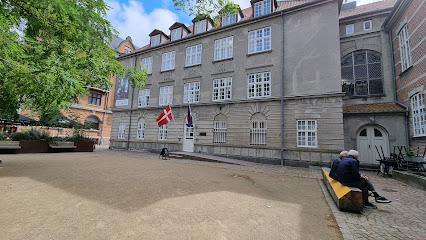
The Occupation Museum
36.9 km
Malmo Live Concert Hall offers world-class music, architecture, and vibrant city energy in the heart of Malmö, steps from the waterfront and cultural highlights.
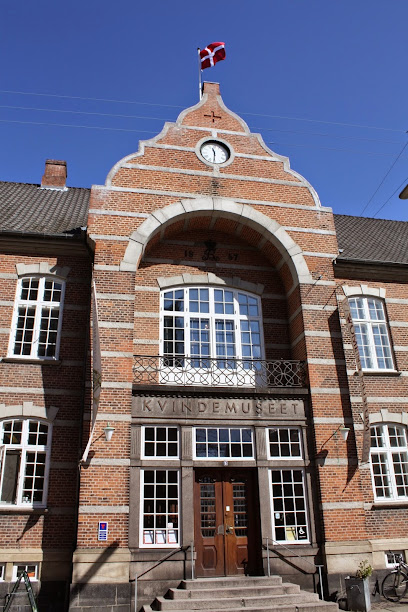
KØN - Gender Museum Denmark
36.9 km
A groundbreaking museum in Aarhus dedicated to gender, identity, and equality, featuring interactive exhibitions in a historic building near the city’s iconic cathedral.
Unmissable attractions to see

Havmøllen Skanse
0.9 km
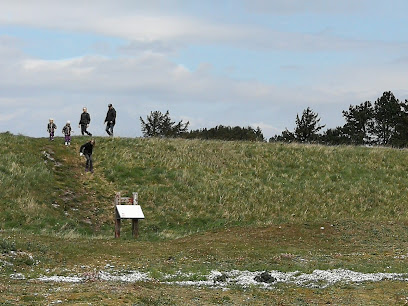
Explore Havmøllen Skanse: A 17th-century coastal fortification in Mols Bjerge National Park, offering panoramic sea views and rich history.
Ebeltoft Gårdbryggeri
1.3 km
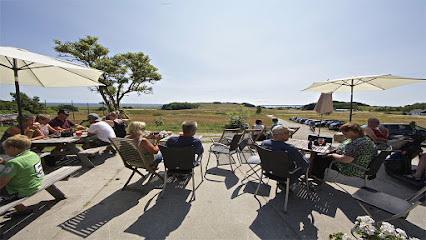
Historic 1860s brewery in Mols Bjerge National Park, crafting distinctive beers and artisanal sodas with panoramic water views.
Ree Park Safari
3.6 km
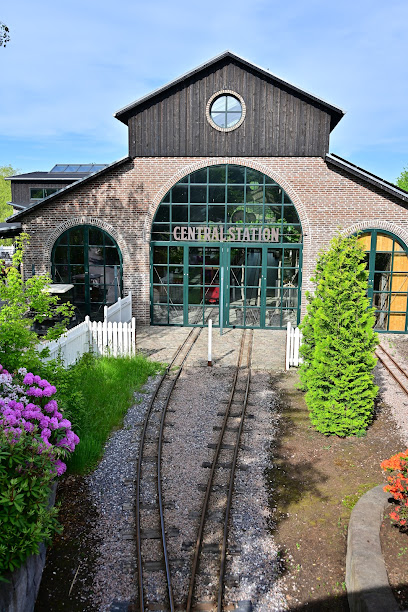
Walk among giraffes and rhinos, ride steam trains across prairies, and support global conservation in one unforgettable Danish safari.
Rugaard Camping Djursland - I toppen af Nationalpark Mols Bjerge
3.7 km
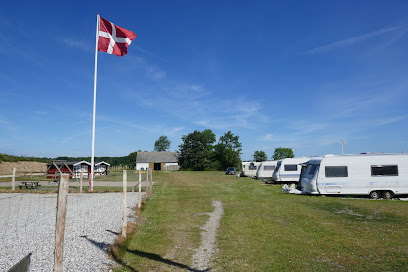
Quiet coastal campground on Djursland’s protected shoreline, with wide Kattegat views, simple comforts and direct access to Mols Bjerge’s national park landscapes.
Hyllested Bjerge
3.9 km
Soft Danish hills, simple forest camping and quiet trails between Gravlev, Hyllested and Stubbe Lake in the heart of Mols Bjerge National Park.

Camping Ebeltoft - Mols
7.1 km
Family-friendly campsite in rolling hills near Ebeltoft, with heated pool, cabins and easy access to Mols Bjerge National Park and top Djursland attractions.

Egsmark Plantage
8.0 km
A quietly atmospheric plantation forest on the edge of Ebeltoft, where mixed woodland, easy paths, and subtle wildlife create a gentle nature escape.
Marie Mølle
8.0 km
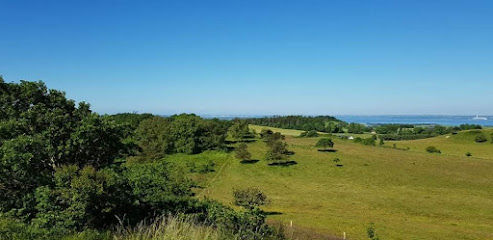
Historic hillside windmill turned characterful residence, gazing over Ebeltoft’s rooftops, the bay and the soft horizons of Mols Bjerge National Park.
Museum Østjylland - Farvergården
8.4 km
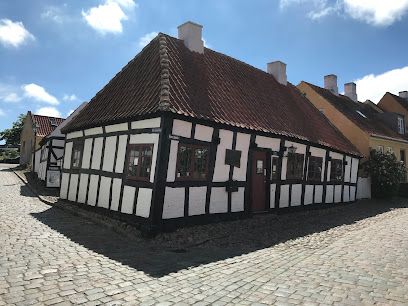
Northern Europe's oldest preserved dye house, frozen in time from the early 1900s.
Lodvig
8.5 km
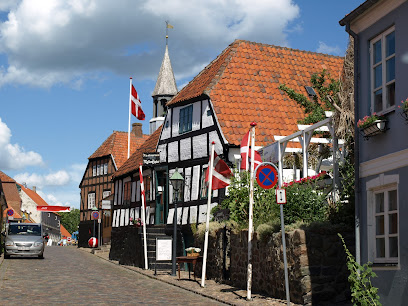
A small, whimsical bronze figure on Ebeltoft’s main street, Lodvig adds a playful touch of local folklore to the town’s cobbled, half-timbered historic core.
Museum Østjylland - Det Gamle Rådhus
8.6 km
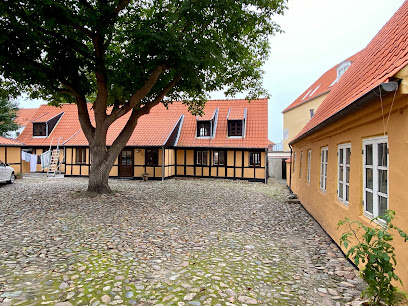
Explore Denmark's premier art museum featuring iconic installations and panoramic city views.
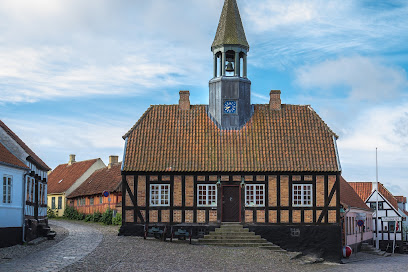
Fregatten Jylland
8.6 km
Climb aboard one of the world’s great wooden warships in Ebeltoft and explore Danish maritime history from gun decks and royal cabins to towering masts.
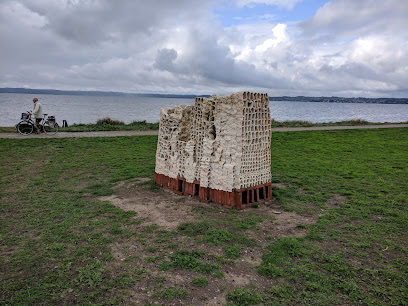
Glasmuseet Ebeltoft
8.8 km
A waterfront museum where contemporary glass art, live glassblowing and immersive installations turn light and molten sand into a vivid, hands-on cultural experience.
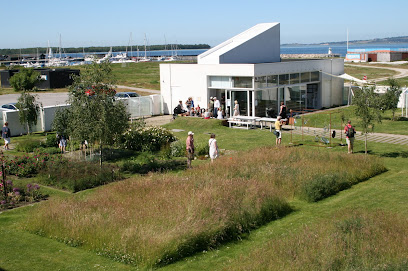
Ørnbjerg Mølle
9.6 km
A red-timber watermill deep in Mols Bjerge National Park, where murmuring streams, forest trails and centuries of rural history meet in one tranquil valley.
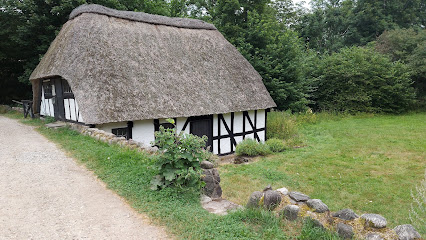
Kleiner Strand
10.1 km
A modest curve of sand on Ebeltoft Bay, Kleiner Strand blends calm, shallow water, soft light and a lived‑in coastal atmosphere on the edge of town.
Essential places to dine

Ristorante Bellini
8.2 km
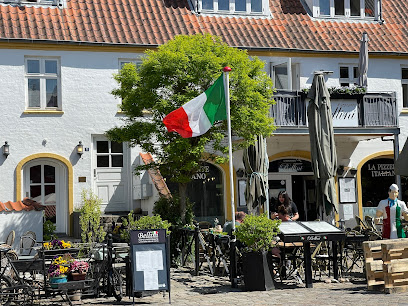
Lively Italian trattoria on Ebeltoft’s main square, serving stone‑baked pizzas, generous pasta dishes and classic desserts in a cosy, family‑friendly setting.
Kjøbstaden
8.2 km
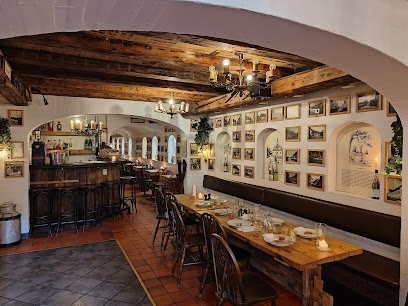
Relaxed bistro-style dining in an old-town Ebeltoft building, blending rustic French flavours with Danish classics in a warm, hygge-filled atmosphere.
Lundbergs Spisehus
8.3 km
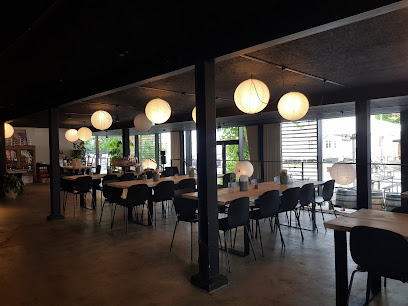
Laid‑back Nordic cooking, freshly baked bread and courtyard vibes inside Ebeltoft’s red‑brick Maltfabrikken creative hub.
Manzana Tapas Bar
8.3 km
Intimate Spanish tapas and sangria on Ebeltoft’s cobbled main street, blending Mediterranean flavours with Danish hygge in a warm, social dining setting.
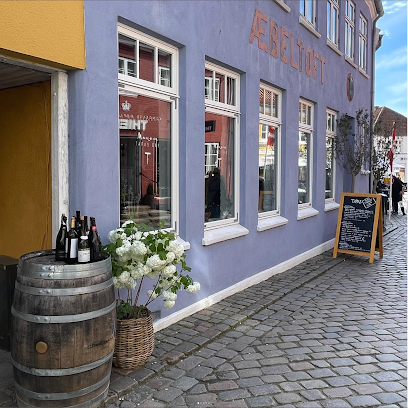
Jernbanegrillen
8.4 km
No‑frills Danish grill bar in the heart of Ebeltoft, serving generous burgers, flæskesteg sandwiches and classic fast food at fair prices all day.
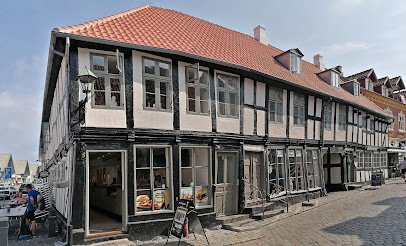
Restaurant Støvlen
8.4 km
Classic Danish cooking with seasonal flair served in a 300‑year‑old shoemaker’s house and leafy courtyard on Ebeltoft’s cobbled main street.
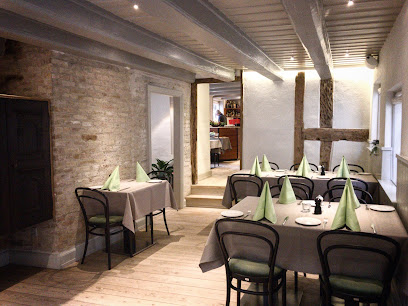
Raadhus Caféen
8.6 km
Cozy café-restaurant by Ebeltoft’s historic town hall, serving coffee, cakes and hearty European–Danish dishes with a relaxed view over the cobbled square.
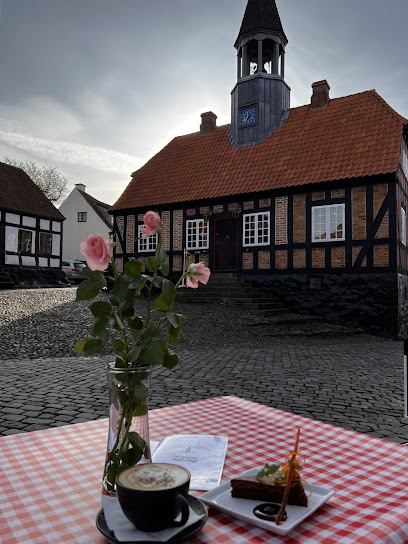
Restaurant Mellem Jyder
8.6 km
Historic 17th-century inn in old-town Ebeltoft serving classic Danish “kromad” with a modern twist amid candlelit stuer and a flower-filled courtyard.
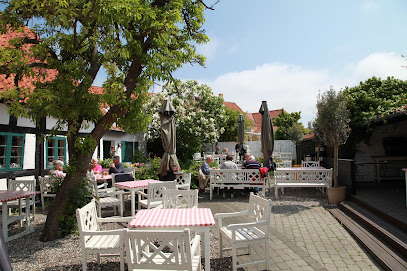
Karens Brasserie
8.7 km
Comforting Danish home cooking and generous brunches by Ebeltoft’s harbour, where casual brasserie dining meets views towards the historic frigate Jylland.
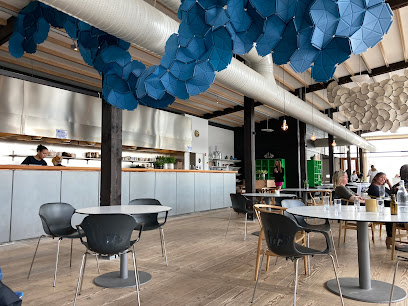
Ristorante Italia
8.8 km
Cosy Italian trattoria in Ebeltoft’s cobbled old town, serving stone-baked pizzas and classic pasta with a summery courtyard that feels surprisingly Mediterranean.
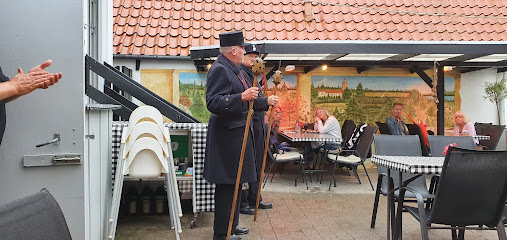
Restaurant Stockfleth
9.2 km
Harbourfront hygge in a historic fillet factory, serving fresh Danish seafood, hearty classics and steaks with wide Ebeltoft harbour views from terrace and table.
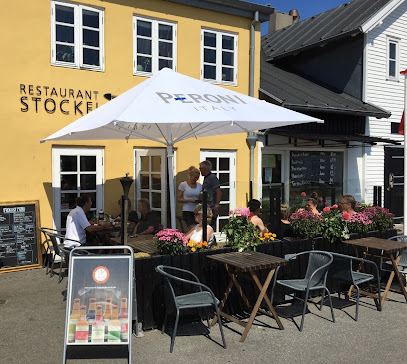
Restaurant Bindingsværket
9.9 km
Refined seasonal Nordic cuisine in a traditional half-timbered farmhouse, surrounded by the quiet fields of Drammelstrup on Djursland.
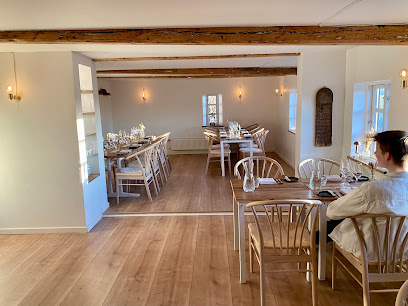
Molskroen Strandhotel og Molskroens Brasserie
11.3 km
A coastal Danish strandhotel pairing sea views, Nordic comfort and refined local cuisine on the edge of Mols Bjerge National Park near Ebeltoft.
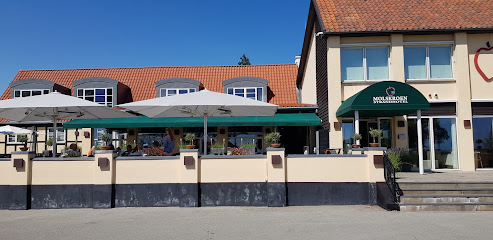
Molskroens Isbod
11.4 km
Casual seaside ice cream stand near Mols Bjerge and Ebeltoft, serving classic Danish soft ice and scoops to beachgoers, walkers and cyclists on sunny days.
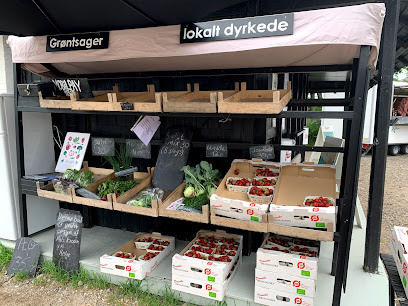
Molsboden
11.4 km
A small red beach stand at Femmøller Strand serving burgers, ice cream and local drinks, perfectly placed between Ebeltoft’s calm bay waters and the hills of Mols.
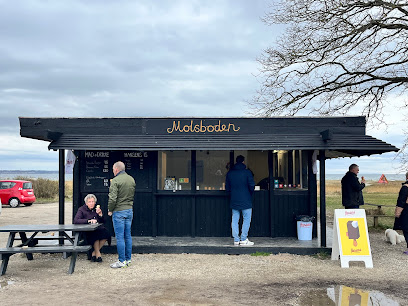
Markets, malls and hidden boutiques

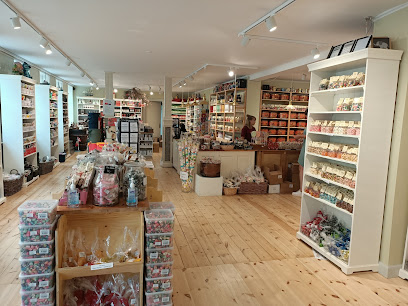
Mols Bolsjer A/S
8.5 km
Cosy old-town sweet shop in Ebeltoft, showcasing handmade Danish boiled candies and licorice from local production, perfect for treats and edible souvenirs.
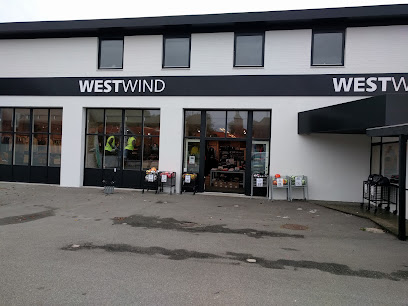
WestWind Ebeltoft
9.0 km
Coastal clothing and outdoor gear on Ebeltoft’s waterfront road, keeping visitors warm, dry and comfortable for walks, beach days and bay-side adventures.
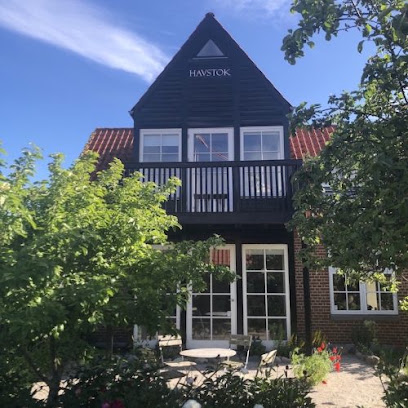
Havstok
11.3 km
Handcrafted rustic furnishings in Denmark's charming maritime heritage town.
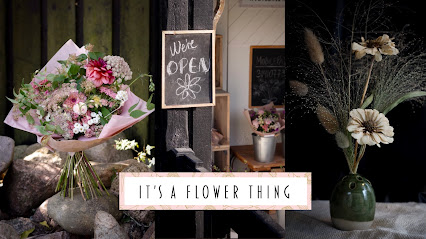
It’s a Flower Thing
11.4 km
Handcrafted ceramics and seasonal flowers grown in harmony with nature's rhythms.
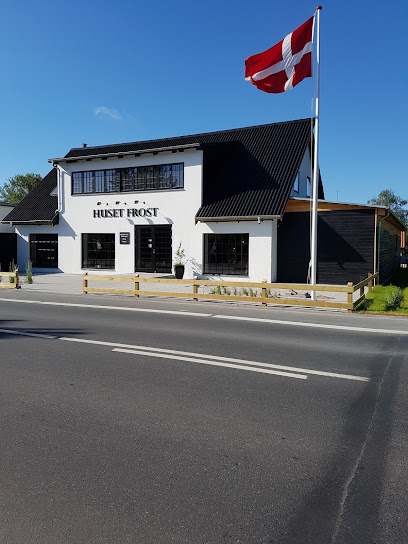
Huset Frost
11.5 km
Experience the fusion of gourmet dining and sustainable design at Huset Frost in Ebeltoft.
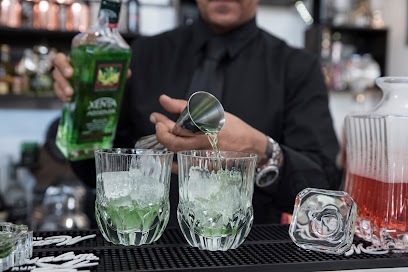
Nordic Bar Group
11.9 km
Denmark's trusted supplier of professional bar equipment and sustainable glassware to European hospitality.
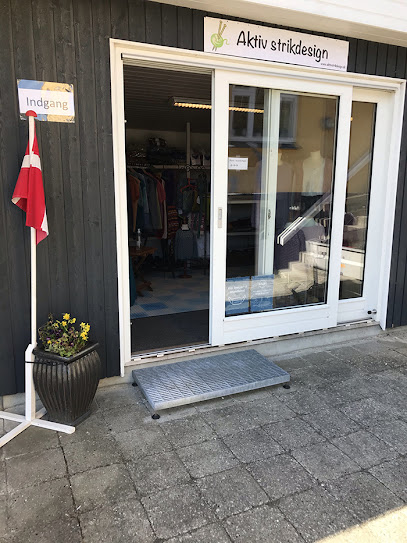
Aktivstrikdesign
13.3 km
Where yarn, community, and Danish hygge come together in a welcoming knitting space.
Nixn
13.6 km
Curated contemporary fashion in charming Danish countryside retail.

Is På Toppen - Outdoor Cykel- og Vandrecafe
16.4 km
Beloved outdoor café and ice cream bar at the edge of Mols Bjerge National Park, renowned among hikers and cyclists for homemade treats and countryside atmosphere.
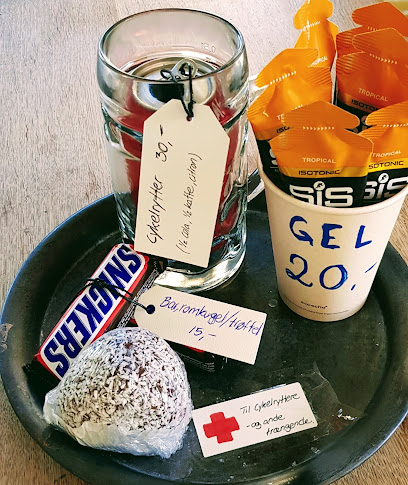
Troldhedesten
18.0 km
Coastal fitness hub where quality equipment meets active Danish living.
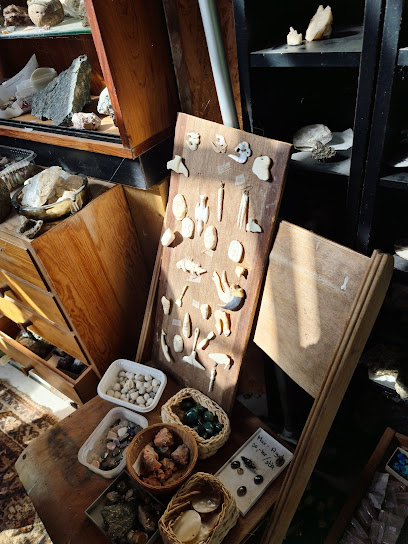
EnergyBar.nu
18.1 km
Compact organic food shop in rural Vrinners, specializing in Danish-made energy bars and protein products that power explorations around Knebel and Mols Bjerge.
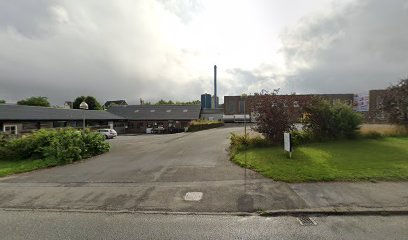
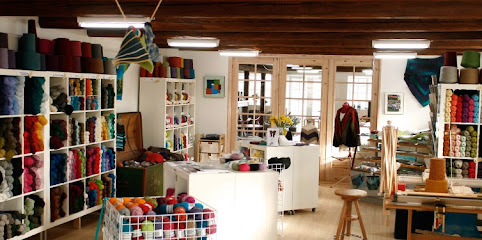
Garn10
18.8 km
A cozy village yarn shop in Knebel where shelves of color, texture, and Nordic fibers invite you to slow down, browse, and bring home a creative Danish souvenir.
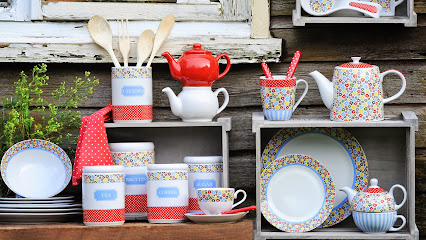
Miss A - Gaveideer og indretning til dit hjem
18.9 km
Curated gifts and home décor in the heart of scenic Mols Bjerge
Mols Haven
19.1 km
A cosy countryside fruit and vegetable store in Knebel, offering seasonal Danish produce and a friendly village welcome on the doorstep of Mols Bjerge.
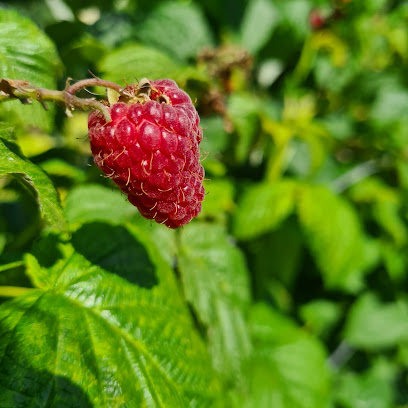
Bundgaards Vinimport/ Molshonning v/ Ole Bundgaard
25.1 km
Small-scale wine importer and honey producer in a Mols village home, blending European bottles and local Molshonning in a relaxed, personal cellar-style setting.
Essential bars & hidden hideouts

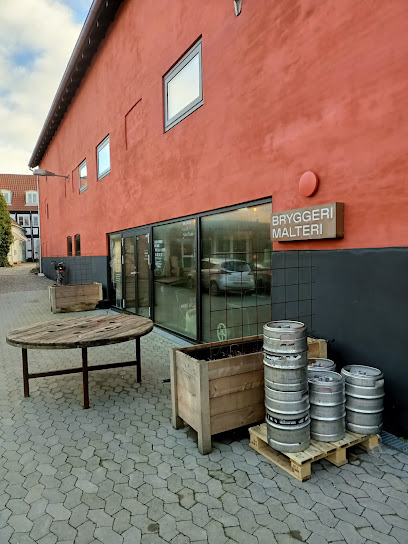
Brewpub på Maltfabrikken
8.3 km
Fresh local beer served beneath the beams of Ebeltoft’s restored red malt factory, where industrial heritage and modern Danish craft brewing meet.
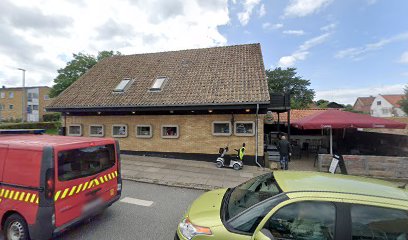
Bar Pia
8.3 km
Unpretentious neighbourhood bar in central Ebeltoft, offering simple drinks, local atmosphere, and a relaxed glimpse into everyday Danish pub life.
Den Skæve Bar
8.6 km
A crooked timber-framed pub in Ebeltoft's old town, where live music and garden charm meet Danish hospitality.
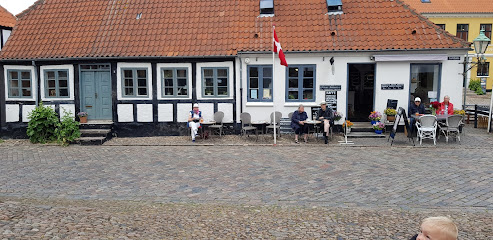
Klub K
8.7 km
Small-town harbor bar turned late-night disco, Klub K keeps Ebeltoft dancing on weekend nights with simple drinks, big beats and an easygoing local vibe.
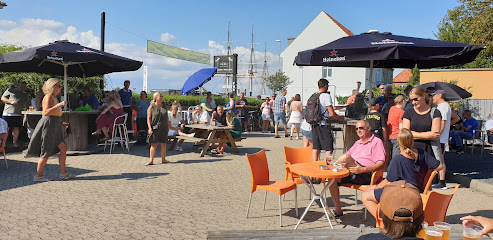
Toldboden
8.7 km
Relaxed harbourside bar in Ebeltoft, blending maritime character, waterfront views and late-opening drinks in a cosy, casual setting by the marina.
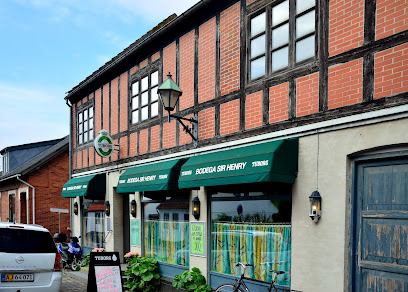
Sir Henry Bodega
8.9 km
Unpretentious Danish bar in Ebeltoft’s cobbled old town, pouring local beers and classic drinks in a cozy, lived-in setting from morning till late.
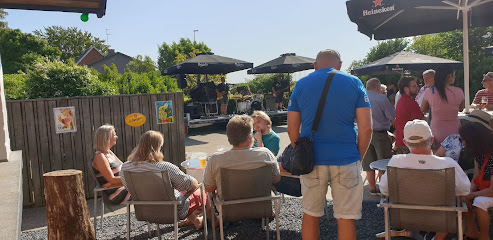
Ebeltoft Strandbar
8.9 km
Laid-back beachfront bar on Ebeltoft Bay, serving simple seaside food, cold drinks and big-sky sunsets just steps from the sand on Strandvejen.
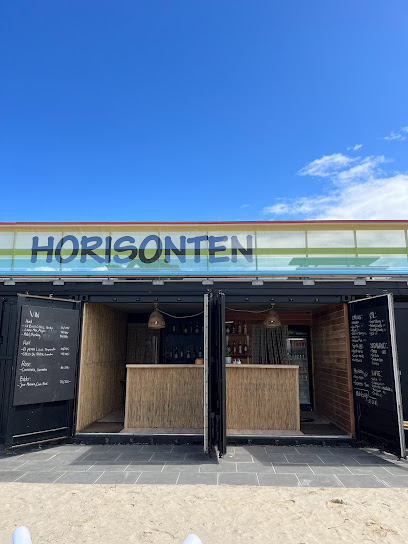
Umage Ølbar
9.2 km
Craft beer bar in Ebeltoft with 14 taps, 50+ bottled beers, and comfort food.
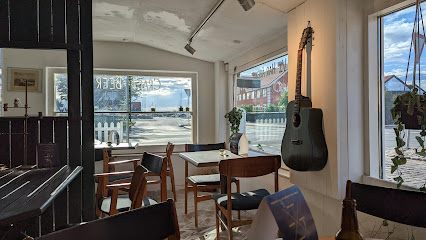
Stockfleths Østers & Bobbelbar
9.2 km
Former oyster and bubbles bar on Ebeltoft’s old fishing harbour, where luxury shellfish, sparkling wine and maritime history came together in a relaxed coastal setting.
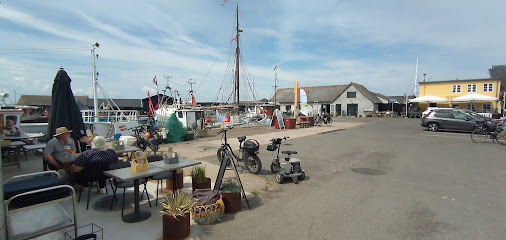
Bodega Kringlen v/Annelise Dalgaard
20.0 km
Unpretentious local bodega on Rønde’s main street, serving cold beer, simple drinks and small-town Danish bar atmosphere late into the evening.
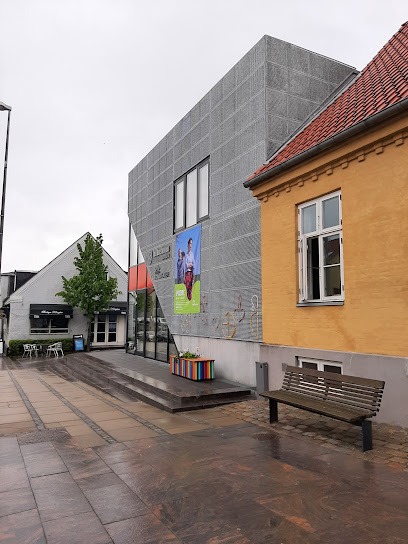
Mejeriets Bar
21.0 km
Cozy neighbourhood bar and eatery by the harbour in Knebel, offering simple food, evening drinks and a relaxed local atmosphere after days out on Djursland.
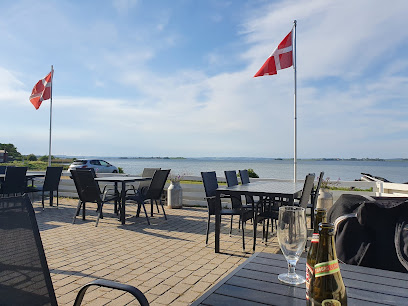
Mørke Roadhouse
27.5 km
Unpretentious beer hall on Ebeltoftvej where locals and travelers share cold pints, warm conversation, and long, easygoing evenings in small-town Mørke.
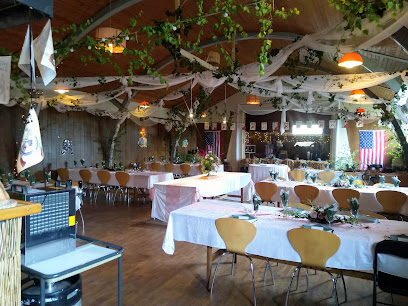
Byportene Bodega
29.9 km
Cozy neighborhood bodega in Hornslet with cold beers, warm lighting and easygoing local charm for unpretentious evenings out.
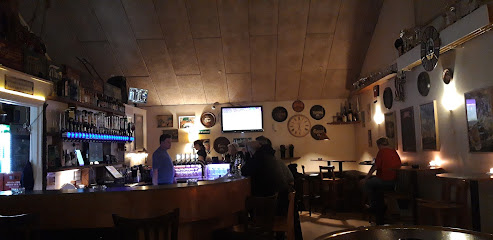
Samsø Bryghus
34.2 km
Organic farm brewery and countryside café on Samsø, serving house beers and field‑fresh dishes in a relaxed courtyard of converted farm buildings.
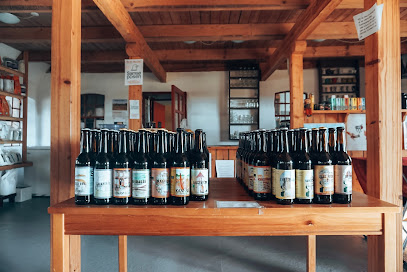
K
36.2 km
Discover K, the cozy cafe and cocktail bar in Aarhus, where innovative drinks and a warm atmosphere await every visitor.
Nightclubs & after hour spots

DCD STUDIO
36.8 km
Experience the vibrant rock music scene at DCD STUDIO in Aarhus, where electrifying performances and a lively atmosphere await every visitor.
Lounge 8000
36.9 km
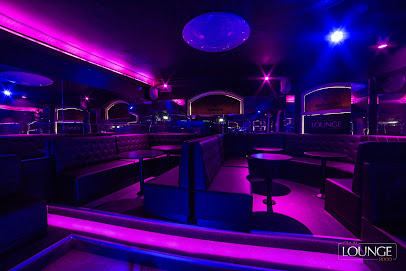
Discover the best of Aarhus nightlife at Lounge 8000, where vibrant performances and a stylish lounge atmosphere await.
Cafe Paradis - Den Sidste
37.0 km
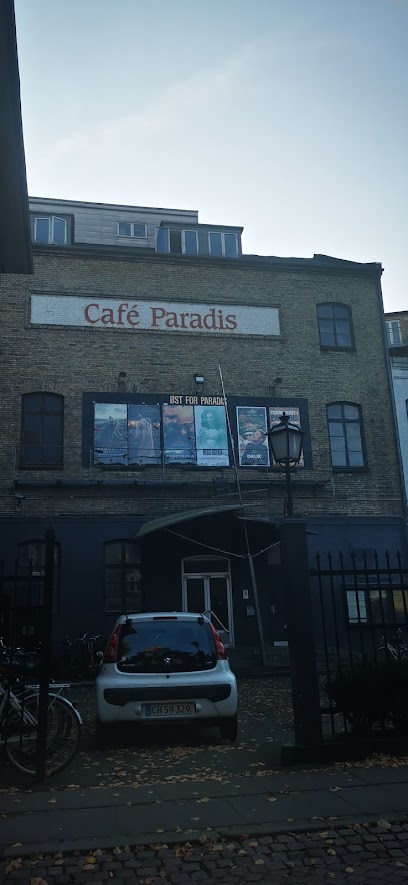
Unleash your nightlife experience at Cafe Paradis - Den Sidste, Aarhus' top destination for dancing, cocktails, and unforgettable memories.
GBAR
37.0 km
Experience the vibrant nightlife at GBAR in Aarhus, a welcoming dance club where everyone can enjoy an unforgettable night out.
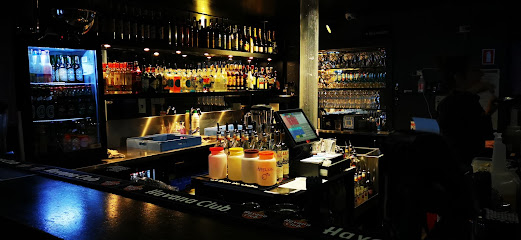
ZenZa Cocktailbar
37.0 km
Discover Aarhus' vibrant nightlife at ZenZa Cocktailbar, where expertly crafted cocktails and lively atmosphere await you.
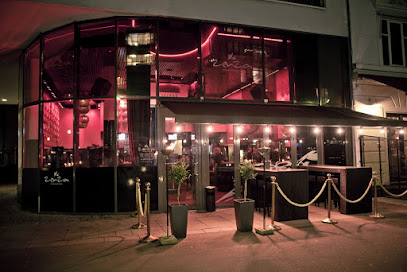
Bernhardt Natklub
37.1 km
Discover Aarhus' premier nightlife destination at Bernhardt Natklub, where cocktails and beats create unforgettable memories.
Rustik Bar & Natklub - Aarhus
37.1 km
Dive into the pulsating nightlife of Aarhus at Rustik Bar & Natklub, where vibrant music and an electric atmosphere await.
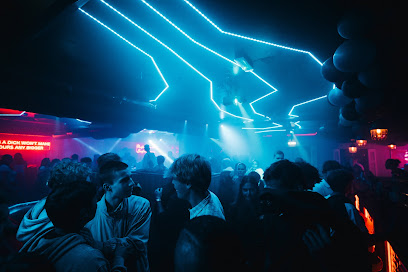
For the vibe & atmosphere seeker
- Tranquil
- Zen
- Scenic
- Adventurous
- Unique
For the design and aesthetic lover
- Rustic Designs
For the architecture buff
- Viewpoints
- Parks & Gardens
- Heritage Neighborhoods
For the view chaser and sunset hunter
- Iconic Views
- Panoramas
- Sunrise Spots
- Sunset Spots
For the social media creator & influencer
- Instagrammable
- Photo Spots
- Selfie Spots
- Reel-Friendly
- Architectural Shots
For the eco-conscious traveler
- Protected Area
- National Park
- Wildlife Habitat
- Low Impact
- Leave-No-Trace Critical
- Public-Transport Accessible
For the kind of experience you’re after
- Nature Escape
- Day Trip
- Roadtrip Stop
- Photowalk
- Adventure Photo Shoot
- Cultural Heritage
- Myth & Legends
- Mindfulness
For how adventurous you want the journey to be
- Requires Hike
- Physically Demanding
- Easy Access
Location Audience
- Family Friendly
- Senior Friendly
- Child Friendly
- Teen Friendly
- Solo Friendly
- Couple Friendly
- Solo Female Friendly
- Vegetarian Friendly
- Vegan Friendly


