
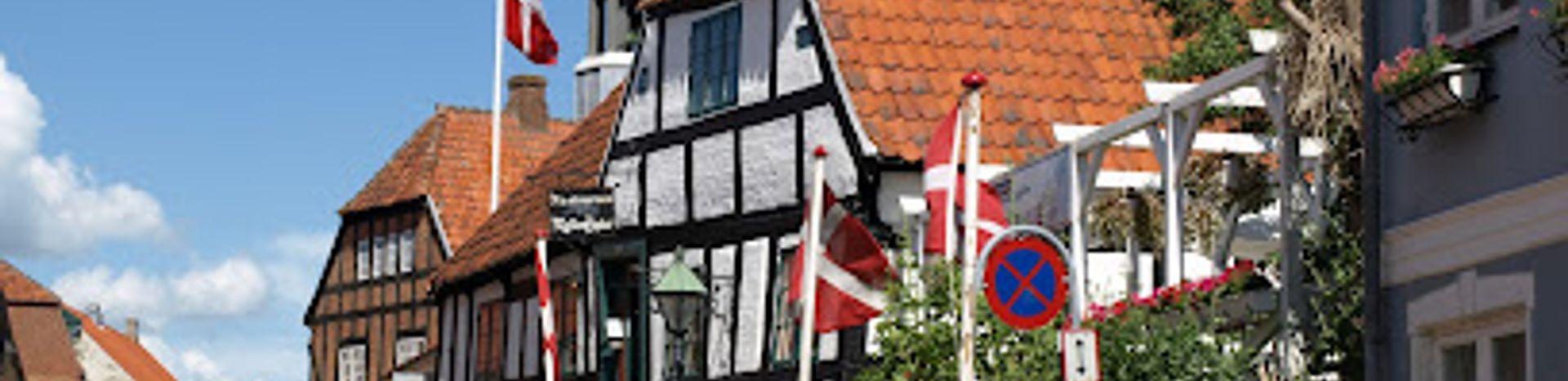
Farvergården – Northern Europe's Oldest Preserved Dye House
Northern Europe's oldest preserved dye house, frozen in time from the early 1900s.
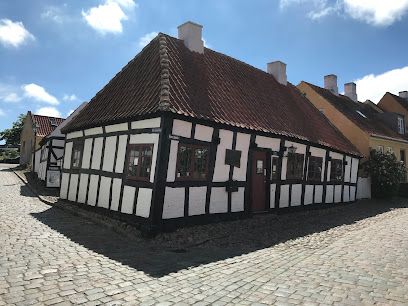
Step into a living museum of 19th-century Danish craftsmanship at Farvergården, Northern Europe's oldest preserved dye house. Located in the charming coastal town of Ebeltoft, this intact complex showcases the original dye workshop, dyer's residence, and farm buildings frozen in time from around 1920. Wander through period rooms, explore the working dye vats, and discover how textile dyeing shaped local life. Admission is free, and the peaceful courtyard garden invites quiet reflection.
A brief summary to Museum Østjylland - Farvergården
- Adelgade 15, Ebeltoft, 8400, DK
- +4587122600
- Visit website
- Duration: 1 to 2.5 hours
- Free
-
 Mixed
Mixed
- Mobile reception: 4 out of 5
Local tips
- Visit during the main season (June through August) or during week 42 (mid-October) when the museum is fully open. Outside these periods, access may be limited.
- Bring a picnic and settle into the courtyard garden for an unhurried visit. The peaceful setting invites lingering rather than rushing through exhibits.
- Explore the museum shop for locally produced yarn, textile-related books, and craft items that deepen your understanding of the dye house's significance.
- Allow time to examine the original brick paving and the spatial relationship between the dye house, residence, and farm buildings—the layout itself tells the story of how work and family life were organized.

For the on-the-go comforts that matter to you
- Restrooms
- Drink Options
- Food Options
- Seating Areas
- Picnic Areas
- Trash Bins
- Information Boards
Getting There
-
Car
From Aarhus city center, drive approximately 40 kilometers northeast via Route 16 toward Grenå, then follow signs to Ebeltoft. The journey takes roughly 45–50 minutes. Free parking is available on Erik Menvedsvej, a short walk from Farvergården on Adelgade. The town center is easily navigable by car, though narrow historic streets require careful driving.
-
Public Transport
From Aarhus Central Station, take a regional train or bus toward Grenå or Ebeltoft. Journey time is approximately 60–90 minutes depending on service. Ebeltoft has a small train station and bus terminal within walking distance of the town center. From either transport hub, Farvergården on Adelgade is a 5–10 minute walk through the historic town.
-
Bicycle
Ebeltoft is part of Denmark's extensive cycling network. From Aarhus, cycle routes follow coastal and inland paths toward Ebeltoft, a distance of approximately 40 kilometers taking 2–3 hours depending on route and fitness. The town itself is highly bicycle-friendly with dedicated paths and flat terrain. Bike parking is available near Farvergården.
-
Walking
Ebeltoft's town center is compact and pedestrian-friendly. Once in town, Farvergården on Adelgade is easily reached on foot from the harbor, main square, or train station within 5–15 minutes depending on starting point. The surrounding streets are historic and navigable without steep grades.
Museum Østjylland - Farvergården location weather suitability
-
 Any Weather
-
 Mild Temperatures
Discover more about Museum Østjylland - Farvergården
A Window into Early 20th-Century Craft Heritage
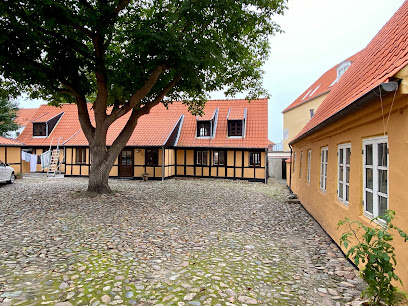
Farvergården stands as Northern Europe's oldest surviving town dye house, a rare and complete snapshot of industrial heritage preserved exactly as it operated approximately 100 years ago. The complex encompasses not merely a workshop but an entire working estate: the original dye house with its vats and equipment, the dyer's family residence, and associated farm buildings, all arranged around a central courtyard bound together by original brick paving. This architectural integrity allows visitors to experience the full context of a dyer's life—the boundary between domestic and professional spaces, the rhythm of daily labor, and the material culture of early 20th-century Ebeltoft. The dye house itself reveals the technical sophistication of traditional textile dyeing. Large vats, heating systems, and specialized equipment demonstrate the chemical knowledge and physical skill required to produce the vibrant colors that adorned Danish textiles. The residence adjoining the workshop illustrates how merchant-craftspeople lived, with period furnishings and domestic arrangements that reflect both prosperity and the practical demands of managing a working enterprise.Preserved Authenticity and Atmospheric Setting
What distinguishes Farvergården from many heritage sites is its unrestored, lived-in quality. The buildings have not been stripped to bare walls or reconstructed with modern interpretive overlays; instead, they retain the patina and arrangement of genuine historical use. Visitors encounter the space much as a family member or apprentice might have, moving through rooms where work and life intertwined. The courtyard, with its original paving stretching from Adelgade to Strandvejen, creates a sense of enclosure and community within the larger town. The museum's permanent exhibition contextualizes the physical space with objects, documents, and interpretive materials that illuminate the social and economic significance of the dye house within Ebeltoft's broader history. This approach respects the architecture itself as the primary artifact while providing the knowledge necessary to understand its meaning.A Welcoming Garden and Practical Amenities
Despite its historical gravity, Farvergården maintains an inviting atmosphere. A well-maintained garden with multiple rooms and seating areas surrounds the buildings, offering visitors a place to rest, reflect, or enjoy a picnic. The museum shop stocks books, catalogs, quality yarn, toys, and practical goods related to textile crafts and local history, allowing visitors to take home tangible connections to their experience. Free parking is available a short walk away on Erik Menvedsvej, and the site's location within Ebeltoft's town center makes it accessible and integrated into the broader visitor experience of the region. The museum's reception area provides information and orientation, ensuring that even first-time visitors can navigate the site confidently.Iconic landmarks you can’t miss

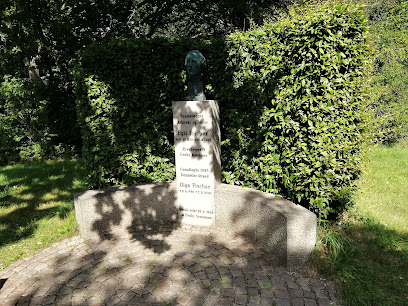
Mindesten for Egil Fischer
5.9 km
A quiet memorial honoring Denmark's visionary architect and pioneer of planned communities.
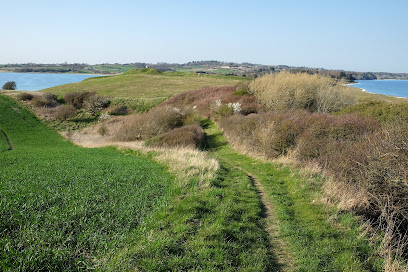
Olaf Ryes Skanse
10.1 km
A 19th-century Danish military fortification honoring a war hero with commanding views across the Jutland landscape.
Mindesten - Morten Madsen
27.1 km
A modest memorial stone set in Samsø’s quiet countryside, offering a brief, reflective pause amid open fields, island sky and centuries of local history.
Oasen Samsø
28.3 km
Discover tranquility and island charm at Oasen Samsø, a unique retreat offering comfortable accommodations, natural beauty, and a rich cultural experience on Denmark's sustainable island.
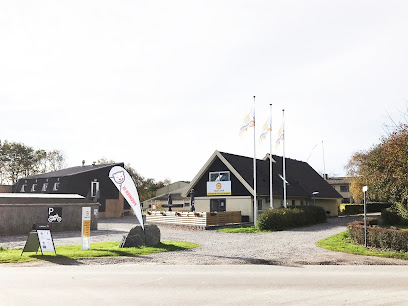
Nordisk Film Cinemas Trøjborg
28.8 km
Experience local Danish cinema culture at Nordisk Film Cinemas Trøjborg—an atmospheric neighborhood movie house blending modern comfort with classic charm in Aarhus.
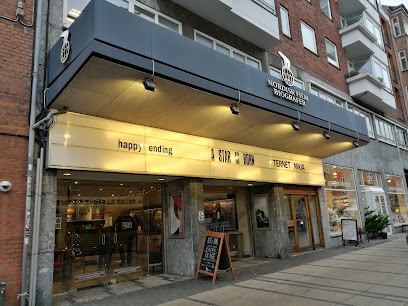
Trøjborg Beboerhus
28.8 km
Experience the vibrant community spirit of Aarhus at Trøjborg Beboerhus, a hub for cultural events, workshops, and local gatherings.
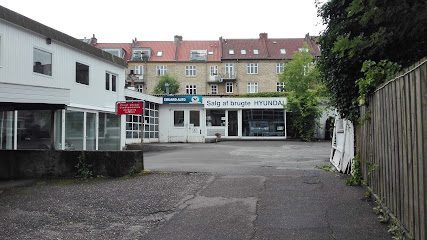
Folkehuset Trøjborg
29.0 km
Folkehuset Trøjborg blends Danish hygge, vibrant community life, and affordable culture, making it a beloved gathering place in the heart of Aarhus’ Trøjborg district.
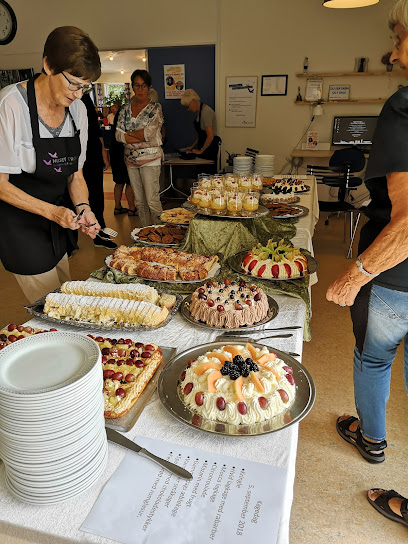
Aarhus waterfront
29.1 km
Aarhus Waterfront blends urban vibrancy, Nordic design, and harbor heritage with panoramic sea views and lively promenades, making it a quintessential Danish experience.
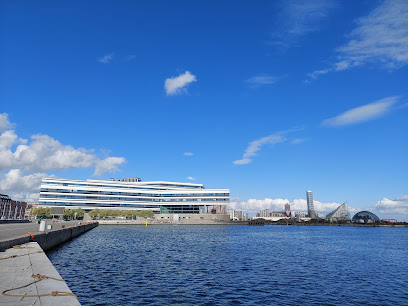
Endless Connection
29.1 km
Experience the dynamic interplay of art and water at Aarhus's Endless Connection, an interactive fountain by Jeppe Hein.
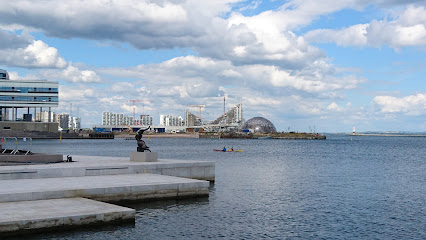
Herman Sallings Plads
29.2 km
Aarhus’s vibrant harborfront plaza, bridging the historic city and the modern waterfront, alive with urban energy, culture, and panoramic views.
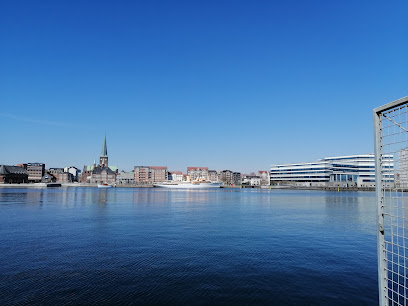
Latin Quarter
29.2 km
Winding cobblestone streets, historic facades, and a creative spirit fill Aarhus’s Latin Quarter, the city’s oldest district and its cultural heartbeat.
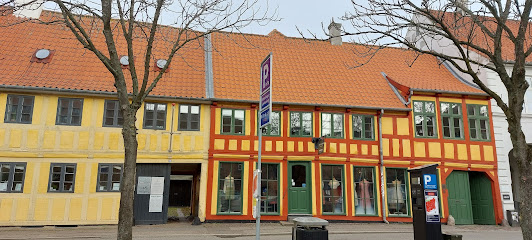
Gyngetræ ud over havet
29.3 km
A serene waterfront swing offering coastal views and timeless Danish hygge in Højbjerg.
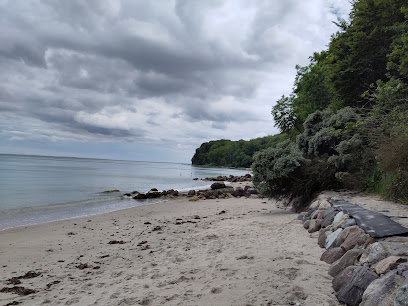
The Occupation Museum
29.3 km
Malmo Live Concert Hall offers world-class music, architecture, and vibrant city energy in the heart of Malmö, steps from the waterfront and cultural highlights.
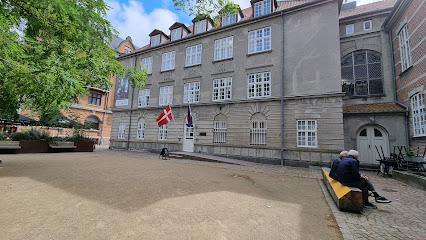
KØN - Gender Museum Denmark
29.3 km
A groundbreaking museum in Aarhus dedicated to gender, identity, and equality, featuring interactive exhibitions in a historic building near the city’s iconic cathedral.
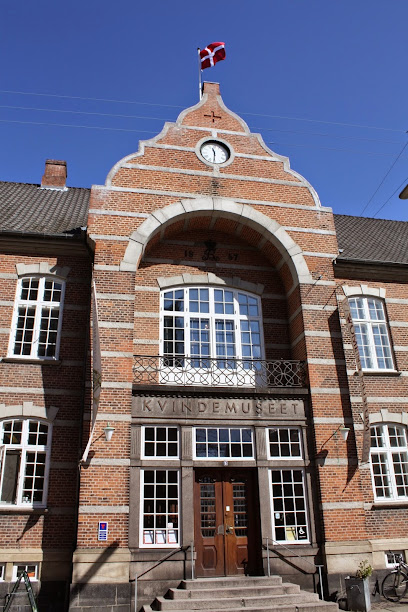
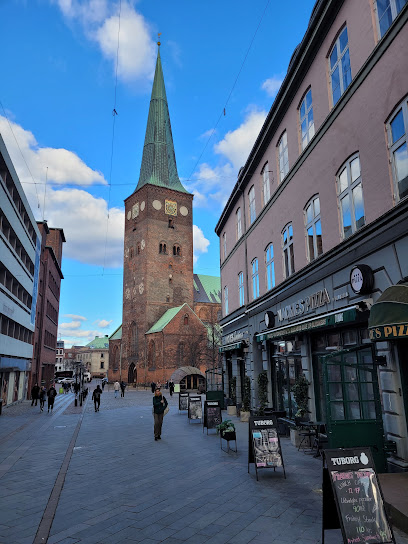
Aarhus Cathedral
29.3 km
Denmark’s largest cathedral, a Gothic masterpiece in Aarhus C, renowned for medieval frescoes, stunning vistas, and a vibrant city square atmosphere.
Unmissable attractions to see

Lodvig
0.1 km
A small, whimsical bronze figure on Ebeltoft’s main street, Lodvig adds a playful touch of local folklore to the town’s cobbled, half-timbered historic core.
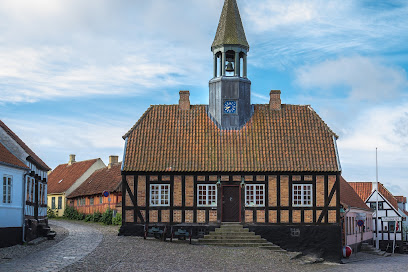
Museum Østjylland - Det Gamle Rådhus
0.2 km
Explore Denmark's premier art museum featuring iconic installations and panoramic city views.
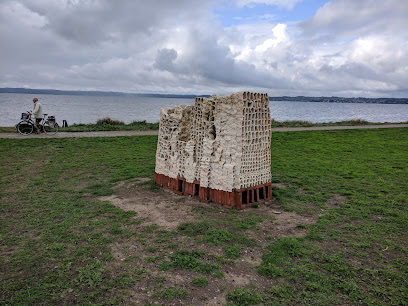
Fregatten Jylland
0.3 km
Climb aboard one of the world’s great wooden warships in Ebeltoft and explore Danish maritime history from gun decks and royal cabins to towering masts.
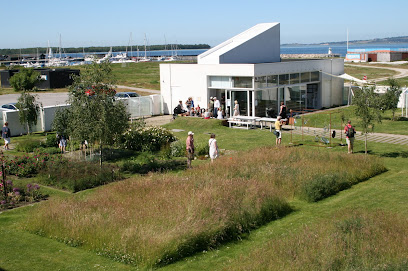
Glasmuseet Ebeltoft
0.4 km
A waterfront museum where contemporary glass art, live glassblowing and immersive installations turn light and molten sand into a vivid, hands-on cultural experience.
Marie Mølle
0.4 km
Historic hillside windmill turned characterful residence, gazing over Ebeltoft’s rooftops, the bay and the soft horizons of Mols Bjerge National Park.
Camping Ebeltoft - Mols
1.7 km
Family-friendly campsite in rolling hills near Ebeltoft, with heated pool, cabins and easy access to Mols Bjerge National Park and top Djursland attractions.

Ahl Strand, Mols Mountains National Park
3.0 km
A gentle, shallow beach on Ebeltoft Vig where Mols Bjerge’s ice‑age landscapes meet calm bay waters, inviting unhurried walks, wading and quiet birdlife watching.
Kleiner Strand
4.5 km
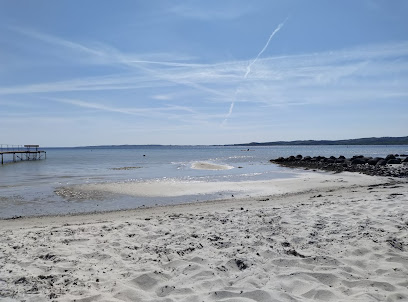
A modest curve of sand on Ebeltoft Bay, Kleiner Strand blends calm, shallow water, soft light and a lived‑in coastal atmosphere on the edge of town.
Egsmark Plantage
4.7 km
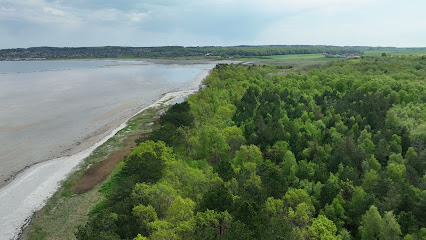
A quietly atmospheric plantation forest on the edge of Ebeltoft, where mixed woodland, easy paths, and subtle wildlife create a gentle nature escape.
Natomolen
4.7 km
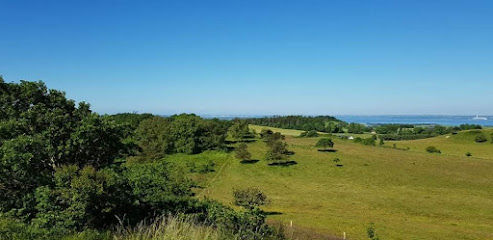
A former Cold War naval pier on Ebeltoft Vig, now a raw coastal viewpoint where fishing, diving history and ambitious marine restoration plans meet.
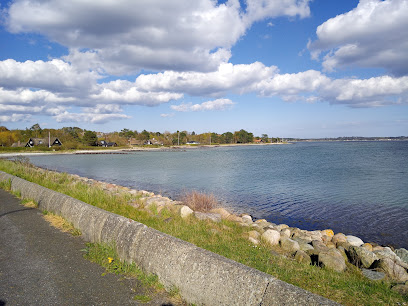
Molskroen
5.7 km
Historic seaside inn and gourmet retreat on the edge of Ebeltoft, where Nordic landscape, coastal calm and Michelin-recognised cuisine meet by the dunes.
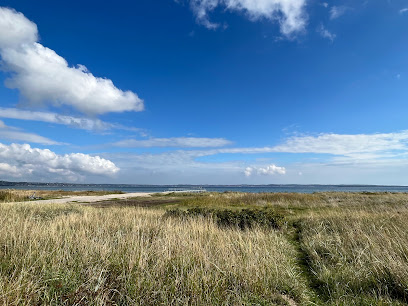
Strand Bogens
6.4 km
A modest Djursland shoreline where sea-level calm meets the gentle climb inland toward Fuglsø, offering simple coastal scenery, fresh air and rural quiet.
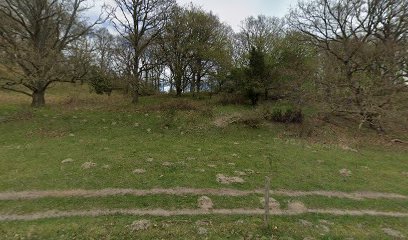
Det magiske klatretræ
6.4 km
A storybook climbing tree on a quiet country road near Ebeltoft, where twisting branches, fresh air and simple play turn a short stop into a small adventure.
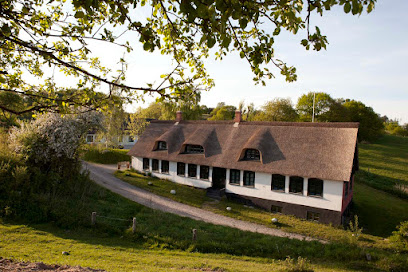
Molslaboratoriet, Naturhistorisk Museum
7.1 km
A quiet farmstead in Mols Bjerge where free-roaming horses, grazing cattle and long-term research turn a Danish hillside landscape into a living laboratory of wild nature.
Svampedam
7.2 km
Rolling hills and panoramic trails in Denmark's most dramatic national park landscape.
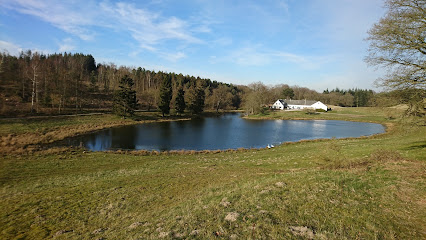
Essential places to dine

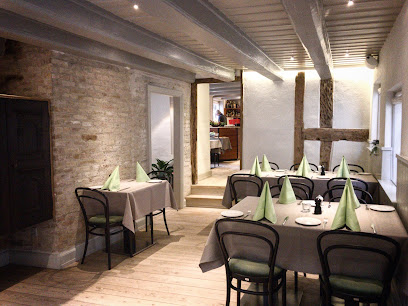
Restaurant Støvlen
0.0 km
Classic Danish cooking with seasonal flair served in a 300‑year‑old shoemaker’s house and leafy courtyard on Ebeltoft’s cobbled main street.
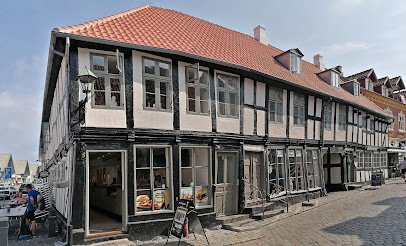
Jernbanegrillen
0.0 km
No‑frills Danish grill bar in the heart of Ebeltoft, serving generous burgers, flæskesteg sandwiches and classic fast food at fair prices all day.
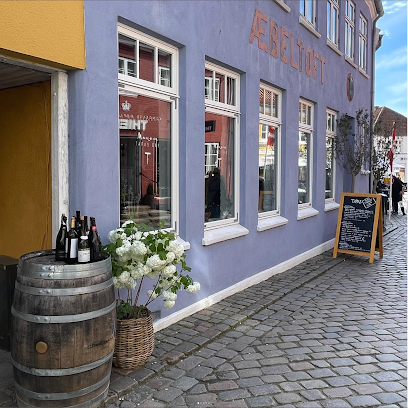
Manzana Tapas Bar
0.1 km
Intimate Spanish tapas and sangria on Ebeltoft’s cobbled main street, blending Mediterranean flavours with Danish hygge in a warm, social dining setting.
Lundbergs Spisehus
0.2 km
Laid‑back Nordic cooking, freshly baked bread and courtyard vibes inside Ebeltoft’s red‑brick Maltfabrikken creative hub.
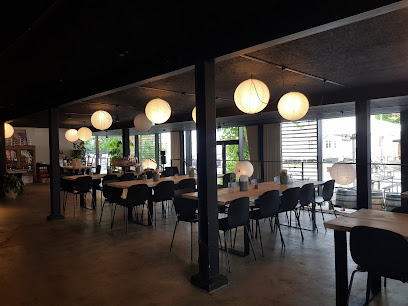
Kjøbstaden
0.2 km
Relaxed bistro-style dining in an old-town Ebeltoft building, blending rustic French flavours with Danish classics in a warm, hygge-filled atmosphere.
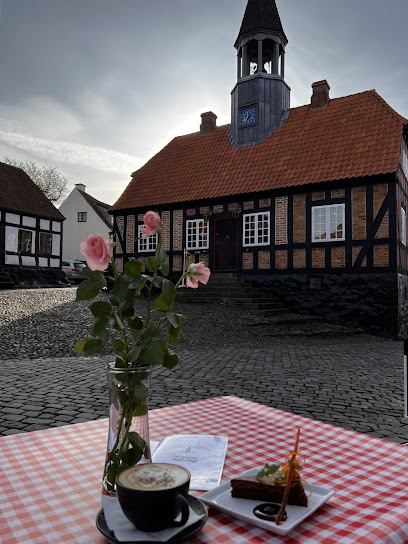
Raadhus Caféen
0.2 km
Cozy café-restaurant by Ebeltoft’s historic town hall, serving coffee, cakes and hearty European–Danish dishes with a relaxed view over the cobbled square.
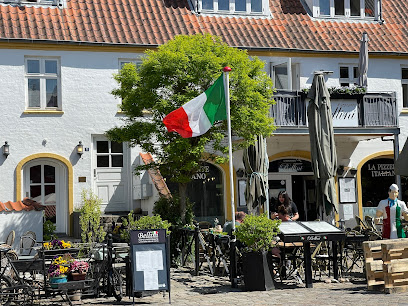
Ristorante Bellini
0.2 km
Lively Italian trattoria on Ebeltoft’s main square, serving stone‑baked pizzas, generous pasta dishes and classic desserts in a cosy, family‑friendly setting.
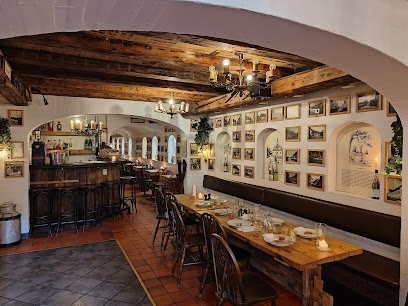
Restaurant Mellem Jyder
0.2 km
Historic 17th-century inn in old-town Ebeltoft serving classic Danish “kromad” with a modern twist amid candlelit stuer and a flower-filled courtyard.
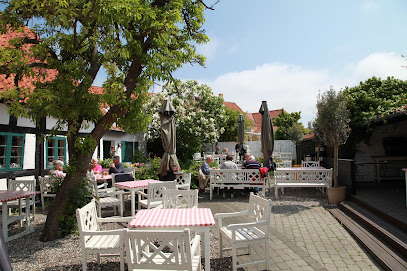
Karens Brasserie
0.3 km
Comforting Danish home cooking and generous brunches by Ebeltoft’s harbour, where casual brasserie dining meets views towards the historic frigate Jylland.
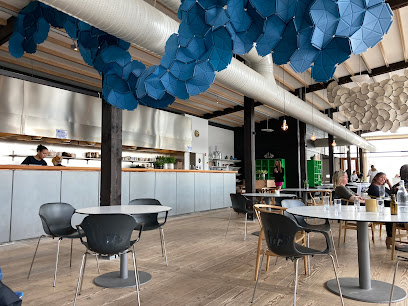
Ristorante Italia
0.4 km
Cosy Italian trattoria in Ebeltoft’s cobbled old town, serving stone-baked pizzas and classic pasta with a summery courtyard that feels surprisingly Mediterranean.
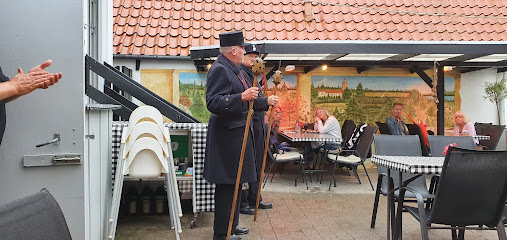
Restaurant Stockfleth
0.8 km
Harbourfront hygge in a historic fillet factory, serving fresh Danish seafood, hearty classics and steaks with wide Ebeltoft harbour views from terrace and table.
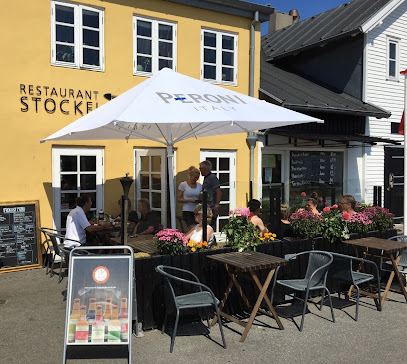
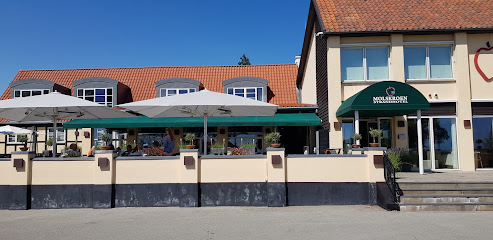
Molskroen Strandhotel og Molskroens Brasserie
5.6 km
A coastal Danish strandhotel pairing sea views, Nordic comfort and refined local cuisine on the edge of Mols Bjerge National Park near Ebeltoft.
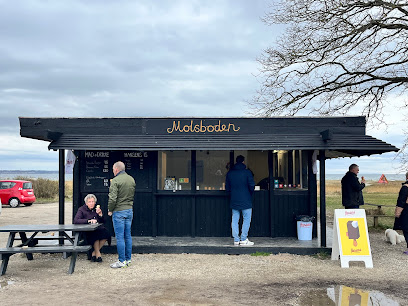
Molsboden
5.6 km
A small red beach stand at Femmøller Strand serving burgers, ice cream and local drinks, perfectly placed between Ebeltoft’s calm bay waters and the hills of Mols.
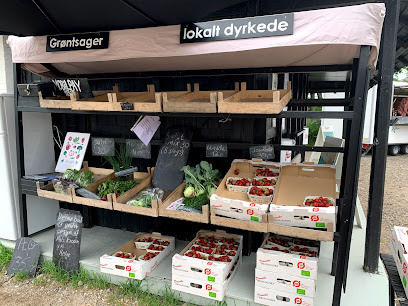
Molskroens Isbod
5.6 km
Casual seaside ice cream stand near Mols Bjerge and Ebeltoft, serving classic Danish soft ice and scoops to beachgoers, walkers and cyclists on sunny days.
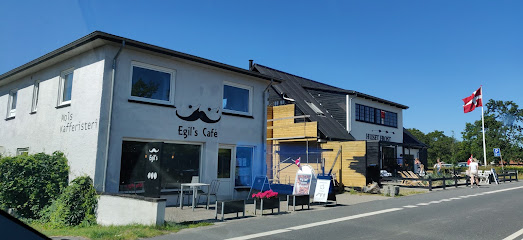
Labacate Café
5.7 km
Brazilian warmth, specialty coffee and artisan sourdough in a cozy coastal café just steps from the beach in Femmøller near Ebeltoft.
Markets, malls and hidden boutiques

Mols Bolsjer A/S
0.1 km
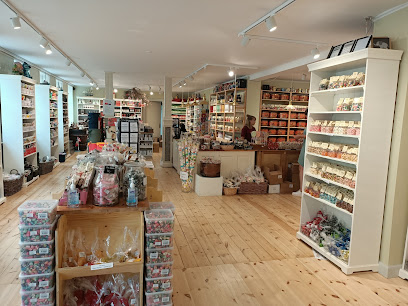
Cosy old-town sweet shop in Ebeltoft, showcasing handmade Danish boiled candies and licorice from local production, perfect for treats and edible souvenirs.
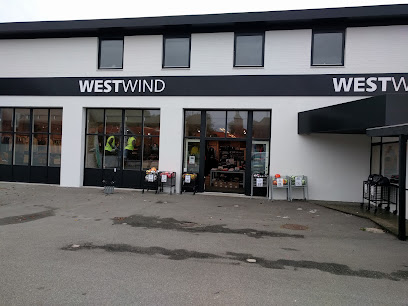
WestWind Ebeltoft
0.6 km
Coastal clothing and outdoor gear on Ebeltoft’s waterfront road, keeping visitors warm, dry and comfortable for walks, beach days and bay-side adventures.
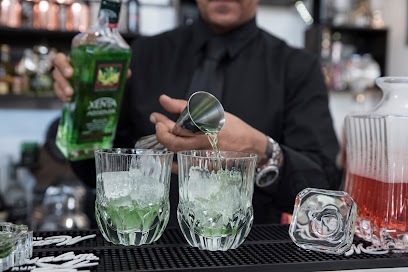
Nordic Bar Group
4.3 km
Denmark's trusted supplier of professional bar equipment and sustainable glassware to European hospitality.
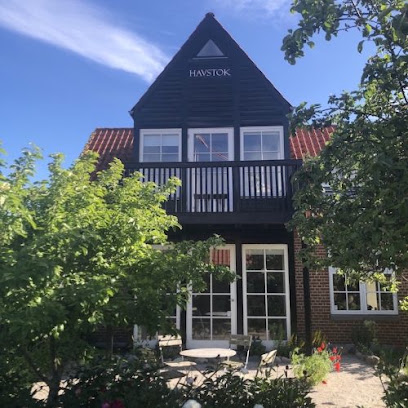
Havstok
5.7 km
Handcrafted rustic furnishings in Denmark's charming maritime heritage town.
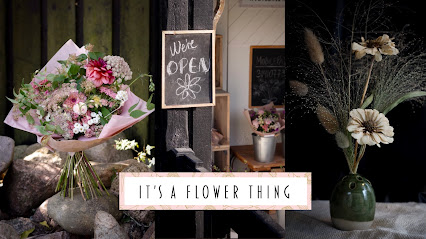
It’s a Flower Thing
5.7 km
Handcrafted ceramics and seasonal flowers grown in harmony with nature's rhythms.
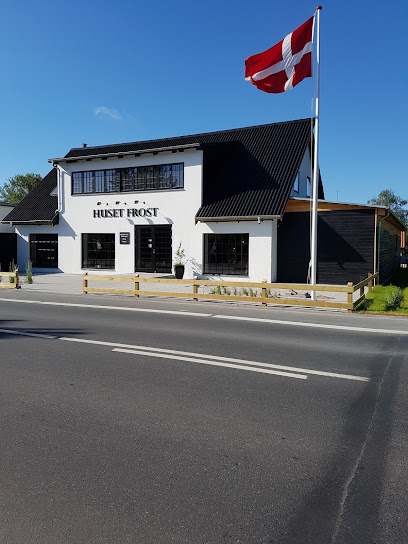
Huset Frost
5.8 km
Experience the fusion of gourmet dining and sustainable design at Huset Frost in Ebeltoft.
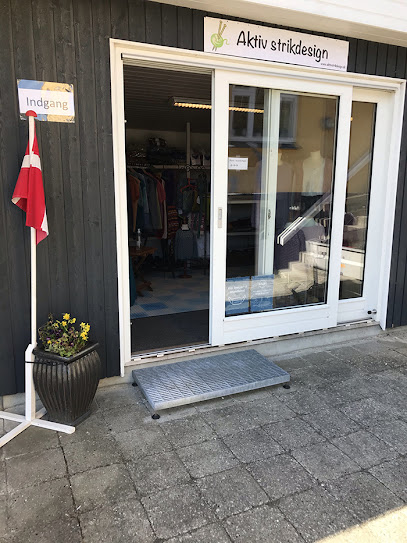
Aktivstrikdesign
7.9 km
Where yarn, community, and Danish hygge come together in a welcoming knitting space.
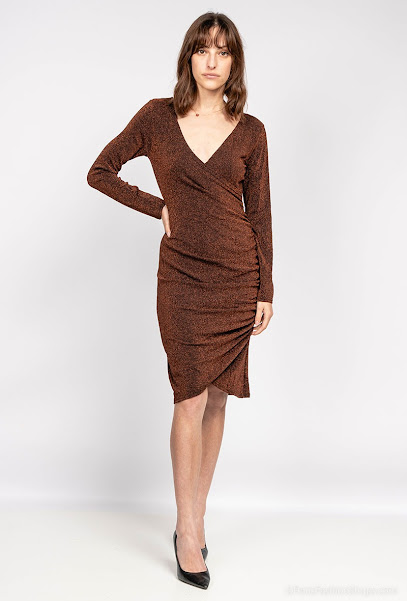
Nixn
8.3 km
Curated contemporary fashion in charming Danish countryside retail.
Is På Toppen - Outdoor Cykel- og Vandrecafe
10.2 km
Beloved outdoor café and ice cream bar at the edge of Mols Bjerge National Park, renowned among hikers and cyclists for homemade treats and countryside atmosphere.
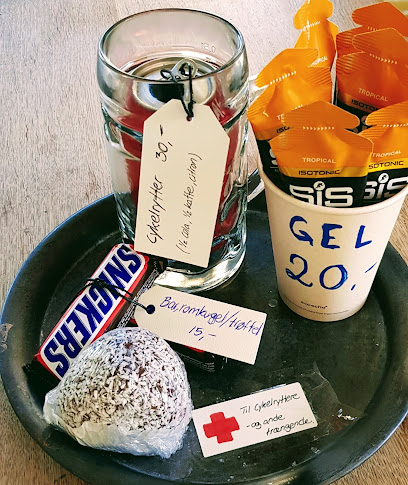
Mols Haven
11.4 km
A cosy countryside fruit and vegetable store in Knebel, offering seasonal Danish produce and a friendly village welcome on the doorstep of Mols Bjerge.
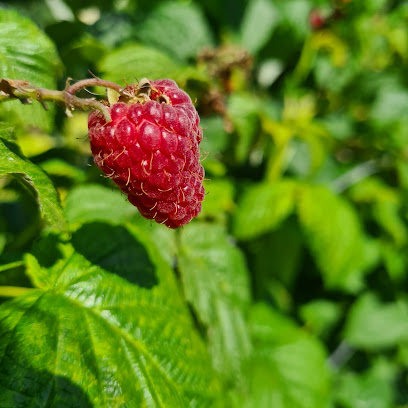
Garn10
11.9 km
A cozy village yarn shop in Knebel where shelves of color, texture, and Nordic fibers invite you to slow down, browse, and bring home a creative Danish souvenir.
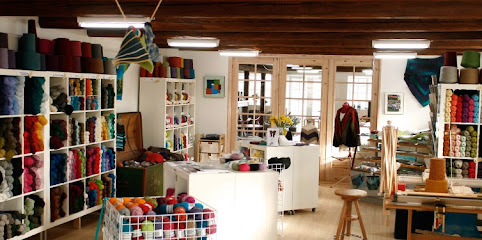
Miss A - Gaveideer og indretning til dit hjem
12.0 km
Curated gifts and home décor in the heart of scenic Mols Bjerge
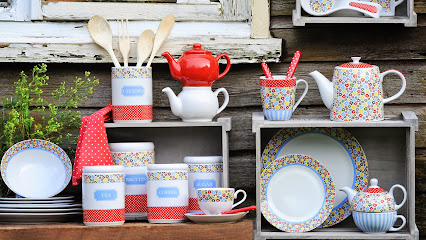
EnergyBar.nu
12.4 km
Compact organic food shop in rural Vrinners, specializing in Danish-made energy bars and protein products that power explorations around Knebel and Mols Bjerge.
Troldhedesten
12.5 km
Coastal fitness hub where quality equipment meets active Danish living.
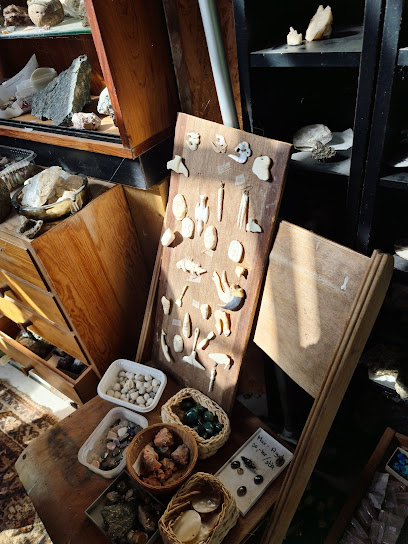
Bundgaards Vinimport/ Molshonning v/ Ole Bundgaard
17.4 km
Small-scale wine importer and honey producer in a Mols village home, blending European bottles and local Molshonning in a relaxed, personal cellar-style setting.
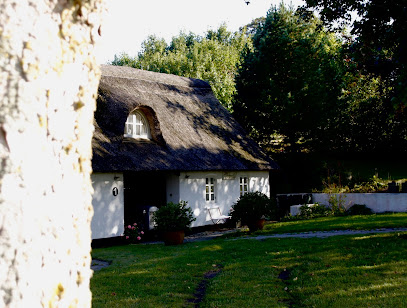
Essential bars & hidden hideouts

Bar Pia
0.1 km
Unpretentious neighbourhood bar in central Ebeltoft, offering simple drinks, local atmosphere, and a relaxed glimpse into everyday Danish pub life.
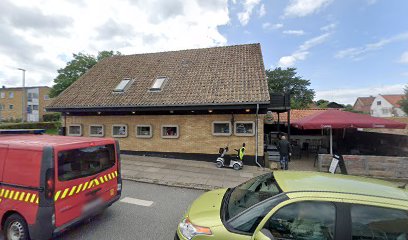
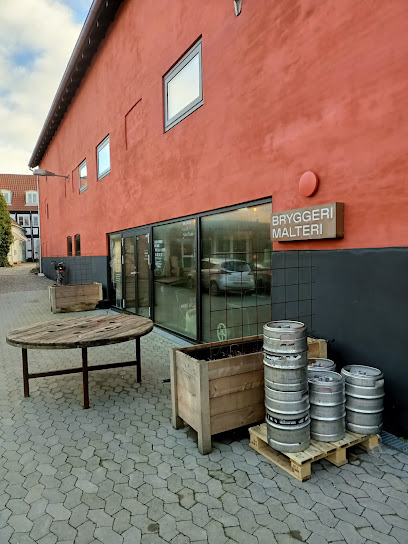
Brewpub på Maltfabrikken
0.2 km
Fresh local beer served beneath the beams of Ebeltoft’s restored red malt factory, where industrial heritage and modern Danish craft brewing meet.
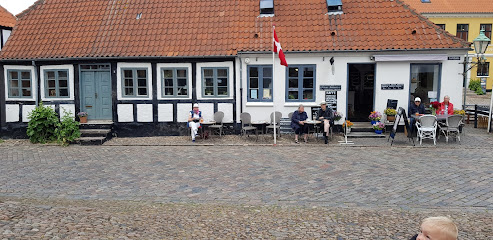
Den Skæve Bar
0.3 km
A crooked timber-framed pub in Ebeltoft's old town, where live music and garden charm meet Danish hospitality.
Klub K
0.3 km
Small-town harbor bar turned late-night disco, Klub K keeps Ebeltoft dancing on weekend nights with simple drinks, big beats and an easygoing local vibe.
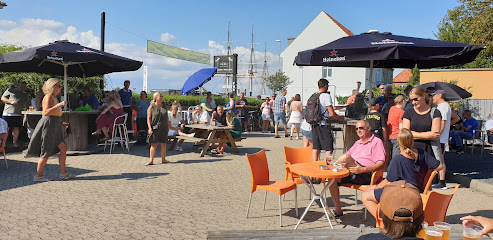
Toldboden
0.3 km
Relaxed harbourside bar in Ebeltoft, blending maritime character, waterfront views and late-opening drinks in a cosy, casual setting by the marina.
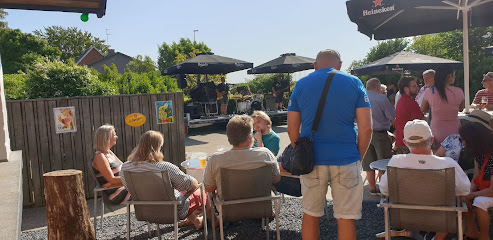
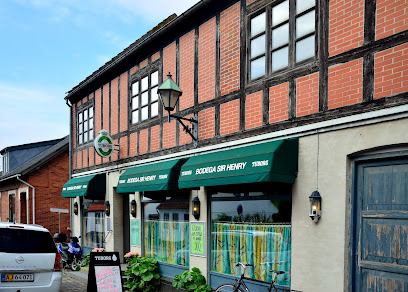
Sir Henry Bodega
0.5 km
Unpretentious Danish bar in Ebeltoft’s cobbled old town, pouring local beers and classic drinks in a cozy, lived-in setting from morning till late.
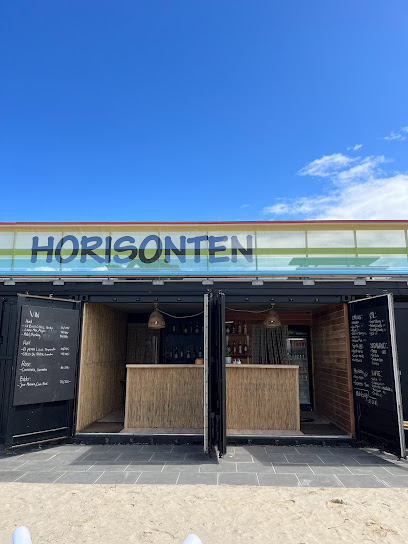
Ebeltoft Strandbar
0.5 km
Laid-back beachfront bar on Ebeltoft Bay, serving simple seaside food, cold drinks and big-sky sunsets just steps from the sand on Strandvejen.
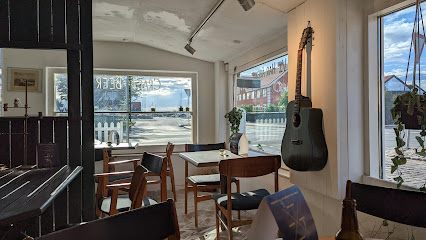
Umage Ølbar
0.8 km
Craft beer bar in Ebeltoft with 14 taps, 50+ bottled beers, and comfort food.
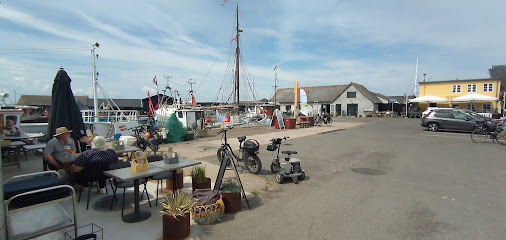
Stockfleths Østers & Bobbelbar
0.8 km
Former oyster and bubbles bar on Ebeltoft’s old fishing harbour, where luxury shellfish, sparkling wine and maritime history came together in a relaxed coastal setting.
Mejeriets Bar
13.6 km
Cozy neighbourhood bar and eatery by the harbour in Knebel, offering simple food, evening drinks and a relaxed local atmosphere after days out on Djursland.
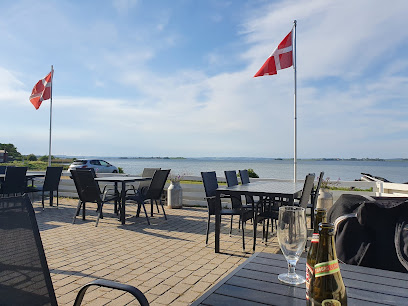
Bodega Kringlen v/Annelise Dalgaard
16.7 km
Unpretentious local bodega on Rønde’s main street, serving cold beer, simple drinks and small-town Danish bar atmosphere late into the evening.
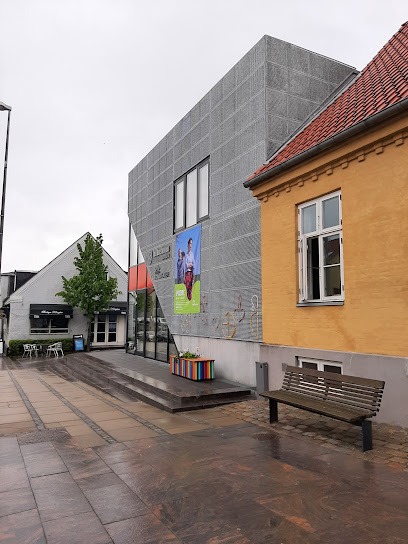
Mørke Roadhouse
24.3 km
Unpretentious beer hall on Ebeltoftvej where locals and travelers share cold pints, warm conversation, and long, easygoing evenings in small-town Mørke.
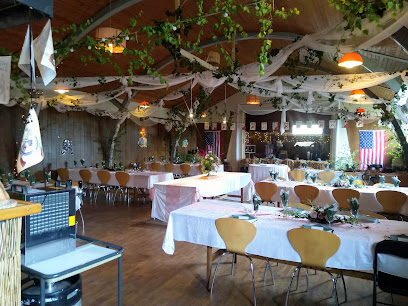
Byportene Bodega
25.6 km
Cozy neighborhood bodega in Hornslet with cold beers, warm lighting and easygoing local charm for unpretentious evenings out.
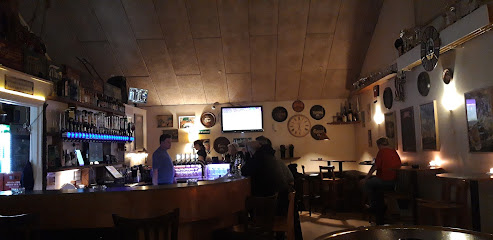
Samsø Bryghus
27.1 km
Organic farm brewery and countryside café on Samsø, serving house beers and field‑fresh dishes in a relaxed courtyard of converted farm buildings.
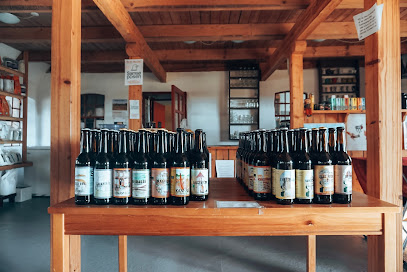
K
28.8 km
Discover K, the cozy cafe and cocktail bar in Aarhus, where innovative drinks and a warm atmosphere await every visitor.
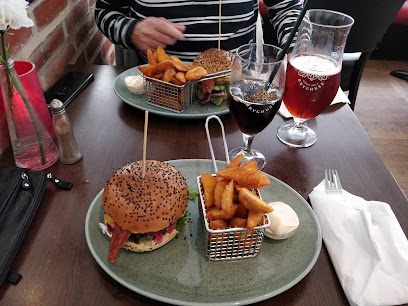
Nightclubs & after hour spots

DCD STUDIO
29.2 km
Experience the vibrant rock music scene at DCD STUDIO in Aarhus, where electrifying performances and a lively atmosphere await every visitor.
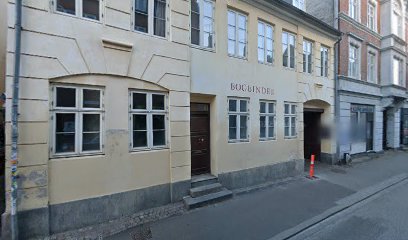
Lounge 8000
29.3 km
Discover the best of Aarhus nightlife at Lounge 8000, where vibrant performances and a stylish lounge atmosphere await.
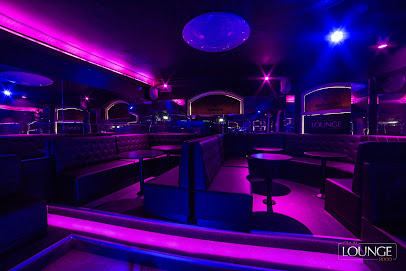
GBAR
29.3 km
Experience the vibrant nightlife at GBAR in Aarhus, a welcoming dance club where everyone can enjoy an unforgettable night out.
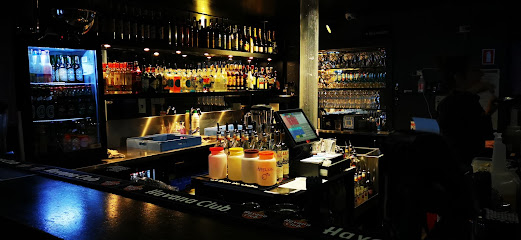
Cafe Paradis - Den Sidste
29.4 km
Unleash your nightlife experience at Cafe Paradis - Den Sidste, Aarhus' top destination for dancing, cocktails, and unforgettable memories.
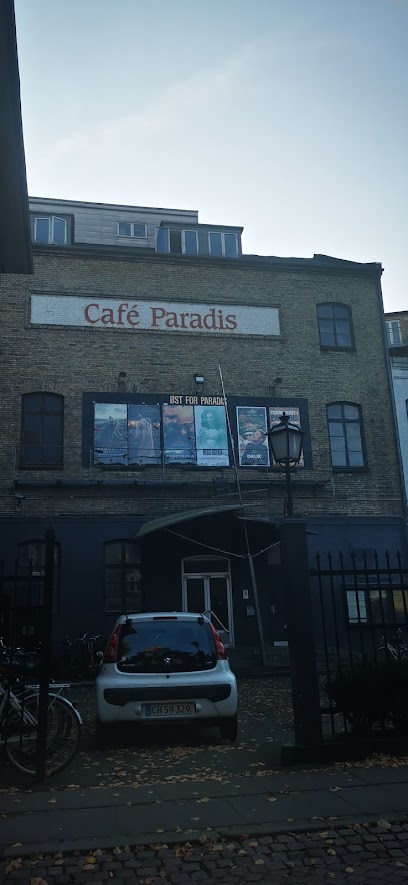
ZenZa Cocktailbar
29.4 km
Discover Aarhus' vibrant nightlife at ZenZa Cocktailbar, where expertly crafted cocktails and lively atmosphere await you.
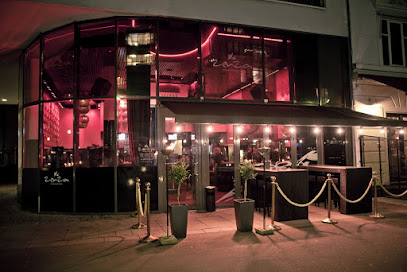
Rustik Bar & Natklub - Aarhus
29.4 km
Dive into the pulsating nightlife of Aarhus at Rustik Bar & Natklub, where vibrant music and an electric atmosphere await.
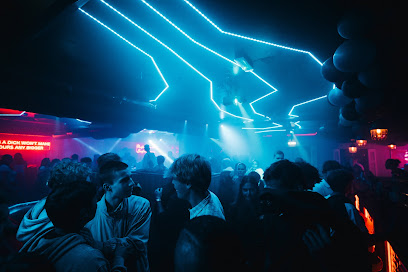
Bernhardt Natklub
29.4 km
Discover Aarhus' premier nightlife destination at Bernhardt Natklub, where cocktails and beats create unforgettable memories.
Hornsleth Bar Aarhus
29.5 km
Experience the vibrant nightlife of Aarhus at Hornsleth Bar, where innovative cocktails meet an energetic atmosphere.
For the vibe & atmosphere seeker
- Tranquil
- Scenic
- Unique
- Cultural Heritage
For the design and aesthetic lover
- Vintage Styles
- Rustic Designs
For the architecture buff
- Historic
- Heritage Neighborhoods
For the view chaser and sunset hunter
- Iconic Views
For the social media creator & influencer
- Photo Spots
- Architectural Shots
For the eco-conscious traveler
- Protected Area
- Locally Managed
- Low Impact
For the kind of experience you’re after
- Cultural Heritage
- Photowalk
- Day Trip
For how adventurous you want the journey to be
- Easy Access
Location Audience
- Family Friendly
- Senior Friendly
- Solo Friendly
- Couple Friendly


