Egsmark Plantage Travel Guide
Free Guide: A quietly atmospheric plantation forest on the edge of Ebeltoft, where mixed woodland, easy paths, and subtle wildlife create a gentle nature escape.


A brief summary of Egsmark Plantage
A quietly atmospheric plantation forest on the edge of Ebeltoft, where mixed woodland, easy paths, and subtle wildlife create a gentle nature escape.
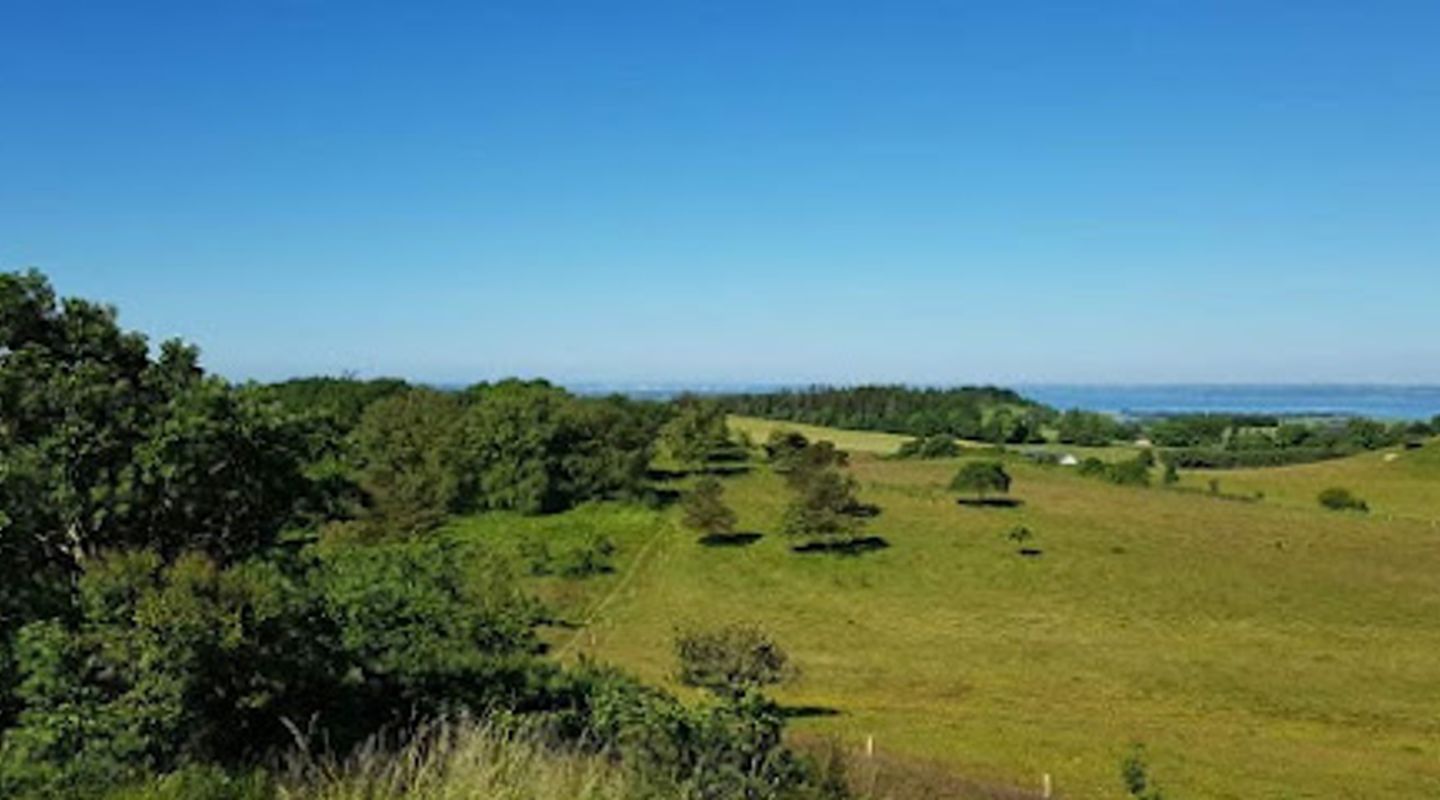
Egsmark Plantage is a quietly atmospheric forest on the edge of Ebeltoft, forming part of the scenic landscape around Lake Stubbe in National Park Mols Bjerge. Once open heath, it was planted in the 20th century by a tree-planting association and is now a varied woodland of conifers and broadleaf trees. Simple paths invite unhurried walks, birdwatching, and moments of stillness beneath the canopy, making it an easy, low-key nature escape close to town.
- Address
- Røndevej, 8400 Ebeltoft
Getting there
Car from central Ebeltoft
Bicycle from Ebeltoft area
Regional bus plus short walk
Discover more about Egsmark Plantage
From windswept heath to sheltered woodland
Egsmark Plantage sits just northwest of Ebeltoft, where rolling fields give way to a surprisingly intimate woodland. Today it feels like a natural forest, but this landscape was once open heath, gradually transformed as a local tree-planting association set out to make the Djursland peninsula greener and more sheltered. Their work turned sandy, wind‑exposed ground into a patchwork of trees that now forms part of the wider setting around Lake Stubbe in National Park Mols Bjerge.The plantation is not grand or dramatic; its charm lies in its understated, everyday nature. It is the sort of place locals use for dog walks, quiet exercise, and small adventures with children, and visitors quickly slip into the same unhurried rhythm. Within a few minutes of entering, the sounds of traffic soften into a background hum and wind moving through the branches takes over.
A mosaic of tree species and quiet trails
Egsmark Plantage was planted with a mix of species suited to relatively poor, sandy soils and a coastal climate. You pass stands of Scotch pine and sitka spruce, darker and denser in character, alongside larch that glows almost golden in low sunlight. There are also areas of beech, whose smooth grey trunks and broad crowns feel quite different to the conifers, as well as smaller plantings of bird cherry and other broadleaf species that add seasonal colour.Unmarked paths and forest tracks weave through these different pockets of woodland, creating countless short loops rather than one single must‑do route. Underfoot it is mostly level and forgiving, a mixture of earth, pine needles, and gravel, suitable for easy strolling rather than strenuous hiking. Occasional clearings let in more light and offer small glimpses of the surrounding farmland and the wider landscape of Mols Bjerge beyond the treetops.
Everyday nature and subtle wildlife encounters
This is a working plantation rather than a pristine wilderness, but it still supports a modest variety of wildlife. Birdsong is often the most noticeable presence: tits flitting through the canopy, blackbirds fussing in the undergrowth, and in quieter moments the drumming of a woodpecker from deeper in the trees. Early mornings and evenings bring the best chance of spotting roe deer at the forest edge or slipping between trunks before fading into the shadows.Fungi appear on old stumps and along damp verges in autumn, adding small bursts of texture and colour. In spring, fresh needles and first leaves shift the mood of the forest from muted winter tones to brighter greens. The changing seasons give the plantation a gentle rhythm that rewards repeat visits and invites unhurried observation rather than a checklist approach.
A gentle escape close to Ebeltoft
One of Egsmark Plantage’s strongest appeals is its proximity to Ebeltoft. Within a short journey from the town’s cobbled streets and half‑timbered houses you can be under a canopy of trees, following a broad track or a narrow side path that feels far from busy holiday spots. There are no major facilities or built attractions here, which keeps the focus firmly on fresh air, movement, and a simple dose of green space.The terrain and distances make the plantation well suited to relaxed family outings, easy runs, or contemplative solo walks. It also works as a low‑key complement to more dramatic corners of National Park Mols Bjerge, offering a softer, less demanding landscape after steeper hills and open coastal viewpoints.
Link in a larger landscape story
Egsmark Plantage forms part of a broader story told around Lake Stubbe, where information about the historic tree‑planting movement in Djursland helps explain why this part of Denmark looks the way it does today. The plantation stands as a living reminder of that effort: rows of pine and spruce gradually blending into more varied woodland as decades pass.For travelers interested in how human choices shape nature, the plantation offers a small but tangible example. The forest you walk through was deliberately created, yet it now provides habitats, shade, and recreation in ways that feel organic and unforced. Spending time among its trees is a quiet way of experiencing that relationship between landscape, history, and everyday life on the peninsula.
Evendo Review Centre
 Google
Guest reviews
Best time to go
Quietest: Jan, Feb & Mar · before 6am or from 8pm
Busy times are Evendo estimates for a typical year, to help you plan. Actual crowds vary with events, school holidays and the weather.
Explore Egsmark Plantage on the map
A handpicked selection of must-see spots near Egsmark Plantage, mapped for you.
Get your free copy of our complete guide to Egsmark Plantage, delivered straight to you.
Everything on this page, from opening hours and how to get there to Eve’s tips and the best time to go, in one PDF you can read offline, print or share.
Already have an account? Sign in
Your Egsmark Plantage guide is ready.
We'll send it to · Not you? Sign out

Getting your guide ready…
We are putting together a fresh copy of the Egsmark Plantage guide. This can take up to a minute.
This can take a few moments. If your browser asks, choose Allow so the download can start. You'll find the guide in your Downloads folder.
Nothing happened? Download it again
Sorry, the guide is taking longer than usual. Please try again in a minute, or get it by email instead.
Other nearby places you may find interesting
The closest places of the same kind, if this one is not quite what you had in mind.
-
Mols Bjerge Rolling Ice Age hills, wide sea views and ancient burial mounds combine in one of Denmark’s most varied national parks on the Djursland peninsula.
-
Mols bjerge besøgscenter Free, informative visitor hub in the heart of Mols Bjerge National Park, blending clear exhibits, basic comforts, and immediate access to classic hill and heathland trails.
-
Dragsmur A slender, wind‑shaped isthmus between two bays, Dragsmur ties Helgenæs to Mols with Ice Age hills, stony shores and quietly protected coastal nature.
-
Djurs Sommerland Scandinavia's largest amusement park with 60+ rides, world-class coasters, and family fun across 9 themed lands.
-
Sletterhage Fyr. Active lighthouse at the tip of Helgenæs, where ships pass close to shore, glacial cliffs meet the Kattegat, and wide coastal views invite slow walks and quiet watching.
Swipe for more places
More to explore near Egsmark Plantage

 Best experiences near Egsmark Plantage
 Best hotels near Egsmark Plantage
 Best landmarks near Egsmark Plantage
 Best attractions near Egsmark Plantage
 Best shops near Egsmark Plantage
 Best restaurants near Egsmark Plantage
 Best bars near Egsmark Plantage
Do you manage this location?
Take control to get all the benefits, like improved information, better appearance, and stronger visibility across AI-powered discovery.
Explore more

Explore more of Mols Bjerge National Park
Discover the natural beauty and historical charm of Mols Bjerge National Park, where rolling hills, ancient woodlands, and serene lakes create a perfect outdoor escape.
Explore Mols Bjerge National Park
Explore more of Denmark
Discover Denmark: A perfect blend of history, modern design, and the cozy concept of hygge. Explore vibrant cities, serene landscapes, and world-class cuisine.
Explore Denmark