

Glasmuseet Ebeltoft, Mols Bjerge National Park Travel Guide
A waterfront museum where contemporary glass art, live glassblowing and immersive installations turn light and molten sand into a vivid, hands-on cultural experience.
Glasmuseet Ebeltoft is Denmark’s international museum for modern glass art, beautifully set by the waterfront in the old market town of Ebeltoft. Inside its bright, contemporary spaces you’ll find changing exhibitions, an extensive international glass collection, immersive installations like The Cosmic Space, and a working glassblowing workshop. A glass-focused learning area, sculpture garden, and one of Denmark’s largest glass design shops make it an inspiring stop for art lovers and families alike.
A brief summary to Glasmuseet Ebeltoft
- Strandvejen 8, Ebeltoft, 8400, DK
- Click to display
- Click to display
- Duration: 1 to 2 hours
- Mid ranged
-
 Indoor
- Mobile reception: 4 out of 5
- Monday 10 am-4 pm
- Tuesday 10 am-4 pm
- Wednesday 10 am-4 pm
- Thursday 10 am-4 pm
- Friday 10 am-4 pm
- Saturday 10 am-4 pm
- Sunday 10 am-4 pm

Know before you go
Hi, I'm Eve. Here are a few practical things to know before exploring Glasmuseet Ebeltoft.
- Plan 1–2 hours for the galleries, then add extra time if you want to watch the glassblowing or shop for handmade glass pieces.
- Check in advance for school holiday periods if you are interested in hands-on glass activities, as these are often scheduled then.
- Bring a light layer: temperatures in the glass workshop area can feel warm near the furnace yet cooler in the exhibition halls.
- Photography is usually possible in many areas, but always look for signage and avoid using flash near sensitive works.
- Combine your visit with a stroll along the waterfront and into Ebeltoft’s historic center, located within easy walking distance.
Do you manage this location?
Take control to get all the benefits, like improved information, better appearance, and stronger visibility across AI-powered discovery. Learn more about listing your business on Evendo
Activate your presenceOther nearby places you may find interesting
The closest places of the same kind, if this one is not quite what you had in mind.
Explore Glasmuseet Ebeltoft on the Map
A handpicked selection of must-see spots near Glasmuseet Ebeltoft, mapped for you.
Getting There
-
Regional bus from Aarhus
From central Aarhus, take a regional bus towards Ebeltoft; typical routes via Rønde take about 1–1.5 hours depending on the connection. Buses usually run at least hourly in the daytime, with reduced frequency in the evening and on weekends. A one-way adult ticket generally costs around 80–110 DKK. The bus stops in Ebeltoft town; from there it is a short, fairly level walk through the historic center to the museum.
-
Car from Aarhus and eastern Jutland
Driving from Aarhus or other towns in eastern Jutland is straightforward and takes roughly 45–60 minutes from Aarhus, a little less from Grenaa or Randers. The route uses main regional roads across Djursland. Public parking is available within walking distance of the museum, but spaces can be tighter on sunny summer days and during school holidays, so allow extra time to find a spot.
-
Local bus within Djursland
If you are already staying on Djursland, local buses connect Ebeltoft with nearby towns such as Grenaa, Rønde and smaller coastal villages. Journey times range from 20 to 60 minutes depending on distance and stops. Single tickets for shorter rides are typically 30–60 DKK. Services can be less frequent in the evening and on weekends, so it is wise to check return times when you arrive.
-
Walking from central Ebeltoft
From accommodations in Ebeltoft’s old town, the museum is easily reached on foot in about 5–20 minutes, depending on where you start. The route is generally flat, following cobbled and paved streets down towards the waterfront. The approach is suitable for most visitors, though wheelchair users and prams may find cobblestones in parts of the historic center slightly uneven.
For the on-the-go comforts that matter to you
-
 Restrooms
-
 Drink Options
-
 Drinking Water
-
 Food Options
-
 Seating Areas
-
 Sheltered Areas
-
 Trash Bins
-
 Information Boards
-
 Visitor Center
Discover more about Glasmuseet Ebeltoft
Contemporary glass by the Ebeltoft waterfront
Glasmuseet Ebeltoft sits on the edge of the bay, its sleek, light-filled architecture mirroring the clarity and shimmer of the works displayed inside. The setting is part of the experience: step through the doors and you move from cobbled streets and sea air into a world where glass is the primary language. Tall windows pull in daylight, letting vessels, sculptures and installations glow and cast shifting reflections across white walls and polished floors.Founded as Denmark’s international museum for modern glass, the institution focuses firmly on contemporary expression. Rather than encyclopaedic displays, you encounter a curated journey through styles, techniques and ideas, from minimalist Scandinavian forms to bold, experimental pieces that push the boundaries of what glass can be.International collections and changing exhibitions
At the heart of the museum is a substantial permanent collection drawn from glass artists around the world. More than a thousand works chart the evolution of studio glass, revealing how different traditions, technologies and artistic movements have shaped the medium. You may see delicately blown vessels alongside cast, fused or slumped sculptures, each revealing a different relationship between heat, gravity and human intent.Alongside this collection, temporary exhibitions bring fresh perspectives throughout the year. The museum frequently invites guest curators and artists to explore themes such as landscape, memory, or the body in glass. These shows often highlight younger practitioners or showcase specific regions, ensuring that a visit in one season can feel very different from the next while maintaining a consistently high level of craft and concept.The Cosmic Space and immersive installations
One of the museum’s most distinctive experiences is The Cosmic Space, a permanent installation by Faroese artist Tróndur Patursson. Inspired by long sea voyages and days spent surrounded by nothing but water and sky, he created a mirrored, glass-lined environment that gives an uncanny sense of suspension. Step inside and you appear to float in a weightless chamber of colour and reflection, with your own silhouette repeating into apparent infinity.Elsewhere in the building, carefully staged installations play with light, transparency and distortion. Simple shifts in viewpoint can dramatically alter what you see, underlining how glass is uniquely suited to exploring perception. These immersive works tend to delight children and adults equally, offering a playful counterpoint to the more contemplative gallery spaces.Glassblowing workshop and family activities
In the museum’s garden you find the working glass workshop, where the transformation from molten mass to finished object unfolds in real time. Behind protective barriers, glassblowers gather glowing material from the furnace, turn it on long pipes, inflate bubbles of air and coax forms into being with practiced precision. The roar of burners, the clink of tools and the orange light of the kiln add a visceral, almost theatrical dimension to the visit.During school holidays and special periods, the museum often runs hands-on activities where children and adults can decorate or assemble small pieces under guidance. Indoors, a dedicated learning area introduces the science and history of glass through models, films and simple experiments, making the museum particularly appealing to curious young visitors.Shop, café and garden by the sea
Glasmuseet Ebeltoft also serves as a showcase for Danish and international glass design in its extensive shop. Here shelves display everything from functional drinking glasses and bowls to unique art pieces, giving a tangible sense of how glass moves between everyday use and collectible object. Even if you are not buying, it is a visually rich extension of the exhibitions.A small café area and outdoor seating invite you to pause with a drink while looking out towards the harbour, and the surrounding garden features sculptural works and views across the water. Taken together, the museum, workshop, shop and seafront setting create a compact but layered experience that comfortably fills a morning or afternoon in Ebeltoft.












Your all‑in‑one travel companion app
Explore expert travel guides, compare and book tours, experiences, hotels, and more—all from the palm of your hand. Download now for seamless trip planning wherever your wanderlust takes you.


Explore More of Mols Bjerge National Park
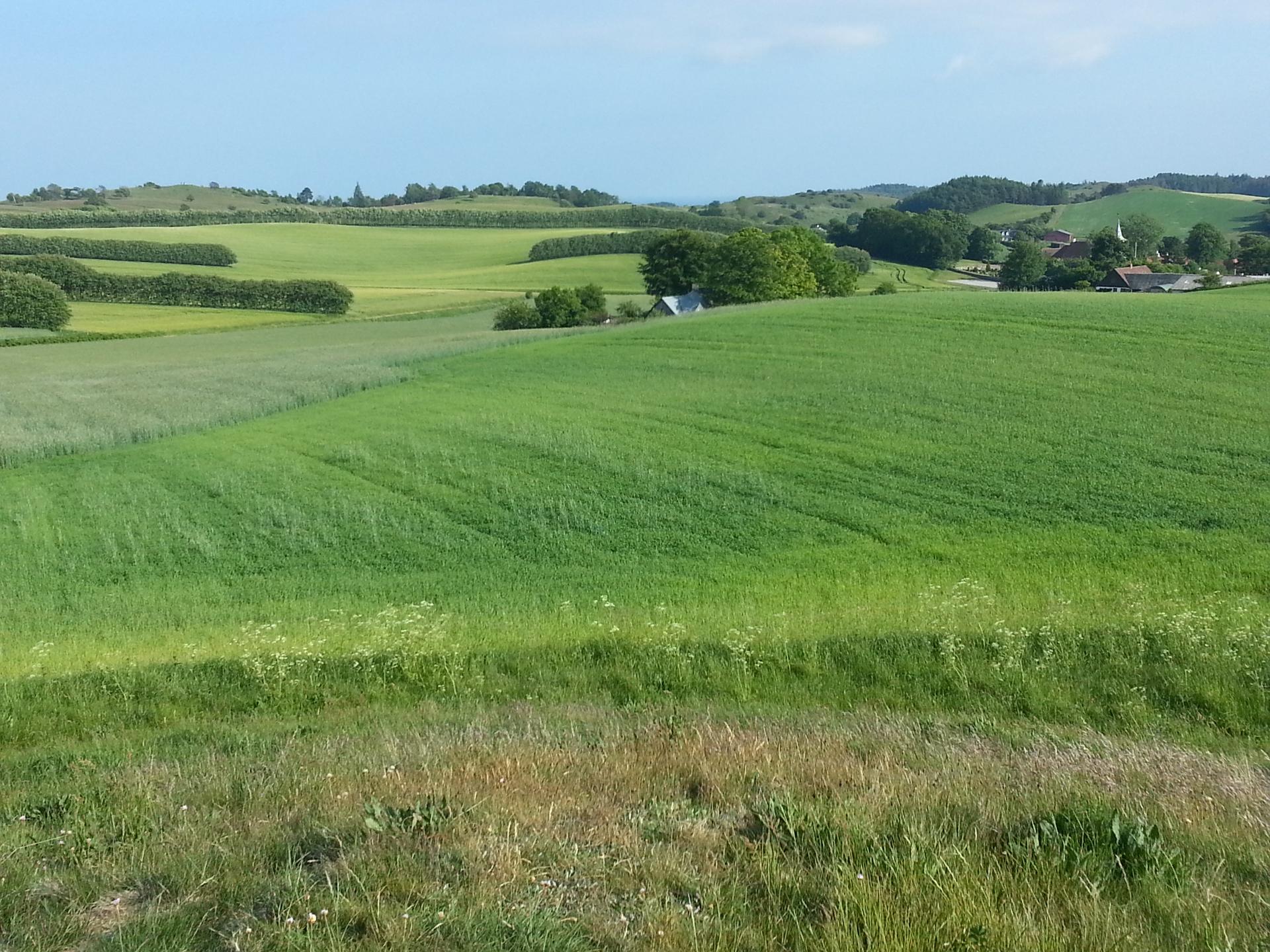
Looking beyond Glasmuseet Ebeltoft? Discover Mols Bjerge National Park for broader travel guides, local hot-spots, and regional highlights.
Explore Mols Bjerge National Park