
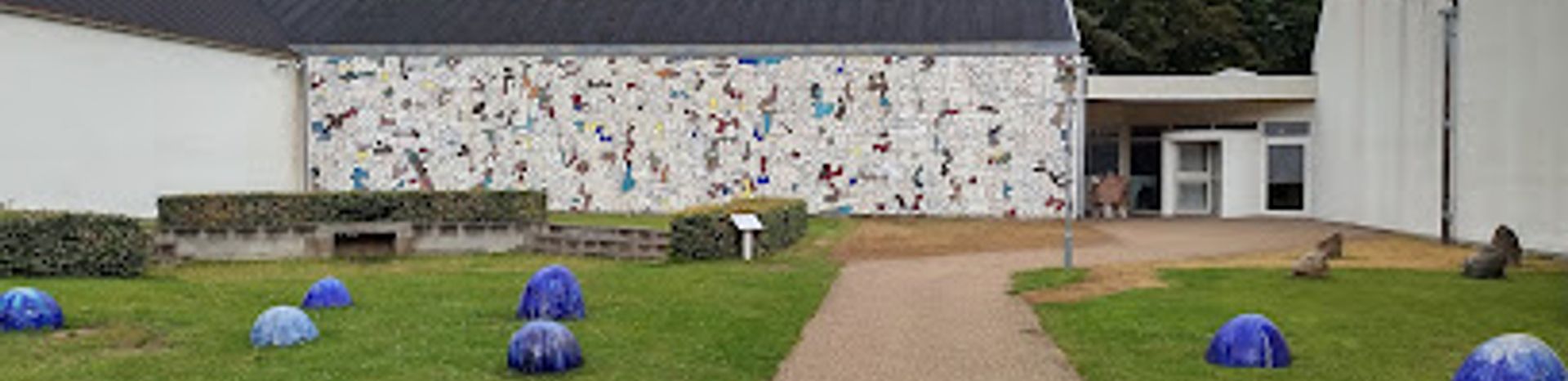
Museum Jorn, Silkeborg
Modern art, bold ideas and riverside calm come together at Museum Jorn, Asger Jorn’s visionary home for creativity on the banks of the Gudenå in Silkeborg.
Set beside the Gudenå River in Silkeborg, Museum Jorn is Denmark’s leading shrine to Asger Jorn and a powerhouse of modern art. Founded by Jorn himself, the museum holds one of the country’s largest art collections, with some 30,000 works by more than 550 artists, from CoBrA pioneers to international heavyweights like Max Ernst and Fernand Léger. Light-filled galleries, playful workshops and a riverside setting make it as engaging for families as for serious art lovers.
A brief summary to Museum Jorn, Silkeborg
- Gudenåvej 7-9, Silkeborg, 8600, DK
- +4586825388
- Visit website
- Duration: 1.5 to 3 hours
- Mid ranged
-
 Indoor
- Mobile reception: 5 out of 5
- Monday 10 am-5 pm
- Tuesday 10 am-5 pm
- Wednesday 10 am-5 pm
- Thursday 10 am-9 pm
- Friday 10 am-5 pm
- Saturday 10 am-5 pm
- Sunday 10 am-5 pm
Local tips
- Plan at least two hours to explore both the permanent Jorn collection and any temporary exhibitions without rushing.
- Check the museum’s current programme in advance; large special exhibitions can significantly change what is on display.
- Make time for the creative workshop areas if you are visiting with children or feel like getting hands-on with materials.
- Combine your visit with a short stroll along the Gudenå River just outside the museum to enjoy the setting that inspired the architecture.
- Stop by the café or shop at the end of your visit; both are good places to reflect on favourite works and pick up a themed memento.

For the on-the-go comforts that matter to you
- Restrooms
- Drink Options
- Food Options
- Lockers
- Seating Areas
- Information Boards
- Visitor Center
- Trash Bins
Getting There
-
Regional train and local bus from Aarhus
From Aarhus, take a regional train to Silkeborg Station; the journey usually takes about 45–60 minutes and standard adult tickets typically cost around 80–120 DKK one way, depending on time and fare type. From the station, local city buses run toward the Gudenå riverside area near Museum Jorn in roughly 10–15 minutes. Buses run regularly during the day but less frequently in the evening, so it is wise to check the latest timetable before you set out.
-
Train and walk from central Silkeborg
If you are staying in central Silkeborg, take a short train or remain at Silkeborg Station and continue on foot. The walk to Museum Jorn typically takes 20–30 minutes at a relaxed pace, following paved town streets and riverside paths that are generally flat and suitable for most visitors. This option costs only your time and is a pleasant way to arrive, but in wet or cold weather you may prefer a short taxi or bus ride from the station instead.
-
Car from Aarhus region
Driving from the Aarhus area to Silkeborg generally takes 35–50 minutes, depending on traffic and your starting point. The route uses main roads and motorways suited to all standard vehicles, and there is free parking available at Museum Jorn itself. Fuel and toll costs vary with your vehicle and route, but you can expect to spend roughly the equivalent of 60–120 DKK in fuel for a return trip from central Aarhus under normal conditions.
Museum Jorn, Silkeborg location weather suitability
-
 Any Weather
-
 Rain / Wet Weather
-
 Cold Weather
-
 Mild Temperatures
-
 Hot Weather
Discover more about Museum Jorn, Silkeborg
Riverside home of Asger Jorn’s vision
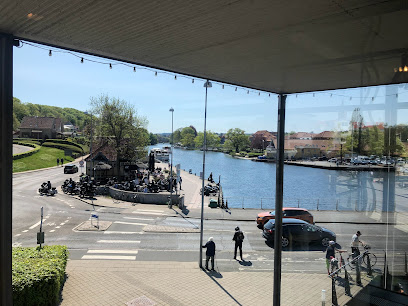
Museum Jorn unfolds along a bend of the Gudenå River, where big windows frame views of water, trees and changing skies. Inside, the focus is the restless imagination of Asger Jorn, one of Denmark’s most influential 20th‑century artists and a founding figure of the CoBrA movement. His wish was simple yet ambitious: to build a place where art was for everyone, not just specialists, and where curiosity mattered more than quiet reverence. The museum that grew from this idea now houses Denmark’s second‑largest art collection. Paintings, sculptures, ceramics and works on paper trace Jorn’s career from early experiments to explosive, gestural canvases. Alongside them, changing exhibitions keep the dialogue with contemporary art alive, so the building feels less like a shrine and more like a living studio of ideas.A collection that stretches far beyond Denmark
Although Jorn is the beating heart of the museum, the collection ranges far beyond a single artist. Works by fellow CoBrA members and other avant‑garde figures share space with pieces by international names such as Max Ernst, Fernand Léger, Jean Dubuffet and Francis Picabia. Together, they sketch a broader story of postwar European modernism, from playful abstraction to darker, more experimental forms. Danish artist Per Kirkeby, another key figure in the country’s cultural life, also has a strong presence here. His canvases and sculptures, often grounded in geology and landscape, offer a thoughtful counterpoint to Jorn’s wilder impulses. Moving between these rooms, you sense how Danish art is woven into an international conversation rather than standing apart from it.Architecture where art, light and nature meet
Part of the museum’s appeal lies in how it is built. Low, modern wings open onto the river and surrounding greenery, with long sightlines that guide you naturally from one gallery to the next. Natural light is carefully controlled, so colors glow without glare, and occasional glimpses of the outside world keep the experience from feeling enclosed. This close relationship with the landscape is deliberate. Views of the water and nearby trees act almost as an extension of the exhibitions, echoing the organic forms and free lines that recur in Jorn’s work. Even on a grey day there is a sense of space and calm, making the museum as much a place to slow down as to look.Hands-on creativity and family-friendly spaces
True to Jorn’s belief in art as a participatory act, Museum Jorn invests heavily in creative activities. Workshop areas and activity stations invite you to experiment with color, collage or simple printmaking techniques inspired by the works on the walls. These spaces are designed for all ages, but they are particularly welcoming for children, who are encouraged to touch, make and play. Families will also appreciate the practical touches: accessible exhibition spaces, room for prams and a layout that makes it easy to dip in and out of different sections without feeling rushed. It is entirely possible to spend an hour focusing on a single theme or to linger for much longer, weaving together permanent displays and temporary shows.Café culture and quiet moments by the Gudenå
When you need a pause, the on-site café offers exactly the sort of reset an art museum calls for. With large windows looking out toward the river, it is a natural place to sit with a coffee, lunch or a slice of cake while digesting what you have seen. On brighter days, the scenery just outside the building tempts you to extend your visit with a gentle walk. Before you leave, the museum shop is worth a look in its own right. Art books, catalogues, posters and carefully chosen design objects echo the bold lines and playful spirit of the collection. Whether you come as a dedicated admirer of Jorn or as a curious passer‑by, Museum Jorn offers a compact but richly layered encounter with modern art in a setting that feels both human and quietly inspiring.Iconic landmarks you can’t miss

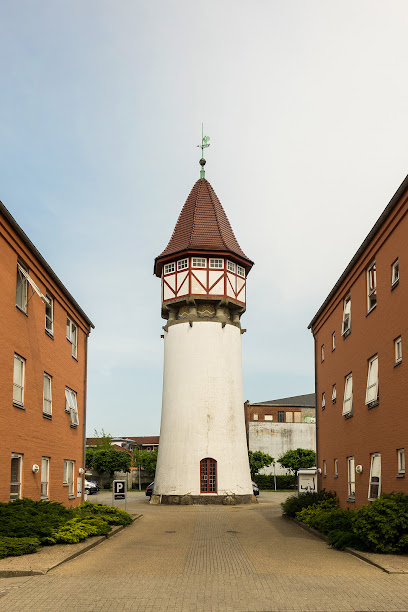
Silkeborg Water Tower
0.7 km
A heritage-listed industrial landmark symbolising Silkeborg's textile manufacturing legacy.
silkeborg
1.1 km
Historic 1871 railway landmark connecting Central Jutland with frequent regional services and heritage charm.
Lovisehøj
2.2 km
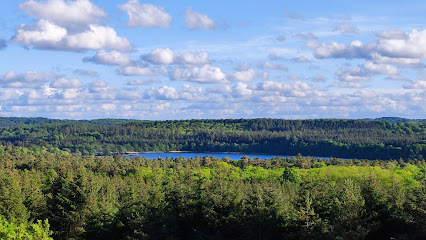
A 73-meter forest hill with royal heritage and sweeping views across Danish lakes and woodlands.
Silkeborg Vesterskov mindesten
3.4 km
A modest memorial stone in Silkeborg Vesterskov, where forest tranquillity and wartime history meet in a quiet, contemplative woodland clearing.
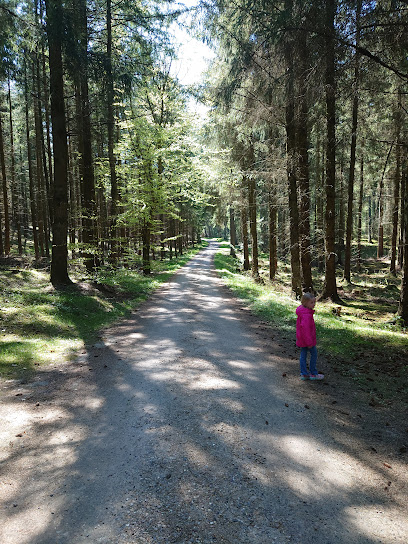
Himmelbjerget rutebåd
9.8 km
Denmark's highest point crowned by a historic tower, accessible by scenic lake cruise or forest trail.
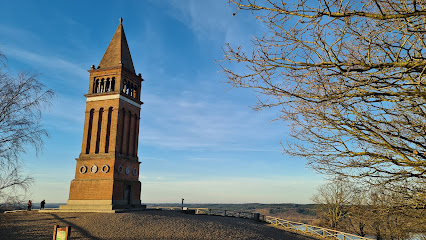
Folkemøde Mindesten anno 1839
10.2 km
Denmark's first democratic gathering, 1839—where ordinary citizens claimed their political voice.
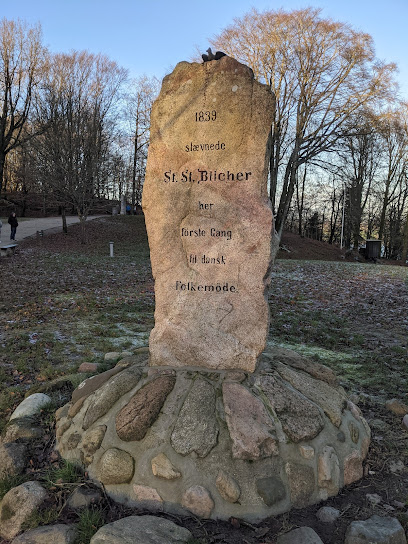
Store Troldhøj
10.4 km
A cone-shaped summit offering panoramic valley views and a climbing tree in Denmark's scenic lake district.
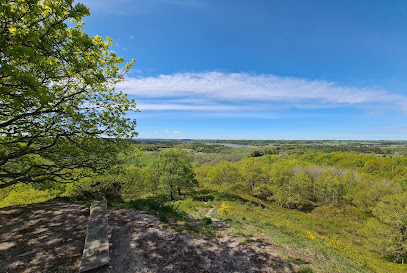
Randershøj
10.8 km
A scenic hilltop viewpoint offering panoramic vistas across Denmark's lake-filled landscape and forest-covered terrain.
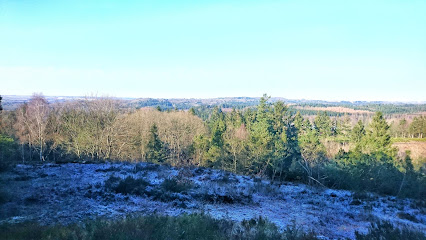
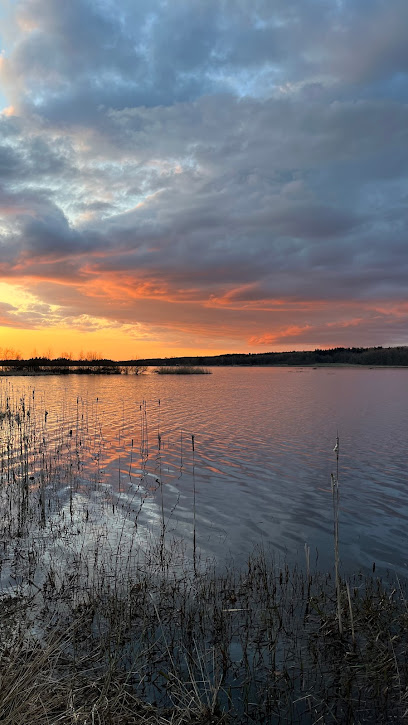
Bølling Lake
11.4 km
A restored glacial lake offering scenic walks, excellent fishing, and peaceful nature immersion in central Jutland.
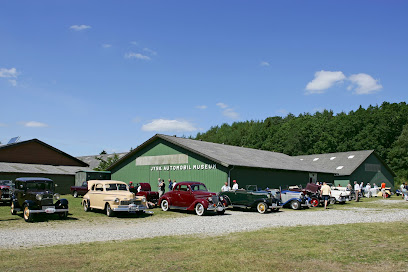
Jutland's Automobile Museum
13.5 km
Discover Denmark's automotive history at Jutland's Automobile Museum in Gjern, showcasing vintage cars and motorcycles from the early 1900s to iconic post-war models, offering a unique glimpse into the nation's motoring heritage.
Abbey Mill
15.9 km
Explore Abbey Mill in Skanderborg: A picturesque blend of history and nature, perfect for leisurely strolls and unforgettable experiences.

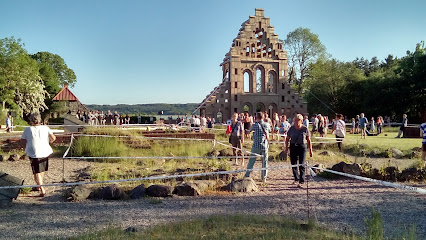
Øm Klostermuseum
17.0 km
Discover Denmark's medieval monastic life at Øm Klostermuseum near Ry: Explore ruins, gardens, and artifacts revealing centuries of history and brewing traditions.
Mossø
19.5 km
Discover the serene beauty of Mossø, Denmark's third-largest lake, offering hiking, watersports, and historical sites in the heart of the Danish Lake District.
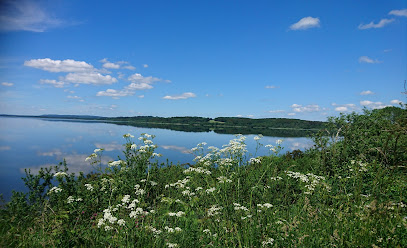
Jutland
20.1 km
Discover Jutland, Denmark: Explore Viking history, stunning nature, and family fun on the mainland peninsula, offering an authentic Danish experience.
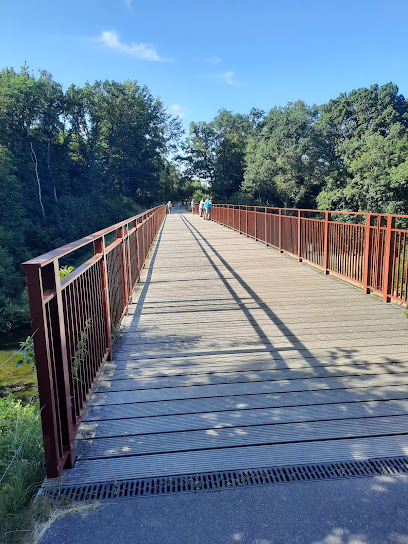
The Uncovered Bridge
22.5 km
A hidden railway bridge buried for 85 years, spectacularly restored and now one of Denmark's most beloved landmarks.
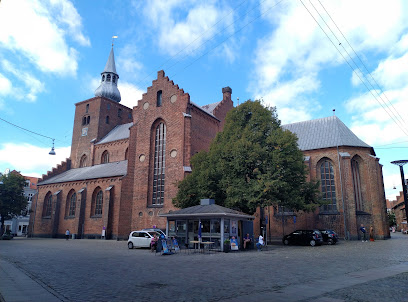
Unmissable attractions to see

Befrielsesmonument i Silkeborg
0.4 km
A powerful World War II memorial in Silkeborg’s Indelukket park, where Knud Nellemose’s bronze freedom fighter rises from granite reliefs of occupation, resistance and liberation.
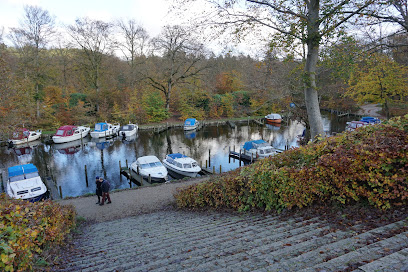
Dronningestolen
0.4 km
A modest forest hill with a royal name, Dronningestolen offers a framed Silkeborg panorama, woodland quiet and a sense of history above the lakeside town.
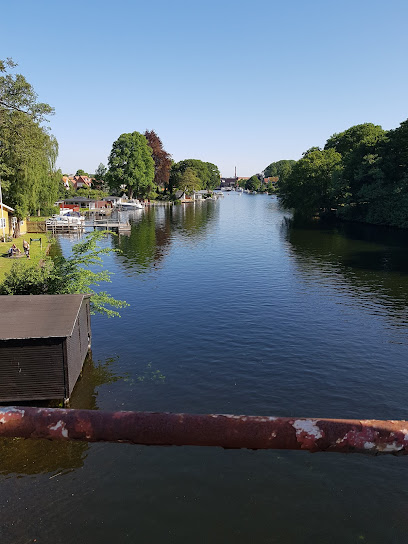
Indelukkets Friluftsscene
0.5 km
Historic open-air theatre hosting rock festivals, concerts, and cultural events in scenic Silkeborg parkland.
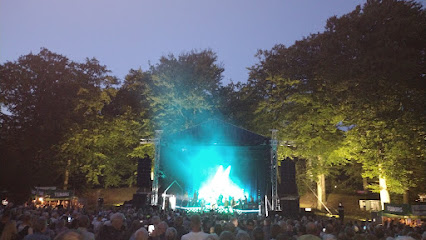
AQUA Aquarium & Wildlife Park
0.9 km
Freshwater worlds, playful otters and splash-filled playgrounds come together in Silkeborg’s lake-district aquarium and Danish wildlife park.

Tollundmanden
0.9 km
Meet the Tollund Man, a 2,400‑year‑old bog body whose hauntingly preserved face and story of ritual, death and discovery define Museum Silkeborg’s Iron Age heart.

Badeanstalten
0.9 km
Denmark's most authentic bathhouse—a historic Nordic wellness sanctuary preserving centuries of bathing tradition.
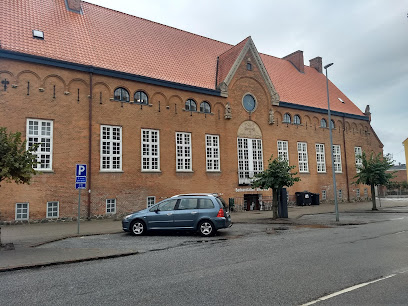
Silkeborg Archive
0.9 km
Silkeborg’s collective memory, preserving documents, images and stories that trace the lakeside city’s journey from industrial outpost to modern municipality.
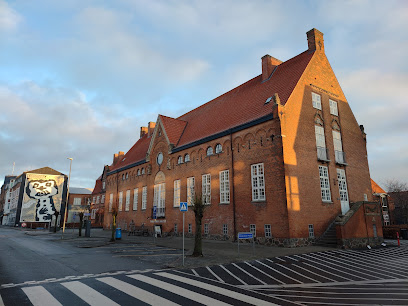
Museum Silkeborg, Hovedgården
0.9 km
Step into Silkeborg’s oldest manor house to meet Tollund Man, explore bog mysteries and trace the town’s journey from Iron Age wetlands to modern Jutland hub.

Vægmaleri
0.9 km
Experience the tradition of Denmark’s lake steamers aboard Turbådene Himmelbjerget, a nostalgic boat journey bridging Ry, Silkeborg, and the legendary hill.
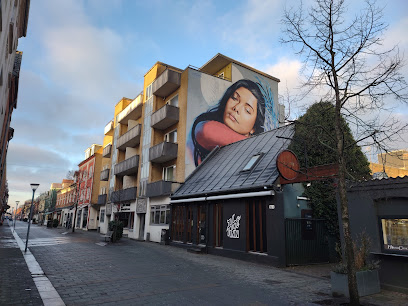
The Hjejle Agency
0.9 km
Denmark's oldest steamship still operating with its original 1861 engine, offering historic cruises through the scenic Silkeborg Lake District.
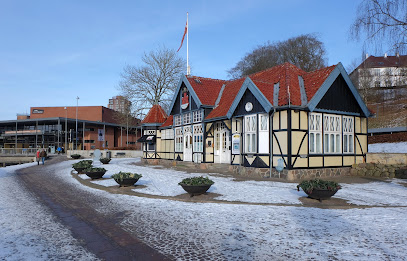
Galerie Moderne Silkeborg
0.9 km
One of Scandinavia’s largest modern art galleries, blending CoBrA masterpieces, contemporary works and a welcoming, free-to-enter space in central Silkeborg.
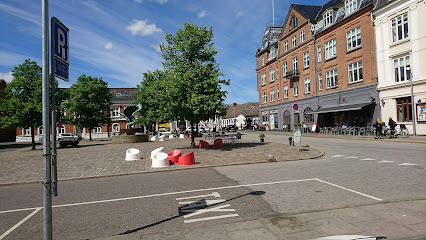
Museum Silkeborg, Papirmuseet
1.0 km
A living paper workshop in Silkeborg’s old factory, where you watch pulp become sheets, learn about banknote paper and try your hand at this quietly magical craft.

Statue of Michael Drewsen
1.1 km
Panoramic forested hilltop viewpoint steeped in royal legend, offering sweeping vistas over Silkeborg’s lakes and the lush Søhøjlandet landscape.
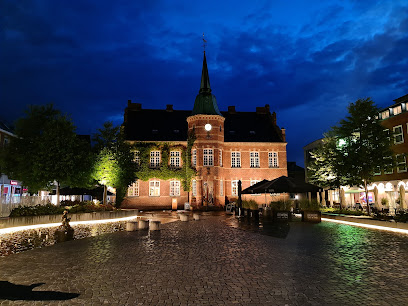
Riverboat Jazz Festival
1.1 km
Swinging jazz, riverboats and long Nordic evenings fuse in Silkeborg’s lake district for a five-day celebration where the entire town becomes a waterside stage.
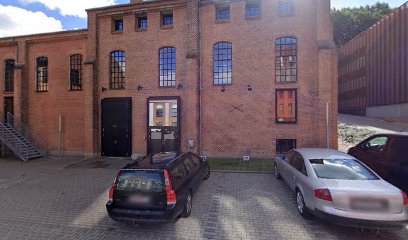
Kedelhuset
1.1 km
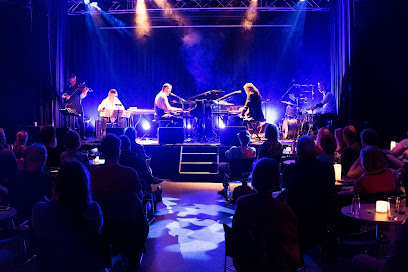
Intimate live music and performance venue in Silkeborg’s former paper mill boiler house, blending industrial charm with a modern black box concert hall.
Essential places to dine

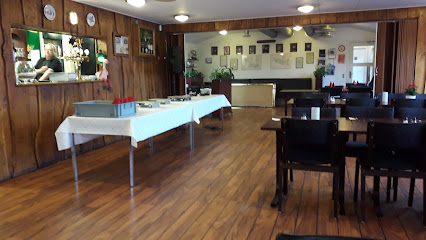
Resturant indelukket
0.3 km
Modern Danish comfort food on the edge of Silkeborg’s Indelukket park, where classic flavors, fresh ingredients and riverside greenery create an easygoing dining escape.
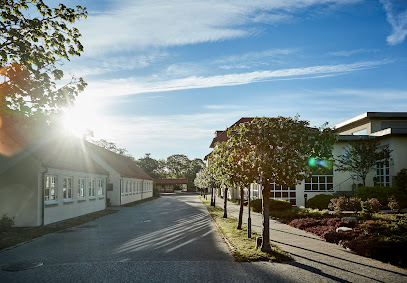
Gl. Skovridergaard
0.5 km
Historic forester’s lodge turned serene hotel, restaurant and conference haven, wrapped in parkland with forests, lakes and Silkeborg’s cultural life close at hand.
Orangeriet
0.5 km
Seasonal Nordic cuisine in a historic orangery surrounded by gardens and natural light.
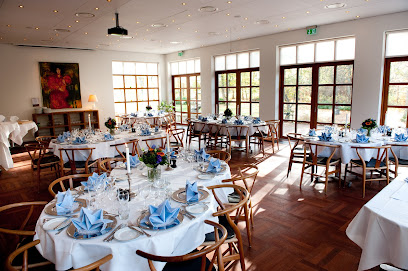
Skovbakken Silkeborg
0.7 km
Hilltop event restaurant with sweeping river and harbor views, hosting weddings, celebrations and meetings above Silkeborg’s green waterfront.
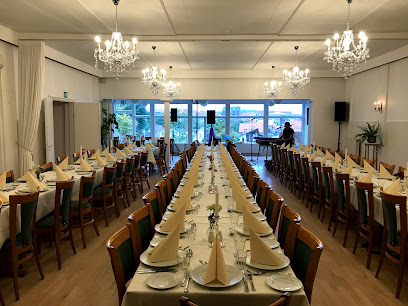
Ristorante Pizzeria Roma
0.7 km
Unpretentious Italian comfort in central Silkeborg, with stone-oven pizzas, generous pasta plates and a cosy, family-friendly dining room ideal for relaxed evenings.
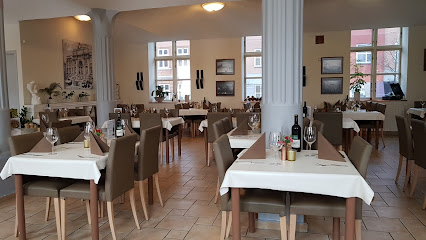
Tin's
0.8 km
Casual, cozy Vietnamese cooking in central Silkeborg, serving steaming pho, crisp banh xeo and fresh herbs in a relaxed, modern setting ideal for lunch or dinner.
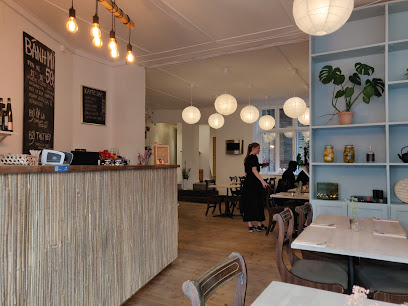
Restaurant Spyd
0.8 km
Charcoal-grilled Turkish kebabs and Middle Eastern specialties in casual Silkeborg dining.
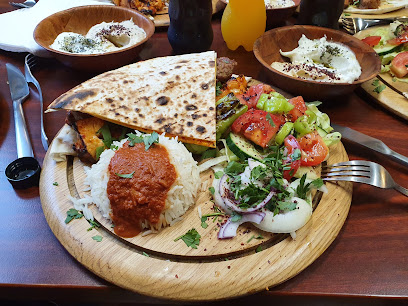
Regatta Sandwich
0.8 km
Freshly baked Italian sandwiches in the heart of Silkeborg—quality ingredients, casual charm.
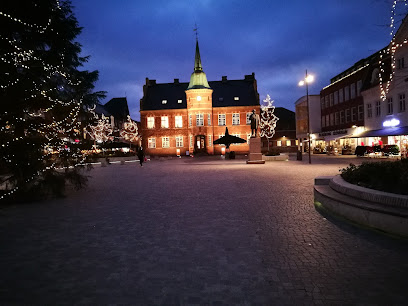
Asian Restaurant & Café
0.8 km
Cozy Southeast Asian flavors in the heart of Silkeborg, pairing Vietnamese and Thai dishes with a warm, relaxed atmosphere on lively pedestrian Søndergade.
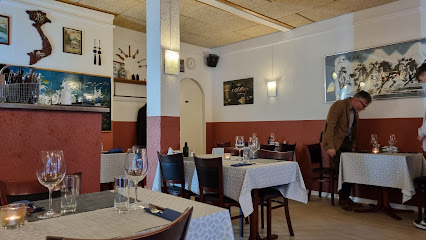
La Casita
0.9 km
Colorful Mexican comfort food, tequila and hygge in a cozy, rustic cantina right on Bindslevs Plads in the heart of Silkeborg.
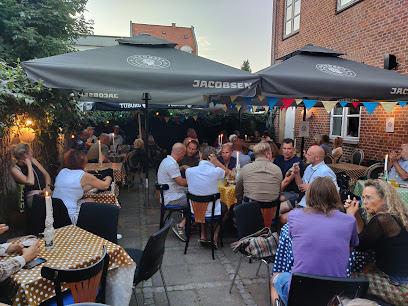
Daruma Ramen
0.9 km
Cosy Japanese noodle bar on Søndergade in Silkeborg, serving comforting ramen and crisp chicken katsu in a simple, relaxed setting ideal for casual meals.
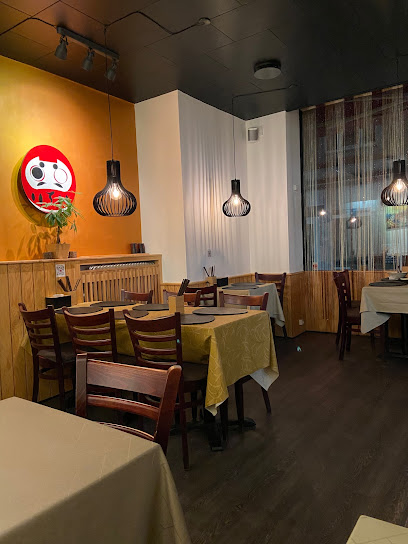
Madkassen V/allan Petersen
0.9 km
Casual Silkeborg sandwich and tapas kitchen serving generous box lunches, easygoing takeaway and tailored catering from a friendly Tværgade storefront.
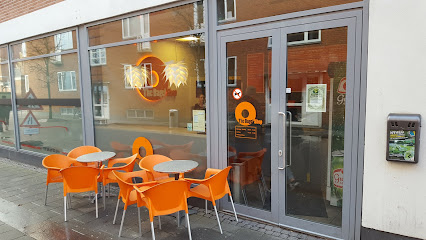
BABBA
0.9 km
Mediterranean-inspired social dining, wine and cocktails in a cosy Silkeborg townhouse with a lively bar and atmospheric courtyard terrace.
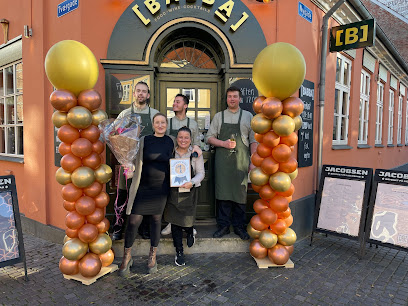
Marco Polo - Silkeborg
0.9 km
Authentic Italian and Brazilian cuisine in cozy Silkeborg surroundings.
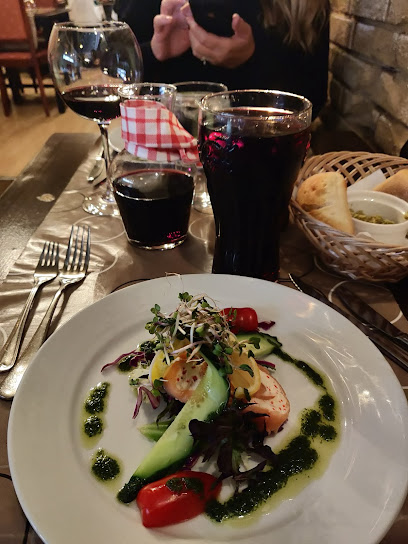
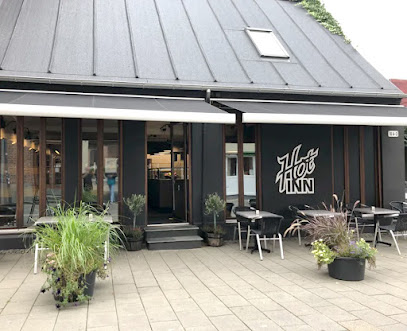
Hot Inn
0.9 km
Casual Middle Eastern–inspired comfort food, fresh from the charcoal grill, served in a simple, welcoming space on bustling Nygade in central Silkeborg.
Markets, malls and hidden boutiques

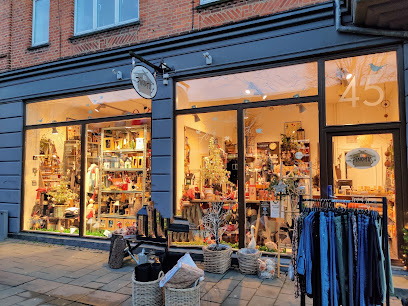
Pindhus.dk
1.0 km
Hand-curated Scandinavian design, gifts, and lifestyle treasures in the heart of Silkeborg.
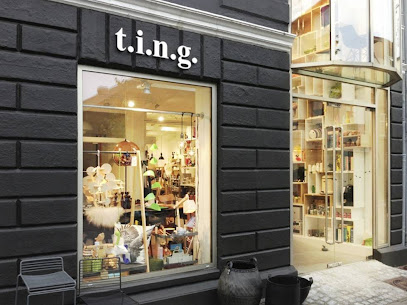
t.i.n.g.
1.0 km
Scandinavian design paradise in central Silkeborg, offering two floors of curated furniture, lighting, interiors and gifts in a calm, inspiring boutique setting.
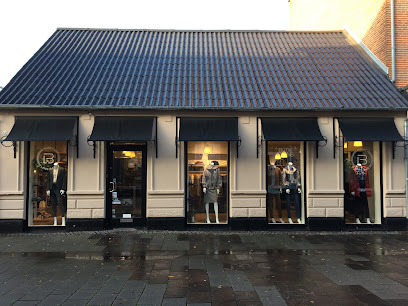
Huset Lene Bak Silkeborg
1.0 km
Welcoming women’s fashion boutique in central Silkeborg, specialising in quality jeans, flattering fits and personal styling in a calm, uncluttered setting.
Fair Retro
1.0 km
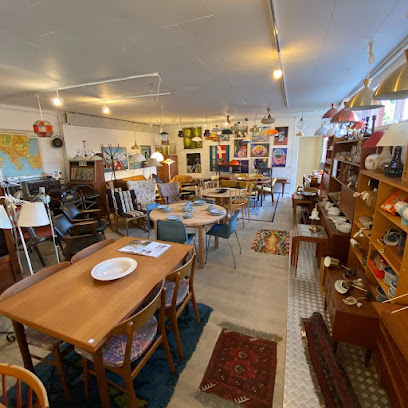
Curated mid-century and retro furniture in a cosy Silkeborg shop, where vintage Danish design, characterful lighting and sustainable home inspiration fill every corner.
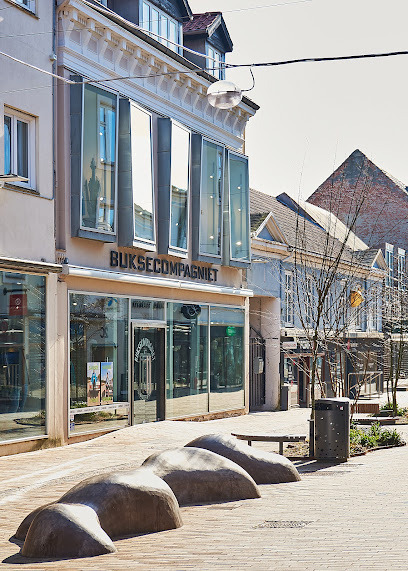
Buksecompagniet
1.0 km
Independent Silkeborg fashion store mixing timeless Scandinavian basics, denim and footwear with seasonal trends for both men and women on lively Søndergade.
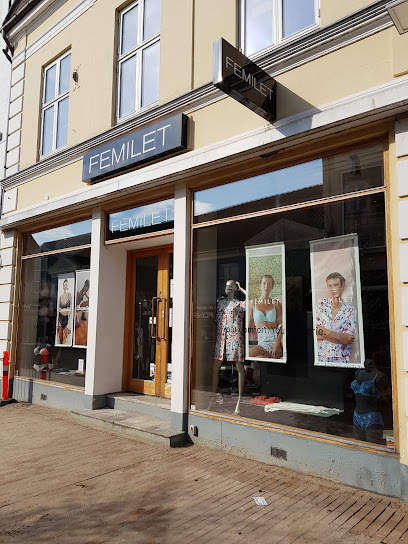
Femilet
1.0 km
Premium Scandinavian lingerie and intimate wear for women seeking comfort, quality, and perfect fit.
Bivs.dk
1.0 km
Silkeborg's dedicated children's clothing and toy specialist with extended daily hours.
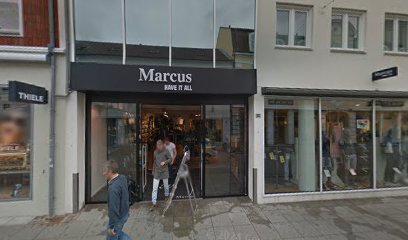
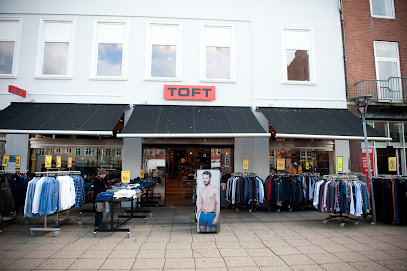
TOFT SHOP
1.0 km
Curated menswear blending timeless elegance with contemporary style in Silkeborg's charming lake district.
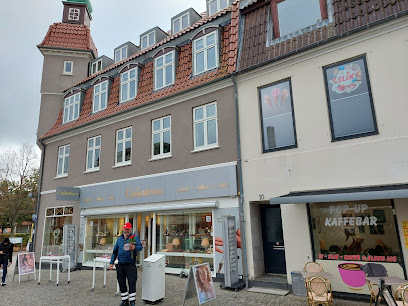
Christoffersen Silkeborg A/S
1.0 km
Established jeweller on Silkeborg’s main square, blending classic gold and silver pieces, quality watches and attentive service in a calm, central setting.
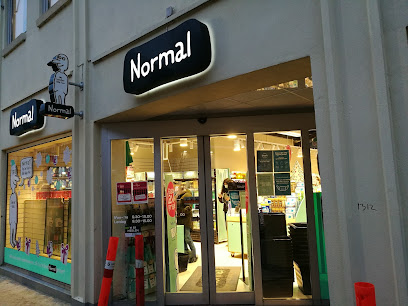
Normal
1.0 km
Denmark's original discount retailer where treasure hunting meets affordability in quirky, welcoming surroundings.
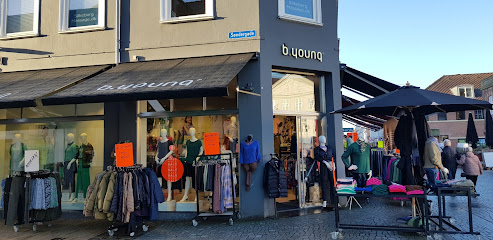
b.young Silkeborg
1.0 km
A contemporary Danish womenswear boutique in central Silkeborg, offering accessible Scandinavian style, versatile outfits and relaxed, easy-going browsing.
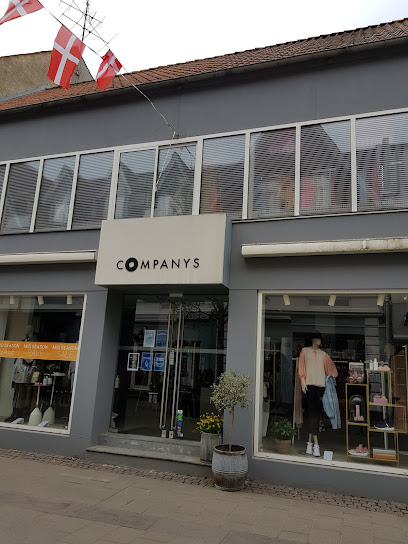
Companys Silkeborg
1.0 km
Modern Scandinavian womenswear in a calm, central Silkeborg boutique, ideal for curated wardrobe updates between café stops and city-center strolls.
Tenna Og Jens Kristian I/S
1.0 km
Family-run multibrand womenswear house in central Silkeborg, combining 400 m² of contemporary fashion, personal styling and Scandinavian labels on lively Vestergade.
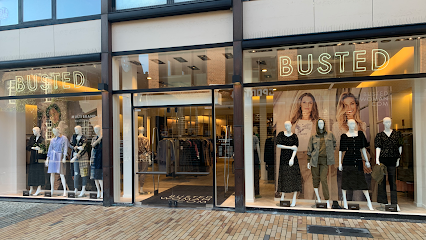
Bustedwoman.com
1.0 km
Curated European fashion and personalized styling in Silkeborg's premier women's boutique.
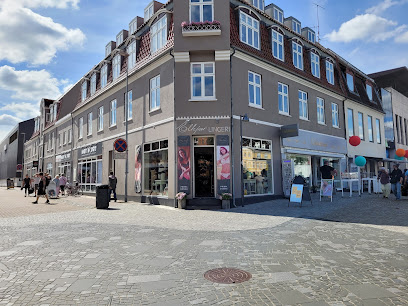
Elkjær Lingerie
1.0 km
Intimate lingerie boutique on Silkeborg’s main square, offering personal fittings, classic Scandinavian styles and a calm pause from the town centre’s everyday bustle.
Essential bars & hidden hideouts

Cafe' Paradis
0.6 km
A compact, old‑school bodega in central Silkeborg, serving cold beers, local atmosphere and late‑night conversation in an unpretentious, lived‑in bar setting.
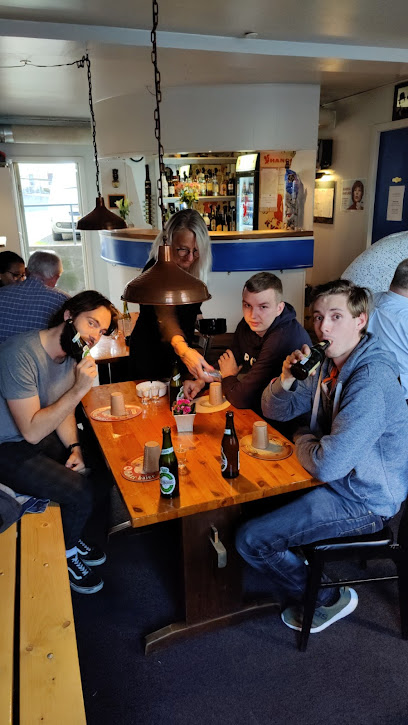
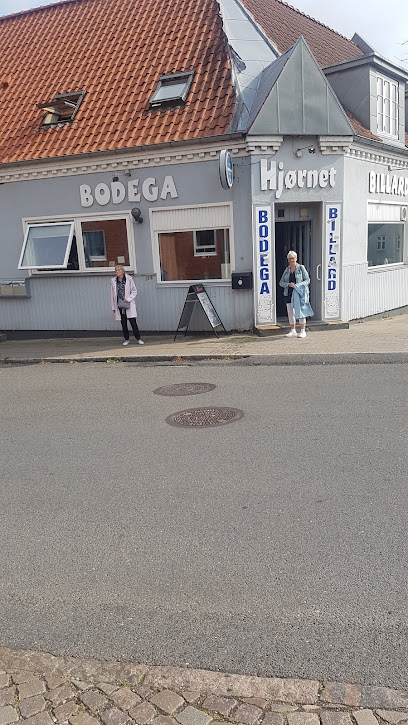
Bodega Hjørnet
0.6 km
A cosy corner bodega in central Silkeborg, where dim lights, cold beer and easy conversation capture the timeless charm of Danish bar culture.
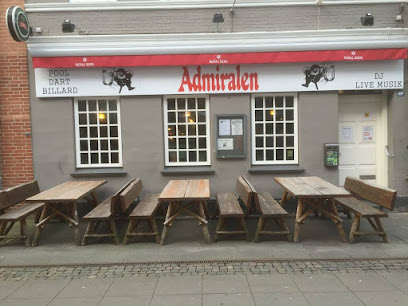
The Admiral Pub
0.8 km
Classic Danish bodega bar in central Silkeborg, serving inexpensive drinks and everyday atmosphere from quiet daytime pints to late‑night weekend sessions.
Café Kling Klang
0.8 km
Intimate, candlelit bar-café on Silkeborg’s Søndergade, blending everyday hygge, music and drinks in a laid-back neighbourhood atmosphere.

Sportspubben Målet
0.9 km
A cozy, no-frills sports pub in central Silkeborg, where big screens, cold beer and local chatter turn every match day into a shared living room.
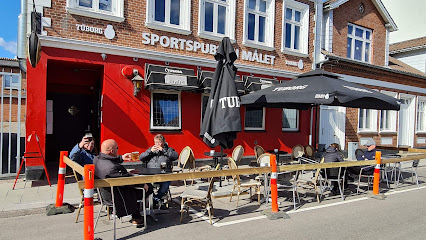
Roxy Malt
0.9 km
Irish-inspired Silkeborg pub with live music, quizzes, speciality beers and a cosy courtyard, blending retro charm with late-night energy in the town centre.
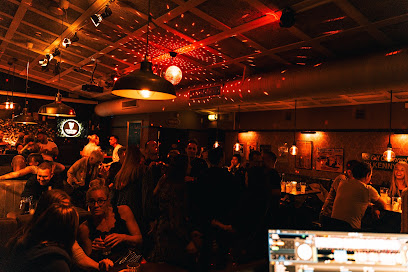
Zwei Grosse Bier Bar
0.9 km
Alpine-inspired après-ski party bar with karaoke, beer pong, and group celebrations in central Silkeborg.
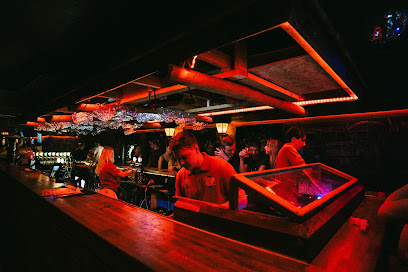
Bakkens bodega
1.0 km
Unpretentious beer hall on Århusvej where locals, cold drafts and simple pub fare create a slice of everyday Silkeborg life from late morning to late evening.
The bar Silkeborg ApS
1.0 km
Intimate late-night bar on Nygade in central Silkeborg, mixing easygoing pub charm with nightclub energy from evening drinks to early-morning dancing.
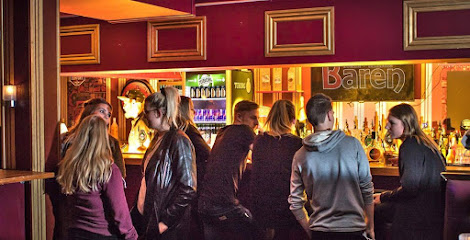
Rabalder Bar
1.0 km
Cozy living‑room bar in Silkeborg serving affordable drinks, sing‑along hits and late‑night party vibes in a compact, homey setting.
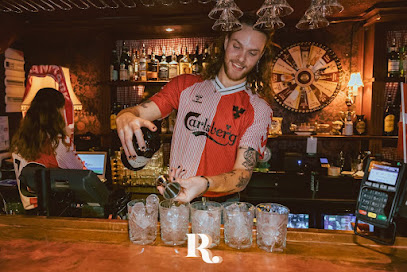
Bifrost Sports Pub
1.0 km
Silkeborg's premier sports bar for live action, cold drinks, and vibrant nightlife.
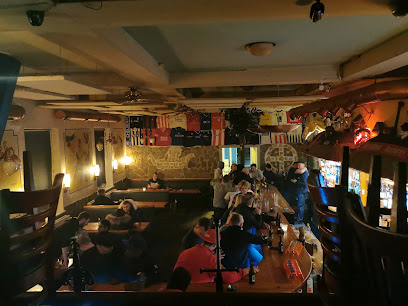
Butchers Silkeborg
1.0 km
Compact late-night bar and nightclub in central Silkeborg, serving high-energy music, simple drinks and a youthful party vibe on weekend nights.
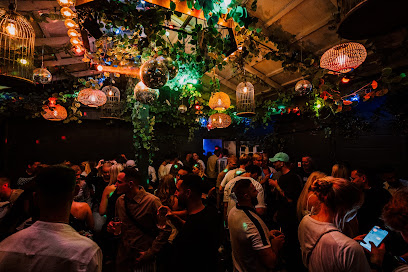
Kaffebaren
1.1 km
Neighbourhood-style coffee bar on Vestergade in Silkeborg, pairing carefully made espresso drinks and iced coffees with a cosy, Scandinavian-inspired atmosphere.
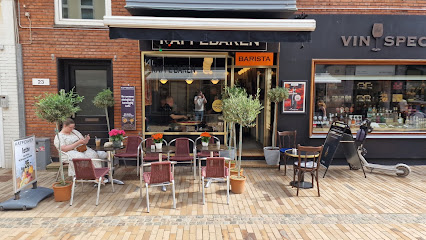
NO 21 -Tapas & vinbar i Silkeborg
1.2 km
Riverside tapas and wine bar with curated selections and panoramic river views in central Silkeborg.
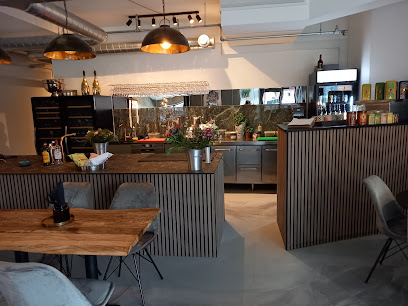
The Smoke Pub
1.7 km
A classic Silkeborg bodega on Borgergade, where smoke, cold beer and easy conversation create an unpretentious local living room from late morning to late night.
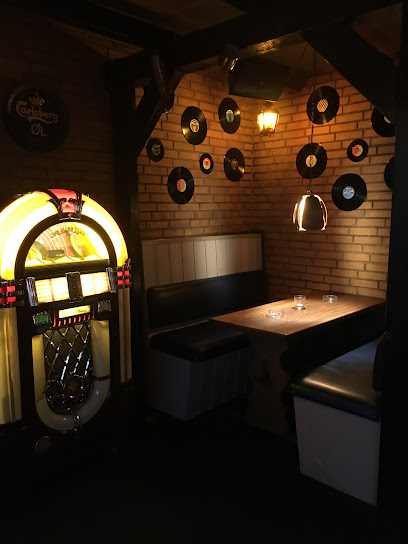
Nightclubs & after hour spots

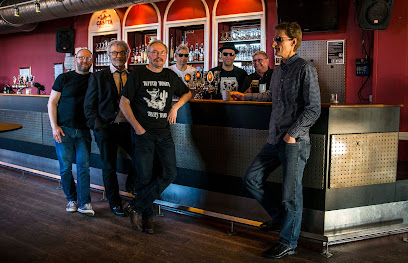
B'sharp - Silkeborg Rhythm Og Blues Association
0.9 km
Volunteer-run blues stronghold in central Silkeborg, where intimate weekend concerts, affordable drinks and close-up performances keep rhythm & roots music alive.
Team Paderborner
26.9 km
Nightclub entertainment in Denmark's scenic Dyrehaven forest and lakeside setting.
Vesterbro Pub
33.6 km
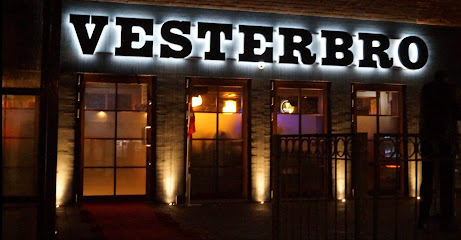
Vesterbro Pub offers an authentic slice of Danish bodega culture in central Viborg, where locals gather for affordable drinks, lively chats, and classic pub games.
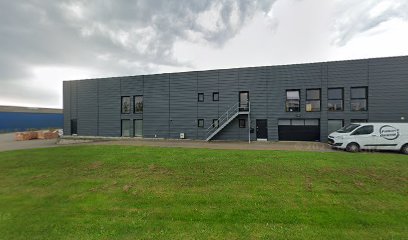
ANDERS LAUSTSEN A/S
35.2 km
Compact, casual late-night bar and dance spot in Viborg, offering simple drinks, music, and a local Danish nightlife vibe just beyond the historic center.
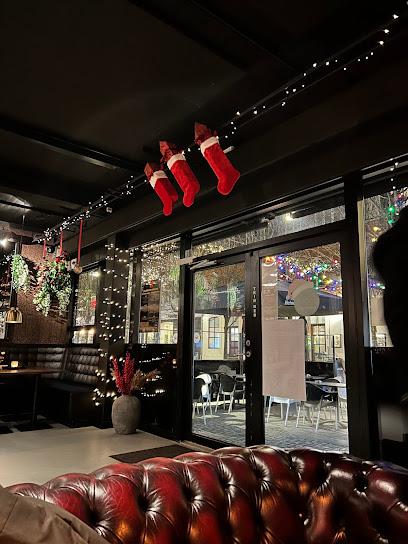
Piano Herning
36.0 km
Experience Herning’s vibrant nightlife in a cozy piano bar with live music, great cocktails, and classic Danish hospitality in the center of town.
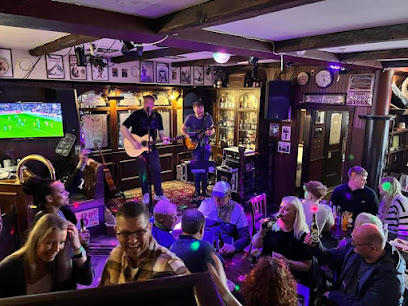
Murphy's Pub
36.0 km
Traditional Irish pub in the center of Herning, Denmark, featuring welcoming atmosphere, live music, a variety of beers and whiskies, and lively sports viewing.
Bart
36.0 km
Stylish cocktail bar in central Herning, renowned for inventive drinks, cheerful ambiance, and generous opening hours—an essential stop for experiencing the city’s modern nightlife.
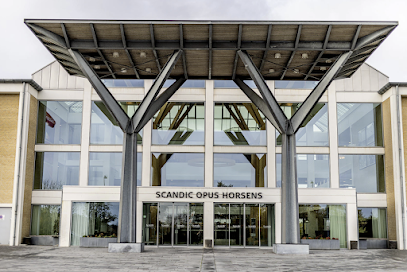
Scandic Opus Horsens
36.2 km
A contemporary Scandinavian hotel in Horsens with spa, dining, and panoramic city-to-nature views—an elegant gateway to both urban and outdoor experiences.
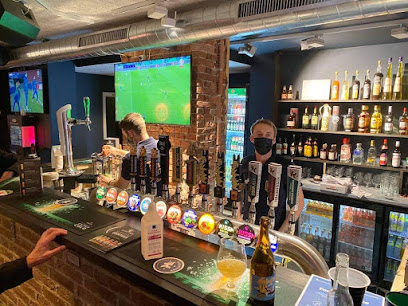
Mindegade5
36.2 km
Experience the heartbeat of Herning's nightlife at Mindegade5, where music, dance, and celebration converge.
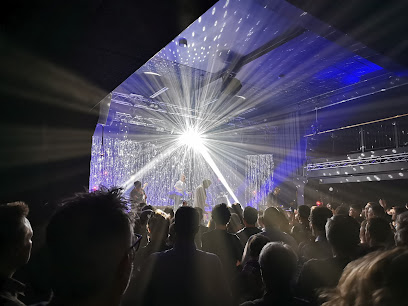
Fermaten
36.5 km
Experience Herning’s vibrant music scene at Fermaten, the city’s top venue for live concerts, cultural events, and dynamic nights out in central Jutland.
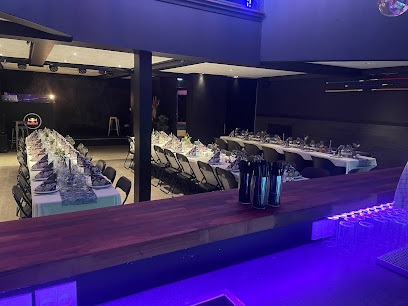
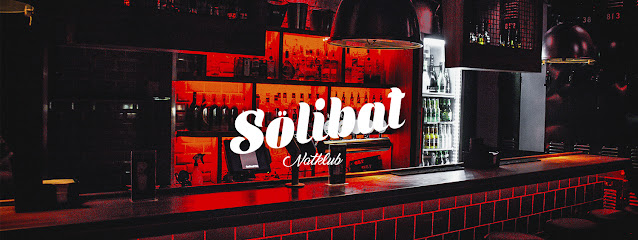
Sölibat Natklub
37.6 km
Late-night, no-frills clubbing in central Horsens, where loud music, simple drinks and a compact dance floor create an unapologetically local party vibe.
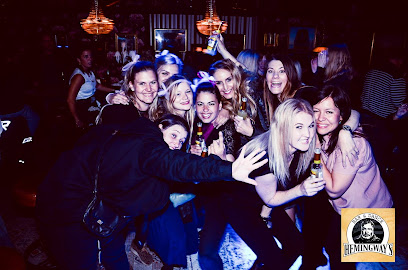
Hemingway's Horsens
37.6 km
Late-night disco bar in central Horsens with a mature crowd, classic hits from past decades and a cozy-but-lively atmosphere every Friday and Saturday.
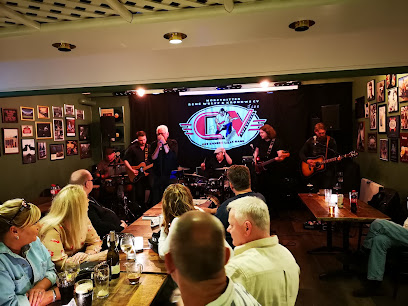
Morzybitten
37.7 km
Experience the essence of Danish 'hygge' at Morzybitten, Horsens' premier barista and beer bar with live music.
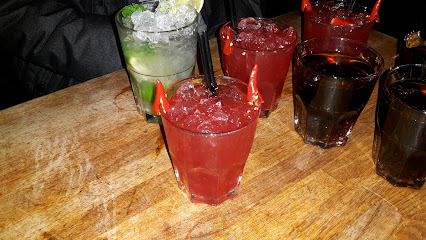
Jagtbar Horsens
37.8 km
Horsens' premier nightclub where relaxed cocktails transform into energetic dance nights.

Kokomo Horsens
37.8 km
Three floors of colorful cocktails, big beats and tropical nightclub energy at the heart of Horsens’ weekend nightlife.
For the vibe & atmosphere seeker
- Scenic
- Relaxing
- Tranquil
- Unique
- Casual
- Fun-filled
- Boutique
For the design and aesthetic lover
- Modern Designs
- Minimalist Designs
For the architecture buff
- Art & Design
- Landmarks
- Historic
For the view chaser and sunset hunter
- Iconic Views
- Waterfront
For the social media creator & influencer
- Instagrammable
- Photo Spots
- Architectural Shots
- Aesthetic Corners
- Reel-Friendly
For the eco-conscious traveler
- Public-Transport Accessible
- Low Impact
For the kind of experience you’re after
- Cultural Heritage
- Photowalk
- Adventure Photo Shoot
- Day Trip
- Mindfulness
For how adventurous you want the journey to be
- Easy Access
Location Audience
- Family Friendly
- Child Friendly
- Teen Friendly
- Senior Friendly
- Wheelchair Access
- Solo Friendly
- Couple Friendly
- Solo Female Friendly
- Vegetarian Friendly
- Vegan Friendly
- Business Friendly


