

Holmegaard Værk Travel Guide
Free Guide: A former glassworks turned living museum where glowing furnaces, 40,000 glass pieces and Nordic ceramics trace 200 years of Danish design and craftsmanship.


A brief summary of Holmegaard Værk
A former glassworks turned living museum where glowing furnaces, 40,000 glass pieces and Nordic ceramics trace 200 years of Danish design and craftsmanship.
Holmegaard Værk is a vast glass and ceramics museum and former glassworks in South Zealand, where 200 years of Danish design history are brought to life. In the old factory halls you can watch glowing glass being blown in a working hotshop, wander past a towering wall of more than 40,000 Holmegaard glass pieces, and explore Scandinavia’s largest collection of Kähler ceramics. Immersive light installations, soundscapes and stories from former glassworkers connect industrial heritage, craftsmanship and contemporary art in one atmospheric complex on the edge of Holmegaard Mose.
On-site amenities
 Restrooms
 Drink options
 Drinking water
 Food options
 Seating areas
 Sheltered areas
 Trash bins
 Information boards
 Visitor centre
- Address
- Glasværksvej 55, 4684 Holmegaard
- Phone
- Website
Getting there
Regional train and bus from Copenhagen
Car from Næstved and South Zealand
Cycling from Næstved area
Discover more about Holmegaard Værk
Where Danish glass history still glows
Holmegaard Værk occupies the preserved buildings of Holmegaard Glassworks, founded in 1825 on the edge of Holmegaard Mose to tap the peat needed to fire its furnaces. For nearly two centuries this remote factory shaped everything from humble milk bottles to design icons found on Danish tables. Today the production lines have fallen silent, but the site has been reborn as a museum where the story of glass, ceramics and industrial design unfolds under the same lofty roofs.As you step inside the former workshops, the red-brick walls, steel beams and tall chimneys frame a place that feels part factory, part cultural laboratory. The transformation has kept the raw character of an industrial site while layering in light, sound and contemporary exhibitions, so the past and present of Danish craft sit side by side.
The wall of 40,000 glasses
One of Holmegaard Værk’s signature sights is the immense glass wall: more than 40,000 unique pieces displayed on shelving that soars several metres into the air and runs the length of the hall. Every model ever produced at the glassworks is represented, from sturdy beer tumblers and soda bottles to delicate stemware, vases and sculptural one‑offs.Walking along this installation is like paging through two centuries of changing taste. Colours shift from smoky greens and browns to crisp clear crystal and playful modern hues. Subtle variations in lip, stem and base reveal how form follows function, while labels and displays explain the designers behind key classics.
Hotshop heat and living craftsmanship
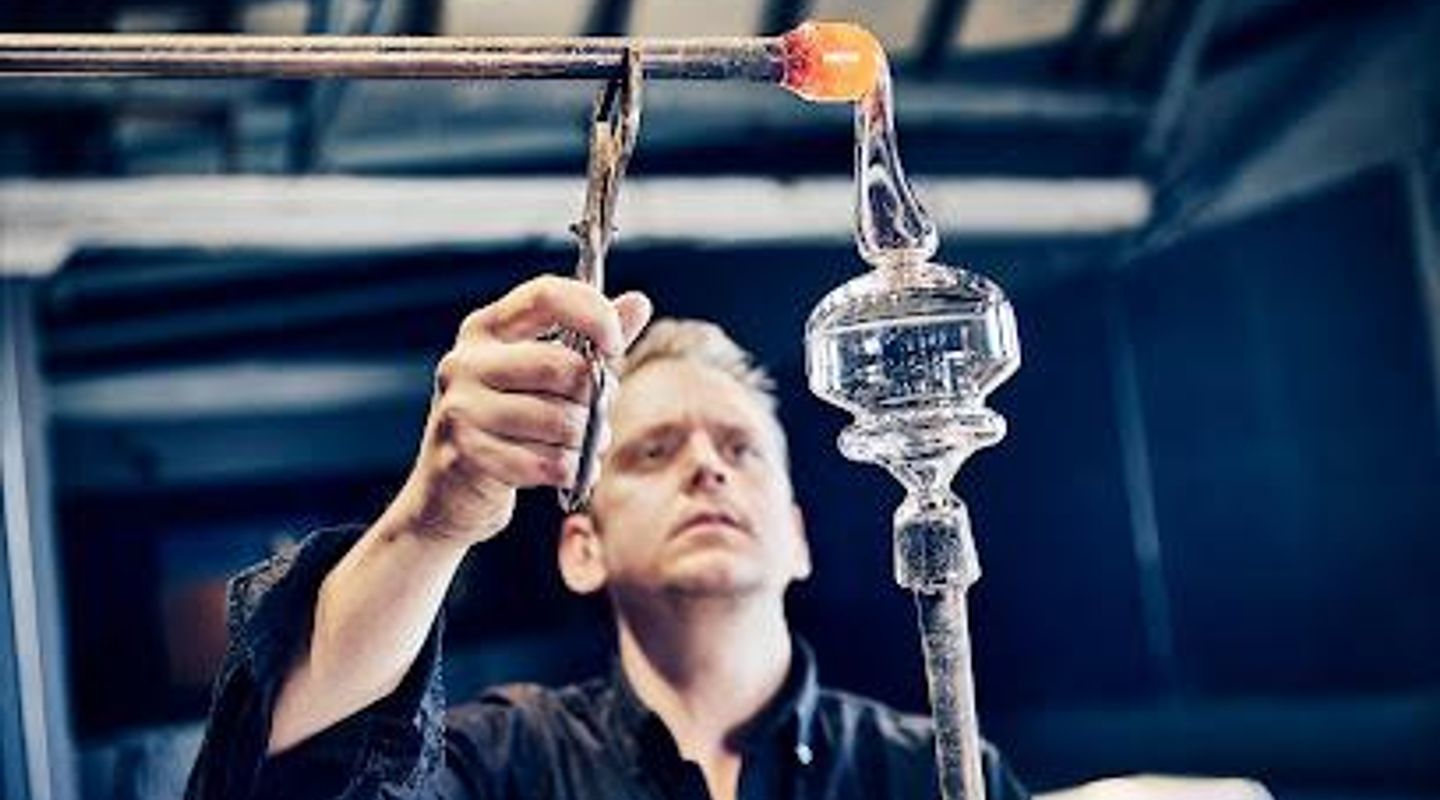
Holmegaard Værk is not only about finished objects; it is also a working hotshop. In one of the great halls, a new generation of glassblowers fire up the furnaces and gather glowing blobs of molten glass on the end of long pipes. You can watch as they roll, blow, cut and shape the material into bowls, glasses and art pieces in a carefully choreographed dance.Benches and railings bring you close enough to feel the warmth and hear the hiss of compressed air, while staff explain techniques and tools. Guest artists are regularly invited to experiment here, so the museum doubles as a contemporary studio where new work is born in the shadow of historic kilns.
Kähler ceramics and monumental glass art
Beyond glass, the museum houses around 6,000 works from the Kähler ceramics tradition, the largest such collection in the Nordic region. Arranged to trace the development of a beloved Danish brand, these pieces range from humble kitchenware to exuberant art pottery. Shapes, glazes and decorative styles map changing fashions and everyday life from the 19th century to today.In the spacious Hebsgaard Hall, large‑scale glass art and collaborations with prominent artists are installed with dramatic lighting. Here, colourful panels, sculptural forms and experimental techniques show how glass can become architecture and storytelling, not just tableware. The sheer scale of the room and its artworks contrasts with the intimacy of the smaller exhibition spaces.
Stories from the glass village and the moor
Holmegaard Værk also explores the human side of industry. Audio installations share memories from generations of glassworkers who spent their lives at the factory, describing shift work, camaraderie and the challenges of a physically demanding craft. Old furnaces now hold solidified masses of glass, frozen mid‑flow when production ceased in 2008, like geological formations in a man‑made cave.Outside, paths lead towards the former glassworkers’ village and the landscape of Holmegaard Mose. The connection between peat bog, fuel and glass production is explained in exhibitions that link local nature, technology and community. It is a reminder that design objects on a dining table begin with raw materials in the ground and the skilled hands of people who shaped them.
Exploring a day inside 15,000 square metres
With around 15,000 square metres of indoor space and extensive outdoor grounds, Holmegaard Værk invites unhurried wandering. Families linger at creative stations where you can decorate or create simple glass‑related crafts, while design enthusiasts study iconic forms in detail. Changing special exhibitions, often with an international or cross‑disciplinary angle, add fresh perspectives on glass and ceramics.Throughout, considered lighting, clear information boards and seating areas make it easy to pause and absorb what you are seeing. Whether you stay for a focused couple of hours or spend most of a day moving between hotshop, collections and the surrounding landscape, the experience ties together industrial heritage, Danish design history and the continuing life of glass as an artistic material.
Evendo Review Centre
 Google
Guest reviews
Best time to go
Quietest: Jan, Feb & Nov · before 8am or from 8pm
Busy times are Evendo estimates for a typical year, to help you plan. Actual crowds vary with events, school holidays and the weather.
Explore Holmegaard Værk on the map
A handpicked selection of must-see spots near Holmegaard Værk, mapped for you.
Get your free copy of our complete guide to Holmegaard Værk, delivered straight to you.
Everything on this page, from opening hours and how to get there to Eve’s tips and the best time to go, in one PDF you can read offline, print or share.
Already have an account? Sign in
Your Holmegaard Værk guide is ready.
We'll send it to · Not you? Sign out

Getting your guide ready…
We are putting together a fresh copy of the Holmegaard Værk guide. This can take up to a minute.
This can take a few moments. If your browser asks, choose Allow so the download can start. You'll find the guide in your Downloads folder.
Nothing happened? Download it again
Sorry, the guide is taking longer than usual. Please try again in a minute, or get it by email instead.
Unlock the best of Holmegaard Værk
Skip-the-line tickets, guided tours with entry, and walking tours of the area, booked in a few clicks.

Other nearby places you may find interesting
The closest places of the same kind, if this one is not quite what you had in mind.
-
-
-
-
-


Swipe for more places
More to explore near Holmegaard Værk

 Best experiences near Holmegaard Værk
 Best hotels near Holmegaard Værk
 Best landmarks near Holmegaard Værk
 Best attractions near Holmegaard Værk
 Best shops near Holmegaard Værk
 Best restaurants near Holmegaard Værk
 Best bars near Holmegaard Værk
Do you manage this location?
Take control to get all the benefits, like improved information, better appearance, and stronger visibility across AI-powered discovery.
Explore more
Explore more of Møn
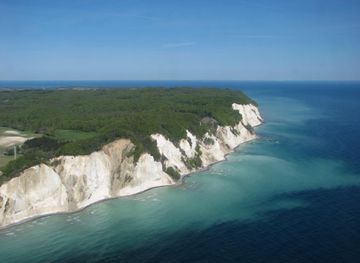
Discover the breathtaking cliffs, rich history, and serene beauty of Møn, Denmark's hidden gem in the Baltic Sea, perfect for nature lovers and history enthusiasts alike.
Explore Møn
Explore more of Denmark
Discover Denmark: A perfect blend of history, modern design, and the cozy concept of hygge. Explore vibrant cities, serene landscapes, and world-class cuisine.
Explore Denmark
