Jægerspris Castle Travel Guide
Free Guide: Historic royal retreat turned social foundation, with romantic castle views, sculpture‑filled parkland and story‑laden forests between Roskilde Fjord and Isefjord.


A brief summary of Jægerspris Castle
Historic royal retreat turned social foundation, with romantic castle views, sculpture‑filled parkland and story‑laden forests between Roskilde Fjord and Isefjord.
Jægerspris Castle is one of Denmark’s oldest royal residences, set on the Hornsherred peninsula between Roskilde Fjord and Isefjord. Once the beloved home of King Frederik VII and Countess Danner, it now holds a memorial museum to their lives and Denmark’s shift to constitutional monarchy. Even while the castle interiors undergo renovation until spring 2026, the expansive castle park, historic memorial grove, rune stones and forest trails offer a rich blend of royal history, sculpture, and tranquil green space.
On-site amenities
 Restrooms
 Drinking water
 Food options
 Seating areas
 Sheltered areas
 Picnic areas
 Trash bins
 Information boards
 Visitor centre
Opening hours
- Every day11 am–4 pm
Opening hours as listed on the venue’s Google Business Profile. Hours can change for services and special events, so check with the venue before you go.
- Address
- Slotsgården 20, 3630 Jægerspris
- Phone
- Website
Getting there
Regional train + bus from Copenhagen
Car from Copenhagen or Roskilde
Cycling from Frederikssund
Discover more about Jægerspris Castle
Royal retreat on the Hornsherred peninsula
Jægerspris Castle stands in a gently rolling landscape between Roskilde Fjord and Isefjord, about 50 kilometres northwest of Copenhagen. For centuries this was a royal hunting lodge and summer residence, surrounded by forest rich in deer and game. The present manor complex, with its warm brick façades and steep roofs, reflects layers of rebuilding and alteration that reach back to the Middle Ages, when a fortified residence first stood on this spot.From the outside you see a compact, almost domestic castle rather than a grandiose palace. Its scale hints at its original role as a retreat from court life, a place where monarchs came to hunt, walk and enjoy a more private existence. The buildings gather around a cobbled courtyard, with wings added in different eras, giving the whole a slightly irregular charm that mirrors the long and occasionally dramatic history of Danish absolutism.
Frederik VII and Countess Danner’s personal world
The castle is most closely associated with King Frederik VII, Denmark’s last absolute monarch, and his wife Countess Danner, born Louise Rasmussen, a commoner and former milliner. In the 1850s they made Jægerspris their preferred home, retreating here from formal Copenhagen palaces. Their unconventional love match fascinated and scandalised contemporaries, and the interiors they created were deeply personal rather than merely ceremonial.Inside, historic rooms were preserved much as they looked in the couple’s lifetime: the king’s study lined with books, the audience hall used for receiving guests, and Countess Danner’s own sitting room, furnished in mid‑19th‑century taste with patterned wallpapers, carpets and upholstered furniture. Personal objects, portraits and everyday items help tell the story of a monarch who signed Denmark’s 1849 Constitution, transforming the country into a constitutional monarchy, and of a woman who used her position to pursue social causes.
From royal residence to charitable foundation
After Frederik VII’s death, Countess Danner inherited Jægerspris and reshaped its purpose. In the 1870s she established a foundation in his name and converted parts of the castle into an orphanage and children’s home. This step reflected her own modest origins and determination to improve the lives of disadvantaged children. The institution she founded still underpins the estate’s management today, linking the site’s royal history with a continuing social mission.The museum narrative weaves together this political and personal story: the end of absolutism, the rise of parliamentary democracy, and evolving ideas about philanthropy and welfare. Even while the castle itself is closed for renovation until spring 2026, that legacy is visible in information displays, the layout of former service buildings and the ongoing work of the foundation on the grounds.
Castle park, memorial grove and ancient stones
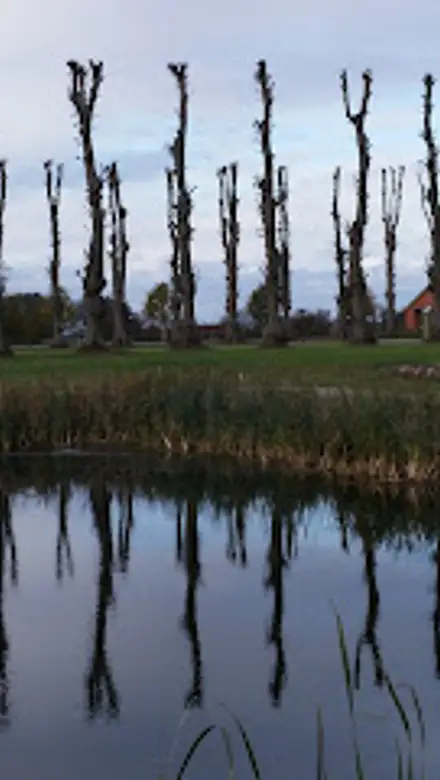
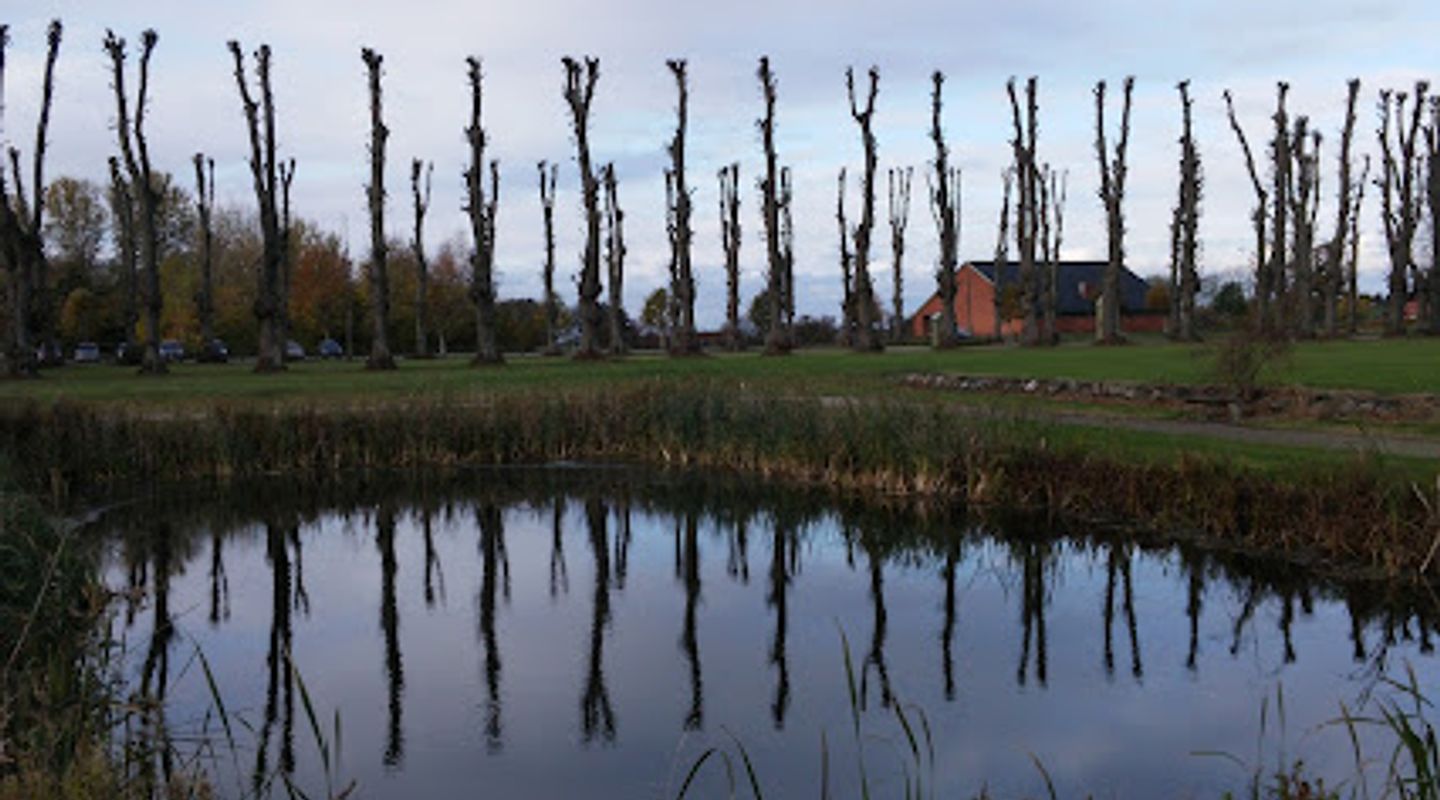
Beyond the buildings stretches a large castle park that fades gradually into forest. Formal lawns and tree‑lined avenues near the castle give way to more natural woodland paths that invite unhurried walks. In one quiet corner you find Countess Danner’s grave, marked by a simple monument that feels strikingly modest compared with the grandeur of royalty.The park’s Memorial Grove, created in the 1770s, is an open‑air gallery of 18th‑century patriotic sculpture. Here, 54 stone monuments by sculptor Johannes Wiedewelt commemorate notable Danes from statesmen to scholars. Scattered among trees and clearings, they form a landscape of memory that reflects Enlightenment ideas about nationhood and history. Nearby, rune stones brought here in the 19th century add an even older layer, connecting the estate to Viking‑Age Denmark.
Forest paths and year‑round escapes
Kilometres of walking and cycling paths radiate from the castle into the surrounding Jægerspris forest. The woodland is dotted with ancient burial mounds, old oaks and sandy clearings, and the air often carries a mix of sea breeze from the fjords and the resinous scent of pine. In spring and summer the park feels lush and green, ideal for picnics on the grass, while autumn brings intense colours and winter lends a quiet, almost austere beauty to the avenues.Benches and open lawns make it easy to linger, whether you are exploring the history in depth or simply enjoying the landscape. Dogs on leads are welcome in the park, and families often use the open spaces for informal play. With the castle’s interiors temporarily closed, the grounds, sculptures and forest take centre stage, offering a serene window onto Denmark’s royal past in a relaxed, accessible outdoor setting.
Evendo Review Centre
 Google
Guest reviews
Best time to go
Quietest: Jan, Feb & Mar · before 8am or at 8pm
Busy times are Evendo estimates for a typical year, to help you plan. Actual crowds vary with events, school holidays and the weather.
Explore Jægerspris Castle on the map
A handpicked selection of must-see spots near Jægerspris Castle, mapped for you.
Get your free copy of our complete guide to Jægerspris Castle, delivered straight to you.
Everything on this page, from opening hours and how to get there to Eve’s tips and the best time to go, in one PDF you can read offline, print or share.
Already have an account? Sign in
Your Jægerspris Castle guide is ready.
We'll send it to · Not you? Sign out

Getting your guide ready…
We are putting together a fresh copy of the Jægerspris Castle guide. This can take up to a minute.
This can take a few moments. If your browser asks, choose Allow so the download can start. You'll find the guide in your Downloads folder.
Nothing happened? Download it again
Sorry, the guide is taking longer than usual. Please try again in a minute, or get it by email instead.
Other nearby places you may find interesting
The closest places of the same kind, if this one is not quite what you had in mind.
-
GeoCenter Møns Klint Immersive cliff-top museum and nature hub revealing 70 million years of geology beside Denmark’s highest white chalk cliffs at Møns Klint.
-
Moen lighthouse A quiet 19th‑century beacon perched above Denmark’s most dramatic chalk cliffs, where sea, sky and starlight meet on the far edge of the island of Møn.
-
Trappe Møns Klint A steep wooden stairway plunging from beech forest to turquoise Baltic shore, Trappe Møns Klint is the most direct way into Denmark’s iconic white chalk cliffs.
-
Stranden Møns Klint A raw shingle shore pressed between turquoise Baltic waves and 100‑metre chalk cliffs, Stranden Møns Klint is Denmark’s most dramatic meeting of land and sea.
-
Thorsvang, Danmarks Samlermuseum Et stemningsfuldt samlermuseum på Møn, indrettet som en hel lille by fra de gode gamle dage – fyldt med butikker, værksteder, kolonihaver og hverdagsminder.
Swipe for more places
More to explore near Jægerspris Castle

 Best experiences near Jægerspris Castle
 Best hotels near Jægerspris Castle
 Best landmarks near Jægerspris Castle
 Best attractions near Jægerspris Castle
 Best shops near Jægerspris Castle
 Best restaurants near Jægerspris Castle
 Best bars near Jægerspris Castle
Do you manage this location?
Take control to get all the benefits, like improved information, better appearance, and stronger visibility across AI-powered discovery.
Explore more
Explore more of Møn
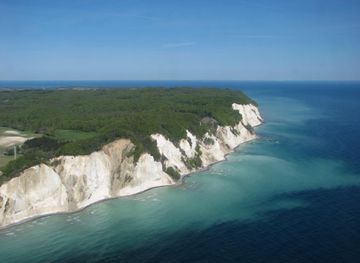
Discover the breathtaking cliffs, rich history, and serene beauty of Møn, Denmark's hidden gem in the Baltic Sea, perfect for nature lovers and history enthusiasts alike.
Explore Møn
Explore more of Denmark
Discover Denmark: A perfect blend of history, modern design, and the cozy concept of hygge. Explore vibrant cities, serene landscapes, and world-class cuisine.
Explore Denmark