
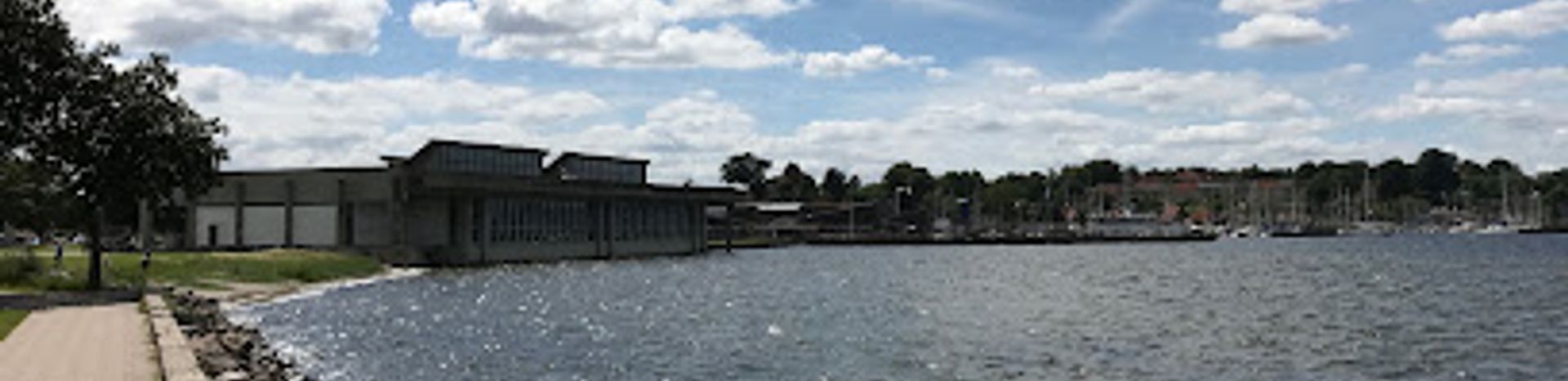
Roskilde Fjord
Shallow Viking waters, bird-rich islands and tranquil trails combine at Roskilde Fjord, where Denmark’s seafaring past meets protected coastal nature.
Roskilde Fjord is a long, shallow inlet north of Roskilde on the island of Zealand, carving almost 40 km into the Danish countryside. Fringed by coves, reed beds and small islands, it forms the aquatic heart of Skjoldungernes Land National Park and is a vital breeding ground for waterbirds. Today its calm, brackish waters host kayakers, sailors, anglers and Viking ship replicas, while trails, viewpoints and quiet harbours make the shoreline ideal for slow exploration and nature-watching.
A brief summary to Roskilde Fjord
- DK
- Duration: 1.5 to 6 hours
- Free
-
 Outdoor
- Mobile reception: 4 out of 5
Local tips
- Bring binoculars or a zoom lens; many of the fjord’s most interesting birds and island vistas are best appreciated from a distance.
- Dress in windproof layers, even in summer, as breezes over the open water can feel noticeably cooler than in town.
- If you plan to kayak, sail or fish, check local regulations in advance, including any seasonal closures in protected bird areas.
- Combine a shoreline walk with a visit to nearby historical sites such as the Viking Ship Museum to understand the fjord’s maritime heritage.
- Sunrise and late evening often offer the calmest water and most atmospheric light for photography along the fjord.

For the on-the-go comforts that matter to you
- Restrooms
- Drink Options
- Drinking Water
- Food Options
- Seating Areas
- Sheltered Areas
- Picnic Areas
- Trash Bins
- Information Boards
- Visitor Center
Getting There
-
Train and local bus from Copenhagen
From central Copenhagen, take a regional train to Roskilde Station, a journey of about 25–30 minutes with frequent departures throughout the day. From the station, local buses run towards the harbour and other fjord-side areas in roughly 10–20 minutes depending on the stop, with adult single tickets typically in the 25–40 DKK range. Services operate year-round but evening and weekend timetables can be less frequent, so check the latest schedule if you are planning a late return.
-
Car from Copenhagen region
Driving from Copenhagen to the Roskilde Fjord shoreline usually takes 30–45 minutes via the main motorway and approach roads, depending on traffic. There are small parking areas near harbours, trailheads and viewpoints along the fjord, generally free or at modest hourly rates of around 10–20 DKK in more central spots. Spaces at popular access points can fill on sunny weekends and during summer holidays, so arrive earlier in the day if you want to park close to the water.
-
Regional train and walking from Roskilde
If you prefer to approach the fjord on foot, take a regional train to Roskilde Station, then walk through town towards the harbour and waterfront. The walk typically takes 20–30 minutes at a relaxed pace along paved streets and paths with some gentle slopes. Surfaces are mostly suitable for sturdy wheelchairs and strollers, though cobbles and occasional uneven sections near the water can make progress slower in wet or icy conditions.
Roskilde Fjord location weather suitability
-
 Clear Skies
-
 Mild Temperatures
-
 Any Weather
-
 Cold Weather
-
 Windy Conditions
-
 Hot Weather
-
 Rain / Wet Weather
Discover more about Roskilde Fjord
A narrow fjord woven into Denmark’s history
Roskilde Fjord is a long, sheltered arm of water reaching deep into northern Zealand, its surface usually ruffled only by wind and passing boats. Fed by both saltwater and freshwater streams, it forms a calm, brackish corridor that once linked the royal city of Roskilde to the wider world. The fjord is mostly shallow, four to five metres in depth, with sandbanks and eelgrass meadows shaping a labyrinth of channels and small islands. For centuries this waterway was a strategic lifeline. During the Viking Age, merchants, warriors and pilgrims sailed here, using the fjord’s protected route to reach the heart of the kingdom. In the late Viking era, ships were deliberately scuttled at the narrow entrance near Skuldelev to block enemy fleets; their remains, discovered in the 20th century, underpin much of what is known today about Nordic shipbuilding.Wild shorelines, islands and protected nature
The fjord’s edges are surprisingly varied: salt marshes and reed beds give way to low clay cliffs, pockets of woodland and gently sloping fields. Around thirty small islands and islets sit scattered across the water, many left largely undisturbed to protect nesting birds and shoreline habitats. This mosaic of coves and shallow bays makes Roskilde Fjord one of Denmark’s most important breeding and resting areas for waterfowl. Migratory geese, ducks and waders feed in the shallows, while cormorants and herons stalk the edges. High overhead you may glimpse the broad wings of a white‑tailed eagle, Denmark’s largest bird of prey, which breeds in the surrounding landscape. Much of the fjord lies within a national park and European conservation zones, and access to some islands is seasonally restricted to safeguard wildlife.Traces of Stone Age hunters and Viking sailors
Human stories here long predate the Viking ships. Along parts of the shore archaeologists have uncovered kitchen middens from the Stone Age, where hunter‑fisher communities discarded shells, bones and flint tools thousands of years ago. Standing by the water today, it is easy to imagine smoke from ancient campfires drifting over the same tidal flats. In later centuries, the fjord underpinned Roskilde’s rise as a political and religious centre. Coastal landings and natural harbours supported trade, while boatyards experimented with clinker‑built hulls that would carry Scandinavian influence across the seas. Modern reconstructions of those vessels still launch into Roskilde Fjord, offering a tangible connection between quiet present‑day waters and their seafaring past.Life on, in and along the water
Despite its protected status, Roskilde Fjord remains an active outdoor playground. Its gentle depths and mostly sheltered conditions make it popular for kayaking, paddleboarding and small sailing boats. Traditional wooden vessels and excursion ships trace leisurely routes between peninsulas and islands, giving passengers wide‑angle views of the national park’s low horizons. Anglers are drawn by the mix of saltwater and freshwater species, including sea trout and other migratory fish that move between the fjord and its feeder streams. On warm days, designated bathing spots along the shores fill with swimmers, while wooden jetties and grassy banks become impromptu picnic spots. Inland, farms and villages still face the water, reflecting a long‑standing relationship between local communities and the fjord.Paths, viewpoints and quiet escapes
For those who prefer to stay on dry land, a network of hiking and cycling trails shadows the coastline. Long‑distance routes wind along field paths and forest tracks, often within sight of the water, connecting small harbours, bird hides and viewpoints. Some stretches feel almost pastoral, with grazing livestock and church spires punctuating the horizon; others are more rugged, where wind, waves and ice have carved the banks. Shelters, simple campsites and scenic promontories offer places to pause and absorb the slow rhythms of the landscape. Dawn and dusk transform the fjord’s mood, flattening the water into glass or throwing islands into silhouette. Whether approached from historical Roskilde at the fjord’s southern end or from smaller northern communities, this waterway reveals itself gradually, rewarding unhurried exploration and a watchful eye for both birds and passing boats.Iconic landmarks you can’t miss

Masterhøj udsigtspost
16.3 km
Bronze Age mound commanding 360-degree views of Roskilde, fjord, and medieval heritage.
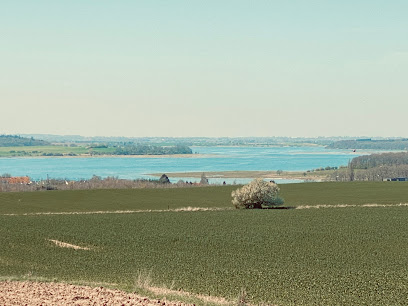
Sct Hans Have
17.2 km
Explore Aarhus’ signature waterfront, where innovative architecture, lively promenades, and maritime history create Denmark’s most vibrant urban shoreline.
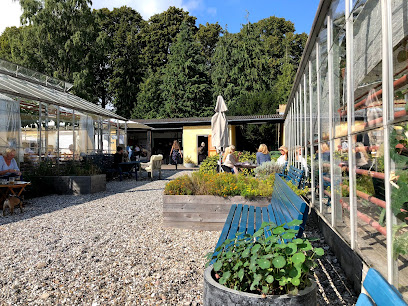
Det Kongelige Palæ i Roskilde
18.7 km
Baroque palace where Danish royalty met democracy, now a vibrant hub for art and culture.
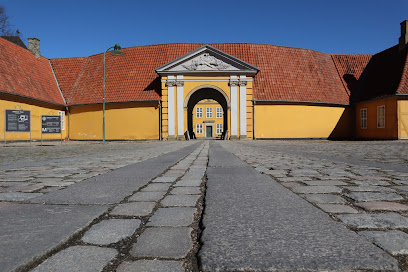
Skänk Beer & Wine bar
19.0 km
Experience Aarhus’ celestial heritage at the Ole Rømer Observatory, where history, culture, and astronomy converge for hands-on stargazing and exploration.
Roskildekrukkerne
19.0 km
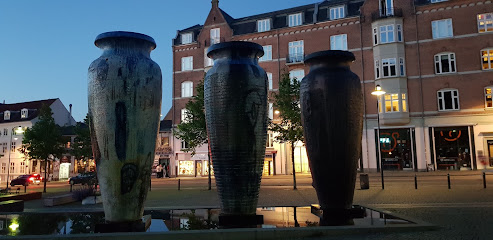
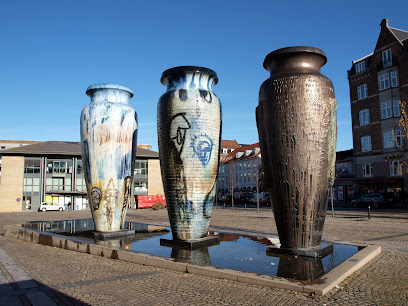
Three colossal ceramic jars rising from a mirrored basin transform Roskilde’s station square into an open-air monument to a thousand years of city history.
Auderødlejren
19.2 km
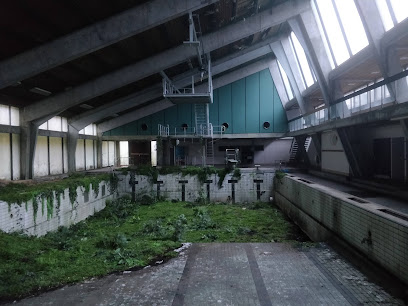
Once a busy Danish Navy barracks, today a quiet, semi‑abandoned camp on Arrenæs where stark military architecture meets lakeside nature and recent history.
Kirppu Hillerød
19.6 km
Discover unique vintage finds and support sustainable shopping at Kirppu Hillerød, Denmark's largest flea market supermarket, offering a treasure trove of pre-loved goods and community spirit.
Skänk øl, vin & madbar Hillerød
20.1 km
Experience Danish craft beers, global wines, and tasty tapas at Skänk in Hillerød, a cozy spot with castle views and a welcoming atmosphere on Torvet square.
Old town hall
20.2 km
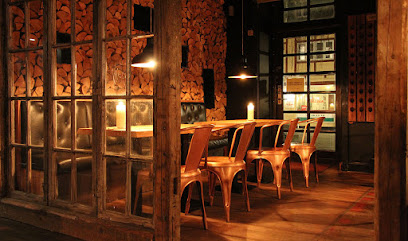
A dignified brick landmark on Hillerød’s main square, the Old Town Hall anchors the town’s civic heart between cobbled streets, cafés and castle views.
Hillerød Rectory
20.2 km
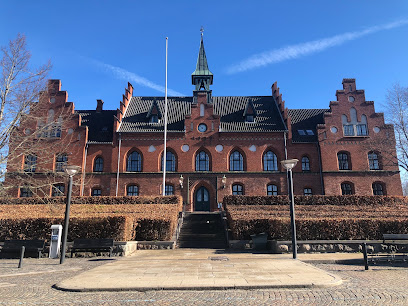
Discover the Befrielsessten in Høgsholt, Vejle—a serene memorial park honoring Denmark's journey to freedom amidst lush landscapes.
Museum of Contemporary Art
20.4 km
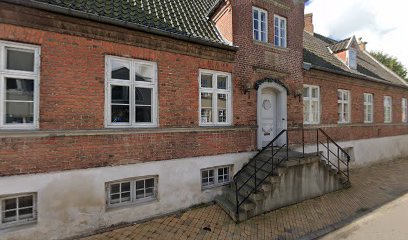
Aarhus waterfront merges cutting-edge architecture, maritime heritage, vibrant city life, and sweeping bay views at Denmark’s most dynamic urban shoreline.
Hillerød St.
20.4 km
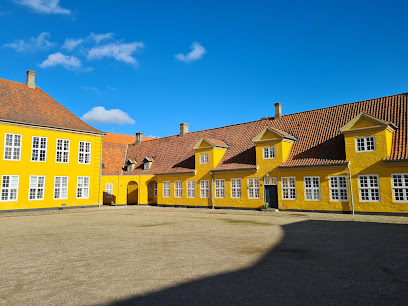
North Zealand's essential transport hub connecting Copenhagen, regional destinations, and Frederiksborg Castle.
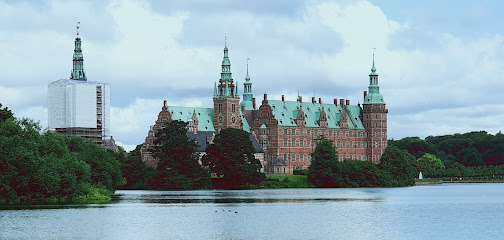
Frederiksborg Castle Chapel
20.5 km
Denmark's most exquisite royal chapel—a 400-year-old sanctuary of Baroque splendor and unbroken spiritual tradition.
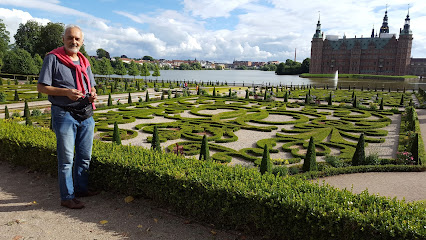
Månemor af Thomas Dambo
20.5 km
A hidden forest guardian crafted from recycled dreams—Dambo's secretive 100th troll awaits discovery.
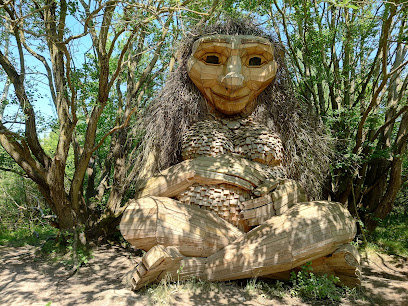
Frederiksborg Castle
20.5 km
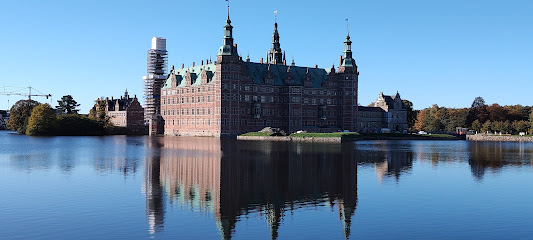
Discover 500 years of Danish history at Frederiksborg Castle, Scandinavia's largest Renaissance castle, home to the Museum of National History and stunning Baroque gardens.
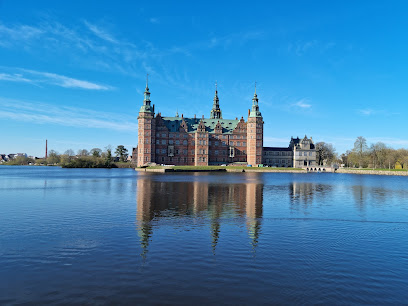
Unmissable attractions to see

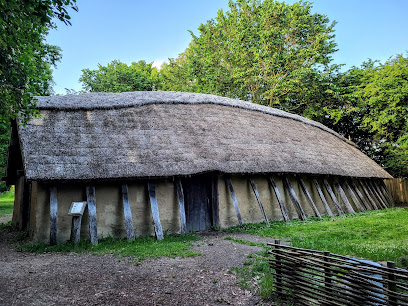
Frederikssund Viking Village
2.2 km
Open‑air Viking village and legendary summer saga play on the shores of Roskilde Fjord, where costumed warriors, longhouses and Norse myths come vividly to life.
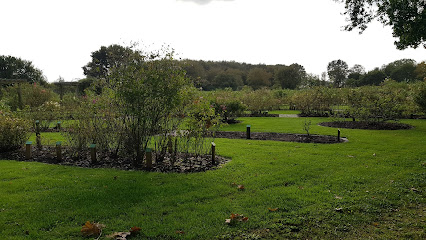
Gerlevparkens Venner
3.1 km
Fragrant roses, rare trees and quiet paths come together in this 10-hectare volunteer-tended park on the edge of Gerlev, a gentle green pause in Fjordlandet.
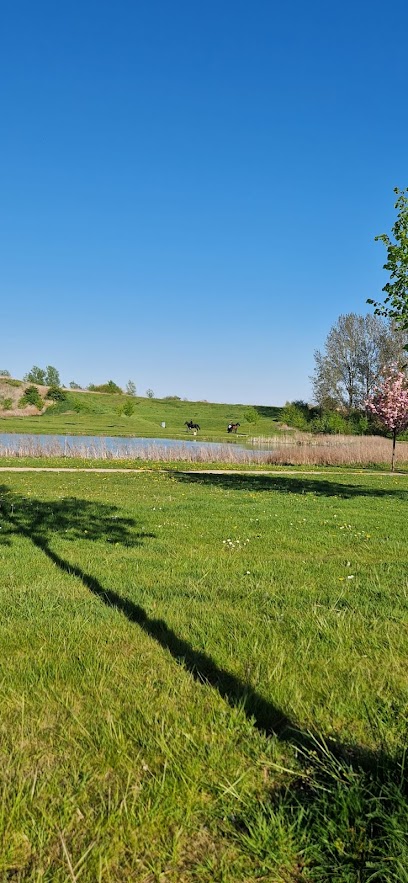
Ølstykke bypark - Bebyggelsen Søhøj Park ligger nord for byparken, fjern ALT med Søhøj også naturlegeplasen
6.6 km
A spacious, low‑key green park in Ølstykke where open lawns, gentle slopes and trees offer a quiet everyday escape for walks, play and simple outdoor pauses.
Jægerspris Castle
7.4 km
Historic royal retreat turned social foundation, with romantic castle views, sculpture‑filled parkland and story‑laden forests between Roskilde Fjord and Isefjord.
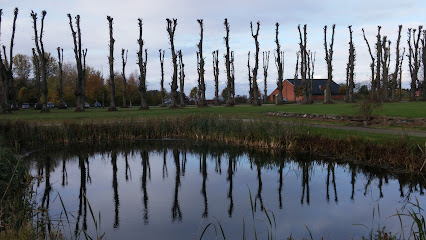
Selsø Castle
8.3 km
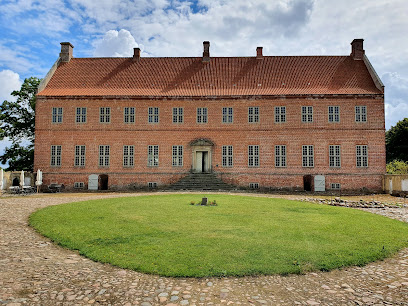
Forgotten for more than a century, Selsø Castle now welcomes visitors into its quietly atmospheric manor rooms and lakeside landscapes in rural Zealand.
LegeJunglen
8.5 km
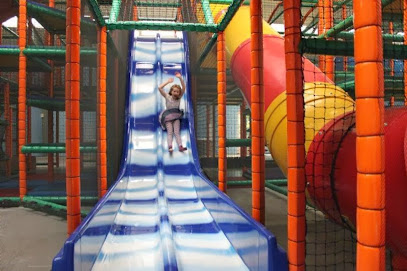
Denmark's largest indoor jungle playground with free adult entry and family-friendly pricing.
Salvadparken
10.4 km
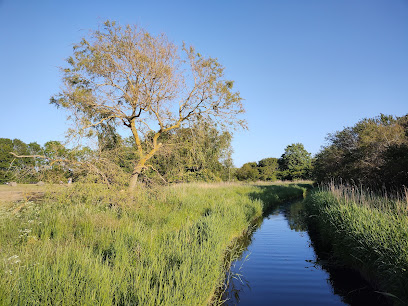
Waterside parkland where rolling Danish countryside meets the tranquil waters of Roskilde Fjord.
Snoegen
11.1 km
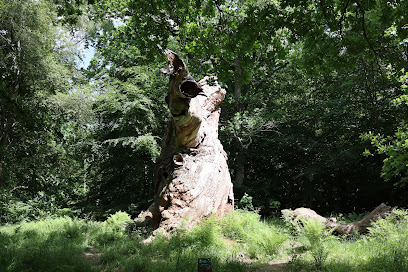
An ancient twisted oak standing as a sculptural forest relic in Jægerspris Nordskov, where centuries of woodland history are etched into spiralling wood.
Nordskoven
11.7 km
Ancient royal oaks, varied woodland and quiet trails create a timeless forest escape in Jægerspris, where Denmark’s oldest trees still anchor the landscape.
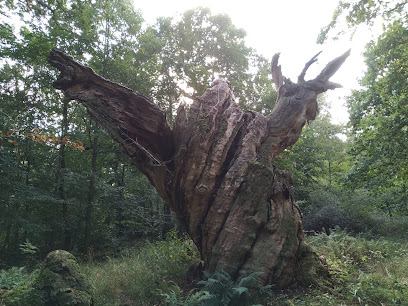
The King Oak
11.9 km
An ancient royal oak hidden in Jægerspris Forest, where centuries of history, legend and woodland life meet in one gnarled, hollow giant.
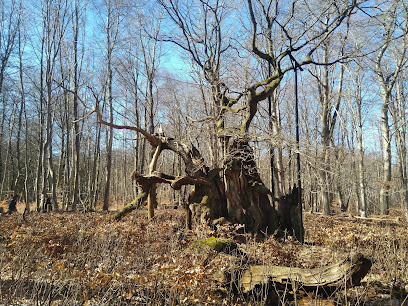
Bolund Halvø
12.1 km
A small Ice Age peninsula in Roskilde Fjord where salt meadows, rare plants, rich birdlife and sweeping views meet on a windswept, car-free moraine hill.
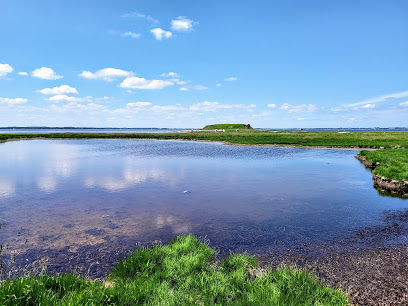
Storkeegen
12.2 km
The weathered remains of the legendary Stork Oak in Jægerspris Nordskov, where centuries of forest history stand preserved in a single monumental trunk.
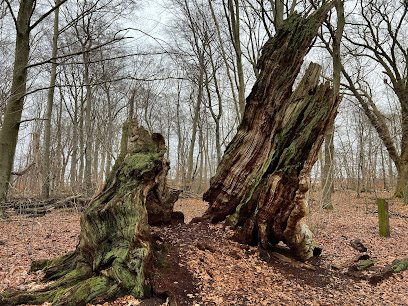
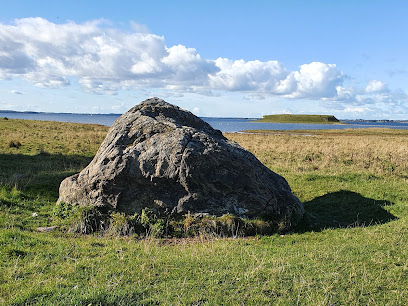
Bolundstenen
12.6 km
A garnet‑studded glacial boulder in a quiet corner of Roskilde Fjord, Bolundstenen reveals deep‑time geology amid meadows, low moraines and wide Danish skies.
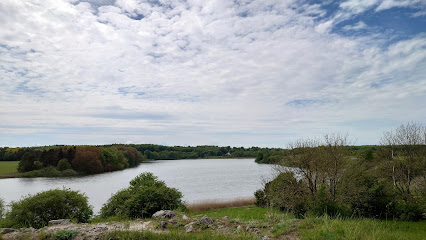
The Bastrup Tower
13.4 km
A massive 12th-century stone tower rising above Bastrup Lake, blending medieval military power, quiet countryside and evocative ruin in rural North Zealand.
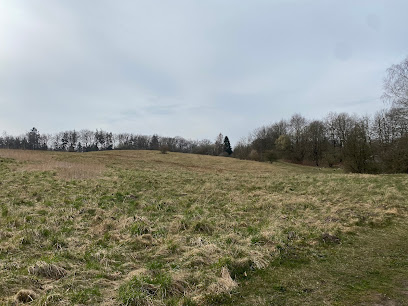
Nationalpark Skjoldungernes Land
15.1 km
Ice Age hills, fjord horizons and saga‑laden burial mounds weave together in Skjoldungernes Land, Zealand’s first national park and a living tapestry of Danish nature and history.
Essential places to dine

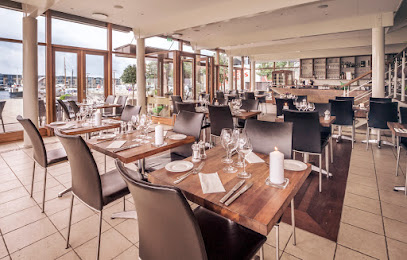
Restaurant Toldboden
3.0 km
Contemporary Nordic dining with fjord views and three-star Danish recognition in a luminous waterfront setting.
Restaurant Vigen
15.3 km
Waterfront Danish dining on Roskilde Fjord, where smørrebrød lunches and sunset dinners share the stage with sweeping views towards Roskilde’s historic skyline.
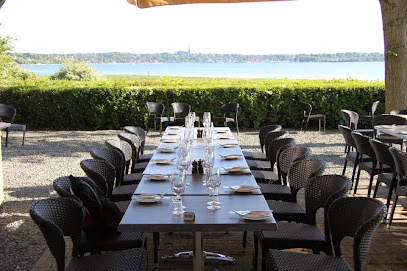
M/S Sagafjord - Restaurant Roskilde
17.7 km
Classic restaurant ship gliding across Roskilde Fjord, pairing seasonal local cuisine with slow, scenic cruises from the harbour’s edge.
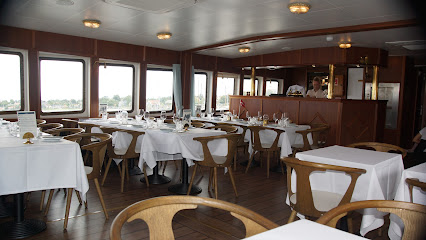
Café Fjordliv
17.8 km
Harbourfront Nordic–French café in Roskilde with its own sourdough bakery, organic coffee and seasonal small plates served beside the calm waters of the fjord.
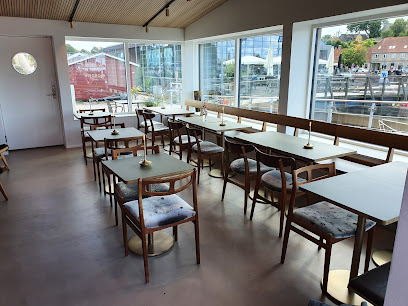
Snekken Trattoria
17.8 km
Waterfront Italian-inspired dining on Roskilde Harbour, pairing fjord views and a large terrace with relaxed brasserie dishes, brunch and all‑day service.
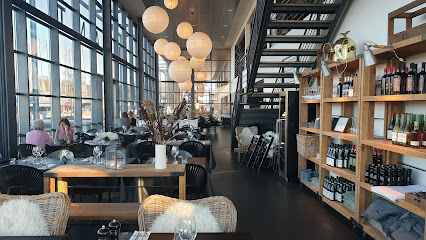
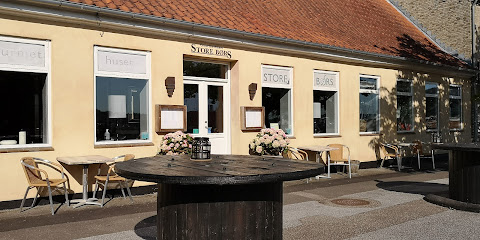
Restaurant Store Børs
17.9 km
Seasonal Danish gourmet dining overlooking Roskilde Fjord, where ingredient quality and informal elegance meet.
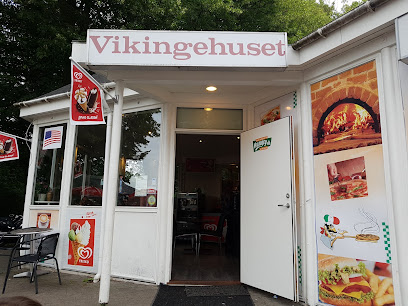
Viking Pizza Roskilde
18.2 km
Hearty pizzas and grill classics near Roskilde’s Viking harbour, serving no‑nonsense comfort food for families, locals and museum‑goers from late morning to evening.
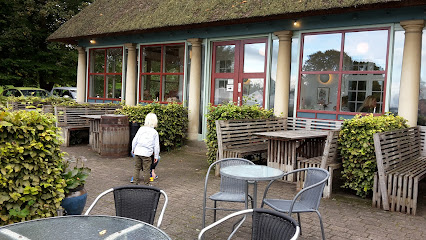
Pipers Hus
18.3 km
Classic Danish comfort food in a park pavilion with sweeping views over Roskilde Bypark, the harbour and fjord, blending city dining with a touch of nature.
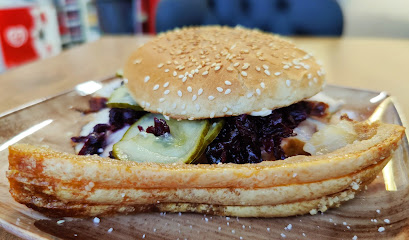
Bauhaus Grill
18.5 km
Unpretentious Danish burgers and flæskesteg sandwiches at budget-friendly prices in central Hillerød.
Restaurant Raadhuskælderen
18.8 km
Historic cellar dining beneath Roskilde’s old town hall, serving classic Danish smørrebrød and hearty dishes in a warm, modern-meets-traditional setting.
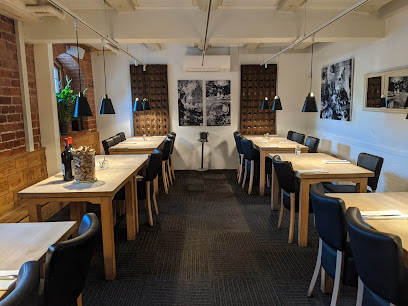
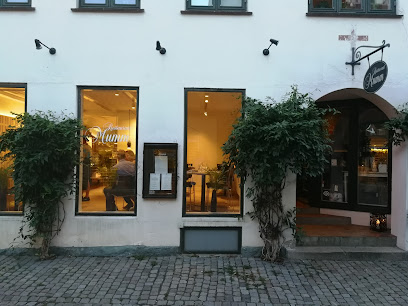
Restaurant Mumm I/S
18.8 km
Slow-food focused, seasonal small-plate dining in an intimate Roskilde townhouse with a leafy summer courtyard and a distinctly Nordic, wine-led evening atmosphere.
Rib House
18.8 km
Hearty ribs and grill classics in a relaxed, family‑friendly steakhouse tucked into a central Roskilde courtyard near the city’s historic sights.
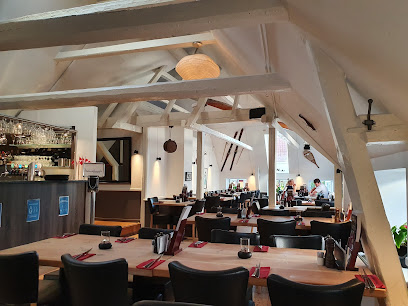
Florentz Cafe & Brasserie - Restaurant Roskilde
18.8 km
French-inspired café and brasserie in Roskilde’s historic Hotel Prindsen building, serving brunch, bistro classics and drinks on lively pedestrian Algade.
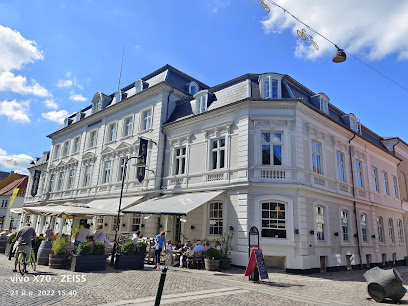
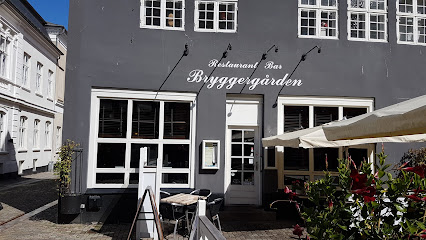
Bryggergården
18.9 km
Traditional Danish cooking and local beers in a historic former brewery house on Roskilde’s main pedestrian street, blending cozy interiors with lively street life.
Restaurant Upstairs
18.9 km
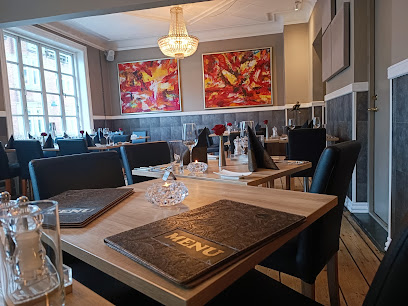
Elevated European dining in historic Roskilde, where seasonal ingredients and skilled craftsmanship meet Nordic warmth.
Markets, malls and hidden boutiques

Plantorama Hillerød
18.3 km
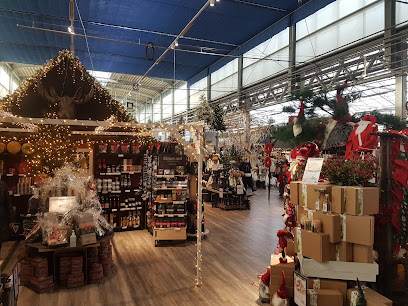
A 10,000 m² green universe in Hillerød, where plants, pets, home décor and a cosy café turn a simple shopping trip into a relaxed family outing.
Red Cross Op Shop
18.6 km
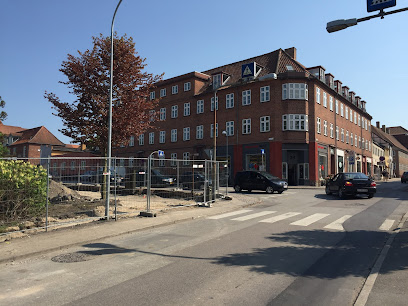
Volunteer-run Red Cross thrift shop in central Roskilde, where affordable second-hand finds and everyday browsing quietly support humanitarian work.
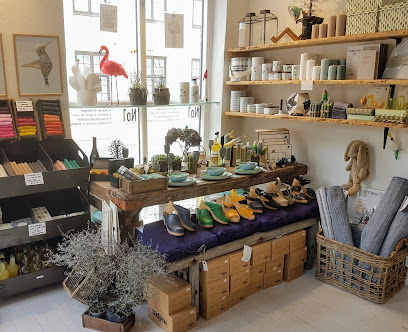
No 1 Butik
18.7 km
Intimate Roskilde lifestyle boutique blending Nordic design, playful gifts and gourmet treats into one cozy, carefully curated shopping stop.
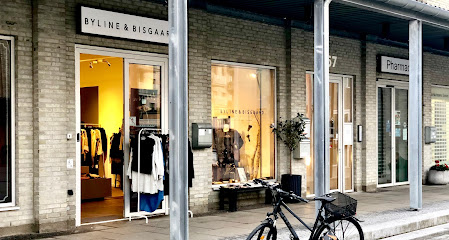
Byline Denmark (tidligere Byline & Bisgaard)
18.8 km
A cozy courtyard boutique in the heart of Roskilde, blending Scandinavian fashion, accessories, and gift ideas in a calm, well-curated setting.
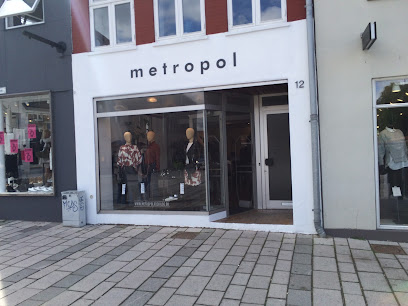
Metropol
18.8 km
Intimate Roskilde boutique in Djalma Lunds Gård, blending Scandinavian style, curated labels and a touch of vintage in a calm, welcoming shopping space.
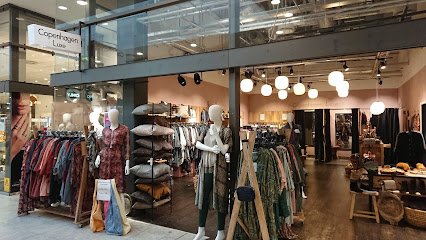
Copenhagen Luxe Roskilde
18.8 km
Curated Scandinavian fashion in natural materials on Roskilde's pedestrian shopping street.
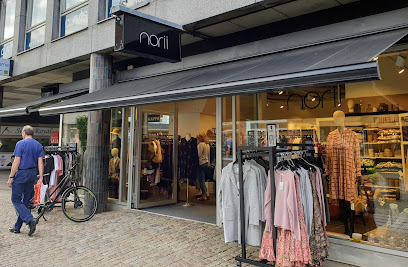
NORII Roskilde
18.8 km
A cozy Scandinavian womenswear boutique on Roskilde’s Algade, offering curated, timeless pieces and personal service in the heart of the historic city.
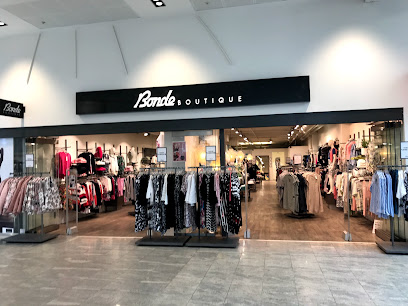
Bonde Boutique
18.9 km
A long-standing Danish womenswear boutique inside Roskilde’s Ro’s Torv mall, blending classic Scandinavian style, modern brands and easy indoor shopping comfort.
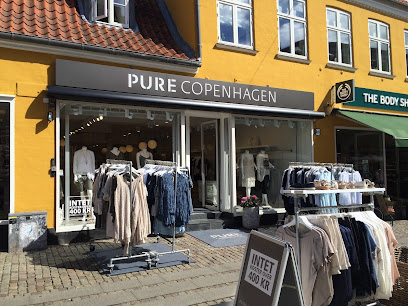
PURE Copenhagen
18.9 km
A cosy Roskilde boutique blending Scandinavian-inspired women’s fashion, personal styling, and a relaxed neighbourhood feel right on historic Algade.
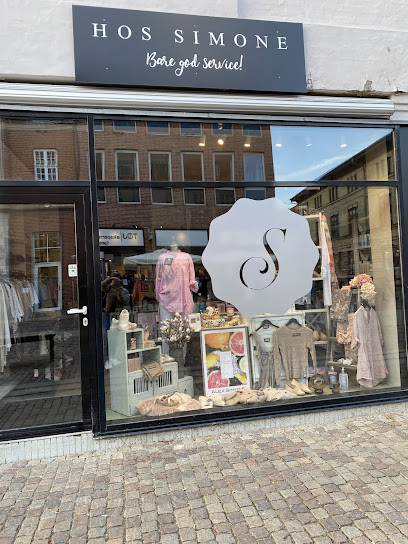
Hos Simone
18.9 km
Cosy mother‑and‑daughter women’s boutique on Roskilde’s main street, offering wearable Scandinavian style, fair prices and warmly personal, small‑town service.
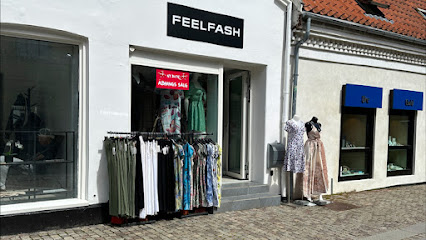
Feelfash
18.9 km
Intimate fashion boutique on Roskilde’s Algade, blending Danish street style with occasion-ready looks in a compact, curated setting.
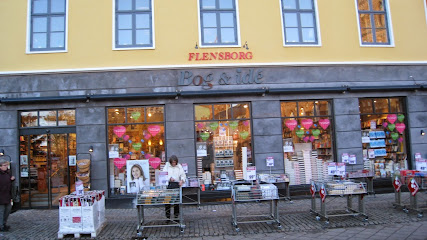
Bog & Idé
18.9 km
Central Roskilde’s cozy book and gift shop, where classic Danish bookselling meets games, stationery and everyday essentials on historic Stændertorvet.
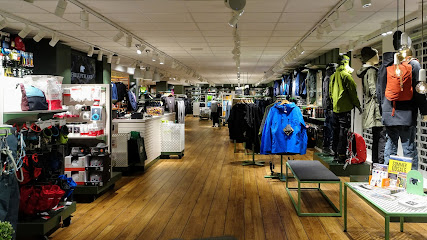
Friluftsland
18.9 km
Specialist outdoor shop in central Roskilde, equipping you with quality clothing, footwear and gear for Scandinavian weather, local escapes and longer adventures.
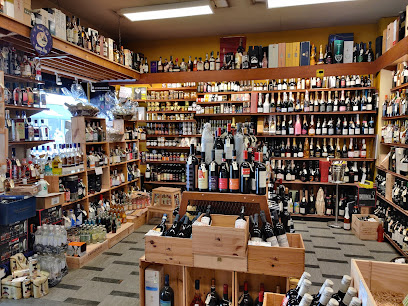
Den franske vinhandel
18.9 km
Historic Roskilde wine merchant with a cavernous cellar, freshly roasted coffee and gourmet treats, turning a simple shopping stop into a richly flavoured experience.
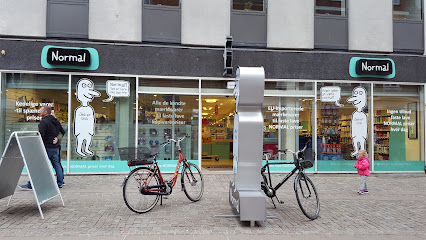
Normal
18.9 km
Brand-name products at unbeatable prices in central Roskilde's premier discount store.
Essential bars & hidden hideouts

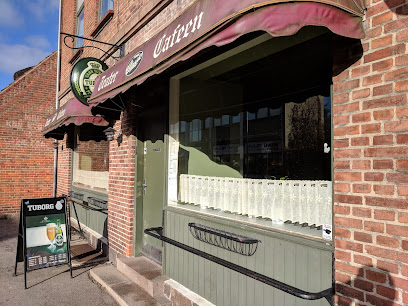
Teatercaféen
18.2 km
Unpretentious local beer hall in Roskilde where everyday life, cheap drinks and warm conversation matter more than design or trends.
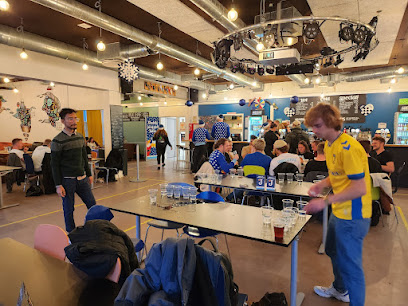
RUCbar - café & bar
18.3 km
Student-run café-bar at Roskilde University’s Student House, serving affordable drinks and coffee in a relaxed campus hangout from lunchtime into the evening.
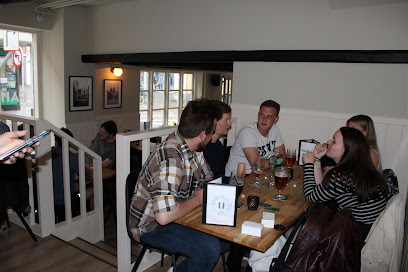
PAUSE
18.9 km
Intimate wine and beer bar in Roskilde's historic center, celebrating Nordic hospitality and craft beverages.
PROP Vin og Tapasbar
18.9 km
Intimate Roskilde wine bar pairing curated bottles with Mediterranean-inspired tapas in a candlelit room and sheltered courtyard, strictly for a relaxed 25+ crowd.
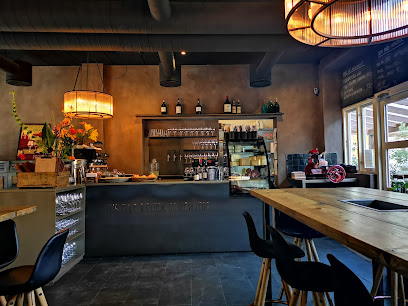
Ruder Konge Bodega
18.9 km
A timeworn Danish bodega in central Roskilde, offering cheap beer, pool tables and unpretentious pub life just off the city’s main pedestrian street.
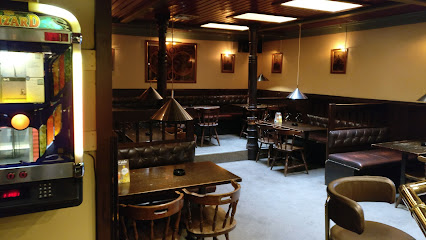
Gullanden
19.0 km
An unpretentious Roskilde pub with darts, DJ nights, cold beer and a loyal local crowd, where evenings stretch easily into the early hours.
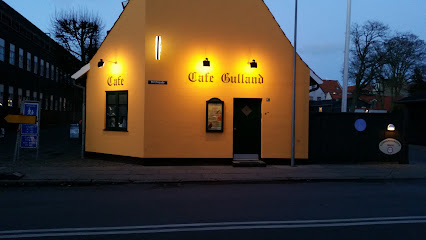
Klosterkælderen
19.0 km
Roskilde's premier craft beer cellar with 200+ beers and authentic Danish pub charm.
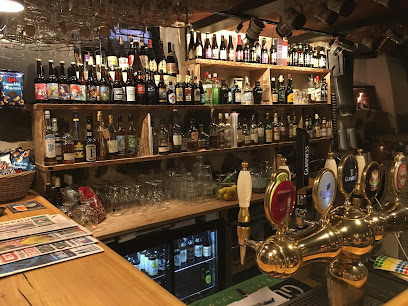
Mulligans Irish Pub
19.0 km
Authentic Irish pub in two storeys with live music, craft beers, and vibrant social atmosphere in central Roskilde.
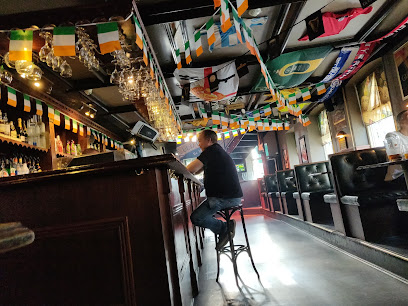
Copé Lounge
19.0 km
Urban lounge bar by Roskilde’s main square, blending backyard summer vibes, easygoing cocktails and cosy Danish hygge late into the night.
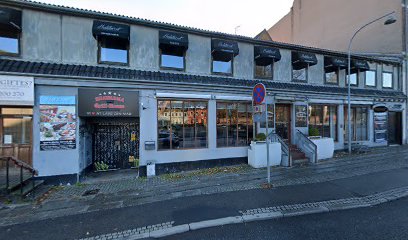
Georges Bodega
19.1 km
Old-school Danish bodega at Roskilde’s Hestetorvet, pouring cold beer from morning to late night with indoor smoking, local regulars and station-square views.
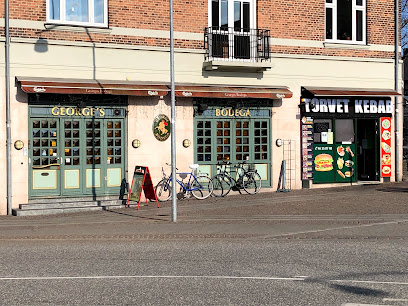
Gustav Wieds - Byens Ølbar
19.1 km
Craft-focused neighbourhood beer bar in central Roskilde, combining eight rotating taps, a cosy wooden interior, jukebox tunes and billiards in a relaxed local atmosphere.
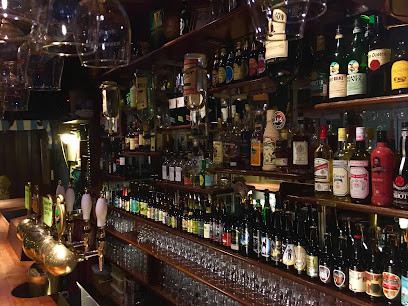
28 Live
19.1 km
A lively “youth club for adults” in central Roskilde, blending bar, games, live shows, sport and nightclub energy under one sociable roof.
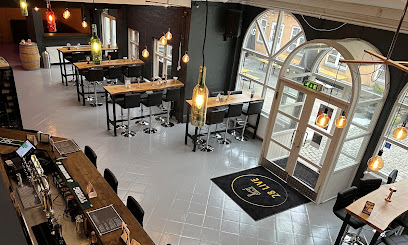
Roskilde Bodega
19.5 km
Classic Danish corner bar on Holbækvej with pool, darts, slot machines and a lively local crowd, offering an unpolished, authentic bodega atmosphere from day to late night.
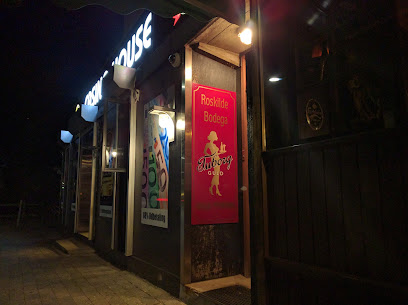
Møllen
20.1 km
A welcoming Danish bodega in Hillerød's heart, where locals gather for drinks, snacks, and authentic social connection.
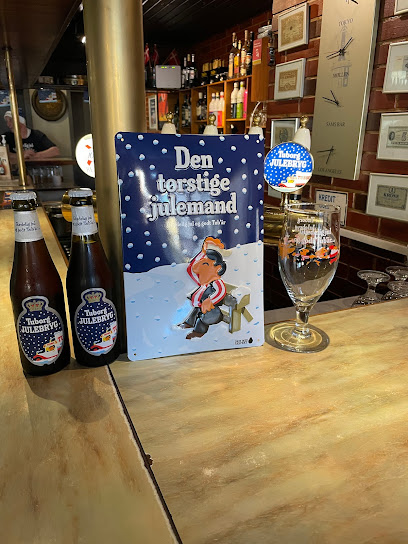
The Old Irish Pub
20.2 km
Lively Irish-style bar and late-night dance venue on Hillerød’s central square, pouring pints, playing hits and catering to a sociable, mature party crowd.
Nightclubs & after hour spots

Den Dansende Viking
9.4 km
High-energy suburban nightclub in Egedal Centret, serving packed dance floors, late-night DJ sets and budget-friendly drinks for party-focused weekends.
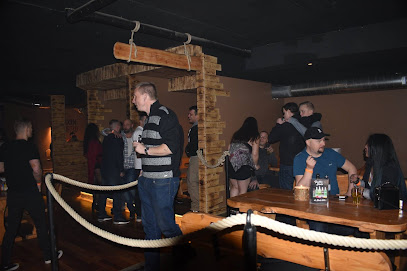
Danseriet
19.0 km
Frivilligdrevet danseklub i Roskilde med stort dansegulv, livebands og hyggelig stemning for danseglade gæster på tværs af aldre og niveauer.
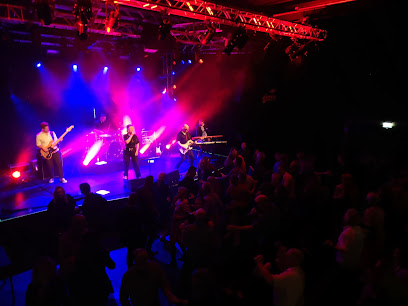
Garbos Roskilde
19.1 km
Cozy neighborhood nightclub in central Roskilde, blending casual bar vibes with a compact dance floor and late-night weekend energy on Hersegade.
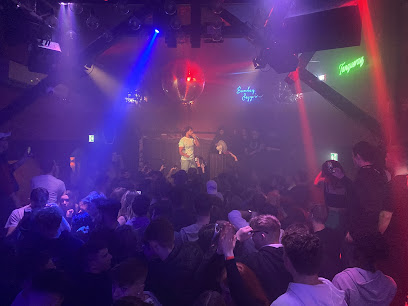
Dansebar Roskilde
19.2 km
Roskilde's premier multi-floor nightclub with dual dance spaces, three bars, and DJ-driven energy until dawn.
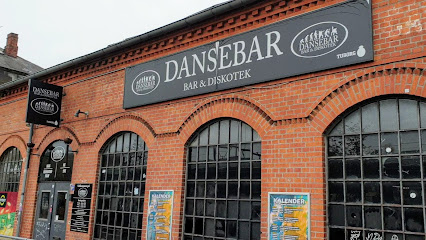
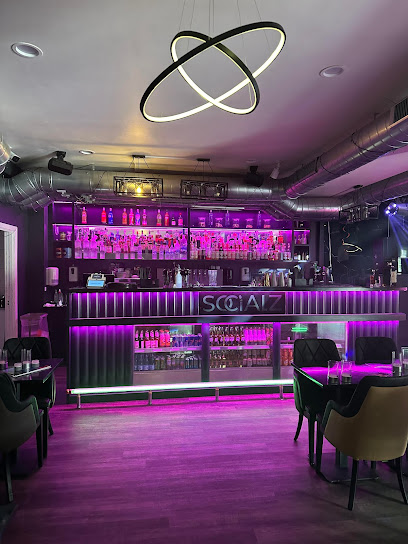
Socialz
20.2 km
Intimate cocktail bar and nightclub in the heart of Hillerød, blending shisha lounge vibes, late-night DJ sets and a compact dance floor on lively Slotsgade.
Rytmisk Musikforening Steps Ahead
20.3 km
Dynamic live music venue in Roskilde, specializing in jazz and contemporary genres, with an intimate setting and vibrant community engagement throughout the year.
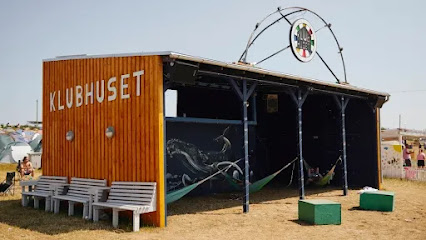
Klubhuset
21.6 km
Low-key local clubhouse turned disco-style nightspot, where a simple bar, small dance floor and regulars’ vibe create relaxed, unpretentious nights in Roskilde.
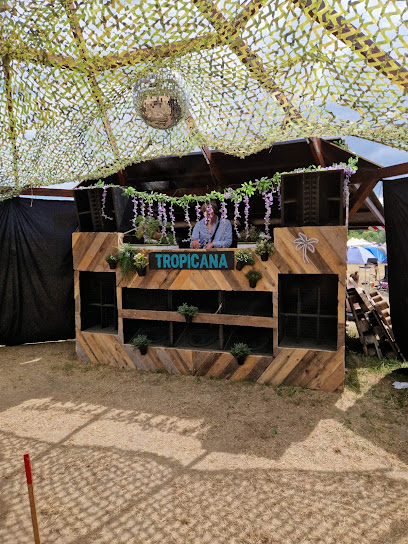
Tropicana DC
21.7 km
Compact Latin-flavoured nightclub on Roskilde’s industrial edge, delivering loud beats, simple drinks and a late-night dancefloor focused purely on partying.
Club El Diablo
23.9 km
Adults-only entertainment venue offering a discreet, welcoming atmosphere for private social experiences.
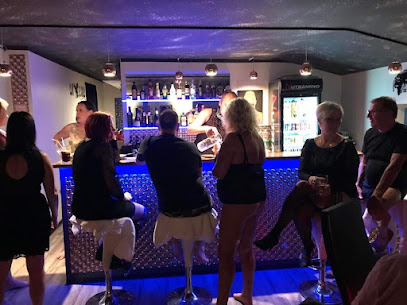
Afrobeat Palace Nightclub
32.1 km
Discover the energetic Afrobeat Palace Nightclub in Copenhagen, where music, dance, and multicultural vibes unite for an unforgettable nightlife experience.
Falafelberg
32.5 km
Discover the pulsating nightlife of Frederiksberg at Falafelberg, a night club offering delicious falafel and electrifying music for an unforgettable experience.
Haven - Events
33.1 km
Discover the electrifying nightlife at Haven, Frederiksberg's top night club, where music, dance, and fun come together for an unforgettable experience.
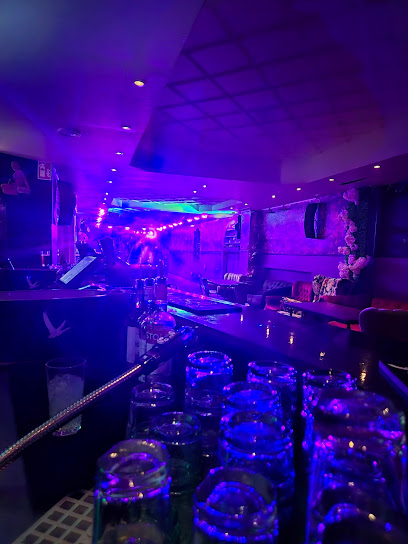
SIGURD CPH
33.2 km
Discover the pulse of Copenhagen's nightlife at SIGURD CPH, where vibrant dancing, fine wines, and pachinko gaming come together for an unforgettable experience.
Temple Bar
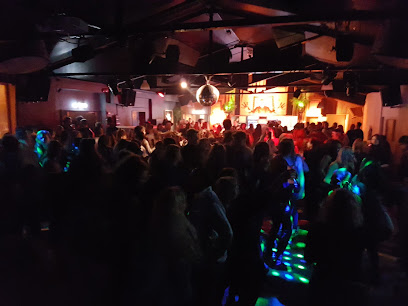
33.9 km
Discover the energetic vibe of Temple Bar in Nørrebro, Copenhagen, where great drinks and lively entertainment meet.
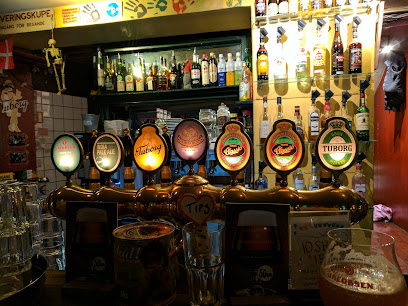
RUST Natklub
34.0 km
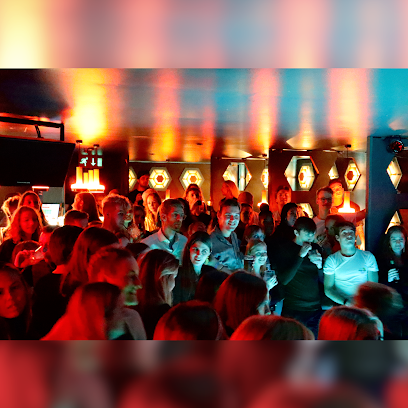
Discover the pulsating heart of Copenhagen's nightlife at RUST Natklub, where eclectic beats and vibrant energy come together for an unforgettable experience.
For the vibe & atmosphere seeker
- Tranquil
- Zen
- Scenic
- Relaxing
- Unique
- Casual
- Adventurous
For the architecture buff
- Parks & Gardens
- Viewpoints
- Heritage Neighborhoods
For the view chaser and sunset hunter
- Iconic Views
- Panoramas
- Sunrise Spots
- Sunset Spots
- Waterfront
For the social media creator & influencer
- Photo Spots
- Selfie Spots
- Reel-Friendly
- Instagrammable
- Architectural Shots
For the eco-conscious traveler
- Protected Area
- Nature Reserve
- Low Impact
- Public-Transport Accessible
- Wildlife Habitat
- Leave-No-Trace Critical
For the kind of experience you’re after
- Nature Escape
- Photowalk
- Roadtrip Stop
- Day Trip
- Mindfulness
- Myth & Legends
- Adventure Photo Shoot
- Weekend Getaway
- Cultural Heritage
For how adventurous you want the journey to be
- Easy Access
- Requires Hike
Location Audience
- Family Friendly
- Senior Friendly
- Child Friendly
- Teen Friendly
- Solo Friendly
- Couple Friendly
- Solo Female Friendly
- Vegetarian Friendly
- Vegan Friendly


