Storkeegen, North Zealand Travel Guide
The weathered remains of the legendary Stork Oak in Jægerspris Nordskov, where centuries of forest history stand preserved in a single monumental trunk.
Deep in Jægerspris Nordskov, Storkeegen – the Stork Oak – stands as the ghostly remains of one of Northern Europe’s most venerable pedunculate oaks. Once part of a trio of legendary ancient trees together with Kongeegen and Snoegen, this now-dead giant is estimated to have been many centuries old and long served as a natural landmark and source of local lore. Today visitors follow quiet forest paths to its weathered trunk, experiencing both wild Danish woodland and a powerful sense of time and transience.
A brief summary to Storkeegen
- Jægerspris, 3630, DK
- Duration: 0.5 to 2 hours
- Free
-
 Outdoor
- Mobile reception: 3 out of 5

Know before you go
Hi, I'm Eve. Here are a few practical things to know before exploring Storkeegen.
- Wear sturdy, closed shoes; the paths through Nordskoven can be muddy and uneven, especially after rain.
- Combine Storkeegen with a loop that also visits Kongeegen and Snoegen to appreciate the full trio of ancient oaks.
- Bring water and snacks, as there are no facilities directly at the tree and only limited amenities near the forest edge.
- Visit on a clear day if you enjoy forest photography; angled sunlight brings out the textures of the dead trunk and surrounding greenery.
- Keep to marked paths to protect the fragile forest floor and the root zones of the remaining veteran oaks.
Do you manage this location?
Take control to get all the benefits, like improved information, better appearance, and stronger visibility across AI-powered discovery. Learn more about listing your business on Evendo
Activate your presenceOther nearby places you may find interesting
The closest places of the same kind, if this one is not quite what you had in mind.
Explore Storkeegen on the Map
A handpicked selection of must-see spots near Storkeegen, mapped for you.
Getting There
-
Car from Jægerspris town
From central Jægerspris, driving to the forest access near Nordskoven typically takes about 10–15 minutes, depending on traffic. Parking is generally free near the forest edge, but spaces can be limited on fine weekends. From the parking area you should expect a further 15–25 minutes of walking on forest paths to reach Storkeegen. There are no entrance fees for the forest, and normal car fuel costs apply for the short journey.
-
Bus and walk from Frederikssund
From Frederikssund, regional buses run to Jægerspris with journey times of around 20–30 minutes and typical adult fares in the range of 20–40 DKK, using standard Danish public transport tickets. From the bus stop in Jægerspris, you should allow roughly 30–45 minutes on foot along local roads and forest tracks to reach the Nordskoven access point and then Storkeegen. Services run regularly during the day, but evening and weekend departures can be less frequent, so check timetables in advance.
-
Cycling from the surrounding area
Cycling from nearby villages or from Jægerspris to Nordskoven is a popular low-impact option, typically taking 20–35 minutes depending on your starting point. The terrain is mostly gentle with a few small rises, and standard road or touring bikes are sufficient. There is no fee for entering the forest with a bicycle, but you should follow local signs and keep to permitted paths. In wet weather, some unpaved sections near the forest can become soft and require extra care.
For the on-the-go comforts that matter to you
-
 Information Boards
Discover more about Storkeegen
An ancient oak at the heart of Nordskoven
Storkeegen sits in the depths of Jægerspris Nordskov, a sprawling forest on the Horns Herred peninsula in North Zealand. Once a living pedunculate oak of extraordinary size and age, it belonged to a small group of remarkable trees that made this woodland famous: Kongeegen (the King’s Oak), Snoegen (the Twisted Oak) and Storkeegen (the Stork Oak). Even though Storkeegen is no longer alive, its thick, timeworn trunk still rises from the forest floor, a striking reminder of how long oaks can endure in the Danish landscape.When foresters assessed it in the 20th century, the tree’s age was estimated at many hundreds of years, placing its origins back in the Middle Ages. Over time storms, fungi and old age hollowed the trunk and reduced the crown, but the core remained standing. The last living branch finally died in the late 20th century, turning Storkeegen from a living veteran tree into a monumental relic surrounded by younger forest.The story behind the ‘Stork Oak’ name
Storkeegen’s name is closely tied to the birds that once chose it as their vantage point over Nordskoven. High in the canopy a stork built its nest, making the oak a recognizable landmark long before signposts and GPS coordinates. The sight of a stork perched in the crown of an already imposing tree helped cement the oak’s identity and gave rise to tales that intertwined local wildlife, weather omens and harvest luck.Over the centuries the tree became a fixed reference in the mental map of people living around Jægerspris. Foresters used it as a marker when describing boundaries, while walkers and hunters oriented themselves by the massive silhouette that rose above the surrounding woodland. Although the nest and birds are long gone, the name survives as a reminder of the close relationship between the forest and the creatures that use its oldest trees.A living museum of Danish woodland history
Nordskoven is more than just a backdrop to Storkeegen; it is a historic cultural landscape in its own right. The forest forms part of the lands associated with Jægerspris Castle, and today it is managed with a strong emphasis on preserving its ancient oaks and semi-natural character. Paths wind over gentle terrain, passing marshes, clearings and stands of beech and oak that illustrate how Danish forests have shifted through centuries of changing land use.Within this mosaic, Storkeegen and its companions represent continuity. They have witnessed grazing, royal hunting traditions and modern forestry, surviving periods when many large trees were felled for shipbuilding or construction. Seeing the dead trunk alongside still-living veterans nearby gives a tangible sense of succession: older giants gradually decay into habitat for insects, fungi and birds, while younger trees push up through the canopy gaps.Experiencing the remains of a forest giant
Reaching Storkeegen today feels more like encountering a natural sculpture than a conventional attraction. The approach is typically along soft forest tracks, with birdsong and the rustle of leaves growing louder as traffic noise fades. The oak itself appears suddenly between younger trunks, its bark deeply fissured, the interior hollowed and dark. The absence of a leafy crown accentuates the twisted lines of the wood and the sheer girth of the trunk.Visitors often circle the remains slowly, noticing where lightning, wind and decay have carved openings, and where mosses and lichens have colonised old wounds. In damp weather the wood darkens and the forest smells of earth and humus; in bright sunshine the textures of the bark stand out sharply against the greenery behind. Information boards in the wider forest explain the significance of the ancient oaks and suggest walking routes that link Storkeegen with Kongeegen and Snoegen, turning the visit into a short pilgrimage between legendary trees.A quiet place for reflection in all seasons
Storkeegen is not a place of facilities and bustle but of silence and reflection. In spring the surrounding forest floor may be dotted with anemones, while fresh green leaves frame the sombre remains of the oak. Summer highlights the coolness of the shady paths and the contrast between living canopy and dead heartwood. Autumn brings rich colours and falling leaves that gather against the base of the trunk, reinforcing the sense of cycles. Even in winter, when the forest is bare and the sky pale, the stark outline of Storkeegen against the horizon underlines its role as a memento of time.For many visitors, the experience is as much about mood as about botany or history. Standing beside the hollow stem, you can place a hand on the bark and imagine how many generations have done the same, or picture the stork’s nest that once crowned it. Combined with the calm atmosphere of Nordskoven and the nearby presence of other ancient oaks, Storkeegen offers a compact but powerful encounter with nature, memory and the long lifespan of trees.












Your all‑in‑one travel companion app
Explore expert travel guides, compare and book tours, experiences, hotels, and more—all from the palm of your hand. Download now for seamless trip planning wherever your wanderlust takes you.


Explore More of North Zealand
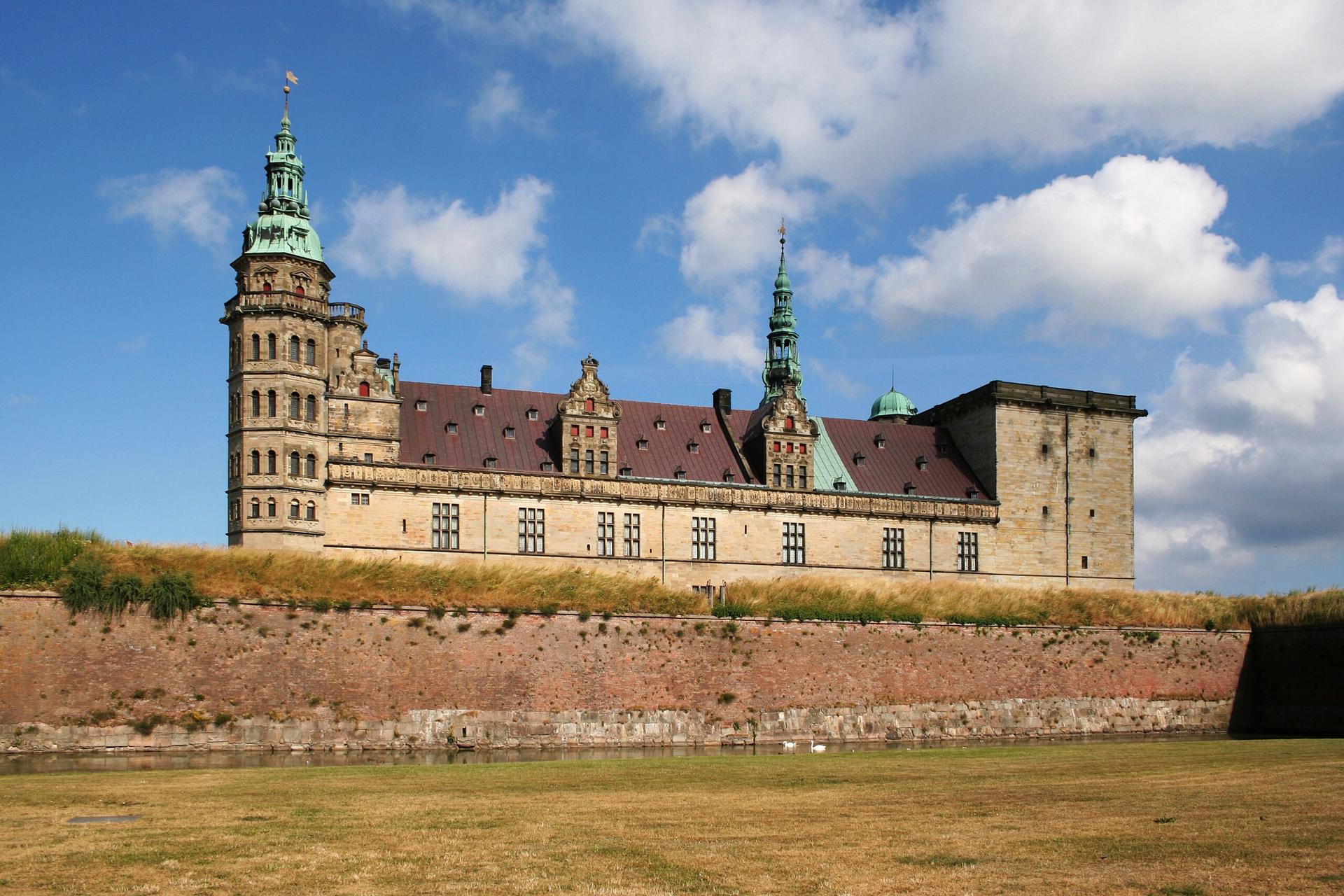
Looking beyond Storkeegen? Discover North Zealand for broader travel guides, local hot-spots, and regional highlights.
Explore North Zealand