
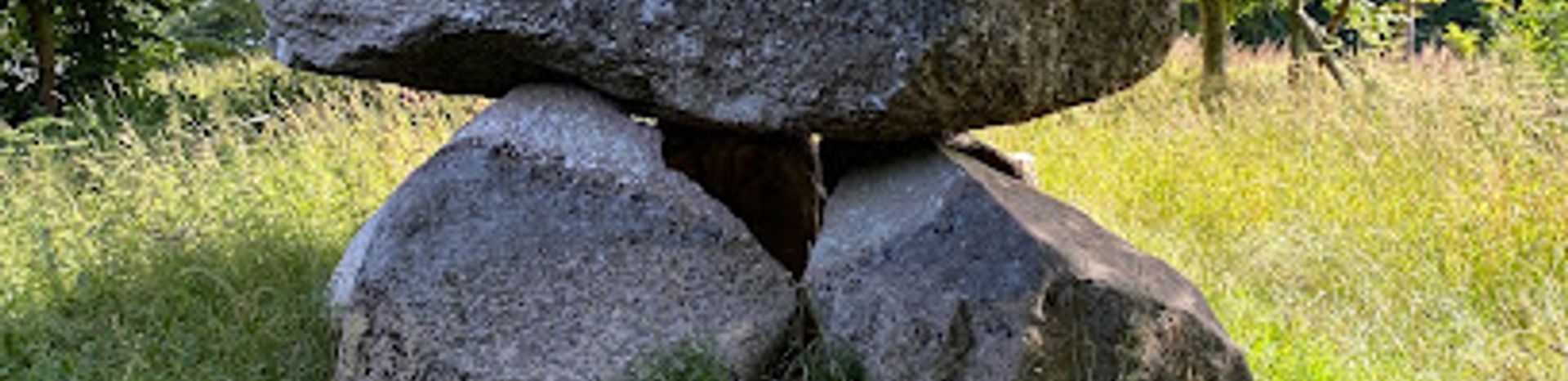
Carlsstenen – Grønnessedyssen Megalith in Grønnesse Forest
A quiet Stone Age dolmen deep in Grønnesse Forest, where a huge glacial boulder crowns an ancient tomb once chosen to grace Denmark’s five-kroner banknote.
Hidden among the tall trees of Grønnesse Forest near Hundested, Carlsstenen – also known as Grønnessedyssen – is an evocative Stone Age dolmen crowned by a huge glacial boulder. Raised around 3500 BCE, this megalithic tomb combines raw granite drama with soft woodland atmosphere. Once featured on a Danish banknote, it offers a quiet, atmospheric glimpse into prehistoric ritual life, set just inland from the shores of Roskilde Fjord and close to the historic Grønnessegaard estate.
A brief summary to Carlsstenen - Grønnessedyssen
- Hundested, DK
- Duration: 0.5 to 1.5 hours
- Free
-
 Outdoor
- Mobile reception: 3 out of 5
- Monday 12 am-12 am
- Tuesday 12 am-12 am
- Wednesday 12 am-12 am
- Thursday 12 am-12 am
- Friday 12 am-12 am
- Saturday 12 am-12 am
- Sunday 12 am-12 am
Local tips
- Wear sturdy, preferably waterproof shoes; the forest paths and clearing around the dolmen can be soft or muddy after rain.
- Combine a visit with a walk toward Roskilde Fjord or around Grønnesse Forest to appreciate how the monument relates to the wider landscape.
- Aim for early morning or late afternoon for the most atmospheric light through the trees and quieter conditions around the stones.
- Bring a light jacket even in summer; under the tall trees the temperature and wind conditions can differ from open areas nearby.

For the on-the-go comforts that matter to you
- Information Boards
Getting There
-
Car from Hundested
From central Hundested, reaching Grønnesse Forest and Carlsstenen by car typically takes about 10–15 minutes, following the main regional road toward Frederiksværk and then local forest access roads. Parking is usually free in the designated forest car parks, but spaces can become busy on fine summer weekends and during school holidays, so allow a little extra time to find a spot.
-
Bus and short forest walk from Frederiksværk or Hundested
Regional buses between Frederiksværk and Hundested stop near the forest along the main road; the journey from either town normally takes 15–25 minutes depending on the route and timetable. Single tickets are generally in the range of 25–40 DKK for adults, with discounts for children and travel cards. From the stop, expect a pleasant walk on unpaved forest paths, which can be uneven and muddy in wet weather and may not suit all mobility levels.
-
Cycling through Halsnæs countryside
Cycling from Hundested or Frederiksværk to Grønnesse Forest is a scenic option, taking around 20–35 minutes each way depending on your starting point and pace. The route uses a mix of local roads and, in places, shared paths; surfaces vary from asphalt to compacted gravel. There is no dedicated bike parking at the dolmen itself, but you can leave bicycles discreetly near the forest track while you explore on foot.
Carlsstenen - Grønnessedyssen location weather suitability
-
 Any Weather
-
 Clear Skies
-
 Mild Temperatures
-
 Cold Weather
-
 Hot Weather
Discover more about Carlsstenen - Grønnessedyssen
Ancient stones in a quiet Danish forest
Carlsstenen – Grønnessedyssen sits in a clearing of Grønnesse Forest, a short distance inland from Roskilde Fjord, where the trees briefly step back to reveal a striking megalithic tomb. At its heart lies a massive rounded boulder, a glacial erratic that was carefully positioned as the capstone of a Stone Age chamber. Everything around it feels modest and human in scale, which only amplifies the sense of wonder at how people more than 5,000 years ago worked together to move and raise such a weight. The tomb belongs to the early Neolithic period, roughly around 3500 BCE, when farming communities in this part of Zealand began building communal burial monuments in stone and earth. Here, the covering mound has largely weathered away, so the structure of orthostats and capstone stands clearly in the landscape. Moss, lichen and leaf litter soften its outlines, but the composition is still powerful: a deliberate piece of architecture in raw granite, framed by forest.From Neolithic monument to national symbol
For centuries Carlsstenen lay as part of the everyday landscape of Grønnesse, passed by farmers and foresters who knew it simply as an ancient grave. Its story took a new turn in the early twentieth century, when the boulder was chosen as the main motif on a Danish five-kroner banknote issued in 1908. Suddenly this quiet site in Halsnæs became a symbol of national heritage, its image carried in pockets across the country. That choice reflected a growing fascination with Denmark’s prehistoric monuments, seen as tangible links to distant ancestors and to a shared landscape history. Standing beside the stone today, the connection between monument and money feels almost ironic: the dolmen itself asks for nothing, charging no entrance fee, yet it once represented value on every banknote. The only currency here now is time and attention, offered in exchange for a rare sense of continuity.Forest setting and changing light
Part of the appeal of Carlsstenen is its setting in Grønnesse Forest, close to the historic manor of Grønnessegaard. Approaching along the woodland track, you notice how the light shifts, filtered through tall trunks and changing with the season: pale green in spring, deep and cool in summer, rust-coloured in autumn. Birds provide most of the soundscape, with only distant hints of modern life beyond the trees. Around the dolmen, low vegetation and soft forest floor make it easy to walk slowly around the chamber and view it from different angles. Subtle details emerge as you circle: weathered grooves in the granite, the way smaller support stones brace the chamber, and the gentle dip of the surrounding terrain where the original mound once rose. On overcast days the boulder looks darker and more brooding; in bright sun its speckled surface gleams against the shade of the forest.Imagining rituals and everyday lives
Very little is known in detail about the specific community that built Grønnessedyssen, yet the monument itself offers strong clues. Megalithic tombs like this were often collective burial places, used over generations. People would have gathered here for ceremonies linked to death, remembrance and perhaps seasonal cycles. The choice of such an imposing boulder suggests a desire to make the tomb clearly visible in the landscape, a permanent marker tying the living community to its ancestral dead. Standing beside the capstone, it is natural to wonder about the techniques used to move it: probably a combination of rollers, sledges, ropes and earth ramps, powered by many hands and coordinated effort. Equally intriguing is the social organization behind the monument. Constructing such a tomb would have required planning, negotiation and shared belief strong enough to justify the work – a reminder that these forest clearings were once centres of community life, not just remote corners.A gentle, reflective stop in North Zealand
Today Carlsstenen feels like a pause in both time and movement. There are no fences around the dolmen, no built-up visitor centre, only a simple forest setting and the occasional information board nearby in the wider area. It fits naturally into a half-day exploration of Hundested and the Roskilde Fjord shoreline, especially for those interested in archaeology, landscape history or quiet photography. The site rewards unhurried visits: bring a warm layer on cooler days, since the forest shade can feel chilly, and footwear suitable for soft, sometimes muddy paths. There is enough space around the stones for children to explore under supervision, and plenty of subtle vantage points to frame the monument with trunks and canopy. More than a checklist sight, Grønnessedyssen is the kind of place that lingers in memory precisely because so little here has been polished or overexplained.Iconic landmarks you can’t miss

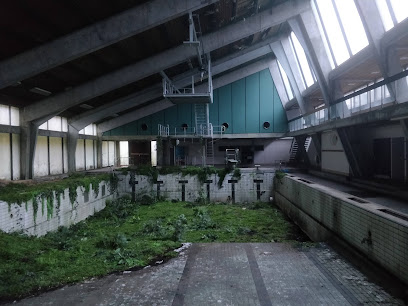
Auderødlejren
10.1 km
Once a busy Danish Navy barracks, today a quiet, semi‑abandoned camp on Arrenæs where stark military architecture meets lakeside nature and recent history.
Kirppu Hillerød
22.3 km
Discover unique vintage finds and support sustainable shopping at Kirppu Hillerød, Denmark's largest flea market supermarket, offering a treasure trove of pre-loved goods and community spirit.
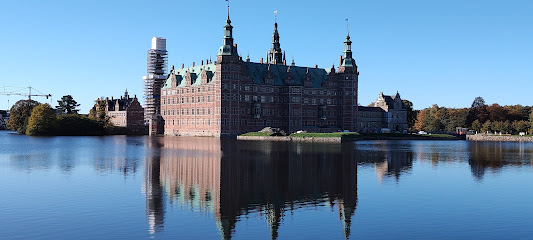
Skänk øl, vin & madbar Hillerød
23.5 km
Experience Danish craft beers, global wines, and tasty tapas at Skänk in Hillerød, a cozy spot with castle views and a welcoming atmosphere on Torvet square.
Old town hall
23.5 km
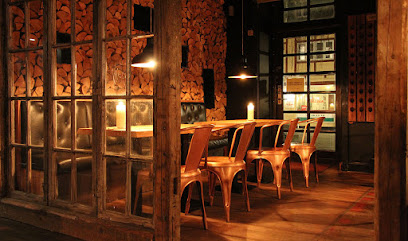
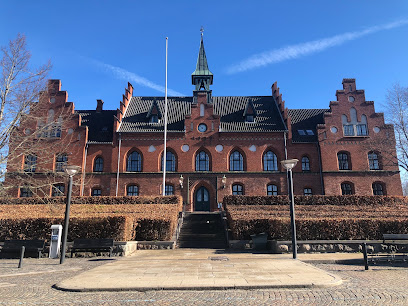
A dignified brick landmark on Hillerød’s main square, the Old Town Hall anchors the town’s civic heart between cobbled streets, cafés and castle views.
Hillerød Rectory
23.6 km
Discover the Befrielsessten in Høgsholt, Vejle—a serene memorial park honoring Denmark's journey to freedom amidst lush landscapes.
Hillerød St.
24.0 km
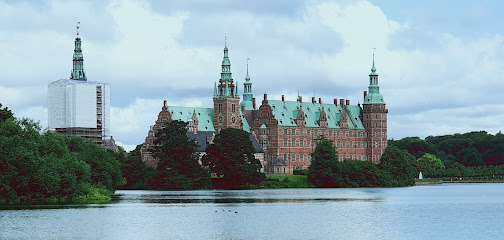
North Zealand's essential transport hub connecting Copenhagen, regional destinations, and Frederiksborg Castle.
Kulsvierstenen
25.5 km
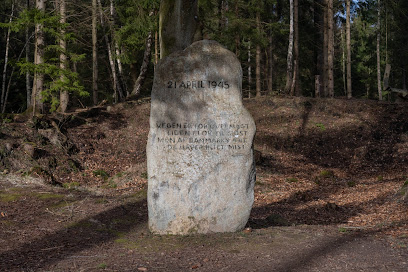
A modest forest boulder in Gribskov that marks a dramatic World War II resistance firefight, blending North Zealand’s tranquil woodland with powerful memory.
Country Market
29.4 km
Experience the charm of Fredensborg at Country Market, a vibrant marketplace offering local delicacies, artisan products, and a cozy café atmosphere in the heart of town.
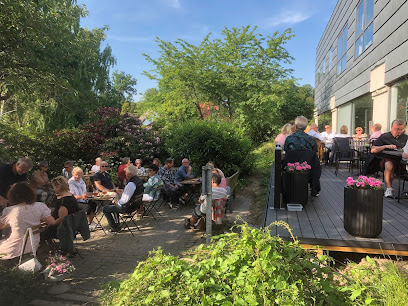
Esrum Kloster & Møllegård
29.8 km
Discover the captivating history and serene beauty of Esrum Kloster & Møllegård, a former Cistercian monastery nestled in the heart of North Zealand's stunning landscapes.
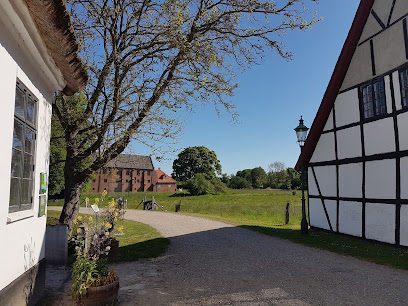
Kongernes Nordsjælland
29.8 km
Discover Denmark's royal history and natural beauty in Kongernes Nordsjælland National Park, offering forests, lakes, and coastal experiences for outdoor enthusiasts and history buffs.
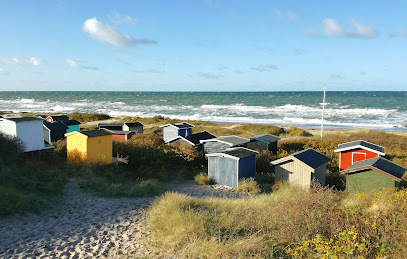
Falkonergården
31.0 km
Explore the enchanting Falkonergården Zoo in Fredensborg, a captivating destination for wildlife enthusiasts and families seeking adventure in nature.

Farum Lake
31.7 km
Explore the serene beauty of Farum Lake in Furesø Municipality, a perfect destination for nature lovers and outdoor enthusiasts in Denmark.
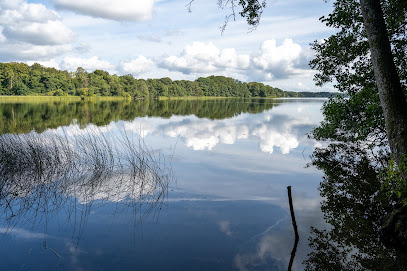
Nakkehoved Fyr - Museum Nordsjælland
31.8 km
Explore the historic Nakkehoved Lighthouse near Gilleleje, offering stunning coastal views, a lighthouse museum, and a glimpse into Denmark's maritime past.
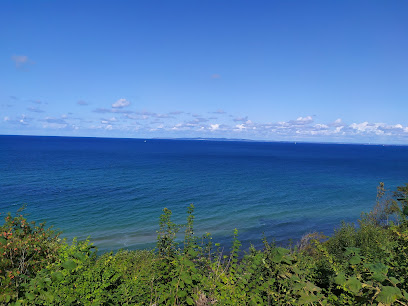
National Park Skjoldungernes Land
32.2 km
Aarhus Waterfront offers contemporary Nordic architecture, vibrant public spaces, and sweeping bay views—fusing urban vibrancy with Denmark’s maritime heritage.
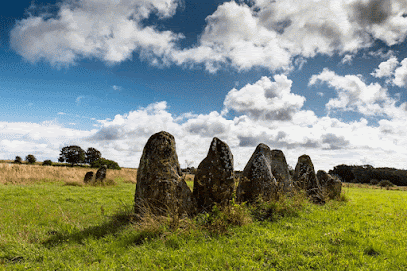
Søndersø
32.7 km
Escape to Søndersø: A serene lake in Værløse offering tranquil nature walks, birdwatching, and recreational activities amidst lush forests and historical landscapes.
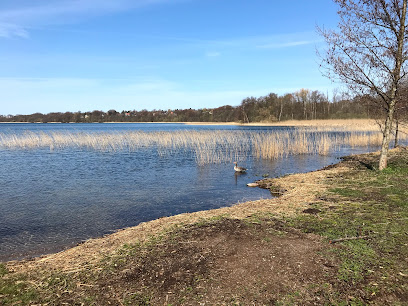
Unmissable attractions to see

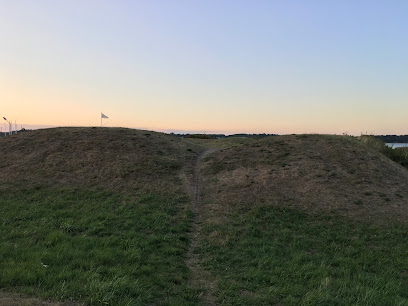
Englænderskansen
2.2 km
Low grassy ramparts above the Isefjord where a modest 1808 coastal battery once watched for British ships and now offers a quiet historic pause by Kulhuse Harbour.
Lynæs Lighthouse
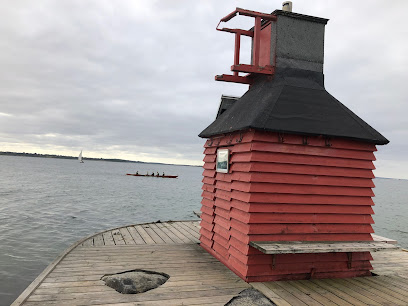
4.0 km
Journey back to 14th-century Denmark at The Medieval Center, a unique living history museum with crafts, jousts, medieval inventions, and immersive family activities.
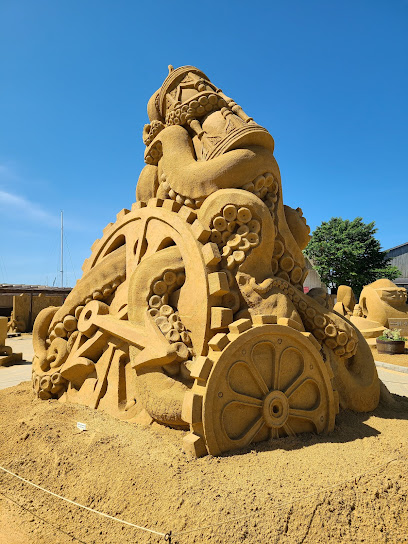
Hundested Sand Sculpture Festival
5.2 km
A seasonal harbour-front art park where international artists transform golden sand into intricate, short-lived sculptures, blending coastal atmosphere with playful creativity.
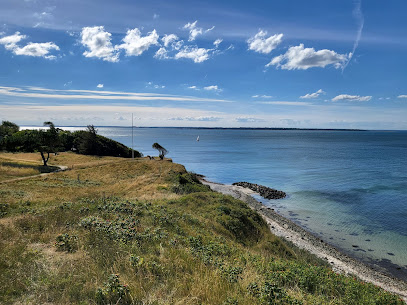
Knud Rasmussens House
5.3 km
Historic home of Denmark’s famed polar explorer, set on a windswept headland above the Kattegat with intimate exhibits, a Greenland-stone memorial and sweeping sea views.
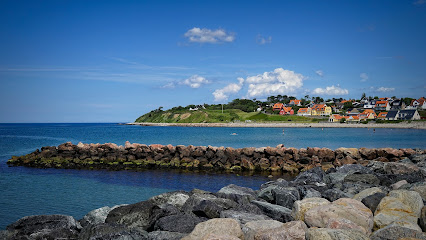
Hundested Strand - Trekanten
5.3 km
Sandy refuge in an authentic Danish port town, where beach life meets working harbour charm.
Skansen i Hundested
5.3 km
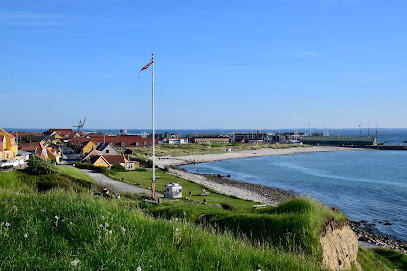
Napoleonic-era earthworks, surviving cannons and sweeping Kattegat views meet on a wind-battered cliff edge above Hundested’s harbour and sandy shoreline.
Storkeegen
5.6 km
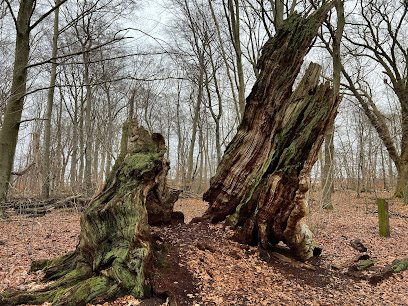
The weathered remains of the legendary Stork Oak in Jægerspris Nordskov, where centuries of forest history stand preserved in a single monumental trunk.
The King Oak
6.0 km
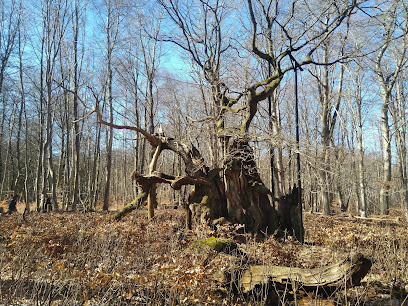
An ancient royal oak hidden in Jægerspris Forest, where centuries of history, legend and woodland life meet in one gnarled, hollow giant.
Nordskoven
6.0 km
Ancient royal oaks, varied woodland and quiet trails create a timeless forest escape in Jægerspris, where Denmark’s oldest trees still anchor the landscape.
Snoegen
6.9 km
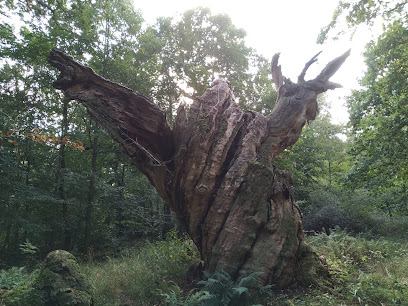
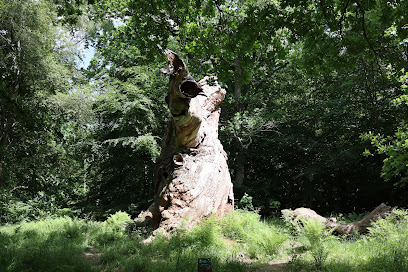
An ancient twisted oak standing as a sculptural forest relic in Jægerspris Nordskov, where centuries of woodland history are etched into spiralling wood.
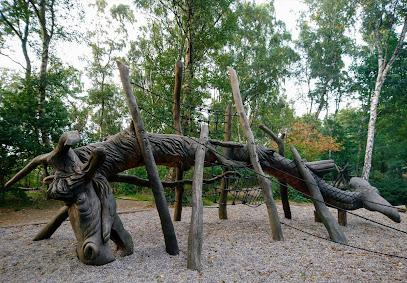
Havtyren
7.3 km
A forest-fringed nature playground where a mythical Sea Bull, wooden climbing frames and coastal air turn simple playtime into a North Zealand adventure.
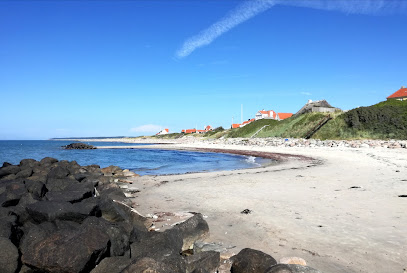
Liseleje Strand
7.5 km
Wide, dune-backed sands, clear shallow waters and a cosy seaside village make Liseleje Strand a gentle Danish Riviera escape for families and nature lovers.
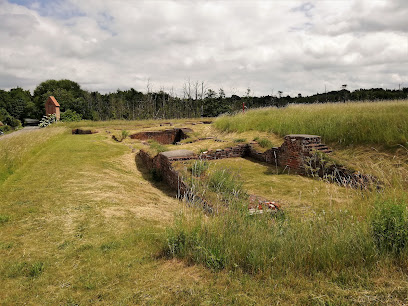
Dronningholm Castle Ruin
8.3 km
Atmospheric medieval castle ruins set in peaceful North Zealand wetlands, echoing royal intrigue, dramatic history, and serene Danish landscapes near Gilleleje.
Stængehus Beach, Nude Area
10.1 km
A relaxed clothing-optional stretch of North Zealand’s wild Kattegat coast, where clear water, soft dunes and heathland scenery create a quietly liberating escape.
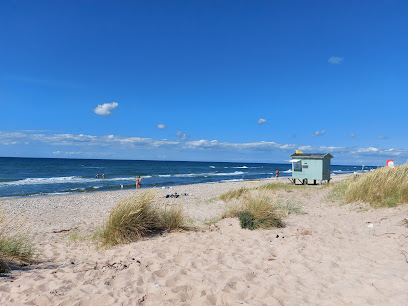
Jægerspris Castle
11.0 km
Historic royal retreat turned social foundation, with romantic castle views, sculpture‑filled parkland and story‑laden forests between Roskilde Fjord and Isefjord.
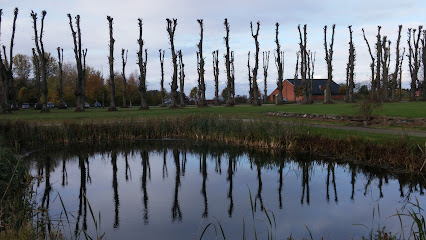
Essential places to dine

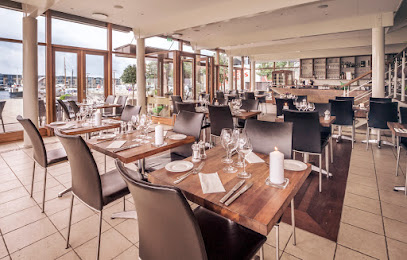
Restaurant Toldboden
15.0 km
Contemporary Nordic dining with fjord views and three-star Danish recognition in a luminous waterfront setting.
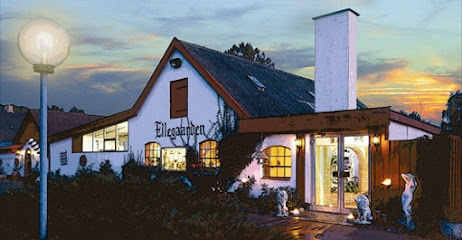
Restaurant Ellegården
20.1 km
Cosy Danish familierestaurant in a historic country-house setting, serving set menus, hearty classics and unhurried dinners on the quiet outskirts of Hillerød.
Bauhaus Grill
20.7 km
Unpretentious Danish burgers and flæskesteg sandwiches at budget-friendly prices in central Hillerød.
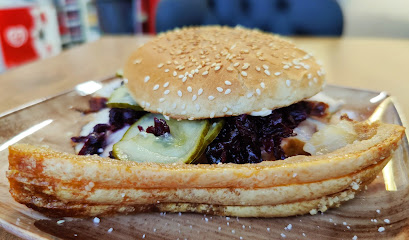
Big Mamma Gastronomia
22.9 km
Casual Italian pizzeria and pasta spot in central Hillerød, serving generous, ingredient-led comfort food for eat-in or takeaway in a relaxed local setting.
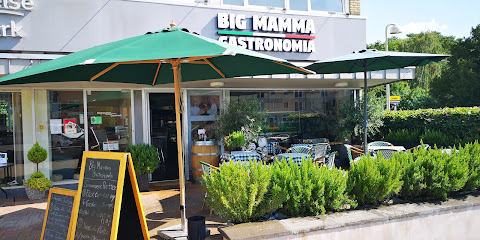
9-Ni Sushi
22.9 km
Casual running sushi and Chinese buffet on Slangerupgade, serving easygoing, all-you-can-eat comfort with a minimalist, family-friendly feel in central Hillerød.
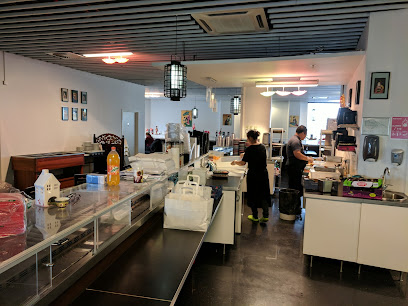
Jensens Bøfhus
23.0 km
Casual Danish steakhouse on Hillerød’s main street, offering family-friendly comfort food and easy castle-side convenience from lunchtime through evening.
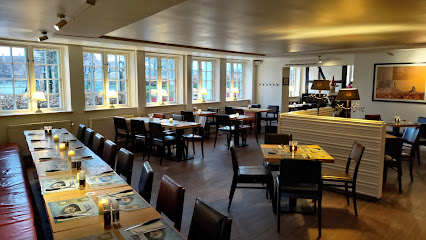
Royal Taste
23.1 km
Generous sushi ad libitum and colourful Asian plates in a relaxed, modern setting on Hillerød’s historic Slotsgade, ideal for cosy dinners and sociable feasts.
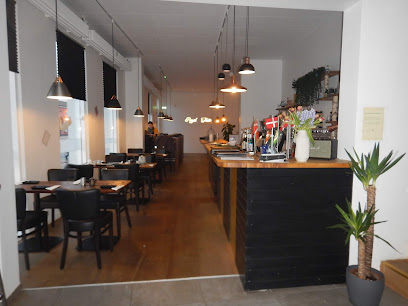
Restaurant Royal Style
23.1 km
Casual Asian comfort food with dim sum, bao and ramen just steps from Frederiksborg Castle in the heart of Hillerød’s historic Slotsgade.
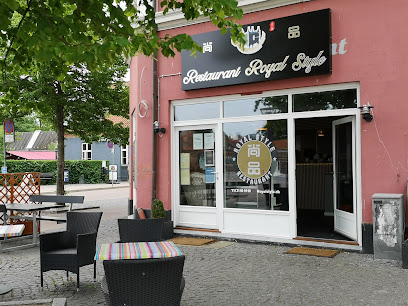
Ninos Pizza
23.1 km
Casual pizzeria serving Italian, Mexican, and American fare in central Hillerød with friendly service and extended hours.
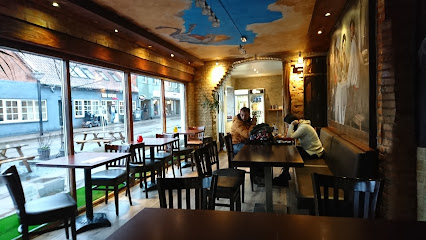
Roberto's 51
23.2 km
Straightforward pizzas and burgers on Hillerød’s main street, serving solid comfort food from lunchtime until late on weekend nights.
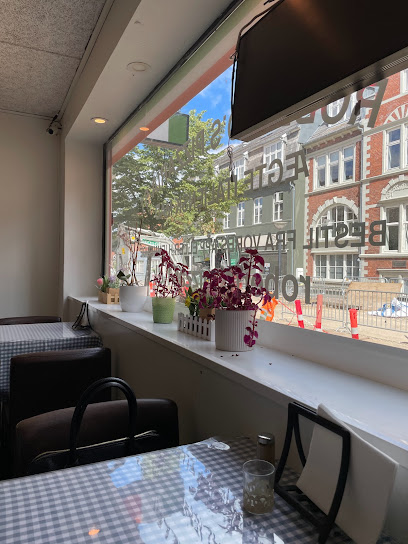
Rib House
23.2 km
Hearty ribs and steaks in a relaxed, family-friendly steakhouse just steps from Frederiksborg Castle on historic Slotsgade in central Hillerød.
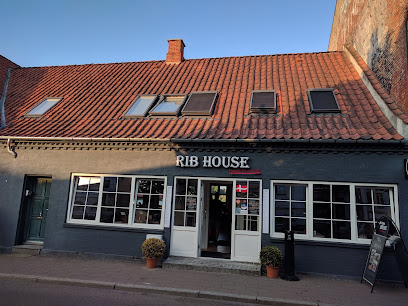
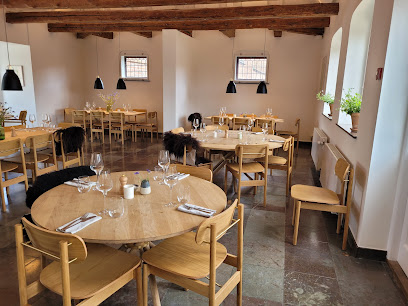
Rabarbergaarden Slottet
23.2 km
Organic farm-to-table dining in Frederiksborg Castle’s former carriage house, where seasonal North Zealand produce meets calm Scandinavian design and royal surroundings.
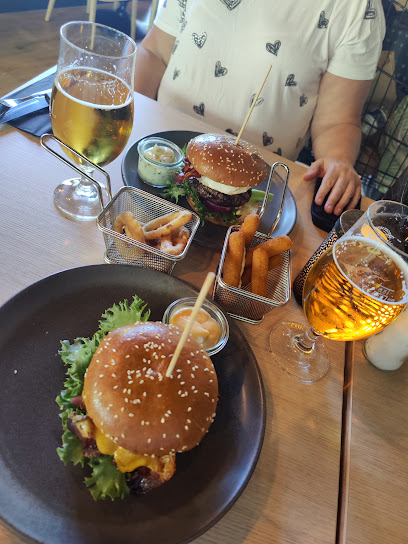
Café Kaiser
23.2 km
Relaxed all‑day Danish café inside Hillerød’s Slotsarkaderne, serving hearty brunch, smørrebrød, burgers and drinks in a warm, mall‑side setting.
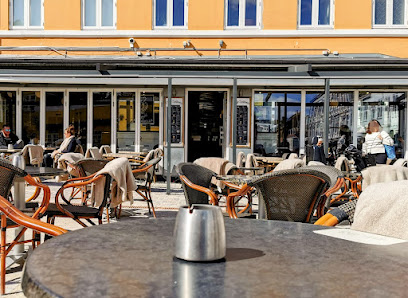
Café Valentin
23.2 km
All‑day Danish café on Hillerød’s main street, blending generous brunches, comfort food and cocktails with a lively terrace near Frederiksborg Castle.
Restaurant krydderiet
23.2 km
Seasonal Danish cooking with a subtle spiced twist, served in a warm, contemporary dining room inside Hotel Hillerød on Milnersvej.
Markets, malls and hidden boutiques

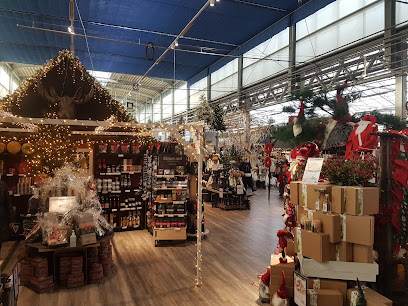
Plantorama Hillerød
21.1 km
A 10,000 m² green universe in Hillerød, where plants, pets, home décor and a cosy café turn a simple shopping trip into a relaxed family outing.
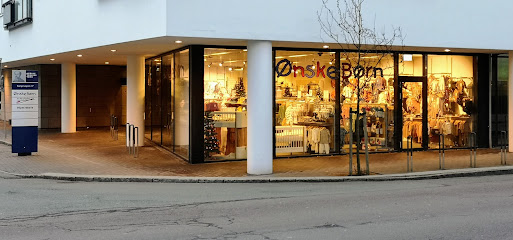
ØnskeBørn
23.0 km
Practical one-stop children’s and baby store in central Hillerød, stocking prams, gear, clothing, toys and nursery essentials for young families and parents-to-be.
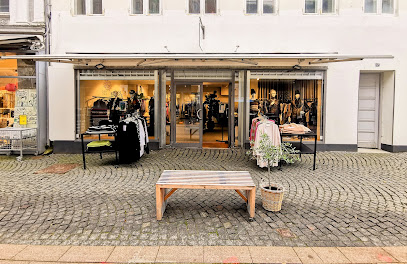
Søs Tre
23.2 km
A cosy women’s fashion boutique on Hillerød’s historic Slotsgade, blending Scandinavian style, curated clothing and accessories with a relaxed, personal atmosphere.
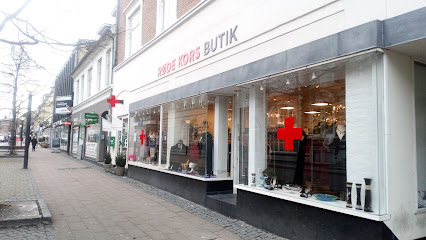
Red Cross Op Shop
23.2 km
Hyggelig Røde Kors genbrugsbutik i Hillerøds hovedgade, hvor du finder billige fund til garderobe og hjem – og samtidig støtter lokalt og internationalt hjælpearbejde.
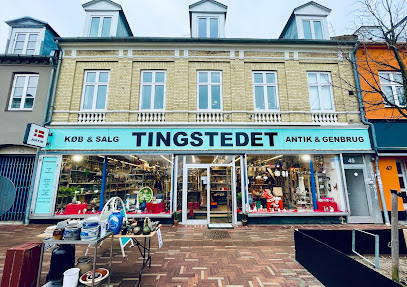
Tingstedet
23.2 km
Curated vintage and retro treasures near Frederiksborg Castle since 1996.
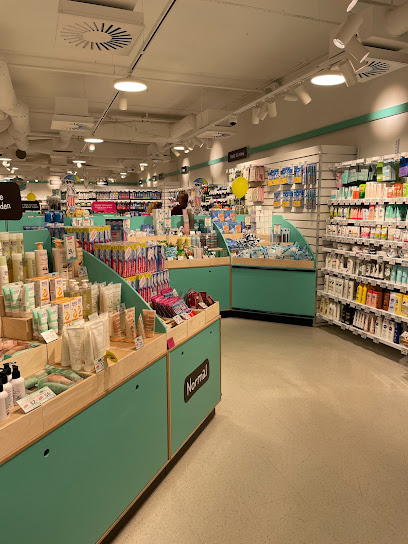
NORMAL
23.2 km
A compact, budget-friendly beauty and household store inside Hillerød’s main mall, perfect for quick essentials, quirky finds and travel-sized Danish everyday goods.
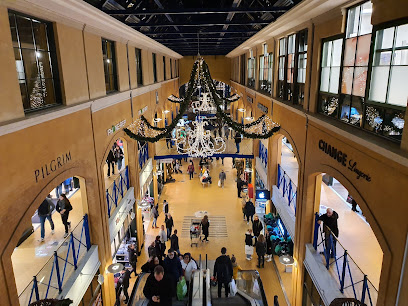
SlotsArkaderne
23.2 km
North Zealand's premier shopping destination where modern retail meets royal heritage in the heart of historic Hillerød.
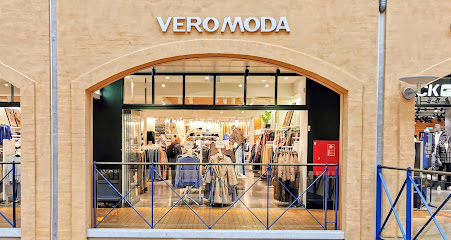
VERO MODA
23.2 km
Central Hillerød fashion stop in SlotsArkaderne, offering accessible Scandinavian women’s style, seasonal collections and easy indoor browsing in a modern mall setting.
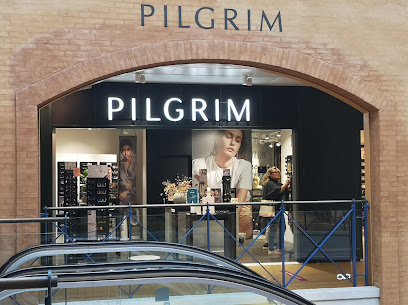
Pilgrim Hillerød Slotsarkaderne
23.2 km
Handcrafted Danish jewellery celebrating personal style, quality, and Scandinavian design.
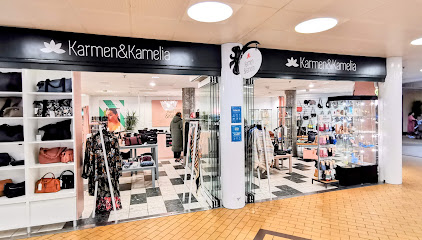
Karmen & Kamelia
23.2 km
A bright, modern jewelry and accessories boutique in Hillerød’s SlotsArkaderne mall, offering handpicked Scandinavian sparkle and easy gift ideas steps from city life.
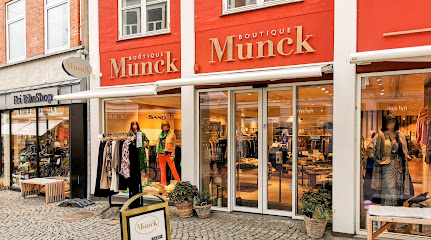
Boutique Munck
23.2 km
Intimate Scandinavian womenswear boutique in central Hillerød, blending curated Nordic fashion, warm styling advice and a relaxed, local neighborhood feel.
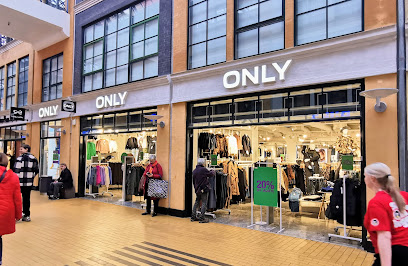
ONLY
23.2 km
Scandi high-street fashion and denim-focused style for women, conveniently located inside Hillerød’s Slotsarkaderne shopping centre.
JACK & JONES
23.2 km
Easygoing menswear and denim inside Hillerød’s main shopping centre, combining Scandinavian style, everyday essentials and smart-casual looks under one roof.

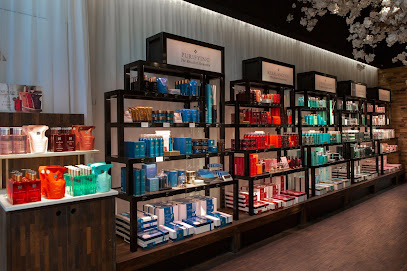
Rituals
23.2 km
Luxury beauty rituals and wellness products in Hillerød's premier shopping destination.
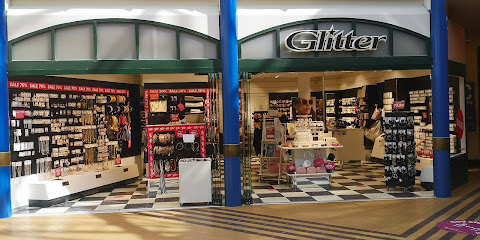
Glitter
23.2 km
Bright, trend-focused jewelry and accessories shop in Hillerød’s SlotsArkaderne mall, ideal for quick gifts, style updates and affordable everyday sparkle.
Essential bars & hidden hideouts

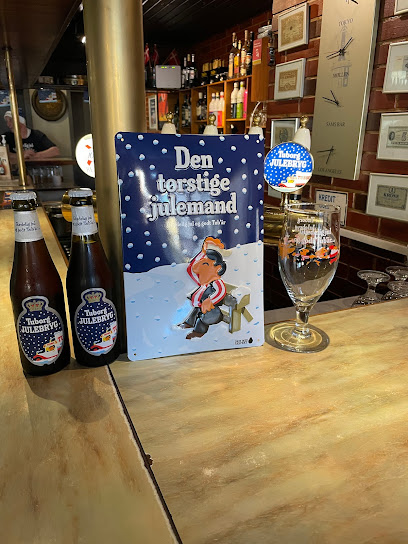
Møllen
23.2 km
A welcoming Danish bodega in Hillerød's heart, where locals gather for drinks, snacks, and authentic social connection.
The Old Irish Pub
23.4 km
Lively Irish-style bar and late-night dance venue on Hillerød’s central square, pouring pints, playing hits and catering to a sociable, mature party crowd.
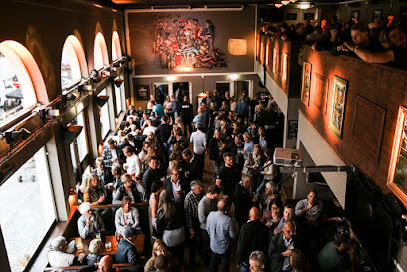
Tahonga Lounge
23.5 km
Intimate tiki-style lounge bar off Hillerød’s central square, blending cocktails, small-stage events and private parties in a cozy tropical hideaway.
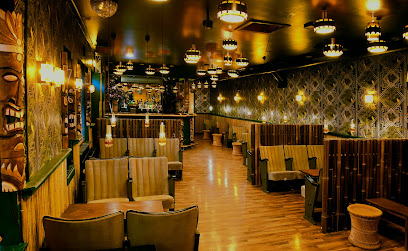
Crane Brothers
23.5 km
Cosy cocktail bar on Hillerød’s main square, blending inventive drinks, warm design and a relaxed, grown-up atmosphere with access to the adjacent Tahonga Lounge.
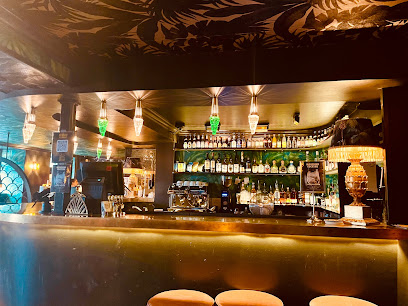
Jernstangen
23.9 km
Old-school Hillerød pub opposite the station, with billiards, darts, dice games and live music nights in a laid‑back, locals-first atmosphere.
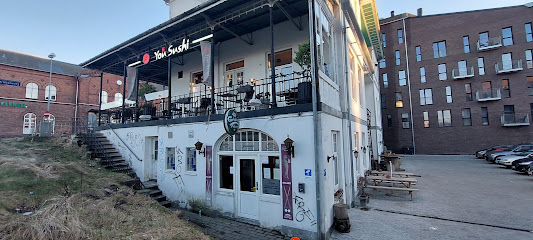
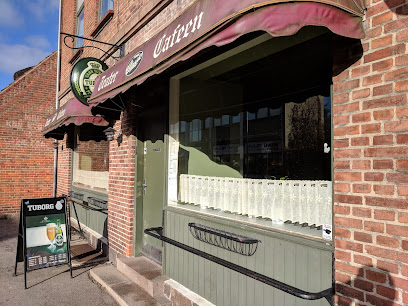
Teatercaféen
35.1 km
Unpretentious local beer hall in Roskilde where everyday life, cheap drinks and warm conversation matter more than design or trends.
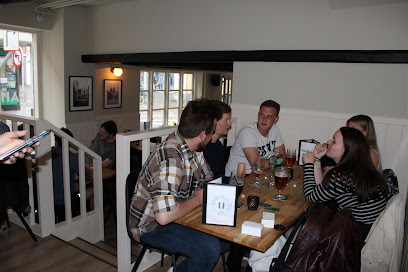
PAUSE
35.8 km
Intimate wine and beer bar in Roskilde's historic center, celebrating Nordic hospitality and craft beverages.
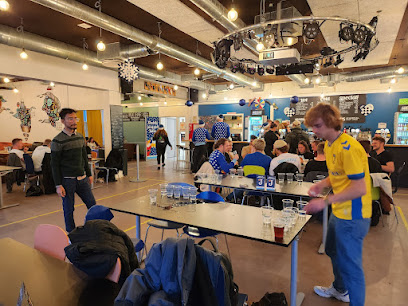
RUCbar - café & bar
35.8 km
Student-run café-bar at Roskilde University’s Student House, serving affordable drinks and coffee in a relaxed campus hangout from lunchtime into the evening.
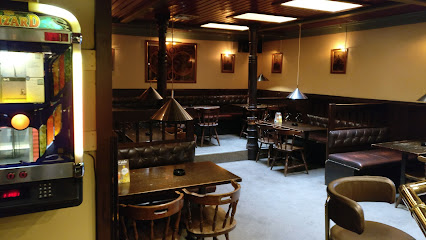
Ruder Konge Bodega
35.9 km
A timeworn Danish bodega in central Roskilde, offering cheap beer, pool tables and unpretentious pub life just off the city’s main pedestrian street.
PROP Vin og Tapasbar
35.9 km
Intimate Roskilde wine bar pairing curated bottles with Mediterranean-inspired tapas in a candlelit room and sheltered courtyard, strictly for a relaxed 25+ crowd.
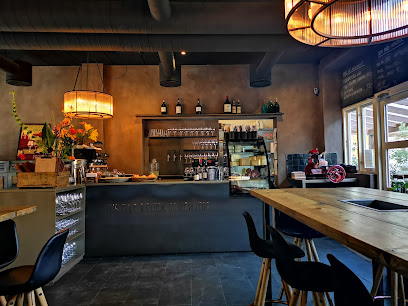
Gullanden
35.9 km
An unpretentious Roskilde pub with darts, DJ nights, cold beer and a loyal local crowd, where evenings stretch easily into the early hours.
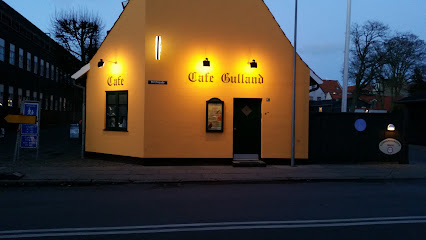
28 Live
36.0 km
A lively “youth club for adults” in central Roskilde, blending bar, games, live shows, sport and nightclub energy under one sociable roof.
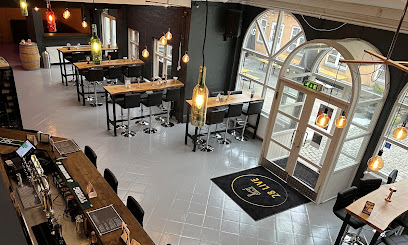
Klosterkælderen
36.0 km
Roskilde's premier craft beer cellar with 200+ beers and authentic Danish pub charm.
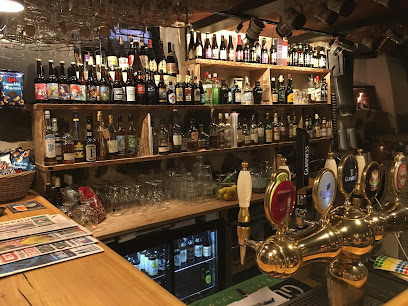
Mulligans Irish Pub
36.1 km
Authentic Irish pub in two storeys with live music, craft beers, and vibrant social atmosphere in central Roskilde.
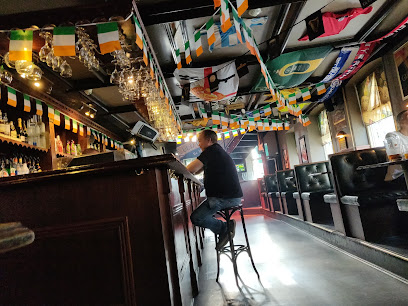
Copé Lounge
36.1 km
Urban lounge bar by Roskilde’s main square, blending backyard summer vibes, easygoing cocktails and cosy Danish hygge late into the night.
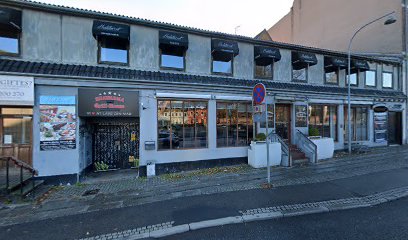
Nightclubs & after hour spots

Socialz
23.2 km
Intimate cocktail bar and nightclub in the heart of Hillerød, blending shisha lounge vibes, late-night DJ sets and a compact dance floor on lively Slotsgade.
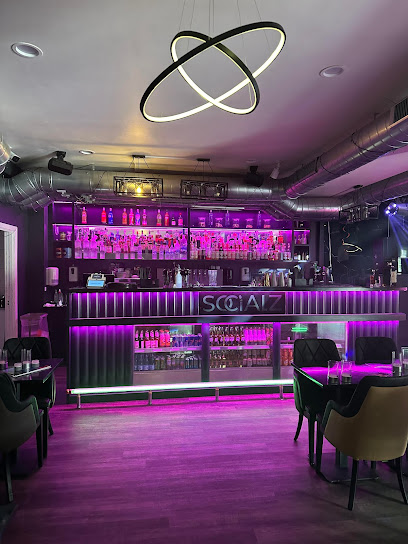
Den Dansende Viking
26.2 km
High-energy suburban nightclub in Egedal Centret, serving packed dance floors, late-night DJ sets and budget-friendly drinks for party-focused weekends.
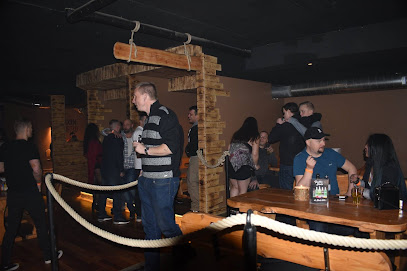
Club El Diablo
26.2 km
Adults-only entertainment venue offering a discreet, welcoming atmosphere for private social experiences.
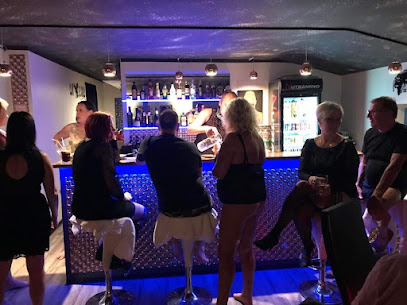
Danseriet
35.8 km
Frivilligdrevet danseklub i Roskilde med stort dansegulv, livebands og hyggelig stemning for danseglade gæster på tværs af aldre og niveauer.
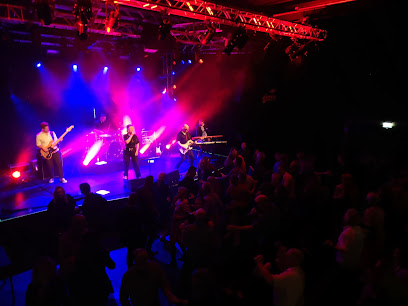
Garbos Roskilde
36.2 km
Cozy neighborhood nightclub in central Roskilde, blending casual bar vibes with a compact dance floor and late-night weekend energy on Hersegade.

Dansebar Roskilde
36.2 km
Roskilde's premier multi-floor nightclub with dual dance spaces, three bars, and DJ-driven energy until dawn.
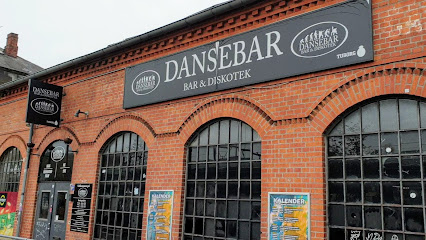
Rytmisk Musikforening Steps Ahead
37.3 km
Dynamic live music venue in Roskilde, specializing in jazz and contemporary genres, with an intimate setting and vibrant community engagement throughout the year.
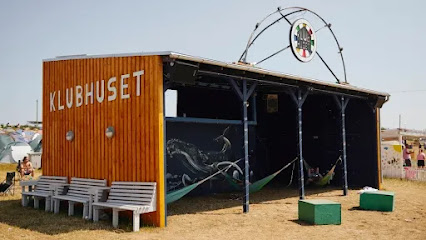
Klubhuset
38.5 km
Low-key local clubhouse turned disco-style nightspot, where a simple bar, small dance floor and regulars’ vibe create relaxed, unpretentious nights in Roskilde.
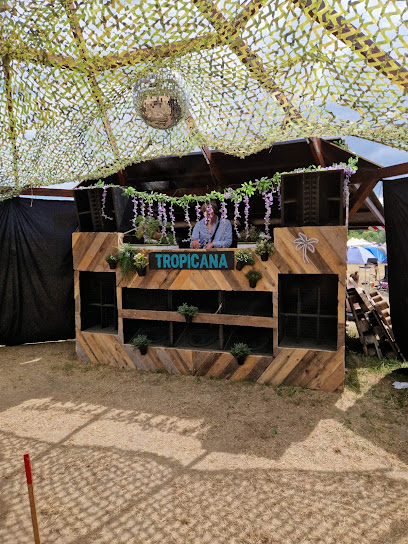
Tropicana DC
38.6 km
Compact Latin-flavoured nightclub on Roskilde’s industrial edge, delivering loud beats, simple drinks and a late-night dancefloor focused purely on partying.
Walther's grillkylling og svuppeklub
38.9 km
Intimate neighborhood nightclub in Helsingør with loud music, simple drinks, and a playful local vibe behind an unassuming facade on Rødegårdsvej.

Rustik
43.2 km
Helsingør's premier weekend nightclub with craft cocktails and high-energy dancing until dawn.
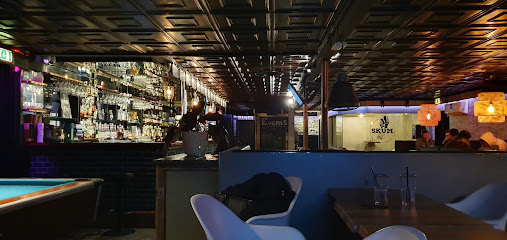
Retro
43.5 km
High-energy weekend nightclub in central Helsingør, mixing big-room beats, bright lights and a young crowd in what calls itself the largest club north of Copenhagen.
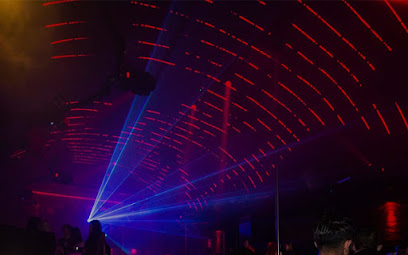
Afrobeat Palace Nightclub
47.0 km
Discover the energetic Afrobeat Palace Nightclub in Copenhagen, where music, dance, and multicultural vibes unite for an unforgettable nightlife experience.
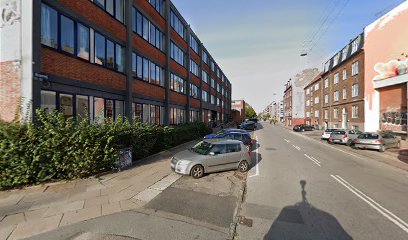
Falafelberg
47.8 km
Discover the pulsating nightlife of Frederiksberg at Falafelberg, a night club offering delicious falafel and electrifying music for an unforgettable experience.
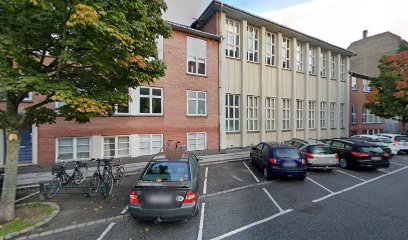
SIGURD CPH
47.9 km
Discover the pulse of Copenhagen's nightlife at SIGURD CPH, where vibrant dancing, fine wines, and pachinko gaming come together for an unforgettable experience.
For the vibe & atmosphere seeker
- Tranquil
- Scenic
- Unique
- Relaxing
For the design and aesthetic lover
- Rustic Designs
For the architecture buff
- Historic
- Sacred Sites
- Parks & Gardens
- Landmarks
For the view chaser and sunset hunter
- Iconic Views
- Panoramas
- Sunset Spots
For the social media creator & influencer
- Photo Spots
- Selfie Spots
- Architectural Shots
- Reel-Friendly
For the eco-conscious traveler
- Low Impact
- Public-Transport Accessible
- Leave-No-Trace Critical
- Locally Managed
- Wildlife Habitat
For the kind of experience you’re after
- Mindfulness
- Meditation Spot
- Myth & Legends
- Cultural Heritage
- Photowalk
- Nature Escape
- Day Trip
- Roadtrip Stop
For how adventurous you want the journey to be
- Easy Access
Location Audience
- Family Friendly
- Senior Friendly
- Child Friendly
- Teen Friendly
- Solo Friendly
- Couple Friendly
- Solo Female Friendly


