Gerlevparkens Venner Travel Guide
Free Guide: Fragrant roses, rare trees and quiet paths come together in this 10-hectare volunteer-tended park on the edge of Gerlev, a gentle green pause in Fjordlandet.


A brief summary of Gerlevparkens Venner
Fragrant roses, rare trees and quiet paths come together in this 10-hectare volunteer-tended park on the edge of Gerlev, a gentle green pause in Fjordlandet.
Gerlevparken in Jægerspris is a 10-hectare botanical park best known for one of Denmark’s most beautiful and carefully maintained rose gardens, supported by the volunteer group Gerlevparkens Venner. Beyond the roses, the park holds a remarkable collection of rare trees, a historic section with honorary trees and a once vast hawthorn collection. Quiet paths, benches and open lawns make it an inviting stop for slow walks, plant enthusiasts and peaceful picnics in Fjordlandet.
On-site amenities
 Seating areas
 Trash bins
 Information boards
Opening hours
- Every day7 am–8 pm
Opening hours as listed on the venue’s Google Business Profile. Hours can change for services and special events, so check with the venue before you go.
- Address
- Lyngerupvej 23, 3630 Jægerspris
- Phone
- Website
Getting there
Car from Jægerspris town
Car from central Copenhagen
Public transport via Frederikssund and Jægerspris
Cycling from Jægerspris area
Discover more about Gerlevparkens Venner
A living rose collection in the Danish countryside
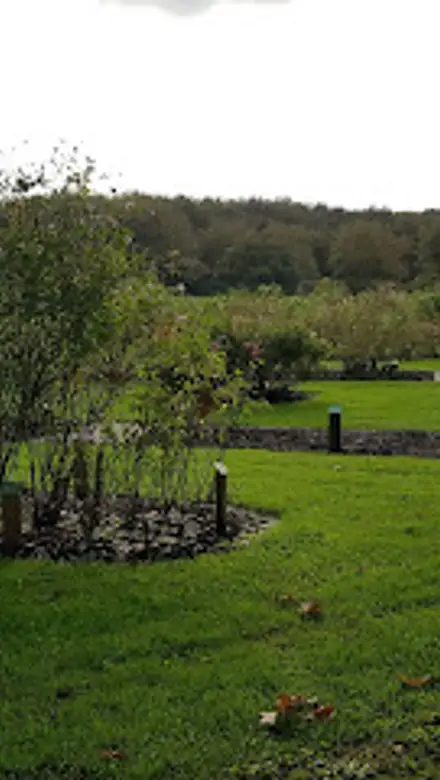
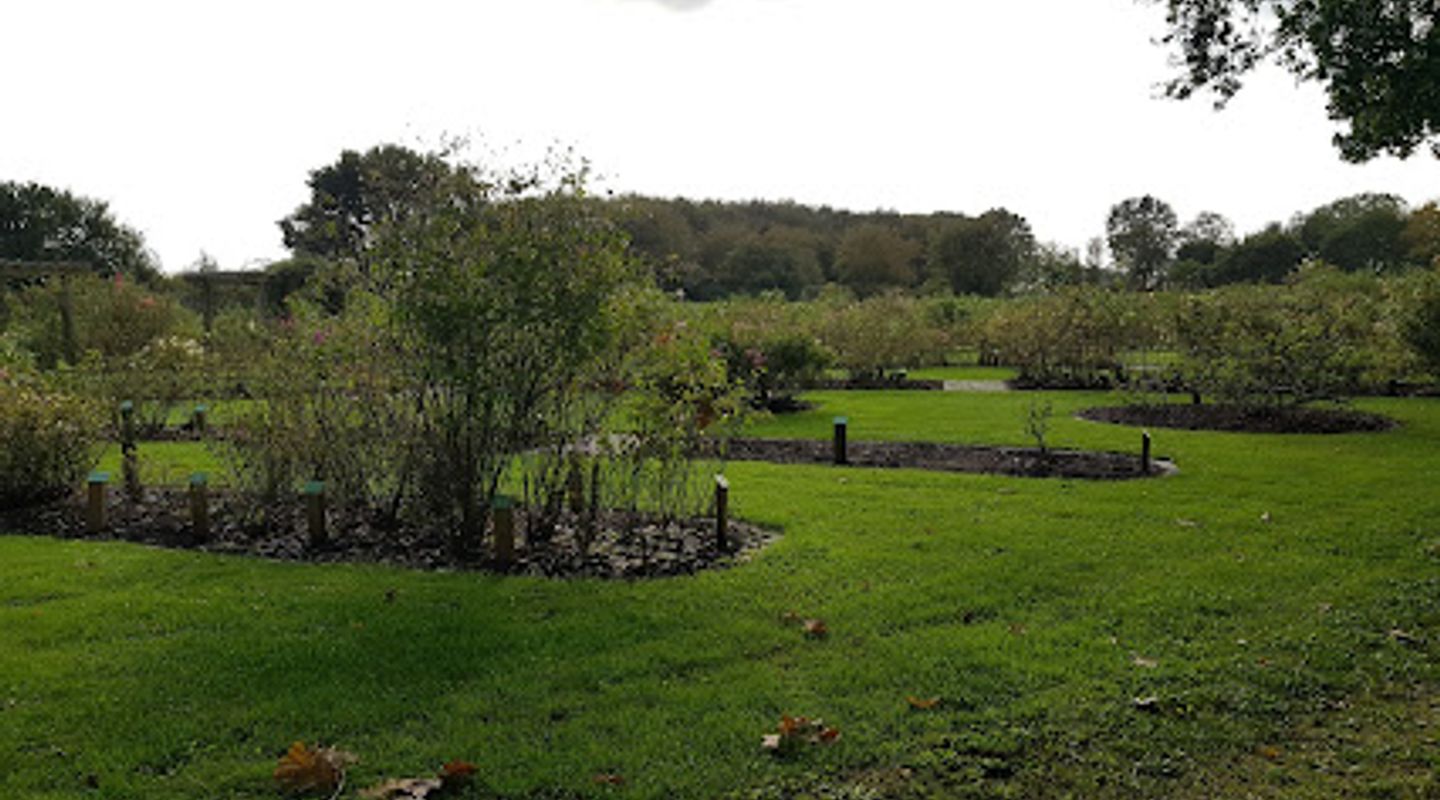
Gerlevparken spreads across around 10 hectares of gently landscaped grounds on the edge of the village of Gerlev near Jægerspris. Created to showcase roses and trees in a park-like setting rather than a formal botanical garden, it feels both cultivated and relaxed. Wide lawns, curved beds and informal hedges create clear sightlines so you can appreciate the planting without it ever feeling rigid or overdesigned.The park is especially renowned for its extensive rose garden, recognised by specialists across Europe for the breadth and quality of its collection. In early summer the air fills with fragrance as old garden roses, climbers and carefully selected cultivars flower in waves, backed by shrubs and trees that extend interest well beyond the main blooming season. Even outside peak flowering, the structure of the beds and the hips, foliage and stems give the area character.
Rare trees, hawthorns and a quiet historic corner
Beyond the roses, Gerlevparken doubles as an open-air arboretum. Paths lead you past an impressive assortment of tree species, with more than a hundred different kinds represented in the wider parkland. Here you move from conifers to exotic broadleaf species and mature native trees, each chosen to demonstrate form, bark, leaf and seasonal colour rather than to impress by sheer size alone.One particularly atmospheric area is the older part of the park, where you find honorary trees planted for individuals who have worked to promote knowledge and use of trees in Denmark. This gives the landscape an added layer of human story: each tree quietly marks a contribution to forestry, horticulture or the environment. You can also explore the park’s hawthorn collection, which at its height held over a hundred different species and varieties in a country where only a handful of hawthorn species occur naturally.
Volunteers, stewardship and everyday atmosphere
Gerlevparken is owned by the Foundation for Trees and Environment, established in the 1970s with the goal of preserving and presenting trees and ornamental plants to the public. Day-to-day care, however, rests largely with Gerlevparkens Venner, a small but dedicated volunteer association that looks after the roses and supports maintenance of the other collections. Their work underpins the park’s quietly tended feel: beds are kept in good order, labels are refreshed and new plantings appear as collections evolve.The atmosphere is unhurried and low-key. You are free to wander on mown paths, pause at benches tucked beside rose beds or under tall trees and simply watch the play of light over leaves and petals. Open lawns invite small picnics, sketching or an hour with a book, while the surrounding farmland and nearby fjordland give a sense of being just outside everyday bustle without feeling remote.
Planning your visit through the seasons
The park is generally accessible during generous daylight opening hours, making it suitable for a short detour or a longer half-day explore. Summer brings the most intense colour, especially from June into early July when many roses reach their peak, but late spring and early autumn can be just as rewarding if you are more interested in the trees, structure and changing light. In winter, the mood shifts to bare branches, silhouettes and quiet, with the layout of the collections easiest to read.Facilities are simple rather than elaborate, with a focus on the landscape itself rather than on built attractions. You should come prepared for an outdoor visit: comfortable footwear for walking on grass and gravel, layers against changing weather and perhaps a thermos or light picnic. Information on current activities is typically provided by the foundation and the friends association, which also organise occasional themed events in the park.
Who will enjoy Gerlevparken most
Gerlevparken suits travellers who enjoy gentle discovery rather than big-ticket sights. Plant lovers will find plenty to study in the rose and tree collections, but you do not need specialist knowledge to appreciate the colours, scents and quiet order. Couples can treat it as a peaceful, romantic stroll; families with patient children can use the open lawns and paths for low-key play and nature observation.It also works well as a contemplative stop on a wider tour of Fjordlandet, pairing easily with historic sites and coastal views nearby. Whether you stay for an hour or linger for most of a day, the park offers space to slow down, notice details in bark and blossom and experience a piece of Danish horticultural heritage that is still very much alive and evolving.
Evendo Review Centre
 Google
Guest reviews
Best time to go
Quietest: Jan, Feb & Nov · before 8am or from 8pm
Busy times are Evendo estimates for a typical year, to help you plan. Actual crowds vary with events, school holidays and the weather.
Explore Gerlevparkens Venner on the map
A handpicked selection of must-see spots near Gerlevparkens Venner, mapped for you.
Get your free copy of our complete guide to Gerlevparkens Venner, delivered straight to you.
Everything on this page, from opening hours and how to get there to Eve’s tips and the best time to go, in one PDF you can read offline, print or share.
Already have an account? Sign in
Your Gerlevparkens Venner guide is ready.
We'll send it to · Not you? Sign out

Getting your guide ready…
We are putting together a fresh copy of the Gerlevparkens Venner guide. This can take up to a minute.
This can take a few moments. If your browser asks, choose Allow so the download can start. You'll find the guide in your Downloads folder.
Nothing happened? Download it again
Sorry, the guide is taking longer than usual. Please try again in a minute, or get it by email instead.
Other nearby places you may find interesting
The closest places of the same kind, if this one is not quite what you had in mind.
-
-
-
-
-


Swipe for more places
More to explore near Gerlevparkens Venner

 Best experiences near Gerlevparkens Venner
 Best hotels near Gerlevparkens Venner
 Best landmarks near Gerlevparkens Venner
 Best attractions near Gerlevparkens Venner
 Best shops near Gerlevparkens Venner
 Best restaurants near Gerlevparkens Venner
 Best bars near Gerlevparkens Venner
Do you manage this location?
Take control to get all the benefits, like improved information, better appearance, and stronger visibility across AI-powered discovery.
Explore more

Explore more of North Zealand
Explore North Zealand, Denmark's enchanting region of castles, beaches, and royal estates, perfect for history buffs, nature enthusiasts, and seaside lovers.
Explore North Zealand
Explore more of Denmark
Discover Denmark: A perfect blend of history, modern design, and the cozy concept of hygge. Explore vibrant cities, serene landscapes, and world-class cuisine.
Explore Denmark