Englænderskansen Travel Guide
Free Guide: Low grassy ramparts above the Isefjord where a modest 1808 coastal battery once watched for British ships and now offers a quiet historic pause by Kulhuse Harbour.


A brief summary of Englænderskansen
Low grassy ramparts above the Isefjord where a modest 1808 coastal battery once watched for British ships and now offers a quiet historic pause by Kulhuse Harbour.
Englænderskansen is a low, grass-covered earthwork just south of Kulhuse Harbour on the tip of Hornsherred, once part of Denmark’s coastal defence system during the Napoleonic Wars. Built in 1808 as a forward battery against the British fleet and to help protect the important cannon foundry at Frederiksværk, the preserved ramparts and ditches now form a tranquil green viewpoint over the Isefjord. It is an open, free-to-visit historic site that combines local war history, simple ruins and sea air in a compact stop easily paired with the harbour and nearby beach.
On-site amenities
 Restrooms
 Seating areas
 Picnic areas
 Trash bins
 Information boards
Opening hours
- Every dayOpen 24 hours
Opening hours as listed on the venue’s Google Business Profile. Hours can change for services and special events, so check with the venue before you go.
- Address
- Kulhusvej 212, 3630 Jægerspris
- Phone
- Website
Getting there
Car from Frederikssund
Bus from Frederikssund area
Cycling on Hornsherred
Discover more about Englænderskansen
Napoleonic-era rampart on the edge of Isefjord
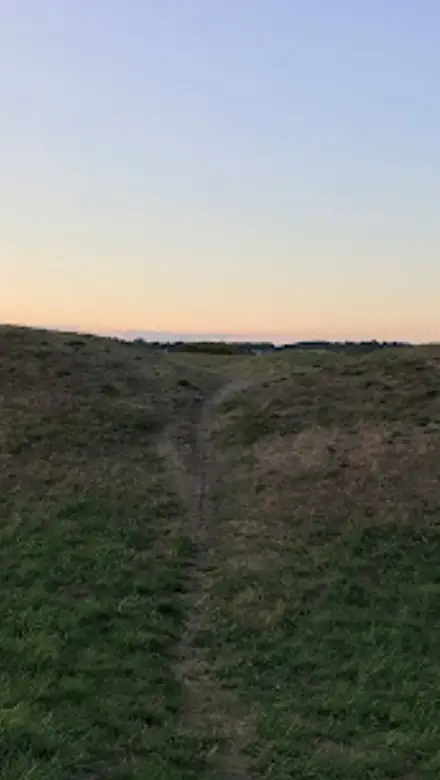
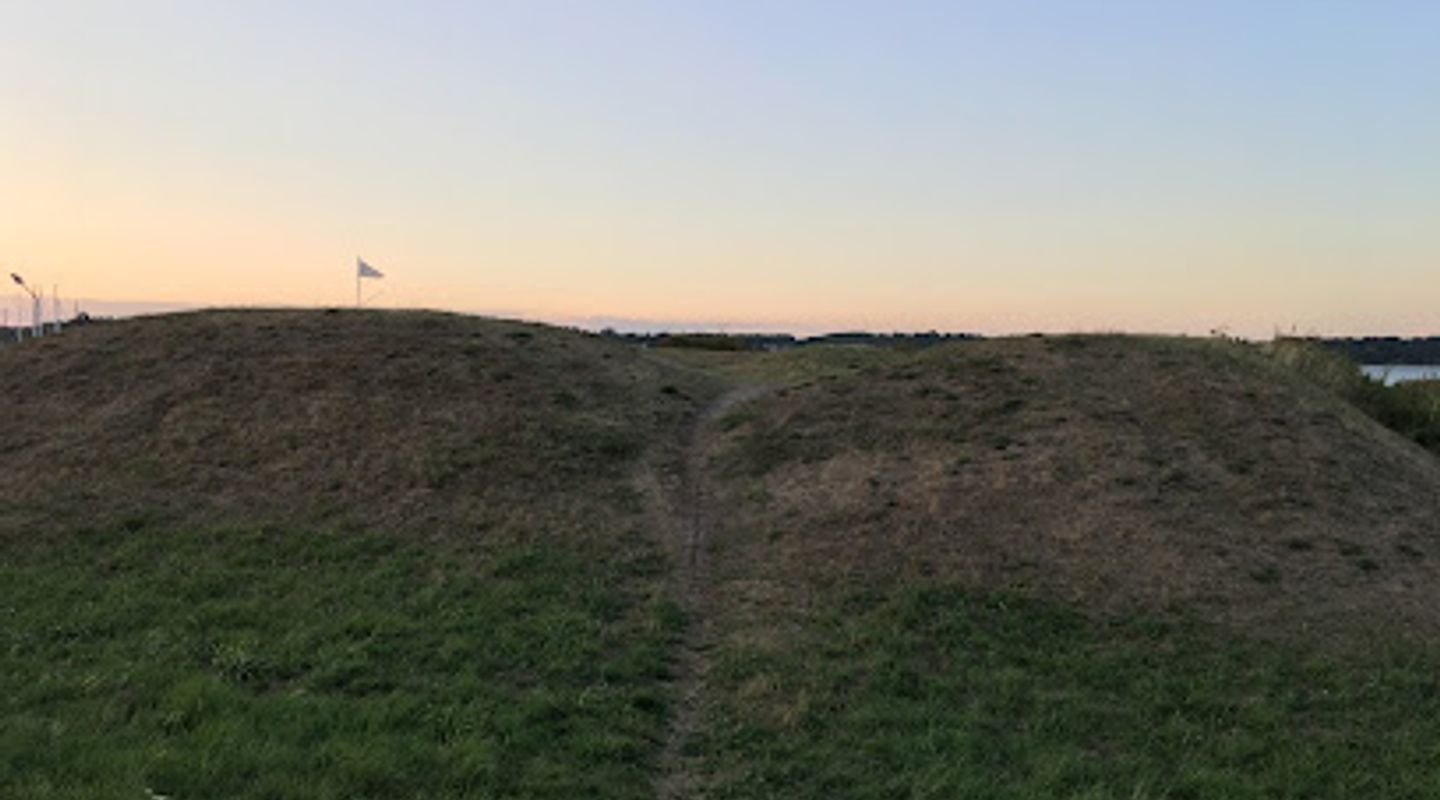
Englænderskansen sits on a slight rise just south of Kulhuse Harbour, at the very northern tip of the Hornsherred peninsula in North Zealand. From the grass-covered remains of the earthwork you look out over the Isefjord, a broad, tidal inlet that was once a strategic gateway towards Copenhagen and the industrial town of Frederiksværk. Today the landscape feels peaceful and small-scale: a harbour, a beach, a parking area and this modest, rounded fortification almost swallowed by grass and low scrub.Despite its humble appearance, the site forms part of a larger chain of coastal defences that once guarded these waters. Standing on the embankment you can still read the contours in the ground: low crescent-shaped ramparts enclosing a flattened interior, and subtle depressions that indicate former ditches and gun positions. With a bit of imagination it is easy to picture cannons pointing out across the water and soldiers scanning the horizon for unfamiliar sails.
Built to face the British fleet in 1808
The fortification was constructed in 1808, at the height of the Napoleonic Wars, when Britain sought to neutralise the Danish-Norwegian fleet and control Baltic access. From Kulhuse, Danish forces could monitor and, if necessary, challenge ships moving through the Isefjord. The position also formed part of the protection for Frederiksværk, a crucial cannon and armaments manufacturing centre further south along the fjord. Any hostile fleet attempting to threaten the foundry from the sea risked encountering guns positioned here.Englænderskansen was never a massive stone fort; it was an earthen battery, quick to construct using local soil and timber. Earthworks like this absorbed cannon fire better than masonry and could be reshaped as tactics changed. Over time, as artillery technology advanced and political tensions eased, the position lost its strategic value. The ramparts were left to weather and gradually blended into the surrounding landscape, leaving only the outlines preserved today as a protected historic site.
A compact open-air ruin in a coastal setting
Visiting Englænderskansen is a short but atmospheric experience. There are no large structures or buildings to enter; instead, you wander across grassy humps, shallow trenches and open turf. The scale is intimate, almost at village level, and the sea is never far away. On a clear day the fjord surface reflects the sky, and the calls of seabirds or the hum of a ferry crossing the water form a constant backdrop.Nearby Kulhuse Harbour adds to the sense of place. One moment you are among moored boats and modern quay life, the next you are standing in the traces of an artillery position that once watched this same channel. The proximity of the beach and shoreline paths means it is easy to combine a short historical stop with a longer walk, a picnic by the water or a swim on warmer days. Simple information signage in the area helps explain what you are looking at, but the site itself remains largely unembellished, with nature reclaiming the lines of defence.
Reflective atmosphere and simple pleasures
The ambience here is calm and slightly windswept. There is plenty of open sky, and even a light breeze can feel stronger out on the exposed tip of Hornsherred. Many visitors treat the site as a quiet pause during a wider exploration of the peninsula: a place to stretch legs, read about local history and enjoy a few unhurried minutes looking out over the water. In colder months the grass can be damp and the ground soft, giving the earthworks a more rugged feel, while in summer they become dry, warm mounds dotted with wildflowers.Facilities are basic but serviceable. Public toilets at Kulhuse Harbour are within walking distance, and the large parking area near the site makes it straightforward to include even on a short circuit of North Zealand. There are no formal catering outlets at the rampart itself, so any food or drink tends to come from the harbour area or be brought along. The absence of commercial development at the earthwork contributes to its understated character: this is a small piece of military history left mostly to the elements.
Ideal as a gentle stop on a coastal day out
Englænderskansen works best as part of a broader day in and around Kulhuse. Its compact size means the historical ground can be covered in less than half an hour, leaving time to follow the shoreline, watch the activity at the harbour or explore other viewpoints along the fjord. Photographers will find low, unobstructed horizons and changing light over the water, especially around sunrise and sunset on clear days.Families and casual walkers appreciate the ease of access; the gradients are mild, though the grass and uneven surfaces can challenge very low-mobility visitors. Because there is no entrance fee and the site is open at all hours, it offers flexibility: a brief history stop on a road trip around Hornsherred, a contemplative detour during a beach outing, or a quiet corner to connect the local landscape with a turbulent chapter in European maritime history.
Evendo Review Centre
 Google
Guest reviews
Best time to go
Quietest: Jan, Feb & Dec · before 8am or at 8pm
Busy times are Evendo estimates for a typical year, to help you plan. Actual crowds vary with events, school holidays and the weather.
Explore Englænderskansen on the map
A handpicked selection of must-see spots near Englænderskansen, mapped for you.
Get your free copy of our complete guide to Englænderskansen, delivered straight to you.
Everything on this page, from opening hours and how to get there to Eve’s tips and the best time to go, in one PDF you can read offline, print or share.
Already have an account? Sign in
Your Englænderskansen guide is ready.
We'll send it to · Not you? Sign out

Getting your guide ready…
We are putting together a fresh copy of the Englænderskansen guide. This can take up to a minute.
This can take a few moments. If your browser asks, choose Allow so the download can start. You'll find the guide in your Downloads folder.
Nothing happened? Download it again
Sorry, the guide is taking longer than usual. Please try again in a minute, or get it by email instead.
Other nearby places you may find interesting
The closest places of the same kind, if this one is not quite what you had in mind.
-
-
-
-
-


Swipe for more places
More to explore near Englænderskansen

 Best experiences near Englænderskansen
 Best hotels near Englænderskansen
 Best landmarks near Englænderskansen
 Best attractions near Englænderskansen
 Best shops near Englænderskansen
 Best restaurants near Englænderskansen
 Best bars near Englænderskansen
Do you manage this location?
Take control to get all the benefits, like improved information, better appearance, and stronger visibility across AI-powered discovery.
Explore more

Explore more of North Zealand
Explore North Zealand, Denmark's enchanting region of castles, beaches, and royal estates, perfect for history buffs, nature enthusiasts, and seaside lovers.
Explore North Zealand
Explore more of Denmark
Discover Denmark: A perfect blend of history, modern design, and the cozy concept of hygge. Explore vibrant cities, serene landscapes, and world-class cuisine.
Explore Denmark