

NæstvedArkiverne, Nastved Travel Guide
Explore the documentary heart of Næstved, where municipal records, local stories and digital archives preserve centuries of South Zealand’s everyday history.
NæstvedArkiverne is the combined municipal and local history archive for the Næstved area, a specialist hub for anyone curious about how this South Zealand town has evolved over centuries. Housed in central Næstved, it offers a quiet reading room where you can consult ordered archival material, newspapers and local history literature with staff on hand to guide your research. Beyond the shelves, the archive’s digital platforms open a rich trove of historic photos, films and documents, making this a rewarding stop for family historians, students and heritage-minded visitors who want to dig beneath the surface of everyday Danish life.
A brief summary to NæstvedArkiverne
- Teatergade 8, Næstved, 4700, DK
- Click to display
- Click to display
- Duration: 1 to 3 hours
- Free
-
 Indoor
- Mobile reception: 5 out of 5
- Thursday 9 am-12 pm

Know before you go
Hi, I'm Eve. Here are a few practical things to know before exploring NæstvedArkiverne.
- Book your reading room visit and order archival material in advance, as retrieval times can be several working days and opening hours are limited.
- Arrive with concrete questions—names, dates, places—so staff can quickly guide you to the most relevant collections and digital tools.
- Bring a laptop or tablet for note‑taking and for consulting the online databases alongside physical documents in the reading room.
- Allow time to explore the archive’s digital photo and film collections, which vividly complement written sources about Næstved and its surroundings.
- Check current opening hours shortly before your visit, as schedules for the reading room can change and special dates may affect access.
Do you manage this location?
Take control to get all the benefits, like improved information, better appearance, and stronger visibility across AI-powered discovery. Learn more about listing your business on Evendo
Activate your presenceOther nearby places you may find interesting
The closest places of the same kind, if this one is not quite what you had in mind.

Explore NæstvedArkiverne on the Map
A handpicked selection of must-see spots near NæstvedArkiverne, mapped for you.
Getting There
-
Regional train and walk
From Næstved Station, regional trains connect with larger hubs like Copenhagen and Ringsted in about 1–1.5 hours depending on route. Standard adult tickets typically cost around 80–140 DKK one way in this region. From the station you can walk through central Næstved to the archive area in roughly 15–20 minutes on mostly level urban pavements. This option is convenient for those arriving by public transport and comfortable with a short city walk.
-
Local bus within Næstved
Næstved’s town buses link the station, central streets and the area around the archive, generally running every 15–30 minutes on weekdays and less frequently in evenings or weekends. A single local ticket usually costs about 20–30 DKK, with tickets purchased via apps or ticket machines depending on the operator. Travel time from the station area is typically 10–20 minutes including waiting time, and most buses have low‑floor access suitable for passengers with limited mobility.
-
Car or taxi in South Zealand
By car, Næstved is reached via main roads from Køge, Ringsted or Vordingborg in roughly 30–50 minutes depending on starting point and traffic. Parking in central Næstved often includes a mix of time‑limited free spaces and paid zones, so check local signs before leaving the car. A taxi from Næstved Station to the archive area usually takes 5–10 minutes, with fares in the range of 80–150 DKK depending on time of day and traffic.
For the on-the-go comforts that matter to you
-
 Restrooms
-
 Seating Areas
-
 Trash Bins
-
 Information Boards
Discover more about NæstvedArkiverne
Næstved’s Memory Bank Behind the Files
NæstvedArkiverne serves as the official archive for Næstved Municipality and a guardian of the town’s local history, preserving documents, images and films that trace the area’s development from market town to modern regional centre. Behind its understated exterior lies a dense concentration of stories: council minutes that shaped urban planning, school records that followed generations of pupils, and private collections that capture everyday life in villages around South Zealand.The institution combines the municipal archive with local historical collections, bringing public and private sources under one roof. Together they document administration, trade, housing, associations and cultural life, offering a rare panoramic view of how this corner of Denmark has changed over time.The Reading Room Experience
Visitors encounter NæstvedArkiverne primarily through its calm reading room, set up for concentrated study rather than casual browsing. Here, pre-ordered boxes of documents are brought to your table, ranging from yellowing handwritten records to mid‑20th‑century typescripts and bound volumes of local newspapers. The atmosphere is studious yet welcoming, with staff present to help interpret finding aids or suggest relevant collections for a particular topic.Shelves of local history literature line the walls, providing context for deeper dives into original material. For anyone tracing family lines, checking an old address or exploring a school project, the reading room functions as both a workspace and a gateway to the region’s past, where a single reference can open up an entire neighbourhood’s story.Digital Gateways to the Past
Beyond the physical collections, NæstvedArkiverne maintains an expanding digital universe of sources. Historic photographs allow you to compare familiar streets with their earlier incarnations, from cobbled squares filled with horse‑drawn carts to post‑war rebuilding scenes. A dedicated film channel presents short historical films from Næstved and surroundings, capturing everything from everyday routines to local events.Online databases let researchers search across archival series, order material for the reading room and explore themed presentations on topics such as city squares, industrial areas or life during the Second World War. This digital layer makes it possible to prepare a visit in detail, or to continue exploring Næstved’s history long after leaving the building.From Rural Parishes to Growing Town
The collections mirror the diversity of Næstved’s catchment area, stretching from the compact town centre to outlying former municipalities like Fladså and Fuglebjerg. Records from these districts document small‑scale farming, village schools, local associations and changing patterns of land use. Together with urban sources they form a nuanced picture of how town and countryside have interacted over centuries.For historically minded travellers, this offers a chance to connect documents with places visible outside: a factory mentioned in an early twentieth‑century file, a street whose name appears in an old map, or a village hall featured in a local association’s archive. The archive effectively functions as an interpretive key to the wider landscape of South Zealand.Practicalities and Research Etiquette
A visit to NæstvedArkiverne is structured rather than improvised: materials must be ordered in advance, and opening hours for the reading room are limited. This rhythm reflects archiving practice, where staff retrieve and safeguard often fragile originals. There is usually guidance available on how to handle documents, how to note references and which tools—such as digital catalogues or subject guides—will speed up a search.Entry and use of materials are free, making the archive accessible for casual enquiries and in‑depth projects alike. Expect a quiet environment, where laptops, pencils and notepads are more common than cameras, and where the main attraction is the satisfaction of uncovering a trace of the past that connects directly to a street, building or family name you may encounter elsewhere in Næstved.












Your all‑in‑one travel companion app
Explore expert travel guides, compare and book tours, experiences, hotels, and more—all from the palm of your hand. Download now for seamless trip planning wherever your wanderlust takes you.


Explore More of Nastved
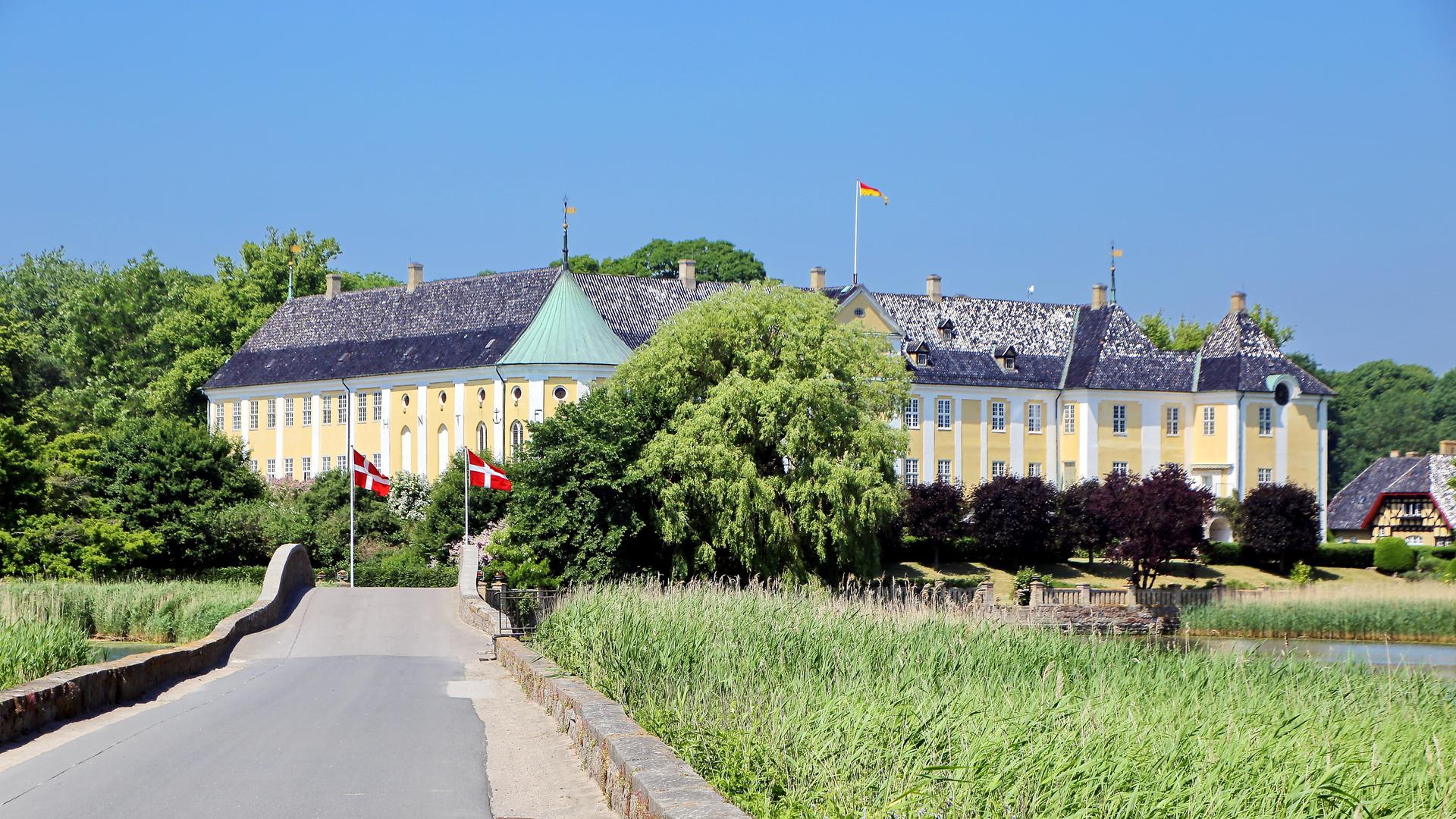
Looking beyond NæstvedArkiverne? Discover Nastved for broader travel guides, local hot-spots, and regional highlights.
Explore Nastved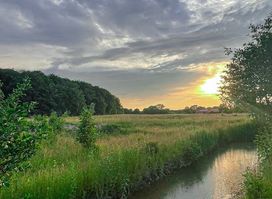
Young woodlands, open meadows and restored wetlands form a relaxed green belt around Næstved, perfect for everyday walks, play and simple outdoor living.

A modest town-centre memorial where Næstved quietly honours its fallen soldiers from the wars of 1848–50 and 1864 amid a pocket of greenery off Østergade.
