Boderne, Naestved Travel Guide
Free Guide: Medieval merchants’ stalls reborn as an intimate showcase of Kähler ceramics, Holmegaard glass and South Zealand craftsmanship in the heart of old Næstved.


A brief summary of Boderne
Medieval merchants’ stalls reborn as an intimate showcase of Kähler ceramics, Holmegaard glass and South Zealand craftsmanship in the heart of old Næstved.
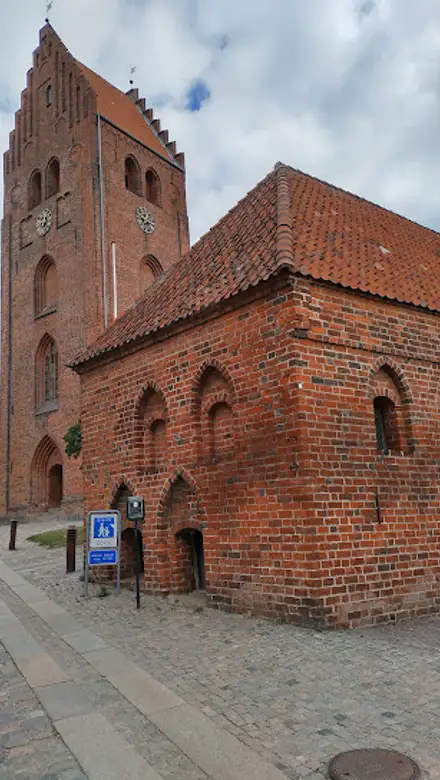
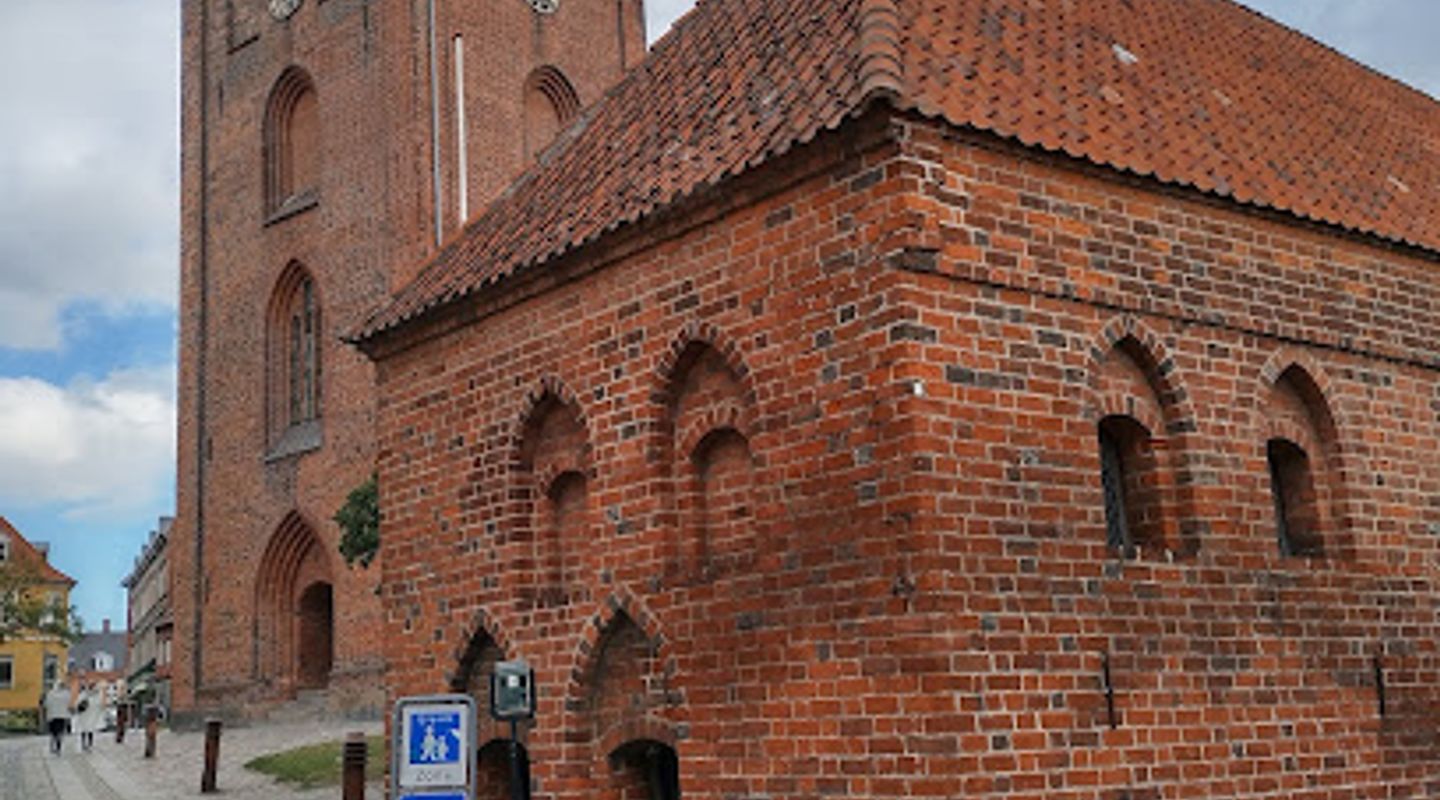
Housed in a row of beautifully restored medieval stalls by Sct Peders Church, Næstved Museum – Boderne is the intimate design and craft wing of Næstved Museum. Here, you step into atmospheric vaulted rooms filled with Holmegaard glass, Kähler ceramics and local silver, tracing South Zealand’s craftsmanship from the 19th century to today. The setting blends centuries-old brickwork with colourful Scandinavian design, making this a compact yet rich stop for culture lovers in central Næstved.
On-site amenities
 Restrooms
 Seating areas
 Trash bins
 Information boards
Opening hours
- MonClosed
- Tue11 am–5 pm
- Wed11 am–5 pm
- Thu11 am–5 pm
- Fri11 am–5 pm
- Sat11 am–3 pm
- SunClosed
Opening hours as listed on the venue’s Google Business Profile. Hours can change for services and special events, so check with the venue before you go.
- Address
- Sct Peders Kirkeplads 8, 4700 Næstved
- Phone
- Website
Getting there
Train and short walk from Næstved Station
Local bus within Næstved
Car or rental car in central Næstved
Discover more about Boderne
Medieval trading houses turned design showcase
Boderne occupies a characterful complex of former medieval stalls on Sct Peders Kirkeplads, once used as simple accommodation and trading spaces just off the church square. Behind the thick brick walls, you can still sense the building’s origins in the narrow rooms, low ceilings and heavy beams that run the length of the structure. Restored during the late 20th century, the complex now fuses old masonry and timber with discreet museum fittings, letting the architecture remain a central part of the visit.The setting feels distinctly local: church spire outside, cobblestones underfoot, and a layout that follows the footprint of the original stalls. Moving from room to room, you get an immediate feel for Næstved’s medieval street pattern and how life once clustered around the parish church and market.
Kähler ceramics across four generations
One of Boderne’s main draws is its deep dive into the story of the Herman A. Kähler ceramics factory, which helped put Næstved on Denmark’s design map. In several adjoining rooms, showcases chart the evolution of Kähler pieces over four generations, from robust earthenware to refined art pottery with lustrous glazes.Here you can study the subtle differences in form and decoration between early utilitarian wares and later artistic experiments. Signature striped vases, matte surfaces, and richly coloured glazes demonstrate how the workshop kept pace with changing tastes while maintaining a distinctly Danish character. Wall texts and object groupings highlight links between everyday home life, emerging design trends and the growing international reputation of Scandinavian ceramics.
Holmegaard glass and the art of light
Boderne also dedicates space to Holmegaard glass, another South Zealand success story. Two rooms follow production from the mid‑19th century to contemporary designs, with shelves of bowls, vases and stemware that show how glassmakers played with clarity, colour and texture.You can compare delicate blown pieces with more sculptural modern forms, noticing how changing technologies opened new possibilities. The way the objects are lit – catching edges, curves and air bubbles – underlines glass as an art of light as much as of material. Together with the ceramics collection, this section creates a compact survey of Danish applied arts rooted in the local area yet influential far beyond it.
Silver, everyday objects and local craftsmanship
Beyond the headline collections, smaller displays introduce silverware produced in the surrounding region and ceramics from across Denmark. These cases often mix local commissions with more widely known makers, situating Næstved within broader national craft traditions.The scale of the museum invites slow looking: you can pause over engraved details on a coffee pot, or compare shapes of jars and jugs built for different domestic tasks. Subtle interpretive material connects these objects to workshops, households and social rituals, making clear that design history here is also the story of everyday life on South Zealand.
A compact museum experience in the old town
Boderne’s intimate size makes it easy to explore in an hour or two without feeling rushed. The sequence of rooms naturally leads you from medieval building fabric to 19th‑ and 20th‑century craft, with occasional glimpses out to the church square grounding you in the present town.Located in one of Næstved’s most picturesque corners, the museum fits seamlessly into a wider wander through the historic centre. It works equally well as a focused visit for design enthusiasts or a gentle introduction to local heritage for casual strollers who simply step in from the square to see what lies behind the old brick façade.
Evendo Review Centre
 Google
Guest reviews
Best time to go
Quietest: Jan, Feb & Mar · before 8am or from 6pm
Busy times are Evendo estimates for a typical year, to help you plan. Actual crowds vary with events, school holidays and the weather.
Explore Boderne on the map
A handpicked selection of must-see spots near Boderne, mapped for you.
Get your free copy of our complete guide to Boderne, delivered straight to you.
Everything on this page, from opening hours and how to get there to Eve’s tips and the best time to go, in one PDF you can read offline, print or share.
Already have an account? Sign in
Your Boderne guide is ready.
We'll send it to · Not you? Sign out

Getting your guide ready…
We are putting together a fresh copy of the Boderne guide. This can take up to a minute.
This can take a few moments. If your browser asks, choose Allow so the download can start. You'll find the guide in your Downloads folder.
Nothing happened? Download it again
Sorry, the guide is taking longer than usual. Please try again in a minute, or get it by email instead.
Other nearby places you may find interesting
The closest places of the same kind, if this one is not quite what you had in mind.
-
-
-
-
-


Swipe for more places
More to explore near Boderne

 Best experiences near Boderne
 Best hotels near Boderne
 Best landmarks near Boderne
 Best attractions near Boderne
 Best shops near Boderne
 Best restaurants near Boderne
 Best bars near Boderne
Do you manage this location?
Take control to get all the benefits, like improved information, better appearance, and stronger visibility across AI-powered discovery.
Explore more
Explore more of Naestved
Discover Næstved: A charming Danish city with rich history, vibrant arts, stunning nature, and delectable cuisine, perfect for a memorable and diverse vacation.
Explore Naestved
Explore more of Denmark
Discover Denmark: A perfect blend of history, modern design, and the cozy concept of hygge. Explore vibrant cities, serene landscapes, and world-class cuisine.
Explore Denmark