Mindesten for Hans Tausen, Slagelse Travel Guide
Free Guide: A modest granite stone in a quiet Slagelse green, marking the birthplace of Denmark’s Lutheran Reformation story at the former Antvorskov monastery.


A brief summary of Mindesten for Hans Tausen
A modest granite stone in a quiet Slagelse green, marking the birthplace of Denmark’s Lutheran Reformation story at the former Antvorskov monastery.
Set on Grønningen in Slagelse, the Mindesten for Hans Tausen is a modest yet powerful granite memorial raised in 1891 to honour Denmark’s key Lutheran reformer. Standing in front of the former Antvorskov estate, once a major Johannite monastery, the stone marks the place where the young monk Hans Tausen began the journey that would make him a central figure in the Danish Reformation and later bishop of Ribe. Today the site is a quiet green corner, ideal for a short contemplative pause.
On-site amenities
 Trash bins
 Seating areas
Opening hours
- Every dayOpen 24 hours
Opening hours as listed on the venue’s Google Business Profile. Hours can change for services and special events, so check with the venue before you go.
- Address
- Grønningen 21, 4200 Slagelse
Getting there
Train and local bus from Copenhagen
Car from central Slagelse
Bicycle from Slagelse town centre
Discover more about Mindesten for Hans Tausen
A quiet stone with a turbulent backstory
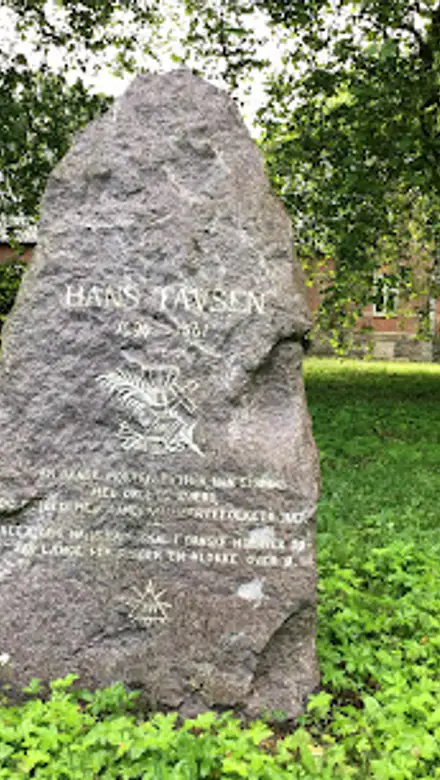
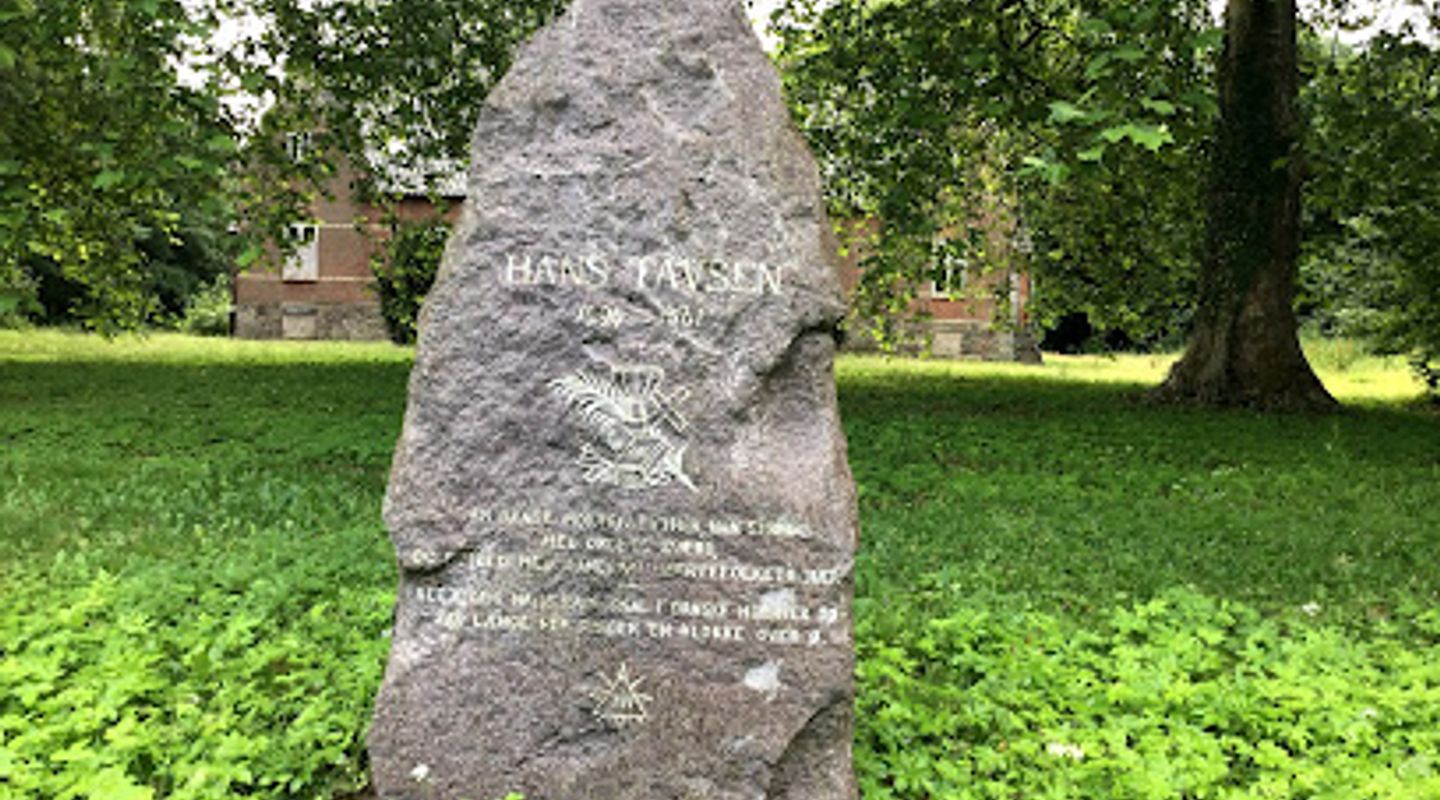
In the middle of Grønningen’s open green in Slagelse stands a solid granite boulder: the Mindesten for Hans Tausen. Raised in 1891, the monument may appear simple at first glance, but it carries the memory of one of Denmark’s most influential church reformers. An inscription recalls Hans Tausen’s life and dates, inviting you to connect this unassuming stone with a national religious upheaval that reshaped the kingdom in the 1500s.The choice of granite fits the story. Its rough, enduring surface feels almost timeless, suggesting both the stubborn resistance Tausen met and the lasting impact of his preaching. Around the stone, low-cut grass, trees and the open layout of Grønningen create a small, informal memorial park that blends easily into everyday neighbourhood life.
From monastery scholar to Reformation firebrand
Hans Tausen was born on Funen around 1494 and eventually joined the Johannite order at nearby Antvorskov Monastery, just outside Slagelse. From here he was sent to study abroad, including in Rostock and later in Wittenberg, where he encountered Martin Luther’s ideas at first hand. Returning to Denmark, Tausen began preaching the new Lutheran doctrine, initially within the monastic framework but increasingly in open defiance of Catholic authority.His sermons helped spread the Reformation in towns like Viborg and later Copenhagen, and he became known as a forceful, sometimes controversial, voice for change. After the Reformation was established in Denmark, he was appointed bishop in Ribe, a role he held until his death in 1561. The stone at Grønningen links this national story back to its early chapter: the young monk at Antvorskov whose studies and convictions would ripple across the realm.
Antvorskov’s vanished walls and lingering presence
The memorial stands in front of the site of Gammel Antvorskov, once a powerful Johannite monastery complex that dominated the local landscape. Most of its medieval buildings are long gone or reduced to foundations and scattered remains, but the open grounds still hint at the scale of the institution that shaped Tausen’s early life. Standing by the stone, it takes only a little imagination to picture cloaked monks crossing the fields or students hurrying between lessons.Antvorskov later became a royal estate and went through centuries of change and demolition. Today only fragments and place names recall its former importance. The positioning of the memorial at this spot effectively turns the whole area into an outdoor historical tableau, where a single stone speaks both for a lost monastery and for the religious revolution that rose from within its walls.
A small stop on a wider historical trail
For visitors, Mindesten for Hans Tausen is a brief, reflective stop rather than a major attraction. There are no gates or ticket booths, just an accessible patch of grass along a residential street. The experience lies in pausing, reading the inscription and situating this quiet corner within Denmark’s Reformation story, perhaps as part of a wider exploration of Slagelse, Antvorskov ruins and other local heritage sites.The surroundings are calm, with light traffic noise and birdsong mixing with everyday sounds from nearby homes. On a bright day the stone casts a short shadow across the lawn; in cooler seasons it can feel almost stark and austere, perfectly in tune with the Lutheran sobriety it commemorates. It is an ideal place for a short historical detour, a photograph and a moment’s reflection on how grand ideas often begin in modest places.
Reflecting on faith, change and memory
Spending a little time here encourages you to think about how societies negotiate change. Tausen’s career bridged the world of closed monastic orders and the new, more public church life of the Reformation. The memorial stone, raised centuries later, shows how later generations chose to remember him: not with a heroic statue, but with a grounded boulder rooted in the local soil.As you leave, the image that lingers is not just the stone itself, but its setting: a former monastic landscape turned ordinary suburb, still holding traces of spiritual and political struggles long past. It is this contrast between quiet present and dramatic history that gives the Mindesten for Hans Tausen its particular atmosphere.
Evendo Review Centre
 Google
Guest reviews
Best time to go
Quietest: Jan, Feb & Mar · before 8am or at 8pm
Busy times are Evendo estimates for a typical year, to help you plan. Actual crowds vary with events, school holidays and the weather.
Explore Mindesten for Hans Tausen on the map
A handpicked selection of must-see spots near Mindesten for Hans Tausen, mapped for you.
Get your free copy of our complete guide to Mindesten for Hans Tausen, delivered straight to you.
Everything on this page, from opening hours and how to get there to Eve’s tips and the best time to go, in one PDF you can read offline, print or share.
Already have an account? Sign in
Your Mindesten for Hans Tausen guide is ready.
We'll send it to · Not you? Sign out

Getting your guide ready…
We are putting together a fresh copy of the Mindesten for Hans Tausen guide. This can take up to a minute.
This can take a few moments. If your browser asks, choose Allow so the download can start. You'll find the guide in your Downloads folder.
Nothing happened? Download it again
Sorry, the guide is taking longer than usual. Please try again in a minute, or get it by email instead.
Other nearby places you may find interesting
The closest places of the same kind, if this one is not quite what you had in mind.
-
-
-
-
-


Swipe for more places
More to explore near Mindesten for Hans Tausen
-
 Best experiences near Mindesten for Hans Tausen
-
 Best hotels near Mindesten for Hans Tausen
-
 Best landmarks near Mindesten for Hans Tausen
-
 Best attractions near Mindesten for Hans Tausen
-
 Best shops near Mindesten for Hans Tausen
-
 Best restaurants near Mindesten for Hans Tausen
-
 Best bars near Mindesten for Hans Tausen


Do you manage this location?
Take control to get all the benefits, like improved information, better appearance, and stronger visibility across AI-powered discovery.
Explore more
Explore more of Slagelse
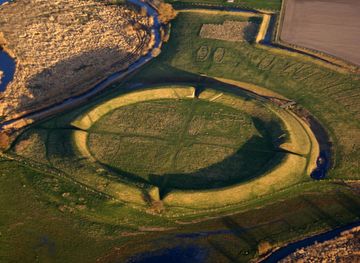
Discover Slagelse: A captivating blend of Viking history, vibrant culture, and natural beauty on the charming island of Zealand, Denmark.
Explore Slagelse
Explore more of Denmark
Discover Denmark: A perfect blend of history, modern design, and the cozy concept of hygge. Explore vibrant cities, serene landscapes, and world-class cuisine.
Explore Denmark